
 Scan QR Code
Send My Request
Cost Drivers and Lead Times for PVDF Injection-Molded Covers
Friday, 01/30/2026
This article analyzes the primary cost drivers and lead-time factors for PVDF injection-molded covers, with practical guidance for procurement, tooling, material selection and process optimization. Learn how the Bost PVDF cover with screws by injection molding balances corrosion-resistant fixing, precision installation and high-temperature sealing to deliver reliable protection in demanding environments.
- Material and Resin Factors: Why Fluoroplastic Choice Matters
- PVDF properties that increase unit cost
- Grade selection and additives: trade-offs
- Supply chain and resin lead time volatility
- Tooling, Process, and Production Efficiency
- Tooling cost: the largest single upfront expense
- Cycle time and molding parameters affecting throughput
- Tool life and maintenance for fluoroplastics
- Assembly, Finishing, and Functional Features
- Integrated screws vs. post-assembly fastening
- Sealing and dimensional control
- Surface finish and appearance treatments
- Supply Chain, Volume, and Quality Management
- Volume economics and minimum order quantities
- Quality systems and validation impacting lead time
- Logistics, buffer stock, and global sourcing
- Comparison table: major cost-driver contributions (illustrative)
- Practical Recommendations to Reduce Cost and Lead Time
- Design for manufacturability (DFM) with fluoroplastic constraints
- Tooling strategy: modular tooling and proofing runs
- Supplier selection and contractual protections
- Process controls and automation to stabilize output
- Case Study: Bost PVDF Cover with Screws — Balancing Performance and Cost
- Design goals and rationale
- How Bost reduces lead time risk
- When the High Quality is justified
- FAQ — Cost Drivers and Lead Times for PVDF Injection-Molded Covers
- Q: Why is PVDF more expensive than other plastics?
- Q: What typical lead time should I expect for initial production?
- Q: Can design changes be made after the mold is built?
- Q: How can I lower per-unit cost without sacrificing performance?
- Q: Are there standards or resources that help with PVDF processing?
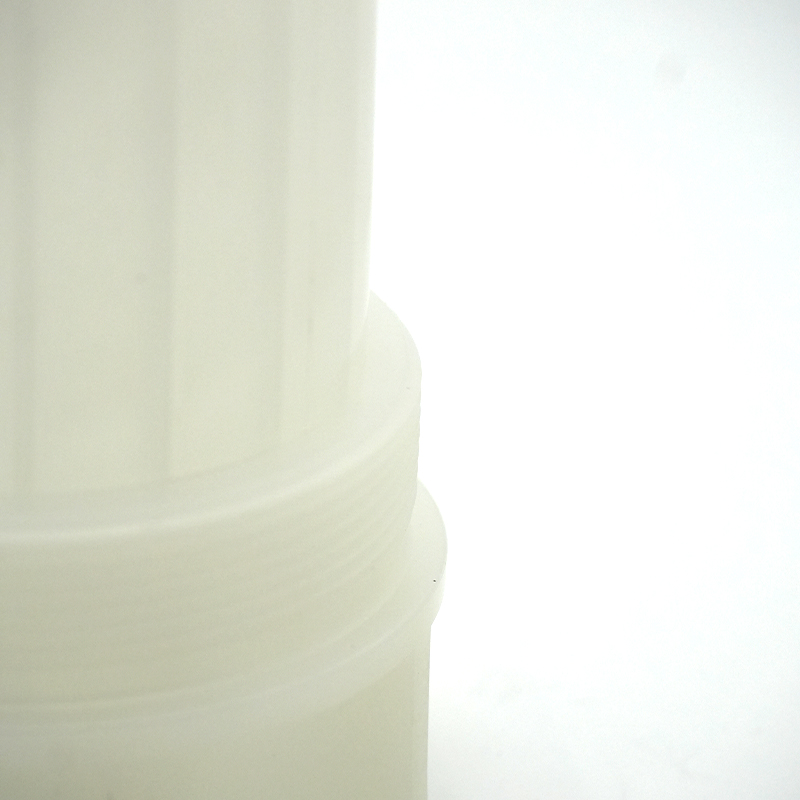
The PVDF cover with screws by injection molding represents a high-performance solution for corrosion resistance, temperature stability and precise sealing in challenging environments. As a fluoroplastic product, polyvinylidene fluoride (PVDF) combines chemical inertness and mechanical strength, but those advantages also influence costs and production timelines. This article dissects the primary cost drivers, identifies typical bottlenecks that extend lead times, and offers actionable recommendations to optimize both cost and delivery for PVDF injection-molded covers — including best practices relevant to Bost's PVDF cover with screws.
Material and Resin Factors: Why Fluoroplastic Choice Matters
PVDF properties that increase unit cost
PVDF is a semi-crystalline fluoropolymer valued for chemical resistance, UV stability and high-temperature performance. Compared with commodity thermoplastics (e.g., polypropylene, ABS), PVDF raw resin costs are higher due to more complex monomer synthesis and tighter process controls. The material's melt viscosity, melt temperature (typically ~170–220°C depending on grade), and sensitivity to moisture and fillers increase processing constraints and scrap risk, all of which raise per-part cost.
Grade selection and additives: trade-offs
Choosing a PVDF grade (standard, glass-filled, impact-modified, UV-stabilized) is a trade-off. Filled grades reduce creep and increase stiffness but raise melt viscosity and tool wear; UV or colorants add cost and can affect flow. For Bost's PVDF cover with screws, selecting an unfilled or lightly filled PVDF often gives the optimal combination of sealing reliability and corrosion resistance, but buyers should weigh the High Quality for specialty grades against expected service life.
Supply chain and resin lead time volatility
PVDF supply is more concentrated globally than commodity resins, so availability and lead times can fluctuate with capacity, feedstock pricing, and regulatory factors. Long resin lead times can force makers to hold safety stock or accept higher spot prices — two cost drivers buyers must plan for. Refer to PVDF industry overviews for material behavior and market context: PVDF (Wikipedia) and technical resources at Fluoropolymers.org.
Tooling, Process, and Production Efficiency
Tooling cost: the largest single upfront expense
For injection-molded covers, especially parts with integrated bosses and screw features like the Bost PVDF cover with screws, tooling (mold) cost is typically the largest capital outlay. Tool complexity increases with undercuts, thin ribs, tight tolerances for screw alignment, and multi-cavity layouts. Typical tool cost drivers include tool steel choice, number of cavities, tolerances, surface finish and corrosion protection for molding fluoroplastics. A high-quality multi-cavity tool amortized over volume reduces unit cost, but extends initial lead time for machining and verification.
Cycle time and molding parameters affecting throughput
PVDF's crystallization behavior and high processing temperature mean cycle times are often longer than for commodity plastics. Cooling time can dominate cycle time for thick sections; designers should optimize wall thickness and gate location to reduce cooling time while maintaining sealing and mechanical function for the screw-fastened cover. Faster cycles reduce unit cost but require stable process windows and robust mold design.
Tool life and maintenance for fluoroplastics
Fluoroplastics still abrade and chemically interact with tooling surfaces; tool maintenance schedules and protective surface treatments (e.g., nitriding or corrosion-resistant coatings) affect long-term per-part cost and the risk of unscheduled lead-time delays. Including these considerations in the total cost of ownership prevents surprises when the mold requires refurbishment.
Assembly, Finishing, and Functional Features
Integrated screws vs. post-assembly fastening
The Bost PVDF cover with screws by injection molding is designed for corrosion-resistant fixing and precision installation. Integration of screw bosses and capture features in the molded part can reduce assembly steps, but may complicate mold design and increase scrap if threads or bosses deform. Alternatively, designing for post-molded metal inserts or self-tapping screws influences both cost and lead time: inserts add supply and insertion steps; self-tapping can reduce parts count but requires careful boss design.
Sealing and dimensional control
High-temperature resistant sealing in PVDF parts depends on dimensional stability and tight tolerances in seal areas. Achieving consistent sealing surfaces may require secondary machining, ultrasonic welding, or specialized gasket integration — each of which contributes to unit cost and lead time. For environments needing reliable long-term sealing, the slight increase in production steps is often justified by reduced field failures.
Surface finish and appearance treatments
PVDF's chemical resistance makes post-process painting or coating difficult without specialized pretreatment. If aesthetic or marking requirements exist, consider in-mold labeling (IML) or laser marking compatible with PVDF. Those options add upfront tooling complexity (and cost) but can reduce per-part finishing costs and delivery time compared with separate coating lines.
Supply Chain, Volume, and Quality Management
Volume economics and minimum order quantities
Unit costs for injection-molded PVDF covers follow classic tooling economics: higher volumes dilute tooling and setup cost. Low-volume orders may incur High Quality per-part pricing or require simpler tooling, which can compromise part features. Plan expected volumes over the product lifecycle; if multiple variants are anticipated, design modular tooling or inserts to manage cost and lead time.
Quality systems and validation impacting lead time
Comprehensive quality systems (e.g., following ISO 9001 principles) shorten rework and supplier qualification cycles, but they require up-front effort and documentation. For regulated or safety-critical applications, additional testing (chemical resistance, accelerated aging, torque testing for screws, dimensional inspection) is necessary before full-scale production — increasing lead time but reducing warranty costs. See ISO quality guidance: ISO 9001 Quality Management.
Logistics, buffer stock, and global sourcing
Sourcing strategy affects both cost and lead time. Local suppliers reduce transit time and responsiveness but may have higher unit prices; overseas suppliers can offer lower prices but longer and less predictable lead times. For PVDF, where supply is concentrated, consider safety stock strategies or dual-sourcing to mitigate resin and component shortages. Plastics industry supply-chain resources can help with market context: PlasticsEurope.
Comparison table: major cost-driver contributions (illustrative)
| Cost Component | Typical % of Unit Cost | Notes |
|---|---|---|
| Tooling (mold amortization) | 30–45% | Depends on cavities, complexity, and lifespan |
| Raw material (PVDF resin) | 20–30% | Fluctuates with grade and supply market |
| Processing (cycle time, energy) | 10–20% | Higher for thick sections and high-temp processing |
| Finishing & assembly (screws, inserts) | 5–15% | Varies with integrated features and secondary ops |
| Quality, testing, logistics | 5–10% | Includes inspection, packaging, freight |
These proportions are illustrative; your program should run a total cost of ownership (TCO) analysis that includes service life, failure costs, and environmental exposure.
Practical Recommendations to Reduce Cost and Lead Time
Design for manufacturability (DFM) with fluoroplastic constraints
Early-stage DFM saves time and money. For PVDF covers: optimize wall thickness to balance cooling time and stiffness; design ribs and bosses for consistent flow; minimize thin long flow lengths to reduce weld lines; and specify critical tolerances only where function requires. Engaging moldmakers early avoids late-stage changes that drive lead-time slippage and cost escalation.
Tooling strategy: modular tooling and proofing runs
Consider modular tooling with interchangeable inserts for variants to keep initial mold costs lower while preserving flexibility. Conduct small proofing runs to validate gate locations, cooling, and boss performance; this reduces expensive rework. Additionally, acceptance criteria and first-piece inspection plans should be defined prior to production.
Supplier selection and contractual protections
Select suppliers with proven experience handling fluoroplastics and high-temperature molding. Contract terms should address resin price volatility, turnaround times for repairs, and quality defect rates. Include KPIs for on-time delivery, yield, and returns to keep supply chain performance measurable and predictable.
Process controls and automation to stabilize output
Use process monitoring (injection pressure, temperature, shot weight) and consider automation for gating, insert placement, and inspection to reduce human variability and defects. For components like Bost's PVDF cover with screws where sealing and screw alignment are critical, automated final torque and inspection operations can reduce field failures and life-cycle costs.
Case Study: Bost PVDF Cover with Screws — Balancing Performance and Cost
Design goals and rationale
Bost designed its PVDF cover with screws by injection molding to ensure corrosion-resistant fixing, precision installation, and high-temperature resistant sealing. The choice of PVDF as a fluoroplastic provides long-term chemical resistance and dimensional stability for sealing surfaces, which reduces maintenance and replacement costs in harsh service environments.
How Bost reduces lead time risk
Key strategies used by best-in-class suppliers like Bost include validated supplier relationships for PVDF resin, modular mold design to cover multiple part variants, and rigorous first-article inspection procedures to reduce cycle failures. These measures shorten ramp-up time and reduce the probability of long corrective loops during production.
When the High Quality is justified
For applications exposed to aggressive chemicals, high temperatures, or where cover failure would cause significant downtime or safety issues, the higher upfront cost of PVDF injection-molded covers (and robust tooling) is justified by reduced total lifecycle cost. Bost's product claims superior PVDF injection-molded solutions suited to these conditions.
FAQ — Cost Drivers and Lead Times for PVDF Injection-Molded Covers
Q: Why is PVDF more expensive than other plastics?
A: PVDF is a high-performance fluoroplastic with specialized synthesis, limited global supply compared with commodity resins, and tighter processing requirements. These factors drive a higher raw-material price and elevated processing and tooling demands.
Q: What typical lead time should I expect for initial production?
A: Typical lead time for first production is dominated by tooling build and validation — commonly 8–16 weeks depending on complexity and moldmaker capacity. Material procurement, especially specialty PVDF grades, can add additional weeks if not stocked.
Q: Can design changes be made after the mold is built?
A: Minor changes are possible but often costly and time-consuming. Invest in upfront DFM and prototype validation (e.g., 3D-printed models or soft tooling) to reduce late-stage changes that extend lead time and cost.
Q: How can I lower per-unit cost without sacrificing performance?
A: Strategies include increasing volume to amortize tooling, simplifying part geometry, standardizing on a single PVDF grade, or using modular tooling. Also evaluate whether all features must be molded in PVDF or if some non-critical covers can use less expensive materials.
Q: Are there standards or resources that help with PVDF processing?
A: Yes. Technical summaries and processing guidelines are available from polymer knowledge bases and industry portals. For material properties see PVDF (Wikipedia); for supply and industry context see Fluoropolymers.org; and for quality-system guidance consider ISO 9001.
Ready to reduce cost and lead time risk for your PVDF covers? Contact Bost's technical sales team to review design-for-manufacturing options, lead-time estimates, and sample requests. View the Bost PVDF cover with screws product page or reach out to our sales engineers to get a tailored quotation and production plan.
Contact / View Product: For pricing, lead times, and technical support, please contact Bost or visit our product page for the PVDF cover with screws by injection molding.
Tags
custom injection molding
custom injection molding
customized injection molded plastic parts
customized injection molded plastic parts
Nylon Insulator
Nylon Insulator
Engineering plastic spacer
Engineering plastic spacer
cnc machined parts
cnc machined parts
Long-Lasting Durability
Long-Lasting Durability
Recommended for you
Selecting PP Plastic Spacers: Key Specs for Industrial Buyers
top high-performance plastics for electronics thermal management 2026
Spec Checklist for Black and UV Resistant ABS Connectors
What is special engineering plastics ?
Prdoucts Categories
Question you may concern
FAQs
What is the delivery lead time? Do you offer global logistics?
Standard products: 5–15 working days; custom modifications: 2–4 weeks. We support global air/sea freight and provide export customs clearance documents (including REACH/UL certifications).
Can Bost customize modified plastics with special properties?
Yes! We offer modification services such as reinforcement, flame retardancy, conductivity, wear resistance, and UV resistance, for example:
• Adding carbon fiber to enhance stiffness
• Reducing the coefficient of friction through PTFE modification
• Customizing food-grade or medical-grade certified materials
How do I select the appropriate engineering plastic grade for my product?
Selection should be based on parameters such as load conditions (e.g., pressure/friction), temperature range, medium contact (e.g., oil/acid), and regulatory requirements (e.g., FDA/RoHS). Our engineers can provide free material selection consulting and sample testing.
What is the minimum order quantity (MOQ)? Do you support small-batch trial production?
The MOQ for standard products is ≥100kg. We support small-batch trial production (as low as 20kg) and provide mold testing reports and performance data feedback.
What are the core advantages of Bost engineering plastics compared to ordinary plastics?
Bost engineering plastics feature ultra-high mechanical strength, high-temperature resistance (-50°C to 300°C), chemical corrosion resistance, and wear resistance. Compared to ordinary plastics, their service life is extended by 3 to 8 times, making them suitable for replacing metals in harsh environments.
You may also like
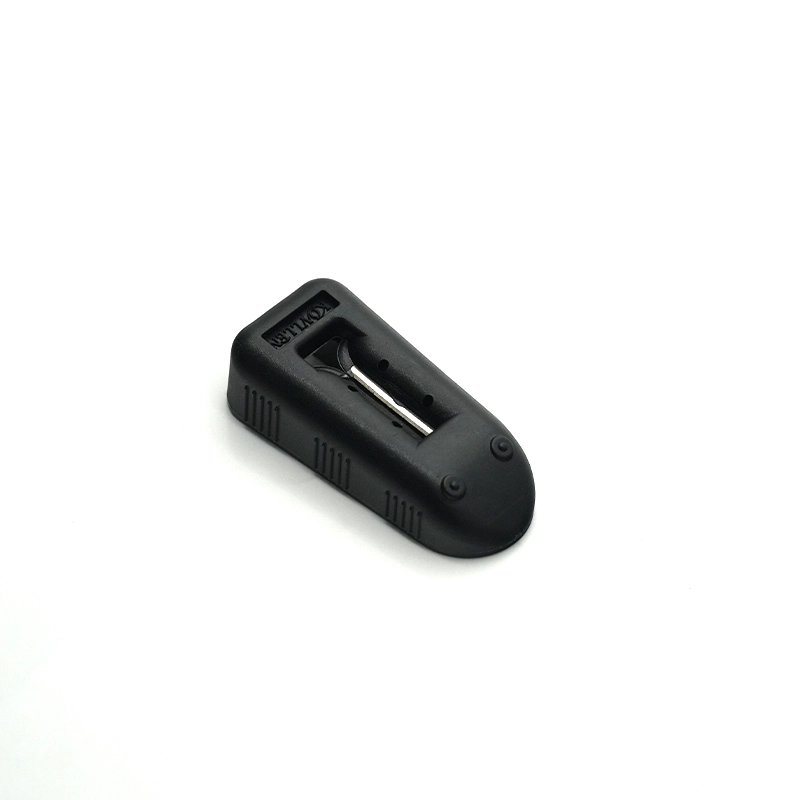
The plastic plug manufactured by Insert molding with stainless steel plate
Bost’s Insert-Molded Stainless Steel Plate Plastic Plug offers superior durability and corrosion resistance. This stainless steel insert durable plastic plug ensures a secure fit and long-lasting performance, ideal for industrial and commercial applications. Robust design meets quality standards.
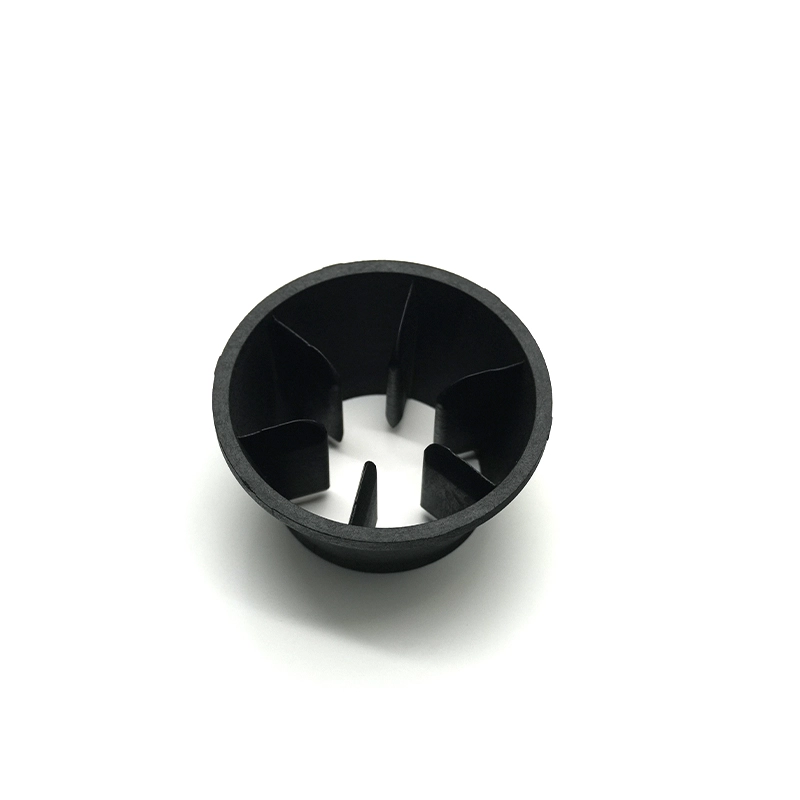
The Bost custom PPO flow valve by injection molding
The BOST Custom PPO Injection-Molded Flow Valve delivers high-temp and corrosion-resistant performance for industrial flow control. Precision-engineered by Bost, this custom PPO valve ensures durable, reliable operation in demanding environments. Optimize your process with BOST’s advanced injection-molded solution.
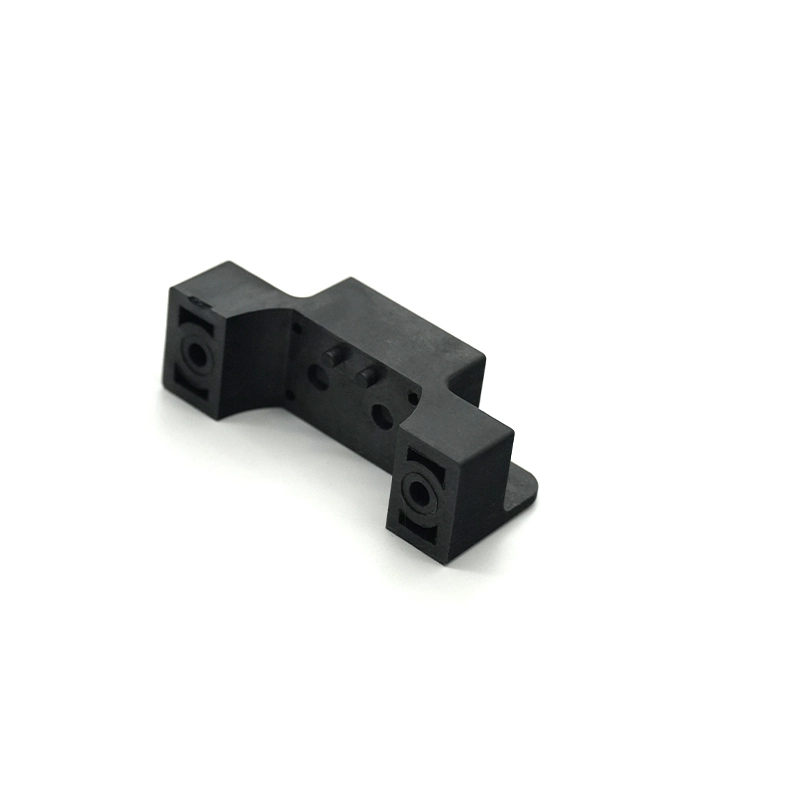
The Bost custom plastic handle by injection molding with high performance PPS material
BOST Custom PPS Injection-Molded Wear-Resistant Handle delivers superior durability and high performance. Made from High Quality PPS material, this injection-molded handle ensures exceptional wear resistance, ideal for demanding applications and long-lasting use. Choose BOST for quality and reliability.
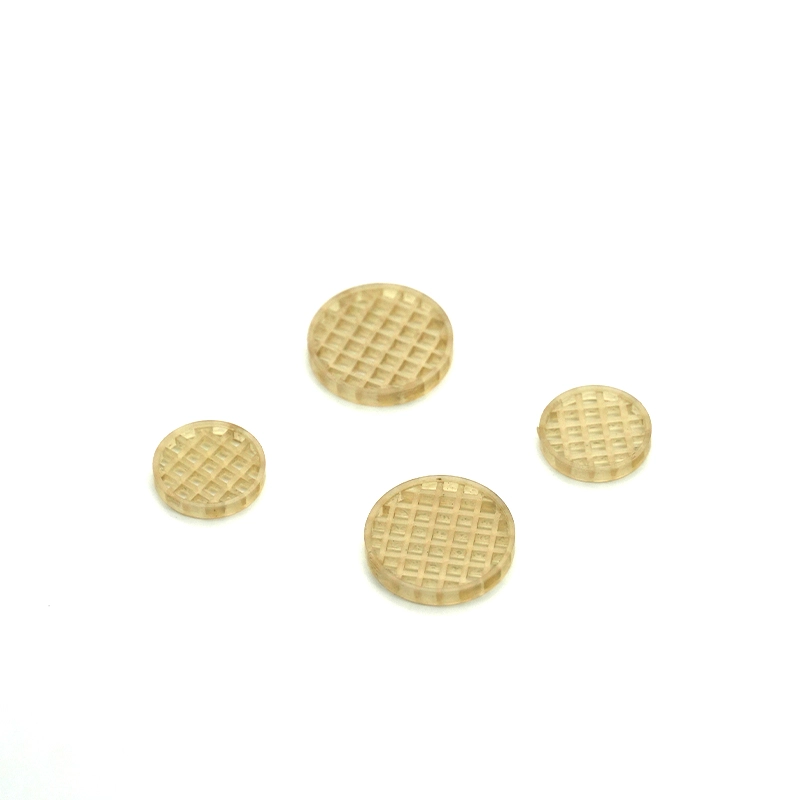
The Bost custom flow meter by injection molding with PES plastic
The Bost Custom PES Injection-Molded Flow Meter offers high-temperature and corrosion resistance, ideal for industrial use. Made with durable PES plastic via precision injection molding, this flow meter ensures reliable, customized performance for demanding applications. Trust Bost for quality and innovation.
Get in touch with Bost
Have any questions or concerns about our products? Please leave us a message here, and our team will get back to you promptly.

24 hours quotes delivered
Submit CAD files, get quote in 24 hours

No MOQ required
From prototyping to high-volume

±0.02 mm Precision
Advanced CNC with full inspections

1,000+ tons in stock
26 materials ready to ship
© 2026 BOST. All Rights Reserved.