
 Scan QR Code
Send My Request
Injection Molding Tips for Durable PVDF Covers with Fasteners
Thursday, 01/29/2026
Practical, production-ready guidance for injection molding corrosion-resistant PVDF covers with screws. Covers design, mold & process settings, fastener strategies, sealing and testing to ensure durable, precision installation in demanding environments. Useful for engineers and product managers selecting fluoroplastic solutions.
- Material selection and why PVDF (a fluoroplastic) is ideal
- PVDF properties that matter for covers and fasteners
- Choosing the right fluoroplastic grade
- PVDF vs other fluoroplastics — practical trade-offs
- Mold & part design for PVDF covers with screws
- Designing bosses and threads for strength
- Gate location, flow balancing and vents
- Wall thickness, cooling and warpage control
- Injection molding process parameters and troubleshooting
- Typical processing window and preparation
- Melt handling, screw design and machine choices
- Common defects and fixes
- Fastening strategies: molded-in vs post-assembly screws and sealing
- Molded-in fasteners and insert overmolding
- Designing for threaded bosses and self-tapping screws
- Sealing strategies for high-temperature resistant sealing
- Testing, validation and quality systems
- Recommended tests and standards
- Accelerated aging and environmental checks
- Process control and inspection
- Case study: The Bost PVDF cover with screws — production considerations
- Product snapshot
- Typical assembly and installation notes
- Production checklist
- FAQs (Frequently Asked Questions)
- Q: Is PVDF the best fluoroplastic for injection-molded covers?
- Q: Can screws be molded directly into PVDF parts?
- Q: What are typical PVDF molding temperatures and drying requirements?
- Q: How do I prevent boss failure when using plastic covers with screws?
- Q: What testing should I require before approving a PVDF cover for field use?
- Contact and next steps
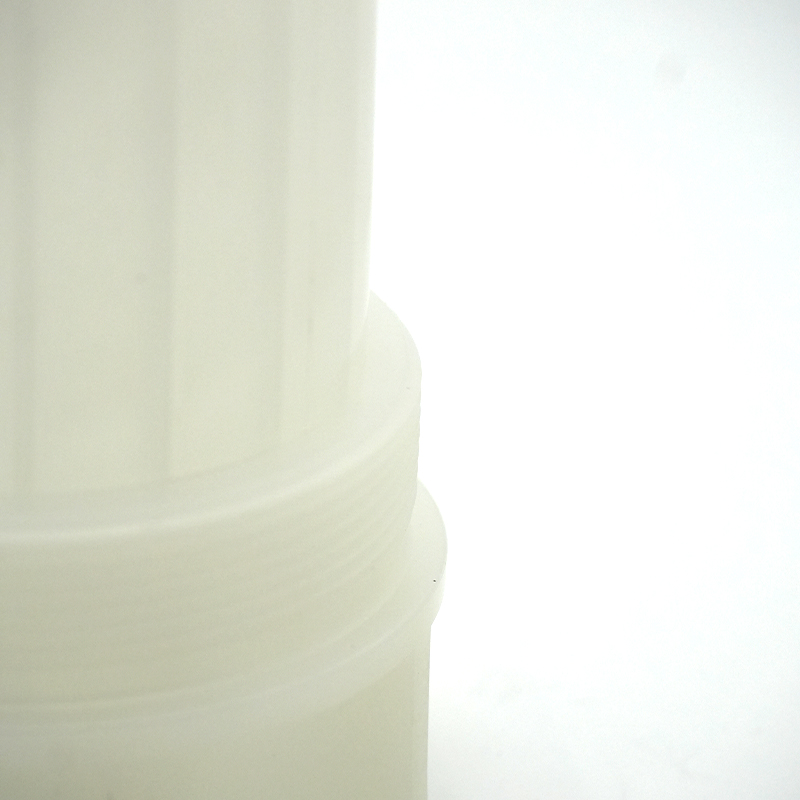
The following guide focuses on engineering and production strategies to injection mold PVDF covers with screws for durable, corrosion-resistant assemblies. It emphasizes fluoroplastic material behavior, mold design, processing parameters, fastener approaches (molded-in, threaded bosses, or post-assembly stainless fasteners), sealing methods for high-temperature resistance, and verification tests for long-term reliability. The recommendations are practical, traceable to industry practice, and oriented to helping manufacturers minimize defects, cut cycle time, and meet demanding field conditions.
Material selection and why PVDF (a fluoroplastic) is ideal
PVDF properties that matter for covers and fasteners
Polyvinylidene fluoride (PVDF) is a fluoroplastic notable for its chemical resistance, UV stability, and relatively high mechanical strength among fluoropolymers. These attributes make it a preferred choice for covers and housings that require long-term exposure to corrosive media, elevated temperatures, or sunlight. Compared to PTFE, PVDF is more readily injection-moldable and offers better mechanical rigidity while retaining excellent chemical resistance. For manufacturer datasheets and polymer science background see PVDF on Wikipedia and supplier technical briefs such as Arkema Kynar technical information.
Choosing the right fluoroplastic grade
Not all PVDF grades behave identically in injection molding. Options vary by melt flow index (MFI), filler content (glass-filled for stiffness, carbon-filled for conductivity), and heat-aged grades. For covers that integrate fastening points, choose a grade with good tensile strength and moderate stiffness (or a glass-filled grade if increased boss rigidity is required), while balancing impact resistance. Always consult the resin datasheet for recommended melt and mold temperatures and to confirm suitability for sealing and high-temperature service.
PVDF vs other fluoroplastics — practical trade-offs
When selecting a fluoroplastic, consider a short comparison (typical ranges):
| Property | PVDF | PTFE | PFA/FEP |
|---|---|---|---|
| Chemical resistance | Excellent | Excellent | Excellent |
| Injection moldability | Good (readily moldable) | Poor (paste/extrusion) | Good but higher cost |
| Mechanical strength | High | Low | Moderate |
| Service temp (°C) | -40 to 150 | -200 to 260 | -200 to 200 |
| Typical applications | Housings, seals, piping | Gaskets, high-temp bearings | Coatings, linings |
Sources: polymer technical briefs and material overviews such as fluoropolymer overview and suppliers' datasheets.
Mold & part design for PVDF covers with screws
Designing bosses and threads for strength
Bosses (for screws) are a common failure location in polymer covers if not designed with proper geometry. For PVDF covers use: a larger boss outer diameter, adequate wall support and fillets, and ribs to distribute stress. Typical guidelines:
- Boss outer diameter: 3.5–4.0× nominal screw major diameter for untapped bosses (varies with screw type and resin).
- Boss height: limited to avoid sink and voids — use inserts or extend the mating part for depth rather than excessive boss height.
- Add support ribs from the boss to the nearest wall; ribs should be 50–60% of wall thickness to prevent sink.
Consider thread-forming screws (self-tapping into thermoplastics) vs molded-in metal inserts. For higher torque and repeated assembly cycles, insert molding or post-mold ultrasonic insertion of stainless steel helicoils is preferred.
Gate location, flow balancing and vents
Good gate placement reduces knit-lines near critical fastener locations and improves dimensional stability. Use edge or submarine gates for covers, and position them so melt fronts do not impinge directly on boss areas. Because PVDF is somewhat crystalline, ensure even flow to avoid differential crystallization that causes warpage. Provide adequate venting at parting lines and near deep sections to minimize burn marks; vents of 20–50 μm are typical depending on machine capability.
Wall thickness, cooling and warpage control
Uniform wall thickness prevents differential cooling and shrinkage. Target wall thickness consistent with your PVDF grade recommendations — often in the 2.0–4.0 mm range for structural covers. Use conformal cooling if economically justified for complex geometries to reduce cycle time and improve dimensional control. For long, thin covers, add ribs for stiffness rather than thickening walls (which can create sink and long cooling time).
Injection molding process parameters and troubleshooting
Typical processing window and preparation
PVDF processing parameters vary by grade; typical ranges are melt temperature 200–260 °C and mold temperature 60–120 °C. Drying prior to molding is recommended—follow resin supplier guidance (typical drying: 2–4 hours at ~80 °C). Always verify conditions with the resin datasheet and perform initial trials to find the sweet spot between melt viscosity and shear to avoid degradation.
Melt handling, screw design and machine choices
Use an injection unit with a suitable L/D screw (often 18:1 or higher) and a design that limits residence time to prevent PVDF degradation. Controlled backpressure and moderate shear help homogenize the melt. If using glass-filled grades, select screws and barrel coatings designed for abrasive fillers and increase venting/filtration to capture unmelted agglomerates.
Common defects and fixes
- Warping: increase mold temperature or improve flow balance; add symmetrical ribs; reduce thick-to-thin transitions.
- Sinks at bosses: add packing/packing time, redesign boss with cooling ribs, or use inserts.
- Short shots: increase injection speed/pressure, optimize gate size or relocate gates for better flow to thin sections.
- Burn marks: improve venting or reduce injection speed in trapped-air zones.
Fastening strategies: molded-in vs post-assembly screws and sealing
Molded-in fasteners and insert overmolding
Molding covers directly over metal inserts or pre-placed screws can provide precise alignment and excellent retention. Use corrosion-resistant stainless steel inserts designed for overmolding. Key considerations: thermal expansion mismatch, insert surface geometry for mechanical interlock, and mold cycle timing (ensure inserts reach stable temperature before injection). Overmolding reduces assembly steps but requires precise automation in the mold to place inserts reliably.
Designing for threaded bosses and self-tapping screws
If post-assembly screws are required, design bosses with appropriate root diameter and depth. For self-tapping screws, ensure wall thickness and boss geometry satisfy recommended screw engagement length (commonly 2–3× boss diameter for polymers). To improve repeated assembly performance, consider metal inserts (heat-set or ultrasonic) for critical joints.
Sealing strategies for high-temperature resistant sealing
PVDF is suitable for high-temperature sealing up to its service limits. For covers that require leak-tight sealing, use O-rings (e.g., FKM, EPDM as appropriate) in designed grooves, or molded-in elastomer (co-molding) if compatible. When fasteners provide clamping, design compression zones and torque specifications carefully—PVDF creeps under sustained load, so use torque-limiting fasteners and washers that distribute load. For critical chemical or pressure seals, verify assembly with pressure/leak tests and accelerated aging.
Testing, validation and quality systems
Recommended tests and standards
Validate covers through mechanical, thermal and environmental tests. Useful industry references include ISO quality management guidance such as ISO 9001, and corrosion testing standards like ASTM B117 salt spray for evaluating fastener corrosion resistance. For tensile and impact testing of thermoplastics, consult standards such as ISO 527 (tensile) and ISO 179/1eA (impact) to quantify mechanical performance.
Accelerated aging and environmental checks
Conduct thermal cycling, UV exposure (if outdoor), and chemical immersion tests relevant to the application. PVDF performs well under UV and many chemicals, but the assembly (screws, gaskets, coatings) must be evaluated together. Document test protocols and acceptance criteria to conform with E-E-A-T expectations and product traceability.
Process control and inspection
Implement in-line inspection for critical dimensions around bosses and screw holes using vision systems or automated gauges. Monitor molding parameters (melt temp, mold temp, injection pressure, cycle time) with SPC to detect drift early. Use a sampling plan for mechanical testing and keep material lot records for traceability.
Case study: The Bost PVDF cover with screws — production considerations
Product snapshot
The PVDF cover with screws by injection molding — marketed as the Bost PVDF cover with screws — is engineered to deliver corrosion-resistant fixing, precision installation, and high-temperature resistant sealing. By combining PVDF's inherent fluoroplastic advantages with stainless fasteners and careful boss design, this injection-molded solution is targeted for harsh industrial and outdoor environments where long service life and low maintenance are critical.
Typical assembly and installation notes
For installations, torque specifications and washer selection must be supplied to end-users. Bost recommends stainless fasteners (e.g., 316 grade) and torque limits tailored to the PVDF bosses or insert type; this avoids over-torquing and creep. For sealed applications, O-ring compression must be specified (typically 10–20% squeeze depending on O-ring material).
Production checklist
- Confirm resin grade and drying procedure per supplier datasheet.
- Validate mold gate layout and boss reinforcements in first-article inspection.
- Check insert placement accuracy if overmolding metal parts.
- Establish torque specs and sealing instructions in assembly documentation.
- Set up accelerated corrosion and thermal cycling tests for qualification.
FAQs (Frequently Asked Questions)
Q: Is PVDF the best fluoroplastic for injection-molded covers?
A: PVDF is often the best compromise for injection-molded covers because it combines excellent chemical resistance, UV stability and mechanical strength with good injection moldability. Other fluoropolymers (PTFE, PFA) have higher chemical/temperature extremes but may be harder or more expensive to mold. Choose based on a combination of mechanical, thermal and cost requirements; consult manufacturer datasheets and application tests.
Q: Can screws be molded directly into PVDF parts?
A: Yes—metal inserts or pre-placed screws can be overmolded. This method provides precise alignment and excellent retention but requires mold automation and attention to insert material/geometry to avoid thermal mismatch or movement during injection. For many applications, post-mold stainless steel screws into designed bosses or metal threaded inserts (heat-set or ultrasonic) offer a balance of performance and production simplicity.
Q: What are typical PVDF molding temperatures and drying requirements?
A: Typical melt temperatures for PVDF are in the ~200–260 °C range and mold temperatures from ~60–120 °C, depending on grade. Drying is recommended—follow the resin supplier's instructions (commonly a few hours at ~80 °C). Always use the resin datasheet as authoritative and run process trials to fine-tune parameters.
Q: How do I prevent boss failure when using plastic covers with screws?
A: Use adequate boss diameter, add supporting ribs, consider metal inserts for repeated assemblies, limit screw torque to recommended values, and design for load distribution (washers). For dynamic loads or frequent disassembly, metal inserts or helicoils are strongly recommended.
Q: What testing should I require before approving a PVDF cover for field use?
A: Include mechanical tests (tensile, impact), environmental tests (salt spray per ASTM B117 where relevant), thermal cycling, UV exposure for outdoor use, and sealing/leak tests. Ensure conformity to your internal quality management system (e.g., ISO 9001 practices) and maintain traceability of materials and process records.
Contact and next steps
For detailed drawings, torque specifications, or material certificates for the Bost PVDF cover with screws (The PVDF cover with screws by injection molding), contact our technical sales team. We can provide resin grade recommendations, first-article support, and pilot runs to qualify the assembly. View the product or request a quote: Contact Bost technical sales / View product.
Authoritative references and further reading: PVDF — Wikipedia, Fluoropolymer overview, Kynar (Arkema) PVDF technical information, ISO 9001, ASTM B117 salt spray.
Tags
Corrosion-Resistant Sealing
Corrosion-Resistant Sealing
Threaded PP Tube
Threaded PP Tube
customized injection moulding
customized injection moulding
insert molding solutions
insert molding solutions
Chemical-resistant sealing
Chemical-resistant sealing
nylon standoff insulator for PCB
nylon standoff insulator for PCB
Recommended for you
How to Specify Oil-Resistant Rubber Seal Materials for Procurement
Supply Chain Risks and Compliance for Industrial Rubber Seal Rings
Overmolding vs Insert Molding: When to Use Each
Quality Control Measures for Plastic Connector Production
Prdoucts Categories
Question you may concern
FAQs
What is the minimum order quantity (MOQ)? Do you support small-batch trial production?
The MOQ for standard products is ≥100kg. We support small-batch trial production (as low as 20kg) and provide mold testing reports and performance data feedback.
What are the core advantages of Bost engineering plastics compared to ordinary plastics?
Bost engineering plastics feature ultra-high mechanical strength, high-temperature resistance (-50°C to 300°C), chemical corrosion resistance, and wear resistance. Compared to ordinary plastics, their service life is extended by 3 to 8 times, making them suitable for replacing metals in harsh environments.
How do I select the appropriate engineering plastic grade for my product?
Selection should be based on parameters such as load conditions (e.g., pressure/friction), temperature range, medium contact (e.g., oil/acid), and regulatory requirements (e.g., FDA/RoHS). Our engineers can provide free material selection consulting and sample testing.
Can Bost customize modified plastics with special properties?
Yes! We offer modification services such as reinforcement, flame retardancy, conductivity, wear resistance, and UV resistance, for example:
• Adding carbon fiber to enhance stiffness
• Reducing the coefficient of friction through PTFE modification
• Customizing food-grade or medical-grade certified materials
What is the delivery lead time? Do you offer global logistics?
Standard products: 5–15 working days; custom modifications: 2–4 weeks. We support global air/sea freight and provide export customs clearance documents (including REACH/UL certifications).
You may also like
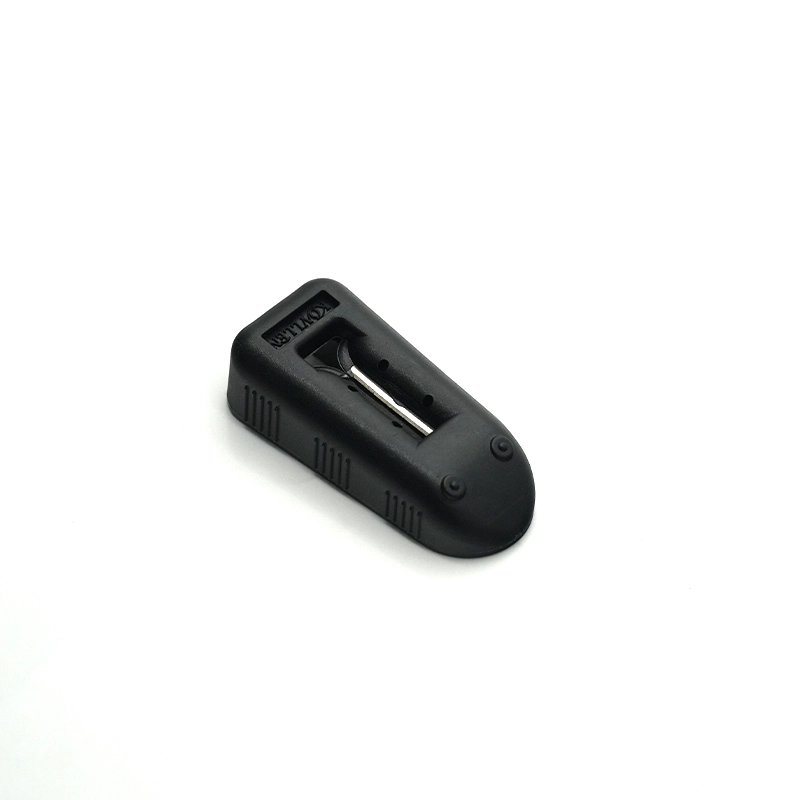
The plastic plug manufactured by Insert molding with stainless steel plate
Bost’s Insert-Molded Stainless Steel Plate Plastic Plug offers superior durability and corrosion resistance. This stainless steel insert durable plastic plug ensures a secure fit and long-lasting performance, ideal for industrial and commercial applications. Robust design meets quality standards.
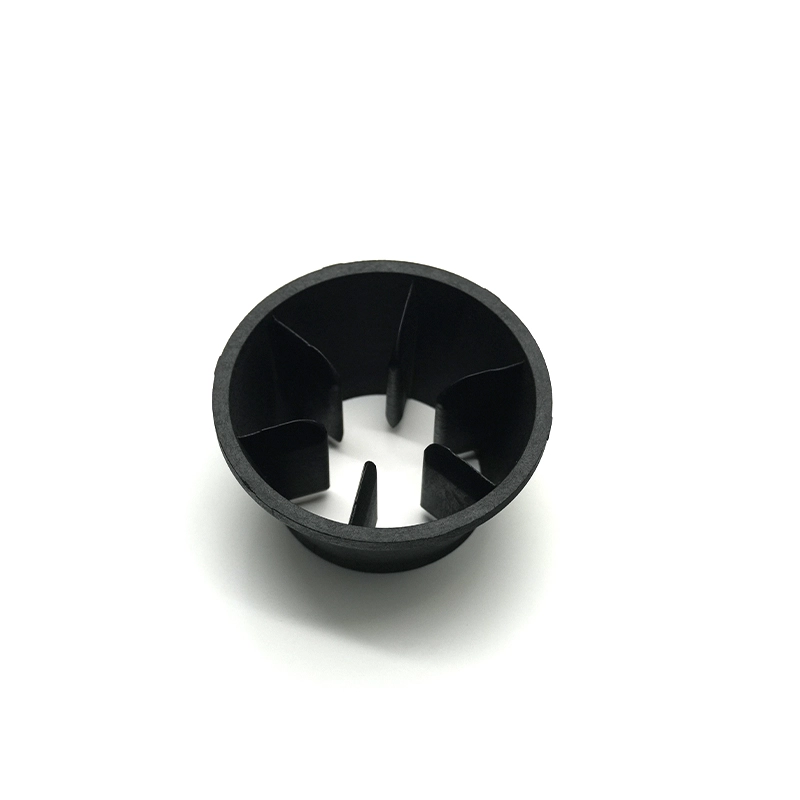
The Bost custom PPO flow valve by injection molding
The BOST Custom PPO Injection-Molded Flow Valve delivers high-temp and corrosion-resistant performance for industrial flow control. Precision-engineered by Bost, this custom PPO valve ensures durable, reliable operation in demanding environments. Optimize your process with BOST’s advanced injection-molded solution.
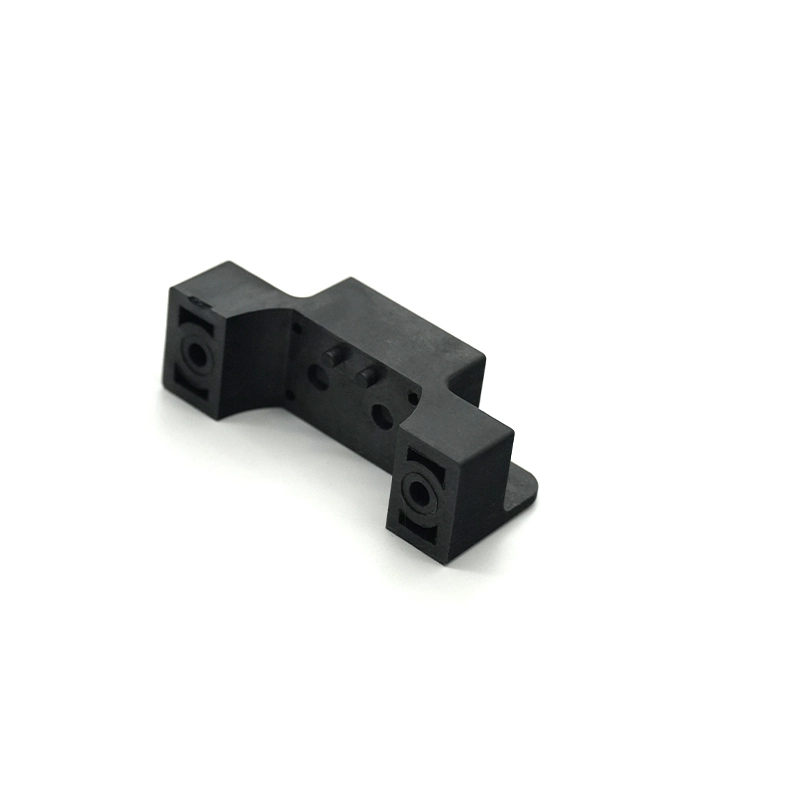
The Bost custom plastic handle by injection molding with high performance PPS material
BOST Custom PPS Injection-Molded Wear-Resistant Handle delivers superior durability and high performance. Made from High Quality PPS material, this injection-molded handle ensures exceptional wear resistance, ideal for demanding applications and long-lasting use. Choose BOST for quality and reliability.
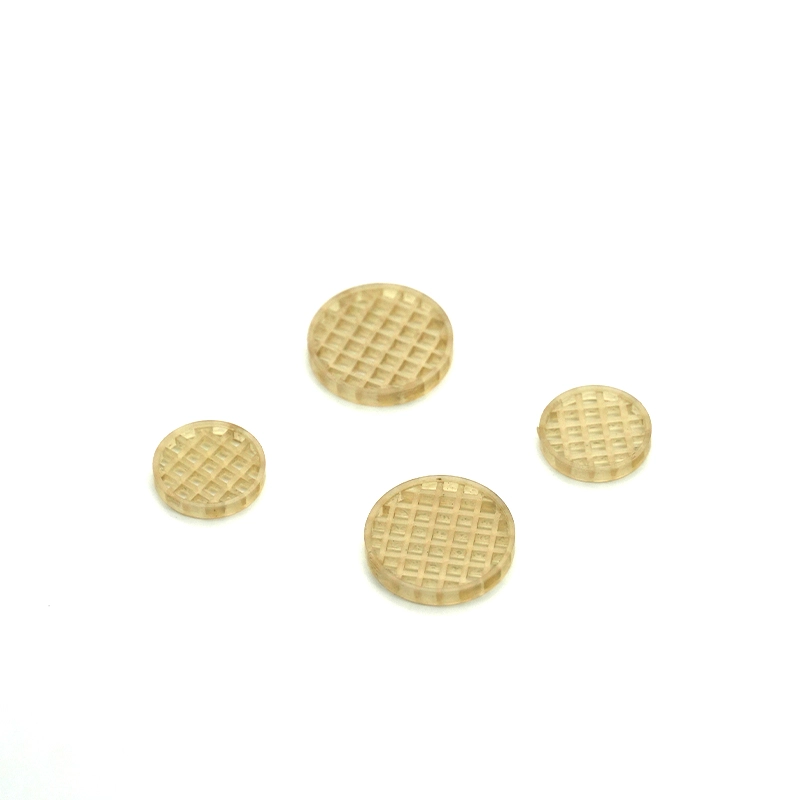
The Bost custom flow meter by injection molding with PES plastic
The Bost Custom PES Injection-Molded Flow Meter offers high-temperature and corrosion resistance, ideal for industrial use. Made with durable PES plastic via precision injection molding, this flow meter ensures reliable, customized performance for demanding applications. Trust Bost for quality and innovation.
Get in touch with Bost
Have any questions or concerns about our products? Please leave us a message here, and our team will get back to you promptly.

24 hours quotes delivered
Submit CAD files, get quote in 24 hours

No MOQ required
From prototyping to high-volume

±0.02 mm Precision
Advanced CNC with full inspections

1,000+ tons in stock
26 materials ready to ship
© 2026 BOST. All Rights Reserved.