 Scan QR Code
Send My Request
Selecting Connectors for Outdoor Signage and Lighting
Saturday, 02/28/2026
Choosing the right plastic connectors for outdoor signage and lighting ensures long-lasting, safe, and cost-effective installations. This guide reviews materials, environmental risks, design and installation tips, testing standards, and why the Bost Black UV-Resistant ABS Outdoor Connector is a strong choice for weatherproof projects.
- Why Material Choice Matters for Outdoor Fixtures
- Understanding environmental challenges
- Advantages of UV-stabilized ABS for connectors
- Material trade-offs: ABS vs alternatives
- Design and Installation Considerations
- Connector sealing and ingress protection
- Mechanical fixation, strain relief, and mounting
- Thermal and electrical considerations
- Performance Testing and Standards
- Standards to reference
- Common laboratory and field tests
- Certifications and documentary evidence
- Selecting the Right Connector for Your Project
- Match connector type to application
- Cost versus lifecycle analysis
- Installation best practices
- Comparative Data: Materials for Outdoor Connectors
- Why the Bost Black UV-Resistant ABS Outdoor Connector Is a Strong Choice
- Designed for harsh outdoor conditions
- Precision molding and durable sealing
- Cost-effective lifecycle performance
- Installation Checklist (Quick Reference)
- FAQ
- Q: Are plastic connectors like the Bost ABS connector suitable for coastal environments?
- Q: How do IP ratings relate to outdoor connector selection?
- Q: What testing should I request from a supplier?
- Q: Can I paint or modify the Bost Black UV-Resistant ABS connector in the field?
- Q: What is the expected service life of a UV-stabilized ABS connector?
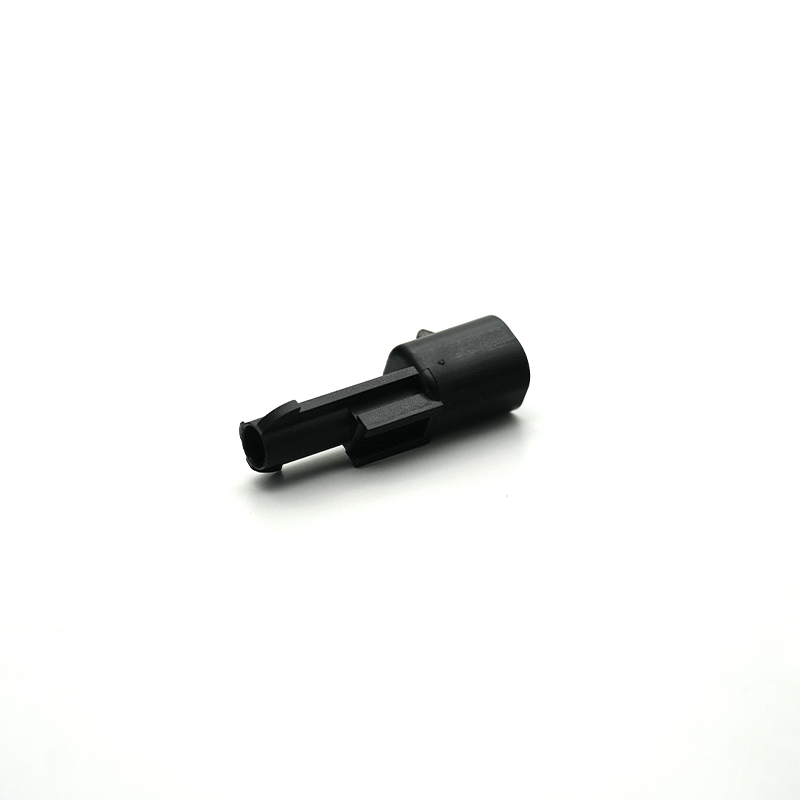
The rise of outdoor digital and traditional signage and expansive exterior lighting projects has put greater emphasis on component longevity and reliability. Selecting the proper plastic connectors—especially UV-stabilized and weatherproof options—reduces maintenance, prevents downtime, and protects wiring and electronics from moisture, salt, and UV degradation. This article explains material selection, relevant standards, installation best practices, and real-world comparisons to help specifiers, installers, and facility managers choose the best connectors for harsh outdoor environments.
Why Material Choice Matters for Outdoor Fixtures
Understanding environmental challenges
Outdoor signage and lighting are exposed to ultraviolet radiation, temperature cycling, humidity, rain, airborne pollutants, and in coastal regions, salt spray. These factors accelerate degradation of polymers that are not formulated for outdoor use. Choosing UV-resistant materials and corrosion-resistant hardware for plastic connectors is therefore essential to maintain mechanical strength, electrical isolation, and sealing performance over years, not months.
Advantages of UV-stabilized ABS for connectors
ABS (Acrylonitrile Butadiene Styrene) is a common engineering plastic valued for its toughness, dimensional stability, and ease of molding. When specifically formulated with UV stabilizers and pigments, black ABS offers improved resistance to surface chalking, color fade, and embrittlement caused by sunlight. The Bost Black UV-Resistant ABS Outdoor Connector combines high-quality ABS with precision molding to provide a durable, long-lasting plastic connector suited to outdoor signage and lighting installations.
Material trade-offs: ABS vs alternatives
No single material is perfect for all outdoor applications. Polycarbonate (PC) offers higher impact resistance and heat tolerance, but can yellow under UV unless stabilized; nylon (PA) can absorb moisture and swell; PVC is inexpensive but may lack long-term UV resilience. The selection should be based on expected UV exposure, mechanical loading, and chemical contacts (e.g., cleaning agents or road salts).
Design and Installation Considerations
Connector sealing and ingress protection
For outdoor signage and lighting, connectors must prevent water, dust, and insects from compromising electrical connections. Look for designs with integrated gaskets, O-rings, and tight tolerances. IP ratings (Ingress Protection) such as IP65, IP66, or IP67 indicate different levels of dust and water resistance — consult the IP Code guidance when specifying connectors to match environmental demands.
Mechanical fixation, strain relief, and mounting
Mechanical design matters. Plastic connectors should incorporate strain reliefs or cable clamps to prevent conductor stress during vibration or thermal cycling. For signage that is frequently serviced, connectors with keyed alignment and secure locking features reduce installation errors and improve safety. The Bost Black UV-Resistant ABS Outdoor Connector is molded for precise fit and includes features to ease reliable assembly and reduce connector movement over time.
Thermal and electrical considerations
Plastics have lower thermal conductivity than metals; however, they can deform at elevated temperatures. Verify the connector’s continuous operating temperature range and how it pairs with cable insulation and nearby luminaires. Ensure the connector’s dielectric properties meet or exceed requirements for voltage and leakage tolerance in your system design.
Performance Testing and Standards
Standards to reference
Adhering to recognized standards helps ensure long-term performance and compliance. Reference points include IP/IEC ingress protection classifications (IP Code), and accelerated weathering tests such as ISO 4892-2 for xenon arc exposure to evaluate UV resistance (ISO 4892-2). For polymer material facts and characteristics, industry sources like PlasticsEurope provide technical datasheets on ABS and other engineering plastics (PlasticsEurope - ABS).
Common laboratory and field tests
Key tests include UV exposure (accelerated and natural), salt spray (corrosion susceptibility for metallic inserts), impact resistance after aging, and thermal cycling. Performance after accelerated weathering is a reliable predictor of outdoor life span when correlated with field data. Where available, request test reports for the exact part number or equivalent test coupons.
Certifications and documentary evidence
Request manufacturer test reports that show aging data, IP ratings, and material certificates. For installed systems in regulated environments (transport hubs, healthcare campuses), documentation can be critical for audits. Reliable vendors provide datasheets and third-party or in-house lab reports demonstrating compliance with relevant standards.
Selecting the Right Connector for Your Project
Match connector type to application
Identify whether you need inline splices, panel-mount connectors, quick-disconnects, or waterproof cable glands. For LED signage and outdoor luminaires, consider connectors that support the required current and wire gauge, have low contact resistance, and are easy to service. Plastic connectors that support mating cycles and have durable contact platings (e.g., nickel or tin over copper alloy) ensure long-term electrical reliability.
Cost versus lifecycle analysis
Initial purchase cost is only one part of total cost of ownership. A slightly higher-priced UV-stabilized ABS connector that lasts 5–10 years without failure can be far cheaper in the long run than frequent replacements. Evaluate expected maintenance intervals, labor costs for replacements, and potential downtime when comparing options. The Bost Black UV-Resistant ABS Outdoor Connector is positioned for long-term outdoor reliability, reducing lifecycle expenses in many installations.
Installation best practices
Proper installation extends connector life: use recommended torque values for any threaded parts, apply compatible sealants only where specified, protect connections from standing water, and avoid exposing connectors to direct flame or highly concentrated solvents. Train installers to recognize damaged seals or crazed plastic that indicate UV degradation; early replacement prevents electrical faults.
Comparative Data: Materials for Outdoor Connectors
| Material | UV Resistance (with stabilization) | Impact Resistance | Moisture Behavior | Typical Use Cases |
|---|---|---|---|---|
| UV-stabilized ABS | Good (with additives) | Good | Low water uptake | Outdoor housings, connectors, signage trim |
| Polycarbonate (PC) | Moderate (requires additives) | Excellent | Low water uptake | High-impact fixtures, clear lenses |
| Nylon (PA) | Poor to moderate | Good | High moisture absorption | Mechanical components, where toughness needed |
| PVC | Poor unless stabilized | Fair | Low water uptake | Economical fittings, conduits |
Why the Bost Black UV-Resistant ABS Outdoor Connector Is a Strong Choice
Designed for harsh outdoor conditions
The Bost connector is molded from a UV-resistant ABS compound formulated to resist fading, cracking, and embrittlement. Its black pigment and stabilizers help absorb and dissipate solar energy while resisting surface degradation—key for installations on rooftops, facades, and coastal signage.
Precision molding and durable sealing
Precision molding ensures tight mating and consistent gasket compression, reducing the chance of water ingress over time. The design supports reliable strain relief and secure cable retention, minimizing mechanical stress on conductors and solder joints in windy or vibrating environments.
Cost-effective lifecycle performance
Compared to unstabilized plastics or poorly designed connectors, the Bost Black UV-Resistant ABS Outdoor Connector lowers replacement frequency and reduces maintenance labor. For projects where access is difficult or outages costly, this can translate into significant savings.
Installation Checklist (Quick Reference)
- Verify IP rating and material datasheet before ordering.
- Confirm conductor gauge and current rating match connector specs.
- Use correct torque for threaded fasteners and secure strain reliefs.
- Inspect gaskets and seals for damage prior to assembly.
- Record connector batch numbers and test data for traceability.
FAQ
Q: Are plastic connectors like the Bost ABS connector suitable for coastal environments?
A: Yes—UV-stabilized ABS minimizes UV degradation, and the connector’s sealing features protect internal contacts from salt spray. However, for extreme salt environments, verify any metallic inserts or contact platings are corrosion-resistant and consider additional protective coatings where necessary.
Q: How do IP ratings relate to outdoor connector selection?
A: IP ratings indicate levels of dust and water ingress protection. For exposed outdoor signage, IP65 or IP66 is common; for submerged or washdown scenarios, IP67 may be required. Refer to the IP Code for details on what each rating means.
Q: What testing should I request from a supplier?
A: Ask for accelerated UV/weathering data (e.g., ISO 4892-2), IP test reports, mechanical aging/impact tests, and material certificates for the ABS compound. These documents demonstrate expected performance and support warranty claims.
Q: Can I paint or modify the Bost Black UV-Resistant ABS connector in the field?
A: Painting may affect UV performance and mechanical tolerances. If aesthetic changes are required, consult the manufacturer—the connector is optimized as supplied. Field modifications can void warranties and impact sealing integrity.
Q: What is the expected service life of a UV-stabilized ABS connector?
A: Service life depends on exposure intensity, maintenance, and installation quality. Under typical conditions, a properly specified and installed UV-stabilized ABS connector can provide multiple years of reliable service; accelerated test data and field records from the manufacturer provide the best estimate.
If you need help specifying connectors for a particular project, or want datasheets and test reports for the Bost Black UV-Resistant ABS Outdoor Connector, contact our technical sales team today or view the product page for detailed specs and ordering information.
References: PlasticsEurope - ABS factsheet (link), Wikipedia - Acrylonitrile butadiene styrene (link), IP Code (Ingress Protection) overview (link), ISO 4892-2 (Xenon arc weathering) (link).
Tags
Easy-Clean Storage
Easy-Clean Storage
buy plastic spur gears
buy plastic spur gears
High-Temp Resistant Overmolding
High-Temp Resistant Overmolding
UHMWPE Material
UHMWPE Material
Plastic Gasket
Plastic Gasket
High-Strength & Corrosion-Proof
High-Strength & Corrosion-Proof
Recommended for you
Insert Injection Molding: Complete Beginner's Guide
How Plastic Bushings Improve Noise and Vibration Control
Maintenance Best Practices for Long-Lasting Plastic Bushings
3D Printing vs Injection Molding: When to Choose Which
Prdoucts Categories
Question you may concern
FAQs
What is the minimum order quantity (MOQ)? Do you support small-batch trial production?
The MOQ for standard products is ≥100kg. We support small-batch trial production (as low as 20kg) and provide mold testing reports and performance data feedback.
What is the delivery lead time? Do you offer global logistics?
Standard products: 5–15 working days; custom modifications: 2–4 weeks. We support global air/sea freight and provide export customs clearance documents (including REACH/UL certifications).
What are the core advantages of Bost engineering plastics compared to ordinary plastics?
Bost engineering plastics feature ultra-high mechanical strength, high-temperature resistance (-50°C to 300°C), chemical corrosion resistance, and wear resistance. Compared to ordinary plastics, their service life is extended by 3 to 8 times, making them suitable for replacing metals in harsh environments.
Can Bost customize modified plastics with special properties?
Yes! We offer modification services such as reinforcement, flame retardancy, conductivity, wear resistance, and UV resistance, for example:
• Adding carbon fiber to enhance stiffness
• Reducing the coefficient of friction through PTFE modification
• Customizing food-grade or medical-grade certified materials
How do I select the appropriate engineering plastic grade for my product?
Selection should be based on parameters such as load conditions (e.g., pressure/friction), temperature range, medium contact (e.g., oil/acid), and regulatory requirements (e.g., FDA/RoHS). Our engineers can provide free material selection consulting and sample testing.
You may also like
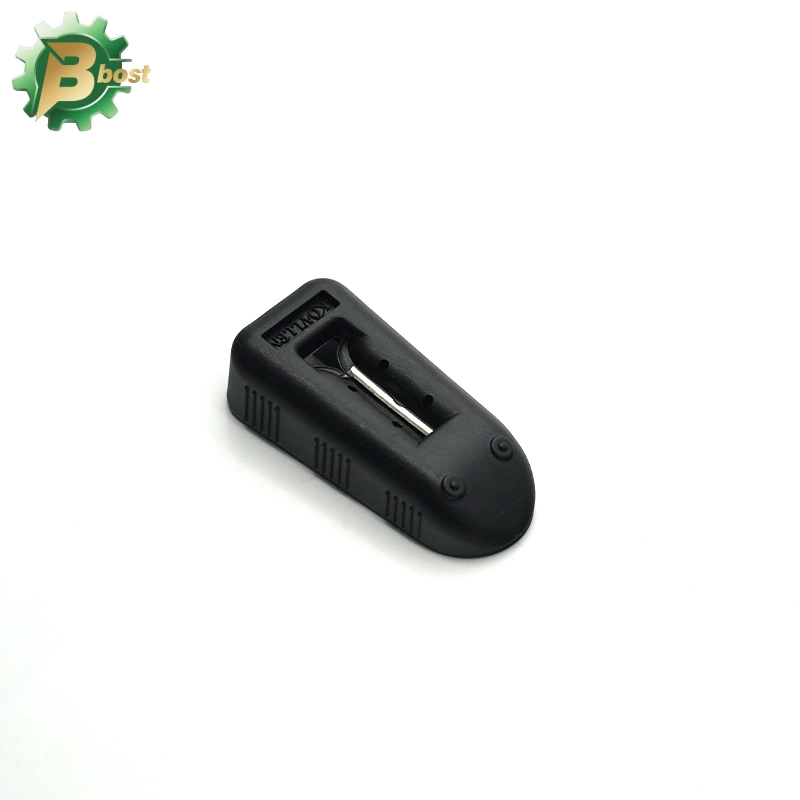
The plastic plug manufactured by Insert molding with stainless steel plate
Bost’s Insert-Molded Stainless Steel Plate Plastic Plug offers superior durability and corrosion resistance. This stainless steel insert durable plastic plug ensures a secure fit and long-lasting performance, ideal for industrial and commercial applications. Robust design meets quality standards.
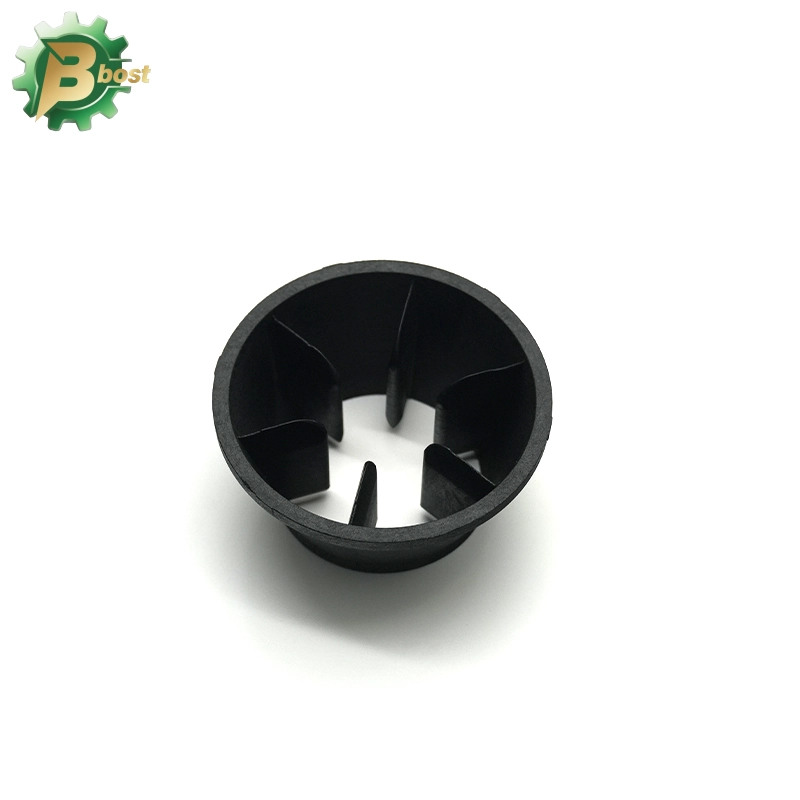
The Bost custom PPO flow valve by injection molding
The BOST Custom PPO Injection-Molded Flow Valve delivers high-temp and corrosion-resistant performance for industrial flow control. Precision-engineered by Bost, this custom PPO valve ensures durable, reliable operation in demanding environments. Optimize your process with BOST’s advanced injection-molded solution.
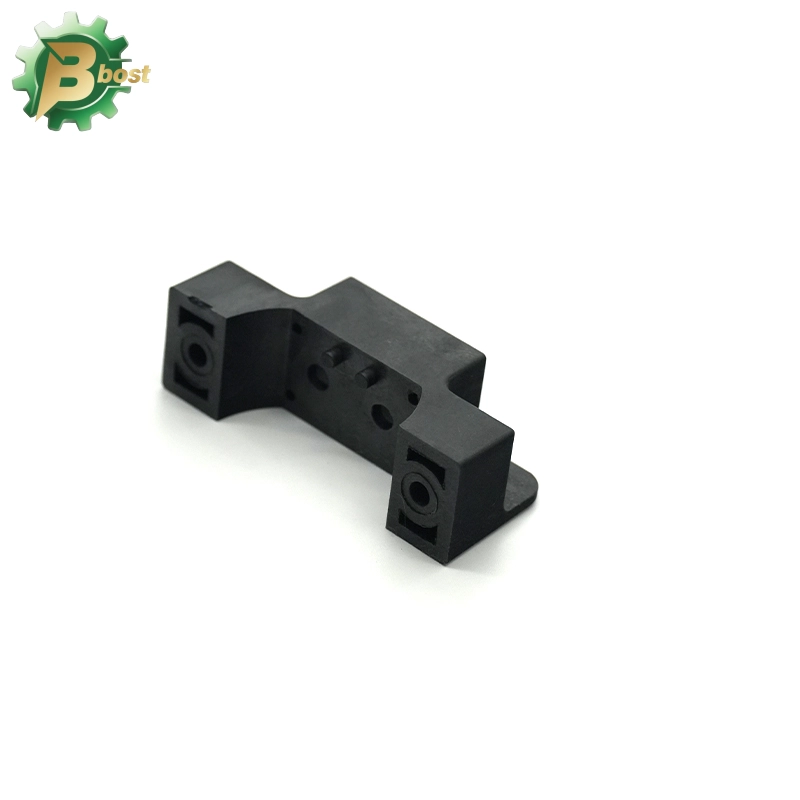
The Bost custom plastic handle by injection molding with high performance PPS material
BOST Custom PPS Injection-Molded Wear-Resistant Handle delivers superior durability and high performance. Made from High Quality PPS material, this injection-molded handle ensures exceptional wear resistance, ideal for demanding applications and long-lasting use. Choose BOST for quality and reliability.
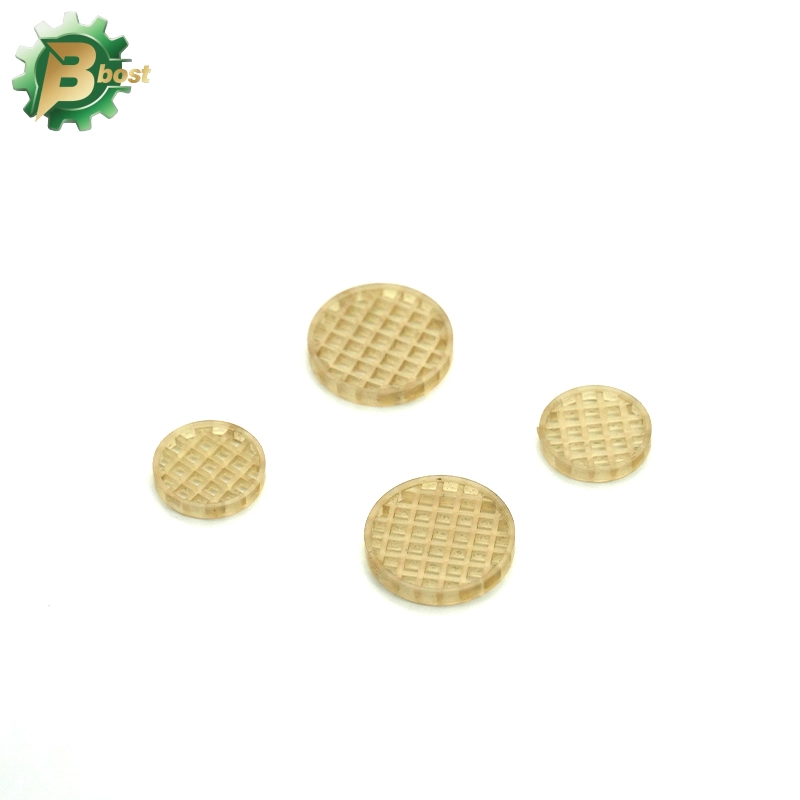
The Bost custom flow meter by injection molding with PES plastic
The Bost Custom PES Injection-Molded Flow Meter offers high-temperature and corrosion resistance, ideal for industrial use. Made with durable PES plastic via precision injection molding, this flow meter ensures reliable, customized performance for demanding applications. Trust Bost for quality and innovation.
Get in touch with Bost
Have any questions or concerns about our products? Please leave us a message here, and our team will get back to you promptly.

24 hours quotes delivered
Submit CAD files, get quote in 24 hours

No MOQ required
From prototyping to high-volume

±0.02 mm Precision
Advanced CNC with full inspections

1,000+ tons in stock
26 materials ready to ship
© 2026 BOST. All Rights Reserved.