
 Scan QR Code
Send My Request
Maintenance Best Practices for Long-Lasting Plastic Bushings
Wednesday, 12/10/2025
Practical, step-by-step maintenance guidance to extend the life of plastic bushing installations using PE Plastic Bushes. Covers inspection, cleaning, lubrication, installation, operational limits, storage, troubleshooting, and replacement, plus FAQs and authoritative references.
- Maintenance Best Practices for Long-Lasting Plastic Bushings
- Why regular inspection matters for your plastic bushing
- Inspection routine and checklist for PE Plastic Bushes
- Cleaning procedures for optimal plastic bushing performance
- Lubrication strategies for plastic bushing longevity
- Installation and alignment practices for PE Plastic Bushes
- Operational limits for plastic bushing life: loads, speeds and temperatures
- Troubleshooting common plastic bushing issues
- Repair, refurbishment and replacement guidelines for plastic bushing
- Storage and handling best practices for PE Plastic Bushes
- Why choose Bost PE Plastic Bushes for maintenance-sensitive applications
- FAQ — Maintenance and selection questions for plastic bushing
- Contact us and view PE Plastic Bushes
- Authoritative references and further reading
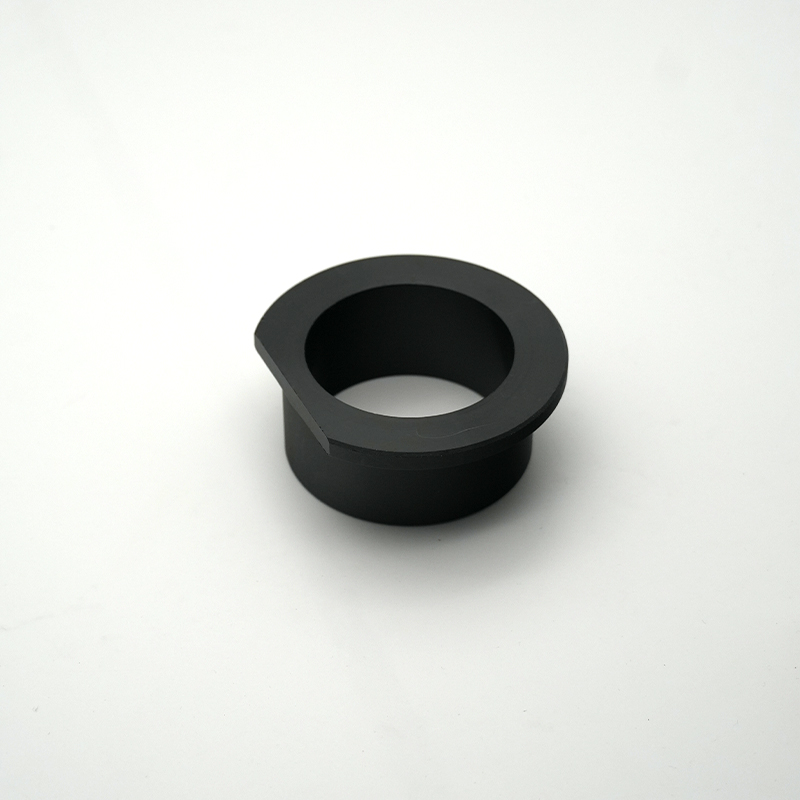
Maintenance Best Practices for Long-Lasting Plastic Bushings
Plastic bushing maintenance is a simple but essential part of ensuring equipment reliability and maximizing service life. Bost PE Plastic Bushes offer superior wear-resistant shaft protection and friction-reducing adaptation for enhanced machinery performance. Proper maintenance of these plastic bushings minimizes downtime, prevents premature failure, and preserves the low-friction benefits that improve equipment efficiency. This guide provides practical, field-ready best practices for inspection, cleaning, lubrication, installation, storage, and replacement of plastic bushing components.
Why regular inspection matters for your plastic bushing
Regular inspection of a plastic bushing is the first line of defense against unexpected failures. Unlike metal bearings, plastic bushings often wear gradually without catastrophic noise, so visual and dimensional checks catch early degradation. Inspections detect contamination, misalignment, surface abrasion, thermal distortion, or chemical attack, all of which shorten service life. Implementing a scheduled inspection routine tailored to operating conditions (daily for critical equipment, weekly or monthly for less critical items) helps you plan maintenance and avoid unscheduled downtime.
Inspection routine and checklist for PE Plastic Bushes
An effective inspection routine for PE Plastic Bushes focuses on visual checks, dimensional measurements, and functional testing:
- Visual: look for scoring, discoloration, cracking, extrusion, or contamination on the bore and shaft contact surfaces.
- Dimensional: measure internal bore diameter, wall thickness, and shaft diameter where possible; note wear progression against baseline records.
- Functional: check play, wobble, vibration, or unusual heat generation during operation; measure operating temperatures with an infrared thermometer.
- Records: keep a log with dates, findings, operating hours, and corrective actions. Trending helps predict replacement intervals and validates maintenance choices.
For critical machinery, combine these checks with vibration and thermal imaging where available. If you find any of the following—excessive radial play, visible cracking, deep grooves, or thermal distortion—schedule replacement or corrective intervention immediately.
Cleaning procedures for optimal plastic bushing performance
Contaminants (dust, metal filings, process particulates) are a leading cause of accelerated wear in a plastic bushing. Cleaning without damaging the polymer requires selecting compatible agents and gentle methods:
- Dry cleaning: use compressed air (low pressure), soft brushes, or lint-free cloths to remove loose debris.
- Wet cleaning: if necessary, use mild soap and water or an approved, non-aggressive solvent. Avoid strong chlorinated or aromatic solvents that can attack certain polyethylene grades; when in doubt, consult the material safety and technical datasheet.
- Rinse and dry: rinse thoroughly and dry fully before reassembly to prevent trapping moisture against the shaft.
- Filtration: upgrade sealing and filtration systems to reduce the ingress of contaminants into the bushing area.
Document all cleaning chemicals used and perform a small compatibility test on a spare bushing if you are unsure about chemical effects on PE Plastic Bushes.
Lubrication strategies for plastic bushing longevity
Many plastic bushings (including certain PE grades) are designed to operate with little or no lubrication; however, application-specific lubrication can still be beneficial. Consider these guidelines:
- Self-lubricating bushings: if your PE Plastic Bushes are formulated with solid lubricants or designed to run dry, avoid applying incompatible greases that can attract dust or swell the polymer.
- Greased applications: use light, non-petroleum-based oils or greases approved for polymer contact. Synthetic esters and certain silicone fluids can be safe options—always cross-check with the product datasheet.
- Re-lubrication frequency: set intervals based on operating load and duty cycle. Heavy loads or dirty environments require more frequent lubrication or protective sealing.
- Avoid over-lubrication: excess grease can trap abrasive particles and increase wear—apply only the recommended amount.
When in doubt, contact the bushing manufacturer for lubrication recommendations specific to the PE compound used in Bost PE Plastic Bushes.
Installation and alignment practices for PE Plastic Bushes
Correct installation is crucial to avoid pre-loading, creep, or mechanical distortion of plastic bushings. Follow these best practices during installation:
- Fit method: many plastic bushings are press-fit into housings. Use a controlled press and distribute force evenly across the flange or outer diameter to avoid deforming the bore.
- Temperature assistance: for interference fits, moderate heating of the housing (not the bushing) can ease insertion. Avoid heating PE Plastic Bushes above their long-term service temperature—consult the datasheet.
- Tolerances: follow manufacturer-recommended housing bore tolerances and shaft tolerances. Correct shaft roundness and surface finish (Ra) reduce abrasive wear.
- Alignment: ensure housing and shaft alignment; misalignment introduces edge loading which accelerates wear and can cause extrusion of softer plastics.
- Tools: use soft sleeves or drift tools that prevent marring the polymer and maintain concentric force during press-in.
Keep records of installation parameters including interference fit values, installation temperature, and tooling used to standardize future replacements.
Operational limits for plastic bushing life: loads, speeds and temperatures
Operating beyond a plastic bushing’s design limits shortens life. Instead of presenting single absolute numbers—because material grades and formulations vary—below is a practical comparison to help you select and operate bushings safely.
| Characteristic | PE Plastic Bushes (typical) | Bronze Bearings | PTFE-lined Bearings |
|---|---|---|---|
| Typical temperature range | -40°C to +80°C (depend on grade) | -50°C to +300°C | -200°C to +260°C |
| Lubrication requirement | Often low or dry-capable | Requires lubrication | Often self-lubricating |
| Wear resistance | High (good abrasion resistance) | Medium | Low–Medium (depends on formulation) |
| Shock resistance | Good (resilient) | Good (ductile) | Poor to fair |
| Best applications | Corrosive, wet, contaminated, low-noise environments | High temperature, high-load heavy machinery | Clean environments needing low friction |
Note: exact operating envelopes depend on the specific PE compound and bushing design. When specifying for extreme temperatures, high surface speeds, or heavy continuous loads, consult the manufacturer for confirmed PV ratings, maximum shaft speed, and safety factors.
Troubleshooting common plastic bushing issues
Common problems and remedies for plastic bushing systems:
- Excessive wear: check for abrasive contamination, hard particles, misalignment, or under-sized shaft finishing. Improve seals, filtration, and alignment; consider higher-wear-grade PE or hardened shaft surfaces.
- Noise or vibration: inspect for shaft runout, looseness, or improper interference fit. Re-seat or replace the bushing and correct shaft geometry as needed.
- Thermal damage: reduce load, improve cooling, or change to a PE grade with higher thermal stability.
- Chemical attack: verify compatibility of cleaning agents, process fluids, and any environmental exposure. Replace with a chemically resistant grade if necessary.
Document corrective actions and monitor to ensure the fix restores expected service life.
Repair, refurbishment and replacement guidelines for plastic bushing
Plastic bushings are typically replaced rather than repaired, but refurbishment and interim measures can extend part life in lower-criticality applications:
- Re-boring: small wear grooves can sometimes be corrected by installing an oversize bushing or using an insert sleeve—only when housing and shaft tolerances allow.
- Re-lining not recommended: bonding new polymer layers onto worn bushings is rarely reliable in industrial service.
- Replacement triggers: replace when radial play exceeds manufacturer limits, when wear is visible beyond a pre-defined threshold, or after a set operating hour limit derived from inspection trends.
Maintain a stock of common replacement sizes for quick change-out and minimal downtime—this is especially beneficial for high-use or production-critical machinery.
Storage and handling best practices for PE Plastic Bushes
Proper storage preserves polymer properties and dimensional stability:
- Environment: store in a cool, dry place away from direct sunlight and UV sources to prevent embrittlement or discoloration.
- Temperature: avoid prolonged exposure to temperatures outside the recommended storage range on the product datasheet.
- Packaging: keep bushings in original packaging until use to limit contamination and prevent deformation from stacking heavy loads on soft parts.
- Handling: avoid sharp tools that may nick or cut the bore or outer diameter; use protective sleeves for transport.
Why choose Bost PE Plastic Bushes for maintenance-sensitive applications
Bost PE Plastic Bushes are engineered for durability and designed to minimize maintenance needs. Key advantages when maintenance is a priority:
- Wear-resistant composition reduces frequency of replacements compared to generic plastics.
- Low-friction performance lowers energy loss and heat generation, diminishing lubrication needs.
- Resilient behavior under shock and contamination reduces the risk of sudden failure in harsh environments.
- Designed for straightforward installation and predictable service life, enabling efficient maintenance planning.
Combine these product advantages with the inspection, cleaning, and installation practices in this guide to achieve long-lasting results and measurable reductions in maintenance costs.
FAQ — Maintenance and selection questions for plastic bushing
Q: How often should I inspect plastic bushings?
A: For critical equipment, inspect daily or weekly. For general industrial use, monthly inspections are typical. Base frequency on operating hours, environment, and historic wear trends.
Q: Can PE Plastic Bushes run without lubrication?
A: Many PE bushings are designed to run dry; consult the product datasheet. If lubrication improves life in your application, choose a lubricant compatible with polyethylene and the bushing’s formulation.
Q: What are the main signs that a plastic bushing needs replacement?
A: Excessive radial play, groove wear, visible cracking, thermal deformation, or a clear change in operating temperature or vibration levels indicate replacement is required.
Q: Are PE bushings resistant to chemicals?
A: Polyethylene has good resistance to many chemicals, but compatibility depends on the exact chemical and PE grade. Always check chemical compatibility charts or consult the manufacturer.
Q: Can I re-machine or re-bore a worn plastic bushing?
A: In some cases you can fit an oversize or insert bushing, but re-machining the original plastic component is generally not recommended for safety and reliability reasons.
Contact us and view PE Plastic Bushes
For product specifications, compatibility questions, or tailored maintenance plans for your machinery, contact our technical sales team or view the full range of Bost PE Plastic Bushes. Our experts can recommend the correct grade and size, provide datasheets, and help establish maintenance intervals to maximize life and reduce total cost of ownership. For even more durability, it’s worth comparing PE plastic bushes with other materials like nylon and PTFE. In our article on comparing PE plastic bushes with nylon and PTFE, we break down the pros and cons of each to help you make the best decision for your application.
Authoritative references and further reading
For detailed material properties and general bearing knowledge, consult these authoritative sources:
- Polyethylene — Wikipedia: https://en.wikipedia.org/wiki/Polyethylene
- Plain bearing (bushing) — Wikipedia: https://en.wikipedia.org/wiki/Bearing_(mechanical)#Plain_bearings
- Tribology overview — Wikipedia: https://en.wikipedia.org/wiki/Tribology
- General polymer compatibility references and standards often used in industry (consult manufacturer datasheets for specific PE grades): ASTM and ISO standards pages—example: https://www.iso.org/home. and https://www.astm.org/
Contact CTA: For immediate assistance, email sales@bost.example or call +1-800-555-0123 to request datasheets, compatibility guidance, or a maintenance consultation. View our product range at https://www.bost.example/products/pe-plastic-bushes
Tags
Lightweight Adaptation
Lightweight Adaptation
plastic spur gears for sale
plastic spur gears for sale
Adaptable Connection
Adaptable Connection
Wear-Resistant Shaft Protection
Wear-Resistant Shaft Protection
Corrosion-Resistant Sealing
Corrosion-Resistant Sealing
Plastic Gasket
Plastic Gasket
Recommended for you
Comparing UV Aging Results for Black ABS Connectors
Comparing ABS vs Nylon Plastic Connectors for Outdoor Use
Sourcing Reliable Black UV-Resistant ABS Connectors: Buyer Guide
Recycling and Sustainability of PEEK Overmolded Parts: Practical Strategies for Manufacturers
Prdoucts Categories
Question you may concern
FAQs
How do I select the appropriate engineering plastic grade for my product?
Selection should be based on parameters such as load conditions (e.g., pressure/friction), temperature range, medium contact (e.g., oil/acid), and regulatory requirements (e.g., FDA/RoHS). Our engineers can provide free material selection consulting and sample testing.
Can Bost customize modified plastics with special properties?
Yes! We offer modification services such as reinforcement, flame retardancy, conductivity, wear resistance, and UV resistance, for example:
• Adding carbon fiber to enhance stiffness
• Reducing the coefficient of friction through PTFE modification
• Customizing food-grade or medical-grade certified materials
What is the delivery lead time? Do you offer global logistics?
Standard products: 5–15 working days; custom modifications: 2–4 weeks. We support global air/sea freight and provide export customs clearance documents (including REACH/UL certifications).
What is the minimum order quantity (MOQ)? Do you support small-batch trial production?
The MOQ for standard products is ≥100kg. We support small-batch trial production (as low as 20kg) and provide mold testing reports and performance data feedback.
What are the core advantages of Bost engineering plastics compared to ordinary plastics?
Bost engineering plastics feature ultra-high mechanical strength, high-temperature resistance (-50°C to 300°C), chemical corrosion resistance, and wear resistance. Compared to ordinary plastics, their service life is extended by 3 to 8 times, making them suitable for replacing metals in harsh environments.
You may also like
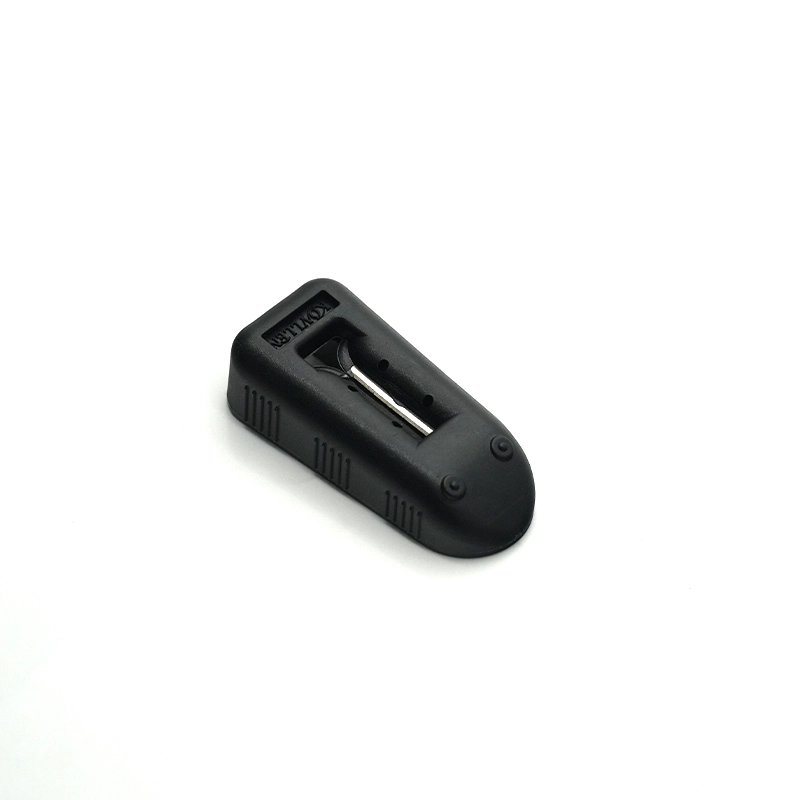
The plastic plug manufactured by Insert molding with stainless steel plate
Bost’s Insert-Molded Stainless Steel Plate Plastic Plug offers superior durability and corrosion resistance. This stainless steel insert durable plastic plug ensures a secure fit and long-lasting performance, ideal for industrial and commercial applications. Robust design meets quality standards.
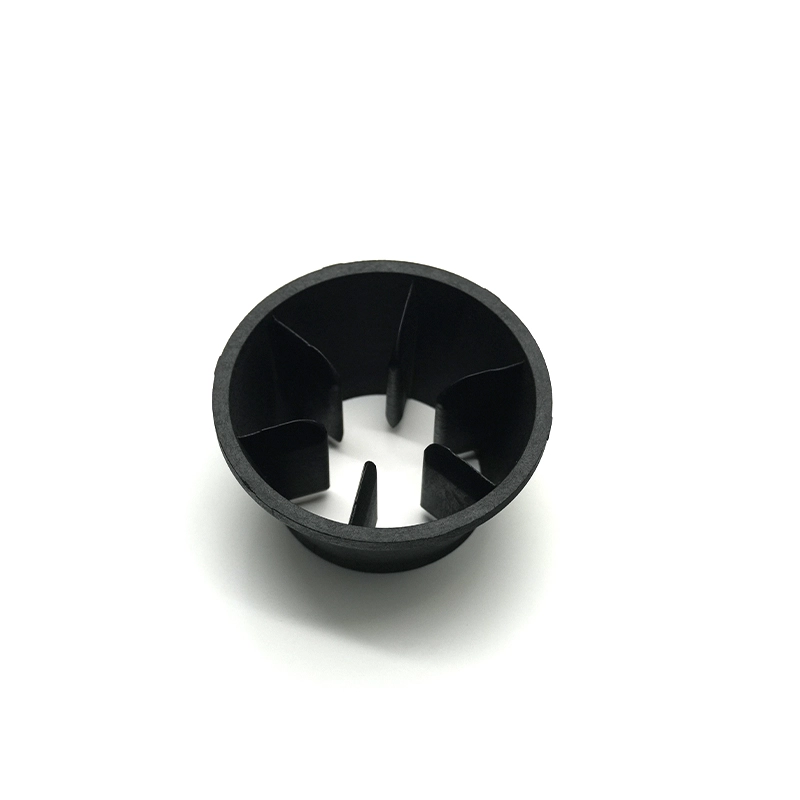
The Bost custom PPO flow valve by injection molding
The BOST Custom PPO Injection-Molded Flow Valve delivers high-temp and corrosion-resistant performance for industrial flow control. Precision-engineered by Bost, this custom PPO valve ensures durable, reliable operation in demanding environments. Optimize your process with BOST’s advanced injection-molded solution.
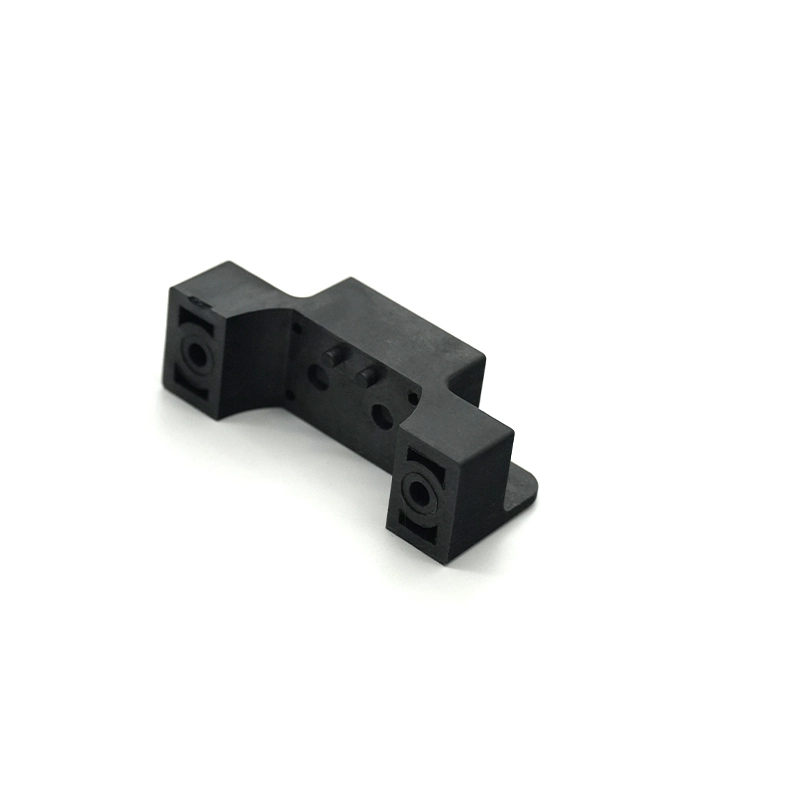
The Bost custom plastic handle by injection molding with high performance PPS material
BOST Custom PPS Injection-Molded Wear-Resistant Handle delivers superior durability and high performance. Made from High Quality PPS material, this injection-molded handle ensures exceptional wear resistance, ideal for demanding applications and long-lasting use. Choose BOST for quality and reliability.
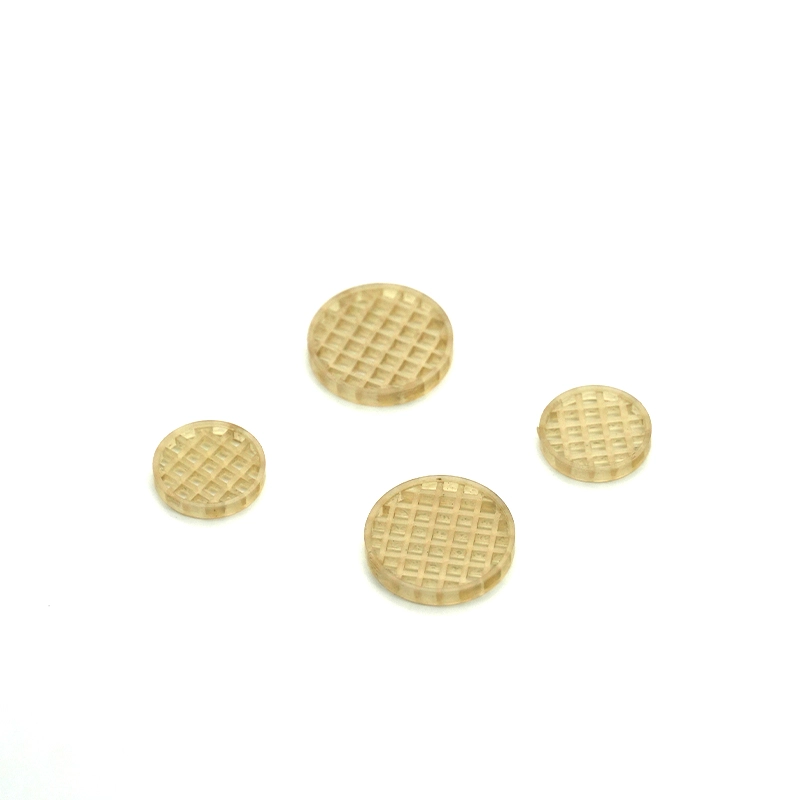
The Bost custom flow meter by injection molding with PES plastic
The Bost Custom PES Injection-Molded Flow Meter offers high-temperature and corrosion resistance, ideal for industrial use. Made with durable PES plastic via precision injection molding, this flow meter ensures reliable, customized performance for demanding applications. Trust Bost for quality and innovation.
Get in touch with Bost
Have any questions or concerns about our products? Please leave us a message here, and our team will get back to you promptly.

24 hours quotes delivered
Submit CAD files, get quote in 24 hours

No MOQ required
From prototyping to high-volume

±0.02 mm Precision
Advanced CNC with full inspections

1,000+ tons in stock
26 materials ready to ship
© 2026 BOST. All Rights Reserved.