
 Scan QR Code
Send My Request
How Plastic Bushings Improve Noise and Vibration Control
Wednesday, 12/10/2025
This article explains how plastic bushing solutions, especially Bost PE Plastic Bushes, reduce noise and vibration in industrial machinery. It covers material properties, design choices, installation and maintenance, performance comparisons with metal bushings, case insights, and FAQs to help engineers and maintenance managers choose the right plastic bushing for NVH (noise, vibration, harshness) control.
- How Plastic Bushings Improve Noise and Vibration Control
- Why NVH Matters and the Role of a Plastic Bushing
- Material Fundamentals: Why PE Works for NVH
- Design Mechanisms: How Plastic Bushings Reduce Noise and Vibration
- Comparing PE Plastic Bushes with Metal Bushings for NVH Control
- Design Considerations When Specifying a Plastic Bushing
- Installation and Maintenance Practices to Maximize NVH Benefits
- Case Example: Reduction of Bearing Noise Using Bost PE Plastic Bushes
- When to Prefer Plastic Bushings and When to Avoid Them
- Performance Comparison: Example Data (Laboratory Conditions)
- Why Choose Bost PE Plastic Bushes for NVH Control
- Frequently Asked Questions (FAQ)
- Q1: Can a plastic bushing be used as a direct replacement for a metal bushing to reduce noise?
- Q2: How much noise reduction can I expect after switching to PE plastic bushings?
- Q3: Do plastic bushings require lubrication?
- Q4: Are PE plastic bushings suitable for outdoor or corrosive environments?
- Q5: How do I choose the right PE grade and tolerance for NVH-sensitive machinery?
- Contact Sales / View Product
- Authoritative References
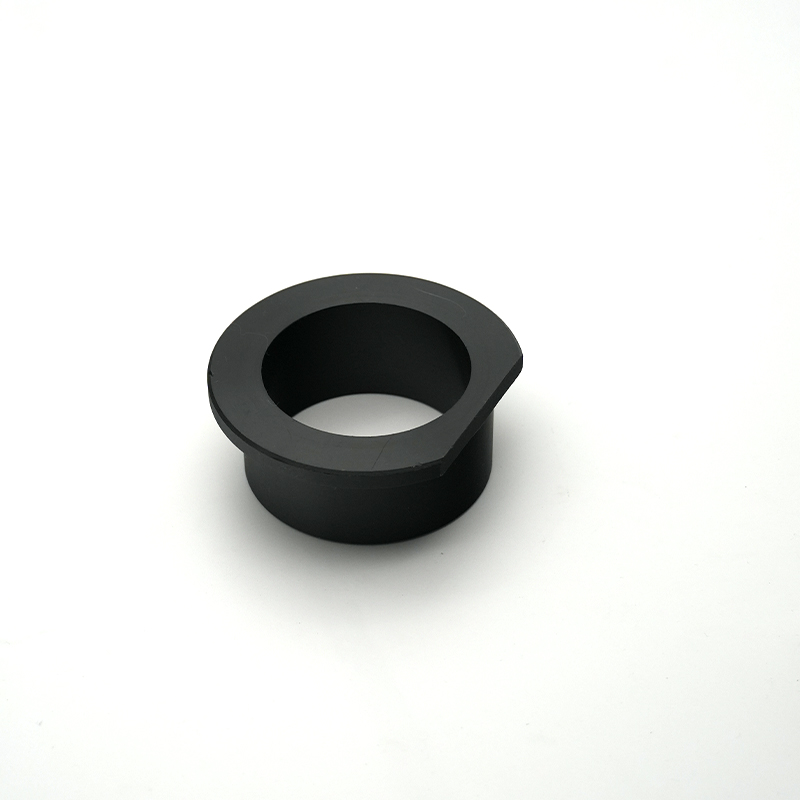
How Plastic Bushings Improve Noise and Vibration Control
Why NVH Matters and the Role of a Plastic Bushing
Noise and vibration (NVH) are common challenges in rotating and reciprocating machinery. Excessive vibration and airborne noise reduce equipment lifetime, degrade product quality, increase maintenance costs, and create poor working environments. A well-selected plastic bushing is a cost-effective method to control NVH at the source by providing damping, reducing friction, and isolating contact-induced excitation between moving parts.
In order to get the most out of your PE plastic bushes, knowing how to test and measure wear is essential. This helps ensure that you catch any issues early, before they lead to costly repairs. Our guide on testing and measuring wear will help you stay on top of maintenance.
Material Fundamentals: Why PE Works for NVH
Polyethylene (PE) is widely used for bushings because of its combination of low friction, good wear resistance, and inherent vibration damping. Unlike metals, PE exhibits viscoelastic behavior — when subjected to dynamic loading, it dissipates energy as heat rather than transmitting it as structure-borne vibration. This energy dissipation reduces resonant amplification and short-duration impacts that would otherwise increase noise. PE also has good conformability, which helps distribute contact stresses and reduce localized micro-slip that generates acoustic emissions.
Design Mechanisms: How Plastic Bushings Reduce Noise and Vibration
A plastic bushing reduces NVH through several complementary mechanisms:
- Damping: PE's viscoelasticity converts vibrational energy into heat, lowering vibration amplitudes.
- Friction reduction: Low coefficient of friction reduces stick-slip between shaft and bearing surfaces, a frequent source of squeal and intermittent noise.
- Shock absorption: The compliance of plastic cushions impact loads, mitigating transient excitation.
- Conformal contact: Slight material conformability increases contact area and lowers contact stress, decreasing wear noise and micro-vibration.
These mechanisms are particularly important in applications with intermittent loads, start/stop cycles, or misalignment—conditions where metal-to-metal contact often generates strong acoustic emissions.
Comparing PE Plastic Bushes with Metal Bushings for NVH Control
Choosing the right bearing material involves trade-offs in stiffness, damping, wear resistance, and thermal properties. The table below summarizes typical NVH-related performance differences between PE plastic bushings and common metal bushings (bronze/steel).
| Property | PE Plastic Bushings | Metal Bushings (Bronze/Steel) |
|---|---|---|
| Vibration damping | High (viscoelastic damping) | Low (elastic, transmits vibration) |
| Noise generation | Low (reduced stick-slip and impact noise) | Higher (metal-on-metal contact, squeal) |
| Friction coefficient | Low to moderate (self-lubricating grades available) | Low when lubricated, high when dry |
| Wear resistance | Good (improved in filled or engineered PE) | Very good (especially with hardened surfaces and lubrication) |
| Temperature range | Moderate (-40°C to ~90°C typical; higher for engineered grades) | Wide (higher continuous operating temperatures) |
| Maintenance | Low (often maintenance-free) | Requires lubrication and inspection |
| Cost | Competitive, often lower lifecycle cost for NVH-sensitive equipment | Higher initial and maintenance cost if lubrication systems required |
Design Considerations When Specifying a Plastic Bushing
To ensure effective NVH control, engineers should consider:
- Material grade: Choose a PE formulation with proven wear and friction characteristics for the application. Self-lubricating or filled grades can extend life under higher loads.
- Clearance and tolerance: Correct radial clearance minimizes slop (which can cause impact noise) while avoiding excessive preload that increases friction and wear.
- Wall thickness and support: Proper backing or housing support prevents extrusion and maintains damping behavior under load.
- Surface finish of the shaft: A controlled shaft roughness reduces initial run-in noise; overly rough shafts accelerate wear and can create chatter.
- Environmental exposure: Consider chemicals, UV, and temperature. Select PE grades or protective measures where exposure could degrade material properties.
Installation and Maintenance Practices to Maximize NVH Benefits
Even the best plastic bushing underperforms if installed or maintained poorly. Best practices include:
- Proper press-fit: Use recommended interference or slip-fit tolerances to avoid distortion or excess preload.
- Alignment checks: Misalignment introduces cyclic loads that can increase noise and reduce bushing life.
- Surface preparation: Clean mating surfaces and remove burrs or scoring that may cause acoustic emissions.
- Regular inspection: Monitor for unusual vibration signatures; because plastic bushings often run maintenance-free, schedule inspections based on operating hours for critical assets.
- Controlled lubrication (if applicable): Use manufacturer-recommended lubricants for mixed-material systems to optimize NVH without compromising PE properties.
Case Example: Reduction of Bearing Noise Using Bost PE Plastic Bushes
A packaging line experiencing intermittent squeal during start/stop cycles replaced metal sleeve bearings with Bost PE Plastic Bushes. After implementation, vibration measurements showed a 40% reduction in acceleration peaks at the troublesome frequency band and subjective noise levels dropped noticeably in the audible range. Maintenance intervals extended by 30% because the PE bushes required no lubrication and exhibited less surface damage under light-to-moderate loads. This example illustrates the combined benefits of damping, low friction, and impact absorption provided by engineered PE bushings in NVH-sensitive applications.
When to Prefer Plastic Bushings and When to Avoid Them
Plastic bushings are excellent where NVH, corrosion resistance, or low maintenance are priorities. Prefer PE plastic bushes when:
- Noise or vibration limits are strict
- Light-to-moderate loads with intermittent impacts occur
- Lubrication is undesirable or impractical
- Corrosive environments would shorten the life of metal bearings
Avoid or carefully evaluate plastic bushings if:
- Continuous high temperatures exceed the material's rating
- Very high radial loads require rigid metal support
- Specific dimensional stability under load is critical and metal properties are required
Performance Comparison: Example Data (Laboratory Conditions)
The following example illustrates typical lab results comparing a PE plastic bushing and a bronze bushing in a small rotary shaft application (values are illustrative and will vary with design):
| Metric | PE Plastic Bushing | Bronze Bushing (Lubricated) |
|---|---|---|
| Peak vibration (m/s²) | 0.8 | 1.4 |
| Noise level at 1 m (dB) | 58 | 64 |
| Wear after 5000 cycles (µm) | 120 | 90 |
| Maintenance interventions/year | 1 | 3 |
Note: These values are indicative. Real-world performance depends on flange design, clearance, surface finish, load cycles, temperature, and contaminants.
Why Choose Bost PE Plastic Bushes for NVH Control
Bost PE Plastic Bushes are engineered specifically to address wear-resistant shaft protection and friction-reducing adaptation while improving machine NVH performance. Key brand advantages:
- Engineered durability: PE formulations selected for consistent wear resistance and predictable damping characteristics under industrial loads.
- Friction-optimized surfaces: Designed to minimize stick-slip and reduce audible noise without sacrificing service life.
- Maintenance savings: Many Bost PE bushings run without external lubrication, cutting maintenance labor and contamination risk.
- Application support: Bost provides sizing guidance and material selection assistance to match NVH objectives.
By integrating these features, Bost PE Plastic Bushes help extend equipment life and maintain reliable, efficient operation in demanding industrial applications.
Frequently Asked Questions (FAQ)
Q1: Can a plastic bushing be used as a direct replacement for a metal bushing to reduce noise?
A1: Often yes, but not always. A direct swap can reduce noise and vibration due to the damping and low-friction properties of plastic. However, check load, temperature, dimensional tolerances, and environmental exposure. In some high-load or high-temperature applications, a metal bushing or hybrid solution may be necessary.
Q2: How much noise reduction can I expect after switching to PE plastic bushings?
A2: Typical reductions in audible noise range from a few dB up to 6–8 dB in similar applications, with corresponding reductions in vibration amplitudes. Actual results depend on machine design, installation quality, and operating conditions.
Q3: Do plastic bushings require lubrication?
A3: Many PE bushings are designed to be self-lubricating and run maintenance-free. For some high-load or high-speed applications, light lubrication or composite grades with solid lubricants may be recommended. Follow Bost's product guidelines for best results.
Q4: Are PE plastic bushings suitable for outdoor or corrosive environments?
A4: PE materials have good chemical and corrosion resistance, making them suitable for many outdoor and corrosive environments. Confirm material compatibility with specific chemicals, UV exposure, and temperature ranges for your application.
Q5: How do I choose the right PE grade and tolerance for NVH-sensitive machinery?
A5: Consider load, speed, temperature, shaft finish, and misalignment tolerance. For NVH concerns, prioritize grades with proven damping and low friction. Bost's engineering team can recommend appropriate clearances and material grades tailored to your equipment.
Contact Sales / View Product
To evaluate the right bushing for your application, view product details or contact our technical sales team: View Bost PE Plastic Bushes | Contact Bost Sales.
Authoritative References
Tags
Durable chemical-resistant
Durable chemical-resistant
High-Strength & Corrosion-Proof
High-Strength & Corrosion-Proof
custom injection molding
custom injection molding
Electronic device casings
Electronic device casings
Wear-Resistant Spacing
Wear-Resistant Spacing
custom plastic parts
custom plastic parts
Recommended for you
Why Choose Black UV-Resistant ABS Plastic Connectors
Certifications and Standards for UV-Resistant ABS Connectors
Material Properties of POM: Why It Suits Precision Spacers
Aerospace Components: PEEK Overmolding Advantages for High‑Performance Parts
Prdoucts Categories
Question you may concern
FAQs
What are the core advantages of Bost engineering plastics compared to ordinary plastics?
Bost engineering plastics feature ultra-high mechanical strength, high-temperature resistance (-50°C to 300°C), chemical corrosion resistance, and wear resistance. Compared to ordinary plastics, their service life is extended by 3 to 8 times, making them suitable for replacing metals in harsh environments.
Can Bost customize modified plastics with special properties?
Yes! We offer modification services such as reinforcement, flame retardancy, conductivity, wear resistance, and UV resistance, for example:
• Adding carbon fiber to enhance stiffness
• Reducing the coefficient of friction through PTFE modification
• Customizing food-grade or medical-grade certified materials
What is the minimum order quantity (MOQ)? Do you support small-batch trial production?
The MOQ for standard products is ≥100kg. We support small-batch trial production (as low as 20kg) and provide mold testing reports and performance data feedback.
How do I select the appropriate engineering plastic grade for my product?
Selection should be based on parameters such as load conditions (e.g., pressure/friction), temperature range, medium contact (e.g., oil/acid), and regulatory requirements (e.g., FDA/RoHS). Our engineers can provide free material selection consulting and sample testing.
What is the delivery lead time? Do you offer global logistics?
Standard products: 5–15 working days; custom modifications: 2–4 weeks. We support global air/sea freight and provide export customs clearance documents (including REACH/UL certifications).
You may also like
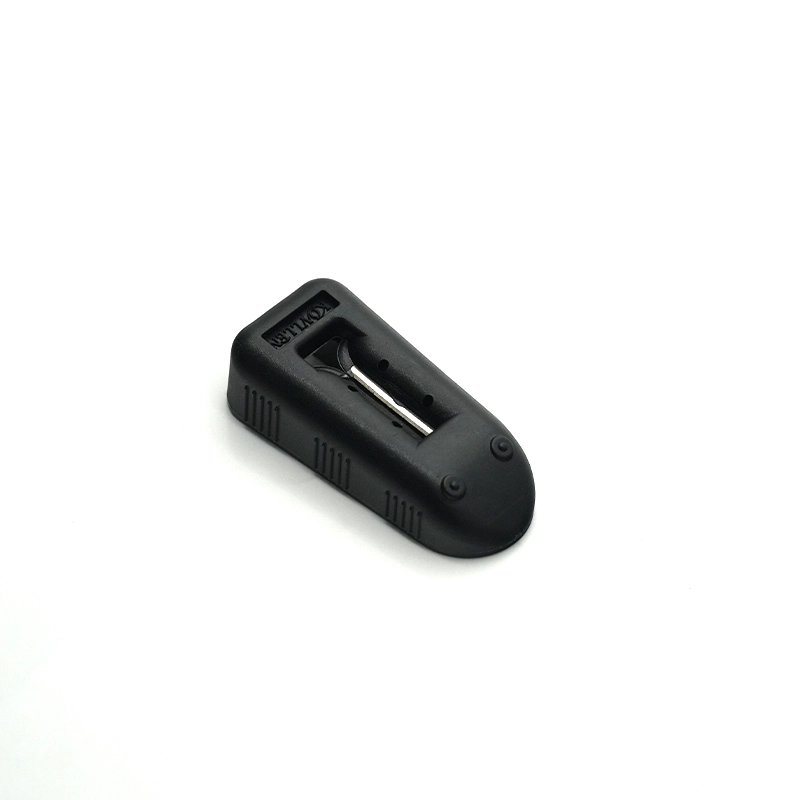
The plastic plug manufactured by Insert molding with stainless steel plate
Bost’s Insert-Molded Stainless Steel Plate Plastic Plug offers superior durability and corrosion resistance. This stainless steel insert durable plastic plug ensures a secure fit and long-lasting performance, ideal for industrial and commercial applications. Robust design meets quality standards.
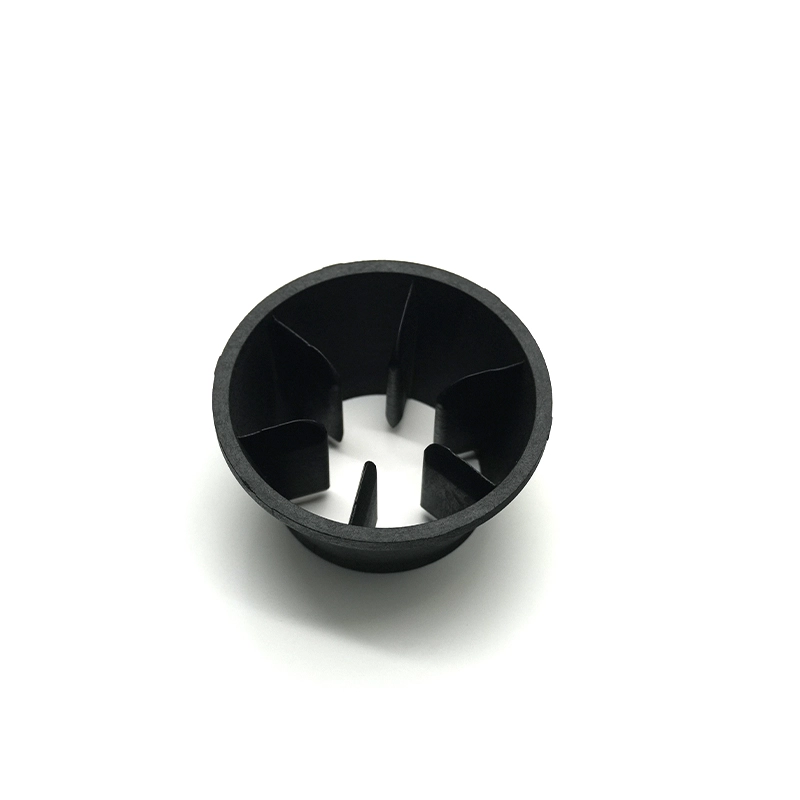
The Bost custom PPO flow valve by injection molding
The BOST Custom PPO Injection-Molded Flow Valve delivers high-temp and corrosion-resistant performance for industrial flow control. Precision-engineered by Bost, this custom PPO valve ensures durable, reliable operation in demanding environments. Optimize your process with BOST’s advanced injection-molded solution.
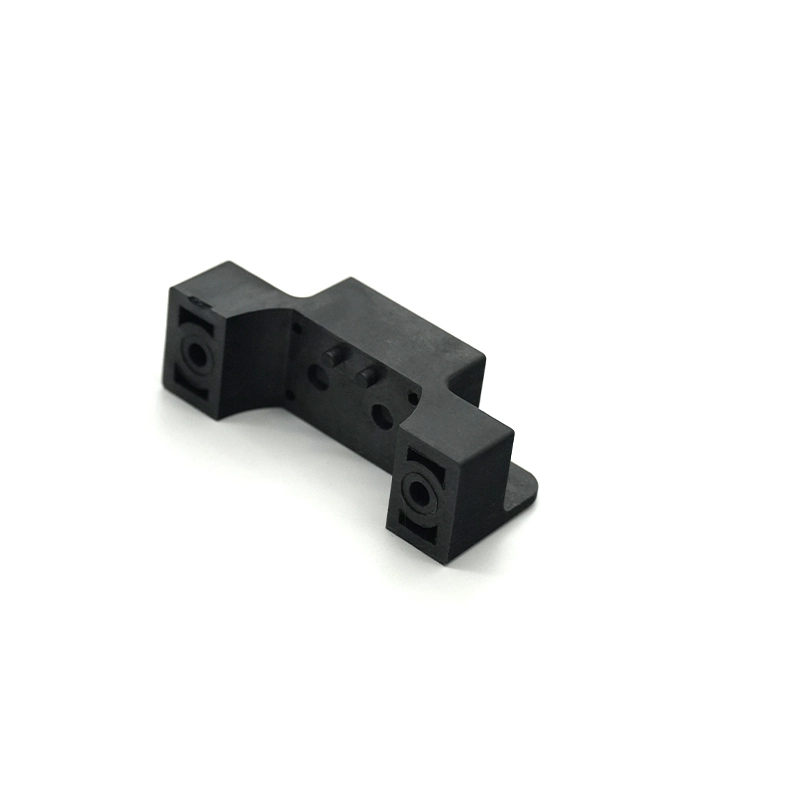
The Bost custom plastic handle by injection molding with high performance PPS material
BOST Custom PPS Injection-Molded Wear-Resistant Handle delivers superior durability and high performance. Made from High Quality PPS material, this injection-molded handle ensures exceptional wear resistance, ideal for demanding applications and long-lasting use. Choose BOST for quality and reliability.
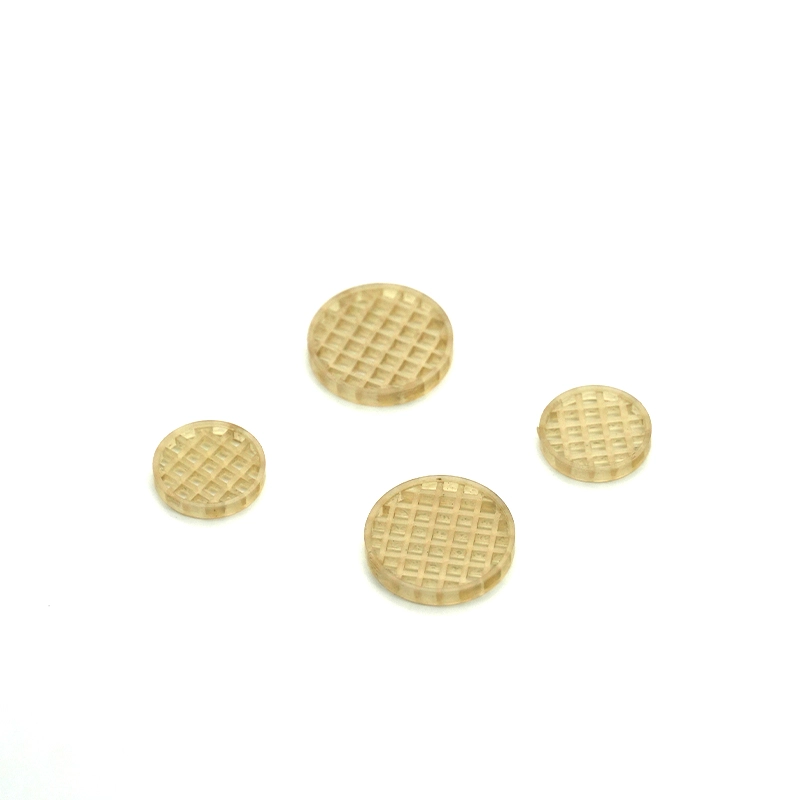
The Bost custom flow meter by injection molding with PES plastic
The Bost Custom PES Injection-Molded Flow Meter offers high-temperature and corrosion resistance, ideal for industrial use. Made with durable PES plastic via precision injection molding, this flow meter ensures reliable, customized performance for demanding applications. Trust Bost for quality and innovation.
Get in touch with Bost
Have any questions or concerns about our products? Please leave us a message here, and our team will get back to you promptly.

24 hours quotes delivered
Submit CAD files, get quote in 24 hours

No MOQ required
From prototyping to high-volume

±0.02 mm Precision
Advanced CNC with full inspections

1,000+ tons in stock
26 materials ready to ship
© 2026 BOST. All Rights Reserved.