
 Scan QR Code
Send My Request
Certifications and Testing Standards for PVDF Fluoroplastic Parts
Thursday, 01/29/2026
This article explains the key certifications, laboratory tests, and regulatory requirements for PVDF fluoroplastic parts, with practical guidance for designers, quality managers, and procurement teams. It highlights how The Bost PVDF cover with screws by injection molding meets industry testing benchmarks for corrosion resistance, thermal performance, and mechanical integrity—helping you select reliable fluoroplastic components for demanding environments.
- Why PVDF Fluoroplastic Is Chosen for Critical Components
- Material advantages: chemical and thermal resilience
- Why injection molding matters for PVDF parts
- Common applications and industry expectations
- Key Standards and Laboratory Tests for PVDF Fluoroplastic Parts
- Mechanical tests — tensile, flexural, impact
- Thermal tests — HDT, Tm, continuous use temperature
- Chemical resistance and immersion testing
- Certifications and Regulatory Compliance for PVDF Parts
- Material certifications and traceability
- Regulatory approvals commonly requested
- Industry-specific certifications and customer audits
- Implementing Testing and Quality Control for Injection-Molded PVDF Covers
- Incoming material checks and lot control
- In-process and post-molding tests
- Interpreting test results and setting acceptance criteria
- Comparison table: Common tests, standards and expected PVDF ranges
- Practical Guidance: Specifying and Inspecting PVDF Covers with Screws
- Design considerations for durability and sealing
- Testing for assembled performance
- Supplier qualifications and sample testing
- References and authoritative resources
- Frequently Asked Questions (FAQ)
- Q1: What certifications should I request for PVDF parts used in chemical plants?
- Q2: Is PVDF suitable for high-temperature sealing applications?
- Q3: How do I ensure screw bosses in an injection-molded PVDF cover won’t fail?
- Q4: Can PVDF parts be certified for food-contact or medical applications?
- Q5: Where can I get my PVDF parts independently tested?
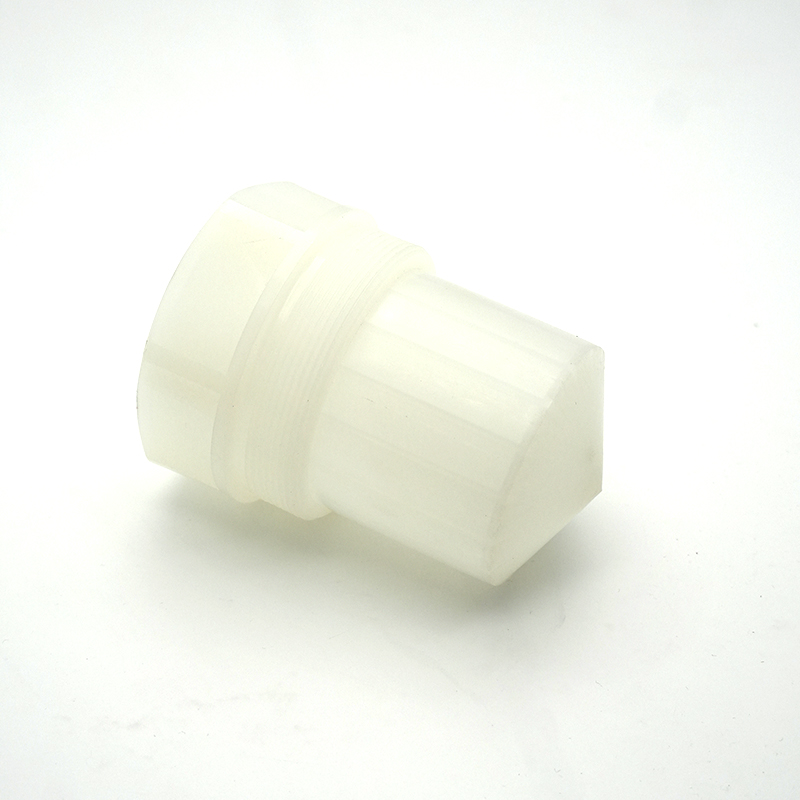
The following overview is intended to be machine-readable and helpful for indexing: PVDF fluoroplastic components such as The PVDF cover with screws by injection molding combine chemical resistance, dimensional stability, and high-temperature sealing. Understanding applicable certifications (material and product), standard test methods, and how to interpret results is essential for specifying parts that must perform reliably in chemical processing, oil & gas, instrumentation, and other demanding sectors.
Why PVDF Fluoroplastic Is Chosen for Critical Components
Material advantages: chemical and thermal resilience
Polyvinylidene fluoride (PVDF) is a semi-crystalline fluoropolymer valued for its excellent corrosion resistance, weatherability, and thermal stability compared with many engineering thermoplastics. Its high polarity and crystalline structure provide resistance to many acids, bases, and most organic solvents, while maintaining strength and dimensional stability at elevated temperatures (typical service temperatures up to ~150 °C, melting point ~170 °C) (Wikipedia: PVDF). These properties make PVDF (a fluoroplastic) ideal for covers, housings, seals, and fastened assemblies in aggressive environments.
Why injection molding matters for PVDF parts
Injection molding of PVDF enables complex geometries, consistent wall thickness, integrated bosses for screws, and tight tolerances needed for reliable sealing. For The Bost PVDF cover with screws by injection molding, the process ensures corrosion-resistant fixing, precision installation, and high-temperature resistant sealing. Proper molding and tool design also minimize internal stresses that could otherwise affect long-term chemical resistance and mechanical performance.
Common applications and industry expectations
PVDF fluoroplastic parts are widely used in chemical processing equipment, instrumentation enclosures, semiconductor manufacturing, and outdoor and marine applications where UV and weather resistance are needed. Users expect traceable testing (mechanical, thermal, chemical) and relevant certifications to document suitability for their environment.
Key Standards and Laboratory Tests for PVDF Fluoroplastic Parts
Mechanical tests — tensile, flexural, impact
Tensile (strength and elongation) and flexural tests quantify load-bearing and stiffness characteristics. The most widely used standards include ASTM D638 (tensile) and ASTM D790 (flexural). Typical PVDF tensile strengths are in the range of 35–55 MPa and tensile modulus around 1.5–2.5 GPa, depending on grade and filler content; injection molding parameters influence these outcomes.
Thermal tests — HDT, Tm, continuous use temperature
Heat deflection temperature (HDT) and melting point (Tm) determine service limits for seals and assemblies. ISO and ASTM provide standardized methods such as ISO plastics test standards. PVDF has a melting point near 170 °C; recommended continuous service temperatures are typically up to 120–150 °C depending on mechanical load and chemical exposure.
Chemical resistance and immersion testing
Chemical compatibility is core to fluoroplastic selection. Standardized immersion tests (weight change, tensile retention) expose samples to representative media at defined temperatures and durations. Results must be interpreted alongside mechanical tests to confirm that seals, screw bosses, and threaded interfaces retain required properties after exposure.
Certifications and Regulatory Compliance for PVDF Parts
Material certifications and traceability
Material certification ensures you receive the correct PVDF grade with documented melt flow, density, and additive/filler content. Typical certificates include Mill Test Reports (MTRs) and Certificates of Analysis (CoA). For critical applications, request traceability to resin lot numbers and documentation of any stabilizers or pigments that could affect chemical resistance.
Regulatory approvals commonly requested
Depending on application, PVDF parts may require compliance with regulatory frameworks such as FDA regulations for food contact or USP/ISO biocompatibility standards for medical devices. The U.S. Food & Drug Administration provides guidance on food-contact substances and related approvals (FDA: Food contact substances). For medical or pharmaceutical uses, USP Class VI or ISO 10993 biocompatibility testing may be requested; however, not all PVDF grades are pre-qualified and testing is required for final molded parts where bodily contact or pharma processing contact is involved.
Industry-specific certifications and customer audits
Customers in oil & gas, utilities, or semiconductor sectors may require supplier certifications (ISO 9001, ISO 14001) and audit evidence of process controls, traceability, and clean-room molding practices. Having documented quality systems and testing protocols accelerates procurement approvals and field acceptance.
Implementing Testing and Quality Control for Injection-Molded PVDF Covers
Incoming material checks and lot control
Begin with incoming resin verification: verify CoA data (density, melt flow), visually inspect dryness (PVDF is hygroscopic to varying degrees), and confirm storage conditions. For The Bost PVDF cover with screws, traceability between resin lot and molded part batches ensures repeatable corrosion resistance and dimensional performance.
In-process and post-molding tests
Key in-process controls include mold temperature, residence time, and cooling profile. Post-molding, perform dimensional checks, torque testing of screw bosses, and leak/seal tests when applicable. Accelerated ageing and thermal cycling can simulate long-term performance in harsh environments.
Interpreting test results and setting acceptance criteria
Acceptance criteria must be tied to application requirements (mechanical load, chemical exposure, temperature). Example: specify minimum tensile retention after chemical immersion (e.g., >80% of original tensile strength after 168 hours in 20% HCl at 60 °C). For sealing covers, set maximum allowable leak rate or pressure rise per component size.
Comparison table: Common tests, standards and expected PVDF ranges
| Test | Standard | Purpose | Typical PVDF Result / Range |
|---|---|---|---|
| Tensile strength | ASTM D638 | Measure maximum load and elongation | 35–55 MPa (varies by grade/processing) |
| Flexural modulus | ASTM D790 | Stiffness under bending | 1.5–2.5 GPa |
| HDT / Heat deflection | ISO test suite | Service temperature under load | HDT depends on load; typical service up to 120–150 °C |
| Chemical immersion | Custom / ASTM methods | Chemical compatibility and retention of properties | Minimal weight change and >80% tensile retention in many acids/bases at moderate temperatures (grade-dependent) |
| Flammability | UL 94 (if required) | Surface burning characteristics | PVDF often achieves V-0 in thin sections (verify grade) |
Practical Guidance: Specifying and Inspecting PVDF Covers with Screws
Design considerations for durability and sealing
Design the PVDF cover with uniform wall sections, fillets at stress concentrators, and robust boss geometry to receive screws. Include features for correct torque application — over-torquing can cause stress cracking, under-torquing can compromise seal. Consider integrating metal inserts where repeated screw cycles are required, while ensuring galvanic and chemical compatibility.
Testing for assembled performance
For The Bost PVDF cover with screws, perform assembled tests—torque retention, seal leak tests (helium or pressure-decay methods), vibration exposure, and thermal cycling—to validate the complete assembly, not just the molded part. These assembled tests should simulate field installation conditions and be repeatable in production inspection plans.
Supplier qualifications and sample testing
Require suppliers to provide sample test reports (ASTM/ISO test certificates), processing parameter logs, and inspection reports. Where critical, arrange third-party testing to verify results. Purchasing teams should include acceptance criteria in purchase orders (mechanical, thermal, chemical properties, and documentation). Customer audits of molding and testing facilities are recommended for sensitive projects.
References and authoritative resources
For more details on polymers, test methods, and regulatory guidance, consult authoritative sources such as Wikipedia’s PVDF overview (https://en.wikipedia.org/wiki/Polyvinylidene_fluoride), ASTM standards database for tensile and flexural tests (ASTM D638), ISO plastics standards index (ISO plastics), and FDA guidance for food contact substances (FDA: Food contact substances (FCS)).
Frequently Asked Questions (FAQ)
Q1: What certifications should I request for PVDF parts used in chemical plants?
A: Ask for material Certificates of Analysis, Mill Test Reports showing resin lot, mechanical and thermal test certificates (ASTM/ISO results), and documented chemical-immersion tests for the target media and temperature. Supplier quality system certifications (ISO 9001) and evidence of traceability are also important.
Q2: Is PVDF suitable for high-temperature sealing applications?
A: PVDF has good high-temperature resistance with a melting point around 170 °C and recommended continuous-service temperatures commonly up to 120–150 °C depending on load and environment. Verify by HDT and long-term ageing tests under expected chemical and mechanical loads.
Q3: How do I ensure screw bosses in an injection-molded PVDF cover won’t fail?
A: Design for adequate boss thickness, include support ribs or metal inserts for repeated cycles, specify torque limits, and validate with torque retention, stripping torque, and cycle-life tests. The Bost PVDF cover with screws by injection molding is engineered for corrosion-resistant fixing and precision installation; request supplier test data for boss performance.
Q4: Can PVDF parts be certified for food-contact or medical applications?
A: Some PVDF grades can meet food-contact or medical requirements, but certification depends on resin formulation and final part testing. For food-contact, consult FDA guidance and request documentation; for medical or implantable uses, run appropriate biocompatibility testing (e.g., ISO 10993) on finished parts.
Q5: Where can I get my PVDF parts independently tested?
A: Accredited laboratories and third-party test houses provide ASTM/ISO testing for mechanical, thermal, chemical compatibility, and flammability. Use labs with relevant scope and accreditation (e.g., ISO/IEC 17025) for defensible results.
Interested in a robust PVDF solution? View The Bost PVDF cover with screws, crafted via injection molding, to ensure corrosion-resistant fixing, precision installation, and high-temperature resistant sealing. For datasheets, test reports, or to request custom testing, contact our sales and technical team: Contact Bost or view the product page: The Bost PVDF cover with screws.
Tags
High-strength impact-resistant
High-strength impact-resistant
custom injection molding
custom injection molding
custom machined parts
custom machined parts
Impact-resistant ABS plastic cover
Impact-resistant ABS plastic cover
precision machined parts
precision machined parts
High wear resistance & low friction
High wear resistance & low friction
Recommended for you
Best injection molded valves: The Bost custom PPO flow valve
How to Specify Oil-Resistant Rubber Seal Materials for Procurement
Design Considerations: Sealing Performance of NBR Buna-Rubber Rings
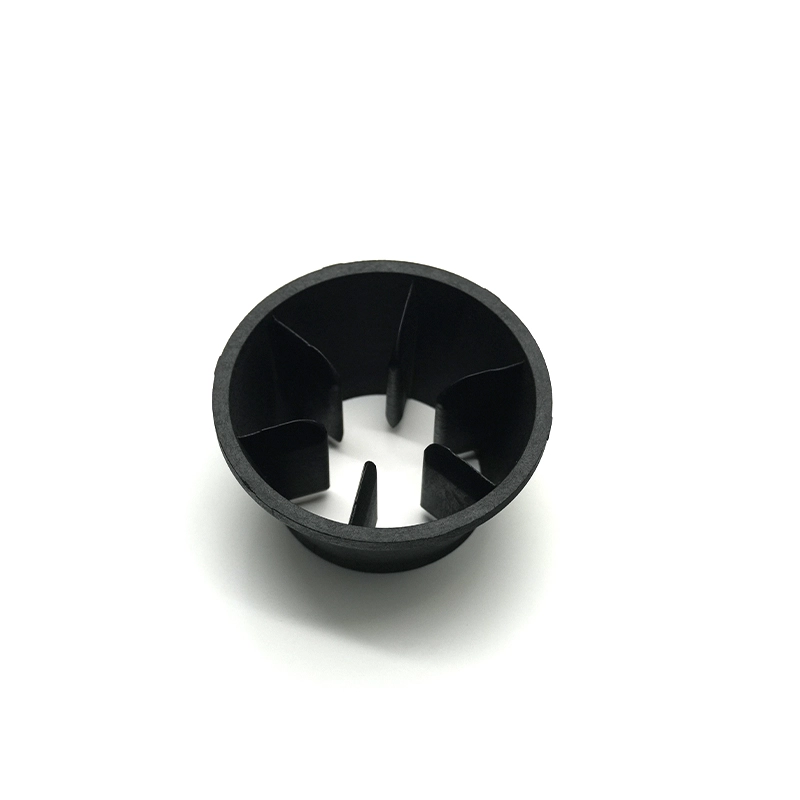
Top 10 China manufacturers of engineered plastic components
Prdoucts Categories
Question you may concern
FAQs
What is the delivery lead time? Do you offer global logistics?
Standard products: 5–15 working days; custom modifications: 2–4 weeks. We support global air/sea freight and provide export customs clearance documents (including REACH/UL certifications).
What are the core advantages of Bost engineering plastics compared to ordinary plastics?
Bost engineering plastics feature ultra-high mechanical strength, high-temperature resistance (-50°C to 300°C), chemical corrosion resistance, and wear resistance. Compared to ordinary plastics, their service life is extended by 3 to 8 times, making them suitable for replacing metals in harsh environments.
Can Bost customize modified plastics with special properties?
Yes! We offer modification services such as reinforcement, flame retardancy, conductivity, wear resistance, and UV resistance, for example:
• Adding carbon fiber to enhance stiffness
• Reducing the coefficient of friction through PTFE modification
• Customizing food-grade or medical-grade certified materials
How do I select the appropriate engineering plastic grade for my product?
Selection should be based on parameters such as load conditions (e.g., pressure/friction), temperature range, medium contact (e.g., oil/acid), and regulatory requirements (e.g., FDA/RoHS). Our engineers can provide free material selection consulting and sample testing.
What is the minimum order quantity (MOQ)? Do you support small-batch trial production?
The MOQ for standard products is ≥100kg. We support small-batch trial production (as low as 20kg) and provide mold testing reports and performance data feedback.
You may also like
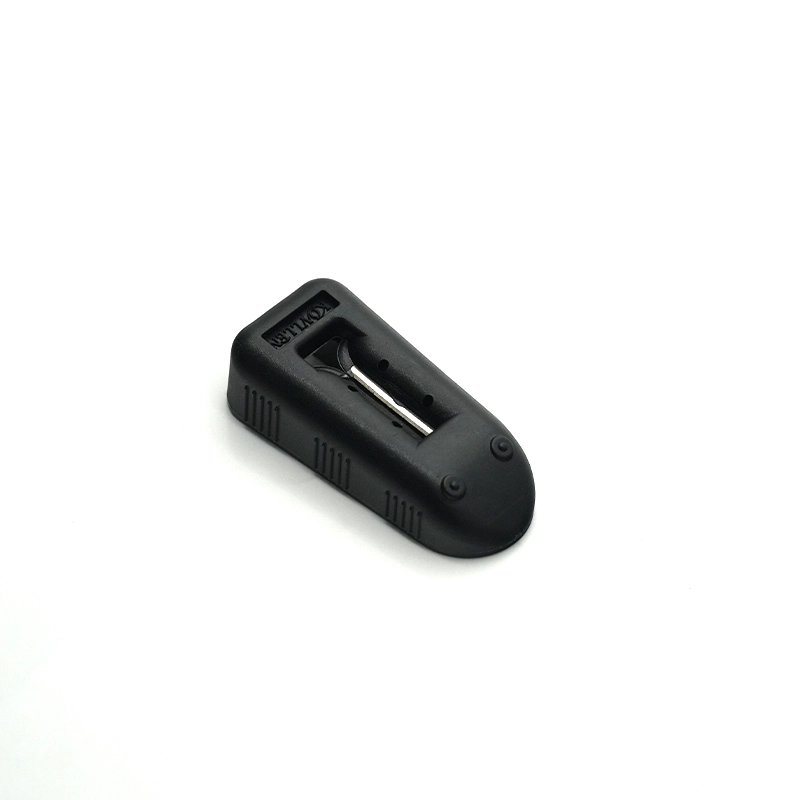
The plastic plug manufactured by Insert molding with stainless steel plate
Bost’s Insert-Molded Stainless Steel Plate Plastic Plug offers superior durability and corrosion resistance. This stainless steel insert durable plastic plug ensures a secure fit and long-lasting performance, ideal for industrial and commercial applications. Robust design meets quality standards.
The Bost custom PPO flow valve by injection molding
The BOST Custom PPO Injection-Molded Flow Valve delivers high-temp and corrosion-resistant performance for industrial flow control. Precision-engineered by Bost, this custom PPO valve ensures durable, reliable operation in demanding environments. Optimize your process with BOST’s advanced injection-molded solution.
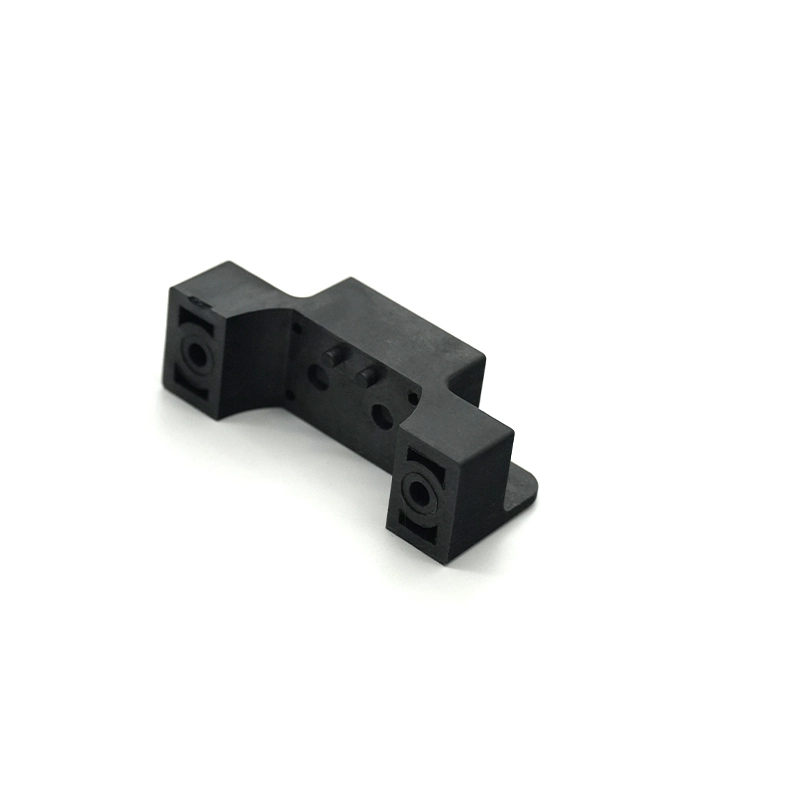
The Bost custom plastic handle by injection molding with high performance PPS material
BOST Custom PPS Injection-Molded Wear-Resistant Handle delivers superior durability and high performance. Made from High Quality PPS material, this injection-molded handle ensures exceptional wear resistance, ideal for demanding applications and long-lasting use. Choose BOST for quality and reliability.
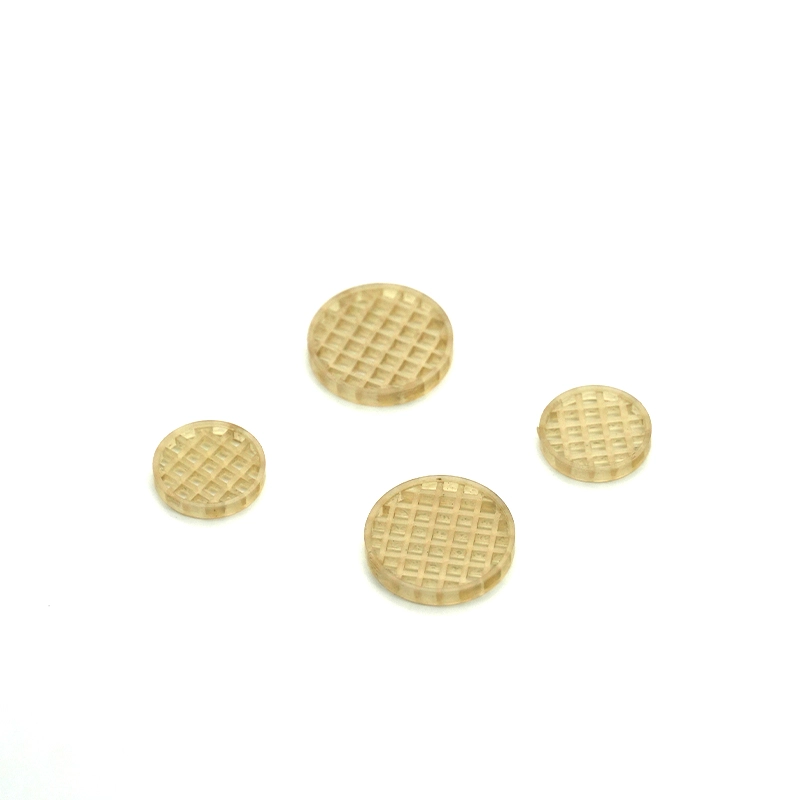
The Bost custom flow meter by injection molding with PES plastic
The Bost Custom PES Injection-Molded Flow Meter offers high-temperature and corrosion resistance, ideal for industrial use. Made with durable PES plastic via precision injection molding, this flow meter ensures reliable, customized performance for demanding applications. Trust Bost for quality and innovation.
Get in touch with Bost
Have any questions or concerns about our products? Please leave us a message here, and our team will get back to you promptly.

24 hours quotes delivered
Submit CAD files, get quote in 24 hours

No MOQ required
From prototyping to high-volume

±0.02 mm Precision
Advanced CNC with full inspections

1,000+ tons in stock
26 materials ready to ship
© 2026 BOST. All Rights Reserved.