
 Scan QR Code
Send My Request
Quality Tests B2B Buyers Need for NBR Buna-Rubber Seal Rings
Wednesday, 01/7/2026
This guide explains the essential quality tests B2B buyers should require for Oil resistance NBR Buna-rubber seal rings. It covers physical, chemical, ageing, dynamic, and leak tests, acceptance criteria, relevant standards, and a practical test program to ensure reliable, oil-resistant, leak-proof performance in industrial applications. Includes comparison table, FAQs, and authoritative references.
- Quality Tests B2B Buyers Need for NBR Buna-Rubber Seal Rings
- Why testing NBR Buna-rubber seal rings matters for B2B buyers
- Key physical tests: hardness, tensile strength, elongation and dimensions for reliable rubber seal selection
- Oil swell and chemical compatibility tests (ASTM D471 / ISO 1817) for oil-resistant NBR sealing
- Compression set and sealing performance: predict long-term leak-proof behavior
- Aging, heat, ozone and low-temperature performance tests for robust NBR Buna-rubber seal rings
- Dynamic and wear testing: rotary and reciprocating seal validation
- Leak and permeation tests for rubber seal leak-proof validation
- Dimensional and visual inspection, gland-fit testing and acceptance criteria
- Testing documentation, traceability and certificates required by B2B procurement
- Practical testing program: what to request from suppliers of oil-resistant NBR Buna-rubber seal rings
- Comparison Table: Recommended tests, purpose, standard and typical acceptance criteria
- Why choose Bost Oil Resistance NBR Buna-Rubber Seal Ring for oil-resistant, leak-proof solutions
- How to request samples, test reports and start qualification (CTA)
- FAQ — Frequently Asked Questions about testing NBR Buna-rubber seal rings
- Q1: Which tests are absolutely required for a new NBR rubber seal for hydraulic oil service?
- Q2: How do I interpret oil swell results for NBR seals?
- Q3: Are ISO or ASTM tests better for procurement specifications?
- Q4: Should I require third-party lab verification?
- Q5: What acceptance criteria should I set if I don’t know the exact operating temperature?
- Authoritative references and standards
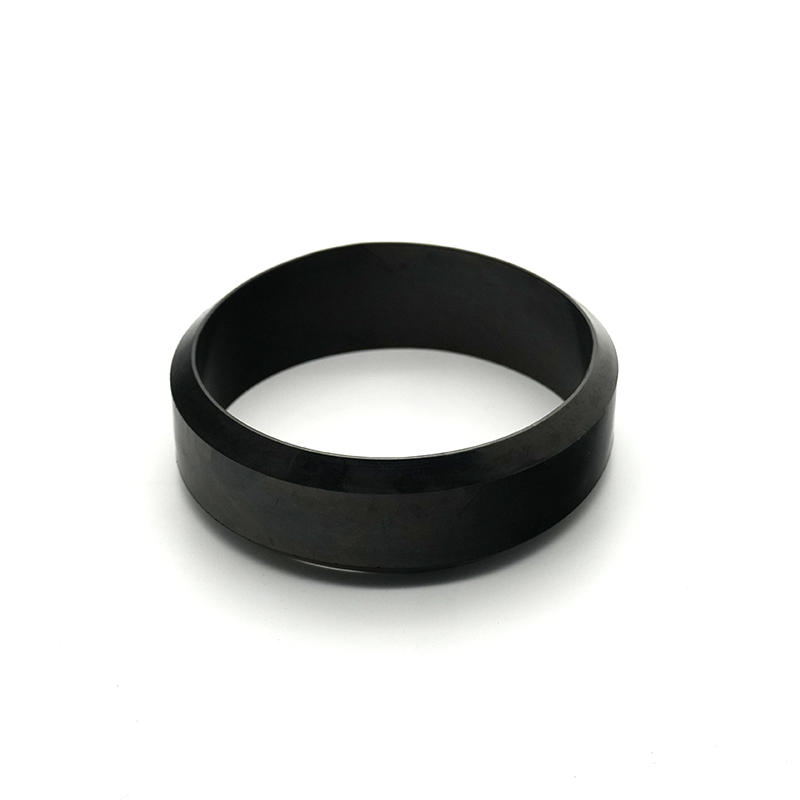
Quality Tests B2B Buyers Need for NBR Buna-Rubber Seal Rings
Why testing NBR Buna-rubber seal rings matters for B2B buyers
B2B purchasers of rubber seal components face high stakes: production downtime, costly recalls, and safety or environmental incidents if a rubber seal fails. For oil applications, Oil resistance NBR Buna-rubber seal ring performance is critical because NBR (nitrile butadiene rubber) is chosen specifically for oil resistance, swell behavior, and mechanical durability. Proper quality tests validate that a rubber seal will remain leak-proof and durable in the intended operating environment. Requiring a defined test program reduces supplier risk and shortens qualifying cycles for new seals.
Key physical tests: hardness, tensile strength, elongation and dimensions for reliable rubber seal selection
Physical property testing confirms a seal is made from the specified NBR compound and conforms to the mechanical profile needed for sealing. Typical essential physical tests include Shore A hardness (durometer) to check elastomer stiffness; tensile strength and elongation at break to evaluate material toughness and flexibility; and dimensional checks (ID/OD/cross-section) to ensure proper gland fit. Standards commonly referenced: ASTM D2240 for hardness and ASTM D412 for tensile properties. For B2B buyers, specify acceptance ranges rather than a single nominal value (for example, Shore A 70 ±5) to allow consistent supplier evaluation.
Oil swell and chemical compatibility tests (ASTM D471 / ISO 1817) for oil-resistant NBR sealing
Oil swell testing measures how much the NBR compound absorbs oil and how its properties (mass and volume) change. ASTM D471 (Standard Test Method for Rubber Property—Effect of Liquids) is widely used. For oil resistance NBR Buna-rubber seal ring applications, require testing in the specific fluid(s) your system uses: hydraulic fluids (HFD/HFDU), engine oil, gear oil, or synthetic esters. Acceptance criteria normally limit volumetric or mass swell and retainment of tensile/elongation properties after immersion (e.g., mass change <+15% and tensile retention >70%). Chemical compatibility testing prevents seal hardening, excessive swell, or degradation that leads to leaks or extrusion.
Compression set and sealing performance: predict long-term leak-proof behavior
Compression set quantifies a rubber seal's ability to recover after being compressed in a gland. High compression set leads to loss of sealing force and leaks. ASTM D395 is commonly used to determine compression set at specific temperatures and durations. For oil-resistant seals in static applications, require compression set values based on expected service temperature and time (for example, compression set <35% after 70 hours at 100°C). Where possible, supplement with real-world sealing tests (glanded O-ring compression) and residual leak tests to verify leak-proof performance under assembly conditions.
Aging, heat, ozone and low-temperature performance tests for robust NBR Buna-rubber seal rings
Thermal aging and ozone resistance tests simulate long-term exposure. ASTM D573 (thermal aging) and ASTM D1149 (ozone resistance) provide methods to evaluate changes in hardness, tensile, and appearance after accelerated exposure. For oil applications, thermal stability is crucial — NBR formulations vary in high-temperature resistance. Low-temperature flexibility (glass transition behavior) is also important for start-up sealing in cold climates and can be measured by ASTM D1329 or by low-temperature tensile tests. Specify aging protocols proportional to expected operating conditions; e.g., aging at 100°C for 70 hours to represent years of service in elevated-temperature environments.
Dynamic and wear testing: rotary and reciprocating seal validation
Static tests do not always predict dynamic performance. For rotary or reciprocating oil seals, friction, wear, and extrusion resistance tests matter. Dynamic test rigs measure seal leakage, torque, temperature rise, and material wear over cycles. Tests such as Run-in/wear testing under controlled pressure, speed, and lubrication conditions simulate field loads. Specify test duration (hours), shaft hardness and finish, speed range, and fluid conditions. For B2B buyers who require long life, demand test certificates showing leakage rates over time and wear rates (mass loss or groove depth) for the actual operating regime.
Leak and permeation tests for rubber seal leak-proof validation
Leak verification methods include bubble testing, pressure decay, helium mass spectrometry, and tracer gas testing. For high-sensitivity requirements (e.g., hydraulic or fuel systems), helium leak testing or pressure decay with a defined detection limit is recommended. For many industrial seals, a pressure decay test or hydrostatic test under maximum system pressure for a set duration (e.g., 24 hours) suffices to validate leak-proof performance. Permeation testing for volatile fluids (fugitive emissions) is also available; specify maximum allowable permeation rates if needed for environmental compliance.
Dimensional and visual inspection, gland-fit testing and acceptance criteria
Mechanical fit is fundamental. Dimensional checks verify that the seal’s ID/OD/cross-section meets drawing tolerances and that surface finish and corner radii are within spec. Visual inspections look for moulding defects, flash, voids, or inclusions that compromise sealing. Gland-fit tests in a representative housing ensure the rubber seal compresses correctly without extrusion or excessive interference. For procurement, include a drawing with tolerances and request first-article inspection (FAI) reports or sample gauge reports for initial lots.
Testing documentation, traceability and certificates required by B2B procurement
B2B purchase orders should mandate documentation: material certificates, batch/lot traceability, test reports showing measured values and test conditions, and any applicable standard references (ASTM, ISO). Traceability to compound batch and cure date allows targeted recalls and warranty actions. For regulated or safety-critical applications, require third-party or accredited lab testing (e.g., ISO 17025) and retention of physical test records for a specified period.
Practical testing program: what to request from suppliers of oil-resistant NBR Buna-rubber seal rings
For most industrial oil-seal applications, a practical baseline testing package to request from suppliers includes:
- Material ID and compound sheet (including cure date and formulation class).
- Dimensional inspection report for batch samples (ID/OD/cross-section tolerances).
- Shore A hardness (ASTM D2240) and tensile/elongation (ASTM D412).
- Compression set at relevant temperature/time (ASTM D395).
- Oil swell/compatibility (ASTM D471) in your specified fluid(s).
- Thermal aging and ozone exposure results (ASTM D573 / ASTM D1149) as applicable.
- Leak/permeation or pressure decay results for representative assemblies.
- Production batch traceability and a sample first-article inspection report.
For critical or dynamic applications, add dynamic life testing, helium leak detection or accredited third-party test reports.
Comparison Table: Recommended tests, purpose, standard and typical acceptance criteria
| Test | Purpose | Common Standard | Typical Acceptance Criteria |
|---|---|---|---|
| Shore A Hardness | Verify stiffness for sealing force | ASTM D2240 | e.g., 70 ±5 Shore A |
| Tensile Strength / Elongation | Assess toughness and ductility | ASTM D412 | Tensile ≥8 MPa; Elongation ≥200% |
| Compression Set | Predict long-term sealing force loss | ASTM D395 | <35% after 70h @100°C (application-dependent) |
| Oil Swell / Compatibility | Measure fluid-induced changes | ASTM D471 / ISO 1817 | Mass/Vol change <+15%; tensile retention >70% |
| Thermal Aging / Ozone | Assess long-term degradation | ASTM D573 / ASTM D1149 | Hardness change <+5 pts; tensile retention >60% |
| Leak / Permeation | Confirm leak-proof performance | Pressure decay, Helium leak test | No pressure loss / leak rate below spec |
| Dynamic Wear | Validate rotary/reciprocating life | Manufacturer/industry test rigs | Leakage stability and acceptable wear after specified hours |
Why choose Bost Oil Resistance NBR Buna-Rubber Seal Ring for oil-resistant, leak-proof solutions
Bost Oil Resistance NBR Buna-Rubber Seal Ring offers superior oil-resistant NBR sealing, ensuring reliable, leak-proof performance in demanding environments. Ideal for industrial applications, this durable seal guarantees long-lasting protection against oil and fluids. Choose Bost for trusted NBR oil-resistant leak-proof solutions. Bost supports procurement teams with standard test certificates, traceability, and the option for additional third-party testing for critical programs. Our NBR compounds are formulated to balance oil resistance, low compression set, and mechanical toughness, and are validated by the test battery described above.
How to request samples, test reports and start qualification (CTA)
To qualify Bost Oil Resistance NBR Buna-rubber seal ring, request a sample kit plus the standard test report package including: material certificate, dimensional report, Shore A hardness, tensile/elongation, compression set, and oil swell data in your specified fluid. For dynamic or safety-critical use, ask for accelerated ageing and dynamic life test results or a third-party accredited lab report. View product details and request samples at: /products/oil-resistance-nbr-buna-rubber-seal-ring or contact our sales team to arrange testing and expedited sample delivery. Test results directly impact operational reliability, especially when reducing downtime through durable oil-resistant NBR seal ring choices in continuous or high-load industrial applications.
FAQ — Frequently Asked Questions about testing NBR Buna-rubber seal rings
Q1: Which tests are absolutely required for a new NBR rubber seal for hydraulic oil service?
A1: At minimum: dimension check, Shore A hardness, tensile/elongation, compression set (at application temperature), and oil swell/compatibility tested in the hydraulic fluid specified (ASTM D471). Add leak test (pressure decay) for critical seals.
Q2: How do I interpret oil swell results for NBR seals?
A2: Oil swell results report mass or volume change and possibly changes to mechanical properties after immersion. Small positive swell (mass increase) is expected for NBR in oil; acceptable limits depend on your application. Use supplier data to confirm dimensional fit and retention of tensile properties after soak.
Q3: Are ISO or ASTM tests better for procurement specifications?
A3: Both are internationally accepted. Cite the standard your engineering team prefers (e.g., ASTM D471 for oil immersion, ASTM D2240 for hardness). For global supply chains, include both ISO and ASTM equivalents where relevant to avoid ambiguity.
Q4: Should I require third-party lab verification?
A4: For safety-critical, regulated, or high-cost failures, third-party accredited (ISO/IEC 17025) testing adds confidence. For standard industrial uses, supplier-certified test reports combined with supplier audits are commonly sufficient.
Q5: What acceptance criteria should I set if I don’t know the exact operating temperature?
A5: Use conservative worst-case temperatures from system design or industry practice. If uncertain, request test data at multiple temperatures (e.g., 25°C, 70°C, 100°C) and evaluate performance trends. Ask suppliers for thermal aging data to understand long-term behavior.
Authoritative references and standards
- Wikipedia — Nitrile rubber (NBR): https://en.wikipedia.org/wiki/Nitrile_butadiene_rubber
- ASTM D471 — Standard Test Method for Rubber Property—Effect of Liquids: https://www.astm.org/d0471-16.
- ASTM D2240 — Standard Test Method for Rubber Property—Durometer Hardness: https://www.astm.org/d2240-15.
- ASTM D412 — Standard Test Methods for Vulcanized Rubber and Thermoplastic Elastomers—Tension: https://www.astm.org/d0412-16ae1.
- ASTM D395 — Standard Test Methods for Rubber Property—Compression Set: https://www.astm.org/d0395-18.
- ISO 1817 — Rubber, vulcanized — Determination of the effect of liquids: https://www.iso.org/standard/56080.
- ASTM D573 — Standard Test Method for Rubber—Deterioration in an Air Oven: https://www.astm.org/d0573-13.
- Parker O-Ring Handbook — Industry guidance for sealing: https://www.parker.com/Literature/Seals%20Division%20Europe/English/2820%20O-Ring%20Handbook.pdf
- Fluid Sealing Association — Technical resources: https://www.fluidsealing.com/
Contact Bost to request samples, full test reports, or to begin supplier qualification. View product and request materials: /products/oil-resistance-nbr-buna-rubber-seal-ring
Tags
custom plastic spur gears
custom plastic spur gears
Corrosion-Resistant
Corrosion-Resistant
High-Temperature Resistant Protection
High-Temperature Resistant Protection
custom over molding
custom over molding
Easy-Molding Adaptation
Easy-Molding Adaptation
Silicone rubber material sleeve
Silicone rubber material sleeve
Recommended for you
top high-performance polymers for medical devices 2026

How Injection Molding Improves PP Plastic Spacer Production
Top 10 Engineering Plastics for High-Temperature Use
Certifications and Standards for UV-Resistant ABS Connectors
Prdoucts Categories
Question you may concern
FAQs
What is the delivery lead time? Do you offer global logistics?
Standard products: 5–15 working days; custom modifications: 2–4 weeks. We support global air/sea freight and provide export customs clearance documents (including REACH/UL certifications).
Can Bost customize modified plastics with special properties?
Yes! We offer modification services such as reinforcement, flame retardancy, conductivity, wear resistance, and UV resistance, for example:
• Adding carbon fiber to enhance stiffness
• Reducing the coefficient of friction through PTFE modification
• Customizing food-grade or medical-grade certified materials
How do I select the appropriate engineering plastic grade for my product?
Selection should be based on parameters such as load conditions (e.g., pressure/friction), temperature range, medium contact (e.g., oil/acid), and regulatory requirements (e.g., FDA/RoHS). Our engineers can provide free material selection consulting and sample testing.
What are the core advantages of Bost engineering plastics compared to ordinary plastics?
Bost engineering plastics feature ultra-high mechanical strength, high-temperature resistance (-50°C to 300°C), chemical corrosion resistance, and wear resistance. Compared to ordinary plastics, their service life is extended by 3 to 8 times, making them suitable for replacing metals in harsh environments.
What is the minimum order quantity (MOQ)? Do you support small-batch trial production?
The MOQ for standard products is ≥100kg. We support small-batch trial production (as low as 20kg) and provide mold testing reports and performance data feedback.
You may also like
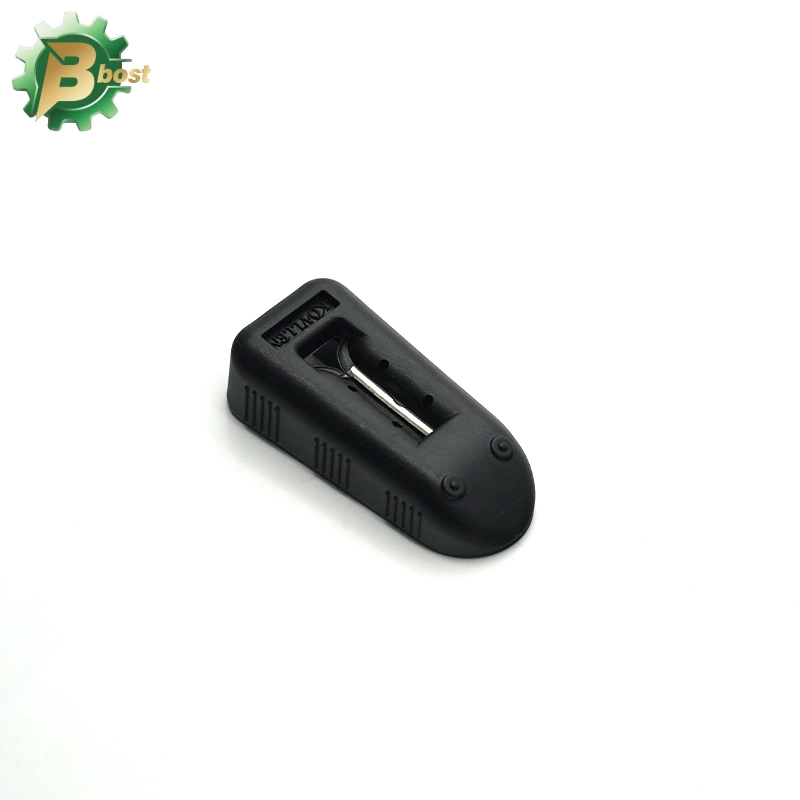
The plastic plug manufactured by Insert molding with stainless steel plate
Bost’s Insert-Molded Stainless Steel Plate Plastic Plug offers superior durability and corrosion resistance. This stainless steel insert durable plastic plug ensures a secure fit and long-lasting performance, ideal for industrial and commercial applications. Robust design meets quality standards.
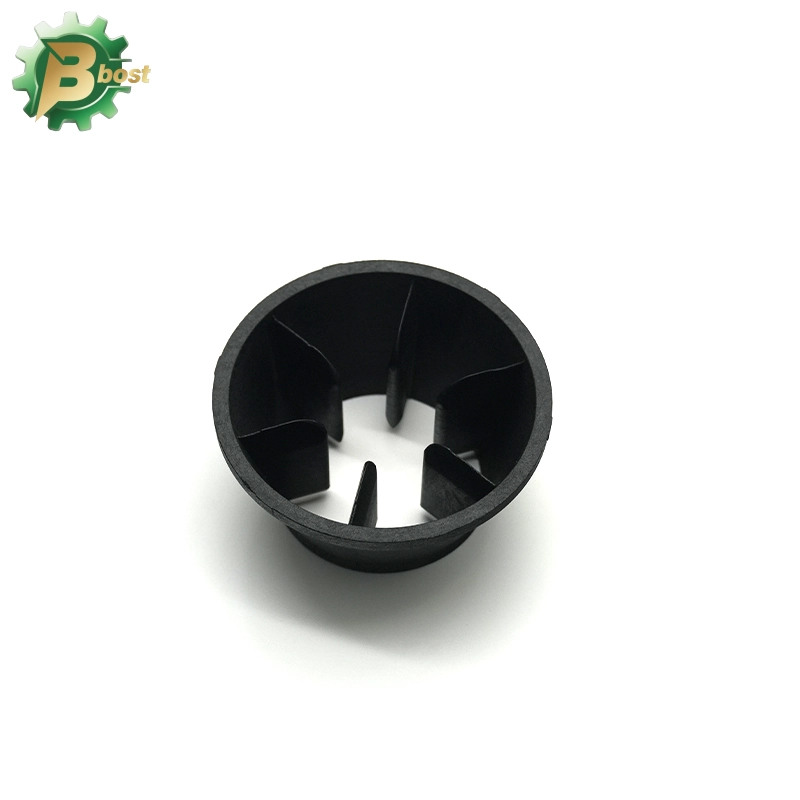
The Bost custom PPO flow valve by injection molding
The BOST Custom PPO Injection-Molded Flow Valve delivers high-temp and corrosion-resistant performance for industrial flow control. Precision-engineered by Bost, this custom PPO valve ensures durable, reliable operation in demanding environments. Optimize your process with BOST’s advanced injection-molded solution.
The Bost custom plastic handle by injection molding with high performance PPS material
BOST Custom PPS Injection-Molded Wear-Resistant Handle delivers superior durability and high performance. Made from High Quality PPS material, this injection-molded handle ensures exceptional wear resistance, ideal for demanding applications and long-lasting use. Choose BOST for quality and reliability.
The Bost custom flow meter by injection molding with PES plastic
The Bost Custom PES Injection-Molded Flow Meter offers high-temperature and corrosion resistance, ideal for industrial use. Made with durable PES plastic via precision injection molding, this flow meter ensures reliable, customized performance for demanding applications. Trust Bost for quality and innovation.
Get in touch with Bost
Have any questions or concerns about our products? Please leave us a message here, and our team will get back to you promptly.

24 hours quotes delivered
Submit CAD files, get quote in 24 hours

No MOQ required
From prototyping to high-volume

±0.02 mm Precision
Advanced CNC with full inspections

1,000+ tons in stock
26 materials ready to ship
© 2026 BOST. All Rights Reserved.