
 Scan QR Code
Send My Request
Buyer's Guide to Fluoroplastic PVDF Covers with Screws
Monday, 01/26/2026
This buyer's guide explains why fluoroplastic PVDF covers with screws—especially injection-molded options like the Bost PVDF cover with screws—are ideal for corrosion-resistant, precision-installed, and high-temperature sealing applications. Learn properties, selection criteria, installation tips, and how Bost’s injection-molded solutions provide durable protection in demanding environments.
- Why Choose Fluoroplastic PVDF for Covers and Fastening
- Material advantages: corrosion and chemical resistance
- Mechanical and thermal behavior important for covers
- Why injection molding improves performance
- Key Specifications and Selection Criteria
- Material grade and UV/temperature resistance
- Mechanical tolerances and screw interface design
- Seal type and high-temperature sealing strategy
- Installation, Maintenance, and Long-Term Performance
- Best practices for installing PVDF covers with screws
- Maintenance considerations and inspection intervals
- Repairability and replacement strategy
- Comparative Performance and Application Examples
- PVDF versus other plastics
- Industry use cases
- Case study: Bost PVDF cover with screws (injection-molded)
- Buying Considerations and Supplier Selection
- Specification checklist before requesting quotes
- Evaluating manufacturers and quality control
- Cost versus lifetime value
- Brand Advantages: Why Choose Bost PVDF Injection-Molded Covers
- Design and manufacturing expertise
- Performance and service support
- Sustainability and lifecycle consideration
- FAQ — Frequently Asked Questions
- Q1: How is PVDF different from PTFE for covers?
- Q2: Can PVDF covers be used outdoors?
- Q3: What fastener materials should I use with PVDF?
- Q4: Are injection-molded PVDF covers repairable?
- Q5: How do I confirm chemical compatibility?
- Choosing Black UV-Resistant ABS Connectors for Engineering Plastics.
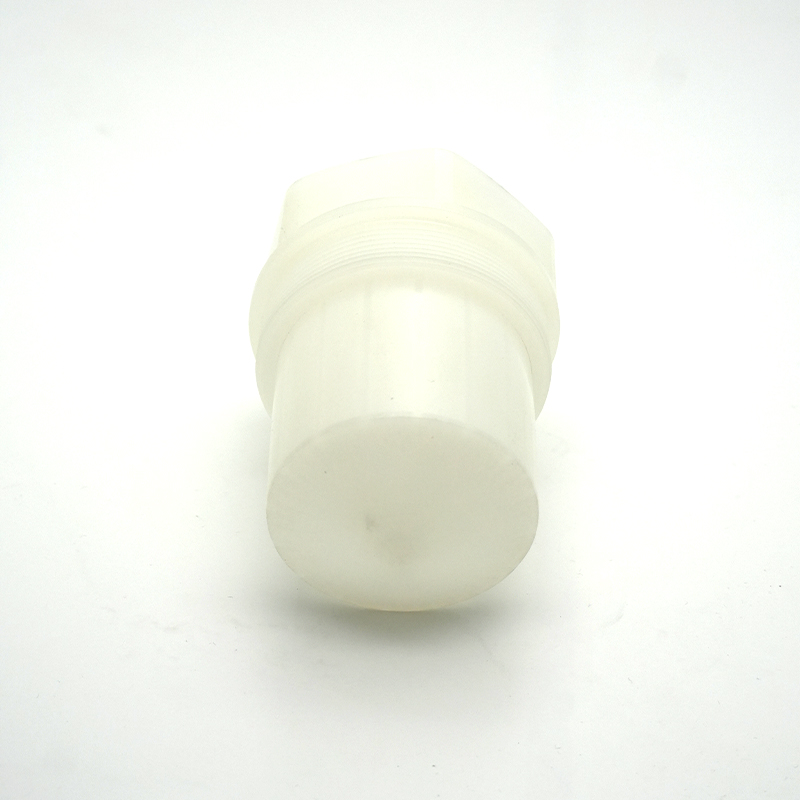
The following guide is optimized for indexing and for engineers, procurement specialists, and maintenance teams evaluating fluoroplastic PVDF covers with screws for local and global projects. It highlights material performance, installation best practices, and why injection-molded PVDF covers such as the Bost PVDF cover with screws are suited to corrosive, high-temperature, and precision applications across industries.
Why Choose Fluoroplastic PVDF for Covers and Fastening
Material advantages: corrosion and chemical resistance
Fluoroplastic materials are widely chosen where chemical inertness and corrosion resistance are essential. Polyvinylidene fluoride (PVDF) is a semi-crystalline fluoropolymer that combines chemical resistance comparable to some fluoropolymers with improved mechanical strength and thermal stability. For a technical summary of PVDF properties, see the Polyvinylidene fluoride page on Wikipedia (en.wikipedia.org/wiki/Polyvinylidene_fluoride).
Mechanical and thermal behavior important for covers
Unlike softer fluoropolymers, PVDF delivers a balance of stiffness, tensile strength, and long-term dimensional stability—important for covers that must maintain sealing integrity under thermal cycling and bolt preload. PVDF’s usable temperature range (typically -40°C to +150°C for continuous service depending on grade) allows it to function as a reliable sealing and protective element in many industrial environments. For a broader overview of fluoropolymers, consult the Fluoropolymer entry (en.wikipedia.org/wiki/Fluoropolymer).
Why injection molding improves performance
Injection molding enables repeatable, dimensionally accurate parts with integrated features—such as threaded inserts, screw bosses, and sealing ribs—reducing assembly steps and failure points. The PVDF cover with screws by injection molding offers consistent wall thickness, controlled shrinkage, and the ability to incorporate precision screw locations for corrosion-resistant fixing and precision installation.
Key Specifications and Selection Criteria
Material grade and UV/temperature resistance
Not all PVDF grades are identical. When selecting a PVDF cover, confirm UV resistance (stabilizers for outdoor exposure), continuous service temperature, and chemical resistance to the specific media in your application. Data from industry sources such as AZoM provide property tables that help compare grades (azom.com - PVDF properties).
Mechanical tolerances and screw interface design
Proper screw engagement and fixation require precision dimensions: hole positions, boss wall thickness, and boss dwell depth must be designed to prevent stripping, creep, or stress cracking. Injection-molded parts can maintain tighter tolerances than machined or fabricated covers, improving installation repeatability and sealing performance.
Seal type and high-temperature sealing strategy
Decide whether the cover will use an O-ring, molded-in gasket, or screw-compressed flat gasket. PVDF can be molded to accept elastomeric seals or include a molded lip; if the application reaches high temperatures, choose seals rated for those temperatures (e.g., FKM or silicone) and verify chemical compatibility with both the process fluid and cleaning agents.
Installation, Maintenance, and Long-Term Performance
Best practices for installing PVDF covers with screws
1) Use the specified torque to avoid compressive creep or boss failure; follow manufacturer torque tables. 2) Use corrosion-resistant screw materials (stainless steel, duplex alloys, or coated fasteners) to match PVDF's longevity. 3) If using O-rings, lightly lubricate with a compatible lubricant to prevent seal pinching and to achieve even compression.
Maintenance considerations and inspection intervals
Periodic inspections should focus on fastener torque retention, seal condition, and any signs of stress cracking near screw bosses. PVDF resists many chemistries, but repeated thermal cycling or mechanical overloading can cause slow degradation—especially when incompatible solvents or swelling agents are present. Establish inspection intervals based on operating conditions (e.g., quarterly for aggressive service, annually for benign conditions).
Repairability and replacement strategy
Injection-molded PVDF covers are economical to replace and, because they can be produced with consistent geometry, spare parts remain interchangeable. Consider keeping a small stock of spare covers and seals to minimize downtime in critical operations.
Comparative Performance and Application Examples
PVDF versus other plastics
The table below highlights practical differences between PVDF, PTFE, and polypropylene (PP) for protective covers and screwed fixation:
| Property | PVDF (Fluoroplastic) | PTFE (Teflon) | Polypropylene (PP) |
|---|---|---|---|
| Chemical resistance | Excellent to most acids, bases, solvents | Outstanding (broadest chemical resistance) | Good to moderate; limited against strong solvents |
| Mechanical strength | High (good stiffness and creep resistance) | Low (soft, creep-prone under load) | Moderate (flexible, lower temperature capability) |
| Temperature range | -40°C to ~150°C (continuous) | -200°C to ~260°C | -20°C to ~100°C |
| Processability (injection molding) | Good (can be injection-molded into complex shapes) | Difficult (requires special handling; usually machined or molded under special conditions) | Excellent |
| Recommended for screwed covers | Yes — strong bosses, tight tolerances | Less ideal — poor screw retention | Possible — watch creep and temperature limits |
Industry use cases
PVDF covers with screws are common in chemical process equipment, water treatment skids, analytical instrument housings, and outdoor enclosures requiring UV resistance and sealed protection. Their combination of fluoroplastic chemical resistance and injection-molded accuracy makes them a top choice where both sealing and mechanical fixation are required.
Case study: Bost PVDF cover with screws (injection-molded)
The Bost PVDF cover with screws, crafted via injection molding, ensures corrosion-resistant fixing, precision installation, and high-temperature resistant sealing. It is designed to integrate screw bosses and sealing features, reducing assembly steps and improving long-term reliability. Bost’s solution is particularly suited for demanding environments where long service life and minimal maintenance are priorities. For technical material comparisons and industry context, refer to resources like Matmatch's PVDF overview (matmatch.com/materials/mam-pvdf).
Buying Considerations and Supplier Selection
Specification checklist before requesting quotes
When preparing procurement documents, include the following to ensure comparable quotes:
- PVDF grade (UV-stabilized, flame-retardant, FDA-grade, etc.)
- Required dimensional tolerances and critical datum faces
- Screw types and materials (e.g., A2/A4 stainless, duplex, coated fasteners)
- Seal type and material compatibility
- Expected operating temperature and chemical exposure
- Required certification or traceability (e.g., material certificates)
Evaluating manufacturers and quality control
Look for manufacturers with ISO 9001 or equivalent quality systems, documented molding process controls, and experience molding fluoroplastics. Ask for process capability data (Cpk) for critical dimensions, and request sample parts to perform fit and seal checks. Reputable industry sources recommend verifying a supplier’s experience with fluoropolymers due to specialized processing requirements (plasticseurope.org).
Cost versus lifetime value
While PVDF covers can be more expensive upfront than common thermoplastics, their extended service life, lower maintenance needs, and superior chemical/thermal performance often produce lower total cost of ownership in aggressive environments. When comparing prices, include expected replacement frequency, downtime costs, and maintenance labor in your evaluation.
Brand Advantages: Why Choose Bost PVDF Injection-Molded Covers
Design and manufacturing expertise
Bost combines engineering design for injection molding with material selection tailored to harsh environments. Their PVDF cover with screws integrates precise screw bosses and sealing features, which reduces assembly variability and improves field reliability. Bost’s manufacturing process focuses on consistent dimensional control and process documentation to meet industrial tolerances.
Performance and service support
Bost offers technical support to match PVDF grade to application, recommend proper fastener materials, and advise on torque and sealing strategies. This consultative approach reduces installation errors and ensures long-term performance in corrosive or high-temperature services.
Sustainability and lifecycle consideration
Injection-molded PVDF covers from established suppliers are often produced with strict waste controls and recycling plans for runners/scrap. Choosing a single, longer-lasting PVDF cover rather than frequent replacements of cheaper covers reduces material throughput and lifecycle emissions over time.
FAQ — Frequently Asked Questions
Q1: How is PVDF different from PTFE for covers?
PVDF provides better mechanical strength, stiffness, and creep resistance than PTFE, making it more suitable for screwed covers. PTFE offers broader chemical resistance but is softer and less able to hold threads or bosses under load.
Q2: Can PVDF covers be used outdoors?
Yes, when supplied in UV-stabilized grades. Confirm the grade’s UV resistance and any necessary additives; consult the supplier’s weathering data for long-term outdoor exposure.
Q3: What fastener materials should I use with PVDF?
Stainless steels (A4/316) are common; for highly aggressive chloride-containing environments, consider duplex stainless or other corrosion-resistant alloys. Ensure fastener surface finish and coatings are compatible with the application’s chemical exposure.
Q4: Are injection-molded PVDF covers repairable?
Small surface damage can sometimes be repaired with compatible adhesives or localized machining, but threaded boss damage usually requires part replacement. Because injection-molded parts are relatively low-cost at scale and consistent in geometry, replacement is often the best option for structural issues.
Q5: How do I confirm chemical compatibility?
Use supplier compatibility charts and cross-reference with authoritative material data. For critical applications, perform accelerated exposure testing. Helpful resources include material property databases such as AZoM (azom.com) and Matmatch (matmatch.com).
If you have more specific questions about dimensions, torque recommendations, or custom features for your application, contact our sales and engineering team to request datasheets, CAD models, and sample parts.
Contact / View Product: Learn more or request a quote for the Bost PVDF cover with screws by visiting Bost PVDF cover product page. For direct assistance, contact Bost Sales at sales@bost.com or call your regional representative. For more information you can read this article :
Choosing Black UV-Resistant ABS Connectors for Engineering Plastics.
Tags
plastic injection molding service
plastic injection molding service
Precision-Fit Cover Plate
Precision-Fit Cover Plate
Tube with Screw
Tube with Screw
PEI plastic gasket
PEI plastic gasket
Wire and cable protection sleeve
Wire and cable protection sleeve
Corrosion-Resistant
Corrosion-Resistant
Recommended for you
Key Mechanical Properties of ABS Plastic Connectors
Injection Molding Tooling Maintenance and Lifespan Tips
How Color Stability Impacts Black ABS Connector Performance
Best engineered plastic components for thermal stability
Prdoucts Categories
Question you may concern
FAQs
What are the core advantages of Bost engineering plastics compared to ordinary plastics?
Bost engineering plastics feature ultra-high mechanical strength, high-temperature resistance (-50°C to 300°C), chemical corrosion resistance, and wear resistance. Compared to ordinary plastics, their service life is extended by 3 to 8 times, making them suitable for replacing metals in harsh environments.
What is the minimum order quantity (MOQ)? Do you support small-batch trial production?
The MOQ for standard products is ≥100kg. We support small-batch trial production (as low as 20kg) and provide mold testing reports and performance data feedback.
What is the delivery lead time? Do you offer global logistics?
Standard products: 5–15 working days; custom modifications: 2–4 weeks. We support global air/sea freight and provide export customs clearance documents (including REACH/UL certifications).
How do I select the appropriate engineering plastic grade for my product?
Selection should be based on parameters such as load conditions (e.g., pressure/friction), temperature range, medium contact (e.g., oil/acid), and regulatory requirements (e.g., FDA/RoHS). Our engineers can provide free material selection consulting and sample testing.
Can Bost customize modified plastics with special properties?
Yes! We offer modification services such as reinforcement, flame retardancy, conductivity, wear resistance, and UV resistance, for example:
• Adding carbon fiber to enhance stiffness
• Reducing the coefficient of friction through PTFE modification
• Customizing food-grade or medical-grade certified materials
You may also like
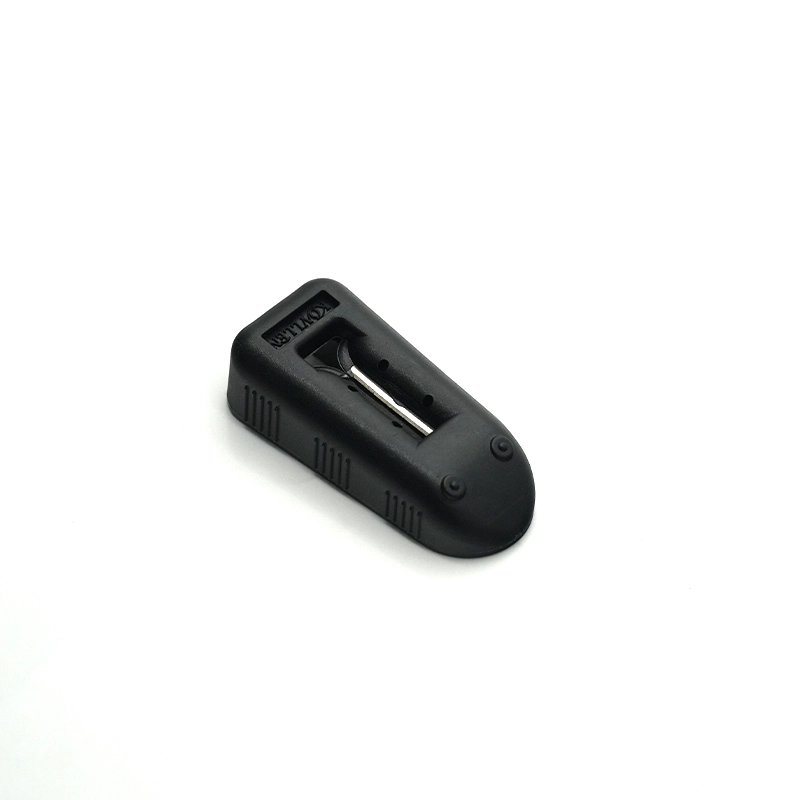
The plastic plug manufactured by Insert molding with stainless steel plate
Bost’s Insert-Molded Stainless Steel Plate Plastic Plug offers superior durability and corrosion resistance. This stainless steel insert durable plastic plug ensures a secure fit and long-lasting performance, ideal for industrial and commercial applications. Robust design meets quality standards.
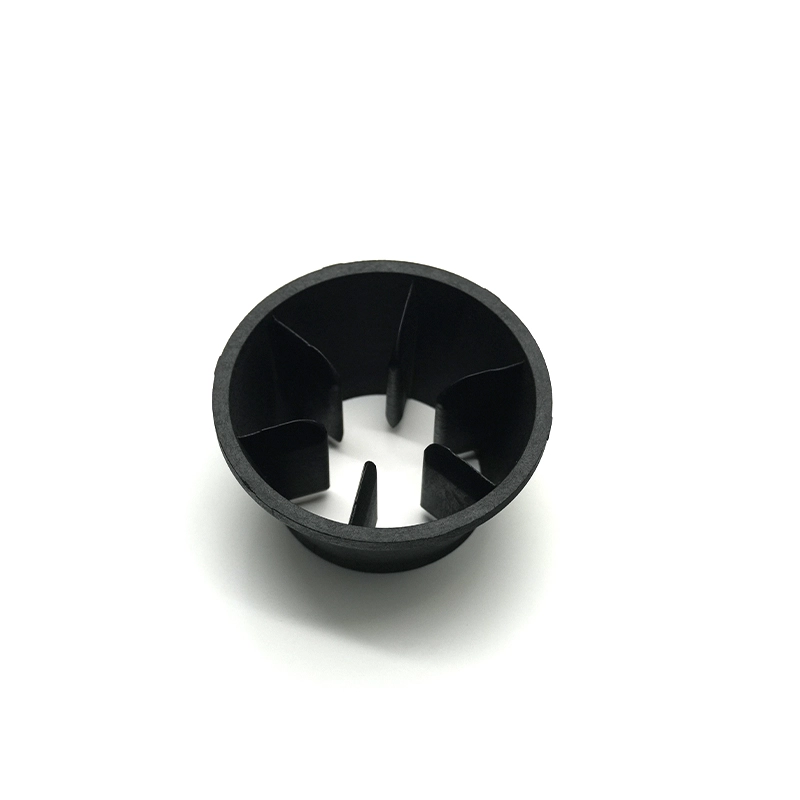
The Bost custom PPO flow valve by injection molding
The BOST Custom PPO Injection-Molded Flow Valve delivers high-temp and corrosion-resistant performance for industrial flow control. Precision-engineered by Bost, this custom PPO valve ensures durable, reliable operation in demanding environments. Optimize your process with BOST’s advanced injection-molded solution.
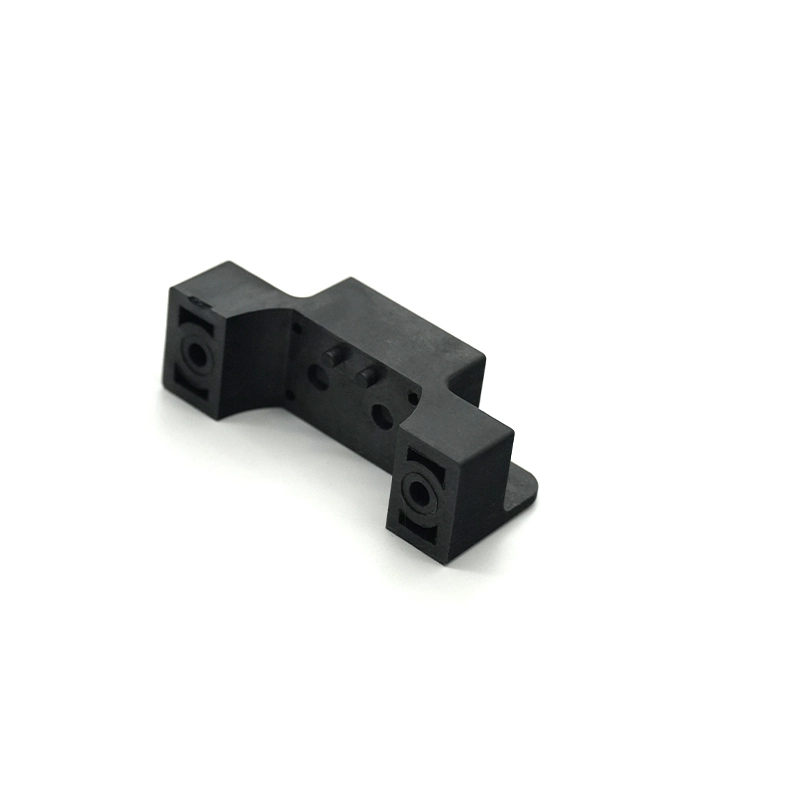
The Bost custom plastic handle by injection molding with high performance PPS material
BOST Custom PPS Injection-Molded Wear-Resistant Handle delivers superior durability and high performance. Made from High Quality PPS material, this injection-molded handle ensures exceptional wear resistance, ideal for demanding applications and long-lasting use. Choose BOST for quality and reliability.
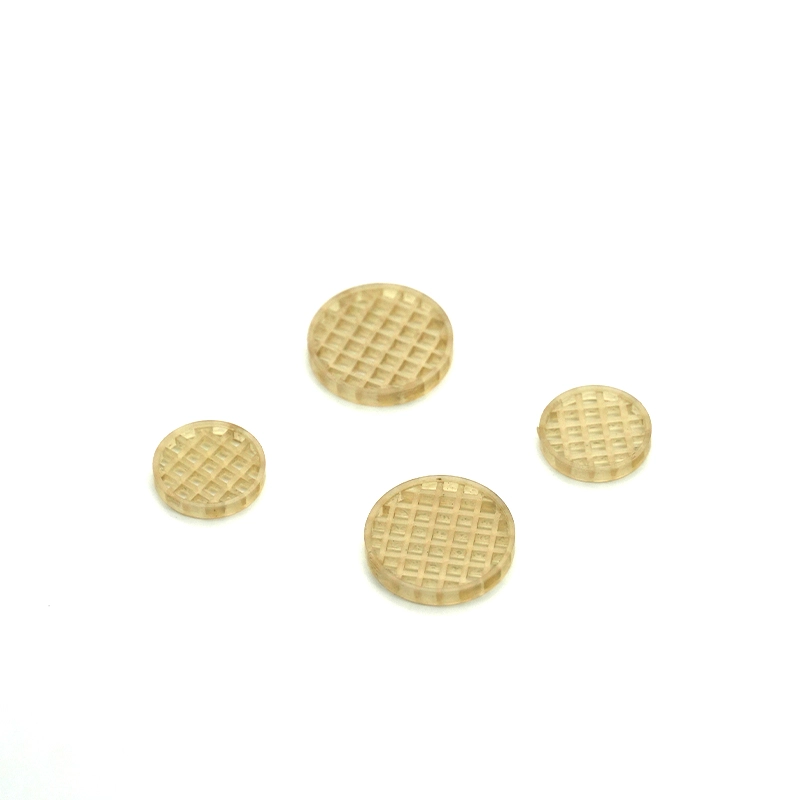
The Bost custom flow meter by injection molding with PES plastic
The Bost Custom PES Injection-Molded Flow Meter offers high-temperature and corrosion resistance, ideal for industrial use. Made with durable PES plastic via precision injection molding, this flow meter ensures reliable, customized performance for demanding applications. Trust Bost for quality and innovation.
Get in touch with Bost
Have any questions or concerns about our products? Please leave us a message here, and our team will get back to you promptly.

24 hours quotes delivered
Submit CAD files, get quote in 24 hours

No MOQ required
From prototyping to high-volume

±0.02 mm Precision
Advanced CNC with full inspections

1,000+ tons in stock
26 materials ready to ship
© 2026 BOST. All Rights Reserved.