 Scan QR Code
Send My Request
Supply Chain Tips for Procuring Black UV-Resistant ABS Connectors
Friday, 01/23/2026
For installers, procurement managers and OEMs specifying outdoor electrical and mechanical connections, the Bost Black UV-Resistant ABS Outdoor Connector delivers proven weather resistance and long service life. This guide explains how to evaluate material performance, qualify suppliers, manage lead times and testing, and optimize costs when procuring black, UV-resistant ABS connectors for harsh outdoor environments.
- Material fundamentals: Why choose black, UV-resistant ABS for outdoor connectors?
- ABS properties that matter for outdoor connectors
- Role of UV stabilizers and black pigmentation
- Engineering plastics context and alternatives
- Supplier qualification and procurement strategy
- Define specifications and acceptance criteria
- How to audit and qualify suppliers
- Use multiple sourcing and risk scoring
- Inventory, lead times and logistics optimization
- Balance JIT with buffer stock for outdoor-season demand
- Packaging and handling considerations for engineering plastics
- International logistics and customs planning
- Quality assurance, testing and compliance for outdoor performance
- Recommended testing protocols
- Inspection checkpoints and acceptance sampling
- Regulatory, flammability and environmental compliance
- Cost optimization, comparisons and brand selection
- Cost drivers and how to reduce them
- Material and product comparison table
- Why choose a trusted brand: Bost advantages
- Practical procurement checklist and contract tips
- Pre-purchase checklist
- Contract clauses to include
- Data and traceability for continuous improvement
- FAQs
- Q: How long will a black UV-resistant ABS connector last outdoors?
- Q: Can you paint or coat black ABS connectors for extra protection?
- Q: Are there tests I should require before bulk buys?
- Q: What packaging is best for outdoor ABS parts?
- Final recommendations and how to order
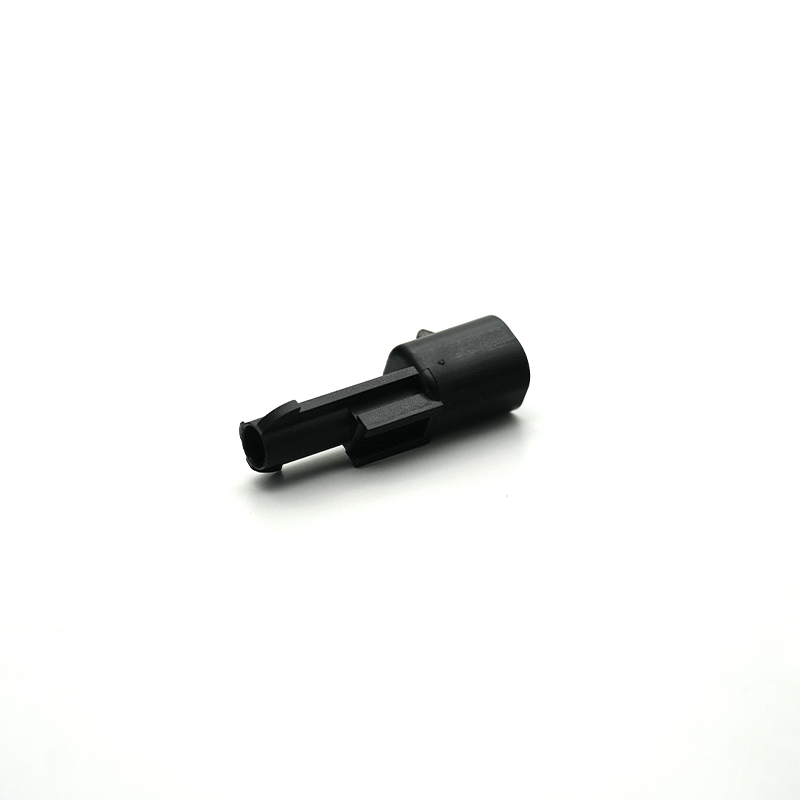
For installers, procurement managers and OEMs specifying outdoor electrical and mechanical connections, the Bost Black UV-Resistant ABS Outdoor Connector delivers proven weather resistance and long service life. This guide explains how to evaluate material performance, qualify suppliers, manage lead times and testing, and optimize costs when procuring black, UV-resistant ABS connectors for harsh outdoor environments. We focus on practical supply chain strategies you can apply today to ensure reliable, weatherproof installations using engineering plastics optimized for outdoor exposure. With supply stability in place, buyers can revisit the strategic foundation of buyer's guide explains why fluoroplastic PVDF covers with screws—especially injection-molded options .
Material fundamentals: Why choose black, UV-resistant ABS for outdoor connectors?
ABS properties that matter for outdoor connectors
Acrylonitrile butadiene styrene (ABS) is a common engineering plastic used in connectors because it balances toughness, dimensional stability and machinability. For outdoor use you need grades with UV stabilizers and appropriate additives to resist embrittlement, color fade and surface cracking. Key properties to review in datasheets include tensile strength, impact resistance (notched Izod), heat deflection temperature and long-term weathering data.
Role of UV stabilizers and black pigmentation
UV-resistant ABS incorporates UV absorbers, HALS (hindered amine light stabilizers) or other antioxidants that slow degradation from sunlight. Black pigmentation (carbon black) itself provides significant UV protection because it absorbs UV energy and reduces chain scission in the polymer. When specifying a 'Black and UV resistant ABS plastic connector', confirm the formulation: is carbon black used as pigment, are UV stabilizers present, and are they designed for outdoor service life?
Engineering plastics context and alternatives
ABS sits among other engineering thermoplastics — polycarbonate (PC), nylon (PA), and polypropylene (PP) — each with pros and cons. For connectors, ABS offers cost-effective impact resistance and appearance; PC delivers higher heat and impact performance but may need UV co‑stabilization; nylon provides chemical resistance but can absorb moisture and change dimensions. Choose materials based on environmental conditions, mechanical load, and electrical requirements.
Supplier qualification and procurement strategy
Define specifications and acceptance criteria
Start with a clear specification document: material grade, color code (e.g., RAL or Pantone), UV resistance method (accelerated weathering hours), mechanical tolerances, flammability rating (UL94) and required certifications. Establish pass/fail criteria for incoming inspection: visual, dimensional and functional tests. Having objective acceptance criteria reduces disputes and speeds approval.
How to audit and qualify suppliers
Evaluate suppliers on technical capability (injection molding accuracy, tooling experience), quality systems (ISO 9001, IATF where applicable), and traceability of raw ABS resin and additives. Request technical datasheets and third-party test reports for UV-weathering (e.g., QUV or Xenon arc testing). Consider factory visits or virtual audits to confirm process controls such as drying, melt temperature control and color lot management.
Use multiple sourcing and risk scoring
Mitigate single-source risk by qualifying at least two suppliers or one primary and one secondary. Create a supplier risk score covering lead time reliability, quality performance, financial stability and logistics resilience. Maintain a 'safe stock' for critical connectors during peak seasons or before outdoor-project rollouts.
Inventory, lead times and logistics optimization
Balance JIT with buffer stock for outdoor-season demand
Weather-dependent projects cause spikes in demand for outdoor connectors. Evaluate historical consumption and seasonality to set reorder points and safety stock. For parts using specialty UV-stabilized ABS, lead times can be longer due to resin sourcing and color masterbatch. Factor supplier lead time variability into economic order quantity (EOQ) and safety stock calculations.
Packaging and handling considerations for engineering plastics
ABS components should be packed to avoid UV exposure, surface abrasion and deformation during transit. Use opaque, UV-resistant inner packaging and cushioned trays to protect mating features. Temperature extremes can warp parts; avoid long exposure to sustained heat in shipping containers. For long overseas shipments, request desiccant where humidity-sensitive finishes are applied.
International logistics and customs planning
If sourcing globally, plan for customs classification, import duties, and potential delays at ports. Use harmonized system codes with supplier confirmation and include accurate material declarations to avoid rework at customs. Where possible, pre-clear shipments and use bonded warehouses to smooth distribution to regional hubs.
Quality assurance, testing and compliance for outdoor performance
Recommended testing protocols
Require accelerated weathering tests such as ASTM G154 (UV fluorescent UV exposure) or ISO 4892 (Xenon arc) with clearly defined exposure durations and performance endpoints (color change, gloss retention, impact strength). For mechanical verification, use tensile, impact and dimensional tests per relevant ASTM or ISO standards. For electrical connectors, test dielectric strength if applicable.
Inspection checkpoints and acceptance sampling
Implement incoming quality inspection (IQC) checkpoints: visual for surface finish and color consistency, dimensional checks using templates or CMM for critical features, and functional test cycles if connectors are assembly-critical. Use statistically valid sampling plans (e.g., ANSI/ASQ Z1.4) for lot acceptance and define lot rejection actions.
Regulatory, flammability and environmental compliance
Confirm flame retardance ratings as required (UL94 V‑0, V‑2, etc.) and ensure compliance with RoHS and REACH where applicable. For global projects reference regulatory sources such as the European Chemicals Agency (ECHA) for REACH guidance (https://echa.europa.eu/ 'target='_blank') and industry standards described on engineering plastics pages such as Wikipedia's engineering plastic overview (https://en.wikipedia.org/wiki/Engineering_plastic 'target='_blank').
Cost optimization, comparisons and brand selection
Cost drivers and how to reduce them
Major cost drivers include resin grade (UV-stabilized ABS can cost more than general-purpose ABS), pigmentation, tooling complexity, and finishing. Reduce per-piece cost by optimizing the part for molding: minimize wall thickness variations, avoid undercuts that require complex tooling, and standardize connector families to increase production volume. Negotiate long-term resin agreements with suppliers for volume discounts.
Material and product comparison table
Use the table below to compare the Bost Black UV-Resistant ABS Outdoor Connector against a generic ABS connector and alternative materials.
| Feature | Bost Black UV-Resistant ABS Connector | Generic ABS Connector | PC/Nylon Alternative |
|---|---|---|---|
| UV Resistance | High (carbon black + stabilizers) | Low to medium (may lack stabilizers) | PC: medium-high with coating; Nylon: low without additives |
| Weathering Durability | Designed for outdoor use, long service life | Shorter outdoor lifetime | PC performs well; Nylon absorbs moisture |
| Cost | Mid-range (High Quality for UV formulation) | Lower | Higher (PC) / variable (Nylon) |
| Dimensional Stability | Good | Good | PC: excellent; Nylon: affected by moisture |
| Typical Applications | Outdoor electrical/mounting connectors, signage | Indoor connectors, non-critical outdoor | High temperature or mechanical load parts |
Why choose a trusted brand: Bost advantages
Choosing a reputable brand such as Bost brings several supply chain advantages: consistent material formulations, documented UV-weathering test results, reliable color matching across lots, and engineering support for design-for-manufacture. Bost's Black UV-Resistant ABS Outdoor Connector is produced under controlled processes to maintain tolerances and surface finish optimized for long-term outdoor exposure, reducing field failures and maintenance costs.
Practical procurement checklist and contract tips
Pre-purchase checklist
- Confirm resin grade and presence of UV stabilizers.
- Request sample parts and third-party weathering test data.
- Verify supplier quality certifications and tooling capability.
- Define packaging, labeling and shipment requirements to protect against UV and heat.
- Agree on lead times, MOQ, and change control for color or material changes.
Contract clauses to include
Include warranty terms for outdoor performance (e.g., 3–5 years against UV-related cracking), acceptance test procedures, corrective action timeframes for nonconforming lots, and penalties for late delivery. Specify material traceability back to resin lots to support root cause analysis if failures occur.
Data and traceability for continuous improvement
Collect field feedback on fade, cracking, or fitment issues and share with suppliers. Use lot-level traceability to correlate failures to specific resin lots, tool cavities, or process changes. Continuous data exchange helps suppliers improve formulations and process controls, reducing long-term total cost of ownership.
FAQs
Q: How long will a black UV-resistant ABS connector last outdoors?
A: Service life depends on exposure intensity, temperature cycles and formulation. A properly formulated carbon-black pigmented ABS with UV stabilizers, like the Bost connector, typically lasts multiple years (5+ years in many temperate climates) before significant cosmetic or mechanical degradation. Accelerated weathering reports from your supplier provide predictive data for specific environments.
Q: Can you paint or coat black ABS connectors for extra protection?
A: Painting or coating is possible but can complicate adhesion and may hide surface defects. For black connectors, carbon black provides excellent UV shielding; a specialized UV-stable coating can add protection but test adhesion and thermal compatibility first.
Q: Are there tests I should require before bulk buys?
A: Yes — require accelerated UV/weathering tests (ASTM G154 or ISO 4892), mechanical tests for impact and tensile strength, and dimensional verification. For electrical connectors, add dielectric and contact integrity tests if relevant.
Q: What packaging is best for outdoor ABS parts?
A: Use opaque, UV-blocking inner packaging, cushioned trays to protect mating features, and temperature-aware shipping (avoid hot container storage). Label lots with production date and resin batch for traceability.
Final recommendations and how to order
When procuring Black and UV resistant ABS plastic connectors for outdoor installations, prioritize clear specifications, supplier qualification, adequate testing and sensible inventory buffers. Evaluate the Bost Black UV-Resistant ABS Outdoor Connector for projects that demand proven weather resistance and long-term durability. Its formulation and manufacturing controls reduce field failures and simplify logistics by providing consistent, weatherproof parts ready for outdoor use.
Questions or ready to buy? Contact our sales and engineering team for samples, technical datasheets, and lead time quotes. View product details and request a quote here: Bost Black UV-Resistant ABS Outdoor Connector.
For background on ABS and engineering plastics, see the ABS page on Wikipedia: https://en.wikipedia.org/wiki/Acrylonitrile_butadiene_styrene and the engineering plastics overview: https://en.wikipedia.org/wiki/Engineering_plastic.
Tags
High-temperature resistant silicone rubber sleeve
High-temperature resistant silicone rubber sleeve
Glass fiber filled Nylon
Glass fiber filled Nylon
Wear-Resistant Transmission
Wear-Resistant Transmission
custom injection molding
custom injection molding
Chemical-resistant
Chemical-resistant
Electronic device casings
Electronic device casings
Recommended for you
Step-by-Step Guide: From Prototype to Production in Custom Injection Molding
Reducing Costs with High-Volume PP Plastic Spacer Sourcing
Buyer's Guide to Fluoroplastic PVDF Covers with Screws
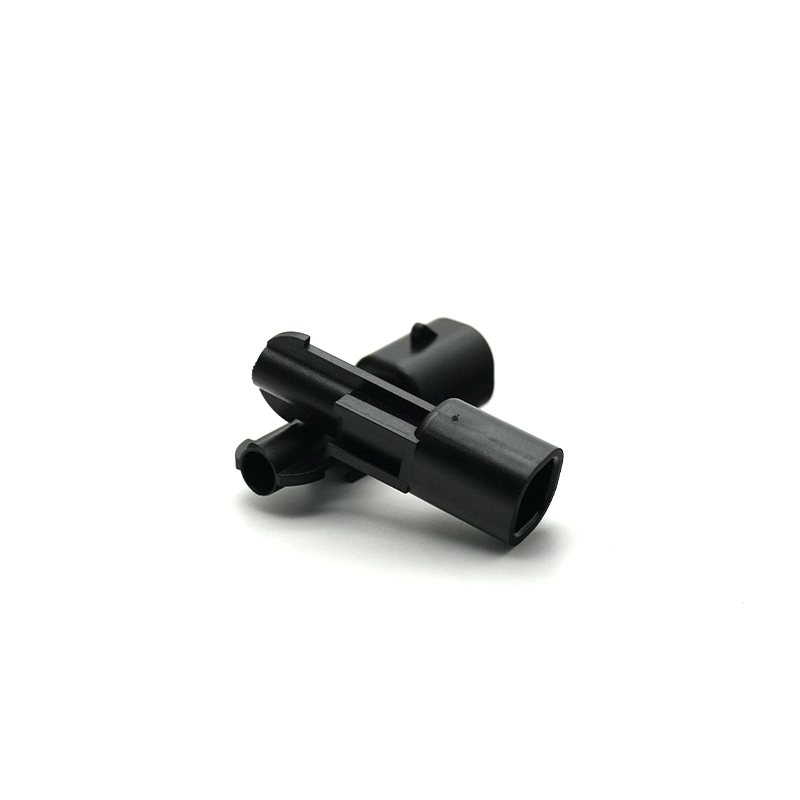
How to Read Datasheets for ABS Plastic Connectors
Prdoucts Categories
Question you may concern
FAQs
What is the minimum order quantity (MOQ)? Do you support small-batch trial production?
The MOQ for standard products is ≥100kg. We support small-batch trial production (as low as 20kg) and provide mold testing reports and performance data feedback.
What are the core advantages of Bost engineering plastics compared to ordinary plastics?
Bost engineering plastics feature ultra-high mechanical strength, high-temperature resistance (-50°C to 300°C), chemical corrosion resistance, and wear resistance. Compared to ordinary plastics, their service life is extended by 3 to 8 times, making them suitable for replacing metals in harsh environments.
What is the delivery lead time? Do you offer global logistics?
Standard products: 5–15 working days; custom modifications: 2–4 weeks. We support global air/sea freight and provide export customs clearance documents (including REACH/UL certifications).
Can Bost customize modified plastics with special properties?
Yes! We offer modification services such as reinforcement, flame retardancy, conductivity, wear resistance, and UV resistance, for example:
• Adding carbon fiber to enhance stiffness
• Reducing the coefficient of friction through PTFE modification
• Customizing food-grade or medical-grade certified materials
How do I select the appropriate engineering plastic grade for my product?
Selection should be based on parameters such as load conditions (e.g., pressure/friction), temperature range, medium contact (e.g., oil/acid), and regulatory requirements (e.g., FDA/RoHS). Our engineers can provide free material selection consulting and sample testing.
You may also like
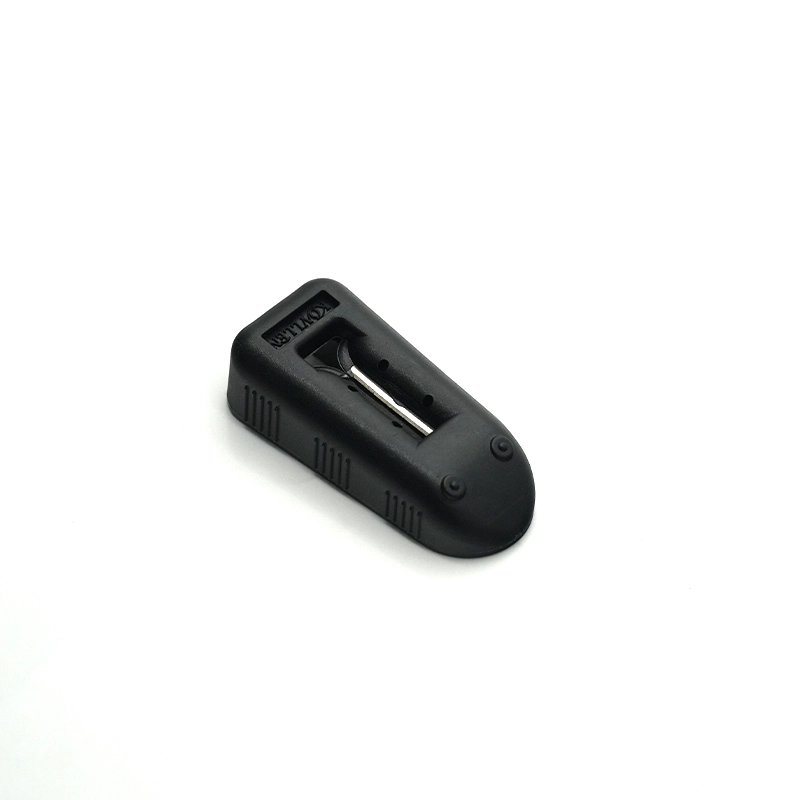
The plastic plug manufactured by Insert molding with stainless steel plate
Bost’s Insert-Molded Stainless Steel Plate Plastic Plug offers superior durability and corrosion resistance. This stainless steel insert durable plastic plug ensures a secure fit and long-lasting performance, ideal for industrial and commercial applications. Robust design meets quality standards.
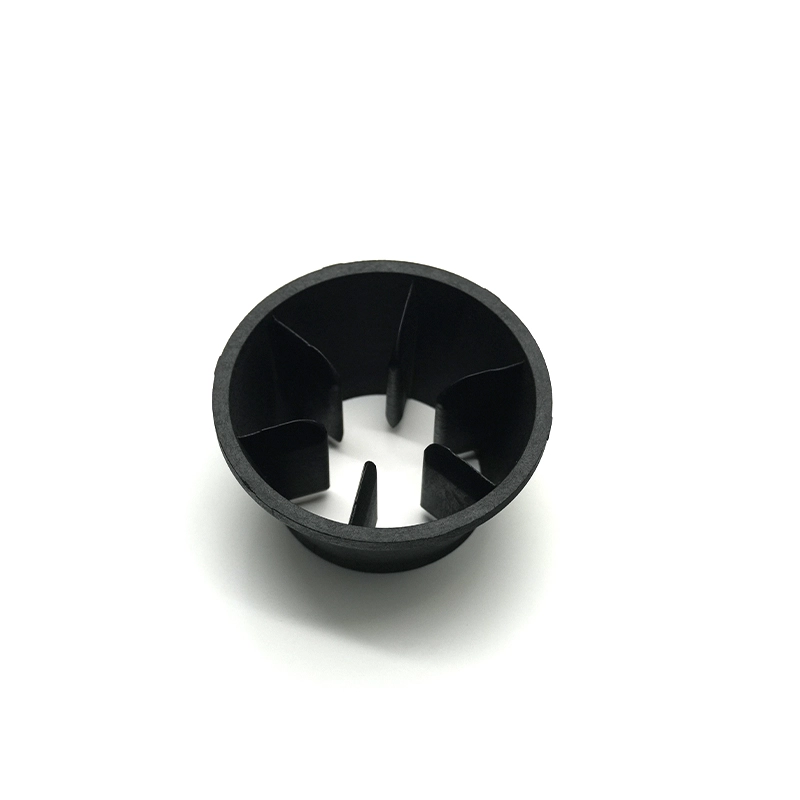
The Bost custom PPO flow valve by injection molding
The BOST Custom PPO Injection-Molded Flow Valve delivers high-temp and corrosion-resistant performance for industrial flow control. Precision-engineered by Bost, this custom PPO valve ensures durable, reliable operation in demanding environments. Optimize your process with BOST’s advanced injection-molded solution.
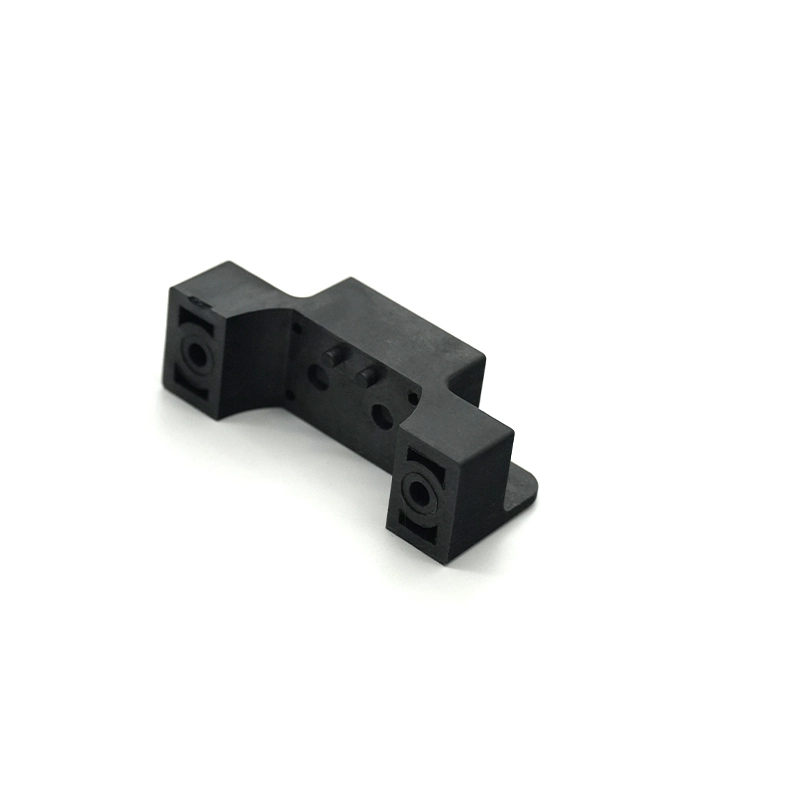
The Bost custom plastic handle by injection molding with high performance PPS material
BOST Custom PPS Injection-Molded Wear-Resistant Handle delivers superior durability and high performance. Made from High Quality PPS material, this injection-molded handle ensures exceptional wear resistance, ideal for demanding applications and long-lasting use. Choose BOST for quality and reliability.
The Bost custom flow meter by injection molding with PES plastic
The Bost Custom PES Injection-Molded Flow Meter offers high-temperature and corrosion resistance, ideal for industrial use. Made with durable PES plastic via precision injection molding, this flow meter ensures reliable, customized performance for demanding applications. Trust Bost for quality and innovation.
Get in touch with Bost
Have any questions or concerns about our products? Please leave us a message here, and our team will get back to you promptly.

24 hours quotes delivered
Submit CAD files, get quote in 24 hours

No MOQ required
From prototyping to high-volume

±0.02 mm Precision
Advanced CNC with full inspections

1,000+ tons in stock
26 materials ready to ship
© 2026 BOST. All Rights Reserved.