
 Scan QR Code
Send My Request
Cost-Benefit Analysis of NBR Buna-Rubber Seal Rings for Industry
Thursday, 01/8/2026
A practical, data-driven cost-benefit analysis of Oil resistance NBR Buna-rubber seal rings for industrial applications. This article explains NBR material properties, compares lifecycle costs with alternative elastomers, shows maintenance and selection guidance, and highlights Bost Oil Resistance NBR Buna-Rubber Seal Ring advantages for reliable, leak-proof performance.
- Cost-Benefit Analysis of NBR Buna-Rubber Seal Rings for Industry
- Introduction: Why the right rubber seal matters
- What is NBR (Buna-N) and why it is widely used as a rubber seal
- Product snapshot: Oil resistance NBR Buna-rubber seal ring
- Performance factors to evaluate in rubber seals (rubber seal selection criteria)
- Simple cost components for NBR rubber seal rings
- Lifecycle cost comparison: NBR vs common alternatives
- Illustrative lifecycle cost example (sample calculation)
- When NBR (Buna) is the optimal choice (: rubber seal selection)
- When to choose alternatives (risk mitigation and long-term benefits)
- Installation and maintenance best practices for rubber seals
- Quantifying benefits: reduced leakage, safety, and environmental advantages
- Brand integration: Why choose Bost Oil Resistance NBR Buna-Rubber Seal Ring
- Practical selection checklist (: buying guide)
- FAQ (Frequently Asked Questions about rubber seal selection and NBR)
- Contact & view product (Call to action)
- Authoritative references and further reading
- Closing summary
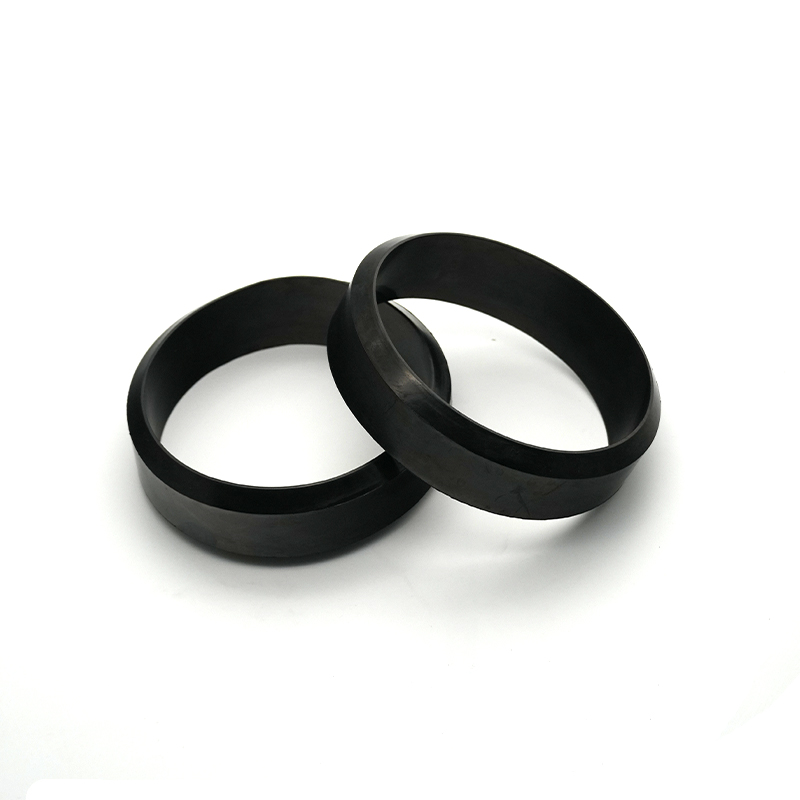
Cost-Benefit Analysis of NBR Buna-Rubber Seal Rings for Industry
Introduction: Why the right rubber seal matters
Choosing the right rubber seal is critical to operational reliability, safety, and total cost of ownership in industrial systems. This article focuses on oil-resistant NBR (Buna-N) rubber seal rings — specifically the Oil resistance NBR Buna-rubber seal ring — and provides a thorough cost-benefit analysis for engineering and procurement teams. We will explain material characteristics, quantify expected service-life benefits, compare NBR to common alternatives, and give practical guidance for selection, installation, and maintenance.
What is NBR (Buna-N) and why it is widely used as a rubber seal
Nitrile butadiene rubber (NBR), commonly called Buna-N or simply nitrile, is a copolymer synthesized from acrylonitrile and butadiene. It is particularly valued in industry for its good resistance to petroleum oils, hydraulic fluids, and many synthetic lubricants. Typical temperature range for general-purpose NBR is approximately -30°C to +100°C (-22°F to 212°F), with specialized formulations extending these limits. Key reasons NBR is used for rubber seal rings include excellent tensile and abrasion resistance, low compression set when compounded correctly, and cost-effectiveness compared with high-performance fluoroelastomers.
Product snapshot: Oil resistance NBR Buna-rubber seal ring
Bost Oil Resistance NBR Buna-Rubber Seal Ring offers purpose-formulated oil-resistant NBR sealing designed for demanding industrial environments. It is engineered for leak-proof performance against oils and fluids, optimized for longevity, and tailored to common sealing geometries (o-rings, X-rings, and custom profiles). The product targets maintenance-critical systems such as hydraulic cylinders, pumps, gearboxes, and rotating equipment where oil exposure is routine.
Performance factors to evaluate in rubber seals (rubber seal selection criteria)
When selecting a rubber seal for industrial use, focus on several measurable parameters: chemical compatibility (with hydraulic fluids or lubricants), temperature stability, hardness (Shore A), compression set, abrasion resistance, and tensile strength. For oil-exposed systems, fluid swell and degradation rate are critical. NBR typically performs well on chemical compatibility with mineral oils, diesel, and many hydraulic fluids, but it is less suitable for phosphate ester fluids and many aggressive chemicals — this must be confirmed by compatibility charts and supplier data sheets.
Simple cost components for NBR rubber seal rings
To analyze cost properly, break it into direct and indirect components: material cost (per part), manufacturing (molding, finishing), inventory and logistics, installation labor, downtime during replacement, and maintenance/inspection costs over time. Direct part cost for NBR seals tends to be lower than High Quality elastomers; indirect costs (downtime, failures) depend heavily on lifecycle performance. A robust seal that reduces leakage and frequency of change-outs can dramatically reduce lifecycle cost even if unit price is slightly higher.
Lifecycle cost comparison: NBR vs common alternatives
Below is an illustrative comparison of typical lifecycle factors for NBR, EPDM, FKM (Viton), and Silicone for oil-service rubber seals. Values are representative ranges; actual performance depends on specific compound and operating conditions.
| Property / Elastomer | NBR (Buna-N) | EPDM | FKM (Viton) | Silicone |
|---|---|---|---|---|
| Oil resistance | Excellent | Poor | Excellent (superior) | Poor |
| Temp range (typical °C) | -30 to +100 | -40 to +120 | -20 to +200 | -60 to +180 (low load) |
| Compression set | Good | Good | Very good | Moderate to high |
| Unit cost (relative) | Low | Low | High | Moderate |
| Best use case | Oil/hydraulic systems | Steam, hot water, weather seals | High temp/chemical | Food/low temp, static |
Illustrative lifecycle cost example (sample calculation)
The table below shows a simplified example for a hydraulic cylinder requiring an oil seal. Numbers are illustrative to show how a lower unit cost does not always mean lower lifecycle cost.
| Cost Item | NBR Seal | FKM Seal |
|---|---|---|
| Unit price (per seal) | $2.50 | $12.00 |
| Replacement frequency (yr) | 1 (annual) | 3 (every 3 years) |
| Downtime cost per replacement | $800 | $800 |
| 3-year total parts cost | $7.50 | $12.00 |
| 3-year total downtime cost | $2400 (3 × $800) | $800 |
| 3-year total cost | $2407.50 | $812.00 |
Interpretation: If NBR must be replaced much more frequently in a given application, higher-performance elastomers like FKM may yield lower lifecycle cost despite higher unit price. However, in typical oil/hydraulic systems with correct selection and installation, NBR often balances cost and performance favorably.
When NBR (Buna) is the optimal choice (: rubber seal selection)
NBR is the preferred seal material when the operating fluids are mineral oils, diesel, lubricants, and many hydraulic fluids; temperatures stay within NBR limits; and exposure to ozone, sunlight, or aggressive chemicals is minimal. For many mobile hydraulics, industrial hydraulic systems, gearboxes, and oil-handling pumps, NBR provides a strong cost-benefit profile. Additionally, its lower material cost makes it an economical choice for high-volume consumable seals.
When to choose alternatives (risk mitigation and long-term benefits)
If the system runs at elevated temperatures, uses aggressive synthetic fluids (e.g., phosphate ester hydraulic fluids), or requires long unattended service intervals, consider FKM (fluoroelastomer) or specially compounded hydrogenated nitrile (HNBR) for improved heat and chemical resistance. EPDM is a poor choice for oil service but excellent for steam or brake fluid. Careful matching of fluid chemistry and temperature profile to elastomer properties mitigates premature failures and unplanned downtime.
Installation and maintenance best practices for rubber seals
Even the best-performing NBR seal can fail prematurely if mishandled. Key practices: verify seal dimensions and hardness; use appropriate lubrication during installation to avoid rolling or nicking; inspect mating surfaces for scratches or contamination; follow recommended torque and gland design; schedule regular inspections for extrusions, hardening, or swelling. Proper storage — cool, dark, away from ozone-producing equipment — preserves NBR properties prior to use.
Quantifying benefits: reduced leakage, safety, and environmental advantages
Leak-free seals reduce fluid consumption, minimize environmental contamination, and lower fire risks in oil-handling equipment. Quantify benefits by tracking fluid loss per event, spill cleanup costs, regulatory fines, and the cost of lost production. In many facilities, preventing a single moderate oil leak can justify investment in higher-quality seals and disciplined maintenance programs.
Brand integration: Why choose Bost Oil Resistance NBR Buna-Rubber Seal Ring
Bost Oil Resistance NBR Buna-Rubber Seal Ring is formulated and manufactured to provide consistent oil resistance, dimensional stability, and low compression set for reliable, leak-proof sealing. Key brand advantages include:
- Optimized NBR compound tailored for oil and fluid compatibility.
- Consistent manufacturing tolerances to ensure reliable fits and predictable service life.
- Available across common seal geometries (o-rings, custom profiles) and hardness ranges to match application needs.
- Quality control and traceability to support critical industrial deployments.
For buyers, Bost balances competitive unit pricing with compound engineering and manufacturing quality to deliver favorable lifecycle economics in oil-exposed systems.
Practical selection checklist (: buying guide)
Use this checklist when evaluating rubber seals for purchase:
- Confirm fluid compatibility with supplier compatibility charts.
- Specify operating temperature extremes and dynamic vs static application.
- Specify required hardness (Shore A) and tolerances for the groove/gland.
- Request material datasheet and expected service-life references or test data.
- Evaluate supplier quality system and traceability (batch numbers, testing).
FAQ (Frequently Asked Questions about rubber seal selection and NBR)
Q: What fluids are NBR seals compatible with?
A: NBR performs well with mineral oils, many hydraulic fluids, lubricants, and diesel. It is not suitable for phosphate ester fluids and certain aggressive chemicals — always check compatibility charts.
Q: What temperature limits apply to NBR Buna-rubber seal rings?
A: Typical general-purpose NBR covers about -30°C to +100°C. Specialized NBR compounds and HNBR variants can extend high-temperature capability. Verify with supplier for the specific compound.
Q: How often should NBR seals be replaced?
A: Replacement frequency depends on operating conditions. In many oil/hydraulic systems, annual inspection and replacement as needed is common; however, correctly selected and installed seals can last multiple years. Track leakage and performance to set schedules.
Q: Are NBR seals suitable for high-pressure hydraulic applications?
A: Yes—when designed as part of a proper sealing system (correct cross-section, backup rings, and gland design). NBR's mechanical strength supports many hydraulic applications, but confirm pressure and dynamic conditions with an engineer.
Q: Can I use NBR seals outdoors?
A: NBR has limited resistance to ozone and weathering compared to EPDM. For outdoor exposure to sunlight and ozone, consider EPDM or protective housings/gaskets; if oil exposure predominates, NBR remains a strong choice but protect from direct UV/ozone exposure where possible.
Contact & view product (Call to action)
To achieve favorable cost-performance outcomes at scale, procurement teams must apply smart sourcing strategies for oil-resistant NBR Buna-rubber seal rings that balance price, capacity, and consistency.To evaluate Bost Oil Resistance NBR Buna-Rubber Seal Ring for your application, request technical datasheets, sample seals for fit testing, or a quotation. Contact our sales team for application-specific guidance or view the product page to order samples and bulk quantities. Reliable sealing starts with the right material and precision manufacturing — reach out to ensure the most cost-effective seal solution for your equipment.
Authoritative references and further reading
For technical details and standards referenced consult the following authoritative sources:
- Nitrile rubber — Wikipedia: https://en.wikipedia.org/wiki/Nitrile_butadiene_rubber
- Rubber technology overview — Encyclopaedia Britannica: https://www.britannica.com/science/nitrile-rubber
- ASTM D2000 — Standard classification system for rubber products in automotive applications: https://www.astm.org/Standards/D2000.htm
- ISO 3601 — Fluid power systems — Pressure and leakage classification for O-rings (overview): https://www.iso.org/standard/56451.
- Hydraulic fluid compatibility guides — manufacturer and industry datasheets (refer to fluid supplier compatibility charts for specifics)
Closing summary
NBR (Buna-N) rubber seal rings deliver excellent oil resistance, low unit cost, and robust mechanical properties that make them a top choice for many industrial oil- and hydraulic-fluid applications. A proper cost-benefit analysis must include not only unit price, but also replacement frequency, downtime costs, chemical compatibility, and installation practices. Bost Oil Resistance NBR Buna-Rubber Seal Ring provides a balanced solution with engineered compound performance and manufacturing consistency to minimize leaks and reduce total cost of ownership. Use the guidance and checklist in this article to validate NBR for your application or consult with Bost for tailored recommendations.
Tags
Dimensional-Stable Adaptation
Dimensional-Stable Adaptation
Impact-resistant ABS plastic cover
Impact-resistant ABS plastic cover
china plastic spur gears
china plastic spur gears
plastic spur gears
plastic spur gears
Nylon material rod
Nylon material rod
Industrial Machinery Component
Industrial Machinery Component
Recommended for you
Choosing Materials for Insert Injection Molding: Practical Guide for Engineers
How Plastic Bushings Improve Noise and Vibration Control
Injection molding guide: The Bost custom PPO flow valve
Insert Molding Fundamentals for Engineering Plastics
Prdoucts Categories
Question you may concern
FAQs
How do I select the appropriate engineering plastic grade for my product?
Selection should be based on parameters such as load conditions (e.g., pressure/friction), temperature range, medium contact (e.g., oil/acid), and regulatory requirements (e.g., FDA/RoHS). Our engineers can provide free material selection consulting and sample testing.
What are the core advantages of Bost engineering plastics compared to ordinary plastics?
Bost engineering plastics feature ultra-high mechanical strength, high-temperature resistance (-50°C to 300°C), chemical corrosion resistance, and wear resistance. Compared to ordinary plastics, their service life is extended by 3 to 8 times, making them suitable for replacing metals in harsh environments.
What is the delivery lead time? Do you offer global logistics?
Standard products: 5–15 working days; custom modifications: 2–4 weeks. We support global air/sea freight and provide export customs clearance documents (including REACH/UL certifications).
What is the minimum order quantity (MOQ)? Do you support small-batch trial production?
The MOQ for standard products is ≥100kg. We support small-batch trial production (as low as 20kg) and provide mold testing reports and performance data feedback.
Can Bost customize modified plastics with special properties?
Yes! We offer modification services such as reinforcement, flame retardancy, conductivity, wear resistance, and UV resistance, for example:
• Adding carbon fiber to enhance stiffness
• Reducing the coefficient of friction through PTFE modification
• Customizing food-grade or medical-grade certified materials
You may also like
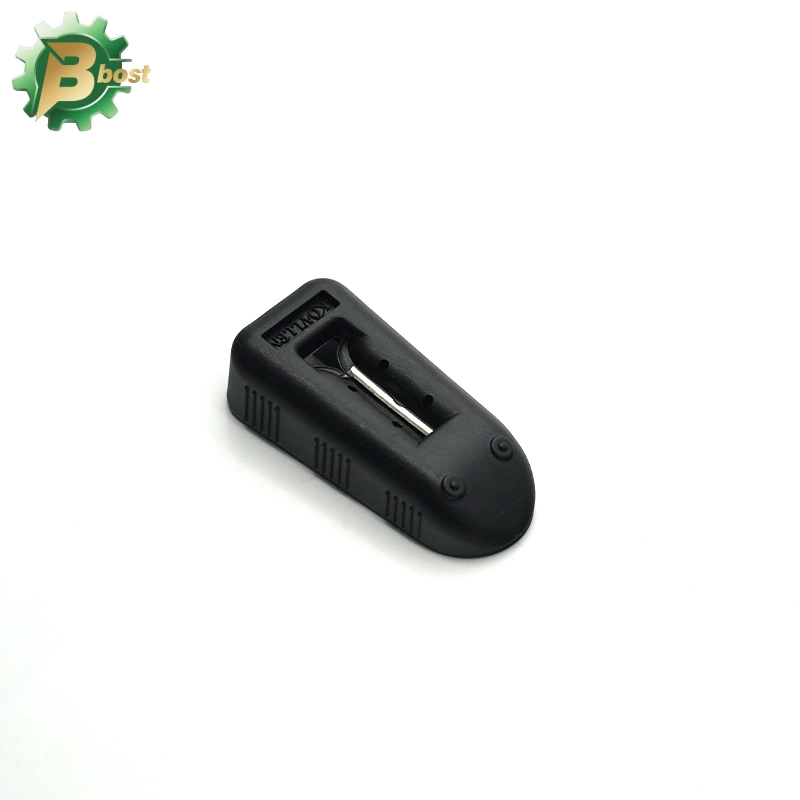
The plastic plug manufactured by Insert molding with stainless steel plate
Bost’s Insert-Molded Stainless Steel Plate Plastic Plug offers superior durability and corrosion resistance. This stainless steel insert durable plastic plug ensures a secure fit and long-lasting performance, ideal for industrial and commercial applications. Robust design meets quality standards.
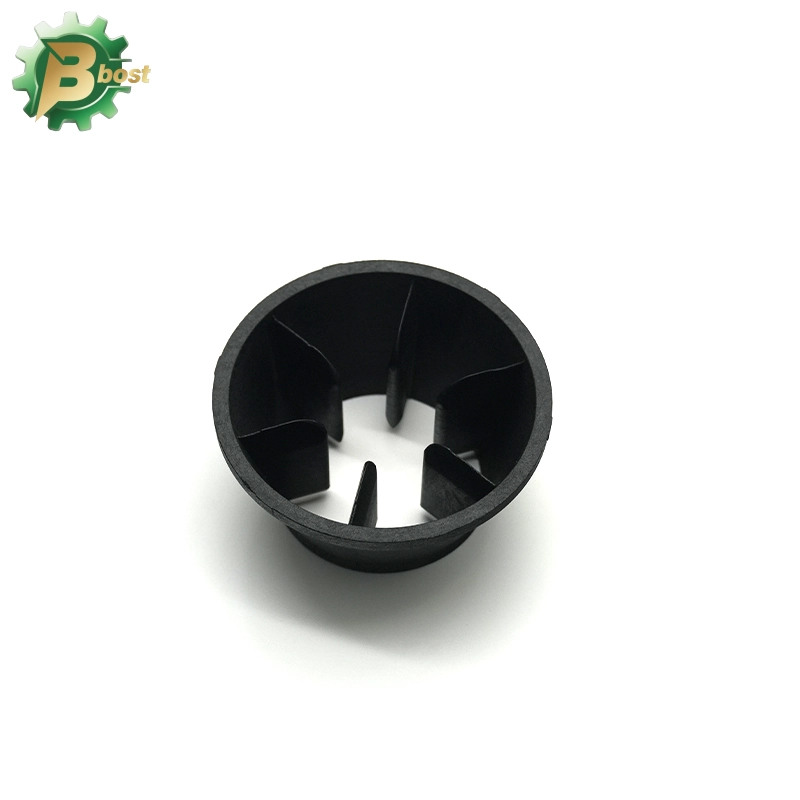
The Bost custom PPO flow valve by injection molding
The BOST Custom PPO Injection-Molded Flow Valve delivers high-temp and corrosion-resistant performance for industrial flow control. Precision-engineered by Bost, this custom PPO valve ensures durable, reliable operation in demanding environments. Optimize your process with BOST’s advanced injection-molded solution.
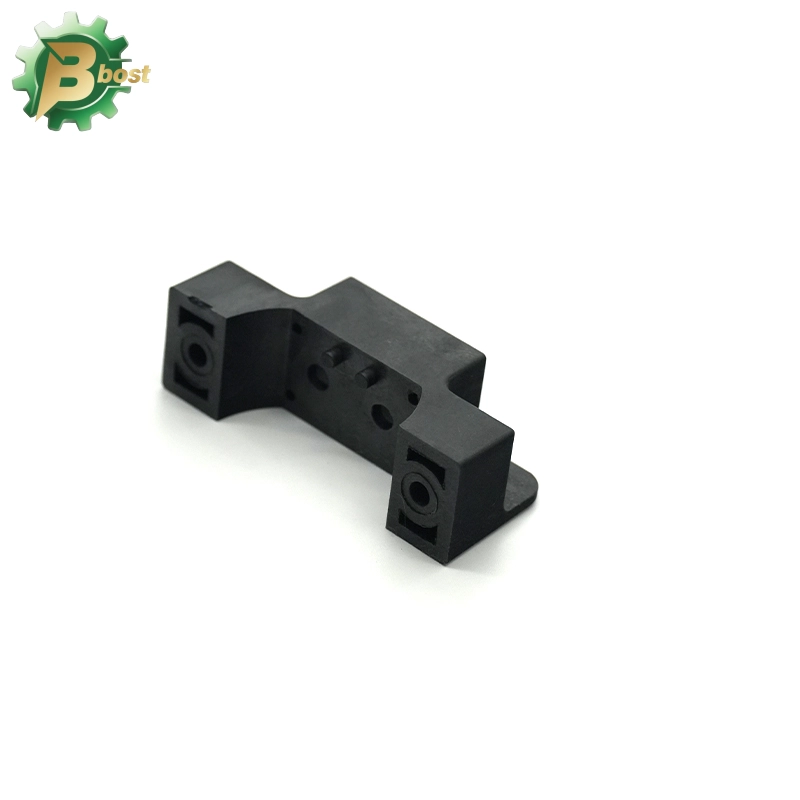
The Bost custom plastic handle by injection molding with high performance PPS material
BOST Custom PPS Injection-Molded Wear-Resistant Handle delivers superior durability and high performance. Made from High Quality PPS material, this injection-molded handle ensures exceptional wear resistance, ideal for demanding applications and long-lasting use. Choose BOST for quality and reliability.
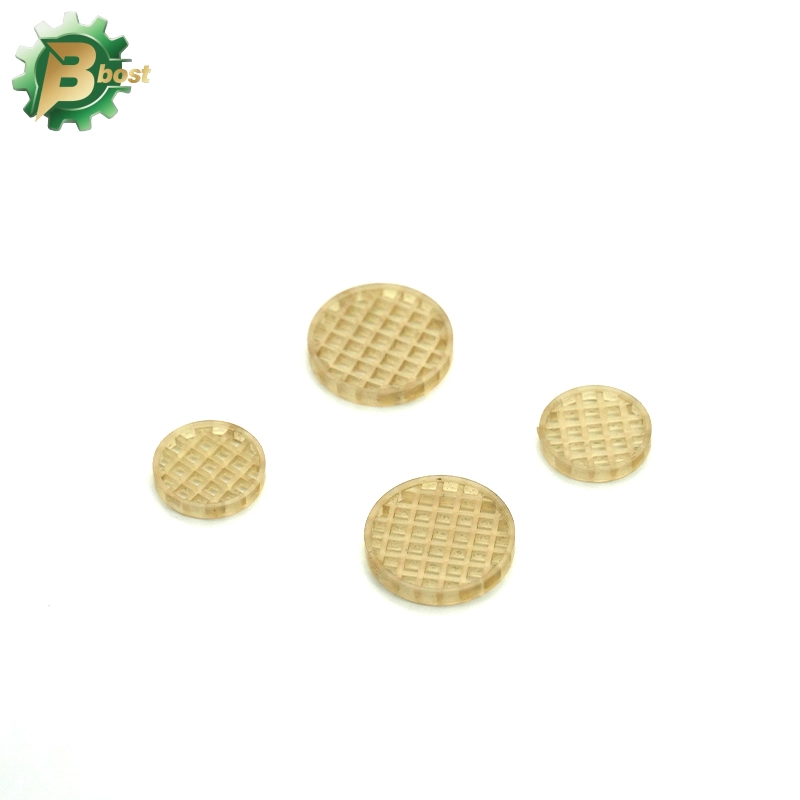
The Bost custom flow meter by injection molding with PES plastic
The Bost Custom PES Injection-Molded Flow Meter offers high-temperature and corrosion resistance, ideal for industrial use. Made with durable PES plastic via precision injection molding, this flow meter ensures reliable, customized performance for demanding applications. Trust Bost for quality and innovation.
Get in touch with Bost
Have any questions or concerns about our products? Please leave us a message here, and our team will get back to you promptly.

24 hours quotes delivered
Submit CAD files, get quote in 24 hours

No MOQ required
From prototyping to high-volume

±0.02 mm Precision
Advanced CNC with full inspections

1,000+ tons in stock
26 materials ready to ship
© 2026 BOST. All Rights Reserved.