
 Scan QR Code
Send My Request
Installation and Maintenance Guidelines for PVDF Screw-Cover Systems
Friday, 01/30/2026
A practical, SEO-optimized guide covering installation, maintenance, and best practices for PVDF screw-cover systems. This article explains how fluoroplastic PVDF covers (including The PVDF cover with screws by injection molding and The Bost PVDF cover with screws) deliver corrosion-resistant fixing, precision installation, and high-temperature resistant sealing for demanding environments, and provides step-by-step instructions, troubleshooting, testing and compliance guidance to maximize service life.
- Why PVDF Screw-Cover Systems Are Preferred in Demanding Environments
- Material advantages of PVDF (a high-performance fluoroplastic)
- Why injection-molded covers with screws matter
- Common use cases and performance expectations
- Step-by-Step Installation Procedure for PVDF Screw-Cover Systems
- Preparation: inspection, tools and surface conditioning
- Recommended screw and torque guidance
- Sealing, gasketing and environmental considerations
- Routine Maintenance, Inspection and Troubleshooting
- Recommended inspection schedule and checklist
- Common failure modes and practical fixes
- Maintenance best practices and safe cleaning
- Quality Assurance, Testing and Compliance for PVDF Cover Systems
- Laboratory and field testing to verify performance
- Regulatory and industry standards considerations
- Material selection comparison: PVDF vs other engineering plastics
- FAQ — Installation and Maintenance of PVDF Screw-Cover Systems
- Q: Can PVDF covers be used outdoors long-term?
- Q: How do I avoid cracking the screw boss during installation?
- Q: Is PVDF compatible with harsh process chemicals?
- Q: What inspection intervals do you recommend for chemical plant installations?
- Q: Can I retrofit existing metal covers with PVDF screw-covers?
- Contact and Product Information
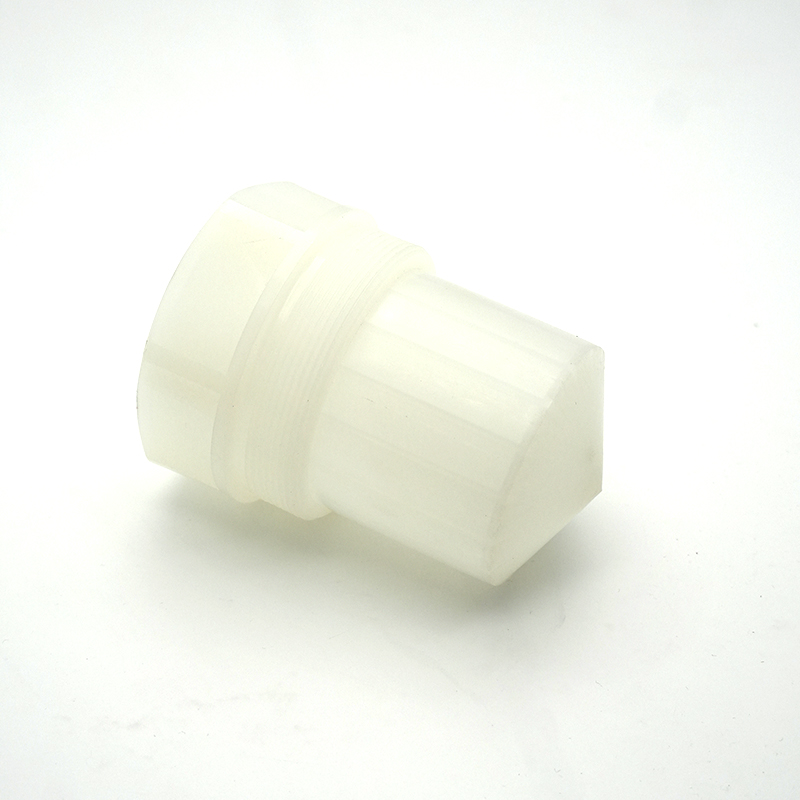
The PVDF screw-cover system is an engineered fluoroplastic solution designed to combine chemical resistance, thermal stability and secure mechanical fixing. The PVDF cover with screws by injection molding, such as The Bost PVDF cover with screws, ensures corrosion-resistant fixing, precision installation, and high-temperature resistant sealing for demanding industrial and architectural applications. This guide provides practical installation and maintenance steps, material-aware torque and sealing practices, inspection schedules, troubleshooting and quality compliance references to help engineers, installers and maintenance personnel optimize performance and longevity.
Why PVDF Screw-Cover Systems Are Preferred in Demanding Environments
Material advantages of PVDF (a high-performance fluoroplastic)
Polyvinylidene fluoride (PVDF) is a fluoroplastic noted for its unique combination of properties: strong chemical and UV resistance, good mechanical strength, and thermal stability up to ~150°C in continuous use. These attributes make PVDF well-suited for screw-cover systems where the cover must protect fasteners and seals from corrosive media, temperature cycles, and outdoor exposure. For technical background on PVDF, see the comprehensive overview on Wikipedia.
Why injection-molded covers with screws matter
Injection molding enables precise geometry, tight dimensional control and repeatable screw boss features—critical for ensuring consistent clamping and sealing. The PVDF cover with screws by injection molding provides integrated boss ribs and molded-in threads or screw seats that reduce assembly time and improve alignment compared to field-applied caps. The Bost PVDF cover with screws, crafted via injection molding, pairs these manufacturing benefits with optimized material formulations to resist harsh chemicals and elevated temperatures.
Common use cases and performance expectations
PVDF screw-cover systems are widely used in chemical processing, marine equipment, pharmaceutical plants, outdoor signage, and HVAC installations where exposure to acids, alkalis, solvents, salt spray or sunlight demands a fluorinated polymer solution. Expect long service life when properly installed and maintained; the combination of fluoroplastic material properties and correct mechanical fixing minimizes water ingress, galvanic corrosion and UV degradation.
Step-by-Step Installation Procedure for PVDF Screw-Cover Systems
Preparation: inspection, tools and surface conditioning
Before installation, inspect mating surfaces and fasteners. Clean the screw heads, threads and surrounding substrate to remove dirt, oils or corrosion products. Recommended tools: calibrated torque driver, soft-jaw pliers, appropriate driver bits, thread lubrication or anti-seize when specified, and a soft cloth. Avoid aggressive solvents that can swell or attack mating coatings; use isopropyl alcohol or manufacturer-approved cleaners. Confirm that fastener size and thread class match the PVDF cover's boss or insert specification.
Recommended screw and torque guidance
PVDF has lower modulus and creep characteristics compared to metals; therefore, torque must be controlled to prevent boss cracking or thread stripping. Rather than universal torque numbers, follow these practical rules:
- Use the screw grade and size recommended by the cover manufacturer. The Bost PVDF cover with screws comes with specified screw geometry and recommended torque ranges in its datasheet.
- Start with conservative torque values and run pull-out / clamp tests during commissioning. For small polymer bosses (typical M3–M6 range), torque values are commonly in the lower portion of metal fastener tables—often 25–50% of the equivalent metal torque. Use a calibrated torque driver to avoid over-tightening.
- When metal-to-PVDF interfaces are required, add a thin insulating washer to reduce point stresses and galvanic interactions.
Always confirm final torque values through mechanical testing rather than relying solely on rule of thumb; consult the product manual for exact values and follow ISO/ASTM best practices where applicable. See ISO standards for general quality and process control guidance.
Sealing, gasketing and environmental considerations
PVDF offers good intrinsic sealing when molded with precise mating faces, but additional gasketing may be required in high-pressure or submersible applications. Recommended options:
- Elastomeric O-rings made of FKM or EPDM depending on chemical compatibility.
- Thin PTFE or fluoropolymer tapes for thread sealing in low-torque assemblies.
- Compression-controlled sealing: use torque-limiting washers or torque-controlled assembly to achieve consistent gasket compression without overstressing the PVDF boss.
When selecting seal materials, cross-check chemical compatibility—fluoroplastic PVDF resists many aggressive media, but the chosen elastomer must match the application's chemical and thermal profile. Refer to material compatibility databases and manufacturer chemical resistance charts for confirmation.
Routine Maintenance, Inspection and Troubleshooting
Recommended inspection schedule and checklist
Frequent visual inspections reduce the risk of failure. Use this schedule as a baseline and adapt to operating conditions (more frequent in harsh chemical or UV exposures):
- Initial commissioning inspection: within 24–72 hours after installation, verify torque retention, alignment and seal compression.
- Short-term follow-up: after 1 month to check for relaxation, creep, or micro-leakage.
- Routine inspections: quarterly for standard conditions; monthly for aggressive environments; immediately after extreme events (pressure spikes, thermal excursions, mechanical impacts).
Inspection checklist: fastener tightness, cover cracking or crazing, chemical staining, gasket condition, signs of water ingress, UV discoloration, and any mechanical deformation.
Common failure modes and practical fixes
Typical issues and mitigations:
- Thread stripping or boss cracking: usually caused by over-torque. Remedy: replace damaged cover, use insert (e.g., metal or molded-in threaded insert) or revise assembly torque. Implement torque-controlled assembly tools.
- Leakage at screw bosses: check gasket compression and alignment. Improve sealing by using specified O-rings, add backup washers, or refine torque to ensure even compression.
- UV-induced embrittlement or discoloration: PVDF is UV-resistant compared with many plastics, but surface finish or additives matter. Replace aged parts and consider UV-stabilized formulations or protective coatings if long-term direct sunlight exposure is expected.
- Chemical attack on seal elements (not PVDF): choose compatible elastomers or fluoropolymer seals to match the chemical service.
Maintenance best practices and safe cleaning
Use mild detergents or isopropyl alcohol for cleaning. Avoid chlorinated solvents or strong ketones that can affect secondary materials (gaskets, paints). When replacing covers, keep track of part batches to spot any molding variances. Document maintenance actions including torque readings and part replacements to build a preventive maintenance history.
Quality Assurance, Testing and Compliance for PVDF Cover Systems
Laboratory and field testing to verify performance
Recommended tests during design validation and periodic requalification:
- Leak and pressure testing (hydrostatic or pneumatic as appropriate).
- Salt spray/corrosion testing for marine or coastal applications following standard procedures.
- Thermal cycling to assess expansion, contraction, and seal integrity.
- Tensile, compression and pull-out tests for screw-boss assemblies.
Many test protocols align to recognized standards—use accredited labs and documented test plans. For polymer properties and compositional standards, industry bodies such as PlasticsEurope and peer-reviewed resources provide valuable baseline data. For polymer behavior and formulation science, consult technical literature such as peer-reviewed reviews (example PVDF review).
Regulatory and industry standards considerations
Depending on application, relevant standards may include quality management (e.g., ISO 9001) and industry-specific directives for pressure equipment, electrical enclosures or food/pharma contact. Always verify compliance early in the design phase: materials, additives and processing aids should meet applicable regulatory requirements for the target industry. Refer to ISO for a broad map of international standards and certification pathways.
Material selection comparison: PVDF vs other engineering plastics
Below is a concise comparison of PVDF (a fluoroplastic) with common engineering plastics used for covers and fastener protection.
| Property | PVDF (fluoroplastic) | PTFE | PEEK | Nylon (PA) |
|---|---|---|---|---|
| Chemical resistance | Excellent to acids, bases, many solvents | Outstanding, especially non-reactive | Very good to many chemicals | Poor to some acids/oxidizers |
| Temperature (continuous) | Up to ~150°C | Up to ~260°C | Up to ~250°C | Typically up to ~100–120°C |
| Mechanical strength / stiffness | Good (rigid compared to PTFE) | Low stiffness | High strength & stiffness | Good toughness |
| UV resistance | Good | Good | Good | Poor without stabilizers |
| Cost | Mid to high | High | High | Low to mid |
This table highlights why PVDF is often the best balanced choice for screw-cover systems where chemical resistance, UV stability and reasonable mechanical properties are required at a justifiable cost.
FAQ — Installation and Maintenance of PVDF Screw-Cover Systems
Q: Can PVDF covers be used outdoors long-term?
A: Yes. PVDF is UV-resistant and maintains properties in outdoor exposure better than many thermoplastics. Choose UV-stabilized PVDF grades if prolonged direct sunlight and extreme weather cycles are expected.
Q: How do I avoid cracking the screw boss during installation?
A: Use a calibrated torque driver, follow manufacturer torque guidance, and consider using metal threaded inserts or backing washers for high-torque applications. Pre-test assembly on sample parts to determine safe torque levels for your specific cover geometry.
Q: Is PVDF compatible with harsh process chemicals?
A: PVDF resists a wide range of acids, bases and many solvents. However, always verify compatibility for the specific chemical and temperature conditions. The base PVDF material is generally safe, but seals and adhesives used in the assembly must also be compatible.
Q: What inspection intervals do you recommend for chemical plant installations?
A: For aggressive chemical services, monthly inspections are recommended initially, then adjust to quarterly or more frequent intervals based on observed wear, leaks or environmental stressors. Always perform an inspection after any abnormal event.
Q: Can I retrofit existing metal covers with PVDF screw-covers?
A: In many cases yes—retrofitting can provide corrosion protection and improved sealing. Confirm that the new PVDF cover dimensions, screw interfaces and sealing approach fit the existing hardware, and validate torque and mechanical retention in a small pilot before full rollout.
Contact and Product Information
For product-specific installation manuals, torque charts, and compatibility data for The PVDF cover with screws by injection molding, request the Bost product datasheet or contact our technical support. The Bost PVDF cover with screws, crafted via injection molding, ensures corrosion-resistant fixing, precision installation, and high-temperature resistant sealing. Ideal for durable, reliable protection in demanding environments. Trust Bost for superior PVDF injection-molded solutions.
Need assistance with selection, installation or testing? Contact our technical sales team or request a sample and datasheet:
- Contact: support@bost-products.example (or call your regional representative)
- View product: Request product datasheet and installation guide for The Bost PVDF cover with screws
For further reading on PVDF properties and polymer standards, see resources from Wikipedia, a technical review at MDPI, and industry background at PlasticsEurope. For standards and certification pathways, consult ISO.
Tags
Nylon Screw
Nylon Screw
ABS material plastic cover
ABS material plastic cover
Impact-Resistant Lightweight
Impact-Resistant Lightweight
plastic spur gears
plastic spur gears
china customized plastic injection molding
china customized plastic injection molding
Chemical-resistant sealing
Chemical-resistant sealing
Recommended for you
Cost Analysis: Insert Injection Molding vs Assembly — Practical Guide for Engineering Plastics
Plastic Injection Molding Basics for Engineering Plastics
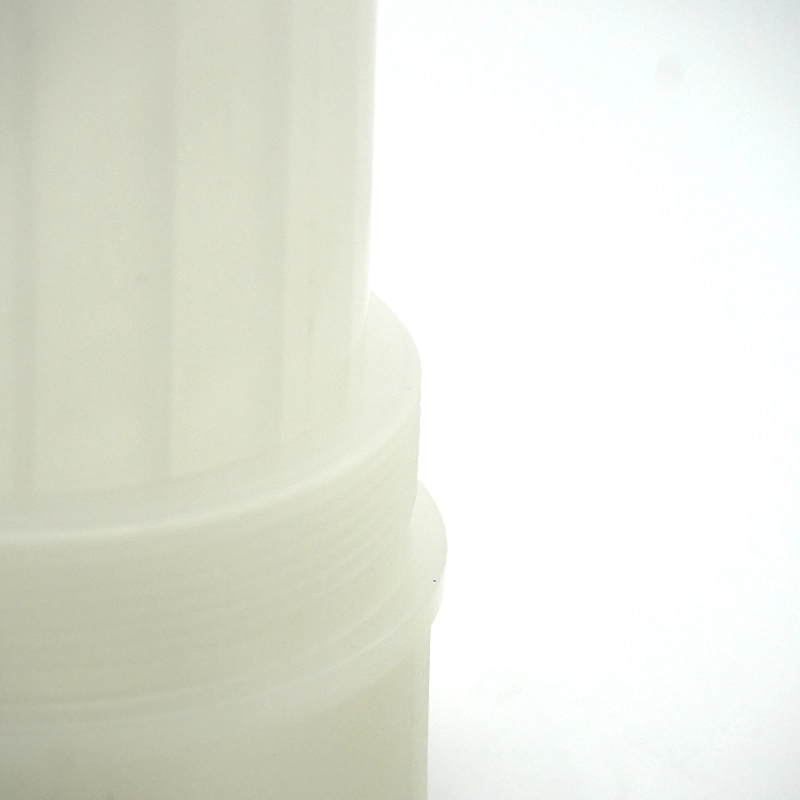
How Injection Molding Enhances PVDF Cover Strength and Fit
Engineering Plastics in Automotive: Applications and Trends
Prdoucts Categories
Question you may concern
FAQs
What is the minimum order quantity (MOQ)? Do you support small-batch trial production?
The MOQ for standard products is ≥100kg. We support small-batch trial production (as low as 20kg) and provide mold testing reports and performance data feedback.
Can Bost customize modified plastics with special properties?
Yes! We offer modification services such as reinforcement, flame retardancy, conductivity, wear resistance, and UV resistance, for example:
• Adding carbon fiber to enhance stiffness
• Reducing the coefficient of friction through PTFE modification
• Customizing food-grade or medical-grade certified materials
What are the core advantages of Bost engineering plastics compared to ordinary plastics?
Bost engineering plastics feature ultra-high mechanical strength, high-temperature resistance (-50°C to 300°C), chemical corrosion resistance, and wear resistance. Compared to ordinary plastics, their service life is extended by 3 to 8 times, making them suitable for replacing metals in harsh environments.
What is the delivery lead time? Do you offer global logistics?
Standard products: 5–15 working days; custom modifications: 2–4 weeks. We support global air/sea freight and provide export customs clearance documents (including REACH/UL certifications).
How do I select the appropriate engineering plastic grade for my product?
Selection should be based on parameters such as load conditions (e.g., pressure/friction), temperature range, medium contact (e.g., oil/acid), and regulatory requirements (e.g., FDA/RoHS). Our engineers can provide free material selection consulting and sample testing.
You may also like
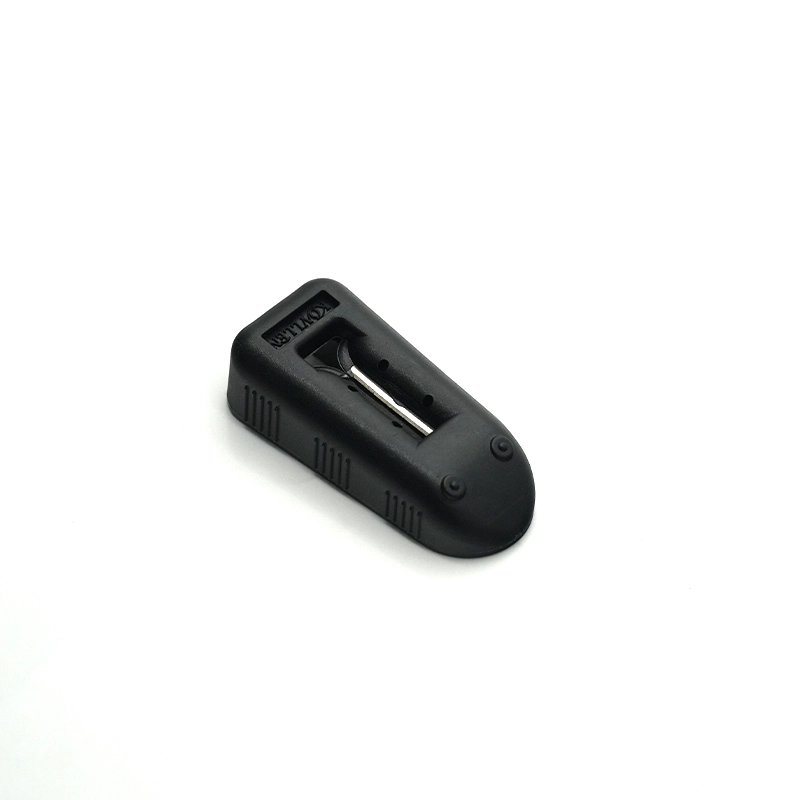
The plastic plug manufactured by Insert molding with stainless steel plate
Bost’s Insert-Molded Stainless Steel Plate Plastic Plug offers superior durability and corrosion resistance. This stainless steel insert durable plastic plug ensures a secure fit and long-lasting performance, ideal for industrial and commercial applications. Robust design meets quality standards.
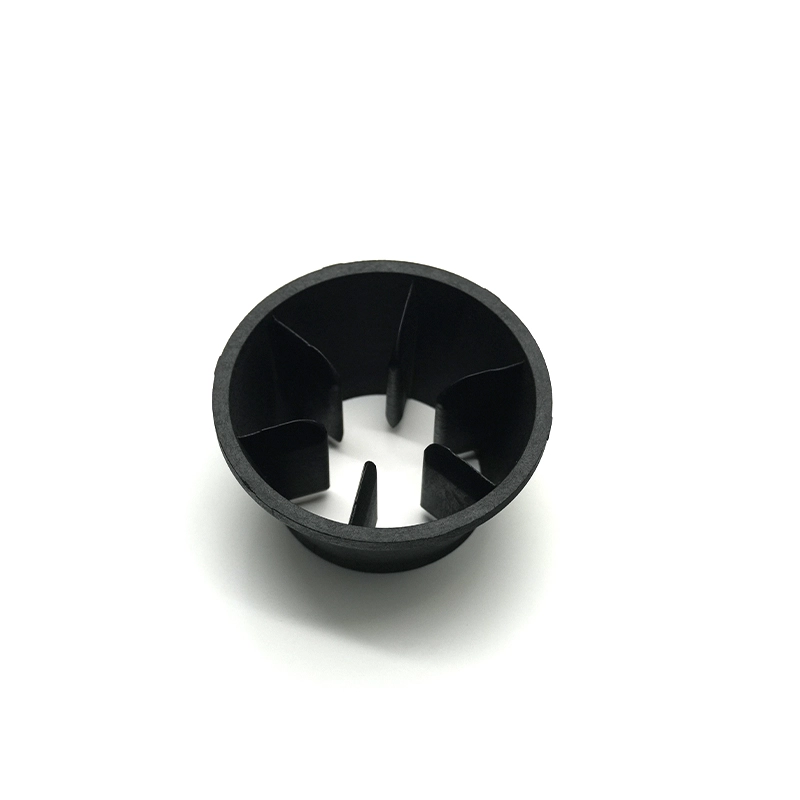
The Bost custom PPO flow valve by injection molding
The BOST Custom PPO Injection-Molded Flow Valve delivers high-temp and corrosion-resistant performance for industrial flow control. Precision-engineered by Bost, this custom PPO valve ensures durable, reliable operation in demanding environments. Optimize your process with BOST’s advanced injection-molded solution.
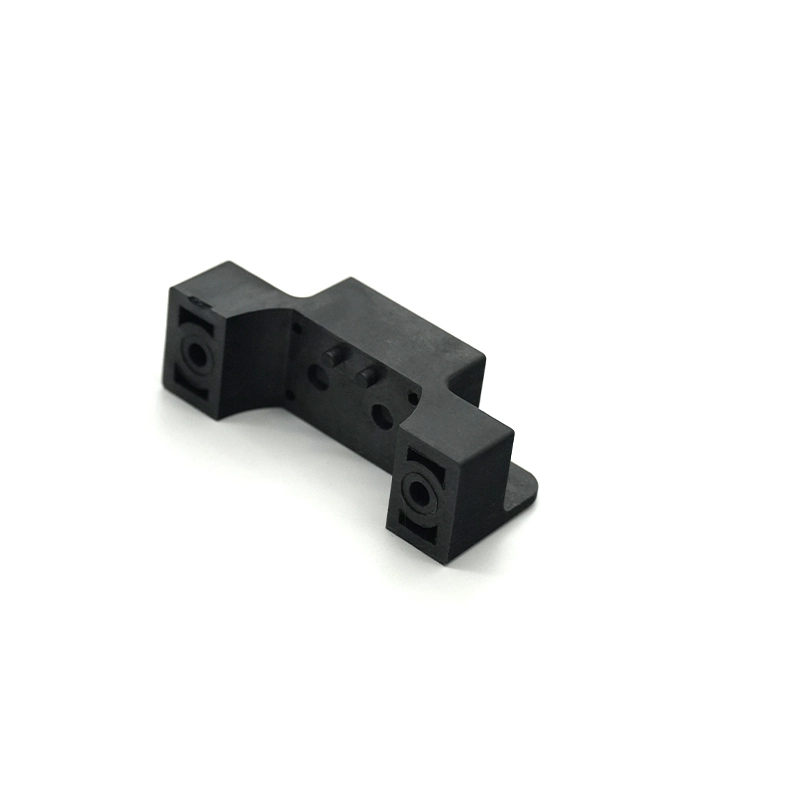
The Bost custom plastic handle by injection molding with high performance PPS material
BOST Custom PPS Injection-Molded Wear-Resistant Handle delivers superior durability and high performance. Made from High Quality PPS material, this injection-molded handle ensures exceptional wear resistance, ideal for demanding applications and long-lasting use. Choose BOST for quality and reliability.
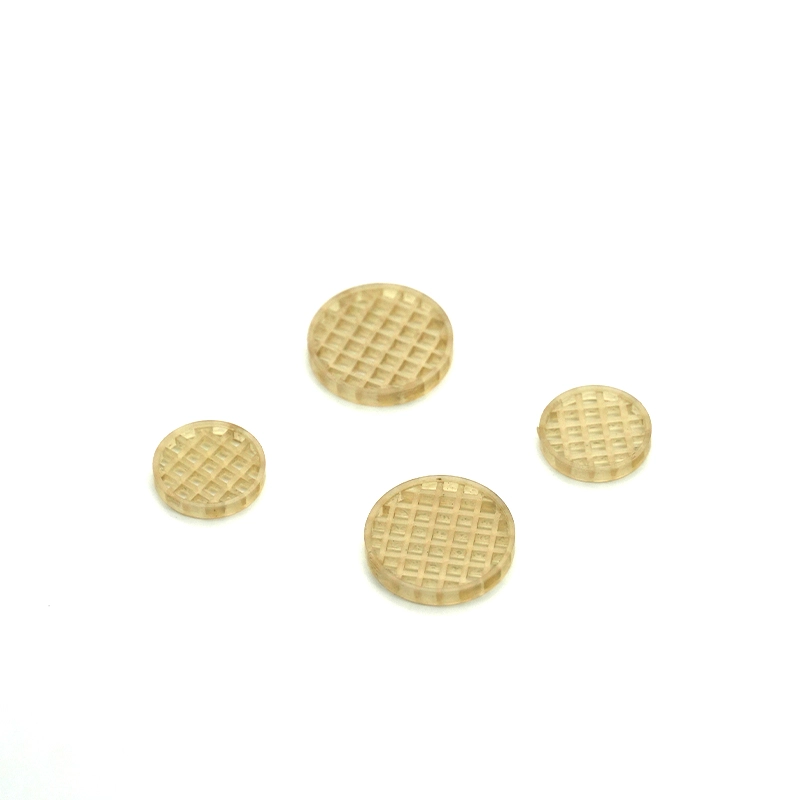
The Bost custom flow meter by injection molding with PES plastic
The Bost Custom PES Injection-Molded Flow Meter offers high-temperature and corrosion resistance, ideal for industrial use. Made with durable PES plastic via precision injection molding, this flow meter ensures reliable, customized performance for demanding applications. Trust Bost for quality and innovation.
Get in touch with Bost
Have any questions or concerns about our products? Please leave us a message here, and our team will get back to you promptly.

24 hours quotes delivered
Submit CAD files, get quote in 24 hours

No MOQ required
From prototyping to high-volume

±0.02 mm Precision
Advanced CNC with full inspections

1,000+ tons in stock
26 materials ready to ship
© 2026 BOST. All Rights Reserved.