
 Scan QR Code
Send My Request
Quality Control Measures for Plastic Connector Production
Wednesday, 02/25/2026
Practical, standards-based quality control strategies for producing durable plastic connectors—focusing on material selection, process control, testing (mechanical, environmental, UV), dimensional inspection, and continuous improvement—illustrated with the Bost Black UV-Resistant ABS Outdoor Connector for reliable outdoor installations.
- Manufacturing Quality Assurance for Plastic Connectors
- Material selection and incoming inspection
- Process control: injection molding and tool maintenance
- Supplier management and traceability
- Testing Protocols and Environmental Qualification
- Mechanical and electrical testing
- Environmental and UV aging tests
- Ingress protection, corrosion and salt spray
- Dimensional Control, Visual Inspection, and Packaging
- Dimensional metrology and statistical control
- Visual defects, surface finish and color consistency
- Packaging and storage for outdoor connectors
- Compliance, Documentation, and Continuous Improvement
- Standards, certification and quality management
- Failure analysis and corrective action
- Field performance monitoring and warranty management
- Case Example: Bost Black UV-Resistant ABS Outdoor Connector
- Product overview and target performance
- Recommended QC regimen for Bost connector
- Warranty and lifecycle expectations
- Test Matrix: Common QC Tests for Plastic Connectors
- References and Further Reading
- FAQ — Quality Control & the Bost Black UV-Resistant ABS Outdoor Connector
- Q: Why choose UV-resistant ABS for outdoor connectors?
- Q: How is accelerated UV testing correlated to real-world exposure?
- Q: What IP rating should I expect for an outdoor connector?
- Q: How do you ensure consistent color and finish on black ABS parts?
- Q: What documentation should accompany each production lot?
- Q: If a connector fails in the field, what’s the first step?
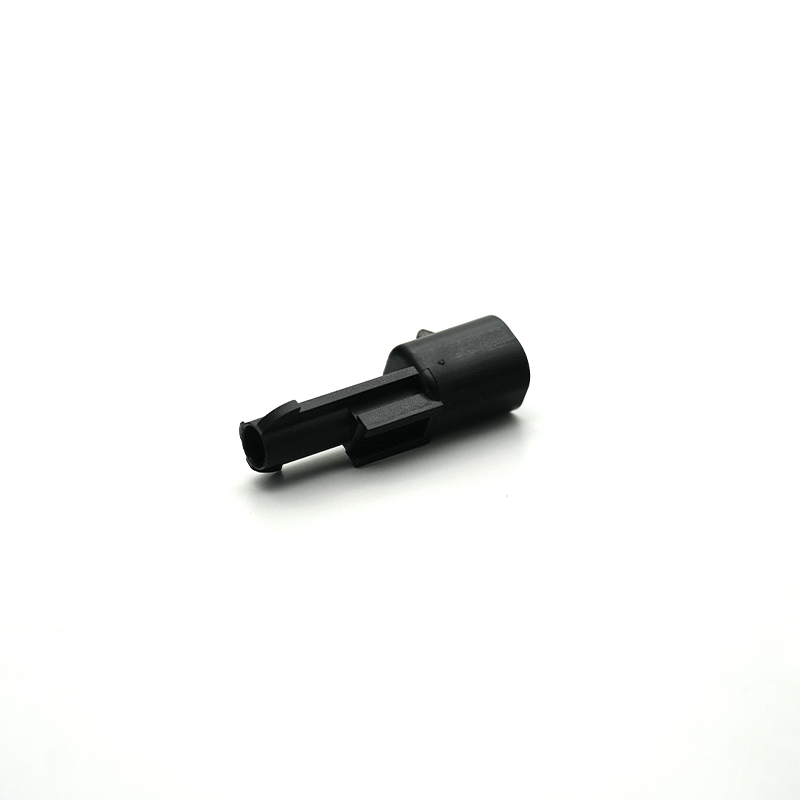
The manufacture of reliable, weatherproof plastic connectors requires a combination of correct material selection, tightly controlled production processes, rigorous testing, and certified quality systems. This article explains actionable quality control measures for plastic connectors—especially outdoor-rated parts like the Bost Black UV-Resistant ABS Outdoor Connector—covering incoming inspection, molding control, UV and environmental aging, dimensional metrology, functional testing, and traceability practices that align with global standards and field performance expectations.
Manufacturing Quality Assurance for Plastic Connectors
Material selection and incoming inspection
High-performance plastic connectors start with the right resin. For outdoor applications, UV-resistant acrylonitrile butadiene styrene (ABS) compounds—stabilized with UV absorbers and HALS additives—are commonly chosen for their balance of impact resistance, dimensional stability, and surface finish. For a technical overview of ABS properties, see ABS on Wikipedia.
Incoming material inspection should include: certificate of analysis (CoA) verification, melt flow index (MFI) checks, density and color-match sampling, and verification of UV-stabilizer content when specified. Maintain supplier qualifications and material traceability (batch numbers linked to production lots) so field failures can be traced back to raw material lots quickly.
Process control: injection molding and tool maintenance
Injection molding process control is essential for consistent dimensions, wall thickness, and cosmetic quality. Key inline controls include barrel and mold temperature profiling, shot-weight monitoring, pressure/flow curve analysis, and screw/back-pressure settings. Implement Statistical Process Control (SPC) on critical process parameters and parts dimensions.
Tooling condition directly affects connector fit and function—maintain a regular preventive maintenance schedule for mold polishing, vent cleaning, and cavity dimension checks. Document tool revisions and correlate to production performance.
Supplier management and traceability
Quality begins with a qualified supplier base. Enforce supplier audits, require long-term reliability data for components like inserts or metal contacts, and ensure suppliers comply with applicable regulations (RoHS, REACH). Use serialized batch codes on packaging and maintain a digital traceability log linking raw-material lots, mold cavities, and final inspection results to each production lot.
Testing Protocols and Environmental Qualification
Mechanical and electrical testing
Plastic connectors used for electrical or structural fastening must pass mechanical and, where relevant, electrical tests. Typical mechanical tests include tensile/pull-out strength (for snap-fit or insert retention), impact resistance (Charpy or Izod equivalents for small parts), and cyclic mating/unmating durability tests measured in insertion cycles. Electrical connectors also require contact resistance and continuity checks; for polymer housings, dimensional stability under load is essential to keep contact pressure consistent.
Environmental and UV aging tests
Outdoor connectors demand robust environmental testing: accelerated UV exposure (xenon-arc or UV-A/UV-B chambers), thermal cycling, and humidity testing simulate years of field exposure. Use standardized test cycles and correlate accelerated aging to expected field life. For relevance to ingress protection, consult IP rating references such as the IP Code overview.
For UV-sensitive materials like ABS, compare retention of impact strength, color change (Delta E), and surface cracking before and after exposure. Ensure acceptance criteria are defined—e.g., <0.5 mm crack depth, surface gloss drop <20%, or retention of >80% of initial impact strength after a specified exposure.
Ingress protection, corrosion and salt spray
If the connector will be exposed to rain, dust, or salt-laden air, perform IP testing (dust and water ingress) and salt spray (ASTM B117) for metal inserts or contacts. Even though the polymer housing is corrosion-resistant, metal elements must be verified for plating adhesion and corrosion resistance. Define pass/fail criteria based on installation environment and expected lifetime.
Dimensional Control, Visual Inspection, and Packaging
Dimensional metrology and statistical control
Critical mating dimensions and tolerances must be measured with calibrated CMMs or optical comparators. Implement routine sampling plans (e.g., AQL-based or 100% for critical parts) and use SPC charts to detect drift. Typical Cpk targets for mating interfaces are >=1.33; when connectors interface with third-party components, align tolerances with customer plug-and-play requirements.
Visual defects, surface finish and color consistency
Visual inspection should target sink marks, flash, flow lines, discoloration, weld lines, and surface contamination that could affect sealing or fit. For black and UV-stable ABS connectors, ensure pigment dispersion prevents mottling and that surface gloss is within specification. Implement operator training and clear defect catalogs (pictures/descriptions) to standardize judgments.
Packaging and storage for outdoor connectors
Packaging can significantly affect field reliability. Use antistatic, UV-shielding, and moisture-resistant packaging for long-term storage. Label packaging with batch ID, manufacturing date, material lot, and relevant certifications. Store finished parts in climate-controlled warehouses to prevent warpage or UV exposure prior to installation.
Compliance, Documentation, and Continuous Improvement
Standards, certification and quality management
Implement an ISO 9001-aligned quality management system for coherent documentation, corrective action, and continual improvement. See ISO 9001 guidance. For environmental compliance, confirm RoHS/REACH declarations and, where applicable, meet sector-specific standards (e.g., automotive, telecom). Maintain test reports, inspection records, and certificate of conformity for each batch.
Failure analysis and corrective action
When failures occur, use structured root cause analysis (5 Whys, Fishbone/Ishikawa) combined with material and process forensic tests (FTIR for polymer verification, microscopy for fracture surface analysis). Record CAPA (Corrective and Preventive Actions) with measurable timelines and verify effectiveness with follow-up audits or trials.
Field performance monitoring and warranty management
Collect in-field feedback through warranty claims, installation reports, and periodic field inspections. Use this data to refine acceptance criteria and accelerate feedback loops—essential for outdoor connectors where performance over time (UV resilience, sealing performance) is the chief measure of success.
Case Example: Bost Black UV-Resistant ABS Outdoor Connector
Product overview and target performance
The Bost Black UV-Resistant ABS Outdoor Connector offers superior weather resistance and durability. Made from high-quality ABS plastic, this precision connector ensures reliable performance in harsh outdoor conditions, making it ideal for long-lasting, weatherproof installations. Typical applications include outdoor lighting harnesses, garden power systems, and exterior sensor housings where UV exposure, temperature swings, and moisture are primary concerns.
Recommended QC regimen for Bost connector
For production of the Bost connector, adopt the following QC package:
- Incoming resin CoA and MFI checks per lot
- Pre-production run-off and first-article inspection (FAI) for each mold cavity
- Accelerated UV exposure (Xenon-arc) with Delta E and impact retention metrics
- IPx testing where sealing is part of the product spec
- 100% visual inspection for critical sealing surfaces and interface facets
- Batch serialization and traceability with digital records
Warranty and lifecycle expectations
Define warranty terms that reflect expected lifetime under typical regional climates—e.g., 5 years in temperate climates or 3 years in high-UV, coastal regions—backed by accelerated test data that demonstrate performance equivalency. Maintain a documented field failure rate metric and commit to continuous improvement when thresholds are exceeded.
Test Matrix: Common QC Tests for Plastic Connectors
| Test | Purpose | Method | Typical Acceptance |
|---|---|---|---|
| Incoming Material CoA & MFI | Ensure resin consistency | CoA review, melt flow testing | MFI within spec; batch traceable |
| Dimensional (CMM) | Verify mating dimensions | CMM, optical comparator | Cpk >=1.33; tolerance met |
| UV/Aging | Simulate years of sunlight | Xenon-arc or UV chamber | Delta E < 3; impact >80% retained |
| IP/Dust & Water | Ingress protection | IP testing per spec | IP rating as specified (e.g., IP65) |
| Salt Spray | Corrosion for metal parts | ASTM B117 | No perforation or plating loss beyond spec |
| Insertion Cycles | Durability of mating interface | Cycle test machine | Cycles per spec (e.g., 1000 cycles) |
Notes: Acceptance criteria must be defined per product specification and validated against real-world field data.
References and Further Reading
- ABS (Acrylonitrile Butadiene Styrene) — Wikipedia
- ISO 9001 — Quality Management Systems (ISO)
- IP Code (Ingress Protection) — Wikipedia
- Society of Plastics Engineers (4SPE)
- PlasticsEurope — Industry Data and Guidance
FAQ — Quality Control & the Bost Black UV-Resistant ABS Outdoor Connector
Q: Why choose UV-resistant ABS for outdoor connectors?
A: UV-resistant ABS combines good impact resistance, dimensional stability, and surface finish. With proper UV stabilizers it prevents embrittlement and color fading that would compromise sealing and fit in outdoor installations.
Q: How is accelerated UV testing correlated to real-world exposure?
A: Correlation uses standardized cycles (e.g., xenon-arc) and reference materials with known field histories. Test labs develop equivalence charts that translate hours of exposure to estimated years outdoors, but local climate must be considered.
Q: What IP rating should I expect for an outdoor connector?
A: Common targets for outdoor, weatherproof connectors are IP65 (dust tight, water jets) up to IP67/IP68 (immersion). Specify the environment—rain exposure vs. temporary submersion—to select the correct target rating.
Q: How do you ensure consistent color and finish on black ABS parts?
A: Control raw pigment masterbatches, use dispersion tests, maintain stable processing temperatures, and perform incoming color checks. Define ΔE thresholds in the spec and check batches using a spectrophotometer.
Q: What documentation should accompany each production lot?
A: Provide material CoA, first-article inspection (FAI) report, dimensional SPC summary, environmental and functional test reports (if applicable), and compliance certificates (RoHS/REACH). Batch ID and production date should be clearly labeled.
Q: If a connector fails in the field, what’s the first step?
A: Isolate and quarantine the failed lot, collect failed samples, and trace batch/lot codes. Start a root cause analysis (material test, visual/microscopy, process review) and communicate transparently with the customer while corrective actions are defined.
Questions about specifications, sample requests, or production capabilities for the Bost Black UV-Resistant ABS Outdoor Connector? Contact our sales and technical team or view the product detail page to request test reports, samples, or certifications.
Contact us: For product inquiries, test reports, or placing an order, please contact our sales team or view the Bost Black UV-Resistant ABS Outdoor Connector product page.
Tags
Eco-Friendly Support
Eco-Friendly Support
Easy-Operate Durable
Easy-Operate Durable
plastic injection molded parts
plastic injection molded parts
Impact-Resistant Stable Fitting
Impact-Resistant Stable Fitting
custom injection molding company
custom injection molding company
stable mechanical property
stable mechanical property
Recommended for you
Top 10 custom engineering plastics Manufacturers and Supplier Brands
Cost Analysis: Insert Injection Molding vs Assembly — Practical Guide for Engineering Plastics
Customizing PE Plastic Bushes: Sizes, Tolerances, Finishes
Installation and Maintenance Guidelines for PVDF Screw-Cover Systems
Prdoucts Categories
Question you may concern
FAQs
Can Bost customize modified plastics with special properties?
Yes! We offer modification services such as reinforcement, flame retardancy, conductivity, wear resistance, and UV resistance, for example:
• Adding carbon fiber to enhance stiffness
• Reducing the coefficient of friction through PTFE modification
• Customizing food-grade or medical-grade certified materials
What are the core advantages of Bost engineering plastics compared to ordinary plastics?
Bost engineering plastics feature ultra-high mechanical strength, high-temperature resistance (-50°C to 300°C), chemical corrosion resistance, and wear resistance. Compared to ordinary plastics, their service life is extended by 3 to 8 times, making them suitable for replacing metals in harsh environments.
What is the minimum order quantity (MOQ)? Do you support small-batch trial production?
The MOQ for standard products is ≥100kg. We support small-batch trial production (as low as 20kg) and provide mold testing reports and performance data feedback.
How do I select the appropriate engineering plastic grade for my product?
Selection should be based on parameters such as load conditions (e.g., pressure/friction), temperature range, medium contact (e.g., oil/acid), and regulatory requirements (e.g., FDA/RoHS). Our engineers can provide free material selection consulting and sample testing.
What is the delivery lead time? Do you offer global logistics?
Standard products: 5–15 working days; custom modifications: 2–4 weeks. We support global air/sea freight and provide export customs clearance documents (including REACH/UL certifications).
You may also like
The plastic plug manufactured by Insert molding with stainless steel plate
Bost’s Insert-Molded Stainless Steel Plate Plastic Plug offers superior durability and corrosion resistance. This stainless steel insert durable plastic plug ensures a secure fit and long-lasting performance, ideal for industrial and commercial applications. Robust design meets quality standards.
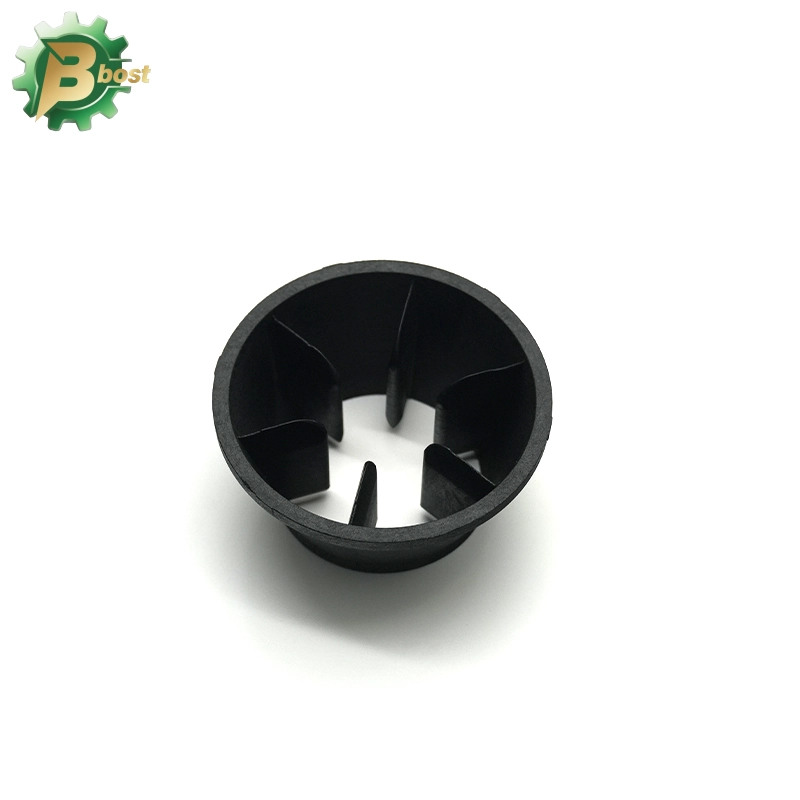
The Bost custom PPO flow valve by injection molding
The BOST Custom PPO Injection-Molded Flow Valve delivers high-temp and corrosion-resistant performance for industrial flow control. Precision-engineered by Bost, this custom PPO valve ensures durable, reliable operation in demanding environments. Optimize your process with BOST’s advanced injection-molded solution.
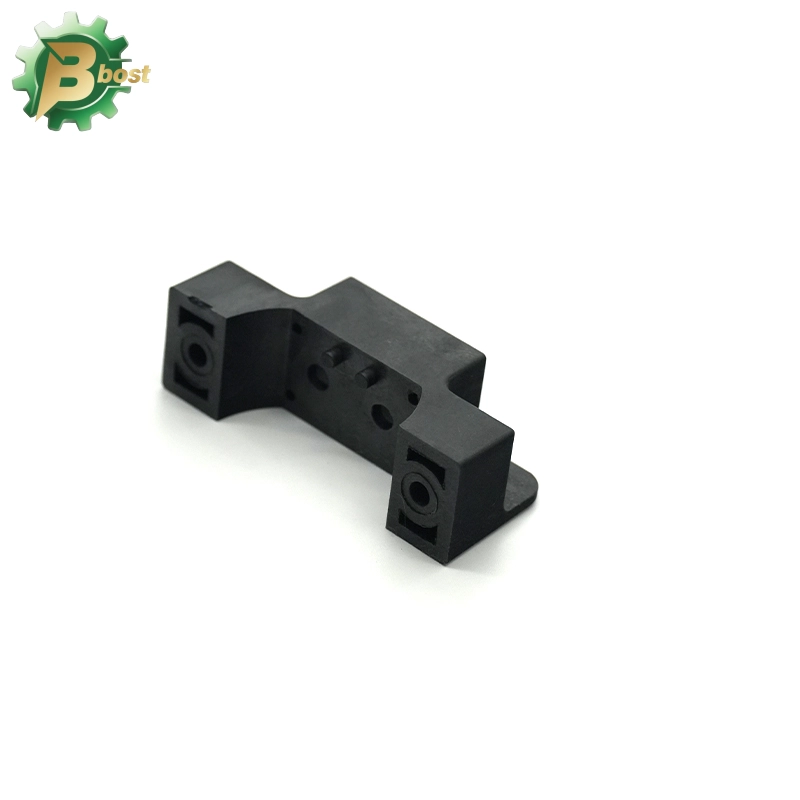
The Bost custom plastic handle by injection molding with high performance PPS material
BOST Custom PPS Injection-Molded Wear-Resistant Handle delivers superior durability and high performance. Made from High Quality PPS material, this injection-molded handle ensures exceptional wear resistance, ideal for demanding applications and long-lasting use. Choose BOST for quality and reliability.
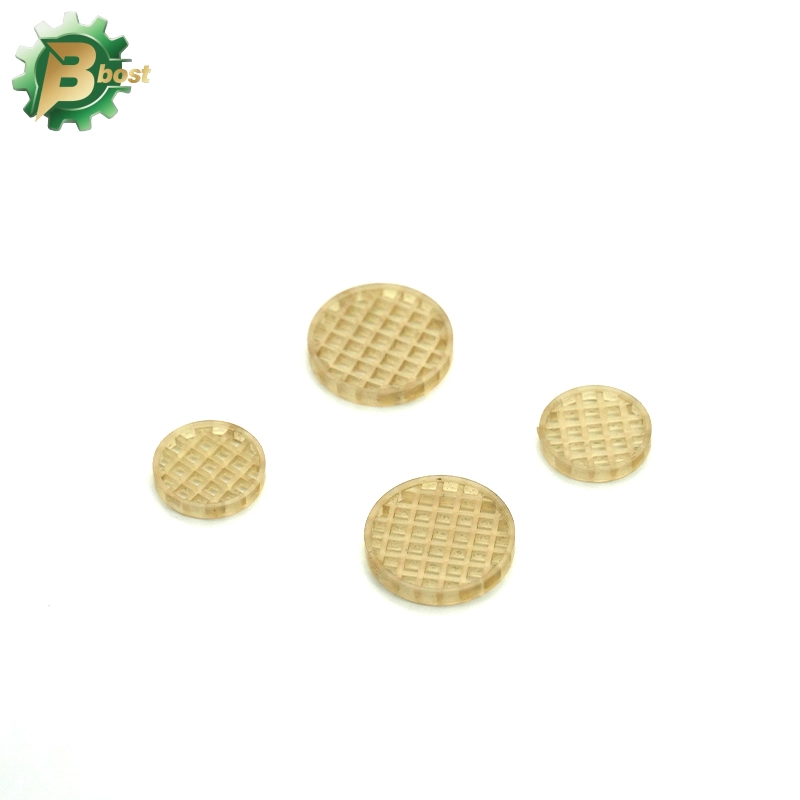
The Bost custom flow meter by injection molding with PES plastic
The Bost Custom PES Injection-Molded Flow Meter offers high-temperature and corrosion resistance, ideal for industrial use. Made with durable PES plastic via precision injection molding, this flow meter ensures reliable, customized performance for demanding applications. Trust Bost for quality and innovation.
Get in touch with Bost
Have any questions or concerns about our products? Please leave us a message here, and our team will get back to you promptly.

24 hours quotes delivered
Submit CAD files, get quote in 24 hours

No MOQ required
From prototyping to high-volume

±0.02 mm Precision
Advanced CNC with full inspections

1,000+ tons in stock
26 materials ready to ship
© 2026 BOST. All Rights Reserved.