
 Scan QR Code
Send My Request
PE Plastic Bushes: Benefits vs Metal Bushings
Monday, 12/8/2025
This in-depth article compares PE Plastic Bushes (plastic bushing) with traditional metal bushings, covering materials, friction and wear behavior, load capacity, corrosion resistance, maintenance, cost, installation, and application guidance. It explains when to choose polymer bushings like Bost PE Plastic Bushes to improve machinery performance, reduce downtime, and extend service life. Includes a comparison table, practical tips, brand advantages, FAQs and sources.
- PE Plastic Bushes: Benefits vs Metal Bushings
- What is a plastic bushing and what are PE Plastic Bushes?
- How PE Plastic Bushes work: material advantages of plastic bushing
- Performance comparison: plastic bushing vs metal bushings
- When to choose a plastic bushing (PE Plastic Bushes) over metal?
- When a metal bushing remains the better option
- Installation and maintenance: practical tips for PE Plastic Bushes
- Cost of ownership: plastic bushing vs metal
- Case examples and real-world performance of plastic bushing
- How Bost PE Plastic Bushes stand out (Brand advantages)
- Quick selection checklist: is a plastic bushing right for your application?
- FAQ (Frequently Asked Questions)
- Q: What loads can PE Plastic Bushes handle compared to bronze bushings?
- Q: Are PE Plastic Bushes food-grade and safe for food processing equipment?
- Q: Do PE Plastic Bushes require lubrication?A: Many PE bushing grades perform satisfactorily with minimal or no lubrication, but lubricated or self-lubricated grades further extend life under higher loads or speeds. Bost provides guidance for lubrication strategies per application.
- Q: How do temperature limits compare between plastic bushing and metal?
- Q: Can PE Plastic Bushes be used as retrofits for metal bushings?
- Contact us / View product
- Sources
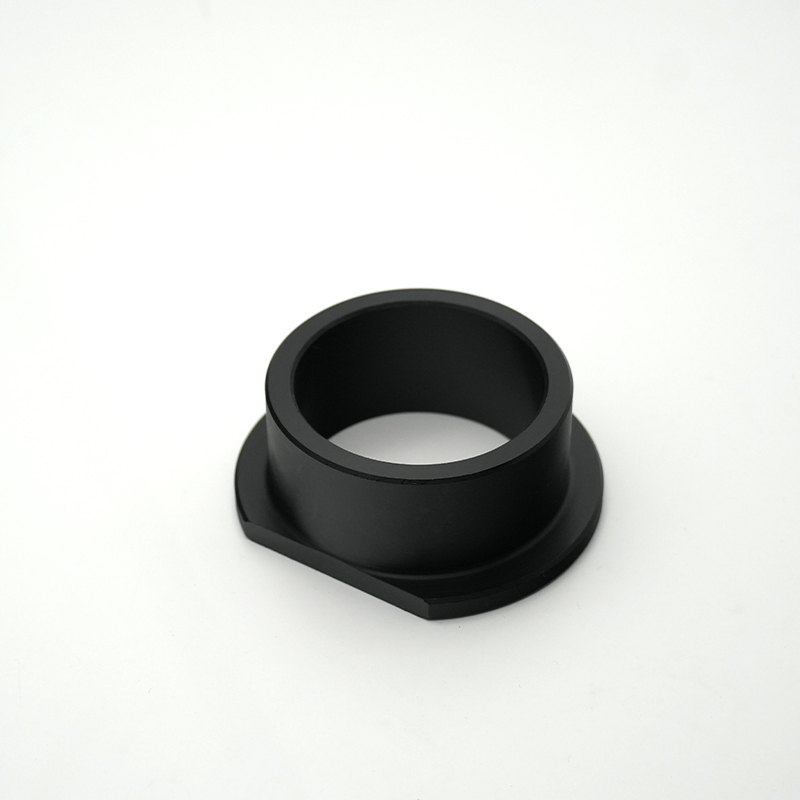
PE Plastic Bushes: Benefits vs Metal Bushings
What is a plastic bushing and what are PE Plastic Bushes?
A plastic bushing is a cylindrical bearing element—also called a plain bearing—made from polymer materials that supports rotating or sliding shafts, reducing friction and wear. PE Plastic Bushes refer specifically to bushings manufactured from polyethylene-based polymers (commonly high-density polyethylene (HDPE) or ultra-high molecular weight polyethylene (UHMWPE)) that are engineered for industrial shaft protection and friction reduction. Bost PE Plastic Bushes offer superior wear-resistant shaft protection and friction-reducing adaptation for enhanced machinery performance. Engineered for durability, these bushes minimize wear and extend equipment life, ensuring reliable and efficient operation in demanding industrial applications. If you're comparing PE plastic bushes to metal bushings, understanding the material differences is essential. In our article on plastic bushing materials, we explain why PE is often the preferred choice for many applications, offering a range of benefits that metal simply can't match.
How PE Plastic Bushes work: material advantages of plastic bushing
Plastic bushings function by presenting a low-friction, sacrificial bearing surface between the shaft and the housing. PE materials bring several intrinsic advantages:
- Low coefficient of friction: Polymer-to-metal contact often produces less sliding resistance than metal-on-metal contacts, especially without lubrication. This reduces operating temperatures and energy consumption.
- Self-lubrication potential: Certain PE compounds can be formulated or impregnated with lubricants (or combined with low-friction additives) to improve performance in marginally lubricated conditions.
- Corrosion resistance: Unlike metals, PE resists moisture, many chemicals, and salts, improving life in corrosive or wet environments.
- Impact and vibration damping: Polymers absorb shock and vibration, protecting shafts and neighboring components from fatigue.
- Lightweight and quiet operation: PE bushings reduce rotating mass and dampen noise compared with metal bearings.
These behaviors make PE plastic bushings suitable for conveyors, packaging machinery, agricultural equipment, food processing lines, and other industrial applications where maintenance intervals, corrosion, and noise are concerns.
Performance comparison: plastic bushing vs metal bushings
When evaluating plastic bushing against metal bushings, engineers typically consider friction, wear rate, load capacity, temperature limits, corrosion resistance, maintenance, cost, and environmental suitability. Below is a side-by-side comparison to guide selection.
| Attribute | PE Plastic Bushes (plastic bushing) | Metal Bushings (bronze/steel) |
|---|---|---|
| Typical friction coefficient (dry) | 0.08–0.20 (depending on grade and lubrication) | 0.10–0.60 (varies widely; higher if unlubricated) |
| Wear resistance | High abrasion resistance for UHMWPE; performs well where lubrication is intermittent | High when properly lubricated; metal-to-metal wear can be severe if lubrication fails |
| Load capacity | Good for moderate loads; engineered grades handle many industrial loads but lower static strength than steels | Superior for very high static and shock loads |
| Temperature range | -40°C to ~80–100°C (depends on polymer grade) | -200°C to +400°C (depending on metal and lubrication) |
| Corrosion resistance | Excellent (resistant to water, salts, many chemicals) | Requires protective coatings or stainless alloys to resist corrosion |
| Maintenance | Low maintenance; can be designed for maintenance-free operation | Requires regular lubrication and inspection |
| Noise and vibration | Low noise, good damping | Higher noise; metal components transmit vibration |
| Typical cost | Often lower total lifecycle cost; material cost low and installation simple | Higher upfront material cost; may have higher maintenance costs |
Table data: friction coefficient ranges referenced from Engineering Toolbox and industry plain bearing datasheets; temperature and material behavior from polymer material datasheets (MatWeb) and plain bearing references. See Sources at the end.
When to choose a plastic bushing (PE Plastic Bushes) over metal?
Choose PE Plastic Bushes when one or more of the following conditions apply:
- Corrosive or wet environments where metal corrosion is a risk.
- Limited or intermittent lubrication: PE materials perform well under marginal lubrication and can be formulated for low friction without continuous oil films.
- Need to reduce noise and vibration in machinery.
- Desire for lighter components and reduced inertia.
- Preference for lower maintenance or sealed-for-life bearings to reduce downtime.
- Applications with moderate radial loads where the static strength of polymers is sufficient.
Examples: packaging equipment shafts, conveyor idlers, food processing linkages (with food-grade materials), marine deck hardware, and agricultural machinery where mud and moisture are common.
When a metal bushing remains the better option
Metal bushings are preferred when:
- Extremely high static or impact loads are present (heavy presses, large rotating equipment).
- High continuous operating temperatures exceed polymer limits.
- Precise shaft tolerances and minimal deformation are required under load.
- Existing lubrication systems provide reliable oil films and contamination control.
In many systems a hybrid solution works well: a metal-backed housing with a polymer lining, or polymer bushings in low-wear positions and metal bearings in heavy-load points.
Installation and maintenance: practical tips for PE Plastic Bushes
To get the best life from plastic bushing installations, follow these guidelines:
- Fit and tolerances: PE bushings often require careful press-fit limits. Follow manufacturer tolerances for interference fits to avoid distortion.
- Shaft finish: Use recommended shaft hardness and surface roughness. A ground, hardened shaft with RMS values per the supplier recommendation minimizes wear.
- Alignment: Ensure shaft runout and housing alignment are within allowable limits. Polymers can tolerate some misalignment but extreme offsets accelerate wear.
- Lubrication: While many PE plastics perform well dry, applying intermittent lubrication or selecting lubricated grades improves life under heavier loads.
- Temperature control: Avoid continuous exposure above the recommended polymer temperature limit; provide cooling or choose higher-temperature polymer grades if needed.
- Contaminant control: Use seals or shields where abrasive dust, slurry, or grit is present; coarse particles accelerate wear.
Bost PE Plastic Bushes are designed with these practical considerations in mind—engineered tolerances, recommended shaft specifications, and material grades optimized for industrial service.
Cost of ownership: plastic bushing vs metal
The true comparison is lifecycle cost, not just purchase price. Consider:
- Initial part cost: PE bushings are generally less expensive to manufacture than high-grade bronze or stainless components.
- Installation labor: Polymer bushings often install quicker and require fewer ancillary components (grease fittings), reducing labor.
- Downtime and maintenance: Maintenance-free or long-life polymer bushings reduce scheduled downtime and associated labor costs.
- Replacement frequency: In many moderate-load applications, PE bushings outlast metal alternatives that rely on consistent lubrication.
Taken together, PE plastic bushings frequently yield lower total cost of ownership in appropriate applications—especially where corrosion and maintenance are driving factors.
Case examples and real-world performance of plastic bushing
- Conveyor systems: In wet or corrosive conveyor lines, PE bushings have shown extended life due to corrosion resistance and superior wear characteristics in wet conditions.
- Packaging machinery: Where noise and precise but moderate-load rotation are required, polymer bushings reduce acoustic output and provide smoother starts under intermittent operation.
- Agricultural equipment: PE bushes resist corrosion from fertilizers and wet soil, and they handle contamination better where greased metal bearings prematurely fail.
Manufacturers report measurable reductions in downtime and wear-related failures when switching metal bearings to engineered polymer bushings in these environments. Exact gains depend on operating conditions and installation practices.
How Bost PE Plastic Bushes stand out (Brand advantages)
Bost’s PE Plastic Bushes are engineered specifically to meet the needs of demanding industrial applications. Brand strengths include:
- Material selection: Bost selects polymer grades optimized for abrasion resistance, low friction, and long wear life. Where required, food-grade or chemically resistant formulations are available.
- Precision manufacturing: Tight dimensional control and consistent wall tolerances reduce installation stress and ensure predictable performance.
- Customization and engineering support: Bost offers custom sizes, press-fit recommendations, and application engineering to match bushings to load, temperature, and environmental needs.
- Testing and validation: Bost conducts wear and friction testing under simulated operating conditions to validate performance claims and back recommendations with data.
- Supply reliability and service: Fast lead-times, quality inspection, and documentation support customers in production-critical operations.
Combined, these strengths mean that selecting Bost PE Plastic Bushes can reduce risk during transition from metal to polymer solutions and improves the probability of achieving lifecycle cost savings and machinery uptime improvements.
Quick selection checklist: is a plastic bushing right for your application?
Use this checklist when evaluating plastic bushing selection:
- Are operating temperatures within polymer limits? (typically <80–100°C for many PE grades)
- Are radial loads moderate rather than extremely high?
- Is the environment wet, corrosive, or dirty?
- Is noise or vibration reduction required?
- Do you need lower maintenance or sealed-for-life components?
If most answers are “yes,” a PE Plastic Bushing like Bost’s is likely a suitable choice. Consult Bost’s engineering team with specific load, speed, temperature, and shaft data for precise selection.
FAQ (Frequently Asked Questions)
Q: What loads can PE Plastic Bushes handle compared to bronze bushings?
A: PE Plastic Bushes handle moderate radial loads well, but bronze/steel bushings still outperform polymers under very high static or shock loads. Bost can provide allowable load charts for specific polymer grades and dimensions for exact comparisons.
Q: Are PE Plastic Bushes food-grade and safe for food processing equipment?
A: Yes—food-grade PE formulations are available that meet common regulatory standards. Confirm certification and traceability with Bost when specifying for food-contact applications.
Q: Do PE Plastic Bushes require lubrication?
A: Many PE bushing grades perform satisfactorily with minimal or no lubrication, but lubricated or self-lubricated grades further extend life under higher loads or speeds. Bost provides guidance for lubrication strategies per application.
Q: How do temperature limits compare between plastic bushing and metal?
A: PE bushings typically operate effectively up to ~80–100°C depending on grade. Metal bushings tolerate much higher continuous temperatures. For high-heat environments, consider higher-temperature polymers or metal solutions.
Q: Can PE Plastic Bushes be used as retrofits for metal bushings?
A: Yes, in many cases polymer bushings can retrofit metal bushings. Check housing fits, shaft hardness/finish, and alignment tolerances. Bost provides retrofit sizing and recommendations to ease conversion.
Contact us / View product
To discuss your application or request product data and sample parts, contact Bost’s technical sales team. View the PE Plastic Bushes product page or request a quotation to evaluate how plastic bushing solutions can reduce wear, lower maintenance, and extend equipment life.
Sources
- SKF — Plain Bearings: product and selection guidance. https://www.skf.com
- Engineering Toolbox — Friction Coefficients and Bearing Data. https://www.engineeringtoolbox.com
- MatWeb — Material Property Data for Polyethylene (HDPE, UHMWPE). https://www.matweb.com
- Timken Company — Bearing Fundamentals and Lubrication Best Practices. https://www.timken.com
- Industry product datasheets and manufacturer test reports for polymer plain bearings (representative supplier literature).
Note: For specific numeric design values (load capacity, allowable PV - pressure-velocity limits, exact wear rates), consult Bost product datasheets and engineering data. Bost provides application-specific calculations, test data, and installation guidance upon request.
Tags
Machining Nylon stick
Machining Nylon stick
custom overmolding
custom overmolding
injection molding plastic
injection molding plastic
Engineering plastic spacer
Engineering plastic spacer
High-temperature
High-temperature
Dimensional-Stable Adaptation
Dimensional-Stable Adaptation
Recommended for you
best high-performance plastics for medical implants 2026
3D Printing vs Injection Molding: When to Choose Which
Lead Time and MOQ Strategies for PP Plastic Spacer Procurement
Overmolding vs Insert Molding: When to Use Each
Prdoucts Categories
Question you may concern
FAQs
How do I select the appropriate engineering plastic grade for my product?
Selection should be based on parameters such as load conditions (e.g., pressure/friction), temperature range, medium contact (e.g., oil/acid), and regulatory requirements (e.g., FDA/RoHS). Our engineers can provide free material selection consulting and sample testing.
What are the core advantages of Bost engineering plastics compared to ordinary plastics?
Bost engineering plastics feature ultra-high mechanical strength, high-temperature resistance (-50°C to 300°C), chemical corrosion resistance, and wear resistance. Compared to ordinary plastics, their service life is extended by 3 to 8 times, making them suitable for replacing metals in harsh environments.
Can Bost customize modified plastics with special properties?
Yes! We offer modification services such as reinforcement, flame retardancy, conductivity, wear resistance, and UV resistance, for example:
• Adding carbon fiber to enhance stiffness
• Reducing the coefficient of friction through PTFE modification
• Customizing food-grade or medical-grade certified materials
What is the minimum order quantity (MOQ)? Do you support small-batch trial production?
The MOQ for standard products is ≥100kg. We support small-batch trial production (as low as 20kg) and provide mold testing reports and performance data feedback.
What is the delivery lead time? Do you offer global logistics?
Standard products: 5–15 working days; custom modifications: 2–4 weeks. We support global air/sea freight and provide export customs clearance documents (including REACH/UL certifications).
You may also like
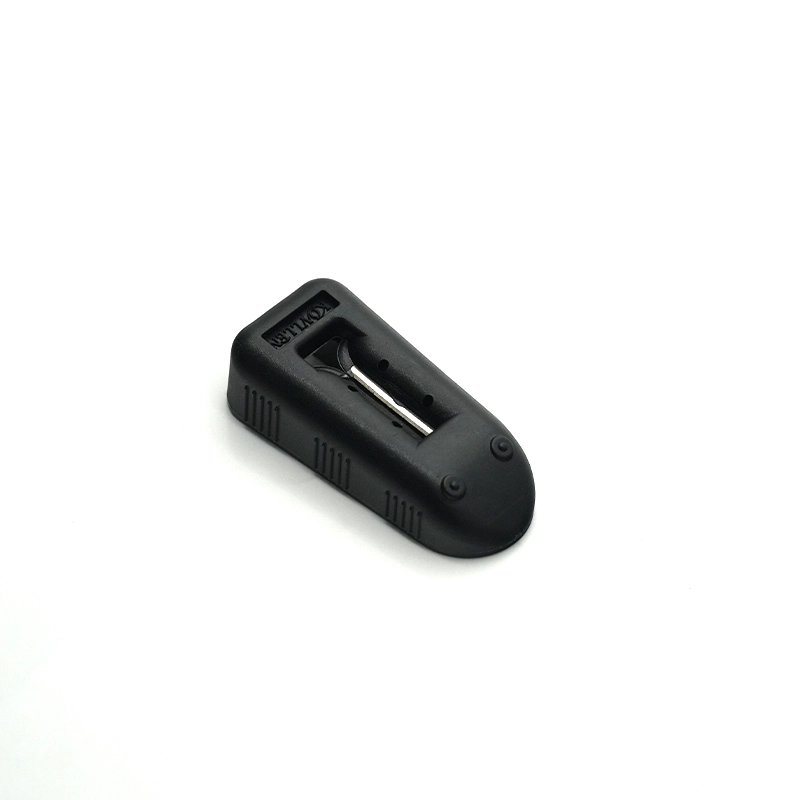
The plastic plug manufactured by Insert molding with stainless steel plate
Bost’s Insert-Molded Stainless Steel Plate Plastic Plug offers superior durability and corrosion resistance. This stainless steel insert durable plastic plug ensures a secure fit and long-lasting performance, ideal for industrial and commercial applications. Robust design meets quality standards.
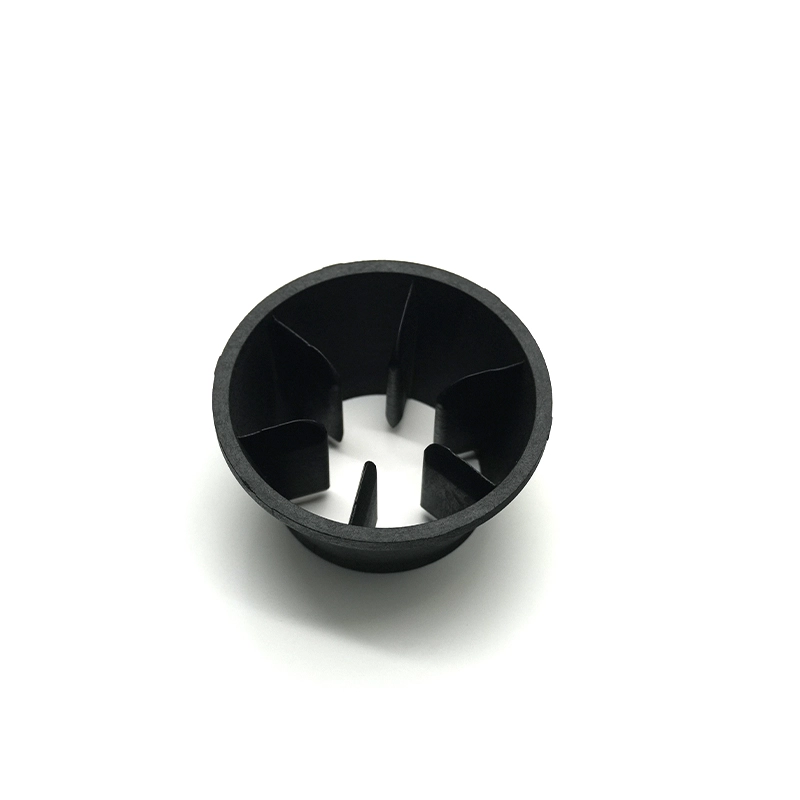
The Bost custom PPO flow valve by injection molding
The BOST Custom PPO Injection-Molded Flow Valve delivers high-temp and corrosion-resistant performance for industrial flow control. Precision-engineered by Bost, this custom PPO valve ensures durable, reliable operation in demanding environments. Optimize your process with BOST’s advanced injection-molded solution.
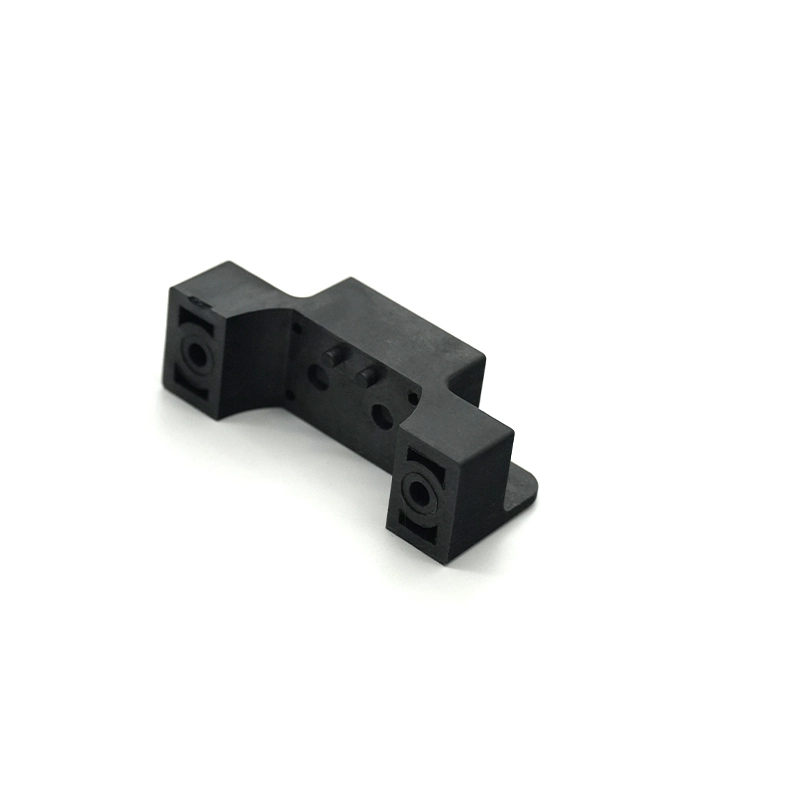
The Bost custom plastic handle by injection molding with high performance PPS material
BOST Custom PPS Injection-Molded Wear-Resistant Handle delivers superior durability and high performance. Made from High Quality PPS material, this injection-molded handle ensures exceptional wear resistance, ideal for demanding applications and long-lasting use. Choose BOST for quality and reliability.
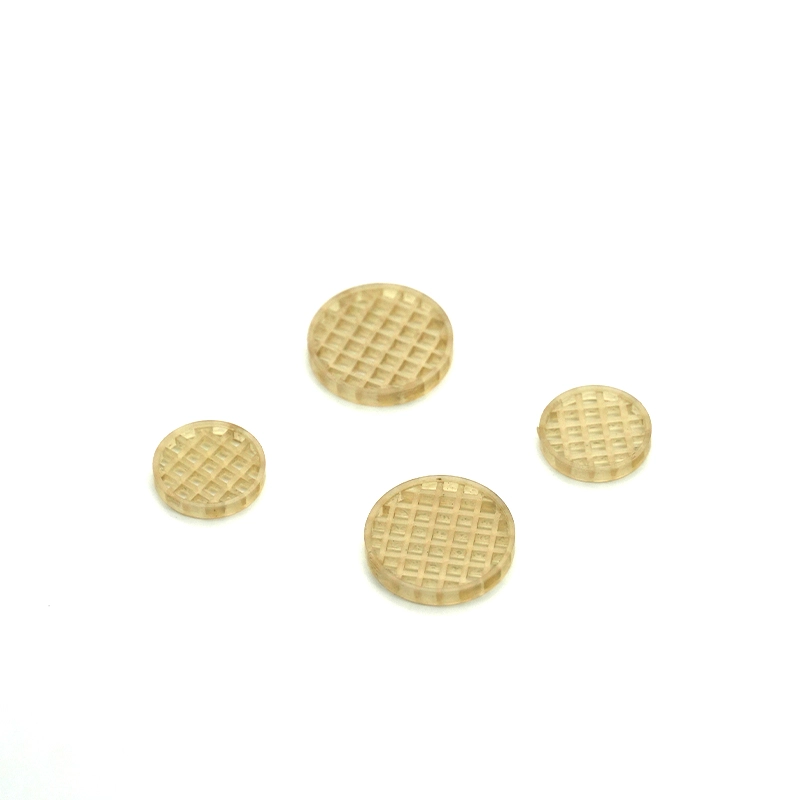
The Bost custom flow meter by injection molding with PES plastic
The Bost Custom PES Injection-Molded Flow Meter offers high-temperature and corrosion resistance, ideal for industrial use. Made with durable PES plastic via precision injection molding, this flow meter ensures reliable, customized performance for demanding applications. Trust Bost for quality and innovation.
Get in touch with Bost
Have any questions or concerns about our products? Please leave us a message here, and our team will get back to you promptly.

24 hours quotes delivered
Submit CAD files, get quote in 24 hours

No MOQ required
From prototyping to high-volume

±0.02 mm Precision
Advanced CNC with full inspections

1,000+ tons in stock
26 materials ready to ship
© 2026 BOST. All Rights Reserved.