 Scan QR Code
Send My Request
RoHS and REACH Compliance for Plastic Connectors
Sunday, 03/8/2026
This article explains RoHS and REACH requirements as they apply to plastic connectors, with specific guidance for the Bost Black UV-Resistant ABS Outdoor Connector. Learn how material selection, testing, documentation, and supply‑chain controls ensure compliant, weatherproof electrical connectors for outdoor installations.
- Regulatory overview: distinguishing RoHS and REACH for electrical plastics
- What RoHS regulates and why it matters for plastic connectors
- What REACH requires for chemicals in polymers
- Key practical differences for manufacturers and buyers
- Materials and testing: ensuring compliance for Black UV-Resistant ABS
- ABS material properties and typical additives
- Common compliance risks in ABS compounds
- Testing standards and accredited methods
- Design and manufacturing best practices for weatherproof plastic connectors
- Design choices that reduce regulatory risk
- Process controls and quality assurance
- Marking, documentation and traceability
- Practical steps to certify and maintain compliance
- Pre-compliance screening and risk assessment
- Third-party testing and conformity assessment
- Supply chain controls and ongoing monitoring
- Implementing compliance in procurement and sales
- Supplier agreements and technical purchase orders
- Documentation for customers and regulators
- Practical checklist for the Bost Black UV-Resistant ABS Outdoor Connector
- Frequently Asked Questions (FAQ)
- Q: Is ABS inherently RoHS- or REACH-compliant?
- Q: Can carbon black used for UV resistance contain restricted substances?
- Q: How often should we retest a plastic connector for RoHS/REACH?
- Q: If an SVHC is found in the connector above 0.1%, what is the obligation?
- Q: How does the Bost Black UV-Resistant ABS Outdoor Connector stay weatherproof while meeting regulations?
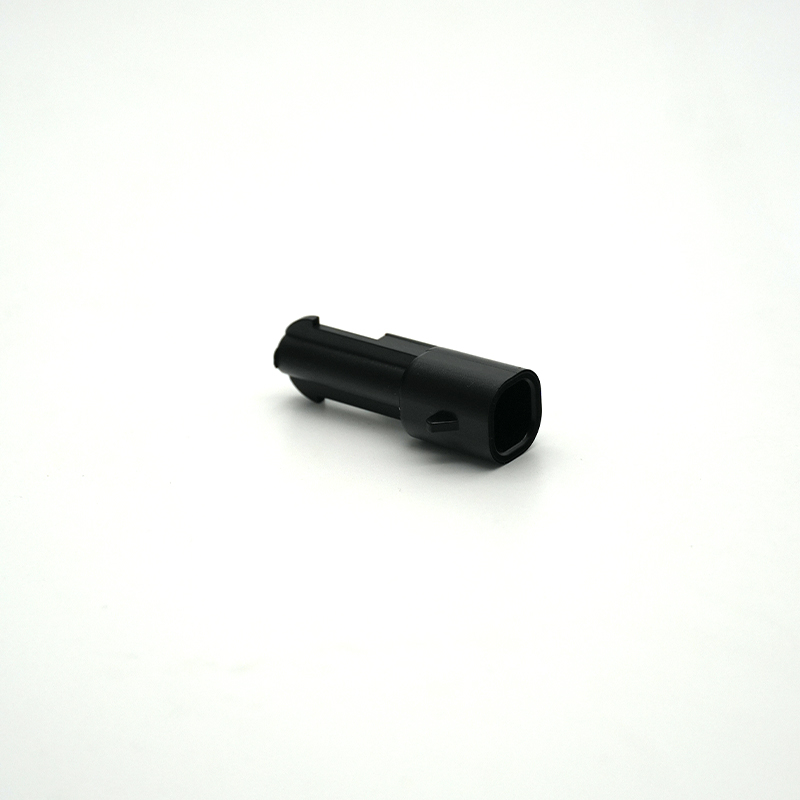
The global market for plastic connectors requires manufacturers and specifiers to demonstrate environmental compliance while maintaining reliability in harsh conditions. This article focuses on RoHS and REACH obligations for plastic connectors, using the Bost Black UV-Resistant ABS Outdoor Connector as a practical example of how UV-stable, weatherproof ABS components can meet regulatory and performance expectations for long-lasting outdoor installations.
Regulatory overview: distinguishing RoHS and REACH for electrical plastics
What RoHS regulates and why it matters for plastic connectors
RoHS (Restriction of Hazardous Substances) restricts specific hazardous substances in electrical and electronic equipment (EEE) placed on the market in the European Union. For plastic connectors used in wire-to-wire and cable-to-device applications, RoHS is primarily about limiting heavy metals and certain flame retardants used as additives. The EU Commission provides the official background on RoHS and its scope, including the list of restricted substances and exemptions: EU RoHS information.
What REACH requires for chemicals in polymers
REACH (Registration, Evaluation, Authorisation and Restriction of Chemicals) is broader: it governs substances manufactured or imported into the EU, and it targets substances of very high concern (SVHCs). For plastics like ABS used in outdoor connectors, REACH obligations include confirming no SVHCs are present above reporting thresholds, keeping safety data sheets, and, if applicable, complying with authorisation or restriction decisions. For details and the candidate list, see the European Chemicals Agency: ECHA REACH overview and ECHA candidate list.
Key practical differences for manufacturers and buyers
RoHS is product-focused and restricts defined substances in EEE. REACH is substance-focused and covers a wider array of chemical risks across all products and stages of the supply chain. For plastic connectors, both apply: RoHS may limit specific brominated flame retardants or lead stabilizers, while REACH requires awareness and management of SVHCs that could be present in additives, pigments, or stabilisers.
Materials and testing: ensuring compliance for Black UV-Resistant ABS
ABS material properties and typical additives
Acrylonitrile butadiene styrene (ABS) is a thermoplastic favored for plastic connectors due to toughness, dimensional stability, and ease of molding. Outdoor-grade ABS formulations for the Bost Black UV-Resistant ABS Outdoor Connector include UV stabilizers, carbon black or other pigments for color and UV protection, impact modifiers, and possibly heat stabilizers. Standard ABS chemistry is summarized here: ABS on Wikipedia.
Common compliance risks in ABS compounds
Key risks include:
- Presence of restricted RoHS substances introduced as additives or contaminants (e.g., certain brominated flame retardants or lead compounds).
- Use of pigments or stabilizers containing SVHCs listed under REACH.
- Contamination during recycling or from recycled content that may carry legacy restricted substances.
Manufacturers of plastic connectors should obtain material declarations and test reports that verify absence (or acceptable limits) of relevant substances.
Testing standards and accredited methods
For RoHS compliance, IEC 62321 series is commonly used for determination of restricted substances (e.g., lead, cadmium, mercury, hexavalent chromium, PBBs, PBDEs) and specifies laboratory methods. The IEC provides standards information: International Electrotechnical Commission (IEC). For REACH, testing and chemical analysis may be necessary to detect SVHCs; ECHA guidance and the candidate list are the authoritative references: ECHA. Third-party labs that follow ISO/IEC 17025 accreditation ensure reliable results.
Design and manufacturing best practices for weatherproof plastic connectors
Design choices that reduce regulatory risk
Design can mitigate both compliance and performance risks. Recommendations for outdoor plastic connectors include:
- Choose UV-stable pigments such as carbon black or certified pigments that are REACH-cleared.
- Avoid halogenated flame retardants if RoHS or customer requirements prohibit them; instead specify non-halogenated alternatives and document their chemistry.
- Design for minimal use of recycled content unless the recycler can provide full material declarations and test data to avoid legacy contaminants.
These choices help the Bost Black UV-Resistant ABS Outdoor Connector achieve durability and streamline environmental compliance.
Process controls and quality assurance
Implementing supplier qualification, incoming material inspection, and batch-level traceability are essential. Maintain a bill of materials (BOM) that lists polymer grades, pigment types, and additive families. For each material batch, retain Certificates of Analysis (CoA) and Safety Data Sheets (SDS) from suppliers and perform periodic analytical spot checks using an accredited laboratory.
Marking, documentation and traceability
Maintain a technical file that documents RoHS and REACH compliance for the product: test reports (IEC 62321 results or equivalent), supplier declarations, SDS, and a restricted-substances compliance statement. Good traceability supports swift responses to customer audits and regulatory inquiries.
Practical steps to certify and maintain compliance
Pre-compliance screening and risk assessment
Start with supplier questionnaires and material declarations to screen for potential restricted substances or SVHCs. Use a risk-based approach: prioritize suppliers and materials that are high-risk (black pigments, stabilizers, flame retardants). For each component of the Bost Black UV-Resistant ABS Outdoor Connector, document the supply chain back to the polymer producer when feasible.
Third-party testing and conformity assessment
Engage an ISO/IEC 17025-accredited lab for RoHS testing (e.g., IEC 62321 methods) and for targeted REACH analyses. Typical testing scope includes:
| Requirement | Relevant Method / Guidance | Purpose |
|---|---|---|
| RoHS restricted substances | IEC 62321 series | Quantify heavy metals and specified brominated flame retardants |
| REACH SVHC screening | ECHA guidance and targeted chemical analysis | Identify presence of candidate list substances above 0.1% w/w |
| Accelerated weathering | ISO 4892 or equivalent | Verify UV resistance and long-term outdoor performance |
Supply chain controls and ongoing monitoring
Compliance is not a one-time activity. To maintain it over product life cycles:
- Require supplier change notification clauses in purchase agreements.
- Monitor updates to the RoHS restricted list and REACH candidate list via official sources such as the European Commission and ECHA (RoHS, REACH).
- Perform periodic re-testing, especially after material changes or if suppliers alter formulations.
Implementing compliance in procurement and sales
Supplier agreements and technical purchase orders
Include explicit compliance clauses in material purchase orders and supplier contracts: require SDS and RoHS/REACH declarations, the obligation to notify of any composition changes, and the right to audit or request analytical confirmation. Request a Polymer Manufacturer Declaration that indicates the grade of ABS and confirms absence of identified restricted substances.
Documentation for customers and regulators
Provide customers with a compliance dossier that includes the product specification, CoA, test reports, SDS, and a formal statement of conformity for RoHS (if applicable). For REACH, if any SVHC is present above 0.1% w/w, REACH Article 33 requires supplier notification and communication with customers.
Practical checklist for the Bost Black UV-Resistant ABS Outdoor Connector
- Obtain SDS and CoA for the ABS resin, pigment, and UV stabilizer.
- Request RoHS material declarations and perform IEC 62321 testing on finished parts (or representative molded samples).
- Screen for REACH candidate list SVHCs in additives and pigments; if present, follow Article 33 communication rules.
- Run accelerated UV weathering to validate product lifetime claims (e.g., ISO 4892).
- Maintain records of supplier communications and test results for at least the life of the product in the market.
Frequently Asked Questions (FAQ)
Q: Is ABS inherently RoHS- or REACH-compliant?
A: ABS as a polymer is not automatically compliant or non-compliant. Compliance depends on additives, pigments, and potential contamination. You must verify the specific ABS formulation used in the connector via supplier declarations and testing. See ECHA and EU RoHS guidance for authoritative criteria: ECHA, EU RoHS.
Q: Can carbon black used for UV resistance contain restricted substances?
A: Carbon black itself is commonly used for UV protection and is typically compliant, but pigments and masterbatches can contain processing aids or contaminants. Always request a declaration from the pigment or masterbatch supplier and, if necessary, run targeted chemical analysis.
Q: How often should we retest a plastic connector for RoHS/REACH?
A: Retesting frequency depends on risk: test when changing suppliers or materials, after a change in formulation, or if the supply chain introduces recycled content. As a minimum, perform periodic audits and sample testing—common practice is annual or biennial verification for key materials, with immediate testing on any supplier change.
Q: If an SVHC is found in the connector above 0.1%, what is the obligation?
A: Under REACH Article 33, suppliers must inform customers about the presence of SVHCs above 0.1% w/w and provide safe use information. If the substance is subject to restriction or authorisation, additional regulatory steps may be required. Consult ECHA guidance: ECHA REACH.
Q: How does the Bost Black UV-Resistant ABS Outdoor Connector stay weatherproof while meeting regulations?
A: By specifying UV-stable ABS grades, validated non-halogen flame retardant strategies (if flame retardancy is needed), and using certified pigments and stabilizers, the connector achieves both weather resistance and regulatory compliance. Controlled molding, quality checks, and accredited testing complete the assurance package.
If you need a compliance dossier, test reports, or to discuss a custom formulation for specific environments, contact our team or view the product details below.
View Bost Black UV-Resistant ABS Outdoor Connector | Contact Sales
Tags
insert molding
insert molding
buy plastic spur gears
buy plastic spur gears
Pipe/container closure
Pipe/container closure
plastic injection molding
plastic injection molding
High Temperature Resistance
High Temperature Resistance
plastic spur gears for sale
plastic spur gears for sale
Recommended for you
Sustainable Practices and Recycling in Injection Molding
IP Ratings and Sealing Solutions for Plastic Connectors
Selecting PP Plastic Spacers: Key Specs for Industrial Buyers
What is engineering plastics ?
Prdoucts Categories
Question you may concern
FAQs
Can Bost customize modified plastics with special properties?
Yes! We offer modification services such as reinforcement, flame retardancy, conductivity, wear resistance, and UV resistance, for example:
• Adding carbon fiber to enhance stiffness
• Reducing the coefficient of friction through PTFE modification
• Customizing food-grade or medical-grade certified materials
What are the core advantages of Bost engineering plastics compared to ordinary plastics?
Bost engineering plastics feature ultra-high mechanical strength, high-temperature resistance (-50°C to 300°C), chemical corrosion resistance, and wear resistance. Compared to ordinary plastics, their service life is extended by 3 to 8 times, making them suitable for replacing metals in harsh environments.
How do I select the appropriate engineering plastic grade for my product?
Selection should be based on parameters such as load conditions (e.g., pressure/friction), temperature range, medium contact (e.g., oil/acid), and regulatory requirements (e.g., FDA/RoHS). Our engineers can provide free material selection consulting and sample testing.
What is the delivery lead time? Do you offer global logistics?
Standard products: 5–15 working days; custom modifications: 2–4 weeks. We support global air/sea freight and provide export customs clearance documents (including REACH/UL certifications).
What is the minimum order quantity (MOQ)? Do you support small-batch trial production?
The MOQ for standard products is ≥100kg. We support small-batch trial production (as low as 20kg) and provide mold testing reports and performance data feedback.
You may also like
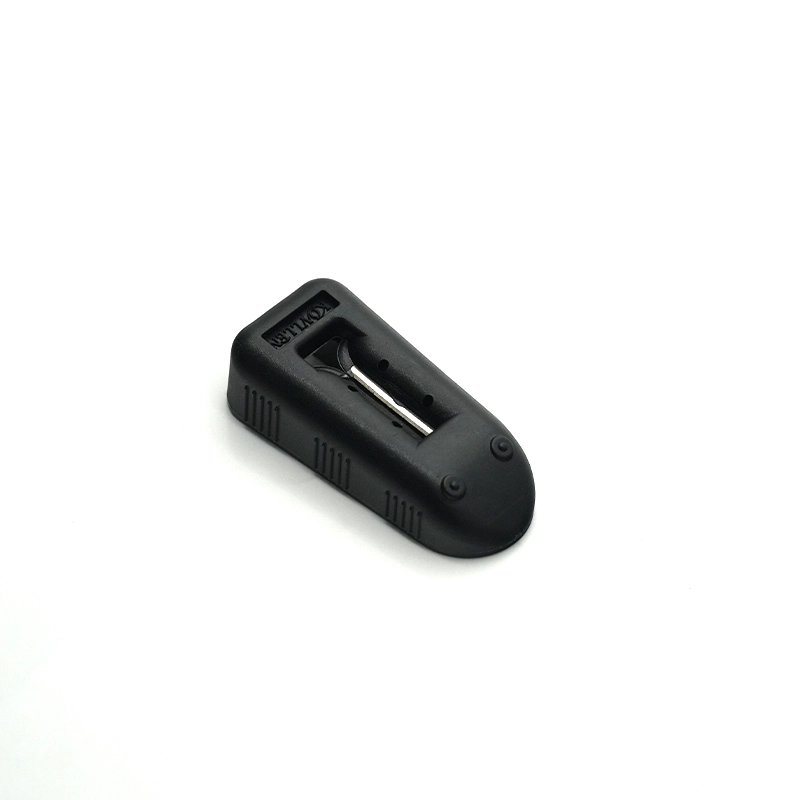
The plastic plug manufactured by Insert molding with stainless steel plate
Bost’s Insert-Molded Stainless Steel Plate Plastic Plug offers superior durability and corrosion resistance. This stainless steel insert durable plastic plug ensures a secure fit and long-lasting performance, ideal for industrial and commercial applications. Robust design meets quality standards.
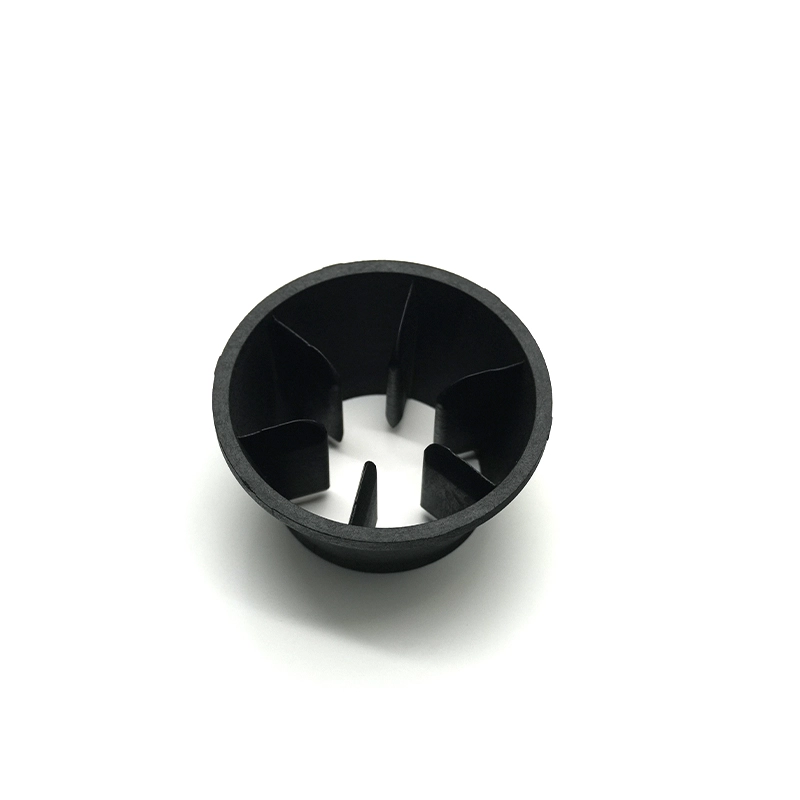
The Bost custom PPO flow valve by injection molding
The BOST Custom PPO Injection-Molded Flow Valve delivers high-temp and corrosion-resistant performance for industrial flow control. Precision-engineered by Bost, this custom PPO valve ensures durable, reliable operation in demanding environments. Optimize your process with BOST’s advanced injection-molded solution.
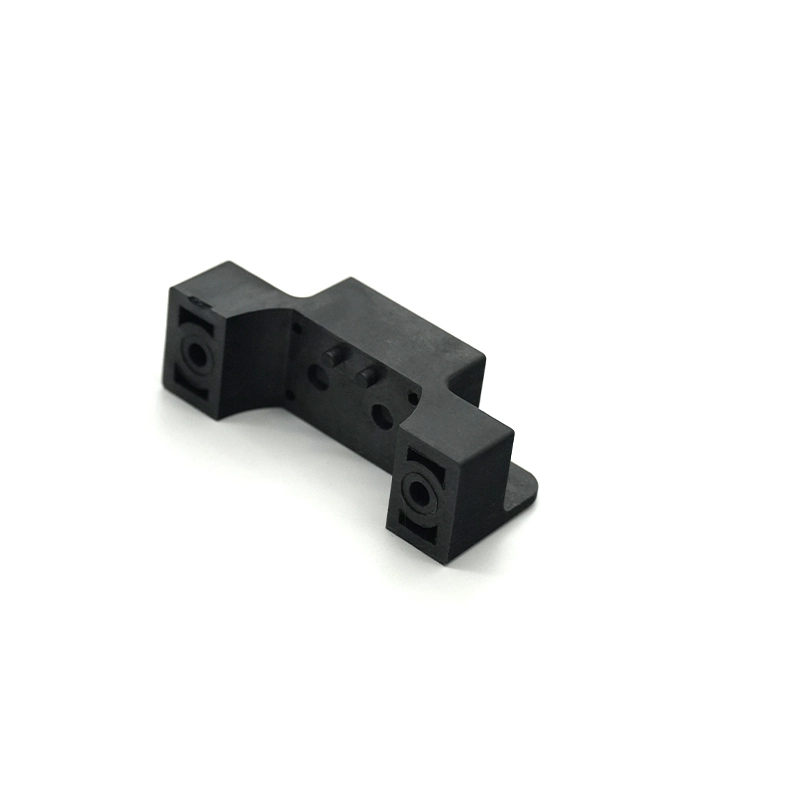
The Bost custom plastic handle by injection molding with high performance PPS material
BOST Custom PPS Injection-Molded Wear-Resistant Handle delivers superior durability and high performance. Made from High Quality PPS material, this injection-molded handle ensures exceptional wear resistance, ideal for demanding applications and long-lasting use. Choose BOST for quality and reliability.
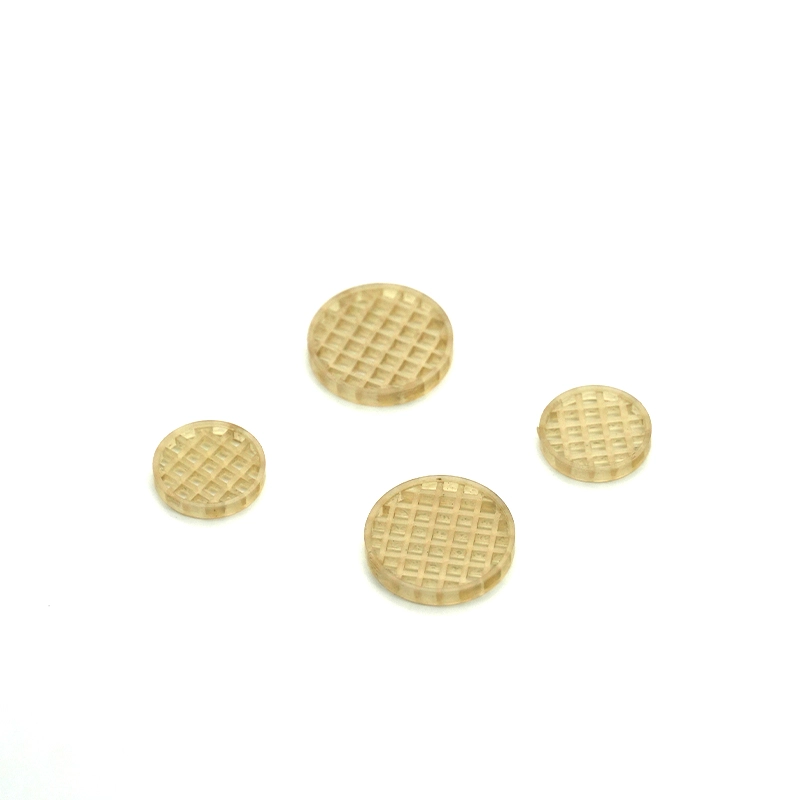
The Bost custom flow meter by injection molding with PES plastic
The Bost Custom PES Injection-Molded Flow Meter offers high-temperature and corrosion resistance, ideal for industrial use. Made with durable PES plastic via precision injection molding, this flow meter ensures reliable, customized performance for demanding applications. Trust Bost for quality and innovation.
Get in touch with Bost
Have any questions or concerns about our products? Please leave us a message here, and our team will get back to you promptly.

24 hours quotes delivered
Submit CAD files, get quote in 24 hours

No MOQ required
From prototyping to high-volume

±0.02 mm Precision
Advanced CNC with full inspections

1,000+ tons in stock
26 materials ready to ship
© 2026 BOST. All Rights Reserved.