
 Scan QR Code
Send My Request
Selecting PP Plastic Spacers: Key Specs for Industrial Buyers
Wednesday, 12/24/2025
A practical buyer's guide for industrial purchasers selecting PP plastic spacers by injection molding. Covers material properties, mechanical specs, dimensional tolerances, chemical and temperature resistance, manufacturing considerations, testing, supply chain, and FAQs to help you source the right plastic spacer for your application.
- Selecting PP Plastic Spacers: Key Specs for Industrial Buyers
- Why choose a plastic spacer — and why PP plastic spacer matters
- Material properties to evaluate for a plastic spacer
- Mechanical specifications: load, tolerances, and fatigue
- Design and dimensional guidance for injection-molded plastic spacer
- Surface finish, color, and post-processing for plastic spacer
- Chemical and environmental resistance for long-term performance
- Regulatory and compliance considerations for plastic spacer procurement
- Comparing PP plastic spacer to other materials (quick spec table)
- Manufacturing considerations for PP plastic spacer by injection molding
- Testing and qualification protocols industrial buyers should require
- Supply chain, lead time, and cost drivers
- How to write an effective technical purchase specification for a plastic spacer
- Brand advantages — why choose our PP plastic spacer by injection molding
- Common application examples for PP plastic spacer
- Contact sales or view product — next steps
- FAQ — Frequently Asked Questions about plastic spacer selection
- Q1: Is polypropylene a good material for electrical insulation spacers?
- Q2: What temperature range can PP plastic spacer handle?
- Q3: Can injection-molded PP spacers be made in tight tolerances?
- Q4: How does UV exposure affect polypropylene spacers?
- Q5: What documentation should I request from a supplier?
- Q6: Can you produce custom geometries for PP plastic spacer?
- Q7: What is the typical lead time for a new injection molded PP spacer?
- Authority and reference list
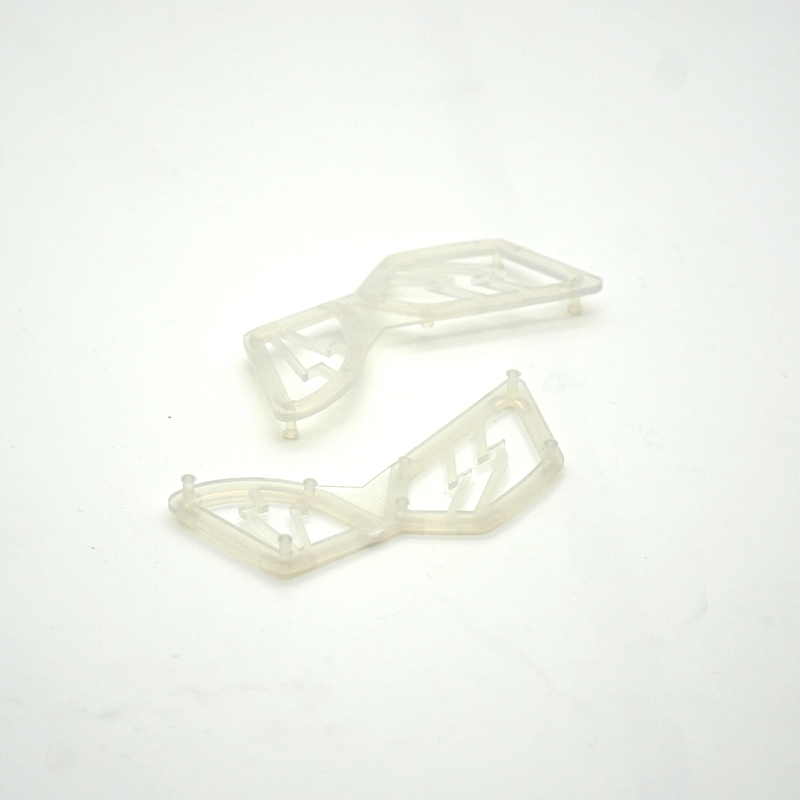
Selecting PP Plastic Spacers: Key Specs for Industrial Buyers
Why choose a plastic spacer — and why PP plastic spacer matters
Plastic spacer components appear in many assemblies where precise gap control, electrical insulation, weight reduction, corrosion resistance, or cost-efficiency are required. For many industrial applications, the PP plastic spacer (polypropylene spacer) produced by injection molding offers a strong balance of chemical resistance, low density, and low cost. Buyers looking for a reliable plastic spacer should evaluate polypropylene’s performance alongside application demands: mechanical load, environment, regulatory needs, installation method, and volume. This guide focuses on the specifications that industrial buyers must evaluate when selecting a plastic spacer, with emphasis on PP plastic spacer by injection molding. After understanding the technical requirements when selecting PP plastic spacers: key specs for industrial buyers, it is important to see how manufacturing methods influence consistency and output, especially through how injection molding improves PP plastic spacer production.
Material properties to evaluate for a plastic spacer
When specifying a plastic spacer, material selection drives nearly all downstream decisions. For PP plastic spacer by injection molding, assess these properties:
- Density: Polypropylene has a low density (~0.90–0.91 g/cm3) which minimizes part weight and shipping cost.
- Mechanical strength: Tensile strength for common homopolymer PP grades ranges roughly 30–40 MPa; consider reinforced or copolymer grades if higher toughness or impact resistance is required.
- Stiffness (modulus): Typical flexural modulus is 1.0–1.6 GPa — acceptable for light- to medium-load spacer roles; if stiffness must be higher, consider fillers or alternative materials like nylon or PEEK.
- Creep resistance: PP can creep under sustained loads; specify allowable long-term deflection limits and test to verify performance under your service temperature and load.
- Chemical resistance: Excellent resistance to many acids, bases, and aqueous solutions, making PP plastic spacer suitable for many corrosive environments (check compatibility with specific chemicals such as aromatic solvents or chlorinated hydrocarbons).
- Thermal range: Continuous service temperatures typically up to ~100°C for standard PP; if your application sees higher temperatures, consider other polymers.
- Electrical properties: Good insulating properties and low dielectric constant, making PP spacers suitable for many electrical or electronic assemblies.
Mechanical specifications: load, tolerances, and fatigue
Translate the application loads into mechanical specifications for your plastic spacer. Key items for buyers to specify include:
- Maximum static load and safety factor: Define the peak static force (N) and use appropriate safety factors (commonly 2–5x depending on criticality).
- Dynamic or cyclic load (fatigue): If the spacer experiences vibration or repeated load cycles, request fatigue life data from the supplier or perform accelerated testing.
- Dimensional tolerances: Specify hole diameters, lengths, concentricity, and flatness tolerances. Injection-molded PP can achieve moderate tolerances; tighter needs may require secondary machining or higher control on tooling.
- Compression/deflection limits: State acceptable compression under load to ensure spacer maintains required gap or alignment over time.
Design and dimensional guidance for injection-molded plastic spacer
Design choices affect manufacturability, cost, and performance for PP plastic spacer by injection molding.
- Wall thickness: Keep wall thickness consistent to avoid sink marks and warpage; typical PP wall thicknesses are 1.0–4.0 mm depending on geometry.
- Ribs and support features: Use ribs to increase stiffness without much weight penalty, but design rib thickness at ~0.5–0.6× the nominal wall to minimize sink.
- Draft angles: Add draft (typically 0.5°–2°) to facilitate ejection from the mold and protect dimensional control.
- Fillets and radii: Avoid sharp corners to reduce stress concentration; small radii improve flow and part strength.
- Tolerancing for interference/clearance fits: Specify fit type for mating hardware (press-fit, slip-fit). For PP, consider material elasticity and non-linear deformation when calculating fit clearance.
Surface finish, color, and post-processing for plastic spacer
Surface requirements often reflect functional or aesthetic needs. Common considerations:
- Surface texture: Smooth or matte finishes achievable via mold polishing levels; a textured finish can hide flow marks but may impact sealing areas.
- Colorants and additives: PP accepts pigments and masterbatches; UV-stabilizers can extend outdoor life. Communicate regulatory needs (e.g., food contact or medical) when requesting additives.
- Secondary operations: Ultrasonic welding, heat staking, mechanical fastening, or machining — verify compatibility with PP and how injection-molded geometry will affect these processes.
Chemical and environmental resistance for long-term performance
Industrial buyers must ensure that the selected plastic spacer performs reliably in-service. For PP plastic spacer:
- Chemical compatibility: PP resists many solvents and chemicals, but check specific chemicals (e.g., ketones, chlorinated solvents) which can attack PP.
- UV exposure and weathering: Standard PP degrades under UV. If exposure is expected, request UV-stabilized grades or protective coatings.
- Moisture and humidity: PP has low moisture absorption and maintains dimensional stability in humid environments, beneficial for electrical and outdoor applications.
- Temperature cycling: Repeated thermal cycles can influence creep and dimensional stability; define the expected temperature profile for qualification testing.
Regulatory and compliance considerations for plastic spacer procurement
Industrial purchasers must consider regulatory regimes relevant to product use and market:
- RoHS/REACH compliance: Specify requirements for hazardous substances and request supplier declarations—essential for electronics and EU markets.
- Food contact regulations: If spacers contact food, specify appropriate FDA or EU 10/2011 material grades and obtain documentation from the supplier.
- Flammability ratings: For electrical equipment, clarify UL, V-0/V-2 or other flame-retardant needs. Standard PP is flammable; flame-retardant formulations are available but must be specified.
- Quality systems: Request supplier ISO 9001 certification or equivalent to ensure consistent manufacturing practices.
Comparing PP plastic spacer to other materials (quick spec table)
| Property | PP Plastic Spacer (Injection Molded) | Nylon (PA) | PTFE (Teflon) | PEEK |
|---|---|---|---|---|
| Density | Low (~0.90 g/cm³) | Moderate (~1.15 g/cm³) | Low (~2.2 g/cm³) | High (~1.3 g/cm³) |
| Chemical Resistance | Excellent to many acids/bases; poor to some solvents | Good; absorbs moisture | Excellent (broad range) | Excellent (high temp) |
| Temperature (continuous) | Up to ~100°C | Up to ~120°C (varies) | Up to ~260°C | Up to ~250°C |
| Cost | Low | Moderate | High | Very high |
| Electrical Insulation | Good | Good | Excellent (but conductive aspects depend on fillers) | Good |
This table helps buyers quickly weigh PP against alternatives. Use it as an initial screening—validate with supplier datasheets and testing for final selection.
Manufacturing considerations for PP plastic spacer by injection molding
Production decisions influence cost, lead time, and part quality:
- Tooling: Injection molds are capital investments. For high volumes, a hardened steel tool yields consistent dimensions and longevity. For prototypes or low-volume runs, aluminum or soft tooling may be cost-effective.
- Cycle time and economics: PP’s fast cycle capability reduces per-part cost. Optimize gate design and cooling to minimize warpage and shrinkage (PP shrink 1–2% typical, dependent on geometry and grade).
- Quality control: Define in-line inspection criteria—visual checks, dimensional measurement, and mechanical testing. Statistical Process Control (SPC) reduces variation and improves predictability.
- Minimum order quantities (MOQs): Discuss with suppliers—MOQs depend on tooling amortization, material costs, and process setup. Negotiate initial production runs that balance cost and inventory risk.
Testing and qualification protocols industrial buyers should require
To ensure long-term performance of a PP plastic spacer, request documented testing:
- Material certificates: Resin grade, melt flow index (MFI), and additive declarations.
- Mechanical testing: Tensile, compressive, and flexural tests relevant to your loading conditions.
- Creep and relaxation tests: Especially important when spacers are under sustained loads at elevated temperature.
- Environmental exposure tests: UV, chemical soak, salt spray (if used outdoors or in corrosive environments).
- Dimensional capability reports: First Article Inspection (FAI) and sample CMM data for critical dimensions.
Supply chain, lead time, and cost drivers
Pay attention to variables that affect price and delivery:
- Raw material volatility: Polypropylene resin prices can fluctuate—consider contracting resin pricing or buffer stock for long programs.
- Tooling lead time: Tool design and manufacturing typically drive the longest lead times—plan 4–12 weeks depending on complexity and tooling shop backlog.
- Production capacity: Confirm supplier’s capacity and backup plans to avoid single-source risks.
- Logistics: Lightweight PP parts reduce freight cost, but packaging and protection during shipment matter to prevent deformation or contamination.
How to write an effective technical purchase specification for a plastic spacer
An actionable spec reduces ambiguity and accelerates supplier responses. Include:
- Part drawing with critical dimensions and tolerances, material callout (e.g., polypropylene homopolymer grade X with UV stabilizer), color, and finish.
- Functional requirements: maximum load, allowable deflection, operating temperatures, chemical exposures, and life expectancy.
- Regulatory & testing requirements: list required certificates and tests (e.g., FAI, tensile, creep, RoHS declaration).
- Production expectations: annual forecast, lot size, acceptable lead time, and packaging needs.
- Quality clauses: incoming inspection criteria, corrective action timelines, and warranty terms.
Brand advantages — why choose our PP plastic spacer by injection molding
Our PP plastic spacer by injection molding combines industry-grade material selection, precision tooling, and rigorous quality control. Key brand advantages include:
- Material expertise: We select polypropylene grades tuned for mechanical strength, chemical resistance, and UV stabilization when required.
- Tooling and process control: In-house mold design and SPC-backed production deliver consistent dimensional accuracy and reduced cycle variation.
- Testing and documentation: We provide material certificates, FAI reports, and custom test results (tensile, creep, environmental) to meet your qualification needs.
- Supply reliability: Scalable manufacturing capacity and buffer stock options minimize lead-time risk for high-volume programs.
- Application support: Our engineering team reviews your spacers’ functional requirements and suggests design optimizations to reduce cost while meeting performance targets.
Common application examples for PP plastic spacer
Industrial use cases where PP plastic spacer is frequently selected:
- Electrical assemblies requiring insulation and lightweight separation between components.
- Corrosion-resistant racks and mounting hardware for chemical or water-processing equipment.
- Light-duty mechanical assemblies and consumer appliances where cost and weight are prioritized.
- Food-contact fixtures when using appropriate FDA-approved PP grades.
Contact sales or view product — next steps
If you are evaluating spacers for a new or existing application, request a sample or RFQ for our PP plastic spacer by injection molding. Provide your part drawing and application conditions so we can propose the optimal grade, tooling approach, and a detailed quote. Contact our sales team to discuss lead times, MOQs, and testing requirements, or request a sample run to validate fit and function before large-scale production.
FAQ — Frequently Asked Questions about plastic spacer selection
Q1: Is polypropylene a good material for electrical insulation spacers?
A1: Yes. Polypropylene has good dielectric properties and low moisture absorption, making it a suitable electrical insulator in many applications. Verify thermal and voltage stress limits for your specific design.
Q2: What temperature range can PP plastic spacer handle?
A2: Standard polypropylene is suitable for continuous service up to ~100°C. For higher-temperature applications, evaluate alternative materials such as PEEK or PTFE.
Q3: Can injection-molded PP spacers be made in tight tolerances?
A3: Injection molding can achieve moderate tolerances. For very tight tolerances, specify critical dimensions on drawings, and consider precision tooling or post-mold machining to meet requirements.
Q4: How does UV exposure affect polypropylene spacers?
A4: Untreated PP degrades and becomes brittle under prolonged UV exposure. Use UV-stabilized grades, protective coatings, or choose alternative materials for long-term outdoor applications.
Q5: What documentation should I request from a supplier?
A5: Ask for resin certificates, material safety data sheets (MSDS), first article inspection (FAI) reports, mechanical test results (tensile, flexural, creep), and compliance declarations (RoHS/REACH, FDA if needed).
Q6: Can you produce custom geometries for PP plastic spacer?
A6: Yes. Injection molding supports a wide range of geometries. Early-stage DFMA review can reduce tooling cost and improve manufacturability.
Q7: What is the typical lead time for a new injection molded PP spacer?
A7: Tooling lead times typically range from 4–12 weeks depending on complexity. Sample runs and validation add additional time. For faster timelines, discuss soft tooling or priority manufacturing options.
Authority and reference list
Authoritative sources used for technical context and standards:
- Polypropylene — Wikipedia: https://en.wikipedia.org/wiki/Polypropylene
- Injection molding — Wikipedia: https://en.wikipedia.org/wiki/Injection_molding
- PlasticsEurope — Polypropylene factsheet: https://www.plasticseurope.org/en/about-plastics/what-are-plastics/types/plastics-polypropylene-pp
- ASTM D4101 — Standard Specification for Polypropylene Materials (reference): https://www.astm.org/d4101-20.
- ISO — Quality management (ISO 9001): https://www.iso.org/iso-9001-quality-management.
- REACH — European Chemicals Agency: https://echa.europa.eu/regulations/reach/understanding-reach
- MatWeb — Material property search (polypropylene): https://www.matweb.com/search/QuickSearch.aspx?searchtext=polypropylene
Ready to evaluate? Contact our sales team to request a quote, submit your drawing, or order samples of our PP plastic spacer by injection molding. We’ll provide material certificates, sample parts for fit checks, and a production plan tailored to your volume and quality needs.
Tags
china plastic spur gears
china plastic spur gears
UHMWPE Material
UHMWPE Material
Corrosion & Wear Resistant Sealing
Corrosion & Wear Resistant Sealing
buy plastic spur gears
buy plastic spur gears
insert plastic molding
insert plastic molding
Impact-Resistant Protection
Impact-Resistant Protection
Recommended for you
Top 10 manufacturers of engineered plastic components
best high-performance plastics for additive manufacturing 2026
Design Considerations: Sealing Performance of NBR Buna-Rubber Rings
Design Considerations for Injection-Molded Plastic Connectors
Prdoucts Categories
Question you may concern
FAQs
Can Bost customize modified plastics with special properties?
Yes! We offer modification services such as reinforcement, flame retardancy, conductivity, wear resistance, and UV resistance, for example:
• Adding carbon fiber to enhance stiffness
• Reducing the coefficient of friction through PTFE modification
• Customizing food-grade or medical-grade certified materials
What is the delivery lead time? Do you offer global logistics?
Standard products: 5–15 working days; custom modifications: 2–4 weeks. We support global air/sea freight and provide export customs clearance documents (including REACH/UL certifications).
What are the core advantages of Bost engineering plastics compared to ordinary plastics?
Bost engineering plastics feature ultra-high mechanical strength, high-temperature resistance (-50°C to 300°C), chemical corrosion resistance, and wear resistance. Compared to ordinary plastics, their service life is extended by 3 to 8 times, making them suitable for replacing metals in harsh environments.
How do I select the appropriate engineering plastic grade for my product?
Selection should be based on parameters such as load conditions (e.g., pressure/friction), temperature range, medium contact (e.g., oil/acid), and regulatory requirements (e.g., FDA/RoHS). Our engineers can provide free material selection consulting and sample testing.
What is the minimum order quantity (MOQ)? Do you support small-batch trial production?
The MOQ for standard products is ≥100kg. We support small-batch trial production (as low as 20kg) and provide mold testing reports and performance data feedback.
You may also like
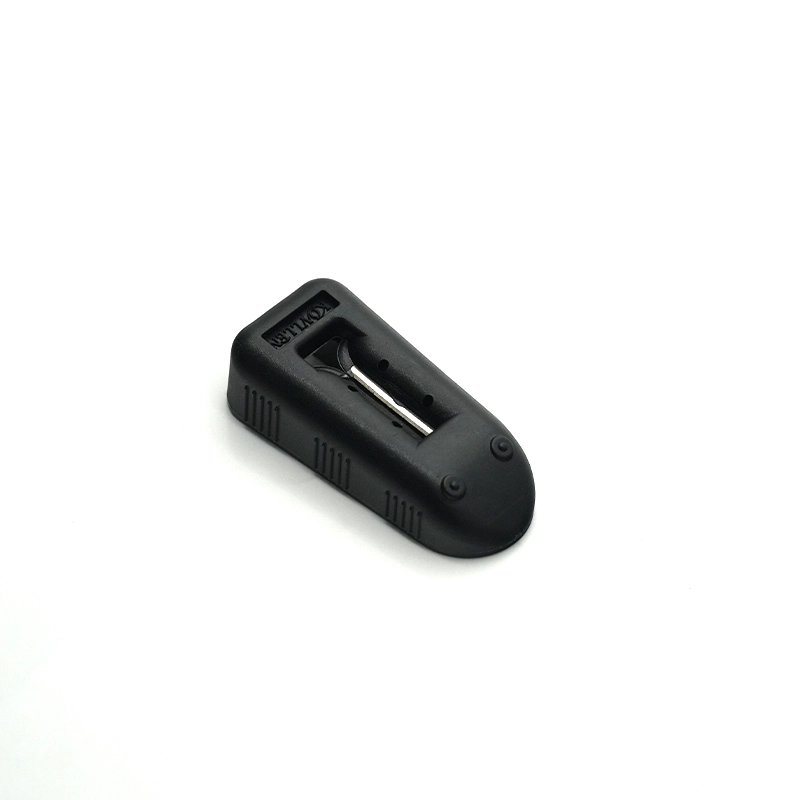
The plastic plug manufactured by Insert molding with stainless steel plate
Bost’s Insert-Molded Stainless Steel Plate Plastic Plug offers superior durability and corrosion resistance. This stainless steel insert durable plastic plug ensures a secure fit and long-lasting performance, ideal for industrial and commercial applications. Robust design meets quality standards.
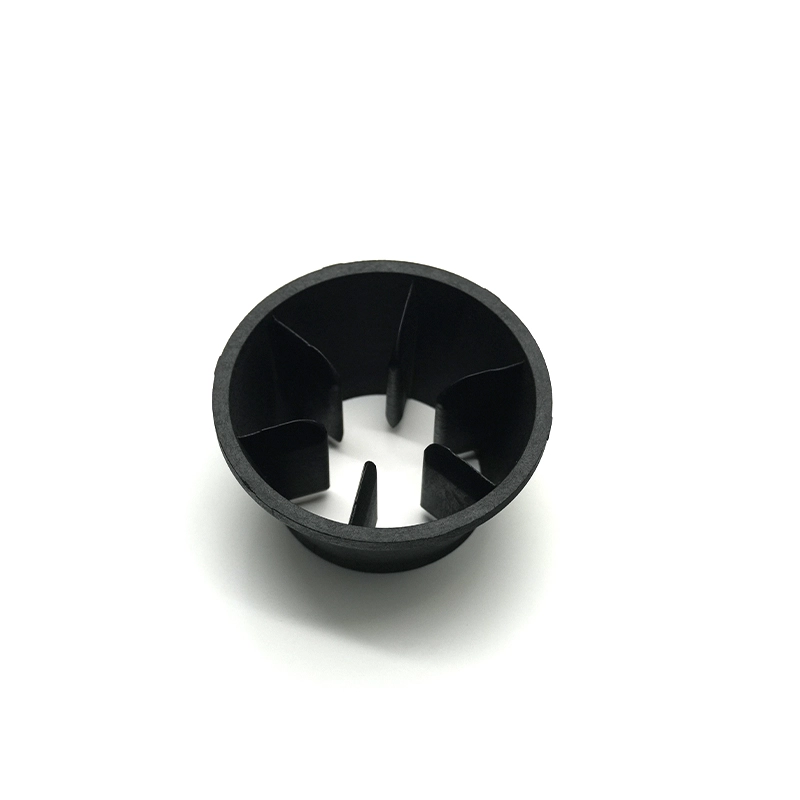
The Bost custom PPO flow valve by injection molding
The BOST Custom PPO Injection-Molded Flow Valve delivers high-temp and corrosion-resistant performance for industrial flow control. Precision-engineered by Bost, this custom PPO valve ensures durable, reliable operation in demanding environments. Optimize your process with BOST’s advanced injection-molded solution.
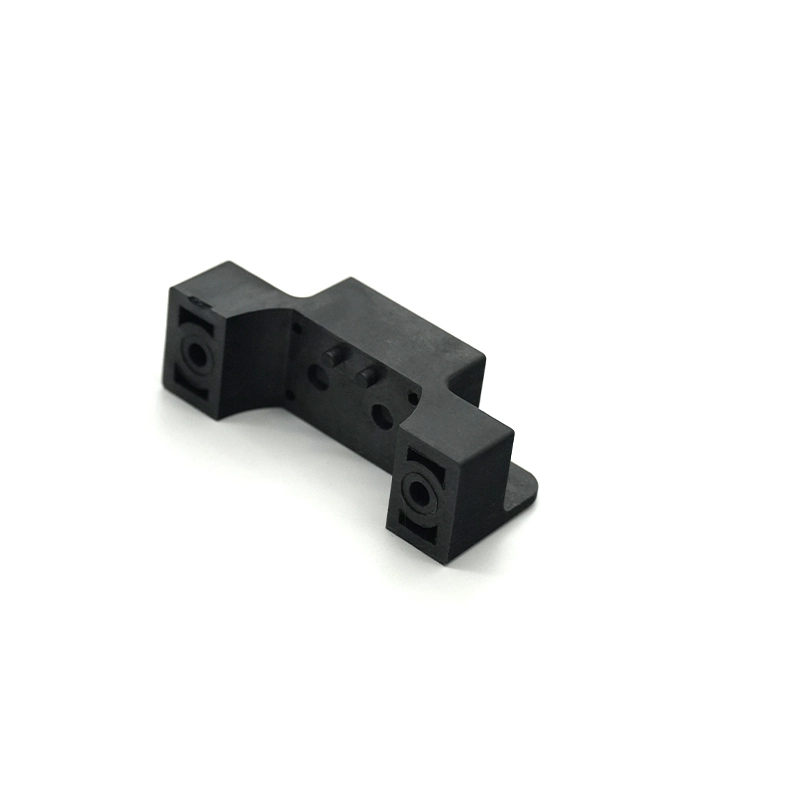
The Bost custom plastic handle by injection molding with high performance PPS material
BOST Custom PPS Injection-Molded Wear-Resistant Handle delivers superior durability and high performance. Made from High Quality PPS material, this injection-molded handle ensures exceptional wear resistance, ideal for demanding applications and long-lasting use. Choose BOST for quality and reliability.
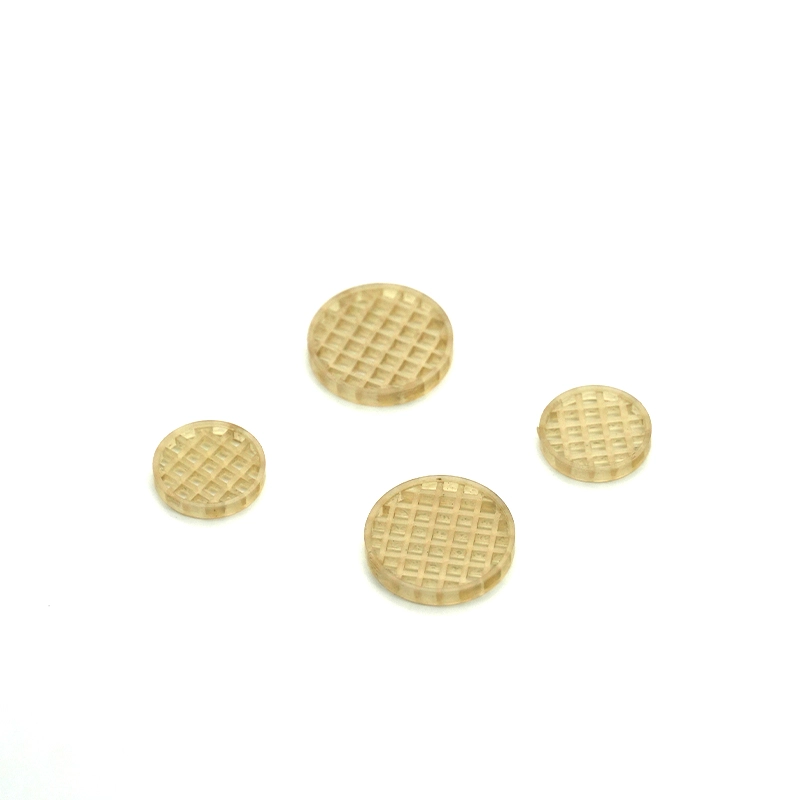
The Bost custom flow meter by injection molding with PES plastic
The Bost Custom PES Injection-Molded Flow Meter offers high-temperature and corrosion resistance, ideal for industrial use. Made with durable PES plastic via precision injection molding, this flow meter ensures reliable, customized performance for demanding applications. Trust Bost for quality and innovation.
Get in touch with Bost
Have any questions or concerns about our products? Please leave us a message here, and our team will get back to you promptly.

24 hours quotes delivered
Submit CAD files, get quote in 24 hours

No MOQ required
From prototyping to high-volume

±0.02 mm Precision
Advanced CNC with full inspections

1,000+ tons in stock
26 materials ready to ship
© 2026 BOST. All Rights Reserved.