 Scan QR Code
Send My Request
Selecting Plastic Connectors for Weatherproof Enclosures
Sunday, 02/8/2026
A practical guide to selecting plastic connectors for weatherproof enclosures, focused on UV stability, IP ratings, material trade-offs, installation best practices, and why the Bost Black UV-Resistant ABS Outdoor Connector is a strong choice for long-lasting outdoor installations.
- Material and Design Fundamentals for Reliable Plastic Connectors
- Why material selection matters
- Common plastics used in connectors and trade-offs
- Design features that increase durability
- Meeting Weatherproofing Standards and Environmental Requirements
- Understanding IP ratings and what they mean for connectors
- UV exposure, temperature cycling, and chemical attack
- Standards and test protocols to require from suppliers
- Installation, Compatibility, and Long-Term Maintenance
- Compatibility with cables, glands, and mounting hardware
- Installation best practices to maintain weatherproofing
- Maintenance and replacement planning
- Practical Selection Checklist and Use Cases
- Step-by-step selection checklist
- Use-case examples
- Why the Bost Black UV-Resistant ABS Outdoor Connector is often the right choice
- FAQs
- Q: Are ABS connectors suitable for prolonged sun exposure?
- Q: What IP rating should I choose for outdoor connectors?
- Q: How often should I inspect connectors for maintenance?
- Q: Can I paint or coat plastic connectors for color matching?
- Q: Where can I find standardized testing information?
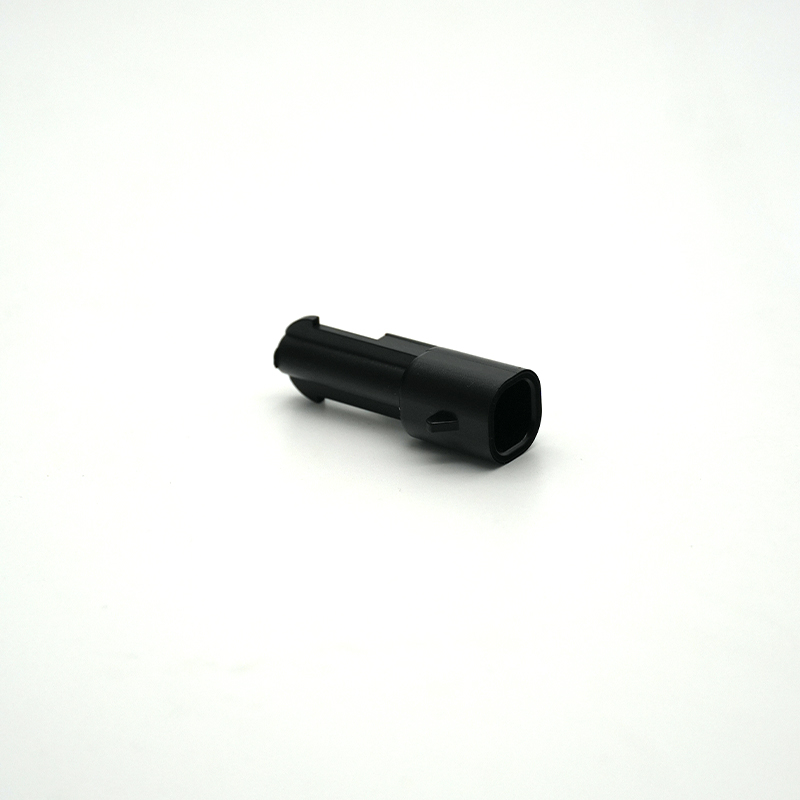
The right choice of plastic connectors is critical for creating durable, weatherproof enclosures that protect electronics and cabling in outdoor and harsh environments. This guide helps engineers, electricians, and specifiers select plastic connectors that meet IP ratings, resist UV degradation, and provide long-term reliability. It highlights the advantages of the Bost Black UV-Resistant ABS Outdoor Connector — a precision, high-quality Black and UV resistant ABS plastic connector designed for outdoor, long-lasting installations.
Material and Design Fundamentals for Reliable Plastic Connectors
Why material selection matters
Material determines a connector's mechanical strength, UV stability, chemical resistance, and thermal behavior. For outdoor enclosures, plastics must balance impact resistance, dimensional stability across temperature changes, and long-term resistance to sunlight. Acrylonitrile butadiene styrene (ABS) is commonly used for its toughness and ease of molding, but not all ABS formulations are equally UV-stable. The Bost Black UV-Resistant ABS Outdoor Connector uses a UV-stabilized ABS blend for prolonged outdoor performance. For more background on ABS material properties, see the ABS overview.
Common plastics used in connectors and trade-offs
Choosing between ABS, polycarbonate, nylon (PA), and PVC depends on the application:
| Material | UV Resistance | Impact/Toughness | Temp Range (approx) | Typical Use |
|---|---|---|---|---|
| ABS (UV-stabilized) | Moderate–High (with additives) | Good | -20°C to 80°C | Outdoor housings, connectors, cost-effective parts |
| Polycarbonate (PC) | Good (with stabilization) | Very high | -40°C to 120°C | High-impact applications, clear parts |
| Nylon (PA) | Poor–Moderate | High (flexible) | -40°C to 100°C | Cable glands, mechanical parts, wear areas |
| PVC | Fair | Moderate | -10°C to 60°C | Economical conduits, non-structural fittings |
This table demonstrates typical properties; verify specific grades and test data with suppliers before final selection.
Design features that increase durability
Good connector design reduces water ingress and mechanical failure. Look for integrated sealing seats for O-rings or gaskets, rounded edges to reduce stress concentration, reinforcement ribs for screw threads, and UV-stable pigmenting to prevent surface cracking and discoloration. The Bost Black UV-Resistant ABS Outdoor Connector combines precision molding and integrated sealing geometry to improve long-term weather performance.
Meeting Weatherproofing Standards and Environmental Requirements
Understanding IP ratings and what they mean for connectors
Ingress Protection (IP) ratings describe protection against solids and liquids. For outdoor enclosures, IP65 (dust tight and water jets) is a common minimum; IP66–IP68 are often required for harsher conditions like heavy spray or temporary immersion. For a quick primer on the IP Code, see the IP Code overview. When specifying connectors, ensure both the connector and the enclosure reach the target IP rating together — poor installation or mismatched sealing surfaces are common failure points.
UV exposure, temperature cycling, and chemical attack
Long-term UV exposure causes chain scission and surface embrittlement in many plastics. UV additives, carbon black pigmentation, and stabilizers extend outdoor life. Temperature cycling (freeze/thaw and heat) can accelerate gasket fatigue and thread wear. If enclosures are exposed to road salts, solvents, or cleaning chemicals, ensure the selected plastic and elastomeric seals are chemically compatible. Industry resources such as PlasticsEurope provide broader context on polymer environmental behavior: PlasticsEurope.
Standards and test protocols to require from suppliers
Ask manufacturers for test reports for UV weathering (e.g., ASTM G154 or ISO 4892), IP ingress testing (IEC/EN 60529), salt spray or corrosion testing for metal-plastic hybrids, and temperature cycling. For enclosure-level guidance and standards, you can reference IEC documents and IEC’s work on ingress protection and enclosure testing: IEC. Requiring these test results supports E-E-A-T by using verifiable, standard protocols.
Installation, Compatibility, and Long-Term Maintenance
Compatibility with cables, glands, and mounting hardware
Ensure the connector’s thread type, flange dimensions, and cable entry size match the enclosure and cable harness. For example, metric vs. PG threads and panel cutout tolerances affect sealing. Consider cable bending radius and strain relief: a durable connector design will include integrated strain relief options or mates cleanly with standard cable glands.
Installation best practices to maintain weatherproofing
Common installation errors cause failures even when components are rated. Best practices include:
- Surface prep: clean and flat mounting surfaces for gaskets.
- Torque control: use correct torque on threaded connectors to compress seals without deforming plastic.
- Sealant use: use compatible RTV or silicone only where recommended by the manufacturer.
- Periodic inspection: check for UV chalking, cracking, or gasket hardening.
These steps preserve IP performance over the installation lifetime.
Maintenance and replacement planning
Even UV-stable plastics eventually degrade. Plan for scheduled inspections and replace wear items (gaskets, O-rings) as part of preventive maintenance. Keep a parts list for the enclosure to speed repairs: connector model numbers, thread and seal dimensions, and approved spare gasket materials. For long-term asset management, track failures by environmental exposure (coastal, high-UV) and adjust material selections accordingly.
Practical Selection Checklist and Use Cases
Step-by-step selection checklist
Use this checklist to evaluate candidate plastic connectors:
- Define environmental profile: UV index, temperature extremes, salt/chemicals, mechanical impact risks.
- Set target IP rating for enclosure and connector (e.g., IP66 or IP68).
- Choose material: UV-stabilized ABS, PC, or other as required.
- Confirm mechanical compatibility: thread type, panel cutout, cable sizes.
- Request test data: UV weathering, ingress testing, mechanical cycles.
- Plan installation: torque specs, sealing method, strain relief.
- Define maintenance intervals and spare parts strategy.
Use-case examples
Example 1 — Outdoor signage: requires durable, low-cost connectors with good UV resistance and IP65 protection. UV-stabilized ABS connectors like the Bost Black UV-Resistant ABS Outdoor Connector are ideal.
Example 2 — Coastal telemetry cabinets: require high chemical and salt spray resistance; consider polycarbonate or specially formulated ABS with additional corrosion management, and use stainless-steel hardware where metal is required.
Example 3 — Temporary immersion (sump sensors): choose connectors and enclosures rated to IP68 and validated for immersion cycles.
Why the Bost Black UV-Resistant ABS Outdoor Connector is often the right choice
The Bost Black UV-Resistant ABS Outdoor Connector is specifically formulated and molded to address typical failure modes in outdoor installations. Key benefits:
- UV-stabilized ABS reduces surface degradation and maintains mechanical integrity under sunlight exposure.
- Precision molding ensures consistent seals and fit to meet ingress protection requirements.
- Designed for common cable sizes and includes geometry for easy strain relief and gasket seating.
Product overview: The Bost Black UV-Resistant ABS Outdoor Connector offers superior weather resistance and durability. Made from high-quality ABS plastic, this precision connector ensures reliable performance in harsh outdoor conditions, making it ideal for long-lasting, weatherproof installations.
FAQs
Q: Are ABS connectors suitable for prolonged sun exposure?
A: Standard ABS is susceptible to UV degradation, but UV-stabilized grades and carbon-black pigmentation significantly extend service life. The Bost Black UV-Resistant ABS Outdoor Connector uses UV-stabilized ABS formulated for outdoor use.
Q: What IP rating should I choose for outdoor connectors?
A: For general outdoor use where water spray is likely, specify at least IP65. For heavy wash-downs, storms, or temporary immersion, select IP66–IP68. Verify the entire assembled enclosure reaches the rating, not just the connector. See the IP Code summary: IP Code overview.
Q: How often should I inspect connectors for maintenance?
A: Inspect annually in mild environments. In high-UV, coastal, or high-traffic areas, inspect semi-annually. Replace gaskets or connectors if you see cracking, deformation, or loss of elasticity.
Q: Can I paint or coat plastic connectors for color matching?
A: Painting plastics requires proper surface preparation and primers designed for the polymer. Coatings can hide UV-stabilizing pigments and may alter performance — consult the connector manufacturer before coating. Where cosmetic color is needed, request factory pigmented parts.
Q: Where can I find standardized testing information?
A: Request supplier test reports referencing standards such as IEC/EN 60529 for ingress protection and ASTM or ISO methods for UV/weathering (e.g., ASTM G154, ISO 4892). For plastics industry context, see PlasticsEurope and the IEC website.
If you'd like to evaluate the Bost Black UV-Resistant ABS Outdoor Connector for your project, contact our technical sales team to request datasheets, test reports, and sample parts. View the product page or reach out for a quote and support in specifying the right plastic connectors for your weatherproof enclosures.
Contact us: For product datasheets, sample requests, or technical support, email our sales team or view the product page.
Tags
china plastic spur gears
china plastic spur gears
Plastic Screw
Plastic Screw
injection molding parts
injection molding parts
ABS material plastic cover
ABS material plastic cover
Low temperature & chemical resistance
Low temperature & chemical resistance
NBR material seal
NBR material seal
Recommended for you
Supply Chain Strategies for Reliable Engineered Plastic Components
Load and Wear: PE Plastic Bushes Performance Guide
Design Guidelines for Insert Molding in Engineering Plastics: Practical Steps for Reliable Parts
Evaluating Suppliers of Engineered Plastic Components for Quality
Prdoucts Categories
Question you may concern
FAQs
What is the delivery lead time? Do you offer global logistics?
Standard products: 5–15 working days; custom modifications: 2–4 weeks. We support global air/sea freight and provide export customs clearance documents (including REACH/UL certifications).
What are the core advantages of Bost engineering plastics compared to ordinary plastics?
Bost engineering plastics feature ultra-high mechanical strength, high-temperature resistance (-50°C to 300°C), chemical corrosion resistance, and wear resistance. Compared to ordinary plastics, their service life is extended by 3 to 8 times, making them suitable for replacing metals in harsh environments.
What is the minimum order quantity (MOQ)? Do you support small-batch trial production?
The MOQ for standard products is ≥100kg. We support small-batch trial production (as low as 20kg) and provide mold testing reports and performance data feedback.
How do I select the appropriate engineering plastic grade for my product?
Selection should be based on parameters such as load conditions (e.g., pressure/friction), temperature range, medium contact (e.g., oil/acid), and regulatory requirements (e.g., FDA/RoHS). Our engineers can provide free material selection consulting and sample testing.
Can Bost customize modified plastics with special properties?
Yes! We offer modification services such as reinforcement, flame retardancy, conductivity, wear resistance, and UV resistance, for example:
• Adding carbon fiber to enhance stiffness
• Reducing the coefficient of friction through PTFE modification
• Customizing food-grade or medical-grade certified materials
You may also like
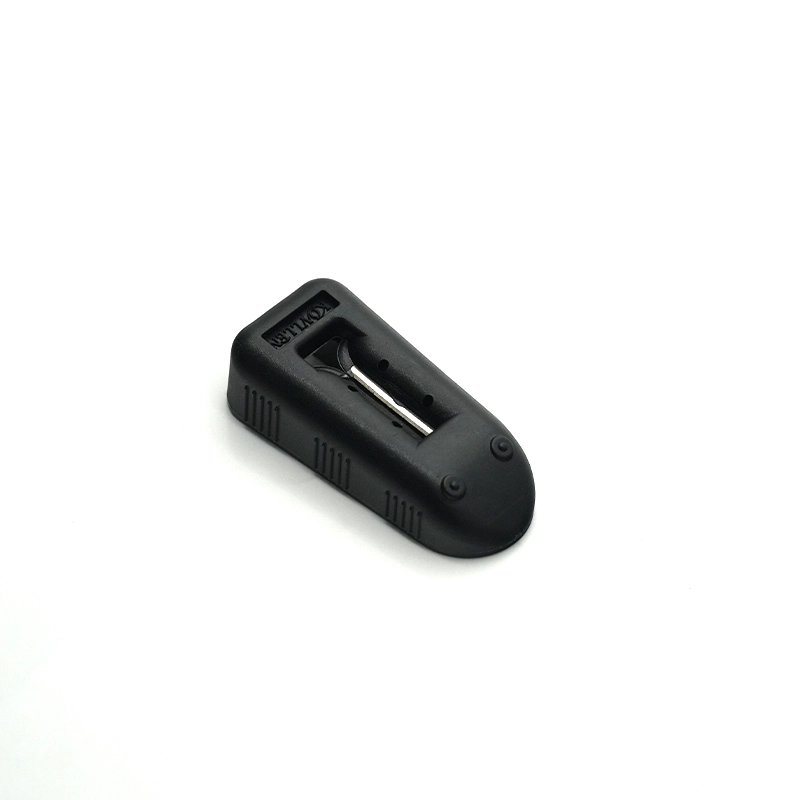
The plastic plug manufactured by Insert molding with stainless steel plate
Bost’s Insert-Molded Stainless Steel Plate Plastic Plug offers superior durability and corrosion resistance. This stainless steel insert durable plastic plug ensures a secure fit and long-lasting performance, ideal for industrial and commercial applications. Robust design meets quality standards.
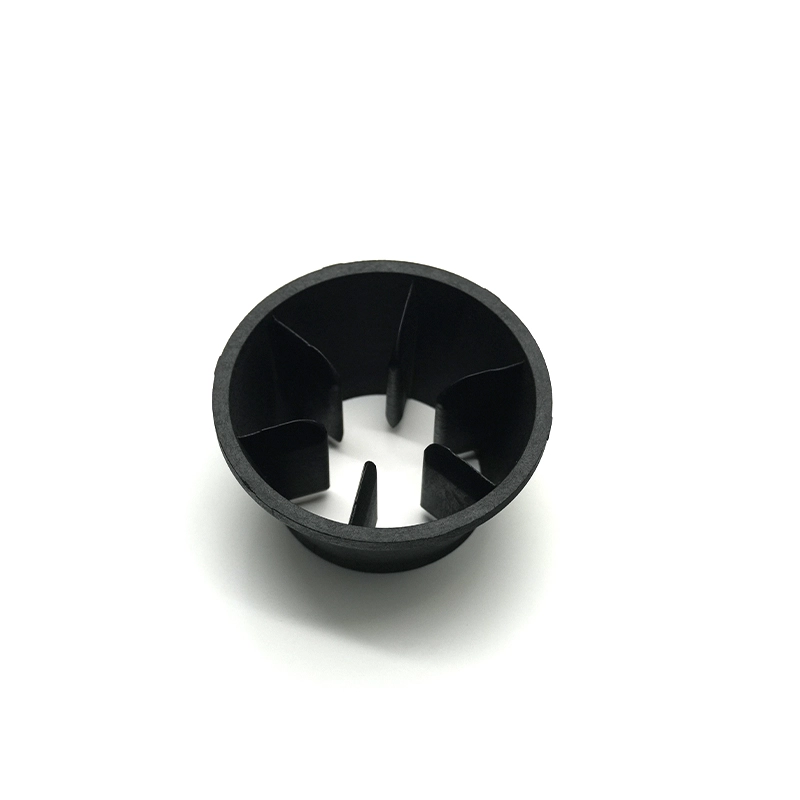
The Bost custom PPO flow valve by injection molding
The BOST Custom PPO Injection-Molded Flow Valve delivers high-temp and corrosion-resistant performance for industrial flow control. Precision-engineered by Bost, this custom PPO valve ensures durable, reliable operation in demanding environments. Optimize your process with BOST’s advanced injection-molded solution.
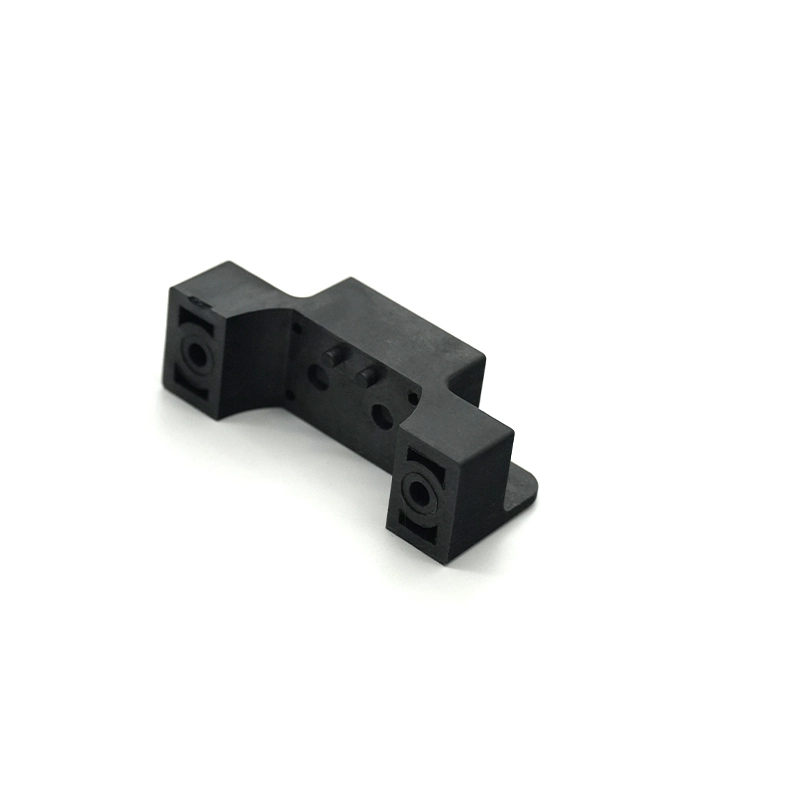
The Bost custom plastic handle by injection molding with high performance PPS material
BOST Custom PPS Injection-Molded Wear-Resistant Handle delivers superior durability and high performance. Made from High Quality PPS material, this injection-molded handle ensures exceptional wear resistance, ideal for demanding applications and long-lasting use. Choose BOST for quality and reliability.
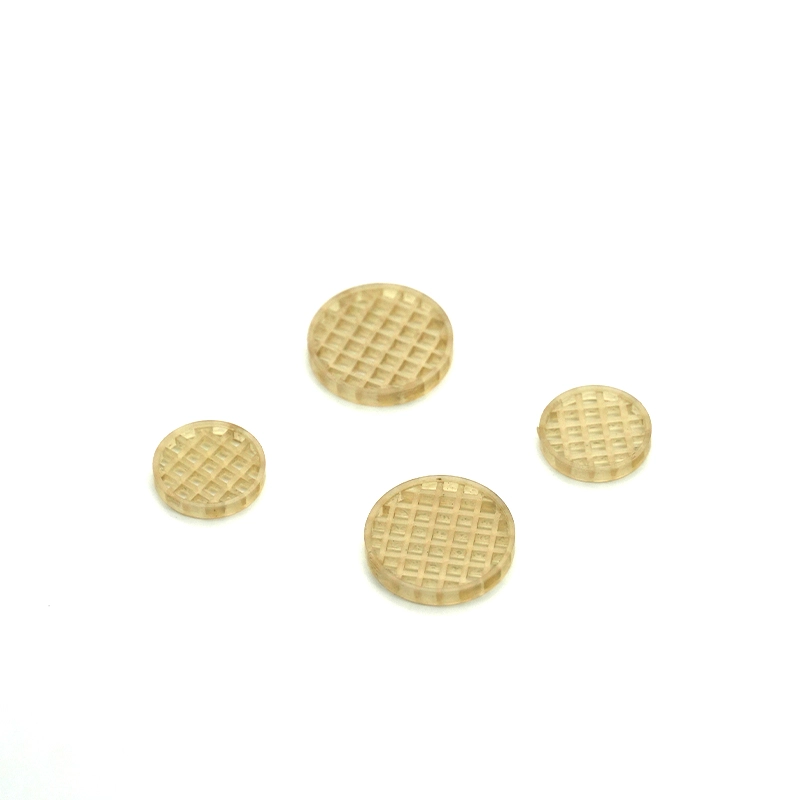
The Bost custom flow meter by injection molding with PES plastic
The Bost Custom PES Injection-Molded Flow Meter offers high-temperature and corrosion resistance, ideal for industrial use. Made with durable PES plastic via precision injection molding, this flow meter ensures reliable, customized performance for demanding applications. Trust Bost for quality and innovation.
Get in touch with Bost
Have any questions or concerns about our products? Please leave us a message here, and our team will get back to you promptly.

24 hours quotes delivered
Submit CAD files, get quote in 24 hours

No MOQ required
From prototyping to high-volume

±0.02 mm Precision
Advanced CNC with full inspections

1,000+ tons in stock
26 materials ready to ship
© 2026 BOST. All Rights Reserved.