
 Scan QR Code
Send My Request
Quality Inspection Checklist for ABS Plastic Connectors
Friday, 01/23/2026
A practical, standards‑based quality inspection checklist for Black and UV-Resistant ABS plastic connectors used in outdoor engineering plastics applications. Covers visual, dimensional, mechanical, environmental and packaging checks, sampling plans, acceptable criteria and testing references to ensure durable, weatherproof installations worldwide.
- Material and Visual Inspection: ensuring base-material integrity
- 1. Verify material identification and certification
- 2. Visual examination and surface quality
- 3. Color, finish and pigmentation check
- Dimensional and Functional Checks: fit, form and function
- 1. Dimensional tolerances and critical features
- 2. Mechanical fit and assembly testing
- 3. Threaded and sealing features
- Mechanical and Environmental Performance: tests for outdoor durability
- 1. Impact resistance and tensile properties
- 2. UV and weathering resistance
- 3. Thermal and cold performance
- Acceptance Criteria, Sampling and Documentation
- 1. Sampling plans and AQL
- 2. Test record templates and traceability
- 3. Packaging, labeling and shipping inspection
- Practical Checklist: step-by-step inspection flow
- Comparison table: common tests and acceptance benchmarks
- Failure modes, corrective actions and continuous improvement
- 1. Common failure modes and root causes
- 2. Corrective actions and supplier controls
- 3. Feedback loop and design adjustments
- Brand advantages and why choose the Bost Black UV-Resistant ABS Outdoor Connector
- Relevant standards and authoritative references
- FAQ — Frequently Asked Questions
- Q1: Is ABS suitable for outdoor connector applications?
- Q2: What tests prove the connector is UV resistant?
- Q3: What sampling plan should I use for incoming inspection?
- Q4: How do I handle a batch that fails inspection?
- Q5: Can the connector withstand temperature extremes?
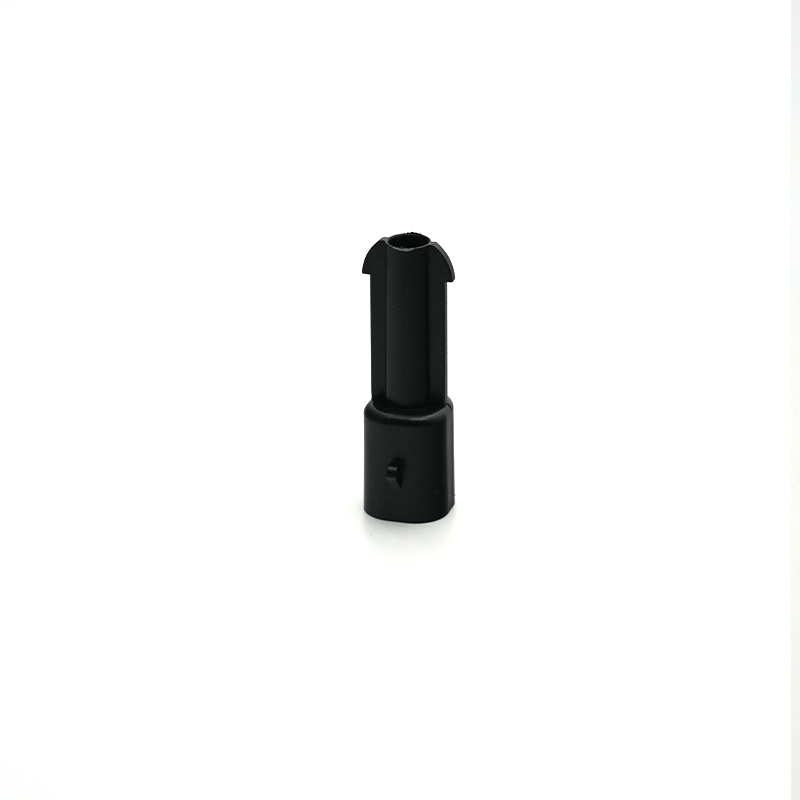
The Black and UV-Resistant ABS Outdoor Connector delivers reliable, weatherproof performance for outdoor electrical and mechanical installations across varied climates (temperate, tropical, arid, maritime). This guide—designed for manufacturers, QA/QC inspectors, procurement specialists and installers—provides a practical quality inspection checklist aligned with engineering plastics best practice and international test references to ensure consistent performance, traceability and long service life. Quality control processes are most effective when aligned with procurement planning, where supply chain tips for procuring black UV-resistant ABS connectors help ensure continuity and consistency.
Material and Visual Inspection: ensuring base-material integrity
1. Verify material identification and certification
Begin every inspection by confirming the connector is manufactured from ABS (Acrylonitrile Butadiene Styrene) specified for outdoor use. Request and review the material certificate (mill certification) and UV‑stabilizer additive documentation. ABS properties are documented in authoritative sources such as Wikipedia (ABS overview) and industry organizations like PlasticsEurope. Certificates should include resin grade, batch number, and any flame retardant or UV stabilizer concentrations.
2. Visual examination and surface quality
Inspect each connector for surface defects that could compromise weather resistance: cracks, sink marks, flow lines, flash, discoloration, and voids. For black UV-resistant parts, look for uniform color and absence of chalking or streaking. Use consistent lighting and magnification (10–20x) for small features. Record defects and categorize by severity (critical/major/minor) to support release decisions.
3. Color, finish and pigmentation check
Black UV-resistant ABS often contains carbon black or specialized pigments for UV protection. Confirm pigment type and concentration on material certificates and perform a visual color consistency test across lots. For critical projects, a colorimeter can measure ∆E tolerance against an approved standard sample; typical ∆E tolerance can be ≤2 for high-quality exterior parts.
Dimensional and Functional Checks: fit, form and function
1. Dimensional tolerances and critical features
Measure critical dimensions (mating surfaces, hole diameters, snap-fit features) using calipers, micrometers, or CMM for high-volume acceptance. Compare results against engineering drawings and GD&T tolerances. For typical ABS connectors, common tolerances might be ±0.2 mm for critical features and ±0.5 mm for less-critical features — adapt to design requirements. Record SPC (statistical process control) charts for ongoing production runs.
2. Mechanical fit and assembly testing
Check assembly fit with mating parts to ensure easy installation without excessive play. Conduct functional trials of any locking or snap-fit features over multiple cycles (e.g., 100–500 cycles) to assess wear and retention force. Measure insertion and removal forces using a force gauge and compare against design targets.
3. Threaded and sealing features
For connectors with threads or sealing geometries, verify thread form, pitch, and engagement lengths. Inspect sealing surfaces for scratches and dimensional integrity. If gaskets or O-rings are specified, ensure material compatibility and correct installation orientation.
Mechanical and Environmental Performance: tests for outdoor durability
1. Impact resistance and tensile properties
ABS formulations differ in toughness. Perform impact tests (e.g., Charpy or Izod, depending on design) and basic tensile checks to confirm that mechanical properties meet specification. If the part will be subject to mechanical shock or frequent handling, ensure impact strength and elongation values are within acceptable ranges for the engineering plastics grade used.
2. UV and weathering resistance
UV resistance is critical for outdoor connectors. Confirm manufacturer’s UV-stabilizer claims and consider accelerated weathering tests such as ASTM accelerated weathering standards (e.g., ASTM D4329 / D4587 family) or ISO 4892 protocols. Evaluate surface degradation, color change, gloss loss, and mechanical retention after a defined exposure period. Where possible, request comparative data vs. non-stabilized ABS to quantify improvements.
3. Thermal and cold performance
Test parts at temperature extremes expected in service. Typical checks include dimensional stability at high temperatures, brittleness at low temperatures, and repeated thermal cycling to examine fatigue. For many outdoor applications, ensure the connector maintains function between -40°C to +80°C (adjust to project needs).
Acceptance Criteria, Sampling and Documentation
1. Sampling plans and AQL
Use statistically valid sampling plans (e.g., ANSI/ASQ Z1.4 or ISO 2859) to balance inspection cost and risk. Define Acceptable Quality Levels (AQL) per defect class: critical defects (safety or functionality) should be zero tolerance, major defects AQL 0.65–1.5, and minor defects AQL 4.0–6.5 depending on customer risk tolerance.
2. Test record templates and traceability
Maintain records for material certificates, dimensional reports, environmental test results, batch numbers, and inspection sign-offs. Include photographs of failures and non-conformances. Traceability is essential for warranty claims and continuous improvement.
3. Packaging, labeling and shipping inspection
Inspect packaging for protection against UV exposure and mechanical damage during transit. Verify correct product labeling, part numbers, lot codes, and handling instructions. For long-term outdoor projects, advise protective inner packaging to reduce abrasion and edge damage. Confirm that packaging materials meet any recycling or regulatory requirements in target markets.
Practical Checklist: step-by-step inspection flow
Use the following checklist as an inspection template. Each entry should be recorded with pass/fail, measured value where applicable, inspector initials, and date.
- Document review: material certificates, UV additive data, batch numbers — PASS/FAIL
- Visual inspection: surface defects, uniform color, flash removal — PASS/FAIL
- Dimensional checks: critical dimensions per drawing — measured values & tolerance status
- Functional fit: mating assembly trial & insertion/removal force
- Mechanical tests: impact, tensile where required — provide results
- Environmental tests: accelerated UV/weathering results review — PASS/FAIL
- Thermal checks: low/high temperature functional tests — PASS/FAIL
- Sampling and AQL confirmation: inspection lot size & AQL used
- Packaging & labeling: physical & regulatory compliance
- Traceability: batch codes, test records filed
Comparison table: common tests and acceptance benchmarks
| Test | Typical Method | Benchmark / Acceptance |
|---|---|---|
| Material ID | Certificate review & FTIR spot check | Matches specified ABS grade and batch traceability |
| Dimensional accuracy | Calipers / CMM | Within drawing tolerances (example: ±0.2 mm critical) |
| Impact resistance | Charpy/Izod | Meets design spec; no brittle failure at low temp |
| UV/weathering | ASTM/ISO accelerated weathering | Acceptable color change (∆E ≤3) and mechanical retention ≥85% |
| Fit/function | Assembly trials, force gauge | Mating fit within functional tolerances; locking retention OK |
Failure modes, corrective actions and continuous improvement
1. Common failure modes and root causes
Typical failures for ABS outdoor connectors include UV-induced surface embrittlement, sink marks causing sealing issues, dimensional drift from molding process changes, and pigment incompatibility leading to color fade. Root cause analysis should consider material batch changes, molding parameter shifts, or inadequate UV stabilization levels.
2. Corrective actions and supplier controls
When failures occur, immediate actions should include stopping affected lots, quarantining stock, and initiating a corrective action request (CAR) with the supplier. Implement tighter incoming inspection criteria, require additional UV-stability testing, or mandate new process controls such as mold temperature stabilization or changed injection profiles.
3. Feedback loop and design adjustments
Use inspection data to inform product design iterations. If repeated weathering issues occur, consider alternative engineering plastics grades (e.g., ASA for superior UV resistance vs. standard ABS) or integrate protective coatings. Collaboration between design, materials engineering and QA ensures that field performance and inspection data drive continuous improvement.
Brand advantages and why choose the Bost Black UV-Resistant ABS Outdoor Connector
The Bost Black UV-Resistant ABS Outdoor Connector is engineered for long service life in outdoor environments. Key advantages include:
- Formulated ABS with UV stabilizers and carbon black pigment for enhanced UV protection and color stability.
- Precision molding with strict dimensional control for consistent mating and sealing performance.
- Comprehensive documentation and traceability: mill certificates, batch trace, and test reports provided per shipment.
- Designed specifically for engineering plastics applications requiring weatherproof, durable, and maintenance‑free connectors.
For buyers, these advantages translate to fewer field failures, reduced maintenance, and predictable lifecycle costs. Bost’s production follows recognized industry testing practices and can supply accelerated weathering data aligned with ASTM and ISO protocols on request.
Relevant standards and authoritative references
To substantiate acceptance criteria and test methods, reference the following industry standards and resources:
- ABS material overview: Wikipedia - Acrylonitrile butadiene styrene
- Plastics industry guidance: PlasticsEurope
- Testing standards and methods: ASTM International and ISO
FAQ — Frequently Asked Questions
Q1: Is ABS suitable for outdoor connector applications?
A1: Standard ABS has limited UV resistance; however, the Bost Black UV-Resistant ABS Outdoor Connector uses UV stabilizers and carbon black pigmentation to improve outdoor performance. For extreme UV exposure over many years, alternative engineering plastics such as ASA or specially formulated ABS grades may be considered.
Q2: What tests prove the connector is UV resistant?
A2: Accelerated weathering tests per ASTM D4329 or ISO 4892 simulate UV exposure and provide metrics on color change, gloss loss and mechanical retention. Review the supplier’s test reports and compare to project acceptance criteria.
Q3: What sampling plan should I use for incoming inspection?
A3: Use established sampling standards such as ANSI/ASQ Z1.4 or ISO 2859. Define AQLs per defect severity: critical defects at zero tolerance, majors between 0.65–1.5 depending on risk, and minors higher. Adjust sampling frequency based on supplier performance.
Q4: How do I handle a batch that fails inspection?
A4: Quarantine the batch, document non-conformances, and issue a corrective action request to the supplier. Determine whether rework (e.g., removal of flash, reassembly) or rejection is appropriate based on the defect and functional impact.
Q5: Can the connector withstand temperature extremes?
A5: The Bost connector is specified for typical outdoor ranges (consult product datasheet). For applications outside -40°C to +80°C, request thermal cycling and low-temperature impact test data from the supplier and adjust material selection if necessary.
If you have further questions or require batch-specific test reports, contact our customer support or view the product page for detailed datasheets and ordering information.
Contact & Product: For datasheets, certified test reports or to place an order for the Bost Black UV-Resistant ABS Outdoor Connector, please view the product page or contact our sales team.
Tags
Tough Decorative Shell
Tough Decorative Shell
Wear-Resistant Shaft Protection
Wear-Resistant Shaft Protection
plastic pulley wheel
plastic pulley wheel
custom plastic injection molding
custom plastic injection molding
Tough & Tight-Bonded Components
Tough & Tight-Bonded Components
custom plastic injection molding manufacturer
custom plastic injection molding manufacturer
Recommended for you
Procurement checklist for engineered plastic components
Engineering Plastics Material Selection for Injection Molding
How Injection Molding Improves PP Plastic Spacer Production
Common Injection Molding Defects and How to Fix Them
Prdoucts Categories
Question you may concern
FAQs
How do I select the appropriate engineering plastic grade for my product?
Selection should be based on parameters such as load conditions (e.g., pressure/friction), temperature range, medium contact (e.g., oil/acid), and regulatory requirements (e.g., FDA/RoHS). Our engineers can provide free material selection consulting and sample testing.
Can Bost customize modified plastics with special properties?
Yes! We offer modification services such as reinforcement, flame retardancy, conductivity, wear resistance, and UV resistance, for example:
• Adding carbon fiber to enhance stiffness
• Reducing the coefficient of friction through PTFE modification
• Customizing food-grade or medical-grade certified materials
What are the core advantages of Bost engineering plastics compared to ordinary plastics?
Bost engineering plastics feature ultra-high mechanical strength, high-temperature resistance (-50°C to 300°C), chemical corrosion resistance, and wear resistance. Compared to ordinary plastics, their service life is extended by 3 to 8 times, making them suitable for replacing metals in harsh environments.
What is the delivery lead time? Do you offer global logistics?
Standard products: 5–15 working days; custom modifications: 2–4 weeks. We support global air/sea freight and provide export customs clearance documents (including REACH/UL certifications).
What is the minimum order quantity (MOQ)? Do you support small-batch trial production?
The MOQ for standard products is ≥100kg. We support small-batch trial production (as low as 20kg) and provide mold testing reports and performance data feedback.
You may also like
The plastic plug manufactured by Insert molding with stainless steel plate
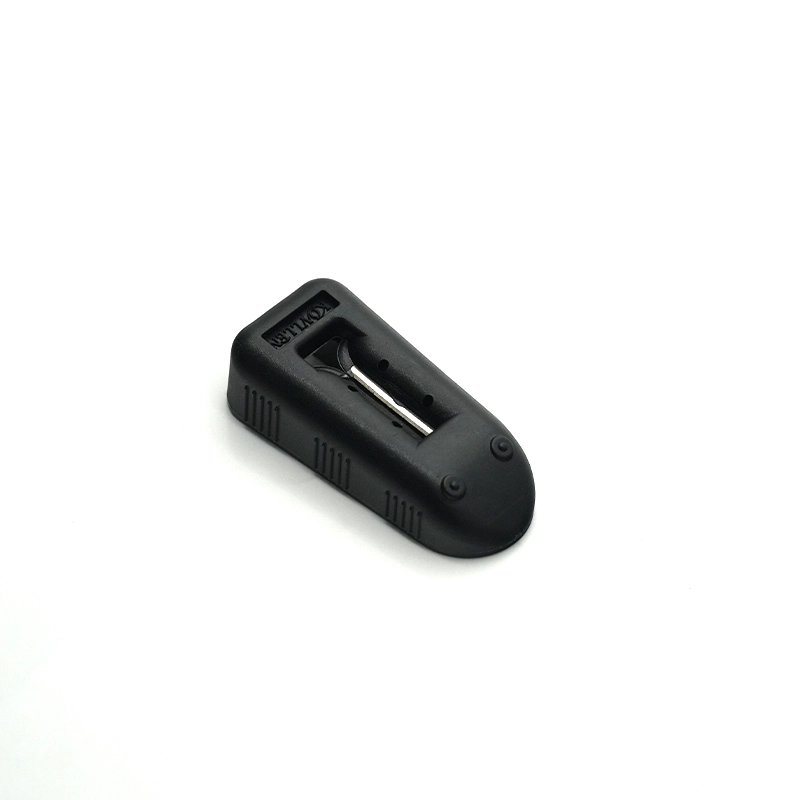
Bost’s Insert-Molded Stainless Steel Plate Plastic Plug offers superior durability and corrosion resistance. This stainless steel insert durable plastic plug ensures a secure fit and long-lasting performance, ideal for industrial and commercial applications. Robust design meets quality standards.
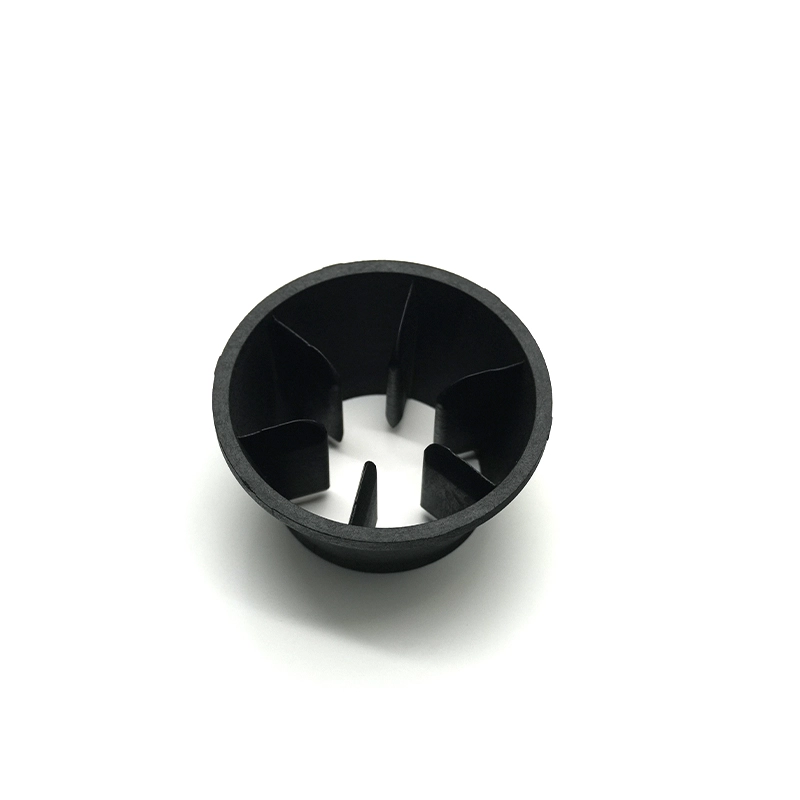
The Bost custom PPO flow valve by injection molding
The BOST Custom PPO Injection-Molded Flow Valve delivers high-temp and corrosion-resistant performance for industrial flow control. Precision-engineered by Bost, this custom PPO valve ensures durable, reliable operation in demanding environments. Optimize your process with BOST’s advanced injection-molded solution.
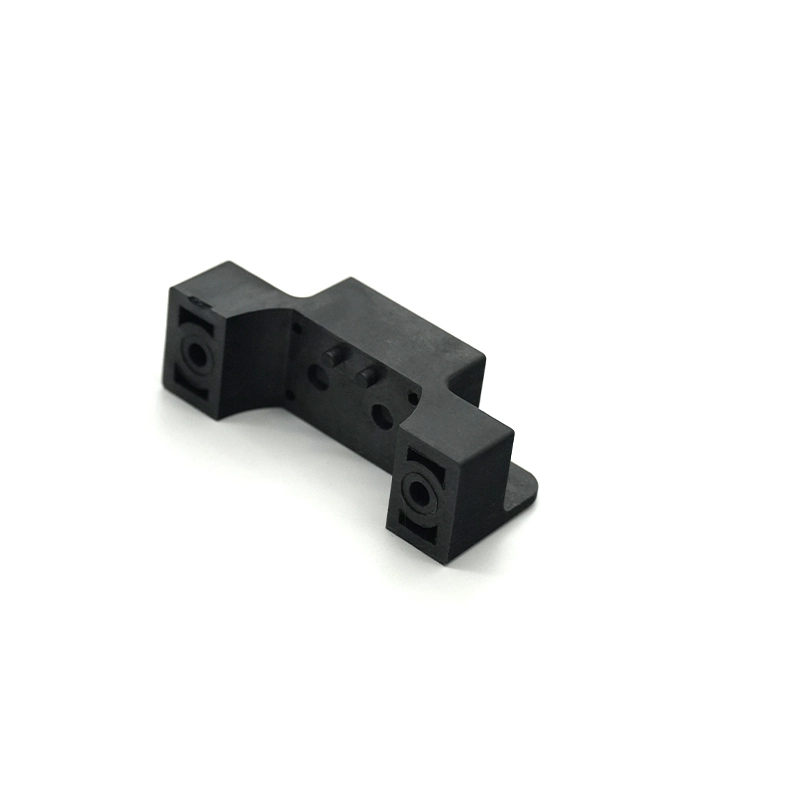
The Bost custom plastic handle by injection molding with high performance PPS material
BOST Custom PPS Injection-Molded Wear-Resistant Handle delivers superior durability and high performance. Made from High Quality PPS material, this injection-molded handle ensures exceptional wear resistance, ideal for demanding applications and long-lasting use. Choose BOST for quality and reliability.
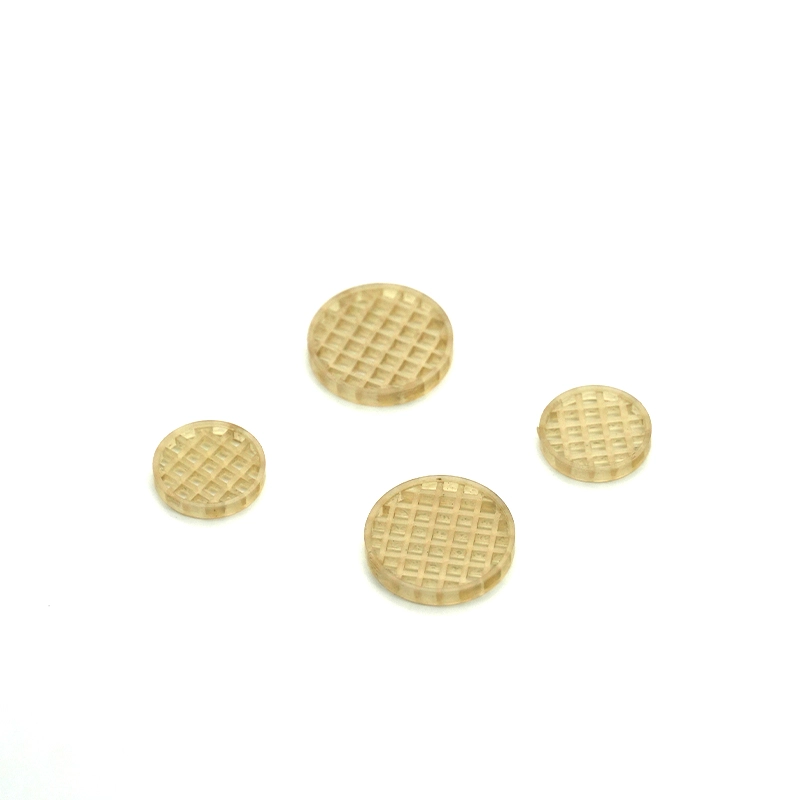
The Bost custom flow meter by injection molding with PES plastic
The Bost Custom PES Injection-Molded Flow Meter offers high-temperature and corrosion resistance, ideal for industrial use. Made with durable PES plastic via precision injection molding, this flow meter ensures reliable, customized performance for demanding applications. Trust Bost for quality and innovation.
Get in touch with Bost
Have any questions or concerns about our products? Please leave us a message here, and our team will get back to you promptly.

24 hours quotes delivered
Submit CAD files, get quote in 24 hours

No MOQ required
From prototyping to high-volume

±0.02 mm Precision
Advanced CNC with full inspections

1,000+ tons in stock
26 materials ready to ship
© 2026 BOST. All Rights Reserved.