 Scan QR Code
Send My Request
Spec Checklist for Black and UV Resistant ABS Connectors
Thursday, 02/5/2026
A focused, AI-GEO friendly overview of critical specifications for Black and UV-Resistant ABS plastic connectors used in outdoor electrical and mechanical installations, covering material choices, UV stabilization, mechanical and environmental testing, installation best practices, and compliance to industry standards.
- Essential Criteria for Weatherproof Outdoor Connectors
- Why material and color matter for outdoor longevity
- Primary use cases and functional requirements
- Risk-based selection: environment, exposure, and lifecycle
- Material and UV Performance Requirements
- ABS formulations and UV stabilization options
- Mechanical properties to specify
- Chemical, flame, and regulatory requirements
- Mechanical and Environmental Test Standards
- UV and accelerated weathering tests
- Ingress protection, sealing, and mechanical endurance
- Salt spray and corrosion for coastal use
- Installation, Documentation, and Long-Term Maintenance Considerations
- Installation tolerances and mechanical fit
- Traceability, marking, and part lifecycle management
- Maintenance, inspection intervals, and replacement criteria
- Specification Checklist and Comparative Data
- FAQ (Frequently Asked Questions)
- Q: How long will a black UV-resistant ABS connector last outdoors?
- Q: Is carbon black necessary for black connectors?
- Q: Can I use standard ABS parts painted black instead of UV-stabilized ABS?
- Q: What test reports should I request from a supplier?
- Q: Are there standard references to validate UV testing?
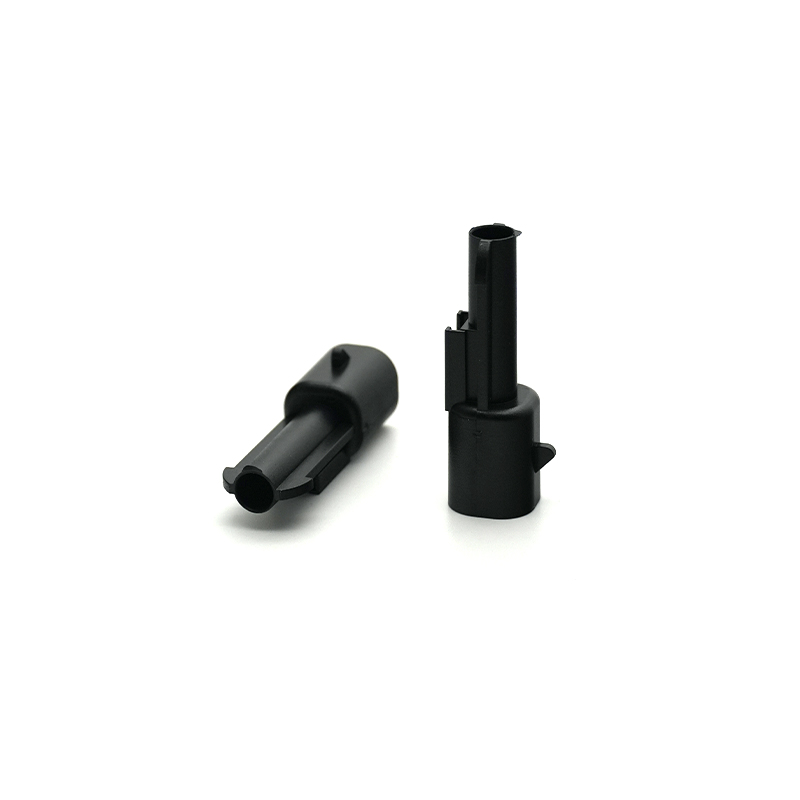
The Bost Black UV-Resistant ABS Outdoor Connector offers superior weather resistance and durability. Made from high-quality ABS plastic, this precision connector ensures reliable performance in harsh outdoor conditions, making it ideal for long-lasting, weatherproof installations. This article provides a practical, standards-aware spec checklist and selection guide for engineers, procurement specialists, and installers specifying black, UV-resistant ABS plastic connectors for outdoor applications.
Essential Criteria for Weatherproof Outdoor Connectors
Why material and color matter for outdoor longevity
Black and UV-resistant ABS plastic connectors combine the mechanical advantages of ABS with color and stabilizers that mitigate sun-induced degradation. UV radiation breaks polymer chains, causing discoloration, embrittlement, and loss of impact resistance over time. Choosing a connector that is specifically formulated for outdoor use — not just standard ABS colored black — reduces failures, maintenance costs, and safety risks in external installations. The term plastic connectors frequently appears in procurement specs; ensure it is qualified with material grade, UV protection, and test evidence to avoid underperforming parts.
Primary use cases and functional requirements
Outdoor ABS connectors are commonly used for sensor housings, outdoor lighting terminations, junction points for low-voltage systems, and protective couplings for cabling. Key functional requirements typically include weather resistance (IP/x), UV stability, mechanical impact resistance (IK rating where applicable), temperature range, electrical insulation properties, and chemical/contaminant resistance. Specifying these up front prevents costly redesigns and ensures the plastic connectors you buy match real-world exposure conditions.
Risk-based selection: environment, exposure, and lifecycle
Selection should be risk-based: assess direct sun exposure, latitude (UV index), salt spray near coasts, temperature extremes, and expected service life. For example, connectors in southern climates or rooftop installations need stronger UV packages and more aggressive testing than those in shaded temperate zones. Document expected lifecycle (5, 10, 15+ years) and require accelerated aging data to validate that lifecycle under simulated conditions.
Material and UV Performance Requirements
ABS formulations and UV stabilization options
ABS (Acrylonitrile Butadiene Styrene) offers good toughness and dimensional stability, but the butadiene phase is sensitive to UV. Effective approaches for UV resistance include incorporation of UV absorbers (e.g., benzotriazoles), hindered amine light stabilizers (HALS), and carbon black pigmentation. Carbon black is particularly effective for black parts because it absorbs harmful UV wavelengths and converts them to harmless heat, improving outdoor durability compared to organic black pigments. Guidance on the polymer properties of ABS is available from the ABS overview on Wikipedia: Acrylonitrile butadiene styrene (Wikipedia).
Mechanical properties to specify
Minimum mechanical properties to include in a spec: tensile strength, flexural strength, Izod impact resistance, and elongation at break at both room and elevated (and low) temperatures. Request data for aged samples after UV exposure to ensure retained toughness. Typical targets for an outdoor-rated UV-resistant ABS connector might be: tensile strength ≥ 30 MPa (as-molded), Izod impact ≥ 15 kJ/m2 unnotched, with at least 60–75% retention after defined accelerated UV exposure.
Chemical, flame, and regulatory requirements
Confirm compatibility with cleaners, lubricants, and environmental contaminants encountered in the field. Specify flame retardancy if required (e.g., UL 94 V-0/V-2 classification) and include regulatory compliance (RoHS, REACH). For UV testing protocols and norms to validate polymer lightfastness, reference international standards such as ISO 4892 series for plastics exposure tests: ISO 4892 — Plastics — Methods of exposure to laboratory light sources.
Mechanical and Environmental Test Standards
UV and accelerated weathering tests
Require documented accelerated weathering results such as QUV (ASTM G154 / ASTM G151) or xenon arc (ISO 4892-2) tests showing color change (ΔE), gloss loss, and mechanical property retention after specified hours (e.g., 1000, 2000, 3000 hours). If a numeric service life is requested, correlate accelerated hours to expected field years using established correlations for the target climate. When referencing test standards, use authoritative sources like ASTM and ISO; note that ASTM documentation is available through ASTM and ISO standards can be reviewed at ISO's site: ISO – International Organization for Standardization.
Ingress protection, sealing, and mechanical endurance
Specify an IP rating (e.g., IP67 for temporary submersion, IP65 for dust-tight and water jets) and require actual test reports. For mechanical endurance, include mating cycle counts for connectors with moving parts, torque values for threaded interfaces, and vibration/shock tests per IEC/EN where applicable. Many connector failures are due to seal degradation; specify seal materials (EPDM, silicone) and relevant compression set properties after aging.
Salt spray and corrosion for coastal use
If installations are near marine environments, require NSS (neutral salt spray) testing or cyclic corrosion testing and specify acceptable corrosion or failure criteria. Plastics themselves aren't corroded in the metallic sense but fillers, inserts, and embedded hardware can corrode; specify stainless steel grades (e.g., 316) or plated hardware with validated coatings to prevent galvanic or pitting corrosion. Industry associations like PlasticsEurope provide context on environmental performance of polymers: PlasticsEurope – Information about plastics.
Installation, Documentation, and Long-Term Maintenance Considerations
Installation tolerances and mechanical fit
Provide detailed mechanical drawings with tolerances, recommended mounting hardware, thread engagement depths, and gasket compression ranges. For injection-molded ABS connectors, allow for thermal expansion and dimensional drift; reference typical ABS coefficients of thermal expansion when designing mating parts. Provide installation torque limits for fasteners to avoid cracking brittle or aged plastic parts.
Traceability, marking, and part lifecycle management
Require molded part markings: material grade, batch/lot code, date code, and supplier ID. This supports warranty claims and enables root cause analysis when field failures occur. For long projects, specify minimum shelf life information and storage conditions because UV packages can slowly degrade when stored improperly under fluorescent lighting or direct sun.
Maintenance, inspection intervals, and replacement criteria
Define inspection intervals based on environment and criticality. Typical guidance: yearly visual inspection for low-criticality installs, biannual for harsh or high-UV locations, including checks for cracking, discoloration, seal compression, and loss of mechanical function. Include pass/fail criteria (e.g., visible cracks, seepage, loss of electrical continuity) and proactive replacement timelines for mission-critical systems.
Specification Checklist and Comparative Data
Below is a concise spec checklist and a comparison table to help engineers choose between UV-resistant ABS and alternative materials.
| Checklist Item | Recommended Minimum | Why it matters |
|---|---|---|
| Material | ABS with HALS + carbon black UV package | Provides toughness and proven UV protection for black parts |
| Color/ Pigment | Carbon black (ASTM pigment grade) | Best UV-blocking pigment for outdoor use |
| UV Test | QUV/Xenon according to ISO 4892, report ΔE + mechanical retention | Validates expected outdoor lifetime |
| IP Rating | IP65 minimum; IP67 for immersion-prone locations | Ensures ingress protection against dust/water |
| Mechanical specs | Tensile, impact, flexural + aged retention | Confirms structural performance after exposure |
| Regulatory | RoHS, REACH; UL/CSA if electrical | Compliance reduces procurement and liability risk |
| Marking & Traceability | Lot code and molding date | Supports warranty and failure analysis |
Comparison of common outdoor connector materials:
| Property | UV-Resistant ABS (Black) | Standard ABS (Black) | Polycarbonate (PC) |
|---|---|---|---|
| UV Stability | High (with carbon black + HALS) | Low | Medium-High (better than standard ABS when UV-stabilized) |
| Impact Resistance | Good (retained with stabilizers) | Good (but degrades faster outdoors) | Very High (excellent toughness) |
| Dimensional Stability | Good | Good | Very Good |
| Cost | Moderate | Lower | Higher |
| Typical Outdoor Service Life | 10+ years (when properly formulated & tested) | 2–5 years | 10+ years (with proper UV package) |
For standards and industry context on plastics in outdoor applications, consult technical references from trusted organizations such as the Society of Plastics Engineers: Society of Plastics Engineers.
FAQ (Frequently Asked Questions)
Q: How long will a black UV-resistant ABS connector last outdoors?
A: Lifespan depends on formulation and environment. A properly formulated black ABS connector (carbon black + HALS, validated with ISO 4892/xenon arc testing) can achieve 10+ years in many outdoor conditions. Always require accelerated weathering data tied to your climate and specify replacement/inspection intervals.
Q: Is carbon black necessary for black connectors?
A: For long-term UV protection, carbon black is the most effective pigment because it scatters and absorbs UV radiation. Organic black pigments are less effective and may lead to faster degradation. Specify pigment type in procurement documents to avoid substitutions.
Q: Can I use standard ABS parts painted black instead of UV-stabilized ABS?
A: Painting can provide temporary protection, but coatings can crack, delaminate, or wear off. UV-stabilized ABS with integrated pigments and stabilizers is a more reliable long-term solution for molded parts like connectors.
Q: What test reports should I request from a supplier?
A: Request: material datasheet with UV packages, accelerated weathering (QUV/xenon) reports with ΔE and mechanical retention values, IP ingress test reports, mechanical property tests before/after aging, and compliance certificates (RoHS, REACH). For electrical applications, request UL/CSA listings if applicable.
Q: Are there standard references to validate UV testing?
A: Yes. ISO 4892 series for xenon arc and other exposure methods is authoritative: ISO 4892 — Plastics — Methods of exposure to laboratory light sources. ASTM protocols (e.g., ASTM G154 for fluorescent UV) are widely used as well.
If you want a tailored spec sheet or test-plan for your project, contact our technical sales team to review environmental conditions and lifecycle targets. View the product page for the Bost Black UV-Resistant ABS Outdoor Connector and request datasheets or sample testing reports: Bost Black UV-Resistant ABS Outdoor Connector.
Contact our product experts: sales@example.com or call +1-800-555-0123 to discuss custom formulations, certifications, and volume pricing.
References and further reading: ISO on exposure testing (ISO 4892); ABS overview (Wikipedia – ABS); industry background from PlasticsEurope (PlasticsEurope); Society of Plastics Engineers (SPE).
Tags
Long-Lasting Durability
Long-Lasting Durability
Pipe/container closure
Pipe/container closure
High-Temp & Low-Friction
High-Temp & Low-Friction
Plastic Gasket
Plastic Gasket
nylon worm gear plastic gears
nylon worm gear plastic gears
Precision-Fit Cover Plate
Precision-Fit Cover Plate
Recommended for you
Design Guidelines for Insert Molding in Engineering Plastics: Practical Steps for Reliable Parts
Best materials for durable engineered plastic components
top flame-retardant high-performance plastics 2026
Installation and Maintenance Guidelines for PVDF Screw-Cover Systems
Prdoucts Categories
Question you may concern
FAQs
What is the minimum order quantity (MOQ)? Do you support small-batch trial production?
The MOQ for standard products is ≥100kg. We support small-batch trial production (as low as 20kg) and provide mold testing reports and performance data feedback.
What are the core advantages of Bost engineering plastics compared to ordinary plastics?
Bost engineering plastics feature ultra-high mechanical strength, high-temperature resistance (-50°C to 300°C), chemical corrosion resistance, and wear resistance. Compared to ordinary plastics, their service life is extended by 3 to 8 times, making them suitable for replacing metals in harsh environments.
How do I select the appropriate engineering plastic grade for my product?
Selection should be based on parameters such as load conditions (e.g., pressure/friction), temperature range, medium contact (e.g., oil/acid), and regulatory requirements (e.g., FDA/RoHS). Our engineers can provide free material selection consulting and sample testing.
Can Bost customize modified plastics with special properties?
Yes! We offer modification services such as reinforcement, flame retardancy, conductivity, wear resistance, and UV resistance, for example:
• Adding carbon fiber to enhance stiffness
• Reducing the coefficient of friction through PTFE modification
• Customizing food-grade or medical-grade certified materials
What is the delivery lead time? Do you offer global logistics?
Standard products: 5–15 working days; custom modifications: 2–4 weeks. We support global air/sea freight and provide export customs clearance documents (including REACH/UL certifications).
You may also like
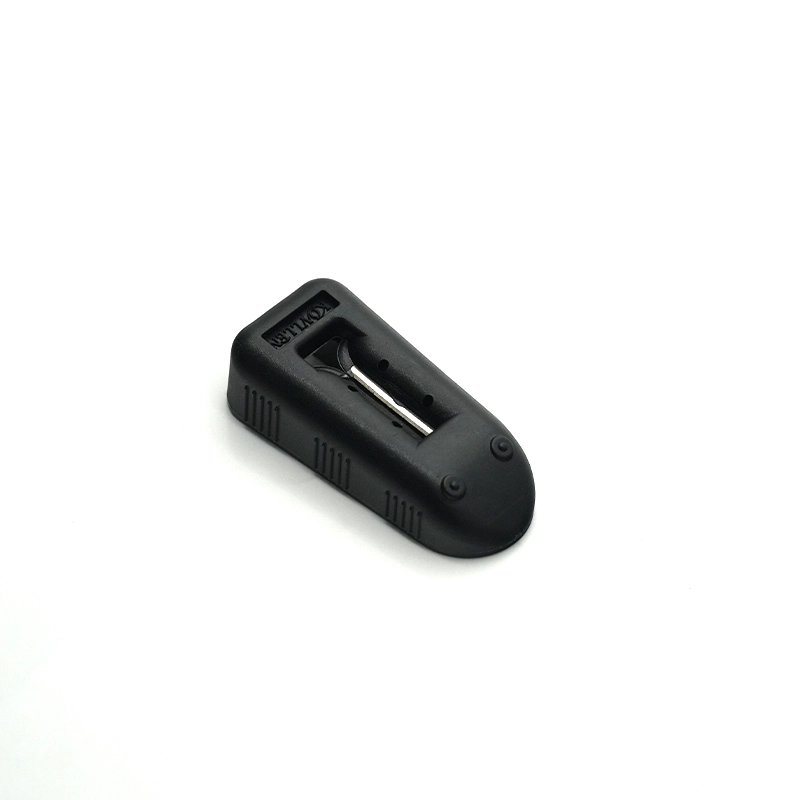
The plastic plug manufactured by Insert molding with stainless steel plate
Bost’s Insert-Molded Stainless Steel Plate Plastic Plug offers superior durability and corrosion resistance. This stainless steel insert durable plastic plug ensures a secure fit and long-lasting performance, ideal for industrial and commercial applications. Robust design meets quality standards.
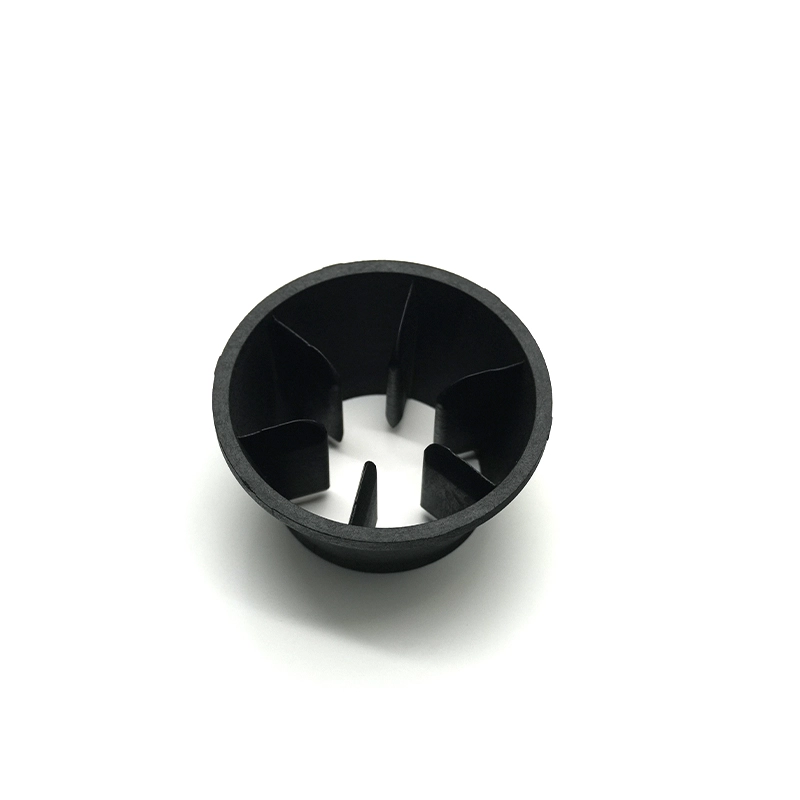
The Bost custom PPO flow valve by injection molding
The BOST Custom PPO Injection-Molded Flow Valve delivers high-temp and corrosion-resistant performance for industrial flow control. Precision-engineered by Bost, this custom PPO valve ensures durable, reliable operation in demanding environments. Optimize your process with BOST’s advanced injection-molded solution.
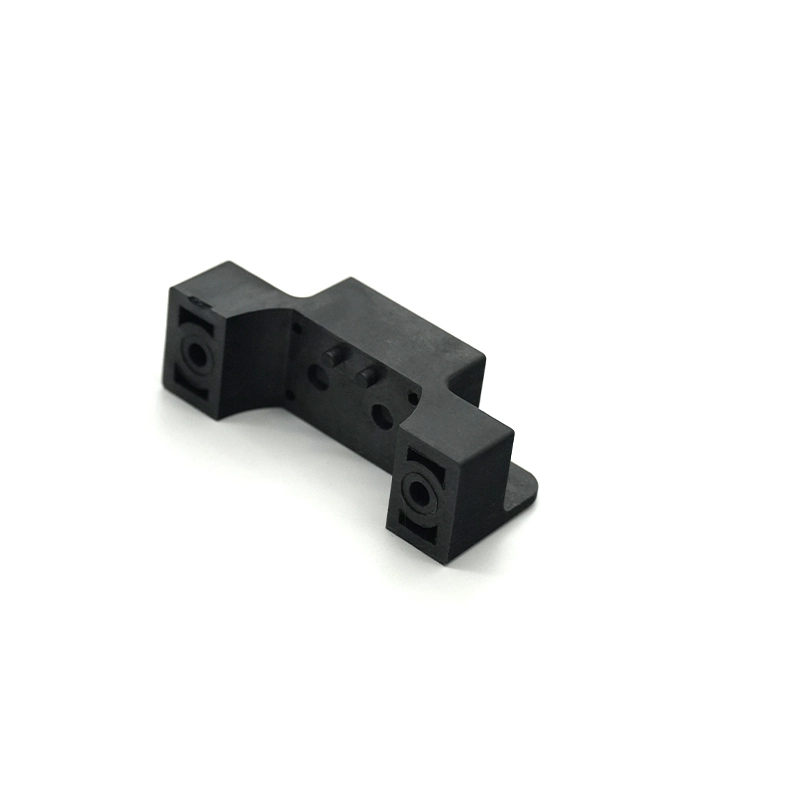
The Bost custom plastic handle by injection molding with high performance PPS material
BOST Custom PPS Injection-Molded Wear-Resistant Handle delivers superior durability and high performance. Made from High Quality PPS material, this injection-molded handle ensures exceptional wear resistance, ideal for demanding applications and long-lasting use. Choose BOST for quality and reliability.
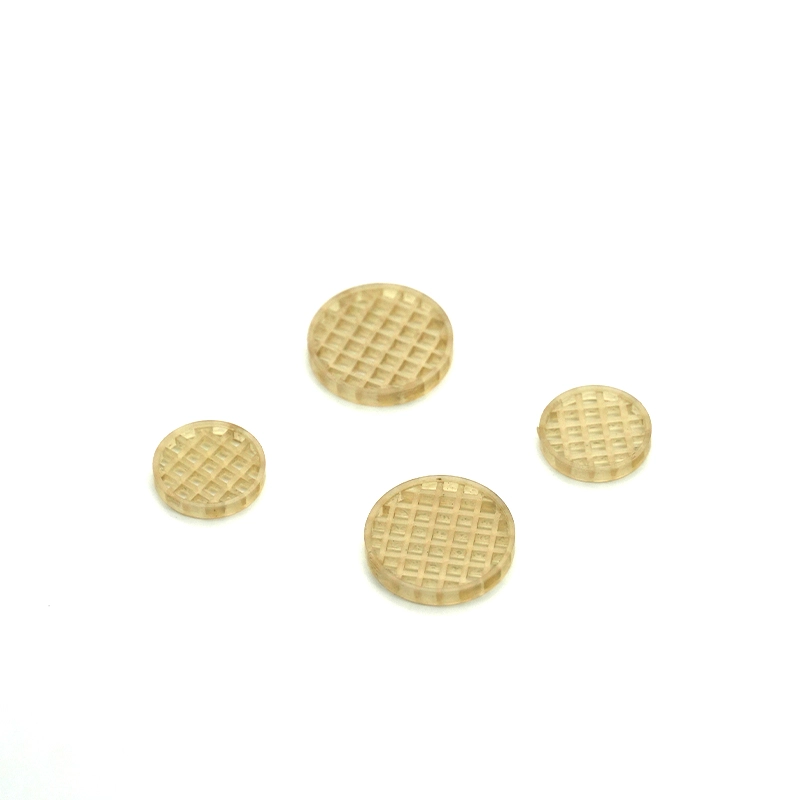
The Bost custom flow meter by injection molding with PES plastic
The Bost Custom PES Injection-Molded Flow Meter offers high-temperature and corrosion resistance, ideal for industrial use. Made with durable PES plastic via precision injection molding, this flow meter ensures reliable, customized performance for demanding applications. Trust Bost for quality and innovation.
Get in touch with Bost
Have any questions or concerns about our products? Please leave us a message here, and our team will get back to you promptly.

24 hours quotes delivered
Submit CAD files, get quote in 24 hours

No MOQ required
From prototyping to high-volume

±0.02 mm Precision
Advanced CNC with full inspections

1,000+ tons in stock
26 materials ready to ship
© 2026 BOST. All Rights Reserved.