
 Scan QR Code
Send My Request
Guide to specifying engineered plastic components for OEMs
Tuesday, 03/17/2026
This practical guide helps OEM engineers and procurement teams specify engineered plastic components—focusing on flow control applications. It explains material selection, injection molding considerations, testing, and supply-chain factors, and highlights The BOST Custom PPO Injection-Molded Flow Valve as a high-temp, corrosion-resistant solution for demanding industrial environments.
- Designing with engineered plastics for OEM flow control
- Understanding application demands and failure modes
- Why engineered plastic components often outperform metals in OEMs
- Case in point: The BOST Custom PPO Injection-Molded Flow Valve
- Material selection: resin properties, grades, and trade-offs
- Key material properties to evaluate
- PPO (Polyphenylene oxide) vs other engineering polymers
- Modifiers, fillers, and compounded grades
- Design for injection molding and manufacturability
- Design rules that reduce cost and improve reliability
- Mold tooling and process control considerations
- Quality planning and specifications to include in drawings
- Testing, validation, and supply-chain resilience
- Accelerated aging and chemical compatibility testing
- Dimensional control, leak testing, and functional testing
- Supplier selection, qualification, and traceability
- Cost, sustainability and lifecycle considerations
- Total cost of ownership (TCO) analysis
- Recyclability, regulations and environmental impact
- When to choose polymer vs metal: a decision checklist
- Implementation checklist and practical tips for OEM engineers
- Pre-launch checklist
- Prototyping and rapid validation
- Documenting acceptance criteria and change control
- FAQ
- Q: What makes the BOST Custom PPO Injection-Molded Flow Valve different from standard valves?
- Q: Can PPO handle continuous exposure to hot water and common industrial chemicals?
- Q: How do I validate a supplier’s capability to produce engineered plastic components?
- Q: What testing should I require for a flow control valve made from engineered plastics?
- Q: Are there standards I can reference when specifying plastics and testing?
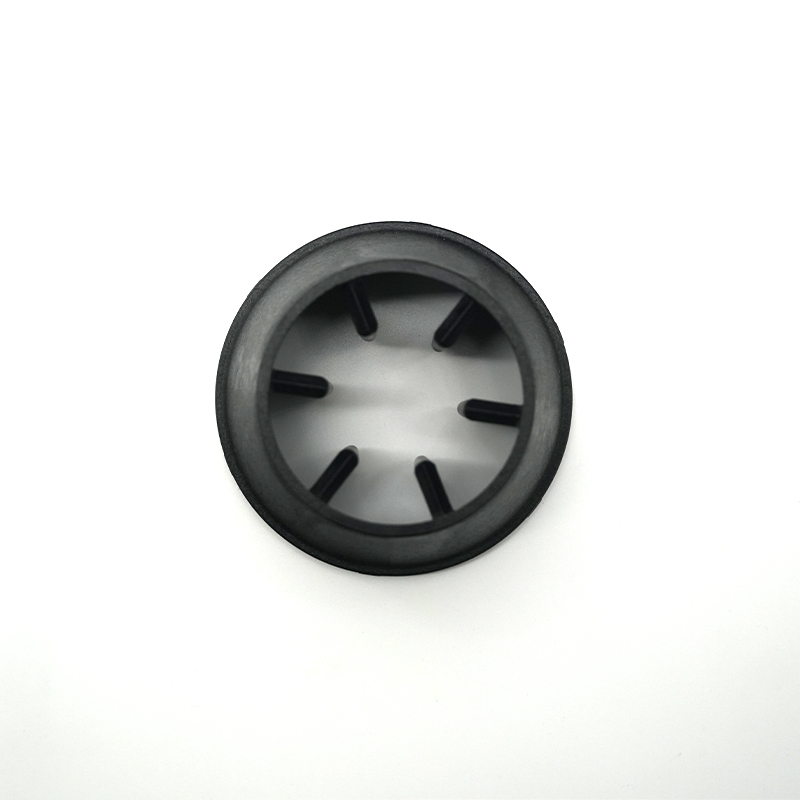
The correct specification of engineered plastic components is critical for OEMs who must balance performance, manufacturability, and total lifecycle cost. This guide explains how to choose the right polymer, design for injection molding, validate part performance, and manage supplier risk—using flow-control components as a working example. It also introduces The BOST Custom PPO Injection-Molded Flow Valve, an engineered solution delivering high-temperature stability and corrosion resistance for industrial flow applications.
Designing with engineered plastics for OEM flow control
Understanding application demands and failure modes
Start by mapping the operational environment: temperatures, pressures, chemistry, cycle frequency, UV exposure, particulate loading, and safety/regulatory constraints. For flow valves, common failure modes include swelling or stress cracking from chemical exposure, thermal deformation under sustained high temps, abrasion from particulates, and dimensional drift leading to leaks or poor sealing. Defining these constraints early narrows the choice of candidate resins and drives decisions for seals, coatings, or hybrid metal–polymer strategies.
Why engineered plastic components often outperform metals in OEMs
Engineered plastics deliver high strength-to-weight ratios, intrinsic corrosion resistance, and design freedom (complex internal passages, integrated features) that metals cannot match without added finishing. Thermoplastics like PPO (polyphenylene oxide) combine thermal stability with chemical resistance, making them ideal for hot, corrosive media. Using polymers can reduce assembly steps (snap fits, overmolding) and lifetime maintenance costs—critical metrics for OEMs seeking lower total cost of ownership.
Case in point: The BOST Custom PPO Injection-Molded Flow Valve
The BOST Custom PPO Injection-Molded Flow Valve is engineered for OEM flow control where high temperature and corrosion resistance are mandatory. Its injection-molded construction provides tight dimensional control and repeatable performance. For OEMs, specifying this valve means fewer downstream failures and simplified integration compared with custom-machined metal valves or aftermarket retrofit parts.
Material selection: resin properties, grades, and trade-offs
Key material properties to evaluate
When selecting a polymer for an engineered plastic component, prioritize: continuous-use temperature, glass transition (Tg) and heat deflection temperature (HDT), tensile and impact strength, elongation at break, chemical compatibility, creep resistance, and dimensional stability. For flow control, also consider surface energy (affects sealing and friction), friction/wear behavior, and hydrolysis resistance.
PPO (Polyphenylene oxide) vs other engineering polymers
PPO shines in hot, oxidizing, and mildly corrosive environments. Below is a comparative overview focusing on thermomechanical and chemical-resistance attributes relevant to valves and flow components.
| Material | Continuous Use Temp (°C) | Chemical Resistance | Typical Applications | Notes |
|---|---|---|---|---|
| PPO (with fillers) | 120–150 | Good (acids, solvents with fillers) | Valves, housings, connectors | Stable dimensions, low moisture uptake |
| PVDF | 120–150 | Excellent (strong acids, bases) | Chemical process valves, linings | Higher cost, excellent chemical resistance |
| PEEK | 250+ | Excellent | Extreme temp seals, aerospace parts | High cost, used where metals are not viable |
| Nylon 6/6 (PA66) | 80–90 | Moderate (hydrolyzes in hot water) | General mechanical parts | Moisture uptake affects dimensions |
Sources for polymer property guidance include industry standards and material manufacturer datasheets. For an overview of engineering plastics and their properties, refer to the Engineering Plastics entry on Wikipedia and resources from organizations like PlasticsEurope.
Modifiers, fillers, and compounded grades
Resin compounding allows optimization: glass fibers for stiffness and dimensional control, mineral fillers for creep reduction, flame retardants for safety ratings, and special additives for lubricity and wear resistance. When specifying the BOST Custom PPO valve, discuss available compounded grades—e.g., glass-reinforced PPO for valve bodies that require tight tolerances and reduced creep under load.
Design for injection molding and manufacturability
Design rules that reduce cost and improve reliability
Design for manufacturability (DFM) reduces cycle time, scrap, and downstream failures. Key rules: maintain uniform wall thickness to avoid sink and warpage; add ribs, bosses, and fillets sized for proper cooling and mold flow; avoid deep undercuts unless necessary (use side-actions if unavoidable); and design for gate placement to minimize weld lines in high-stress areas. For flow valves, ensure sealing surfaces have controlled surface finish and tolerances to ensure leak-free operation.
Mold tooling and process control considerations
Precision injection molds with appropriate cooling circuits and harmonic gating are essential for consistent part performance. For engineered plastic components destined for industrial flow control, tighter process control limits (e.g., lower Cp/Cpk targets) and cavity-level traceability may be required. In addition, consider secondary operations—post-molding machining or assembly, insert molding for metal threads, or overmolding of elastomeric seals for integrated sealing solutions.
Quality planning and specifications to include in drawings
When releasing drawings to suppliers, include: critical dimensions with tolerances; material grade and manufacturer; surface finish and functional notes for sealing surfaces; required mechanical testing (tensile, impact); chemical compatibility tests; and inspection plans (CMM reports, first-article inspection). For safety-critical components, include lot traceability and acceptance criteria.
Testing, validation, and supply-chain resilience
Accelerated aging and chemical compatibility testing
Don’t rely solely on datasheet numbers. Conduct application-specific tests: soak parts in representative fluids at elevated temperatures, run flow cycles to simulate years of operation, and perform thermal cycling to assess dimensional stability. For guidance on test standards, consult international standards and industry bodies. ISO documents on plastics provide classification and testing frameworks (see ISO plastics).
Dimensional control, leak testing, and functional testing
For valves, include helium or bubble leak testing, seat leakage measurement, cycle life tests, and torque/actuation force characterization. Specify pass/fail criteria up front. Collect statistical evidence (e.g., 1000-cycle life tests) when qualifying a new supplier or resin grade.
Supplier selection, qualification, and traceability
Choose suppliers that demonstrate manufacturing capability for engineered plastic components and who can support process control, testing, and material traceability. Required supplier capabilities may include accredited labs (ISO/IEC 17025), experience with high-temp PPO molding, and the ability to implement continuous improvement with documented corrective actions. The Society of Plastics Engineers (SPE) is a useful resource when evaluating supplier technical competence and industry best practices.
Cost, sustainability and lifecycle considerations
Total cost of ownership (TCO) analysis
Compare initial part cost against assembly time savings, corrosion-related downtime avoided, weight savings, and maintenance intervals. Engineered plastic components often yield lower TCO in corrosive or complex-flow environments because they reduce the need for corrosion coatings and frequent part replacement.
Recyclability, regulations and environmental impact
Consider the end-of-life plan: some high-performance resins are recyclable but may require dedicated streams. Account for regulatory requirements if the part contacts potable water or food (consult FDA or local authority rules). For general plastics guidance, industry associations and standards organizations provide frameworks to evaluate sustainability claims and life cycle impact.
When to choose polymer vs metal: a decision checklist
Use a simple decision checklist: temperature extremes (if >200–250°C, consider metal or PEEK), chemical exposure (use PVDF, PEEK or metals for aggressive chemistries), mechanical load (high bearing loads may need metal inserts), weight and electrical requirements (polymers win), and complexity/integration benefits (polymers allow consolidation). Where PPO meets the criteria—high-temp stability up to ~150°C, good chemical resistance, and dimensional stability—The BOST Custom PPO Injection-Molded Flow Valve is often the right balance of performance and cost.
Implementation checklist and practical tips for OEM engineers
Pre-launch checklist
- Define operating envelope and failure modes.
- Specify material grade, colorant, and compound additives.
- Include manufacturing tolerances and inspection checkpoints in drawings.
- Require prototype runs and full test plans (chemical soak, thermal cycling, leak tests).
- Validate supplier quality systems and traceability.
Prototyping and rapid validation
Use rapid tooling or low-volume runs to validate part geometry and assembly interfaces. Functional prototyping—including 3D-printed surrogates for fit-checks and injection-molded prototypes for functional testing—cuts time to market. For flow components, prototype in the same polymer family where possible to capture thermomechanical behavior.
Documenting acceptance criteria and change control
Establish clear incoming inspection criteria and change-control processes. Any change in resin supplier, compound, or mold cavity must trigger revalidation if it impacts critical tolerances or chemical resistance. Keep a material change request (MCR) workflow to track approvals.
FAQ
Q: What makes the BOST Custom PPO Injection-Molded Flow Valve different from standard valves?
A: The BOST valve is engineered specifically with PPO compounds tailored for high-temp and corrosion resistance. Its injection-molded design enables complex features, tight tolerances, and integrated sealing solutions that reduce assembly steps and improve long-term reliability in aggressive environments.
Q: Can PPO handle continuous exposure to hot water and common industrial chemicals?
A: Many PPO grades (especially with proper fillers) have excellent resistance to hot water and a range of solvents and acids. However, compatibility depends on concentration, temperature, and exposure time; always run application-specific chemical compatibility tests as part of validation.
Q: How do I validate a supplier’s capability to produce engineered plastic components?
A: Request process capability data (Cp/Cpk), first-article inspection reports, examples of similar parts produced, lab accreditation (ISO/IEC 17025), and traceability documentation for resin lots. On-site audits or third-party inspections are recommended for critical applications.
Q: What testing should I require for a flow control valve made from engineered plastics?
A: At minimum: dimensional inspection (CMM), mechanical testing (tensile/impact as applicable), chemical soak tests at elevated temp, thermal cycling, leak tests (bubble, helium), and cycle life testing representative of expected use. Define pass/fail metrics up front.
Q: Are there standards I can reference when specifying plastics and testing?
A: Yes. Refer to ISO technical committees for plastics testing and classification (see ISO plastics standards). Industry bodies and material datasheets provide additional guidance. For industry best practices, the Society of Plastics Engineers is a good technical reference (SPE).
If you would like performance data or a material/part review for your application, contact our technical sales team to discuss The BOST Custom PPO Injection-Molded Flow Valve, request samples, or arrange application testing. View the product details and request a quote: BOST Custom PPO Injection-Molded Flow Valve. For direct assistance, contact our team: sales@example.com.
References: Engineering plastics overview on Wikipedia; general polymer industry information from PlasticsEurope; professional guidance and technical articles from the Society of Plastics Engineers; international plastics standards information at ISO.
Tags
Tube with Screw
Tube with Screw
High-Performance PEEK
High-Performance PEEK
machined parts manufacturer
machined parts manufacturer
High-Strength & Corrosion-Proof
High-Strength & Corrosion-Proof
Corrosion & Wear Resistant Sealing
Corrosion & Wear Resistant Sealing
customized injection molded plastic parts
customized injection molded plastic parts
Recommended for you
Supply Chain Risks and Compliance for Industrial Rubber Seal Rings
Top 10 over molding Manufacturers and Supplier Brands
Evaluating Tensile Strength in Plastic Connectors
Best injection molded valves: The Bost custom PPO flow valve
Prdoucts Categories
Question you may concern
FAQs
Can Bost customize modified plastics with special properties?
Yes! We offer modification services such as reinforcement, flame retardancy, conductivity, wear resistance, and UV resistance, for example:
• Adding carbon fiber to enhance stiffness
• Reducing the coefficient of friction through PTFE modification
• Customizing food-grade or medical-grade certified materials
What are the core advantages of Bost engineering plastics compared to ordinary plastics?
Bost engineering plastics feature ultra-high mechanical strength, high-temperature resistance (-50°C to 300°C), chemical corrosion resistance, and wear resistance. Compared to ordinary plastics, their service life is extended by 3 to 8 times, making them suitable for replacing metals in harsh environments.
What is the delivery lead time? Do you offer global logistics?
Standard products: 5–15 working days; custom modifications: 2–4 weeks. We support global air/sea freight and provide export customs clearance documents (including REACH/UL certifications).
How do I select the appropriate engineering plastic grade for my product?
Selection should be based on parameters such as load conditions (e.g., pressure/friction), temperature range, medium contact (e.g., oil/acid), and regulatory requirements (e.g., FDA/RoHS). Our engineers can provide free material selection consulting and sample testing.
What is the minimum order quantity (MOQ)? Do you support small-batch trial production?
The MOQ for standard products is ≥100kg. We support small-batch trial production (as low as 20kg) and provide mold testing reports and performance data feedback.
You may also like
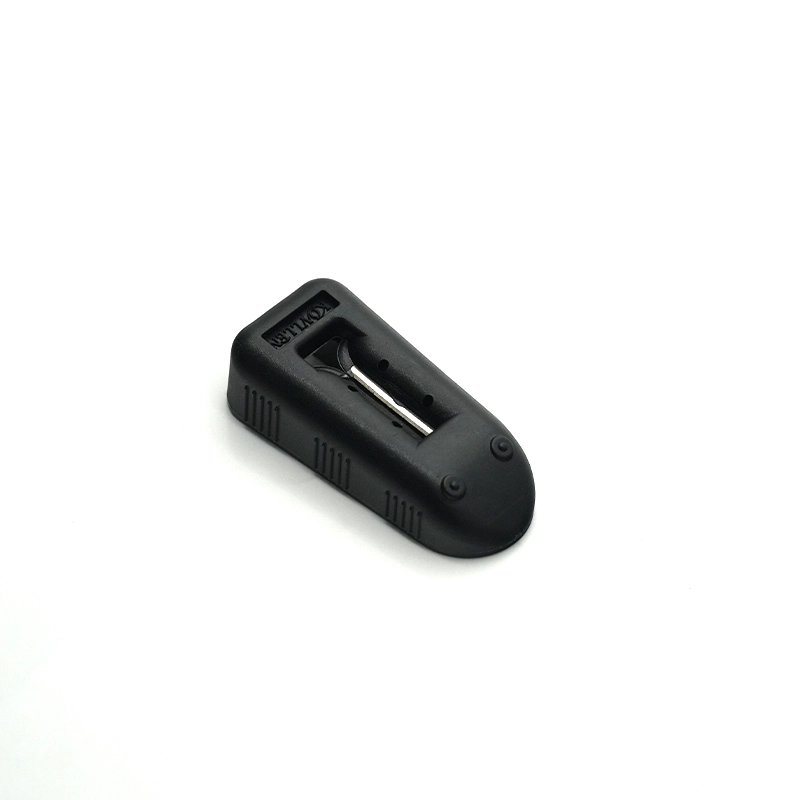
The plastic plug manufactured by Insert molding with stainless steel plate
Bost’s Insert-Molded Stainless Steel Plate Plastic Plug offers superior durability and corrosion resistance. This stainless steel insert durable plastic plug ensures a secure fit and long-lasting performance, ideal for industrial and commercial applications. Robust design meets quality standards.
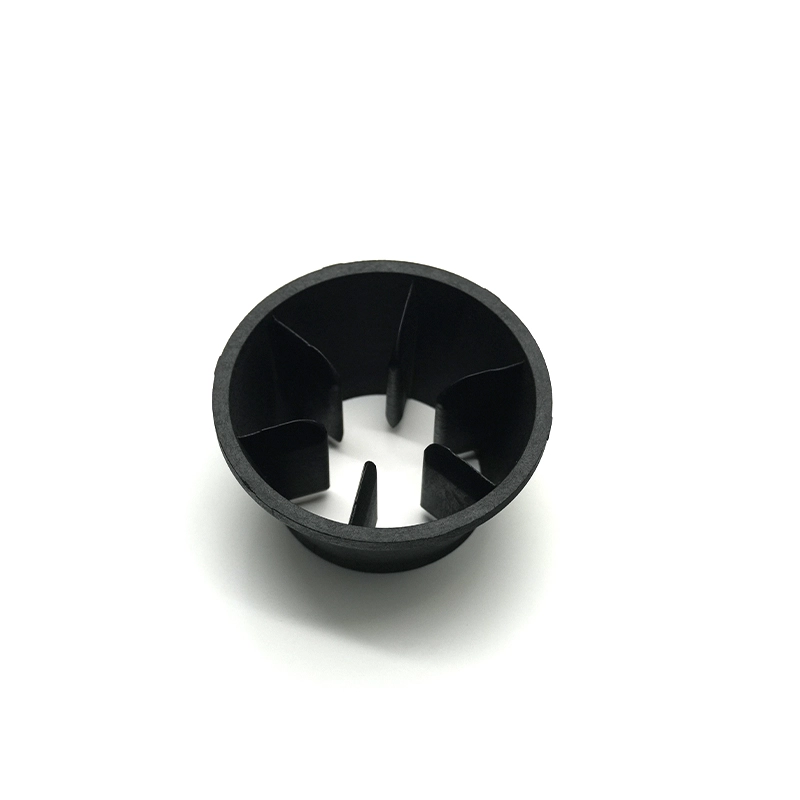
The Bost custom PPO flow valve by injection molding
The BOST Custom PPO Injection-Molded Flow Valve delivers high-temp and corrosion-resistant performance for industrial flow control. Precision-engineered by Bost, this custom PPO valve ensures durable, reliable operation in demanding environments. Optimize your process with BOST’s advanced injection-molded solution.
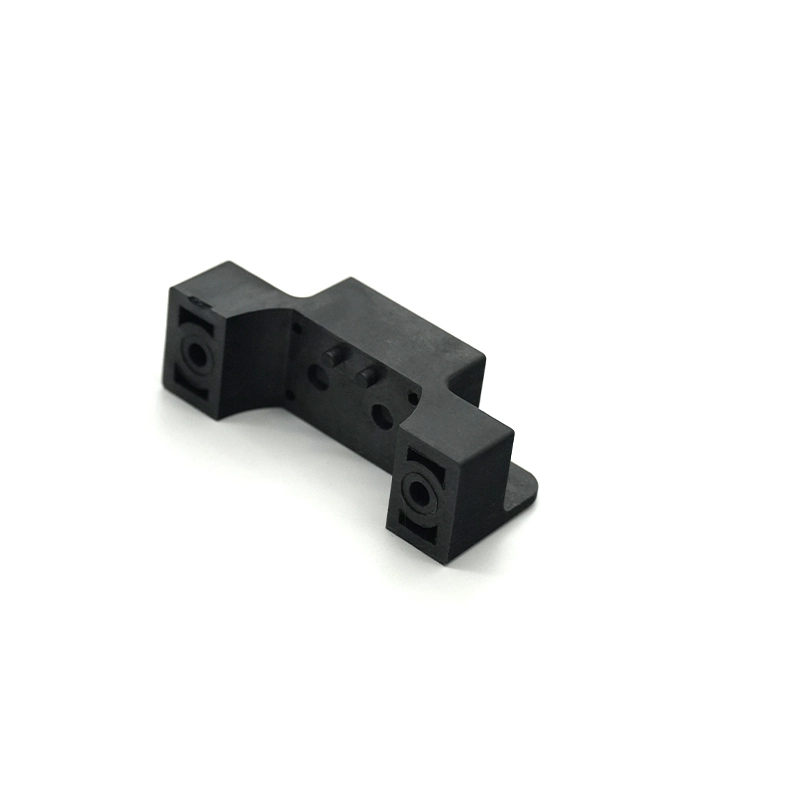
The Bost custom plastic handle by injection molding with high performance PPS material
BOST Custom PPS Injection-Molded Wear-Resistant Handle delivers superior durability and high performance. Made from High Quality PPS material, this injection-molded handle ensures exceptional wear resistance, ideal for demanding applications and long-lasting use. Choose BOST for quality and reliability.
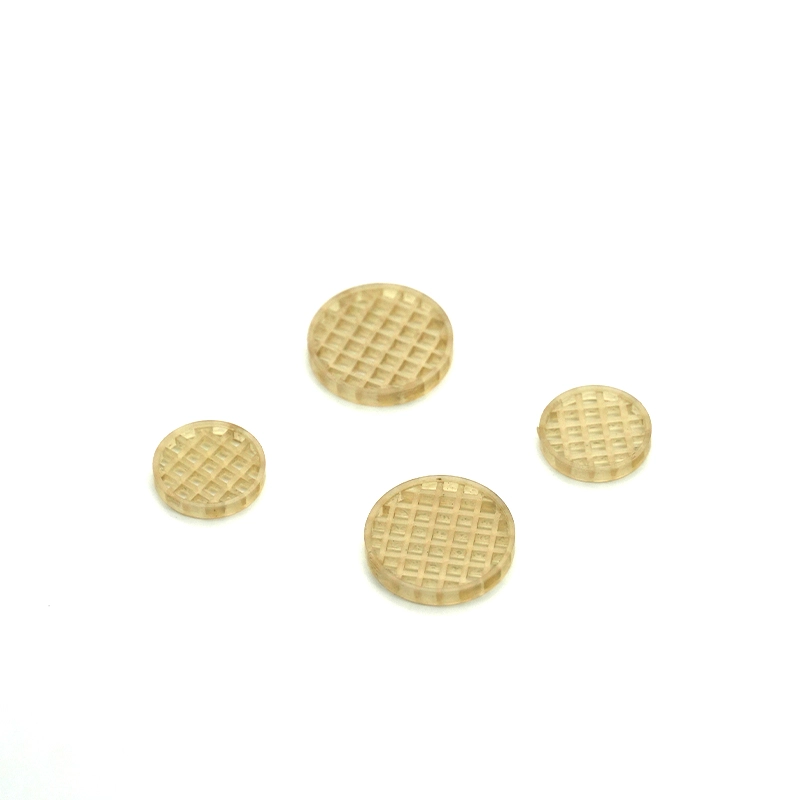
The Bost custom flow meter by injection molding with PES plastic
The Bost Custom PES Injection-Molded Flow Meter offers high-temperature and corrosion resistance, ideal for industrial use. Made with durable PES plastic via precision injection molding, this flow meter ensures reliable, customized performance for demanding applications. Trust Bost for quality and innovation.
Get in touch with Bost
Have any questions or concerns about our products? Please leave us a message here, and our team will get back to you promptly.

24 hours quotes delivered
Submit CAD files, get quote in 24 hours

No MOQ required
From prototyping to high-volume

±0.02 mm Precision
Advanced CNC with full inspections

1,000+ tons in stock
26 materials ready to ship
© 2026 BOST. All Rights Reserved.