 Scan QR Code
Send My Request
Evaluating Tensile Strength in Plastic Connectors
Thursday, 03/5/2026
This article explains how to evaluate tensile strength in plastic connectors, with practical guidance for specifying, testing, and selecting materials for outdoor applications. It uses the Bost Black UV-Resistant ABS Outdoor Connector as a reference product and cites relevant standards and authoritative sources for tensile testing and polymer properties.
- Understanding Tensile Strength and Why It Matters for Plastic Connectors
- What tensile strength tells you about a connector
- Types of tensile measurements relevant to plastic connectors
- Why outdoor conditions change tensile demands
- How to Test Tensile Strength of Plastic Connectors
- Preparing realistic test specimens and fixtures
- Test speeds, temperatures, and conditioning
- Interpreting test data and failure modes
- Material Selection: Why Choose UV-Resistant ABS for Outdoor Connectors
- ABS properties relevant to connectors
- Enhancements for UV and weather resistance
- Comparing ABS to other common connector materials
- Design and Quality Practices to Ensure Tensile Performance in Connectors
- Designing connector geometry for tensile loads
- Production controls and testing frequency
- Environmental aging and long-term performance prediction
- Practical Example: Evaluating a Bost Black UV-Resistant ABS Outdoor Connector
- Step-by-step evaluation plan
- Interpreting results and acceptance criteria
- Documentation and supplier qualifications
- FAQ — Evaluating Tensile Strength in Plastic Connectors
- Q: How does tensile strength differ from pull-out strength in connectors?
- Q: Should I test full connectors or standard tensile specimens?
- Q: How do UV stabilizers affect tensile strength over time?
- Q: Are there quick checks to screen connector batches for tensile issues?
- Q: Where can I find accepted test standards for tensile testing of plastics?
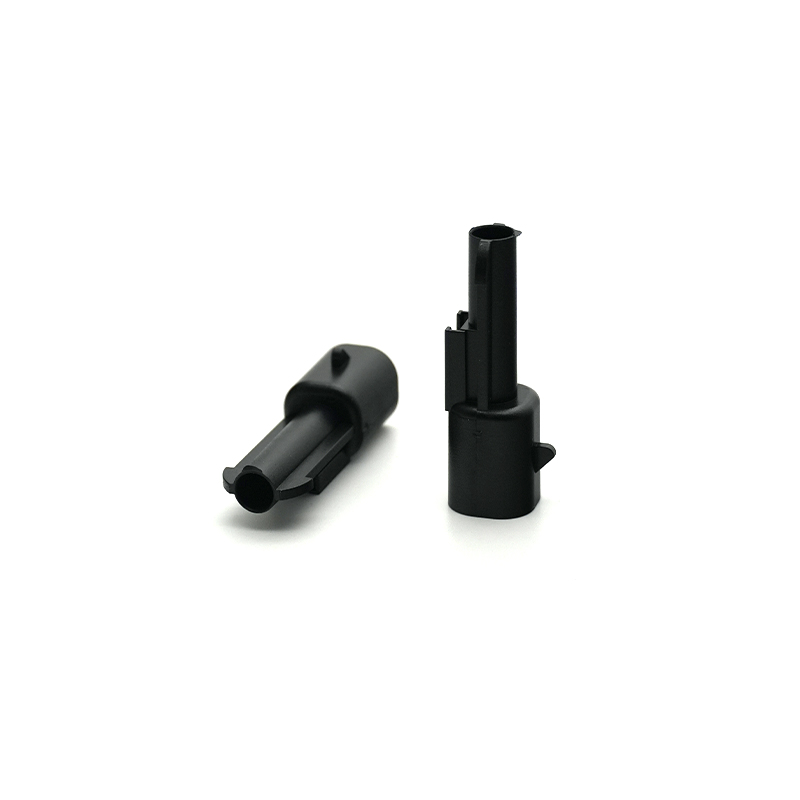
The ability to predict and verify tensile strength is central to specifying reliable plastic connectors for outdoor and structural uses. This guide focuses on practical evaluation methods, material selection guidance, and test standards that help engineers, buyers, and installers ensure long-term performance. We use the Bost Black UV-Resistant ABS Outdoor Connector as a working example: a precision-engineered, high-quality ABS connector formulated for long-lasting, weatherproof installations, designed to maintain mechanical integrity under UV exposure and fluctuating outdoor conditions.
Understanding Tensile Strength and Why It Matters for Plastic Connectors
What tensile strength tells you about a connector
Tensile strength is a measure of the maximum stress a material can withstand while being stretched or pulled before necking or rupture. For plastic connectors — including snap-fit housings, cable clamps, and mechanical junctions — tensile strength influences load-bearing capacity, resistance to pull-out or separation, and safety margins against failure under service loads. Unlike metals, plastics like ABS have distinct failure modes influenced by strain rate, temperature, humidity, and UV exposure.
Types of tensile measurements relevant to plastic connectors
Common metrics used in specification and testing of plastic connectors include:
- Tensile Strength (UTS): peak stress before break.
- Yield Strength: stress at which permanent deformation begins (important for ductile plastics).
- Elongation at break: a measure of ductility and energy absorption before failure.
Evaluating these parameters helps determine whether a connector will survive installation forces, thermal cycling, and everyday use. For standardized test procedures, refer to ISO 527 for plastics tensile testing or ASTM D638 for standard tensile properties of plastics, which describe specimen preparation, machine setup, and reporting formats (ISO 527, ASTM D638).
Why outdoor conditions change tensile demands
Outdoors, connectors face UV radiation, moisture, temperature extremes, and cyclic loading. UV degradation can embrittle polymers, reducing elongation and sometimes tensile strength. Thermal changes can alter stiffness and yield behavior. A UV-stabilized ABS, such as the Bost Black UV-Resistant ABS Outdoor Connector, combines pigment and stabilizers to slow photo-oxidation and retain mechanical properties. For context on ABS and its behavior, see the material overview on Wikipedia (ABS - Wikipedia).
How to Test Tensile Strength of Plastic Connectors
Preparing realistic test specimens and fixtures
Testing should reflect how the connector is used. If the connector is a molded assembly, test the whole assembly where practical (full-assembly pull tests) rather than only dog-bone specimens. For molded parts, produce test coupons from the same mold and process conditions to capture processing-induced anisotropy (orientation, sink marks, weld lines) that affect tensile results. Clamping methods are important to avoid grip-induced failure — use serrated or padded grips and introduce tabs if required by the standard.
Test speeds, temperatures, and conditioning
Test speed (strain rate) can change the measured strength and elongation: plastics often appear stronger and less ductile at higher strain rates. Use standard speeds and conditioning to compare materials: ISO 527 and ASTM D638 specify speeds and conditioning atmospheres. For outdoor connectors, it's valuable to perform tests at elevated and reduced temperatures and after environmental conditioning (UV exposure, humidity soak) to simulate aging. Industry resources such as Instron provide guidance on tensile testing of plastics (Instron: Plastics Testing).
Interpreting test data and failure modes
Beyond UTS and elongation, inspect fracture surfaces and record failure modes: brittle fracture, ductile necking, shear at ribs, or pull-out at insert interfaces. For connectors involving inserts or fasteners, interface testing (e.g., insert pull-out strength) is critical. Combine tensile data with fatigue and impact testing to build a complete durability picture.
Material Selection: Why Choose UV-Resistant ABS for Outdoor Connectors
ABS properties relevant to connectors
ABS balances stiffness, toughness, and ease of molding, making it a common choice for connectors. Typical tensile strength values for ABS place it in a mid-range among engineering plastics. ABS's machinability and ability to form precision geometries are advantageous for tight-tolerance connectors. For authoritative material properties, consult material datasheets and industry sources such as PlasticsEurope (PlasticsEurope).
Enhancements for UV and weather resistance
Standard ABS can degrade under prolonged sunlight; UV-stabilized grades include hindered amine light stabilizers (HALS), UV absorbers, and carbon black pigment. The product example, Bost Black UV-Resistant ABS Outdoor Connector, is formulated to resist photo-oxidation and retain mechanical properties longer than untreated ABS. When selecting a connector, request accelerated weathering (QUV) reports showing retention of tensile properties after simulated sunlight exposure.
Comparing ABS to other common connector materials
Choosing a material requires balancing tensile performance, stiffness, chemical resistance, and cost. Below is a concise comparison of typical tensile values and considerations for connector design.
| Material | Typical Tensile Strength (MPa) | Key Advantages | Considerations |
|---|---|---|---|
| ABS | 30–50 | Good toughness, moldability, economical; UV-stabilized grades available | Standard ABS sensitive to UV; may need stabilization for outdoor use |
| Polycarbonate (PC) | 55–75 | Higher strength and impact resistance | Higher cost; can yellow under UV without coating |
| Nylon (PA6/PA66) | 60–85 | High strength and wear resistance | Abrasive and hygroscopic; properties change with moisture |
| PVC | 30–50 | Good chemical resistance; inexpensive | Lower toughness at low temperatures |
Sources for typical values include manufacturer datasheets and material databases. For a formal summary of plastic material properties, see Polymers overview and datasheets from recognized suppliers and reference sites (Plastics - Wikipedia).
Design and Quality Practices to Ensure Tensile Performance in Connectors
Designing connector geometry for tensile loads
Connector features — wall thickness, rib placement, fillets, and snap-fit geometries — strongly influence tensile performance. Use gradual transitions to reduce stress concentrations and ensure ribs are designed with proper draft and thickness ratios to avoid sink marks and weak weld lines. When possible, orient critical load paths with material flow direction to minimize anisotropy effects from injection molding.
Production controls and testing frequency
Set incoming quality checks on tensile-critical dimensions and perform regular mechanical testing on production lots. Typical controls include periodic tensile testing of molded samples, visual inspections after accelerated weathering, and batch traceability for resin lot and stabilizer content. A statistical sampling plan tied to the component safety risk ensures efficient quality assurance without excessive testing costs.
Environmental aging and long-term performance prediction
Accelerated aging tests (UV exposure, thermal cycling, salt spray where relevant) combined with tensile testing at intervals help predict lifetime performance. Correlate accelerated aging data to field exposure using established weathering standards and methodologies. For reproducible tensile evaluations after aging, follow standardized conditioning and testing methods referenced earlier (ISO 527, ASTM D638).
Practical Example: Evaluating a Bost Black UV-Resistant ABS Outdoor Connector
Step-by-step evaluation plan
1) Material verification: Request the resin grade and UV-stabilizer formulation from the supplier and review technical datasheets.2) Baseline tensile testing: Perform ISO/ASTM tensile tests on coupons and on the connector assembly to establish UTS, yield, and elongation values.3) Accelerated weathering: Expose parts to QUV cycles and re-test tensile properties at defined intervals (e.g., 500, 1000, 2000 hours).4) Functional tests: Carry out pull-out tests, snap-fit cycle tests, and torque/retention tests relevant to the connector's use case.5) Field trial: Install prototypes in a representative outdoor environment to validate lab predictions.
Interpreting results and acceptance criteria
Acceptable retention of tensile strength and elongation depends on safety factors for the application. For non-life-critical installations, 60–70% retention of original tensile strength after accelerated weathering may be acceptable; for safety-critical loads, demand substantially higher retention and additional redundancy. Use objective pass/fail criteria based on functional loads rather than absolute material numbers alone.
Documentation and supplier qualifications
Require suppliers to provide material certificates, test reports (including tensile, UV-aging, and impact), and production process controls. Supplier experience with outdoor components and traceable test data improves E-E-A-T: expertise, experience, authoritativeness, and trustworthiness of the product decision. Industry associations such as the Society of Plastics Engineers provide guidance and best practices on plastics processing and testing (SPE).
FAQ — Evaluating Tensile Strength in Plastic Connectors
Q: How does tensile strength differ from pull-out strength in connectors?
A: Tensile strength measures the material's capacity to withstand stretching or pulling forces; pull-out strength measures the force required to remove an inserted component (screw, insert, cable) from the connector. Pull-out strength depends on part geometry, insert design, and local material strength; tensile strength of the base polymer is one contributor but not the only factor.
Q: Should I test full connectors or standard tensile specimens?
A: Both. Standard specimens (dog-bone) give baseline material properties and are useful for supplier comparisons. Full-assembly tests (connector-level pull or snap tests) are required to capture real-world failure modes introduced by geometry, inserts, and assembly processes.
Q: How do UV stabilizers affect tensile strength over time?
A: UV stabilizers slow chemical degradation caused by sunlight, preserving ductility and tensile properties. While they do not make a material impervious to weathering, a well-formulated UV-resistant ABS will retain a higher percentage of its initial tensile strength and elongation after extended UV exposure compared with untreated ABS.
Q: Are there quick checks to screen connector batches for tensile issues?
A: Visual inspections for surface crazing, discoloration, or brittle fractures after environmental exposure are useful fast screens. Mechanical spot checks (simple pull tests using an appropriate fixture) and dimensional checks on critical features provide quick indicators if deeper laboratory tensile testing is warranted.
Q: Where can I find accepted test standards for tensile testing of plastics?
A: The principal standards are ISO 527 and ASTM D638. These documents describe specimen geometry, conditioning, test speeds, and reporting formats. Refer to ISO (ISO 527) and ASTM (ASTM D638).
Want to evaluate the Bost Black UV-Resistant ABS Outdoor Connector for your next outdoor installation? Contact our technical sales team for datasheets, customized test plans, or a quotation. View the product page: Bost Black UV-Resistant ABS Outdoor Connector or reach out to our support team: Contact Us.
References: ISO 527 (ISO), ASTM D638 (ASTM), Instron plastics testing guidance (Instron), ABS overview (Wikipedia), PlasticsEurope (PlasticsEurope), Society of Plastics Engineers (SPE).
Tags
plastic part manufacturing
plastic part manufacturing
PEEK plastic Gasket
PEEK plastic Gasket
Nylon Screw
Nylon Screw
custom plastic spur gears
custom plastic spur gears
Glass fiber filled Nylon
Glass fiber filled Nylon
Machining Nylon stick
Machining Nylon stick
Recommended for you
Choosing Materials for Insert Injection Molding: Practical Guide for Engineers
best high-performance plastics for additive manufacturing 2026
Selecting Bearings vs Plastic Bushings: When to Use PE
Corrosion Resistance Benefits of PVDF Injection-Molded Covers
Prdoucts Categories
Question you may concern
FAQs
Can Bost customize modified plastics with special properties?
Yes! We offer modification services such as reinforcement, flame retardancy, conductivity, wear resistance, and UV resistance, for example:
• Adding carbon fiber to enhance stiffness
• Reducing the coefficient of friction through PTFE modification
• Customizing food-grade or medical-grade certified materials
What are the core advantages of Bost engineering plastics compared to ordinary plastics?
Bost engineering plastics feature ultra-high mechanical strength, high-temperature resistance (-50°C to 300°C), chemical corrosion resistance, and wear resistance. Compared to ordinary plastics, their service life is extended by 3 to 8 times, making them suitable for replacing metals in harsh environments.
What is the minimum order quantity (MOQ)? Do you support small-batch trial production?
The MOQ for standard products is ≥100kg. We support small-batch trial production (as low as 20kg) and provide mold testing reports and performance data feedback.
What is the delivery lead time? Do you offer global logistics?
Standard products: 5–15 working days; custom modifications: 2–4 weeks. We support global air/sea freight and provide export customs clearance documents (including REACH/UL certifications).
How do I select the appropriate engineering plastic grade for my product?
Selection should be based on parameters such as load conditions (e.g., pressure/friction), temperature range, medium contact (e.g., oil/acid), and regulatory requirements (e.g., FDA/RoHS). Our engineers can provide free material selection consulting and sample testing.
You may also like
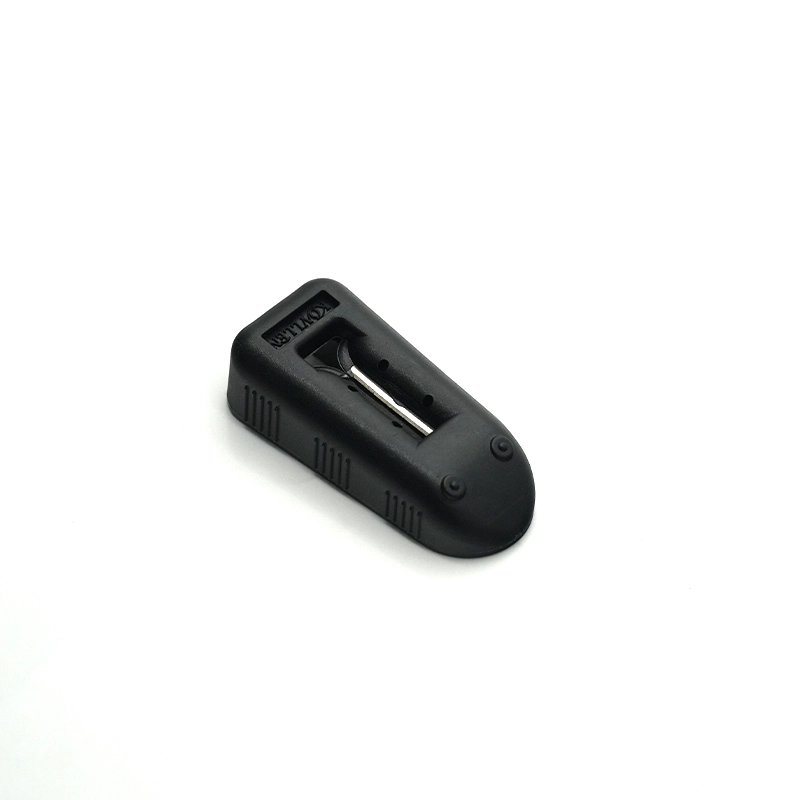
The plastic plug manufactured by Insert molding with stainless steel plate
Bost’s Insert-Molded Stainless Steel Plate Plastic Plug offers superior durability and corrosion resistance. This stainless steel insert durable plastic plug ensures a secure fit and long-lasting performance, ideal for industrial and commercial applications. Robust design meets quality standards.
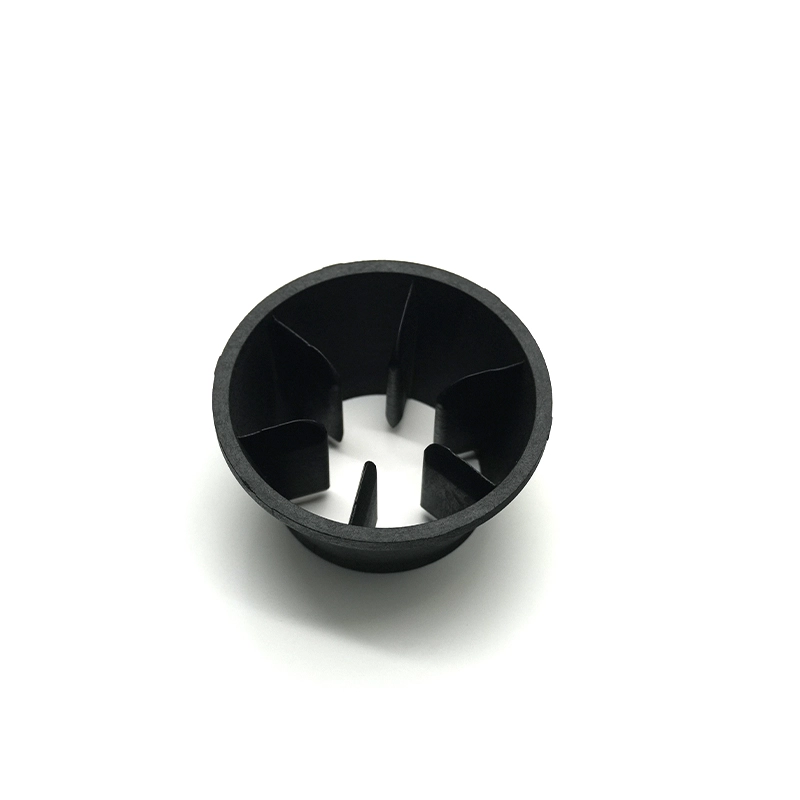
The Bost custom PPO flow valve by injection molding
The BOST Custom PPO Injection-Molded Flow Valve delivers high-temp and corrosion-resistant performance for industrial flow control. Precision-engineered by Bost, this custom PPO valve ensures durable, reliable operation in demanding environments. Optimize your process with BOST’s advanced injection-molded solution.
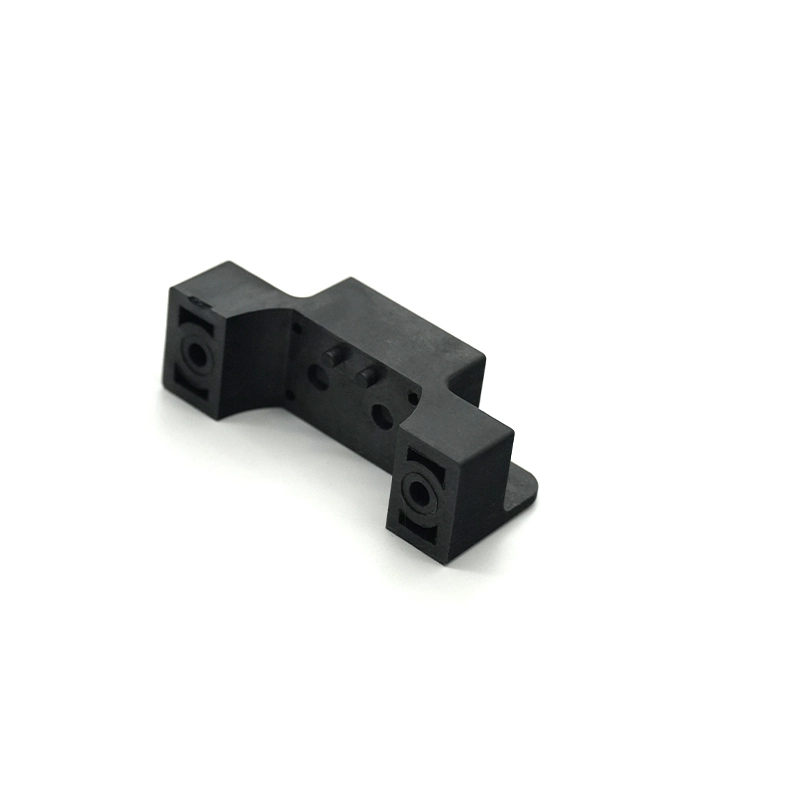
The Bost custom plastic handle by injection molding with high performance PPS material
BOST Custom PPS Injection-Molded Wear-Resistant Handle delivers superior durability and high performance. Made from High Quality PPS material, this injection-molded handle ensures exceptional wear resistance, ideal for demanding applications and long-lasting use. Choose BOST for quality and reliability.
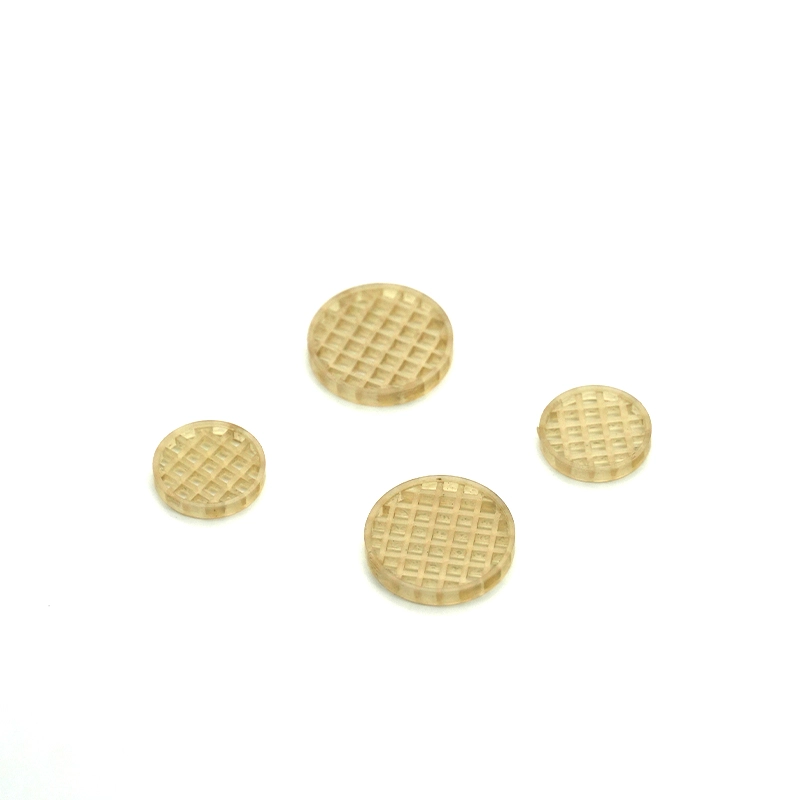
The Bost custom flow meter by injection molding with PES plastic
The Bost Custom PES Injection-Molded Flow Meter offers high-temperature and corrosion resistance, ideal for industrial use. Made with durable PES plastic via precision injection molding, this flow meter ensures reliable, customized performance for demanding applications. Trust Bost for quality and innovation.
Get in touch with Bost
Have any questions or concerns about our products? Please leave us a message here, and our team will get back to you promptly.

24 hours quotes delivered
Submit CAD files, get quote in 24 hours

No MOQ required
From prototyping to high-volume

±0.02 mm Precision
Advanced CNC with full inspections

1,000+ tons in stock
26 materials ready to ship
© 2026 BOST. All Rights Reserved.