
 Scan QR Code
Send My Request
Supply Chain Risks and Compliance for Industrial Rubber Seal Rings
Friday, 01/9/2026
A practical guide to supply chain risk management and regulatory compliance for industrial rubber seal rings, focusing on oil-resistant NBR (Buna) seals. Learn how to evaluate suppliers, mitigate risks, ensure material traceability, and choose reliable solutions like the Bost Oil Resistance NBR Buna-Rubber Seal Ring for demanding industrial environments.
- Understanding Supply Chain Risks for Rubber Seal Components
- Why Material Choice Matters: NBR (Buna) Rubber Seal Rings
- Common Supply Chain Risks Specific to Rubber Seal Rings
- Impact on Operations and Safety
- Compliance Requirements Affecting Industrial Rubber Seals
- Typical Standards and Regulations to Track
- Practical Supplier Due Diligence for Rubber Seal Procurement
- Keywords in Procurement
- Quality Assurance and Traceability Practices
- Table: Typical Material Test Comparison (NBR vs Other Elastomers)
- Mitigation Strategies: Inventory, Sourcing, and Contracting
- Supply Chain Transparency and Digital Tools
- Case for Choosing Bost Oil Resistance NBR Buna-Rubber Seal Ring
- Brand Advantages and Commercial Considerations
- Implementation Roadmap: From Specification to Installation
- Checklist: Contract Clauses to Reduce Supply Risk
- Frequently Asked Questions (FAQ)
- Q: What makes NBR rubber seal rings suitable for oil applications?
- Q: How do I verify a supplier's NBR claims and compliance?
- Q: What should I consider if I face delivery delays for critical seal rings?
- Q: Are there environmental or regulatory limits on NBR compounds I should track?
- Q: How often should I retest stocked seals for performance degradation?
- Contact & View Product
- Authoritative References and Further Reading
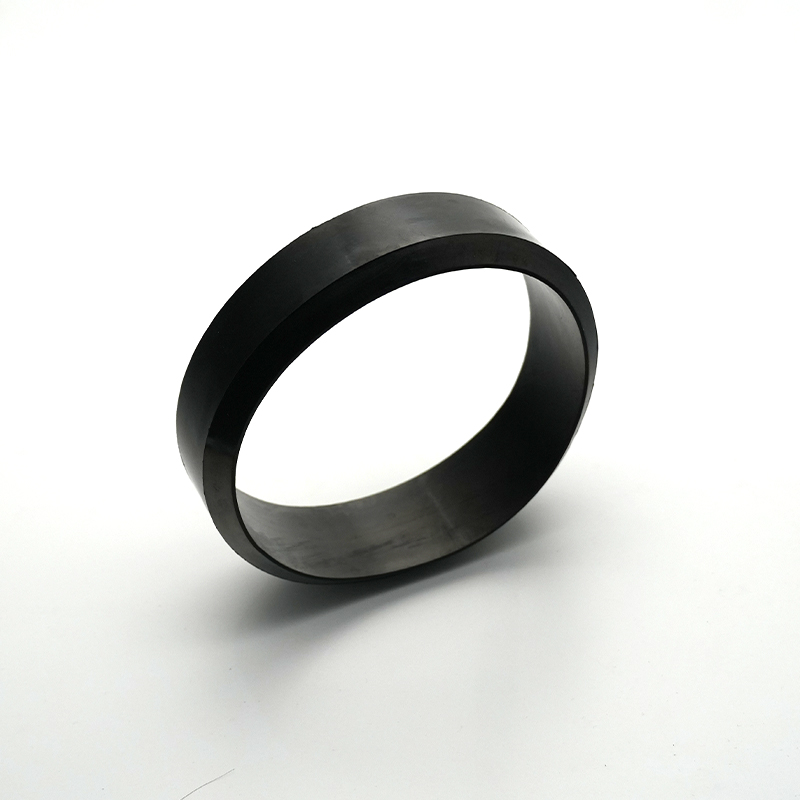
Understanding Supply Chain Risks for Rubber Seal Components
Rubber seal components such as rubber seal rings are critical to equipment reliability across industries — from hydraulics and automotive to oil & gas and industrial machinery. The supply chain for these components can be exposed to a variety of risks: raw material shortages, geopolitical disruptions, quality variation, counterfeit parts, regulatory non-compliance, and logistics delays. For purchasers and engineers evaluating oil-resistant seals, understanding these supply chain vulnerabilities is the first step toward building resilient procurement and quality assurance practices. Commercially, selecting a trusted component such as the Oil resistance NBR Buna-rubber seal ring can both decrease operational downtime and simplify compliance reporting. By proactively managing compliance and supply risks, organizations can return to selecting oil-resistant NBR Buna-rubber seal rings for reliability with greater confidence and long-term stability.
Why Material Choice Matters: NBR (Buna) Rubber Seal Rings
Material selection directly affects performance and supply chain complexity. Nitrile butadiene rubber (NBR), commonly referred to as Buna-N or simply Buna-rubber, is widely used for oil-resistant seals because of its excellent resistance to petroleum oils, hydraulic fluids, and good mechanical properties. The Bost Oil Resistance NBR Buna-Rubber Seal Ring offers specialized formulation and processing control to ensure consistent hardness, compression set, and dimensional stability — parameters that influence seal life and leak performance. Using a well-documented NBR solution reduces technical risk and eases conversations with regulatory and quality teams.
Common Supply Chain Risks Specific to Rubber Seal Rings
Understanding specific risk categories helps stakeholders prioritize mitigation efforts. The main risks for rubber seal rings include:
- Raw material volatility: Rubber feedstock prices and availability fluctuate with crude oil markets and synthetic rubber production cycles.
- Quality inconsistency: Variability in polymer blends, fillers, and curing processes can change seal performance and interchangeability.
- Counterfeiting and nonconforming parts: Substandard or mislabeled seals can cause premature failures and safety incidents.
- Regulatory non-compliance: Components may require documentation for REACH, RoHS, or local chemical restrictions; missing declarations can block shipments.
- Logistics disruption: Port congestion, carrier capacity shortages, and customs delays impact lead times for critical spares.
Impact on Operations and Safety
Failures in rubber seal supply chains translate into direct operational and safety costs: unplanned downtime, product recalls, warranty claims, environmental leakage, and reputational damage. Industrial buyers should assess not only unit price but also total cost of ownership (TCO), including failure risk, inventory carrying cost for critical spares, and supplier responsiveness.
Compliance Requirements Affecting Industrial Rubber Seals
Regulatory and customer-driven compliance is increasingly important for components. Key compliance areas relevant to NBR rubber seals include chemical safety reporting, material traceability, and quality management certifications.
Typical Standards and Regulations to Track
- REACH (EU): Registration, Evaluation, Authorization and Restriction of Chemicals — requires suppliers to report hazardous substance content and provide safety data where applicable.
- RoHS-like restrictions: Electrical & electronic applications require restricted substance declarations in some regions.
- Quality standards: ISO 9001 (quality management) and ISO 14001 (environmental management) are commonly requested by industrial buyers.
- Material specifications: ASTM and ISO test methods for hardness (ASTM D2240), compression set (ASTM D395), and tensile strength provide objective acceptance criteria.
Practical Supplier Due Diligence for Rubber Seal Procurement
Robust supplier evaluation minimizes risk. A practical due diligence checklist should include:
- Technical capability: Verify compound formulations, test labs, and long-term thermal and chemical aging data for the NBR compounds used.
- Quality systems: Confirm ISO 9001 certification and evidence of process controls such as incoming raw material inspection and batch-level traceability.
- Regulatory documentation: Request REACH compliance statements, SDS (safety data sheets), and restricted substance declarations.
- Supply continuity plans: Ask about alternative material sources, inventory buffers, and lead-time commitments.
- Factory audits: Use remote or on-site audits to check curing ovens, tooling maintenance, and anti-counterfeit marking practices.
Keywords in Procurement
When issuing RFQs or RFPs, include precise commercial keywords and requirements to get comparable quotes: 'oil resistance NBR Buna-rubber seal ring', 'certified NBR compound', 'batch traceability', 'compression set max X%', and 'REACH-compliant.' Clear, measurable requirements reduce ambiguity and lower the chance of receiving nonconforming parts.
Quality Assurance and Traceability Practices
Traceability and testing are cornerstones of compliance. Implement these practices to maintain control over rubber seal quality:
- Batch-level identification: Ensure each delivery is tagged with batch number, compound ID, and production date.
- Acceptance testing: Define sample tests and acceptance criteria (hardness, compression set, tensile strength) before first shipment and on periodic lots.
- Document control: Maintain certified test reports and SDS with each lot and integrate them into supplier scorecards.
- Warranty terms: Include clear warranty and replacement policies for nonconforming seals.
Table: Typical Material Test Comparison (NBR vs Other Elastomers)
| Property | NBR (Buna) | EPDM | Fluoroelastomer (FKM) |
|---|---|---|---|
| Oil Resistance | Excellent | Poor | Very Good |
| Temperature Range | -40°C to +120°C | -50°C to +150°C | -20°C to +200°C |
| Compression Set | Good (depends on formulation) | Moderate | Excellent |
| Typical Cost | Low–Medium | Low | High |
Mitigation Strategies: Inventory, Sourcing, and Contracting
Mitigation requires combining commercial and technical approaches. Recommended tactics:
- Tiered sourcing: Qualify at least two suppliers for critical seals to avoid single-source dependency.
- Safety stock strategy: Hold critical spares (seal kits) on site when lead times are long or failure risk is high.
- Long-term agreements: Use framework contracts with price and volume commitments to stabilize supply and pricing.
- Vendor-managed inventory (VMI): For high-use seals, consider VMI to reduce stockouts and administrative overhead.
Supply Chain Transparency and Digital Tools
Digital tools (ERP, traceability platforms, and supplier portals) help maintain real-time visibility of orders, lot numbers, and compliance documents. Embedding QR codes on packaging or part markings can streamline inspection and traceability at installation points. For regulated sectors, integrated document management that links lot data to test certificates simplifies audits and compliance reporting.
Case for Choosing Bost Oil Resistance NBR Buna-Rubber Seal Ring
When specification, performance, and supply reliability matter, choosing a product with documented performance and supplier transparency reduces procurement risk. The Bost Oil Resistance NBR Buna-Rubber Seal Ring delivers:
- Proven oil resistance specific to hydraulic and petroleum-based fluids.
- Consistent manufacturing with batch-level test certificates.
- Durable, leak-proof performance for demanding industrial environments.
- Available compliance documentation (SDS and material declarations) to support REACH and customer audits.
For operations teams, this translates into fewer failures, predictable maintenance intervals, and clearer compliance trails during audits.
Brand Advantages and Commercial Considerations
Bost combines material expertise and supply chain discipline: certified manufacturing processes, documented testing, and customer-oriented logistics. For buyers balancing cost and risk, Bost provides predictable lead times, technical support to select correct hardness and tolerances, and after-sales responsiveness — all critical to lowering total cost of ownership for rubber seal rings.
Implementation Roadmap: From Specification to Installation
Practical steps buyers and engineers can follow when introducing a new seal product into service:
- Define operating conditions and failure modes (temperature, media, pressure, dynamic vs. static).
- Select NBR compound grade and hardness based on fluid compatibility and mechanical load.
- Request sample lots and run acceptance testing (hardness, compression set, leak test) with documented pass/fail criteria.
- Include batch traceability and SDS on each shipment and integrate into CMMS or asset records on installation.
- Monitor in-service performance and maintain spare inventory based on mean time to failure metrics.
Checklist: Contract Clauses to Reduce Supply Risk
Include these clauses in supplier agreements to protect operations:
- Minimum order lead times and penalty terms for late deliveries.
- Requirement for batch-level test reports and retained sample policy.
- Right to audit and corrective action timelines.
- Continuity of supply commitments and approved alternate sources.
Frequently Asked Questions (FAQ)
Q: What makes NBR rubber seal rings suitable for oil applications?
A: NBR (nitrile butadiene rubber) has molecular resistance to petroleum oils, hydraulic fluids, and many grease chemistries. Properly compounded NBR provides a balanced set of mechanical properties (tensile, abrasion, compression set) that make it the standard choice for oil resistance at moderate temperatures.
Q: How do I verify a supplier's NBR claims and compliance?
A: Request SDS, batch-level test certificates (hardness, compression set, tensile), material declarations for restricted substances, and evidence of ISO 9001 (or equivalent) quality systems. Consider sample testing and audits for high-volume or safety-critical applications.
Q: What should I consider if I face delivery delays for critical seal rings?
A: Implement safety stock for critical spares, qualify alternate approved suppliers, negotiate VMI, and use long-term purchase agreements to secure capacity. For immediate needs, confirm expedited shipping options and inspect incoming parts thoroughly.
Q: Are there environmental or regulatory limits on NBR compounds I should track?
A: NBR itself is not broadly restricted, but additives or processing chemicals may be subject to REACH or other regional restrictions. Always obtain declarations from suppliers about restricted substances and SDS to ensure compliance with local regulations.
Q: How often should I retest stocked seals for performance degradation?
A: Storage life depends on compound and storage conditions; many NBR compounds are stable for several years if stored in controlled temperature, away from UV and ozone. For critical spares, retest or rotate stock based on manufacturer recommendations (typically every 2–5 years) or earlier if environmental conditions are suboptimal.
Contact & View Product
If you need reliable, oil-resistant sealing solutions, view the product page for the Bost Oil Resistance NBR Buna-Rubber Seal Ring or contact our sales team for technical support, batch certificates, and quoting. For immediate assistance, email sales@bostseals.example or call +1-800-555-0100 (international support available).
Authoritative References and Further Reading
- Nitrile butadiene rubber (Wikipedia)
- ISO 9001 — Quality management systems (ISO)
- REACH regulation overview (European Chemicals Agency)
- NIST Supply Chain Risk Management guidance
- ASTM International — Test standards for elastomers
- Occupational Safety and Health Administration (OSHA)
Note: For regulatory or technical questions specific to your industry or region, consult qualified compliance advisors. Bost can provide product-specific documentation and test data on request.
Tags
plastic pulley wheel
plastic pulley wheel
High-Strength & Corrosion-Proof
High-Strength & Corrosion-Proof
Pipe/container closure
Pipe/container closure
Chemical-resistant
Chemical-resistant
insert injection molding
insert injection molding
Eco-Friendly Support
Eco-Friendly Support
Recommended for you
Engineering Plastic Recycling and Sustainable Practices
PEEK Overmolding for Medical Device Applications: Practical Guide for Designers & Manufacturers
Common Injection Molding Defects and How to Fix Them
Why Custom Injection Molding Is Essential for High-Precision Parts
Prdoucts Categories
Question you may concern
FAQs
What is the minimum order quantity (MOQ)? Do you support small-batch trial production?
The MOQ for standard products is ≥100kg. We support small-batch trial production (as low as 20kg) and provide mold testing reports and performance data feedback.
Can Bost customize modified plastics with special properties?
Yes! We offer modification services such as reinforcement, flame retardancy, conductivity, wear resistance, and UV resistance, for example:
• Adding carbon fiber to enhance stiffness
• Reducing the coefficient of friction through PTFE modification
• Customizing food-grade or medical-grade certified materials
What are the core advantages of Bost engineering plastics compared to ordinary plastics?
Bost engineering plastics feature ultra-high mechanical strength, high-temperature resistance (-50°C to 300°C), chemical corrosion resistance, and wear resistance. Compared to ordinary plastics, their service life is extended by 3 to 8 times, making them suitable for replacing metals in harsh environments.
How do I select the appropriate engineering plastic grade for my product?
Selection should be based on parameters such as load conditions (e.g., pressure/friction), temperature range, medium contact (e.g., oil/acid), and regulatory requirements (e.g., FDA/RoHS). Our engineers can provide free material selection consulting and sample testing.
What is the delivery lead time? Do you offer global logistics?
Standard products: 5–15 working days; custom modifications: 2–4 weeks. We support global air/sea freight and provide export customs clearance documents (including REACH/UL certifications).
You may also like
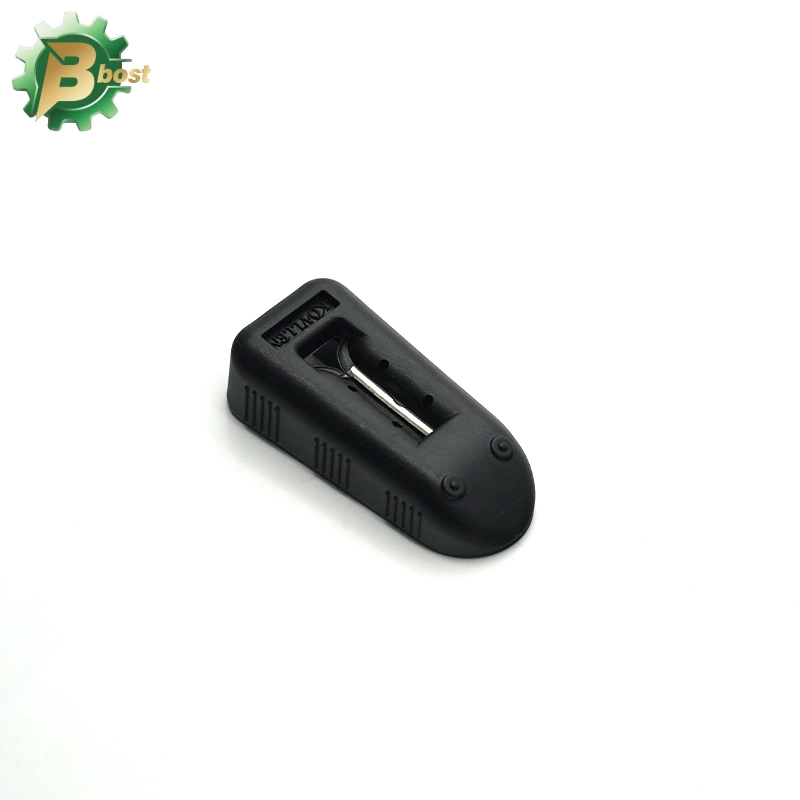
The plastic plug manufactured by Insert molding with stainless steel plate
Bost’s Insert-Molded Stainless Steel Plate Plastic Plug offers superior durability and corrosion resistance. This stainless steel insert durable plastic plug ensures a secure fit and long-lasting performance, ideal for industrial and commercial applications. Robust design meets quality standards.
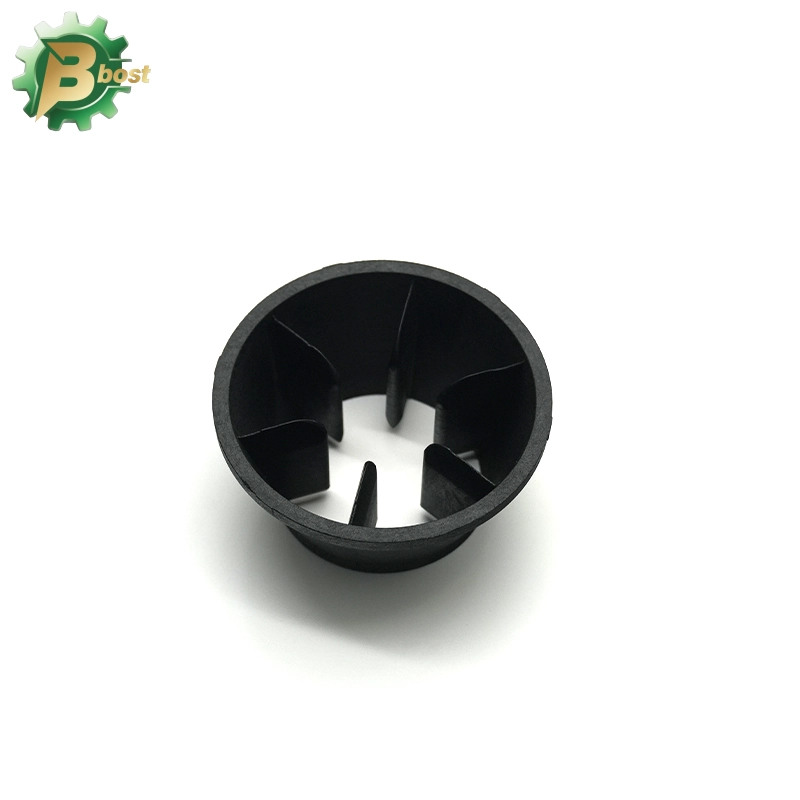
The Bost custom PPO flow valve by injection molding
The BOST Custom PPO Injection-Molded Flow Valve delivers high-temp and corrosion-resistant performance for industrial flow control. Precision-engineered by Bost, this custom PPO valve ensures durable, reliable operation in demanding environments. Optimize your process with BOST’s advanced injection-molded solution.
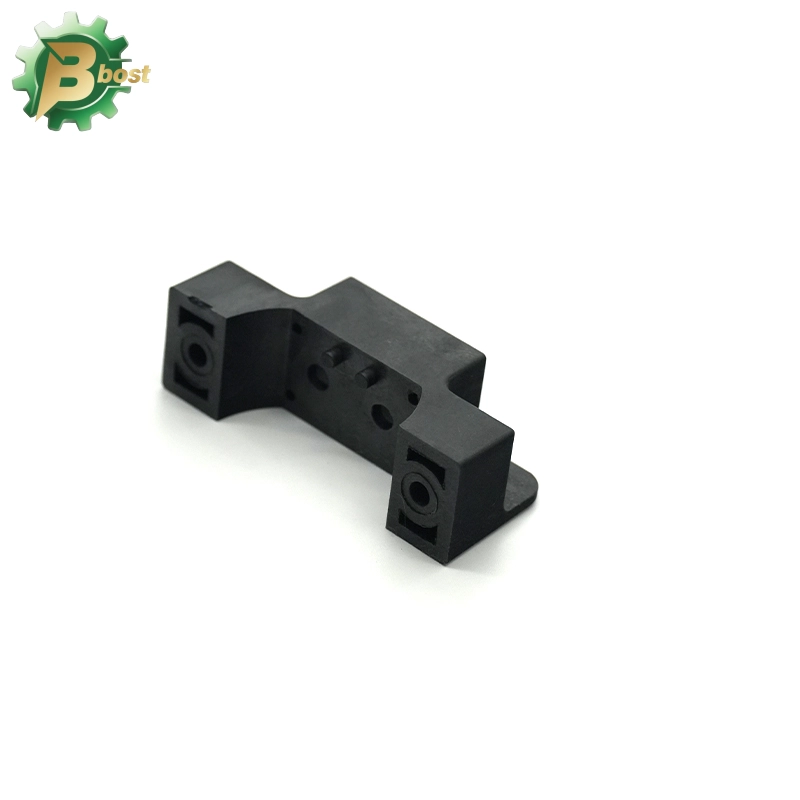
The Bost custom plastic handle by injection molding with high performance PPS material
BOST Custom PPS Injection-Molded Wear-Resistant Handle delivers superior durability and high performance. Made from High Quality PPS material, this injection-molded handle ensures exceptional wear resistance, ideal for demanding applications and long-lasting use. Choose BOST for quality and reliability.
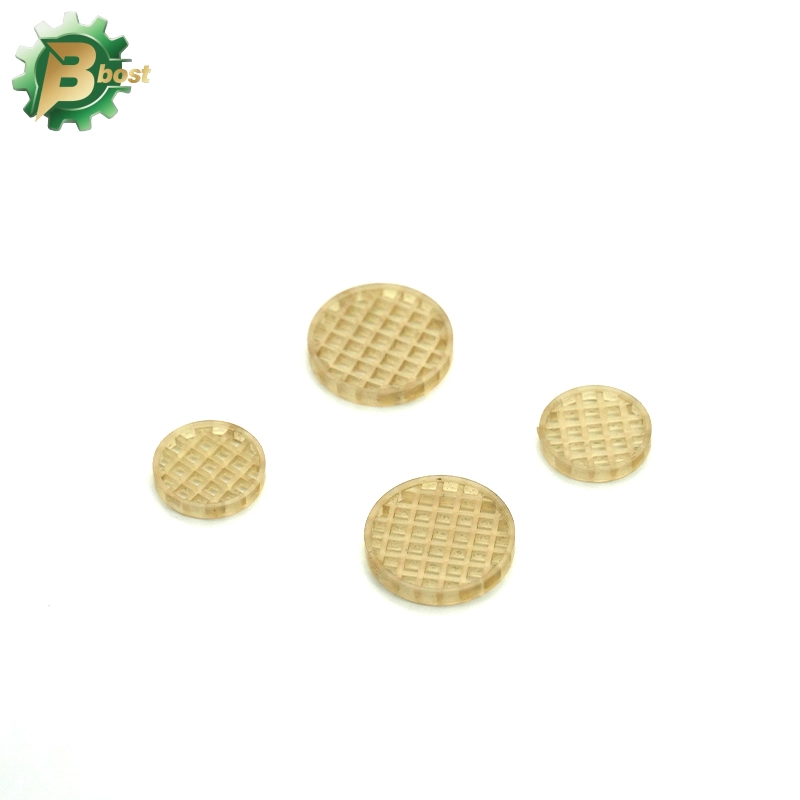
The Bost custom flow meter by injection molding with PES plastic
The Bost Custom PES Injection-Molded Flow Meter offers high-temperature and corrosion resistance, ideal for industrial use. Made with durable PES plastic via precision injection molding, this flow meter ensures reliable, customized performance for demanding applications. Trust Bost for quality and innovation.
Get in touch with Bost
Have any questions or concerns about our products? Please leave us a message here, and our team will get back to you promptly.

24 hours quotes delivered
Submit CAD files, get quote in 24 hours

No MOQ required
From prototyping to high-volume

±0.02 mm Precision
Advanced CNC with full inspections

1,000+ tons in stock
26 materials ready to ship
© 2026 BOST. All Rights Reserved.