
 Scan QR Code
Send My Request
Top 10 engineered plastic components for high-performance parts
Thursday, 03/12/2026
A concise, SEO-friendly overview of the top 10 engineered plastic components used to build high-performance parts. The article explains selection criteria, compares material properties, and shows how precision injection-molded solutions—such as The BOST Custom PPO Injection-Molded Flow Valve—address high-temperature and corrosion-resistant industrial flow control needs.
- Selection criteria for high-performance engineered plastic components
- Key performance drivers
- Testing, standards and verification
- Top 10 engineered plastic components for high-performance parts
- 1–3: High-temperature, structural polymers
- 4–6: Chemical- and corrosion-resistant polymers
- 7–10: Wear-resistant and structural engineering plastics
- Material comparison: properties, trade-offs and recommended uses
- How to weigh mechanical, thermal and chemical properties
- Quick comparison table of the top 10 materials
- Design, processing and deployment for long-life components
- Injection molding considerations for engineered plastics
- Case study: The BOST Custom PPO Injection-Molded Flow Valve by injection molding
- Testing, certification and lifecycle planning
- Implementation tips and common pitfalls
- Optimizing design for manufacturability
- Mitigating environmental and chemical risks
- Supply chain and cost considerations
- FAQ — Frequently asked questions
- Q: How do I pick between PEEK, PPO and PVDF for a valve component?
- Q: Can engineered plastics replace metal in flow-control applications?
- Q: What maintenance differences should I expect with plastic valves like The BOST Custom PPO Injection-Molded Flow Valve?
- Q: Which standards and references should I consult when qualifying materials?
- Contact & product information
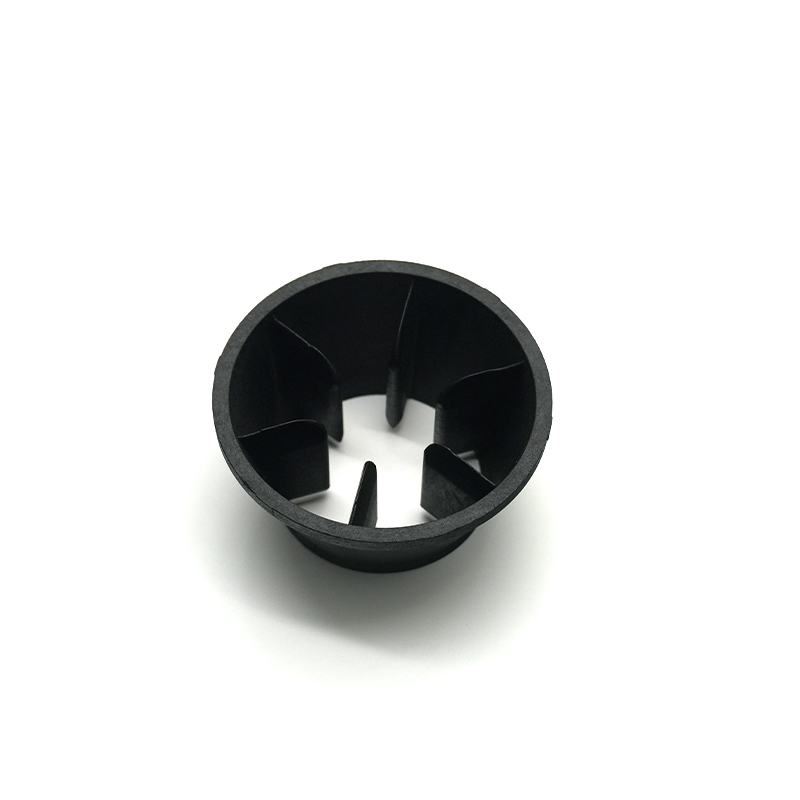
The use of engineered plastic components continues to expand across industries that require lightweight, corrosion-resistant, and thermally stable solutions. This article identifies the top 10 engineered plastic components for high-performance parts, explains how to choose between them based on operating conditions and manufacturing constraints, and shows practical design and processing guidance for injection-molded flow-control parts. We highlight how specificity in material selection and advanced processing—exemplified by The BOST Custom PPO Injection-Molded Flow Valve—can optimize reliability and lifetime performance in demanding environments.
Selection criteria for high-performance engineered plastic components
Key performance drivers
Choosing the right engineered plastic component begins with defining the performance drivers: operating temperature, chemical exposure, mechanical load, friction/wear requirements, dimensional stability, and regulatory constraints. For example, high-temperature polymers such as PEEK or PEI are chosen when long-term use above 150°C is required, while fluoropolymers or PVDF are used for aggressive chemical resistance. Consider creep resistance and fatigue life for dynamic components, and tribological properties for sliding or sealing parts.
Testing, standards and verification
Verify candidate materials against industry standards and test data. Standards bodies such as ISO and organizations like Society of Plastics Engineers (SPE) provide guidance on material characterization and test methods. Look for published mechanical, thermal, and chemical resistance data, and run application-level tests (pressure cycling, thermal cycling, accelerated chemical exposure) to predict in-field performance.
Top 10 engineered plastic components for high-performance parts
1–3: High-temperature, structural polymers
1) PEEK (Polyether ether ketone): Exceptional high-temperature stability (continuous use up to ~260°C), excellent mechanical strength, and outstanding chemical resistance. PEEK is a top choice for aerospace, oil & gas, and semiconductor process hardware where thermal and mechanical loads coincide.
2) PEI / Ultem (Polyetherimide): Good strength and dimensional stability up to ~170–190°C. PEI is often selected for electrical insulation, structural components in appliances, and thin-wall injection molded precision parts.
3) PPS (Polyphenylene sulfide): High thermal stability and chemical resistance with good dimensional control. PPS is widely used for automotive under-hood components and housings that require repeated heat cycles.
4–6: Chemical- and corrosion-resistant polymers
4) PVDF (Polyvinylidene fluoride): Offers very good chemical resistance, moderate temperature capability (~150°C peak), and wear resistance. PVDF is common in valves, pumps, and liners where acids and solvents are present.
5) PTFE & fluoropolymers: The benchmark for chemical inertness and low friction. PTFE is used as seals, sliding surfaces, and lining materials although it has processing and creep limitations compared to thermoplastics.
6) PPO / Noryl (Polyphenylene oxide blends): PPO offers good dimensional stability, moderate temperature resistance (~130–150°C), low moisture uptake, and excellent electrical properties. When filled or modified and processed by injection molding, PPO can produce precise, corrosion-resistant flow-control components—such as The BOST Custom PPO Injection-Molded Flow Valve—delivering long-life performance in industrial environments.
7–10: Wear-resistant and structural engineering plastics
7) Nylon (Polyamide, PA6/PA66 and specialty grades): High toughness, good wear resistance, and mechanical strength. Glass- or mineral-filled variants provide improved stiffness and thermal performance for gears, bearings, and structural components.
8) POM (Acetal): Excellent dimensional stability, low friction, and good fatigue resistance; POM is a go-to for precision moving parts, gears, and tight-tolerance components where low creep is needed.
9) UHMWPE (Ultra-high-molecular-weight polyethylene): Extraordinary wear resistance and impact strength with low friction. UHMWPE is used for sliding surfaces and chain guides where abrasion is severe.
10) PPSU / PSU (Polyphenylsulfone, Polysulfone family): High impact strength, steam resistance, and hydrolysis resistance make these materials suitable for medical device housings and hot-water applications.
Material comparison: properties, trade-offs and recommended uses
How to weigh mechanical, thermal and chemical properties
There is no single “best” engineered plastic component—each polymer family brings trade-offs. Use a matrix approach: match tensile strength, modulus, glass transition or melt temperature, chemical resistance, and coefficient of thermal expansion (CTE) to your application envelope. Also include manufacturability: can the material achieve the required tolerances using injection molding or does it need specialized machining or compression molding?
Quick comparison table of the top 10 materials
| Material | Key strengths | Typical max service temp (°C) | Best applications |
|---|---|---|---|
| PEEK | Highest temp, chemical & wear resistance | 250–260 | Aerospace, oil & gas, semiconductor |
| PEI (Ultem) | Good electrical & thermal stability | 170–200 | Electrical insulators, structural parts |
| PPS | Chemical & thermal resistant, low creep | 150–220 | Automotive, pump components |
| PVDF | Excellent chemical resistance | 120–150 | Valves, liners, fluid handling |
| PTFE | Outstanding chemical inertness & low friction | 250 (softening/creep limitations) | Seals, bearings, linings |
| PPO / Noryl | Dimensional stability, corrosion resistance | 110–150 | Flow control, housings, electrical parts |
| Nylon (PA) | Toughness, wear resistance | 80–120 | Gears, bearings, connectors |
| POM (Acetal) | Low friction, dimensional precision | 70–120 | Precision moving parts, gears |
| UHMWPE | Wear & impact resistance | 80–120 | Sliding guides, liners |
| PPSU / PSU | Hydrolysis & steam resistance | 150–190 | Medical, hot-water systems |
Source references: material property tables and selection frameworks from industry literature and standards organizations such as Wikipedia - Engineering plastic, SPE, and international standards under ISO. For academic reviews of high-performance polymers see an open-access review in the Polymers journal: MDPI Polymers.
Design, processing and deployment for long-life components
Injection molding considerations for engineered plastics
Injection molding is the most cost-effective route for high-volume, close-tolerance engineered plastic components. Key considerations include: proper venting to avoid burn, controlled melt and mold temperatures to prevent voids and ensure crystalline phase development (for semi-crystalline polymers), and gate location and wall-thickness control to minimize sink and warpage. Use simulation tools (moldflow/CAE) to predict flow, fiber orientation for filled compounds, and cooling profiles to achieve dimensional stability.
Case study: The BOST Custom PPO Injection-Molded Flow Valve by injection molding
The BOST Custom PPO Injection-Molded Flow Valve demonstrates how combining a well-chosen polymer with precision molding optimizes industrial flow control. PPO blends deliver low moisture uptake, dimensional stability, and good chemical resistance—beneficial for valves that cycle and must maintain tight clearances under pressure. When manufactured by precision injection molding, the valve achieves consistent tolerances, minimal post-machining, and repeatable performance in corrosive and high-temp environments. The BOST solution targets high-temp and corrosion-resistant performance for industrial flow control, providing durable, reliable operation in demanding environments while optimizing process efficiency.
Testing, certification and lifecycle planning
After prototyping, verify components with application-level tests: burst and leak tests for pressure parts, thermal cycling for dimensional stability, and accelerated chemical exposure to assess long-term corrosive attack. Document findings and consider third-party testing or certification where applicable. Use lifecycle analysis to plan maintenance intervals and replacement parts; engineered plastics often deliver lower total cost of ownership compared to metals in corrosive environments due to reduced corrosion and lower weight.
Implementation tips and common pitfalls
Optimizing design for manufacturability
Design parts with uniform wall thickness where possible, avoid sharp internal corners, and specify proper draft angles for ejection. For glass- or mineral-filled grades, account for anisotropic shrinkage and stiffness; align part geometry to expected flow direction or orientation constraints.
Mitigating environmental and chemical risks
Always validate chemical compatibility with the expected fluids at operating temperature. Use chemical resistance charts and, when uncertain, perform soak tests. Consider protective coatings or elastomeric seals for mixed-material interfaces where galvanic corrosion or differential swelling might occur.
Supply chain and cost considerations
High-performance polymers like PEEK and PTFE are significantly more expensive than commodity plastics. Balance upfront material cost with lifetime benefits: reduced maintenance, longer mean time between failures (MTBF), weight savings, and improved process uptime. For high-volume parts, injection molding with engineered blends (e.g., glass-filled PPO) can deliver an optimal cost/performance balance.
FAQ — Frequently asked questions
Q: How do I pick between PEEK, PPO and PVDF for a valve component?
A: Base the choice on operating temperature, chemical exposure, and mechanical load. Use PEEK for highest temperature and wear, PVDF for severe chemical exposure at moderate temperatures, and PPO for a balance of dimensional stability and chemical resistance in ambient to moderate temps. Prototype and test under expected pressure and chemical conditions before full-scale production.
Q: Can engineered plastics replace metal in flow-control applications?
A: Yes—often. Engineered plastics offer corrosion resistance and lower weight. However, check pressure ratings, temperature limits, and wear behavior. For many corrosive or low-to-moderate pressure systems, plastics outperform metals by avoiding corrosion failure modes. High-pressure or extremely high-temperature services may still require metal or hybrid solutions.
Q: What maintenance differences should I expect with plastic valves like The BOST Custom PPO Injection-Molded Flow Valve?
A: Plastic valves typically need less corrosion-related maintenance, fewer replacements due to rust, and can have longer service intervals in corrosive environments. Inspect seals and actuation components periodically; ensure that exposure conditions (abrasives, UV, extreme heat) are within specified limits.
Q: Which standards and references should I consult when qualifying materials?
A: Consult ISO and ASTM standards relevant to your industry and component type. Industry groups like the Society of Plastics Engineers provide practical guidance. For material properties and definitions, the Wikipedia engineering plastics overview is a useful starting point: Engineering plastic — Wikipedia. For in-depth polymer reviews, see scholarly reviews such as those in MDPI Polymers.
Contact & product information
If you need a precision, corrosion-resistant solution for industrial flow control, consider The BOST Custom PPO Injection-Molded Flow Valve. BOST’s design and injection-molding expertise produce valves optimized for reliable operation in demanding environments. Contact our technical sales team to discuss material selection, custom geometry, and prototyping: contact@bost.com or visit our product page to view specifications and request a quote.
References: ISO (iso.org), Society of Plastics Engineers (4spe.org), Engineering plastics overview (Wikipedia), MDPI Polymers review (MDPI).
Tags
PEEK screw
PEEK screw
customized injection molded plastic parts
customized injection molded plastic parts
injection molding plastic
injection molding plastic
Low temperature & chemical resistance
Low temperature & chemical resistance
High-temperature
High-temperature
heat resistant PA66 nylon insulator
heat resistant PA66 nylon insulator
Recommended for you
PVC vs. ABS in Injection Molding: Material Comparison and Selection Guide
Selecting Plastic Connectors for Weatherproof Enclosures
Quality Control and Inspection for Injection Molded Parts
Engineering Plastics: Benefits of Black UV-Resistant ABS Connectors
Prdoucts Categories
Question you may concern
FAQs
Can Bost customize modified plastics with special properties?
Yes! We offer modification services such as reinforcement, flame retardancy, conductivity, wear resistance, and UV resistance, for example:
• Adding carbon fiber to enhance stiffness
• Reducing the coefficient of friction through PTFE modification
• Customizing food-grade or medical-grade certified materials
How do I select the appropriate engineering plastic grade for my product?
Selection should be based on parameters such as load conditions (e.g., pressure/friction), temperature range, medium contact (e.g., oil/acid), and regulatory requirements (e.g., FDA/RoHS). Our engineers can provide free material selection consulting and sample testing.
What is the minimum order quantity (MOQ)? Do you support small-batch trial production?
The MOQ for standard products is ≥100kg. We support small-batch trial production (as low as 20kg) and provide mold testing reports and performance data feedback.
What are the core advantages of Bost engineering plastics compared to ordinary plastics?
Bost engineering plastics feature ultra-high mechanical strength, high-temperature resistance (-50°C to 300°C), chemical corrosion resistance, and wear resistance. Compared to ordinary plastics, their service life is extended by 3 to 8 times, making them suitable for replacing metals in harsh environments.
What is the delivery lead time? Do you offer global logistics?
Standard products: 5–15 working days; custom modifications: 2–4 weeks. We support global air/sea freight and provide export customs clearance documents (including REACH/UL certifications).
You may also like
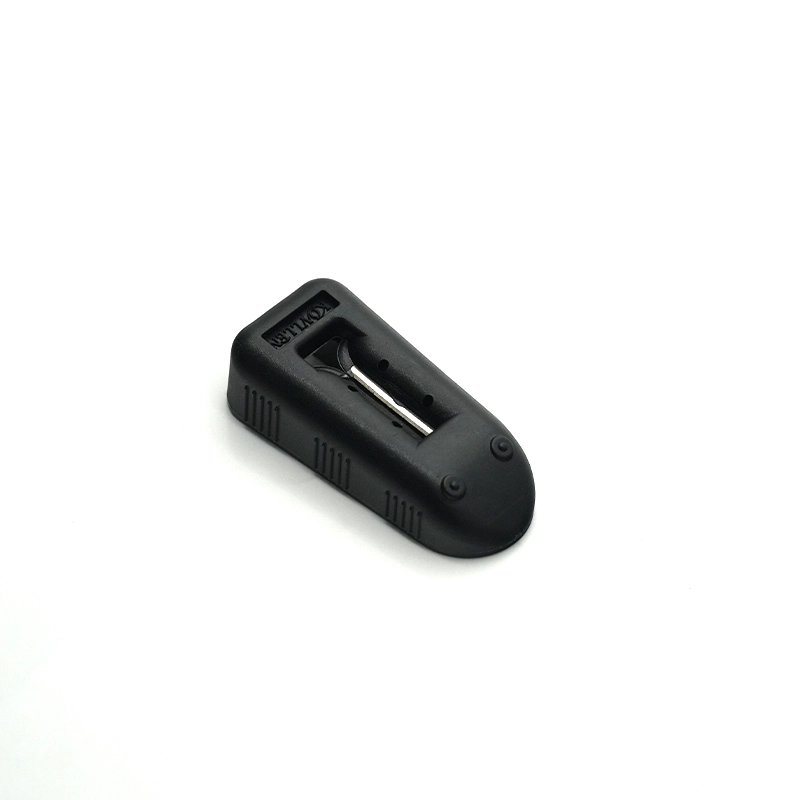
The plastic plug manufactured by Insert molding with stainless steel plate
Bost’s Insert-Molded Stainless Steel Plate Plastic Plug offers superior durability and corrosion resistance. This stainless steel insert durable plastic plug ensures a secure fit and long-lasting performance, ideal for industrial and commercial applications. Robust design meets quality standards.
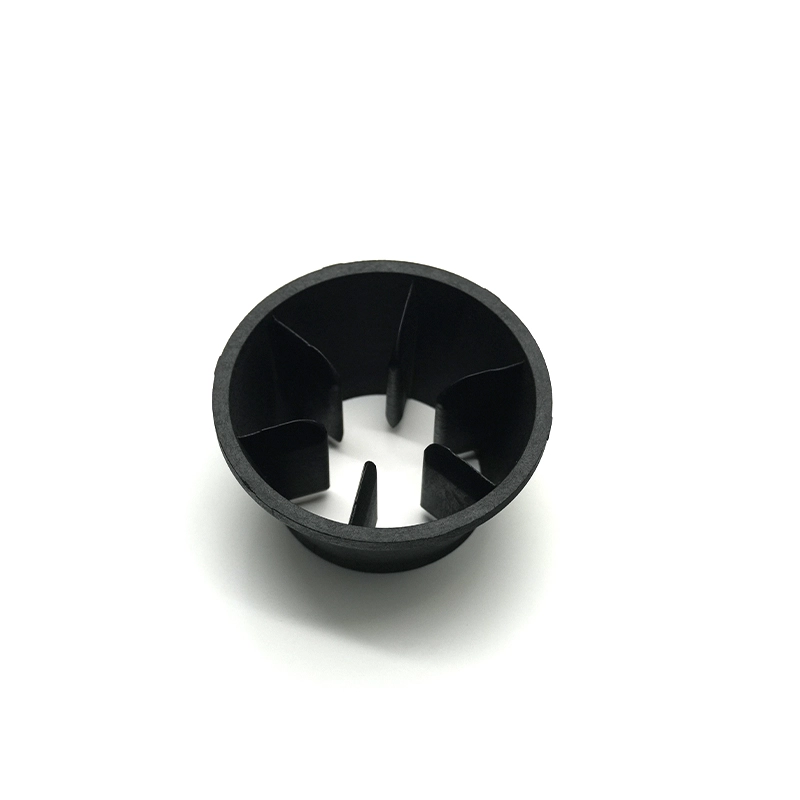
The Bost custom PPO flow valve by injection molding
The BOST Custom PPO Injection-Molded Flow Valve delivers high-temp and corrosion-resistant performance for industrial flow control. Precision-engineered by Bost, this custom PPO valve ensures durable, reliable operation in demanding environments. Optimize your process with BOST’s advanced injection-molded solution.
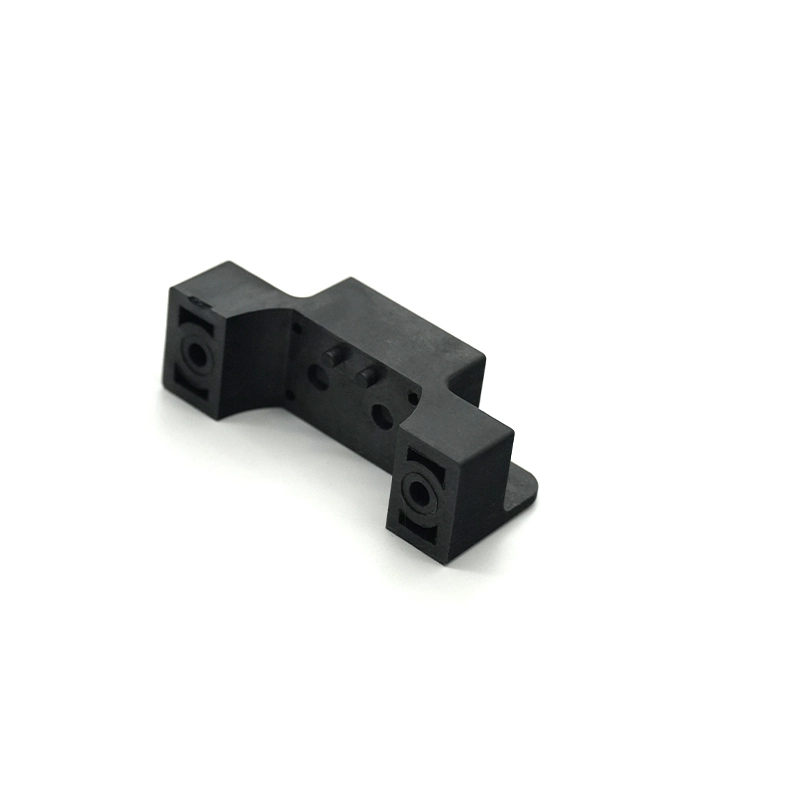
The Bost custom plastic handle by injection molding with high performance PPS material
BOST Custom PPS Injection-Molded Wear-Resistant Handle delivers superior durability and high performance. Made from High Quality PPS material, this injection-molded handle ensures exceptional wear resistance, ideal for demanding applications and long-lasting use. Choose BOST for quality and reliability.
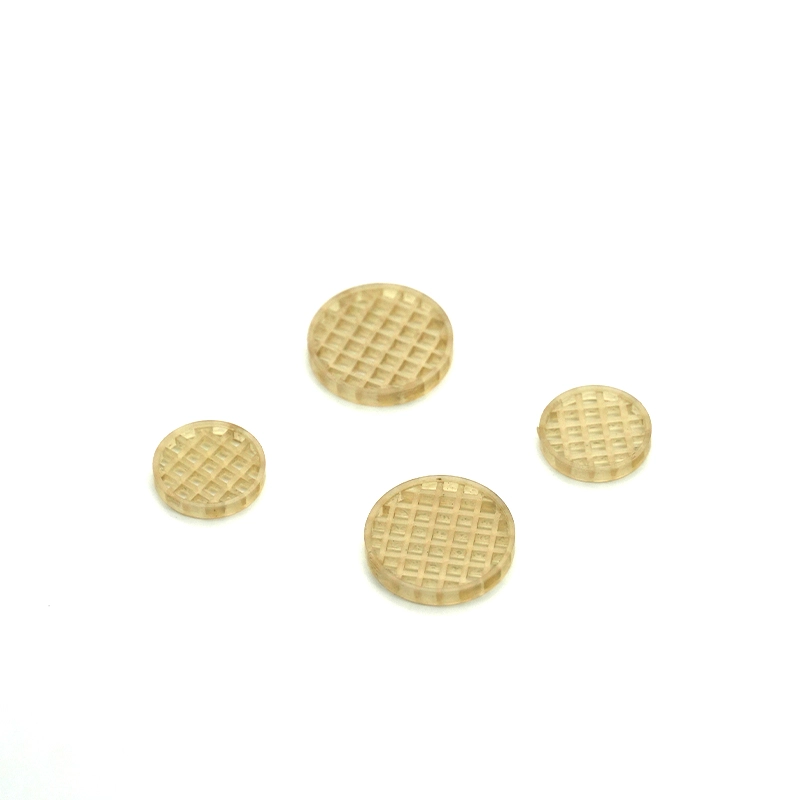
The Bost custom flow meter by injection molding with PES plastic
The Bost Custom PES Injection-Molded Flow Meter offers high-temperature and corrosion resistance, ideal for industrial use. Made with durable PES plastic via precision injection molding, this flow meter ensures reliable, customized performance for demanding applications. Trust Bost for quality and innovation.
Get in touch with Bost
Have any questions or concerns about our products? Please leave us a message here, and our team will get back to you promptly.

24 hours quotes delivered
Submit CAD files, get quote in 24 hours

No MOQ required
From prototyping to high-volume

±0.02 mm Precision
Advanced CNC with full inspections

1,000+ tons in stock
26 materials ready to ship
© 2026 BOST. All Rights Reserved.