 Scan QR Code
Send My Request
Engineering Plastics: Benefits of Black UV-Resistant ABS Connectors
Tuesday, 01/20/2026
Black UV-resistant ABS connectors are a reliable engineering plastics solution for long-term outdoor installations. The Bost Black UV-Resistant ABS Outdoor Connector combines high-quality ABS thermoplastic formulation with UV stabilizers to deliver superior weather resistance, impact strength, and dimensional stability—ideal for harsh environments and weatherproof electrical or structural connections.
- Optimizing Outdoor Installations with Durable Plastic Connectors
- Why engineering plastics matter for outdoor components
- How UV resistance extends service life
- Key advantages in practical installations
- Material Properties and Performance Comparison
- ABS fundamentals and formulation improvements
- Comparative table: ABS vs. other engineering plastics for outdoor connectors
- Interpreting the data for application fit
- Design, Manufacturing, and Long-Term Reliability
- Design considerations for ABS connectors
- Manufacturing: injection molding and QC
- Reliability in real-world conditions
- Applications, Compliance, and Maintenance
- Typical use cases for black UV-resistant ABS connectors
- Compliance, testing, and industry standards
- Maintenance, inspection, and lifecycle management
- Brand Advantages: Why Choose Bost’s Black UV-Resistant ABS Connector
- Manufacturing excellence and material control
- Application support and customization
- Sustainability and lifecycle considerations
- FAQ (Frequently Asked Questions)
- Q: What makes a connector UV-resistant?
- Q: Can UV-resistant ABS be used in salt-spray or coastal environments?
- Q: How does black coloring affect thermal behavior?
- Q: How do you test for UV resistance and long-term durability?
- Q: Are there alternatives to ABS for outdoor connectors?
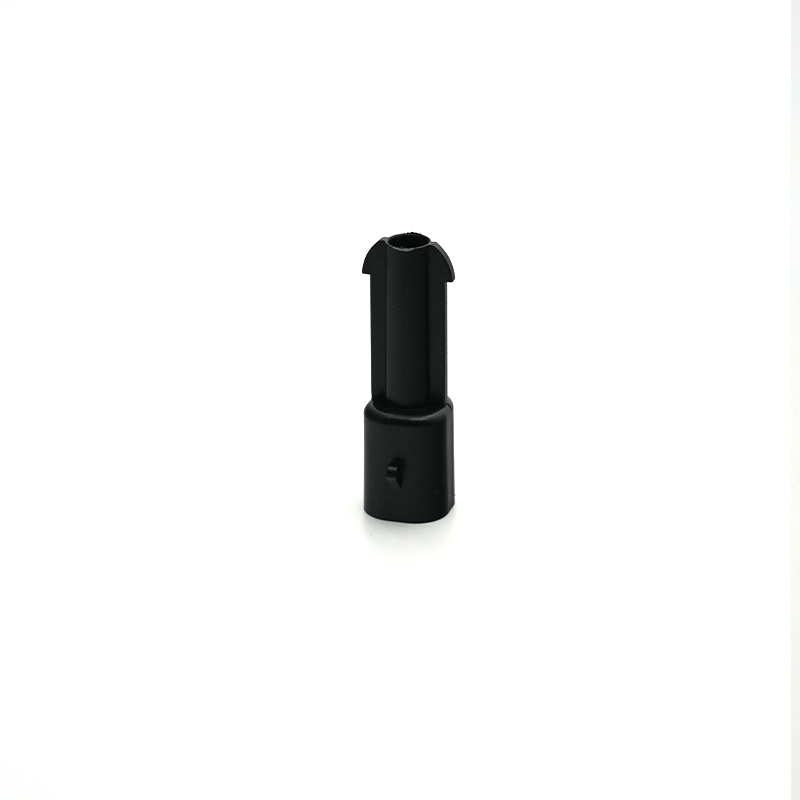
The Bost Black UV-Resistant ABS Outdoor Connector offers superior weather resistance and durability. Made from high-quality ABS plastic, this precision connector ensures reliable performance in harsh outdoor conditions, making it ideal for long-lasting, weatherproof installations. As an engineering plastics solution optimized for outdoor use, it balances mechanical strength, UV stability, and ease of manufacturing to reduce maintenance costs and extend service life for a wide range of applications. To validate these material advantages under actual operating conditions, engineers often rely on standardized durability tests for black UV-resistant ABS connectors.
Optimizing Outdoor Installations with Durable Plastic Connectors
Why engineering plastics matter for outdoor components
Engineering plastics are designed to deliver enhanced mechanical and thermal performance compared to commodity plastics. For outdoor connectors, key material attributes include impact strength, tensile strength, dimensional stability, and resistance to environmental stressors such as ultraviolet (UV) radiation and moisture. Acrylonitrile Butadiene Styrene (ABS) is a widely used engineering thermoplastic known for its balance of toughness and rigidity. For authoritative background information on engineering plastics and their role in industry, see the Engineering plastics overview on Wikipedia.
How UV resistance extends service life
UV radiation can cause polymer chain scission, discoloration, and embrittlement in plastic parts over time. UV-resistant formulations incorporate additives such as UV absorbers and hindered amine light stabilizers (HALS) to protect polymer matrices. A UV-stabilized ABS connector maintains its mechanical integrity and appearance longer than untreated variants, reducing replacement frequency and lifecycle costs. For details on UV degradation mechanisms in plastics, consult the Ultraviolet degradation summary.
Key advantages in practical installations
The Bost Black UV-Resistant ABS Outdoor Connector offers practical benefits: predictable mechanical behavior across a range of temperatures, resistance to cracking from thermal cycling, and reliable fit where tight tolerances are required. Its black color also aids in heat absorption and offers a neutral aesthetic for many outdoor systems, while color-matched UV pigmentation helps reduce surface chalking and color fade.
Material Properties and Performance Comparison
ABS fundamentals and formulation improvements
Acrylonitrile Butadiene Styrene (ABS) is a copolymer commonly used in engineering applications for its toughness, impact resistance, and ease of injection molding. UV-resistant ABS blends include stabilizers and carbon black or pigments optimized to absorb or reflect harmful radiation. For a technical overview of ABS properties, see the ABS article on Wikipedia.
Comparative table: ABS vs. other engineering plastics for outdoor connectors
The table below summarizes typical properties useful to engineers selecting a material for outdoor connectors. Values are representative; consult material datasheets for specification-grade decisions.
| Property | Black UV-Resistant ABS | Polycarbonate (PC) | Nylon (PA6/PA66) |
|---|---|---|---|
| Impact Strength | Good (high toughness) | Very high | High, variable with filler |
| UV Resistance (untreated) | Poor; improved with UV package | Moderate; requires stabilization | Poor; hygroscopic behavior complicates UV balance |
| Moisture Absorption | Low | Very low | High (affects dimensions) |
| Ease of Molding | Excellent (injection molding) | Good | Moderate |
| Cost | Moderate (cost-effective) | Higher | Moderate to high |
Interpreting the data for application fit
For most weatherproof outdoor connector needs, a UV-stabilized ABS offers an excellent balance of cost, manufacturability, impact resistance, and low moisture uptake—making it particularly suited for enclosures, cable glands, and mechanical connectors where dimensional stability and consistent fit are critical. For industry-level material property guidance, the PlasticsEurope website and material datasheets are valuable resources (see PlasticsEurope: Engineering plastics).
Design, Manufacturing, and Long-Term Reliability
Design considerations for ABS connectors
When designing with engineering plastics like ABS, consider wall thickness, ribbing, draft angles, and tolerances to avoid sink marks and ensure mechanical strength. Stress concentrators should be minimized to prevent crack initiation under cyclic loads. Use of fillets, uniform wall sections, and ribs placed along load paths improve durability while keeping weight low.
Manufacturing: injection molding and QC
Injection molding is the preferred manufacturing method for complex connector geometries. Processing parameters—melt temperature, mold temperature, cycle time—must be optimized to achieve consistent crystallinity and minimize internal stresses. Quality control should include dimensional inspection, impact testing, and weathering tests (accelerated UV exposure) to validate the UV-resistant formulation. Industry test standards from ASTM or ISO provide protocols for accelerated weathering and mechanical testing; for standards information, see ASTM International.
Reliability in real-world conditions
Long-term reliability involves both material selection and system-level design. For example, mating geometries and sealing interfaces must maintain compression under thermal cycling to preserve weatherproof performance. The Bost Black UV-Resistant ABS Outdoor Connector is engineered to maintain fit and seal integrity across temperature swings and UV exposure, minimizing water ingress and corrosion risks for internal components.
Applications, Compliance, and Maintenance
Typical use cases for black UV-resistant ABS connectors
Common applications include outdoor electrical junctions, LED lighting housings and connectors, solar mounting hardware, telecom enclosures, and signage mounting systems. The connector’s resistance to impact and UV makes it suited for environments with sun exposure, moderate mechanical stress, and periodic cleaning or exposure to rain.
Compliance, testing, and industry standards
Connectors used in outdoor electrical contexts frequently need to meet ingress protection (IP) ratings, flammability (UL 94) ratings, and sometimes UV and salt spray test requirements. For guidance on electrical connector safety and flammability, reference UL’s material classifications and test standards (see UL). Accelerated weathering testing to simulate years of sunlight can be conducted according to ASTM G154 or similar protocols under ISO standards.
Maintenance, inspection, and lifecycle management
Routine maintenance for outdoor connectors generally involves visual inspection for cracking, discoloration, deformation, and seal integrity. Replacement criteria should be set based on observed embrittlement or loss of sealing performance rather than cosmetic fading alone. UV-stabilized ABS reduces maintenance frequency, but scheduled inspections are still best practice to ensure long-term system reliability.
Brand Advantages: Why Choose Bost’s Black UV-Resistant ABS Connector
Manufacturing excellence and material control
Bost combines rigorous material selection with proprietary UV-stabilized ABS formulations and precision injection molding to deliver consistent part quality. Strict quality control measures—material certification, dimensional inspection, and accelerated weathering tests—ensure each connector meets performance expectations before shipment.
Application support and customization
Bost provides design consultation for specific installations, helping customers select the correct connector geometry, sealing options, and assembly instructions to simplify installation. Custom tooling and color-matching options are available for projects that require branding or unique fitments.
Sustainability and lifecycle considerations
Where possible, Bost prioritizes recyclability and responsible sourcing of thermoplastic resins. By extending service life through UV-resistant formulations and robust design, the Bost connector reduces lifecycle environmental impact compared to frequently replaced, lower-performance parts.
FAQ (Frequently Asked Questions)
Q: What makes a connector UV-resistant?
A: UV resistance results from material formulation—additives like UV absorbers and hindered amine light stabilizers (HALS) are incorporated to prevent polymer degradation. Pigments such as carbon black also improve UV shielding. The combination helps maintain mechanical and aesthetic properties under prolonged sunlight.
Q: Can UV-resistant ABS be used in salt-spray or coastal environments?
A: Yes, UV-resistant ABS is suitable for coastal environments provided the connector design addresses corrosion of any metal inserts or contacts. Proper sealing (gaskets, O-rings) should be specified to prevent saltwater ingress to internal components. For metal components, corrosion-resistant alloys or surface treatments are recommended.
Q: How does black coloring affect thermal behavior?
A: Black pigments absorb more solar heat than lighter colors, which can raise the surface temperature of the connector in direct sunlight. Bost’s UV-stable black formulations are engineered to retain dimensional stability and mechanical performance across typical outdoor temperature ranges; in high-temperature environments, material thermal limits should be confirmed against component specifications.
Q: How do you test for UV resistance and long-term durability?
A: Accelerated weathering tests such as ASTM G154 (fluorescent UV) or Xenon arc tests simulate years of sunlight exposure in condensed time. Mechanical tests (impact, tensile) before and after weathering quantify any degradation. Bost performs these tests as part of its validation program.
Q: Are there alternatives to ABS for outdoor connectors?
A: Alternatives include polycarbonate (PC) for higher impact and heat resistance, and certain nylon blends for toughness where moisture exposure is controlled. Each material involves trade-offs in cost, manufacturability, and environmental resistance; ABS remains a balanced, cost-effective choice for many outdoor connector applications.
If you need a reliable, weatherproof connector for outdoor installations, contact our team to discuss specifications, request samples, or obtain a quote. View the Bost Black UV-Resistant ABS Outdoor Connector product page or reach out to customer service for technical support and ordering.
Contact & Product: For inquiries, technical datasheets, or to order samples, please contact our sales team or visit the product page for the Bost Black UV-Resistant ABS Outdoor Connector.
Tags
High-Performance PEEK
High-Performance PEEK
precision cnc machined parts
precision cnc machined parts
china plastic spur gears
china plastic spur gears
Plastic Gasket
Plastic Gasket
High-Temp Resistant Guiding
High-Temp Resistant Guiding
High wear resistance & low friction
High wear resistance & low friction
Recommended for you
top engineering plastics for lightweighting 2026
Overmolding and Insert Molding Techniques for Plastics
Supply Chain Risks and Compliance for Industrial Rubber Seal Rings
Recycling and Circular Economy Strategies for Engineering Plastics
Prdoucts Categories
Question you may concern
FAQs
What are the core advantages of Bost engineering plastics compared to ordinary plastics?
Bost engineering plastics feature ultra-high mechanical strength, high-temperature resistance (-50°C to 300°C), chemical corrosion resistance, and wear resistance. Compared to ordinary plastics, their service life is extended by 3 to 8 times, making them suitable for replacing metals in harsh environments.
What is the delivery lead time? Do you offer global logistics?
Standard products: 5–15 working days; custom modifications: 2–4 weeks. We support global air/sea freight and provide export customs clearance documents (including REACH/UL certifications).
Can Bost customize modified plastics with special properties?
Yes! We offer modification services such as reinforcement, flame retardancy, conductivity, wear resistance, and UV resistance, for example:
• Adding carbon fiber to enhance stiffness
• Reducing the coefficient of friction through PTFE modification
• Customizing food-grade or medical-grade certified materials
How do I select the appropriate engineering plastic grade for my product?
Selection should be based on parameters such as load conditions (e.g., pressure/friction), temperature range, medium contact (e.g., oil/acid), and regulatory requirements (e.g., FDA/RoHS). Our engineers can provide free material selection consulting and sample testing.
What is the minimum order quantity (MOQ)? Do you support small-batch trial production?
The MOQ for standard products is ≥100kg. We support small-batch trial production (as low as 20kg) and provide mold testing reports and performance data feedback.
You may also like
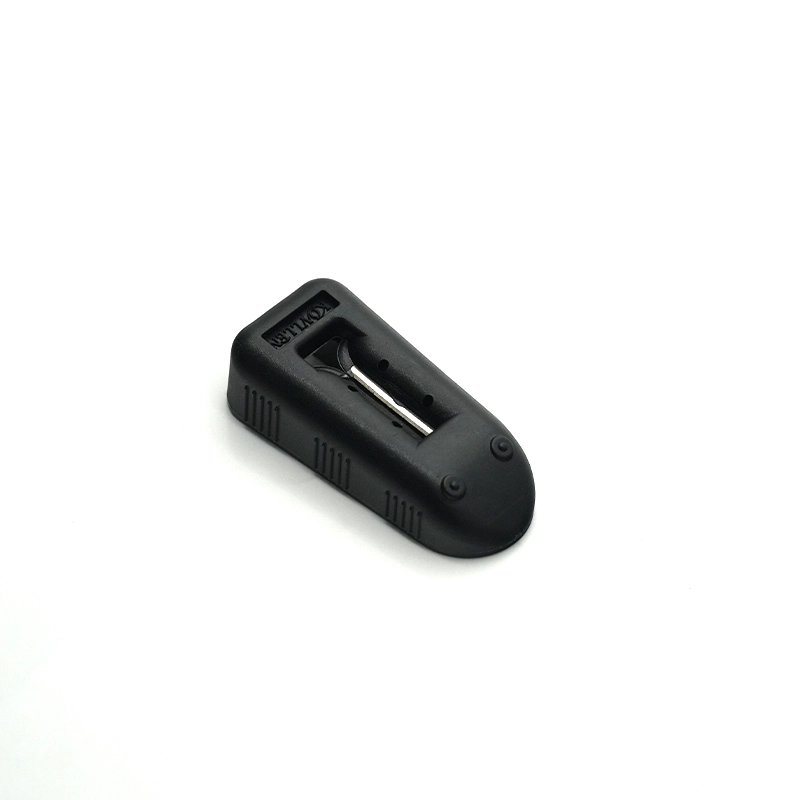
The plastic plug manufactured by Insert molding with stainless steel plate
Bost’s Insert-Molded Stainless Steel Plate Plastic Plug offers superior durability and corrosion resistance. This stainless steel insert durable plastic plug ensures a secure fit and long-lasting performance, ideal for industrial and commercial applications. Robust design meets quality standards.
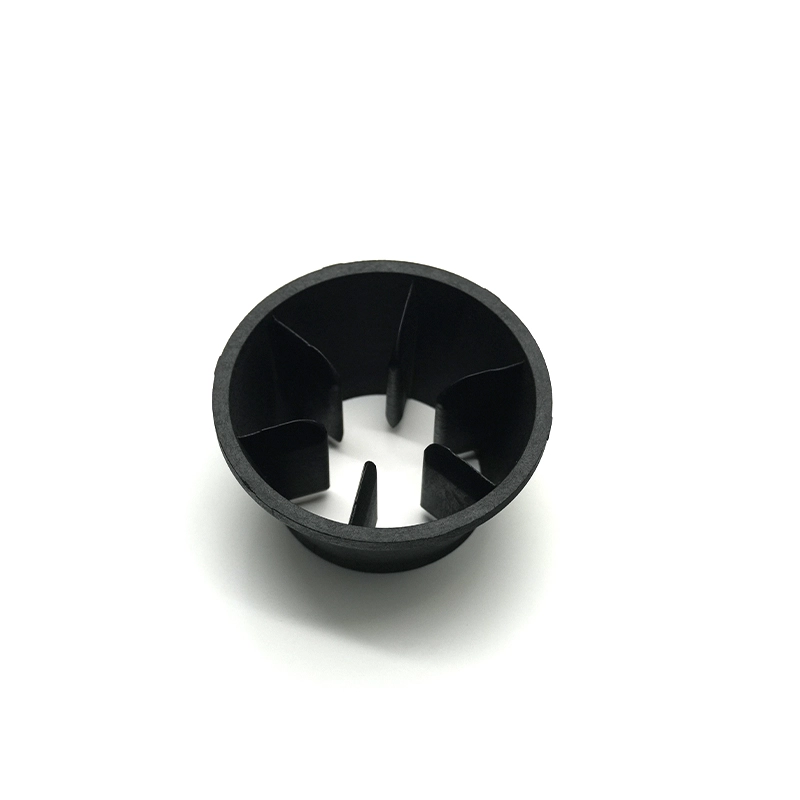
The Bost custom PPO flow valve by injection molding
The BOST Custom PPO Injection-Molded Flow Valve delivers high-temp and corrosion-resistant performance for industrial flow control. Precision-engineered by Bost, this custom PPO valve ensures durable, reliable operation in demanding environments. Optimize your process with BOST’s advanced injection-molded solution.
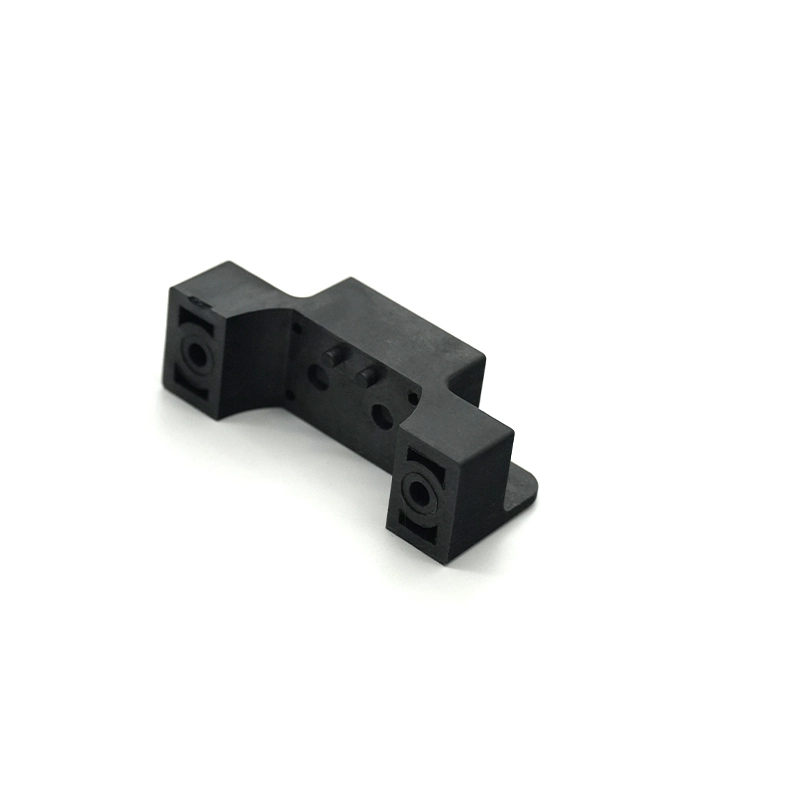
The Bost custom plastic handle by injection molding with high performance PPS material
BOST Custom PPS Injection-Molded Wear-Resistant Handle delivers superior durability and high performance. Made from High Quality PPS material, this injection-molded handle ensures exceptional wear resistance, ideal for demanding applications and long-lasting use. Choose BOST for quality and reliability.
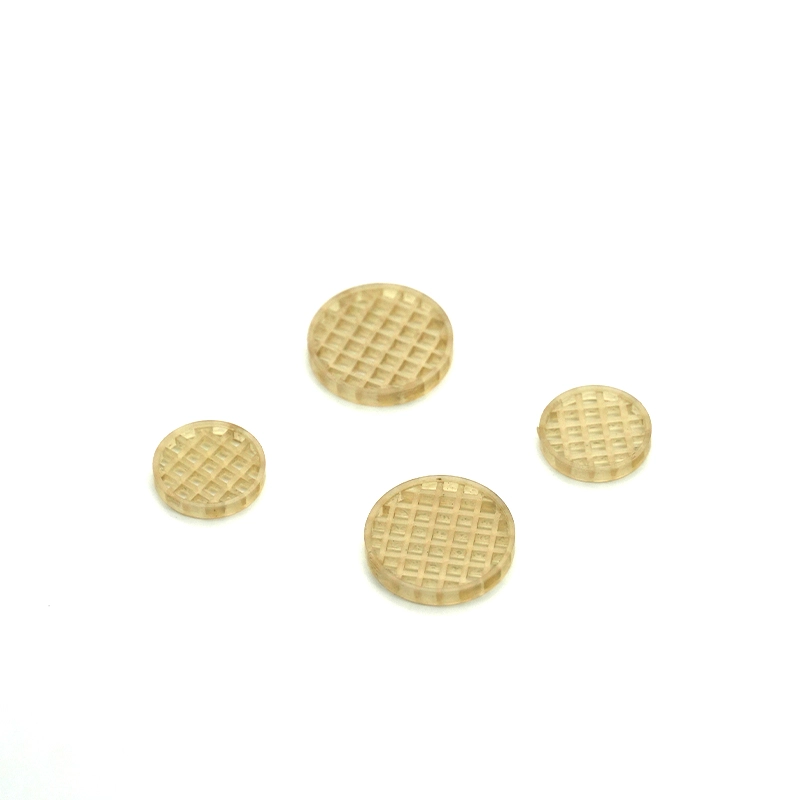
The Bost custom flow meter by injection molding with PES plastic
The Bost Custom PES Injection-Molded Flow Meter offers high-temperature and corrosion resistance, ideal for industrial use. Made with durable PES plastic via precision injection molding, this flow meter ensures reliable, customized performance for demanding applications. Trust Bost for quality and innovation.
Get in touch with Bost
Have any questions or concerns about our products? Please leave us a message here, and our team will get back to you promptly.

24 hours quotes delivered
Submit CAD files, get quote in 24 hours

No MOQ required
From prototyping to high-volume

±0.02 mm Precision
Advanced CNC with full inspections

1,000+ tons in stock
26 materials ready to ship
© 2026 BOST. All Rights Reserved.