
 Scan QR Code
Send My Request
top bio-based high-performance plastics to watch 2026
Monday, 11/17/2025
Explore the leading bio-based high-performance plastics set to revolutionize industries by 2026, highlighting their applications, benefits, and the companies driving innovation in this field.
- Introduction
- Understanding High-Performance Plastics
- The Rise of Bio-Based Alternatives
- Leading Bio-Based High-Performance Plastics to Watch in 2026
- 1. Polyhydroxyalkanoates (PHAs)
- 2. Polylactic Acid (PLA)
- 3. Bio-Based Polyethylene (Bio-PE)
- 4. Bio-Based Polypropylene (Bio-PP)
- 5. Bio-Based Polyamides (Bio-PA)
- Advantages of Bio-Based High-Performance Plastics
- Challenges and Considerations
- Conclusion
- Frequently Asked Questions (FAQ)
- Contact Us
Introduction
The global shift towards sustainability has accelerated the development of bio-based high-performance plastics. These materials not only offer the exceptional properties required for demanding applications but also contribute to environmental conservation by reducing reliance on fossil fuels. As we look ahead to 2026, several bio-based high-performance plastics are poised to make a significant impact across various industries.
Understanding High-Performance Plastics
High-performance plastics are engineered materials designed to withstand extreme conditions, including high temperatures, aggressive chemicals, and mechanical stress. They are essential in sectors such as automotive, aerospace, electronics, and medical devices, where reliability and durability are paramount. Traditional high-performance plastics are often derived from petroleum-based sources, raising concerns about sustainability and environmental impact.
The Rise of Bio-Based Alternatives
Bio-based plastics are derived from renewable resources like plants, algae, or microorganisms. They offer a sustainable alternative to conventional plastics, aiming to reduce carbon footprints and promote a circular economy. The development of bio-based high-performance plastics combines the advantages of renewable sourcing with the superior properties required for specialized applications.
Leading Bio-Based High-Performance Plastics to Watch in 2026
1. Polyhydroxyalkanoates (PHAs)
PHAs are a group of biodegradable polymers produced by microorganisms through fermentation of sugars or lipids. They exhibit excellent mechanical properties, biocompatibility, and biodegradability, making them suitable for medical applications, packaging, and agricultural films.
Applications: Medical sutures, drug delivery systems, biodegradable packaging, agricultural films.
Benefits: Biodegradable, biocompatible, derived from renewable resources.
Companies to Watch: CJ Biomaterials has developed PHACT A1000P, an amorphous PHA co-polymer that is 100% bio-based, industrially compostable, home compostable, and biodegradable in marine and soil environments. This material offers flexibility and toughness, making it suitable for various applications, including flexible and rigid packaging, as well as foodservice ware.
2. Polylactic Acid (PLA)
PLA is a biodegradable thermoplastic made from fermented plant starch (usually corn) and is one of the most widely used bio-based plastics. It offers a good balance of mechanical properties and is suitable for applications requiring transparency.
Applications: Food packaging, disposable cutlery, 3D printing filaments, medical implants.
Benefits: Biodegradable, compostable, derived from renewable resources.
Companies to Watch: NatureWorks, a joint venture between Cargill and PTT Global Chemical, produces Ingeo™ biopolymers from renewable plant sugars. Ingeo™ PLA is widely adopted for packaging, 3D printing, and textiles.
3. Bio-Based Polyethylene (Bio-PE)
Bio-PE is chemically identical to conventional polyethylene but is produced from renewable resources, such as sugarcane. It offers the same mechanical properties and recyclability as its fossil-based counterpart.
Applications: Packaging films, bottles, and bags.
Benefits: Same performance as conventional PE, renewable sourcing, recyclable.
Companies to Watch: Braskem has developed a bio-based polyethylene made from sugarcane ethanol, serving over 250 global brands across more than 30 countries in packaging, films, cables, and more.
4. Bio-Based Polypropylene (Bio-PP)
Bio-PP is produced from renewable resources and offers similar properties to traditional polypropylene, including high chemical resistance and mechanical strength.
Applications: Automotive parts, packaging, textiles.
Benefits: Renewable sourcing, similar performance to conventional PP.
Companies to Watch: Borealis develops bio-based polypropylene solutions through its EverMinds platform, supporting customers in their sustainability journeys.
5. Bio-Based Polyamides (Bio-PA)
Bio-PA, such as Rilsan® polyamide 11 derived from castor oil, offers high mechanical strength, chemical resistance, and thermal stability.
Applications: Automotive fuel lines, 3D printing powders, electrical cables.
Benefits: Derived from renewable resources, high-performance properties.
Companies to Watch: Arkema's Rilsan® polyamide 11 is derived entirely from castor oil and serves demanding applications from automotive fuel lines to 3D printing powders.
Advantages of Bio-Based High-Performance Plastics
Sustainability: Reduced reliance on fossil fuels and lower carbon footprint.
Biodegradability: Many bio-based plastics are biodegradable, reducing environmental impact.
Renewable Sourcing: Derived from renewable resources, ensuring a sustainable supply chain.
Performance: Capable of matching or exceeding the properties of conventional high-performance plastics.
Challenges and Considerations
Cost: Bio-based plastics can be more expensive to produce due to raw material costs and processing technologies.
Performance Variability: Some bio-based plastics may exhibit variability in performance compared to traditional materials.
Supply Chain: Ensuring a consistent and sustainable supply of raw materials is crucial.
Conclusion
The development of bio-based high-performance plastics represents a significant advancement in material science, offering sustainable alternatives without compromising on performance. As we approach 2026, these materials are set to play a pivotal role in various industries, driving innovation and contributing to a more sustainable future.
Frequently Asked Questions (FAQ)
Q1: What are bio-based high-performance plastics?
A1: Bio-based high-performance plastics are engineered materials derived from renewable resources that offer exceptional properties, such as high mechanical strength, thermal stability, and chemical resistance, suitable for demanding applications.
Q2: How do bio-based plastics differ from conventional plastics?
A2: Bio-based plastics are produced from renewable resources and are often biodegradable, whereas conventional plastics are derived from fossil fuels and are typically not biodegradable.
Q3: Are bio-based high-performance plastics more expensive than traditional plastics?
A3: Bio-based plastics can be more expensive to produce due to raw material costs and processing technologies, but prices are expected to decrease as production scales up.
Q4: What are the environmental benefits of using bio-based plastics?
A4: Bio-based plastics help reduce reliance on fossil fuels, lower carbon footprints, and decrease plastic pollution through biodegradability.
Q5: Which industries are adopting bio-based high-performance plastics?
A5: Industries such as automotive, packaging, electronics, and medical devices are increasingly adopting bio-based high-performance plastics to meet sustainability goals.
Contact Us
For more information on our range of high-performance engineering plastics, including bio-based options, please contact us or explore our product offerings below.
Tags
insert plastic molding
insert plastic molding
Wear-Resistant Protection
Wear-Resistant Protection
china plastic spur gears
china plastic spur gears
custom injection molding
custom injection molding
plastic pulleys
plastic pulleys
custom plastic spur gears
custom plastic spur gears
Recommended for you
Top 10 China manufacturers of engineered plastic components
Maintenance Best Practices for Long-Lasting Plastic Bushings
How to Read Datasheets for ABS Plastic Connectors
Chemical Resistance of Common Engineering Plastics
Prdoucts Categories
Question you may concern
FAQs
Can Bost customize modified plastics with special properties?
Yes! We offer modification services such as reinforcement, flame retardancy, conductivity, wear resistance, and UV resistance, for example:
• Adding carbon fiber to enhance stiffness
• Reducing the coefficient of friction through PTFE modification
• Customizing food-grade or medical-grade certified materials
What are the core advantages of Bost engineering plastics compared to ordinary plastics?
Bost engineering plastics feature ultra-high mechanical strength, high-temperature resistance (-50°C to 300°C), chemical corrosion resistance, and wear resistance. Compared to ordinary plastics, their service life is extended by 3 to 8 times, making them suitable for replacing metals in harsh environments.
How do I select the appropriate engineering plastic grade for my product?
Selection should be based on parameters such as load conditions (e.g., pressure/friction), temperature range, medium contact (e.g., oil/acid), and regulatory requirements (e.g., FDA/RoHS). Our engineers can provide free material selection consulting and sample testing.
What is the minimum order quantity (MOQ)? Do you support small-batch trial production?
The MOQ for standard products is ≥100kg. We support small-batch trial production (as low as 20kg) and provide mold testing reports and performance data feedback.
What is the delivery lead time? Do you offer global logistics?
Standard products: 5–15 working days; custom modifications: 2–4 weeks. We support global air/sea freight and provide export customs clearance documents (including REACH/UL certifications).
You may also like
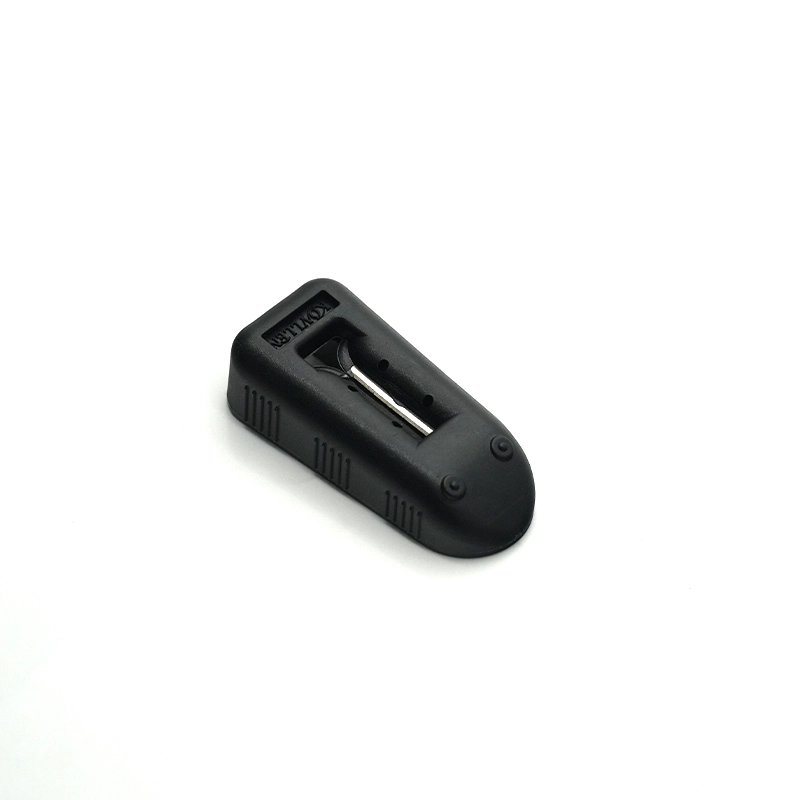
The plastic plug manufactured by Insert molding with stainless steel plate
Bost’s Insert-Molded Stainless Steel Plate Plastic Plug offers superior durability and corrosion resistance. This stainless steel insert durable plastic plug ensures a secure fit and long-lasting performance, ideal for industrial and commercial applications. Robust design meets quality standards.
The Bost custom PPO flow valve by injection molding
The BOST Custom PPO Injection-Molded Flow Valve delivers high-temp and corrosion-resistant performance for industrial flow control. Precision-engineered by Bost, this custom PPO valve ensures durable, reliable operation in demanding environments. Optimize your process with BOST’s advanced injection-molded solution.
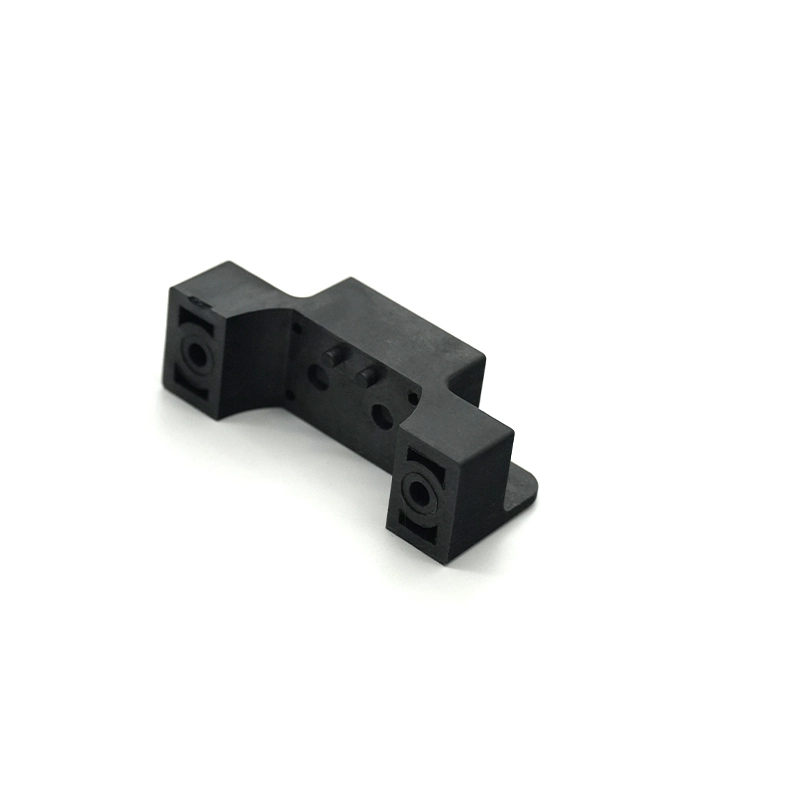
The Bost custom plastic handle by injection molding with high performance PPS material
BOST Custom PPS Injection-Molded Wear-Resistant Handle delivers superior durability and high performance. Made from High Quality PPS material, this injection-molded handle ensures exceptional wear resistance, ideal for demanding applications and long-lasting use. Choose BOST for quality and reliability.
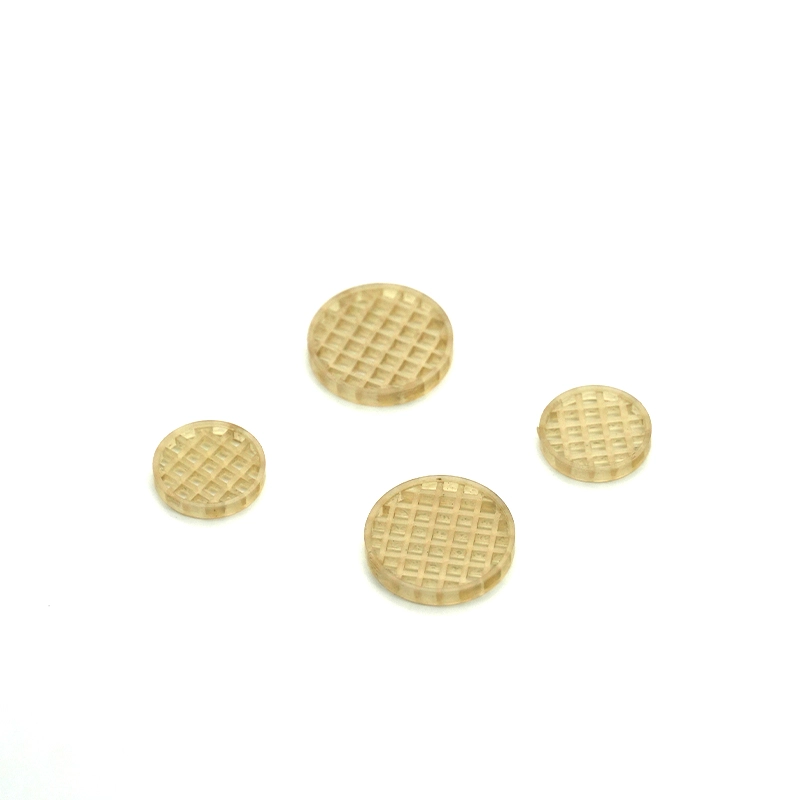
The Bost custom flow meter by injection molding with PES plastic
The Bost Custom PES Injection-Molded Flow Meter offers high-temperature and corrosion resistance, ideal for industrial use. Made with durable PES plastic via precision injection molding, this flow meter ensures reliable, customized performance for demanding applications. Trust Bost for quality and innovation.
Get in touch with Bost
Have any questions or concerns about our products? Please leave us a message here, and our team will get back to you promptly.

24 hours quotes delivered
Submit CAD files, get quote in 24 hours

No MOQ required
From prototyping to high-volume

±0.02 mm Precision
Advanced CNC with full inspections

1,000+ tons in stock
26 materials ready to ship
© 2026 BOST. All Rights Reserved.