
 Scan QR Code
Send My Request
Quality Controls for PVDF Covers with Screws in Mass Production
Wednesday, 01/28/2026
This article explains robust quality control strategies for injection-molded PVDF covers with screws, focusing on fluoroplastic material behavior, process control, inspection methods, and acceptance criteria to ensure corrosion-resistant fixing, precision installation, and high-temperature sealing in mass production.
- Material and Specification Controls for Fluoroplastic Components
- PVDF selection and material certification
- Incoming inspection and fluoroplastic traceability
- Injection Molding Process Controls
- Mold design and screw insert integration
- Process parameters, stability and SPC
- Machine validation and maintenance
- Testing and Inspection Methods for Performance Validation
- Dimensional inspection and assembly fit checks
- Mechanical and environmental testing
- Non-destructive testing and process validation
- Quality Systems, Documentation and Continuous Improvement
- Quality plans, PPAP and acceptance criteria
- Measurement systems analysis and capability
- Continuous improvement and corrective actions
- Comparative Properties and Acceptance Criteria
- Acceptance thresholds and sampling
- Implementation Checklist and Best Practices
- Pre-production checklist
- Production and audit checklist
- Handling, storage and packaging
- FAQ — Frequently Asked Questions
- Q: Why choose PVDF instead of other engineering plastics for covers with screws?
- Q: What are the most important tests to ensure sealing performance at high temperatures?
- Q: How often should SPC and capability studies be run in mass production?
- Q: Can we overmold metal inserts for better screw retention?
- Q: What standards or references should we consult for setting up quality controls?
- Contact and Product Information
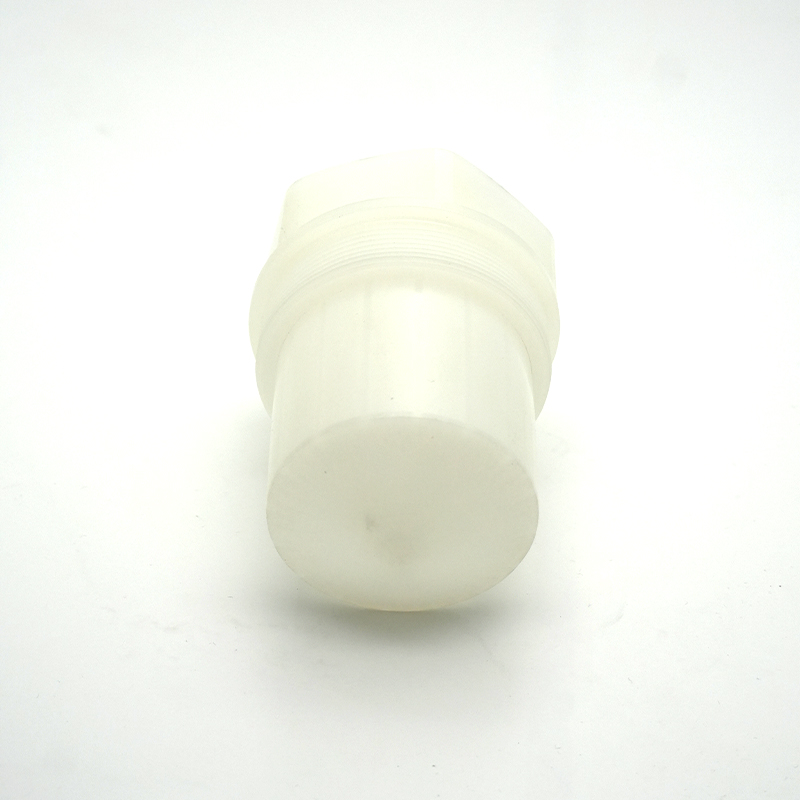
The PVDF cover with screws by injection molding is an advanced fluoroplastic solution designed for corrosion-resistant fixing, precision installation, and high-temperature-resistant sealing in demanding environments. In mass production, consistent material selection, process control, and inspection protocols are essential to maintain performance, ensure safety, and minimize downstream failures. This guide lays out practical, standards-backed quality controls for manufacturing and validating Bost's PVDF injection-molded covers with screws.
Material and Specification Controls for Fluoroplastic Components
PVDF selection and material certification
Polyvinylidene fluoride (PVDF) is a semi-crystalline fluoropolymer prized for its chemical resistance, thermal stability, and mechanical properties. When sourcing PVDF for injection-molded covers with screws, always require material certificates of analysis from the supplier that include polymer grade, melt flow rate (MFR), ash content, and thermal properties. These certificates should be cross-checked against internal specifications for mechanical strength and long-term heat exposure. For a general overview of PVDF properties, see Polyvinylidene fluoride - Wikipedia.
Incoming inspection and fluoroplastic traceability
Incoming inspection should verify batch labels, lot numbers, and accompanying certificates. Implement traceability by assigning a lot code that follows raw material through processing and into final product packaging. Typical incoming tests include MFR verification, density, visual contaminants, and moisture content if additives are hygroscopic. Maintain records to meet ISO 9001-style quality management expectations (ISO 9001).
Injection Molding Process Controls
Mold design and screw insert integration
Design for manufacturability is critical: gating, wall thickness uniformity, and rib placement affect shrinkage and warpage of the fluoroplastic part. For PVDF covers with screws, ensure boss and insert geometries are optimized to avoid stress concentration where screws engage. Consider overmolding or insert-molding processes when metal screw inserts are used. Use finite element analysis (FEA) during design to simulate injection flows and packing to reduce voids and internal stresses.
Process parameters, stability and SPC
Key process variables include melt temperature, mold temperature, injection speed, hold pressure, cooling time, and screw speed. Because PVDF is sensitive to thermal history, maintain tight control windows for these parameters and log them continuously. Implement Statistical Process Control (SPC) on critical dimensions and process metrics (e.g., cavity pressure and melt temperature). Use control charts (X-bar, R) and monitor Cpk for critical features such as screw boss inner diameter and head clearance to ensure repeatability.
Machine validation and maintenance
Regularly validate injection machines for shot-to-shot repeatability, and schedule preventive maintenance for screw, barrel, and hot-runner systems. Periodic screw tip checks and melt filters help avoid contamination that can compromise sealing surfaces or cause cosmetic defects in a fluoroplastic part.
Testing and Inspection Methods for Performance Validation
Dimensional inspection and assembly fit checks
Use a combination of coordinate measuring machines (CMM), optical comparators, and go/no-go fixtures to verify critical dimensions. For cover-with-screw assemblies ensure bolt insertion torque, thread engagement length, and head clearance are validated on a sampling plan. In-line gauging for bore diameter and boss height reduces scrap and assembly rework.
Mechanical and environmental testing
Typical tests for PVDF covers with screws include:
- Torque-out and torque-in testing: measure installation torque and pull-out strength of screw-fastened bosses to ensure reliable fixing.
- Tensile and flexural tests: verify mechanical strength per part family requirements.
- Thermal aging and high-temperature sealing: perform elevated-temperature soak tests and leak/seal tests to ensure sealing materials and geometry hold at expected service temperatures.
- Chemical resistance: expose samples to expected chemicals (solvents, fuels, cleaners) to confirm no degradation in critical environments.
Standards and guidance from engineering associations help set test methods; see general fluoropolymer literature for baseline properties (Fluoropolymer - Wikipedia).
Non-destructive testing and process validation
When internal defects (voids, delamination) could compromise sealing or mechanical retention, use non-destructive techniques such as ultrasonic scanning or X-ray for periodic audits. For high-volume production, validate NDT sampling plans with acceptance thresholds tied to functional failure modes identified in a Failure Mode and Effects Analysis (FMEA).
Quality Systems, Documentation and Continuous Improvement
Quality plans, PPAP and acceptance criteria
For supplier or internal production runs, use Production Part Approval Process (PPAP) or equivalent procedures to document design records, process flow, control plans, and capability studies. Define AQL (Acceptable Quality Level) for cosmetic and functional defects and include lot-based inspection frequencies. Link these deliverables to your quality management system to align with customer and regulatory expectations.
Measurement systems analysis and capability
Perform Measurement Systems Analysis (MSA) to ensure gauges and test equipment provide reliable data (repeatability & reproducibility). Calculate process capability indices (Cpk) for critical features; aim for Cpk ≥ 1.33 as a common industry target for production stability. Routinely review capability and address special causes of variation through root-cause analysis.
Continuous improvement and corrective actions
Establish a closed-loop corrective action process (8D or equivalent) for any recurring defects such as flash, short-shot, porosity near boss areas, or screw stripping. Use Pareto charts to prioritize issues and pilot countermeasures in the molding cell before full-scale release. Track defect trends in a dashboard to drive Kaizen events and reduce scrap and rework.
Comparative Properties and Acceptance Criteria
Below is a compact comparison of PVDF against other common engineering polymers often considered for screw-fastened covers. This helps define acceptance criteria when functional requirements (temperature, chemical resistance, mechanical retention) are specified.
| Property | PVDF (fluoroplastic) | PTFE | PEEK |
|---|---|---|---|
| Max continuous temp | ~150°C | ~260°C | ~250°C |
| Chemical resistance | Excellent (many acids/solvents) | Outstanding | Very good |
| Mechanical strength (tensile) | Good | Low (soft) | High |
| Suitable for threaded bosses | Yes (with design care) | No (creep) | Yes |
| Typical cost | Moderate | High (special) | High |
This table highlights why PVDF is often the best balance of chemical resistance, machinability, and cost for covers with screws where sealing and corrosion resistance are required.
Acceptance thresholds and sampling
Define quantitative acceptance thresholds for key parameters such as boss inner diameter tolerance, screw torque retention (% of initial torque after thermal cycling), and maximum allowable void content. Use ISO-style sampling plans for high-volume runs with periodic 100% visual checks for critical outward defects and statistical sampling for functional tests.
Implementation Checklist and Best Practices
Pre-production checklist
- Material certificates verified and lot-tracked.
- Process window validated (melt/mold temp, hold pressure).
- Tooling trial run with dimensional validation and first-article inspection.
- Assembly and torque fixtures validated to MSA.
Production and audit checklist
- SPC in place for critical feature dimensions.
- Periodic mechanical and thermal tests on sample lots.
- Traceable non-conforming product disposition and root-cause documentation.
- Quarterly supplier and process audits tied to ISO/industry best practices (PlasticsEurope - engineering plastics overview).
Handling, storage and packaging
Because fluoroplastics can be affected by contamination, store PVDF pellets in sealed containers in a dry area. Finished PVDF covers should be packed to prevent abrasion and maintain screw thread cleanliness; consider desiccant packs for long-term storage in humid climates and track shelf life if additives could migrate.
FAQ — Frequently Asked Questions
Q: Why choose PVDF instead of other engineering plastics for covers with screws?
A: PVDF offers an excellent balance of chemical resistance, dimensional stability, and temperature tolerance for many industrial applications. It maintains mechanical integrity for threaded bosses better than low-strength fluoropolymers like PTFE. For detailed material properties see the PVDF overview (Wikipedia).
Q: What are the most important tests to ensure sealing performance at high temperatures?
A: Key tests include thermal aging cycles, high-temperature soak followed by seal/leak testing, and torque retention after thermal cycling. Define acceptance limits based on expected service temperature and sealing geometry.
Q: How often should SPC and capability studies be run in mass production?
A: Initially run SPC daily during ramp-up, with capability (Cpk) studies weekly until stable. Once process stability is confirmed, move to monthly reviews with alarms for any out-of-control signals. Maintain Cpk ≥ 1.33 for critical features.
Q: Can we overmold metal inserts for better screw retention?
A: Yes. Overmolding metal inserts or using captive nut designs can significantly improve screw retention and reduce wear during installation cycles. Design and process validation should include trials to ensure proper insert positioning and bonding during injection molding.
Q: What standards or references should we consult for setting up quality controls?
A: Use ISO 9001 for quality management framework (ISO 9001), consult engineering plastics guidance from industry groups such as PlasticsEurope (PlasticsEurope), and refer to material-specific datasheets and peer-reviewed literature for test methods and long-term performance.
Contact and Product Information
The Bost PVDF cover with screws, crafted via injection molding, ensures corrosion-resistant fixing, precision installation, and high-temperature resistant sealing. Ideal for durable, reliable protection in demanding environments. Trust Bost for superior PVDF injection-molded solutions. To discuss specifications, request samples, or arrange a production audit, contact our team or visit the product page at /products/pvdf-cover-with-screws.
References and further reading: Polyvinylidene fluoride - Wikipedia; Fluoropolymer overview - Wikipedia; ISO 9001 quality management - ISO; Engineering plastics overview - PlasticsEurope.
Tags
ABS material plastic cover
ABS material plastic cover
plastic pulley wheels
plastic pulley wheels
Long-Lasting Durability
Long-Lasting Durability
plastic spur gears for sale
plastic spur gears for sale
High-strength food-grade
High-strength food-grade
High-Temp & Low-Friction
High-Temp & Low-Friction
Recommended for you
Overmolding vs Insert Molding: When to Use Each
PVC vs. ABS in Injection Molding: Material Comparison and Selection Guide
top high-performance polymers for medical devices 2026
Design Tips for PVC Parts in Injection Molding: Practical Guidelines from Bost
Prdoucts Categories
Question you may concern
FAQs
What is the delivery lead time? Do you offer global logistics?
Standard products: 5–15 working days; custom modifications: 2–4 weeks. We support global air/sea freight and provide export customs clearance documents (including REACH/UL certifications).
Can Bost customize modified plastics with special properties?
Yes! We offer modification services such as reinforcement, flame retardancy, conductivity, wear resistance, and UV resistance, for example:
• Adding carbon fiber to enhance stiffness
• Reducing the coefficient of friction through PTFE modification
• Customizing food-grade or medical-grade certified materials
How do I select the appropriate engineering plastic grade for my product?
Selection should be based on parameters such as load conditions (e.g., pressure/friction), temperature range, medium contact (e.g., oil/acid), and regulatory requirements (e.g., FDA/RoHS). Our engineers can provide free material selection consulting and sample testing.
What are the core advantages of Bost engineering plastics compared to ordinary plastics?
Bost engineering plastics feature ultra-high mechanical strength, high-temperature resistance (-50°C to 300°C), chemical corrosion resistance, and wear resistance. Compared to ordinary plastics, their service life is extended by 3 to 8 times, making them suitable for replacing metals in harsh environments.
What is the minimum order quantity (MOQ)? Do you support small-batch trial production?
The MOQ for standard products is ≥100kg. We support small-batch trial production (as low as 20kg) and provide mold testing reports and performance data feedback.
You may also like
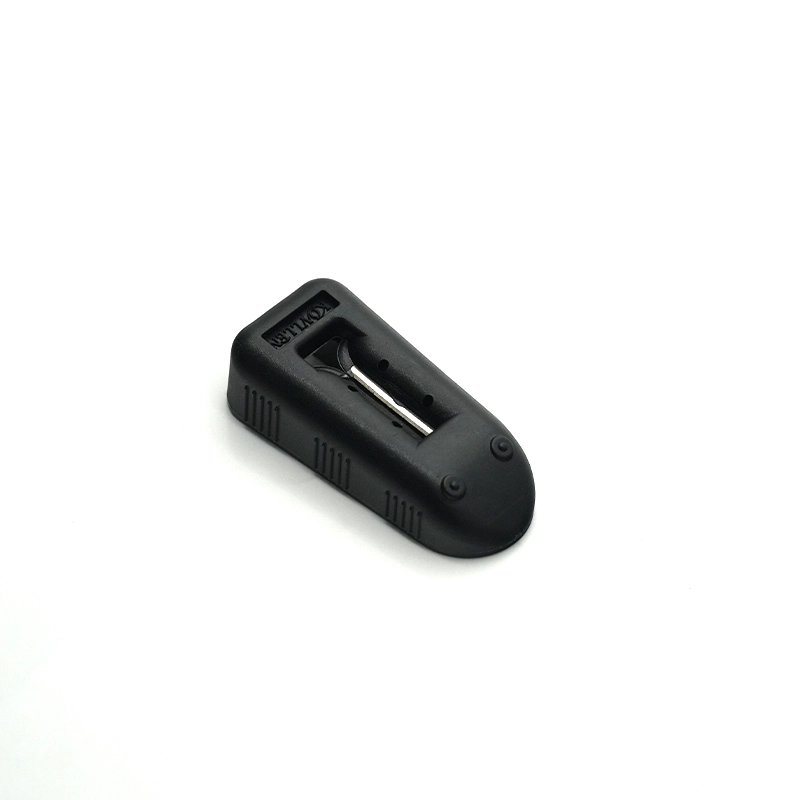
The plastic plug manufactured by Insert molding with stainless steel plate
Bost’s Insert-Molded Stainless Steel Plate Plastic Plug offers superior durability and corrosion resistance. This stainless steel insert durable plastic plug ensures a secure fit and long-lasting performance, ideal for industrial and commercial applications. Robust design meets quality standards.
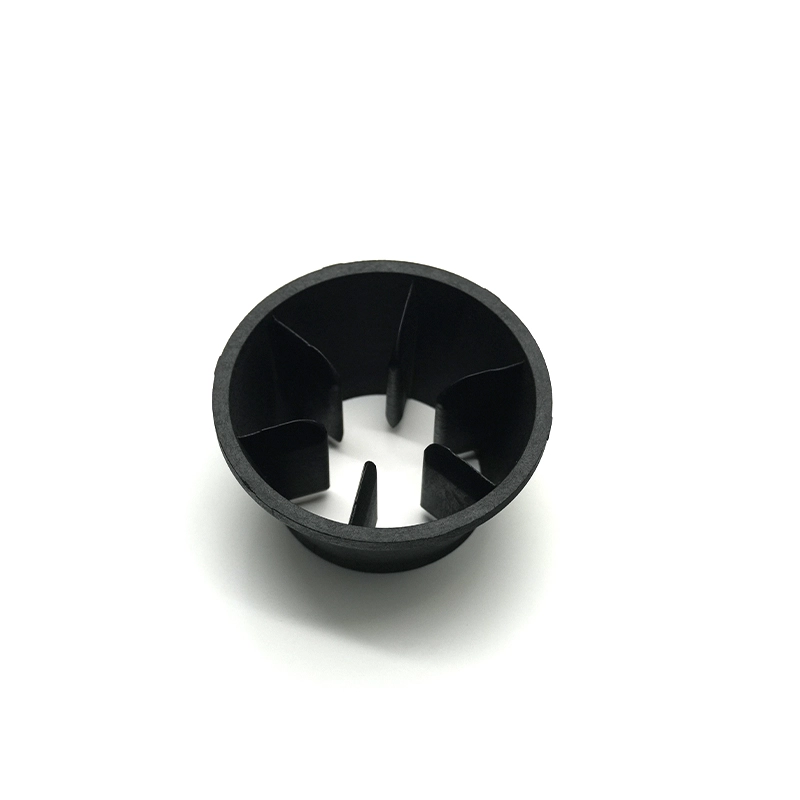
The Bost custom PPO flow valve by injection molding
The BOST Custom PPO Injection-Molded Flow Valve delivers high-temp and corrosion-resistant performance for industrial flow control. Precision-engineered by Bost, this custom PPO valve ensures durable, reliable operation in demanding environments. Optimize your process with BOST’s advanced injection-molded solution.
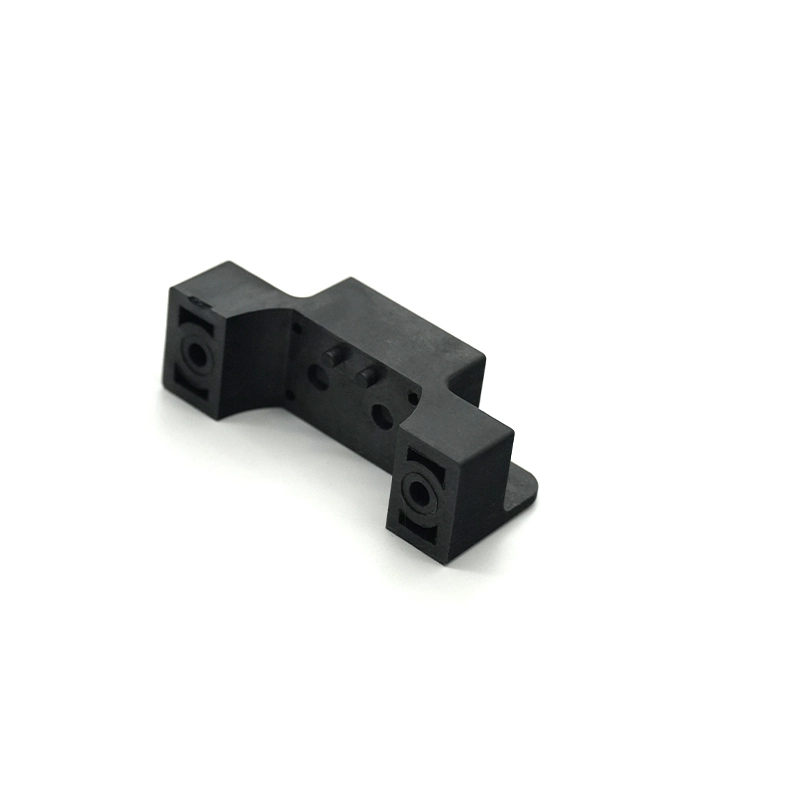
The Bost custom plastic handle by injection molding with high performance PPS material
BOST Custom PPS Injection-Molded Wear-Resistant Handle delivers superior durability and high performance. Made from High Quality PPS material, this injection-molded handle ensures exceptional wear resistance, ideal for demanding applications and long-lasting use. Choose BOST for quality and reliability.
The Bost custom flow meter by injection molding with PES plastic
The Bost Custom PES Injection-Molded Flow Meter offers high-temperature and corrosion resistance, ideal for industrial use. Made with durable PES plastic via precision injection molding, this flow meter ensures reliable, customized performance for demanding applications. Trust Bost for quality and innovation.
Get in touch with Bost
Have any questions or concerns about our products? Please leave us a message here, and our team will get back to you promptly.

24 hours quotes delivered
Submit CAD files, get quote in 24 hours

No MOQ required
From prototyping to high-volume

±0.02 mm Precision
Advanced CNC with full inspections

1,000+ tons in stock
26 materials ready to ship
© 2026 BOST. All Rights Reserved.