
 Scan QR Code
Send My Request
2026 Ultimate Guide to Precision Manufacturing: How to Lower B2B Procurement Costs by Optimizing Plastic Injection Molding?
2026-04-10
Discover Bost’s 2026 Guide to Precision Manufacturing and learn how to lower B2B procurement costs by optimizing plastic injection molding. Explore expert insights on custom plastic injection molding services from leading plastic injection molding manufacturers.
- 1. Deep Dive: Why is Plastic Injection Molding the Top Choice for Mass Production?
- 1.1 The Technical Closed-Loop of Precision Molding
- 1.2 The Value of Proactive DFM (Design for Manufacturing)
- 2. Core Strategies: Common Engineering Materials and Their Performance in Plastic Injection Molding
- 3. Mold Design: The Hidden Asset Determining Your Long-Term ROI
- 3.1 Steel Grades and Tooling Life
- 3.2 Scientific Layout of Gates and Cooling Systems
- 4. Quality Control: Avoiding Common Defects in Plastic Injection Molding
- 5. Cost Optimization: Reducing Your Budget Without Sacrificing Quality
- 6. Why Choose GZ-BOST as Your Strategic Partner for Plastic Injection Molding?
- Start Your Precision Molding Journey
In today's increasingly competitive global industrial environment, whether it is a startup hardware company or a mature multinational Original Equipment Manufacturer (OEM), one core technical topic remains at the heart of product development: how to find the most reliable and efficient plastic injection molding solution.
As the cornerstone of manufacturing, plastic injection molding is not just a means of producing precision parts; it is the key factor that determines the final market competitiveness of a product—including cost, durability, and aesthetics. However, for many overseas procurement managers, injection molding often feels like a "black box." Today, senior engineers from GZ-BOST will unveil this process and explore how to achieve the perfect balance between quality and cost in high-standard production.
1. Deep Dive: Why is Plastic Injection Molding the Top Choice for Mass Production?
Among various plastic processing methods, plastic injection molding dominates due to its unparalleled repeatability and material versatility.
1.1 The Technical Closed-Loop of Precision Molding
A complete plastic injection molding process is far more complex than simple "heating, filling, and cooling." It involves pressure control (injection vs. packing pressure), dynamic thermal balance, and microsecond-level cycle time management. At GZ-BOST, we understand that a 0.1mm dimensional error can make an entire batch of electronic housings impossible to assemble. Therefore, the core of precision molding lies in the mastery of polymer rheology within the mold cavity.
1.2 The Value of Proactive DFM (Design for Manufacturing)
Experienced buyers know that the most expensive mistakes happen during the design phase. Before officially starting plastic injection molding, conducting an in-depth DFM analysis is the key to saving tens of thousands of dollars in mold modification fees. Through Mold Flow Analysis, we can predict risks such as weld lines, air traps, and sink marks, optimizing wall thickness before any steel is cut.
2. Core Strategies: Common Engineering Materials and Their Performance in Plastic Injection Molding
Choosing the right material is half the battle in plastic injection molding. Different engineering resins vary significantly in shrinkage rates, impact resistance, and heat deflection temperatures.
The table below summarizes five of the most popular materials in B2B procurement and their core characteristics, providing a direct reference for your decision-making:
| Material | Full Name | Core Advantages | Typical Applications | plastic injection molding Considerations |
| ABS | Acrylonitrile Butadiene Styrene | Good stability, easy to plate, high impact | Car interiors, electronics, consumer goods | Control processing temp to prevent degradation |
| PC | Polycarbonate | High transparency, heat resistant, tough | Medical windows, shields, optical lenses | High viscosity; requires high packing pressure |
| PA66 | Polyamide (Nylon 66) | High mechanical strength, wear-resistant | Industrial gears, engine parts | Highly hygroscopic; must be dried before molding |
| PP | Polypropylene | Chemical resistance, low density, durable | Packaging, labware, living hinges | Higher shrinkage; requires precise mold temp |
| PPS | Polyphenylene Sulfide | Extreme heat/corrosion resistance, rigid | Aerospace, high-perf pump bodies | Requires wear-resistant screws and mold steel |
In actual plastic injection molding production, material purity and drying (e.g., PA66 requires at least 4 hours of dehumidification drying) often determine whether the finished part will exhibit silver streaks or internal stress cracking.
3. Mold Design: The Hidden Asset Determining Your Long-Term ROI
A common mistake in B2B procurement is focusing only on the part unit price while ignoring the mold structure.
3.1 Steel Grades and Tooling Life
For plastic injection molding tasks requiring over 500,000 cycles, the cost difference between using P20 or S136 steel is quickly offset by maintenance costs and downtime. High-grade mold steel not only ensures surface finish but also significantly shortens cooling cycles, thereby lowering the cost per shot.
3.2 Scientific Layout of Gates and Cooling Systems
A scientifically designed cooling circuit can shorten the plastic injection molding cycle by 15%-20%. For high-precision parts, uniform cooling is the only way to prevent warpage. GZ-BOST mold designers precisely calculate the spacing of every cooling channel based on the part's geometry.
4. Quality Control: Avoiding Common Defects in Plastic Injection Molding
"Quality is manufactured, not inspected." This adage is especially true in the plastic injection molding industry.
-
First Article Inspection (FAI): Before mass production, every plastic injection molding project must undergo rigorous dimensional measurement and functional testing.
-
Pressure Curve Monitoring: By monitoring the injection pressure curve on digital machines, any slight deviation signals changes in raw material batches or ambient temperatures.
-
Defect Prevention: To combat common issues like short shots or flash in plastic injection molding, we use closed-loop feedback systems to automatically adjust clamping force.
5. Cost Optimization: Reducing Your Budget Without Sacrificing Quality
As a content marketing director, I recognize the importance of price. However, true cost optimization comes from efficiency, not downgrading materials.
-
Optimizing Cycle Time: Every second saved translates to increased capacity. This relies on high-performance machines and optimized cooling.
-
Insert Molding: By embedding metal components directly during the plastic injection molding process, you can save significant labor costs in post-assembly.
-
Scientific Regrind Ratios: Using a controlled amount of reground material without compromising structural integrity is a win-win for sustainability and cost reduction.
6. Why Choose GZ-BOST as Your Strategic Partner for Plastic Injection Molding?
In the global injection molding supply chain, GZ-BOST has become the preferred choice for numerous B2B clients, backed by over a decade of export experience.
We provide more than just plastic injection molding contract manufacturing; we offer end-to-end technical support from mold design and prototyping to mass production. Our advantages include:
-
ISO 9001 Certification: Every batch of plastic injection molding products is fully traceable.
-
Transparent Communication: Our engineering team communicates directly with your technical department in professional English, eliminating barriers.
-
Rapid Response: For complex projects, we provide preliminary DFM feedback and detailed quotes within 24 hours.
Start Your Precision Molding Journey
If you are looking for a cost-effective, professional plastic injection molding supplier, or if you have a challenging project requiring technical evaluation, do not hesitate to contact us.
👉 Visit GZ-BOST Official Website to get your free DFM analysis and instant quote for injection molding
Recommended for you
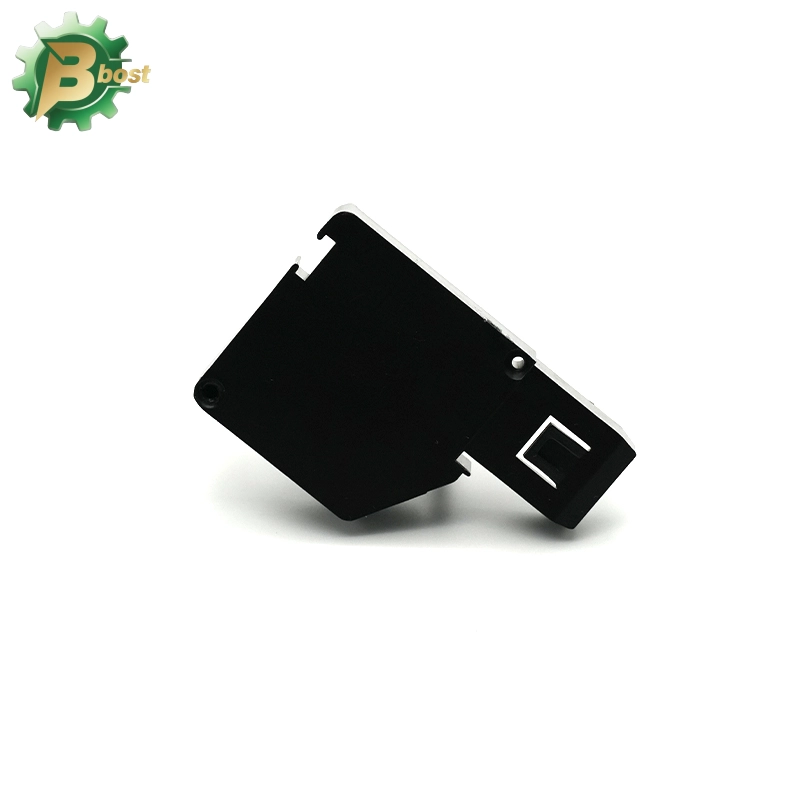
2026 Global Supply Chain Insights: A Deep Dive into Custom Plastic Injection Molding – From Design to High-Precision Production
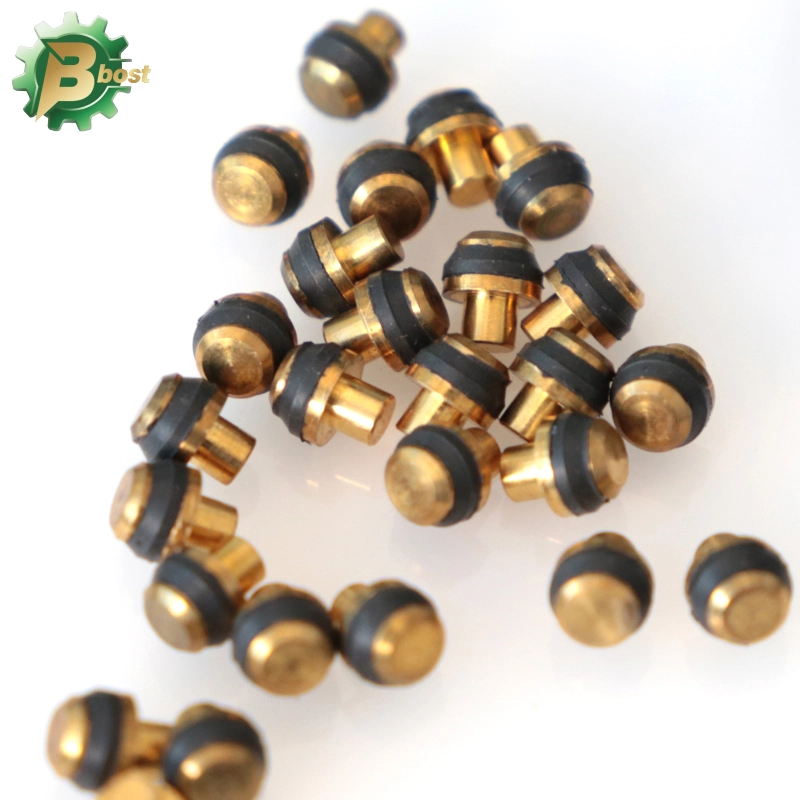
2026 Global Manufacturing In-Depth Analysis: How to Enhance Product Competitiveness Through High-Quality "Injection Molding"?
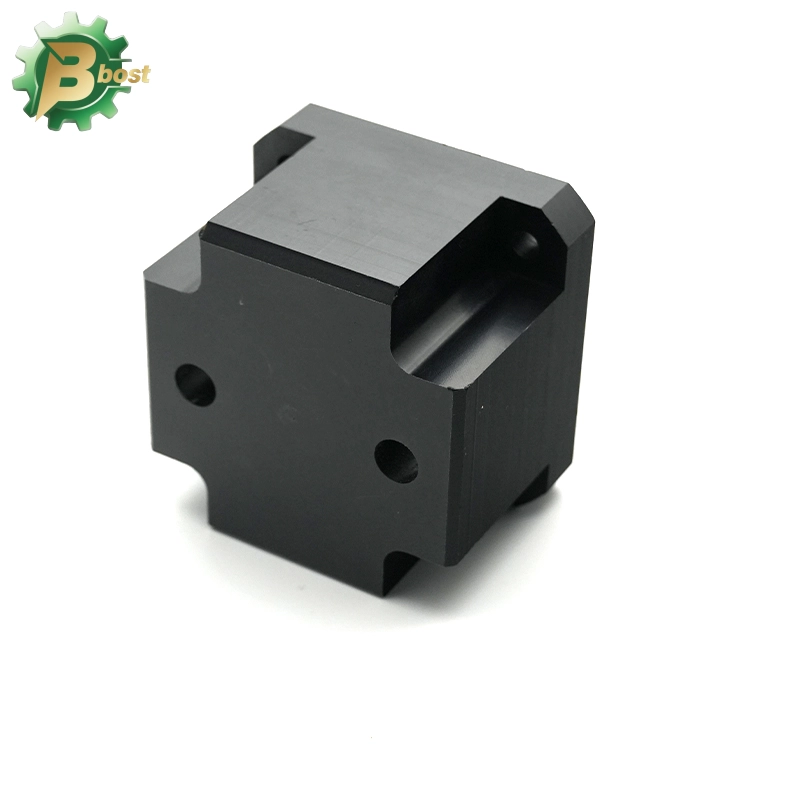
Conquering Manufacturing Limits: In-Depth Analysis of Precision Injection Molding Processes and Mold Design Strategies for Special Engineering Plastic
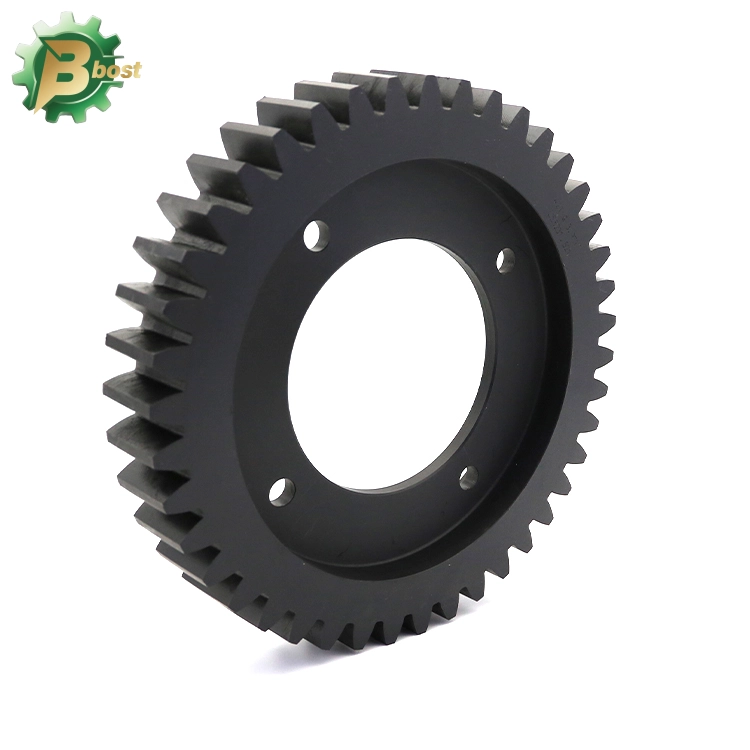
Bridging the Gap Between Metal and Plastic: In-Depth Analysis of the Core Advantages and Injection Challenges of Engineering Plastic in High-End Manuf
Prdoucts Categories
FAQ
FAQs
What is the minimum order quantity (MOQ)? Do you support small-batch trial production?
The MOQ for standard products is ≥100kg. We support small-batch trial production (as low as 20kg) and provide mold testing reports and performance data feedback.
What are the core advantages of Bost engineering plastics compared to ordinary plastics?
Bost engineering plastics feature ultra-high mechanical strength, high-temperature resistance (-50°C to 300°C), chemical corrosion resistance, and wear resistance. Compared to ordinary plastics, their service life is extended by 3 to 8 times, making them suitable for replacing metals in harsh environments.
Can Bost customize modified plastics with special properties?
Yes! We offer modification services such as reinforcement, flame retardancy, conductivity, wear resistance, and UV resistance, for example:
• Adding carbon fiber to enhance stiffness
• Reducing the coefficient of friction through PTFE modification
• Customizing food-grade or medical-grade certified materials
What is the delivery lead time? Do you offer global logistics?
Standard products: 5–15 working days; custom modifications: 2–4 weeks. We support global air/sea freight and provide export customs clearance documents (including REACH/UL certifications).
How do I select the appropriate engineering plastic grade for my product?
Selection should be based on parameters such as load conditions (e.g., pressure/friction), temperature range, medium contact (e.g., oil/acid), and regulatory requirements (e.g., FDA/RoHS). Our engineers can provide free material selection consulting and sample testing.
You may also like
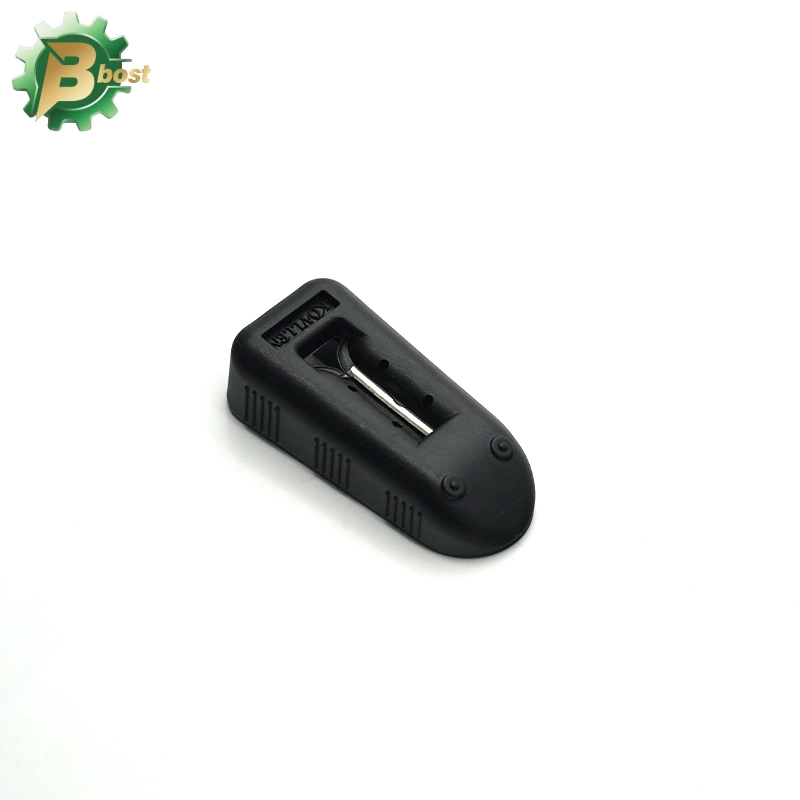
The plastic plug manufactured by Insert molding with stainless steel plate
More Details →
The plastic plug manufactured by Insert molding with stainless steel plate
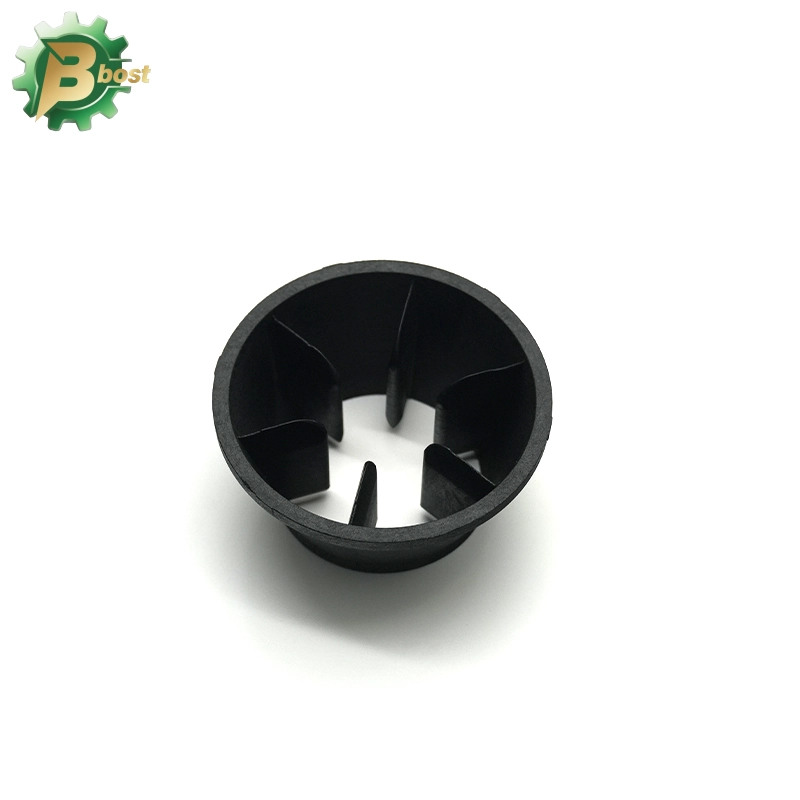
The Bost custom PPO flow valve by injection molding
More Details →
The Bost custom PPO flow valve by injection molding
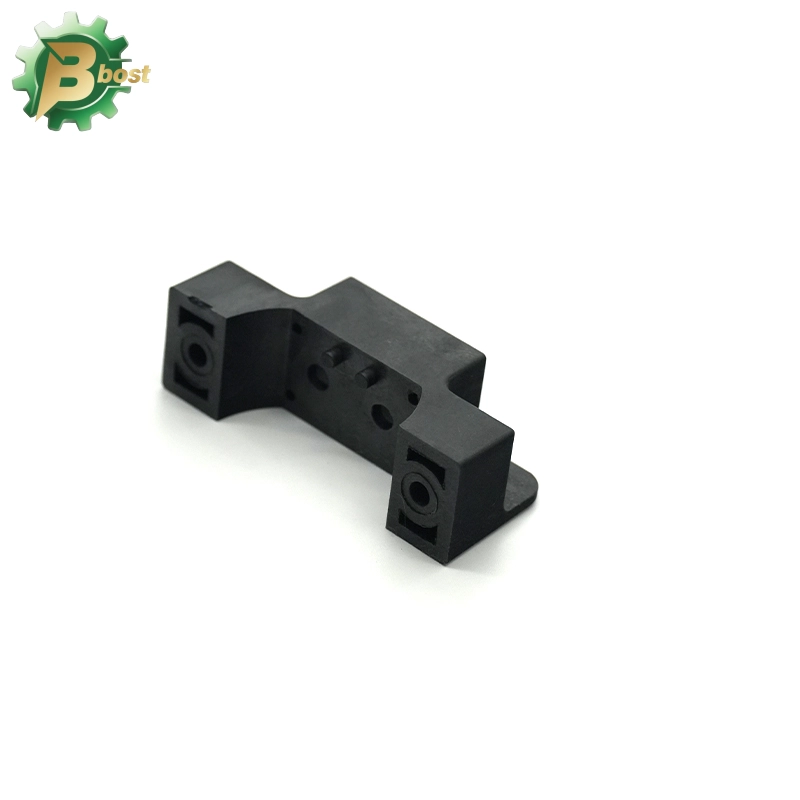
The Bost custom plastic handle by injection molding with high performance PPS material
More Details →
The Bost custom plastic handle by injection molding with high performance PPS material
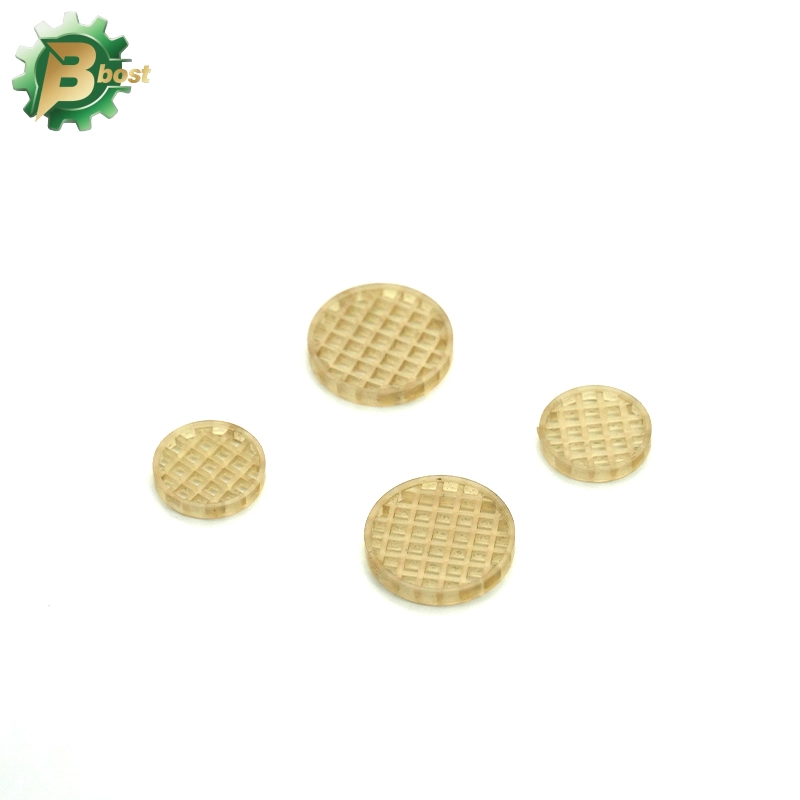
The Bost custom flow meter by injection molding with PES plastic
More Details →
The Bost custom flow meter by injection molding with PES plastic
Leave a Message
Have any questions or concerns about our products? Please leave us a message here, and our team will get back to you promptly.

24 hours quotes delivered
Submit CAD files, get quote in 24 hours

No MOQ required
From prototyping to high-volume

±0.02 mm Precision
Advanced CNC with full inspections

1,000+ tons in stock
26 materials ready to ship
© 2026 BOST. All Rights Reserved.