
 Scan QR Code
Send My Request
Conquering Manufacturing Limits: In-Depth Analysis of Precision Injection Molding Processes and Mold Design Strategies for Special Engineering Plastic
2026-04-09
Discover how Bost leads specialty engineering plastics suppliers by mastering precision injection molding and innovative mold design. Our in-depth analysis reveals solutions to manufacturing limits, ensuring superior quality with special engineering plastics for advanced applications.
- Why Do Cutting-Edge Hardware Developments Demand Special Engineering Plastics?
- Surpassing the Peaks of Thermodynamics and Mechanical Strength
- Blind-Spot-Free Chemical Inertness and Flame Retardant Performance
- The Rigorous Injection Molding Process Challenges Brought by Special Engineering Plastics
- "Purgatory-Level" Melt Control Under Ultra-High Temperatures
- The Micron-Level Battle of Crystallinity and Shrinkage Rates
- The Prerequisite Determining Mass Production Success: Targeted Mold Design
- BOST Real Case: Precision Injection Molding Reconstruction of Medical Surgical Instruments
- Partner with BOST to Turn Your Special Material Visions into Reality
The research and development of modern industrial equipment are in an era of crazy, intense competition. Whether it is the pressure-resistant shell of a deep-sea submersible, sensor brackets surrounding an aerospace engine, or medical surgical instruments that need to withstand thousands of high-temperature and high-pressure sterilizations, engineers are constantly pushing the operating environments of products to their physical and chemical limits. In these application scenarios that can only be described as "purgatory," traditional commodity plastics or even conventional engineering plastics (like PC or PA66) are completely powerless; they will melt under extreme high temperatures or instantly disintegrate in highly corrosive solvents.
To fill the material void left by the exit of metals, Special Engineering Plastics emerged, becoming the "crown jewel" at the very top of the polymer material pyramid. However, sourcing these expensive super materials is only the first step. As an injection molding expert with over a decade of experience in overseas B2B high-end manufacturing, BOST (https://www.gz-bost.com) has witnessed too many painful lessons in the engineering workshop where substandard processes turned special materials into scrap. Today, we will unveil the mystery of Special Engineering Plastics and deeply analyze the core technical barriers behind transforming them into high-precision components.
Why Do Cutting-Edge Hardware Developments Demand Special Engineering Plastics?
In the field of material science, Special Engineering Plastics generally refers to those super polymers with extremely high comprehensive performance and a long-term usage temperature of over 150°C, sometimes even breaking through 250°C. Representative members of this family include PEEK (Polyetheretherketone), PEI (Polyetherimide), PPS (Polyphenylene Sulfide), and LCP (Liquid Crystal Polymer).
Surpassing the Peaks of Thermodynamics and Mechanical Strength
Unlike ordinary plastics, these materials possess extremely rigid molecular backbones or highly dense aromatic ring structures. Take PEEK for example; it can not only maintain astonishing mechanical strength under a continuous high temperature of 260°C but also exhibits extremely high fatigue resistance and creep resistance. In the aerospace sector, using these special plastics to replace titanium alloys or stainless steel can achieve a weight reduction of up to 50% while guaranteeing structural strength. For spacecraft, where every gram of weight translates to exorbitant launch costs, this advantage is absolutely critical.
Blind-Spot-Free Chemical Inertness and Flame Retardant Performance
In the fields of semiconductor wafer manufacturing and chemical fluid control, strong acids, strong alkalis, and organic solvents are commonplace. Special Engineering Plastics display near-perfect chemical inertness. Meanwhile, materials like PEI inherently possess excellent V-0 flame retardancy, generating extremely low smoke and zero toxic gases when burned. This makes them the ultimate choice for new energy vehicle battery pack components and aircraft cabin interiors.
The Rigorous Injection Molding Process Challenges Brought by Special Engineering Plastics
If the injection molding of ordinary plastics is like "driving on flat ground," then the processing of Special Engineering Plastics is akin to "walking a tightrope over a cliff." The exorbitant purchase price of these materials (sometimes hundreds of dollars per kilogram) means the cost of trial and error is extremely high. Achieving perfect precision injection molding is a massive test of an injection molding factory's hardware equipment and machine-tuning experience.
"Purgatory-Level" Melt Control Under Ultra-High Temperatures
The vast majority of Special Engineering Plastics have extremely high melting points. For instance, the injection temperature for PEEK often needs to soar to 380°C or even above 400°C. Under such extreme high temperatures, ordinary injection molding machine screws and barrels will rapidly carbonize or suffer severe wear. To combat this challenge, BOST's special injection molding workshop is equipped with dedicated high-temperature machine units, utilizing a full set of high-temperature and corrosion-resistant bimetallic screw assemblies. Concurrently, in the injection molding process, because the viscosity of such special melts is immense, we must utilize high-response servo systems to apply extremely high injection pressure (usually above 150 MPa) to ensure the melt fills the complex mold cavity in an extremely short time, preventing premature condensation in the runners.
The Micron-Level Battle of Crystallinity and Shrinkage Rates
For semi-crystalline Special Engineering Plastics (like PEEK and PPS), the final physical properties and dimensional accuracy of the product depend heavily on its degree of crystallization within the mold. If the mold temperature is too low and the material surface cools too quickly, it will lead to insufficient internal crystallization. Not only will the dimensions undergo severe secondary shrinkage over time, but its much-vaunted mechanical strength and chemical resistance will also be significantly compromised. Therefore, professional injection molding engineers must use complex oil-circulation temperature control equipment to precisely and stably maintain the mold cavity surface temperature between 160°C and 200°C. This is not only a test of the temperature control equipment but a profound test of the on-site engineers' process tuning heritage.
The Prerequisite Determining Mass Production Success: Targeted Mold Design
"A good horse deserves a good saddle." To tame these unruly super polymers, conventional mold manufacturing concepts must be completely overturned. In the development cycle of Special Engineering Plastics, mold design occupies an extremely core, dominant position.
-
Special Steel for High Temperature and Wear Resistance: Due to the extremely high mold temperatures and the frequently added high proportions of glass fiber/carbon fiber, the mold cavity surface faces severe scouring and thermal fatigue. When handling such projects, BOST's mold team strictly selects imported special steels that have undergone special vacuum heat treatment to achieve a hardness above HRC 52. We also apply titanium or nitriding plating in critical areas to ensure the mold maintains micron-level precision even after hundreds of thousands of high-temperature injection cycles.
-
Precision Layout of Hot Runners and Insulation Systems: To maintain a high mold temperature of 200°C while preventing heat from transferring to the injection molding machine's platens (which could damage the equipment), expensive high-performance insulation boards must be incorporated during mold design. In addition, addressing the extremely poor fluidity of special plastics, the runner design must be extremely short, smooth, and strictly prohibit any dead corners that might cause melt stagnation and degradation.
BOST Real Case: Precision Injection Molding Reconstruction of Medical Surgical Instruments
Last year, a top North American medical device brand approached BOST. An orthopedic surgical power drill handle they were developing originally used ordinary stainless steel, which was not only bulky but also easily caused fatigue when held by doctors for long periods. The customer wanted to switch to PPSU (a type of Special Engineering Plastics) which possesses extremely high rigidity and high-temperature sterilization resistance.
However, the customer's previous contract manufacturer encountered fatal problems during trial production: severe silver streaks and flow marks appeared on the product surface, and after 100 cycles of 134°C high-pressure steam sterilization tests, brittle cracking occurred at the handle seams.
After the BOST engineering team took over, we conducted a comprehensive technical review:
-
Front-Loading Mold Flow Analysis: We used Moldflow software to simulate the filling process of PPSU at a high temperature of 360°C and found that the originally designed gate location caused severe shear heating and air entrapment. We decisively changed to multi-point fan gating and added micron-level venting grooves.
-
Reconstructing the Mold Temperature System: Addressing the cracking issue (unreleased internal stress), we redesigned the conformal cooling water channels and introduced ultra-high temperature oil heaters to precisely lock the mold temperature at 180°C, ensuring the material achieved perfect stress relaxation within the mold.
The finally delivered PPSU handle components had a surface as smooth as a mirror, a weight reduction of 45%, and easily passed the customer's rigorous 1,000-cycle sterilization tests, with a yield rate hitting 99.6%.
Partner with BOST to Turn Your Special Material Visions into Reality
From the pressure hulls of deep-sea explorers to life-saving implant-grade medical components, Special Engineering Plastics are reshaping the future of high-end manufacturing with unprecedented depth. However, this "peerless sword" can only unleash its true power when placed in the hands of an experienced, top-tier "swordsmith."
At BOST, we are not just a contract manufacturer that executes injection molding commands. We possess a complete fleet of high-temperature special injection molding machines, a top-tier precision mold manufacturing workshop, and a senior engineering team that deeply understands the temperament of polymer materials. We are committed to providing you with one-stop, closed-loop services from material selection and DFM evaluation to final mass production, helping you clear all technical minefields on the path of special material processing.
Is your next cutting-edge project struggling to find a reliable processing solution for Special Engineering Plastics? Do not let manufacturing process bottlenecks limit the ceiling of your product. Visit our official website https://www.gz-bost.com right now to explore more successful cases regarding our work in special materials and precision injection molding. Feel free to contact BOST's senior engineering team anytime; we will provide you with a free project drawing analysis and highly competitive professional quotes. Let us use ultimate manufacturing craftsmanship to forge an indestructible performance moat for your innovative products!
Recommended for you
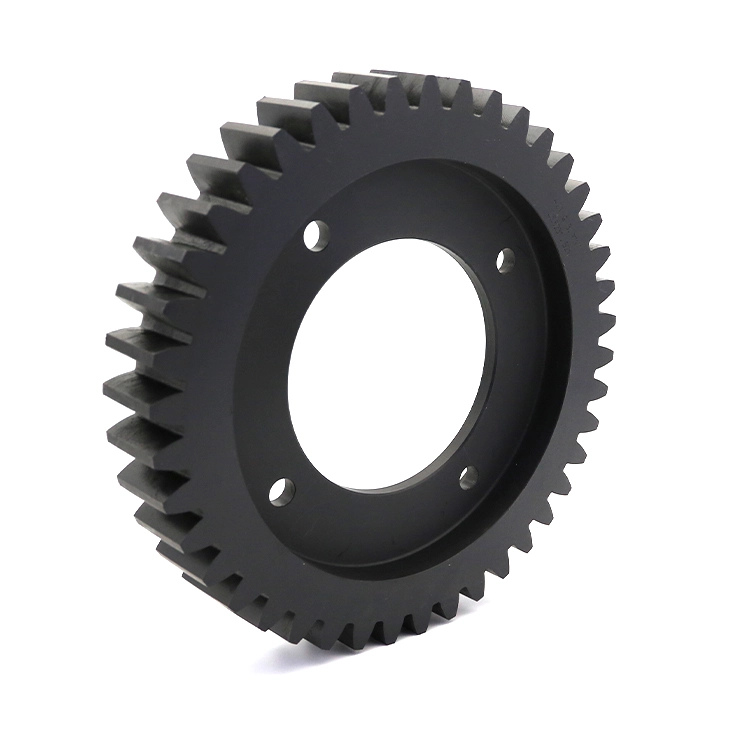
Bridging the Gap Between Metal and Plastic: In-Depth Analysis of the Core Advantages and Injection Challenges of Engineering Plastic in High-End Manuf
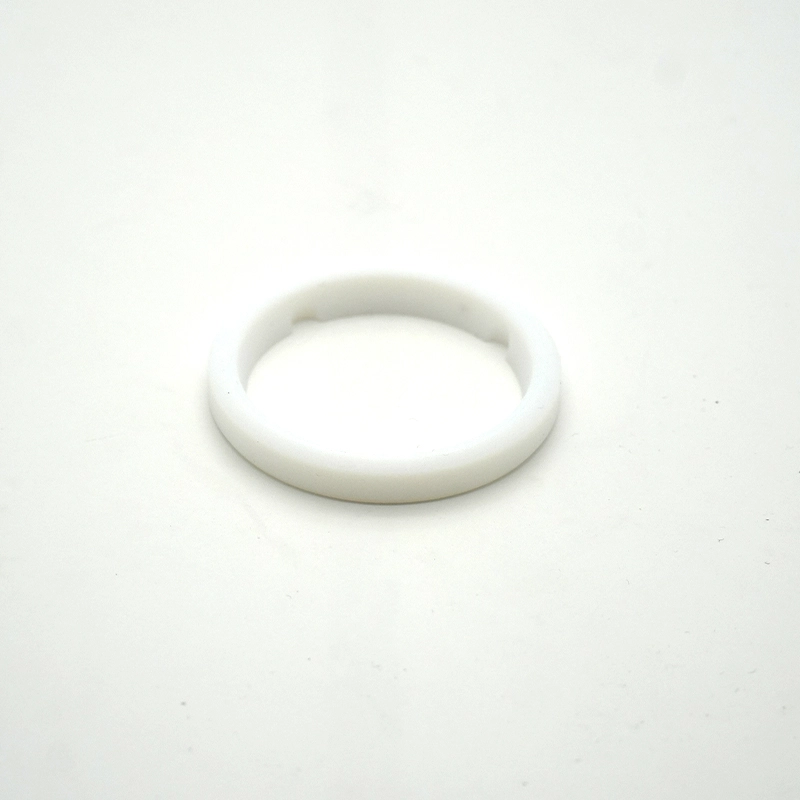
Conquering the Ultimate Material for Extreme Environments: Core Challenges and Breakthroughs in Fluoroplastic Precision Injection Molding
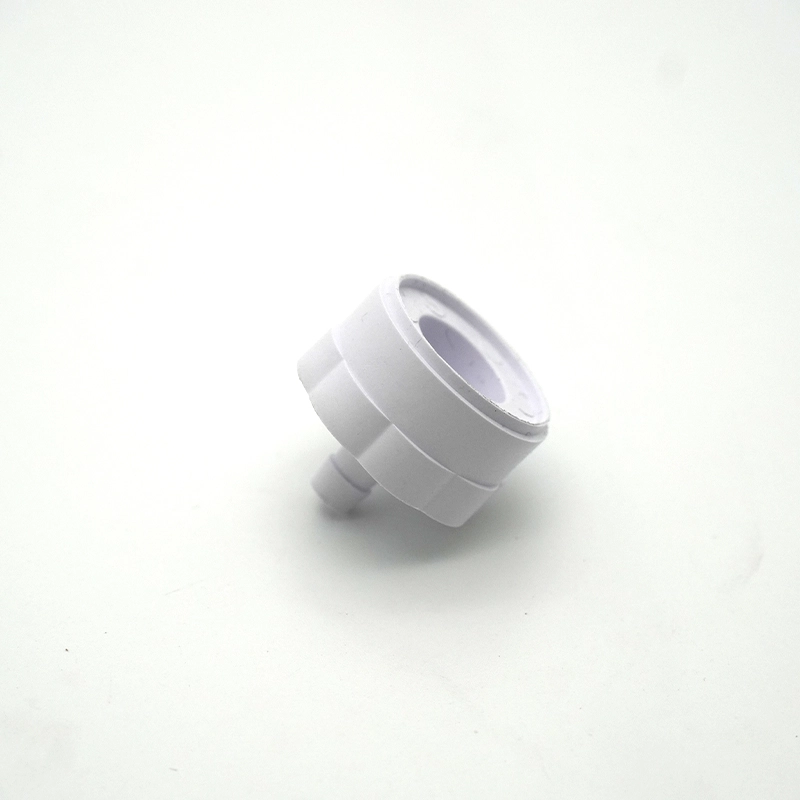
B2B Product Development Must-Read: Engineering Plastic Injection Molding Material Selection Guide and Performance Comparison Table
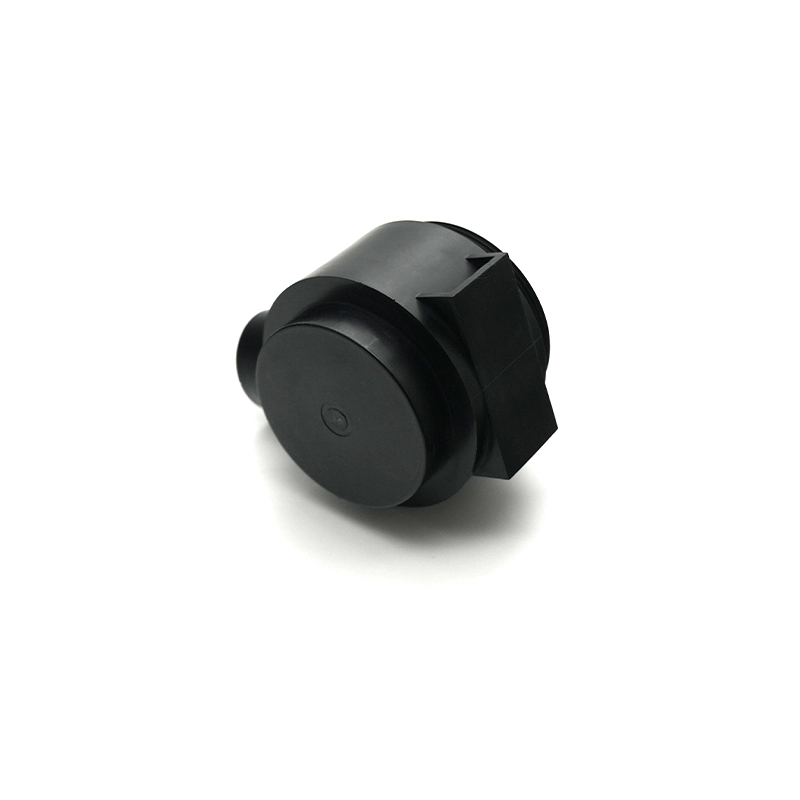
Breaking the Single-Material Limit: Exploring How Over Molding Reshapes Modern Product Design and Manufacturing
Prdoucts Categories
FAQ
FAQs
Can Bost customize modified plastics with special properties?
Yes! We offer modification services such as reinforcement, flame retardancy, conductivity, wear resistance, and UV resistance, for example:
• Adding carbon fiber to enhance stiffness
• Reducing the coefficient of friction through PTFE modification
• Customizing food-grade or medical-grade certified materials
What is the minimum order quantity (MOQ)? Do you support small-batch trial production?
The MOQ for standard products is ≥100kg. We support small-batch trial production (as low as 20kg) and provide mold testing reports and performance data feedback.
What are the core advantages of Bost engineering plastics compared to ordinary plastics?
Bost engineering plastics feature ultra-high mechanical strength, high-temperature resistance (-50°C to 300°C), chemical corrosion resistance, and wear resistance. Compared to ordinary plastics, their service life is extended by 3 to 8 times, making them suitable for replacing metals in harsh environments.
How do I select the appropriate engineering plastic grade for my product?
Selection should be based on parameters such as load conditions (e.g., pressure/friction), temperature range, medium contact (e.g., oil/acid), and regulatory requirements (e.g., FDA/RoHS). Our engineers can provide free material selection consulting and sample testing.
What is the delivery lead time? Do you offer global logistics?
Standard products: 5–15 working days; custom modifications: 2–4 weeks. We support global air/sea freight and provide export customs clearance documents (including REACH/UL certifications).
You may also like
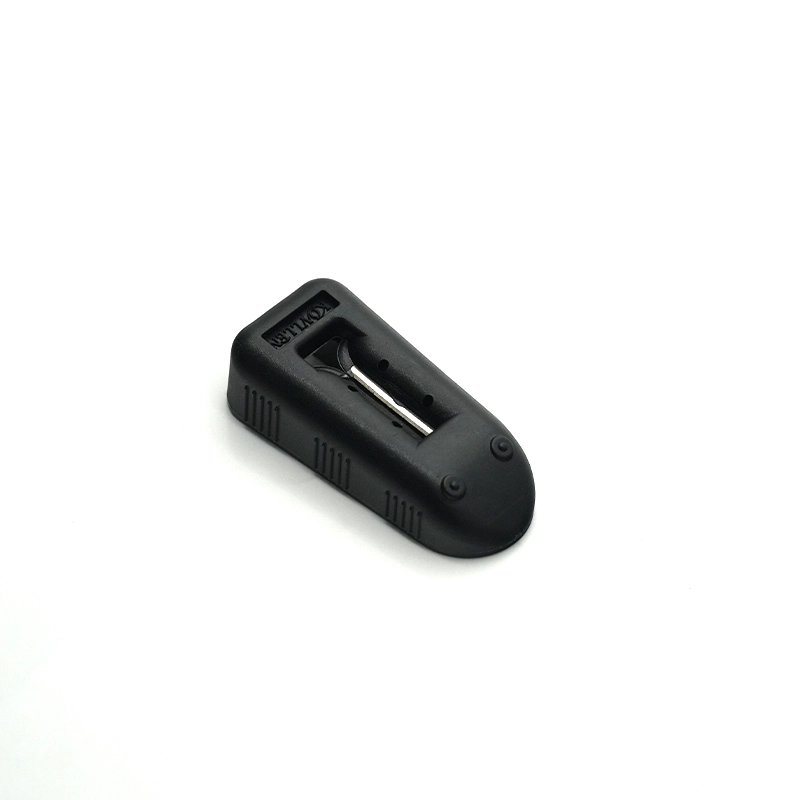
The plastic plug manufactured by Insert molding with stainless steel plate
More Details →
The plastic plug manufactured by Insert molding with stainless steel plate
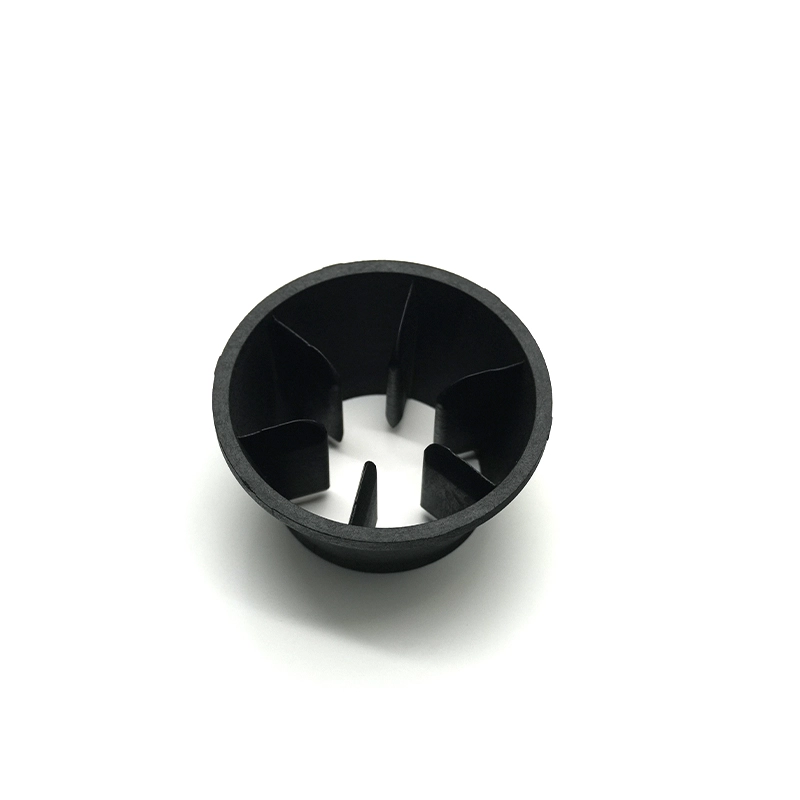
The Bost custom PPO flow valve by injection molding
More Details →
The Bost custom PPO flow valve by injection molding
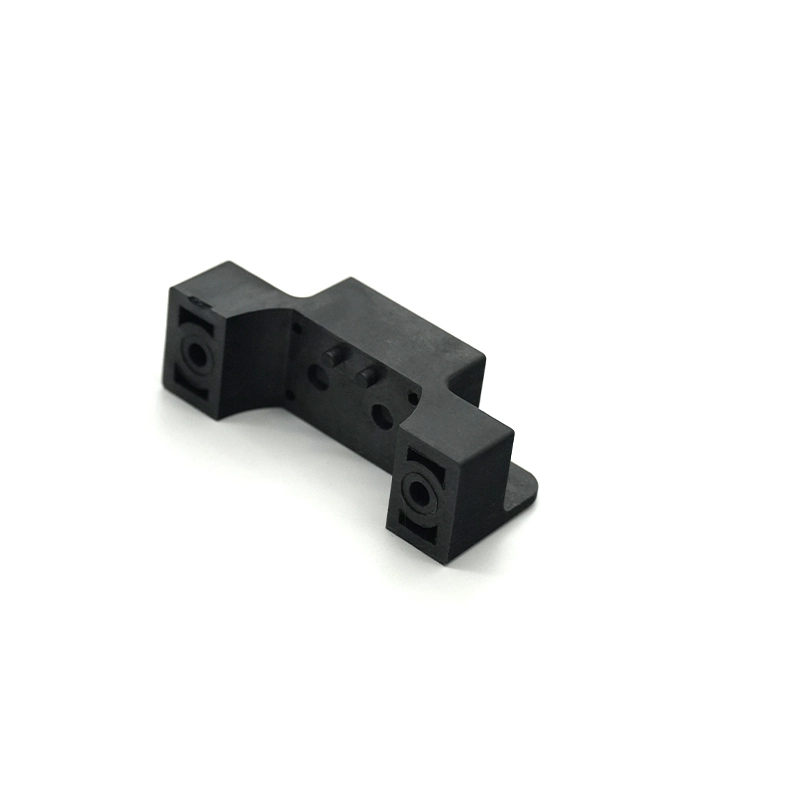
The Bost custom plastic handle by injection molding with high performance PPS material
More Details →
The Bost custom plastic handle by injection molding with high performance PPS material
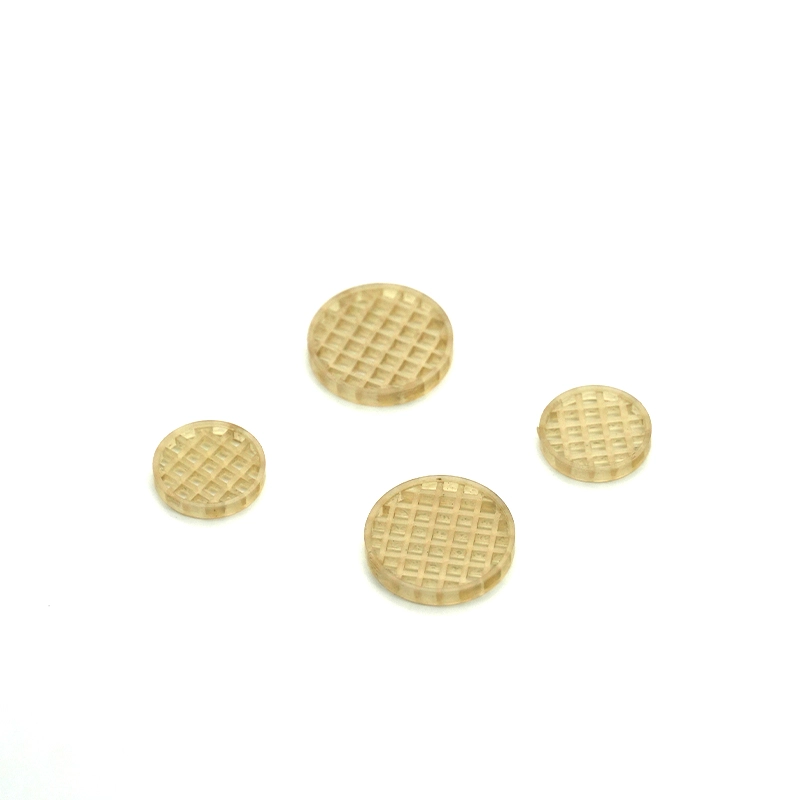
The Bost custom flow meter by injection molding with PES plastic
More Details →
The Bost custom flow meter by injection molding with PES plastic
Leave a Message
Have any questions or concerns about our products? Please leave us a message here, and our team will get back to you promptly.

24 hours quotes delivered
Submit CAD files, get quote in 24 hours

No MOQ required
From prototyping to high-volume

±0.02 mm Precision
Advanced CNC with full inspections

1,000+ tons in stock
26 materials ready to ship
© 2026 BOST. All Rights Reserved.