
 Scan QR Code
Send My Request
The Jewel in the Industrial Crown: In-depth Analysis of Fluoroplastic Application and Challenges in Extreme Conditions
2026-03-31
Discover Bost’s expert insights on fluoroplastic applications in extreme conditions. Learn about benefits, challenges, and how to buy fluoroplastic sheets online. As a trusted PTFE rods supplier, Bost ensures top-quality materials for your industrial needs. Explore durable, high-performance solutions today.
In the modern fields of semiconductors, new energy, and chemical processing equipment, finding a material that can withstand both strong acids/alkalis and high temperatures above 200°C is always a "top priority" for R&D engineers. Ordinary engineering plastics often fall short when facing highly corrosive media or ultra-clean environment requirements. This is where Fluoroplastic, often referred to as the "King of Plastics," demonstrates its irreplaceable strategic value.
As a manufacturing service provider deeply rooted in the field of precision injection molding, GZ-Bost frequently receives inquiries from global customers: Why are the processing costs for Fluoroplastic so high? How can severe mold corrosion be avoided during the injection process? Today, we will provide a deep dive into this high-performance material from the perspectives of material properties, injection molding process, and mold design.
1. Why is Fluoroplastic the "Ultimate Solution" for Extreme Environments?
Fluoroplastic is not a single material but a family of fluorocarbon polymers including PTFE, PFA, FEP, and ETFE. Its core advantage lies in the extremely stable carbon-fluorine bond structure.
1. Superior Chemical Inertness
Fluoroplastic exhibits almost perfect "immunity" to most organic solvents, strong acids (such as aqua regia), and strong alkalis. This makes it the only choice for semiconductor cleaning equipment and linings for chemical pumps and valves.
2. Exceptionally Wide Operating Temperature Range
From cryogenic environments as low as -200°C to continuous high temperatures up to 260°C, fluoroplastics maintain stable mechanical properties without brittleness or thermal softening.
3. Ultra-low Surface Energy and Ultra-clean Characteristics
It possesses excellent self-lubrication, non-stick properties, and extremely low extractables. In industries with stringent cleanliness requirements, such as biopharmaceuticals and chip manufacturing, these characteristics determine production yield.
2. Overcoming Difficulties: The Logic of the Fluoroplastic Injection Molding Process
While Fluoroplastic offers excellent performance, its processing is considered a "deep-water zone" in the injection molding industry. Many factories lacking experience often produce parts with black spots or bubbles, and may even destroy entire mold sets.
1. Balancing Melt Viscosity and Temperature Control
Taking PFA as an example, its melting temperature is extremely high (often exceeding 300°C), and melt viscosity is highly sensitive to temperature fluctuations. In the workshops of GZ-Bost, we utilize closed-loop temperature control systems to keep injection precision errors within ±1°C. If the temperature rises even slightly too high, the material decomposes and releases highly corrosive hydrogen fluoride gas.
2. The Process Loop Against "Corrosivity"
This is the point most easily overlooked by B2B buyers. The acidic gases released by Fluoroplastic during high-temperature processing are devastating to ordinary mold steel. Therefore, we must use special corrosion-resistant alloys (such as high nickel-chromium alloys) for screws and molds. Although this increases the initial investment cost, it guarantees long-term dimensional stability in production.
3. Mold Design: The Soul of Precision Injection Molding
In Fluoroplastic project development, the quality of the mold design directly determines the internal stress distribution of the product.
Rational Runner and Gate Design: Due to the high shrinkage rate and tendency for orientation stress in fluoroplastics, we typically use large gate designs to ensure pressure is fully transferred to the end of the cavity, avoiding shrinkage or stress cracking.
Extreme Optimization of Venting Systems: Trace gases generated during fluoroplastic injection must be discharged rapidly. If the venting design is inadequate, bubbles will be trapped inside the product, forming fatal structural weaknesses. We often use multi-stage precision venting slots to ensure smooth melt filling.
Dimensional Tolerance Compensation: Considering the high thermal expansion coefficient of Fluoroplastic, we perform complex simulation calculations during the mold design stage to ensure that parts perfectly meet design tolerances after cooling.
4. Real Case Study: Solving Cracking Risks in Semiconductor Fluid Components
A semiconductor equipment client previously faced frequent micro-cracks in their PFA connectors. After an in-depth investigation by the GZ-Bost team, we found that the original supplier had used standard injection molding machines to reduce costs, leading to uneven heating and internal stress.
Upon our intervention, we used dedicated corrosion-resistant injection molding machines and optimized the injection molding process parameters, introducing slow filling and staged pressure-holding techniques. Ultimately, the product's service life under simulated conditions was extended by 300%, and the surface roughness reached below 0.2μm, perfectly meeting the requirements for ultra-clean fluid transmission.
5. Conclusion: Details Determine the Ceiling of High Performance
In today's increasingly refined global industry, the depth of Fluoroplastic application represents a company's technical height. Choosing a partner who understands materials, processes, and molds is the best shortcut to reducing project failure risks.
Is your project facing challenges in harsh environments?
GZ-Bost, as a professional injection molding solution provider, is committed to providing full-spectrum support from material selection advice and mold design to large-scale precision production. We are not just molding parts; we are building your core industrial competitiveness.
👉 Click here to communicate with our Fluoroplastic Technical Director and get your customized quote
Or visit our official website directly to learn more success cases about high-performance plastic injection molding.
Recommended for you

B2B Procurement Decision Makers' Guide: How to Evaluate the Engineering Integration Capabilities of Over Molding Suppliers?

In-depth Analysis of Over Molding: A Core Technical Guide for B2B Manufacturers to Enhance Product Value
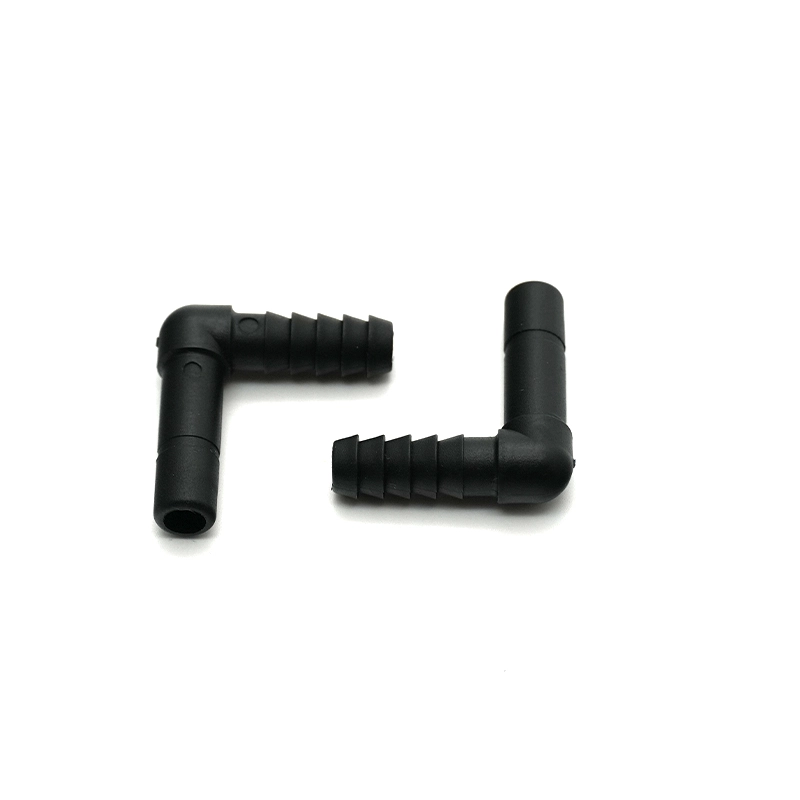
Avoid the Pitfalls: 5 Dimensions for B2B Buyers When Selecting Insert Molding Suppliers
Deep Dive into Insert Molding: How to Achieve High-Efficiency Integration of Complex Components?
Prdoucts Categories
FAQ
FAQs
What are the core advantages of Bost engineering plastics compared to ordinary plastics?
Bost engineering plastics feature ultra-high mechanical strength, high-temperature resistance (-50°C to 300°C), chemical corrosion resistance, and wear resistance. Compared to ordinary plastics, their service life is extended by 3 to 8 times, making them suitable for replacing metals in harsh environments.
How do I select the appropriate engineering plastic grade for my product?
Selection should be based on parameters such as load conditions (e.g., pressure/friction), temperature range, medium contact (e.g., oil/acid), and regulatory requirements (e.g., FDA/RoHS). Our engineers can provide free material selection consulting and sample testing.
What is the delivery lead time? Do you offer global logistics?
Standard products: 5–15 working days; custom modifications: 2–4 weeks. We support global air/sea freight and provide export customs clearance documents (including REACH/UL certifications).
Can Bost customize modified plastics with special properties?
Yes! We offer modification services such as reinforcement, flame retardancy, conductivity, wear resistance, and UV resistance, for example:
• Adding carbon fiber to enhance stiffness
• Reducing the coefficient of friction through PTFE modification
• Customizing food-grade or medical-grade certified materials
What is the minimum order quantity (MOQ)? Do you support small-batch trial production?
The MOQ for standard products is ≥100kg. We support small-batch trial production (as low as 20kg) and provide mold testing reports and performance data feedback.
You may also like
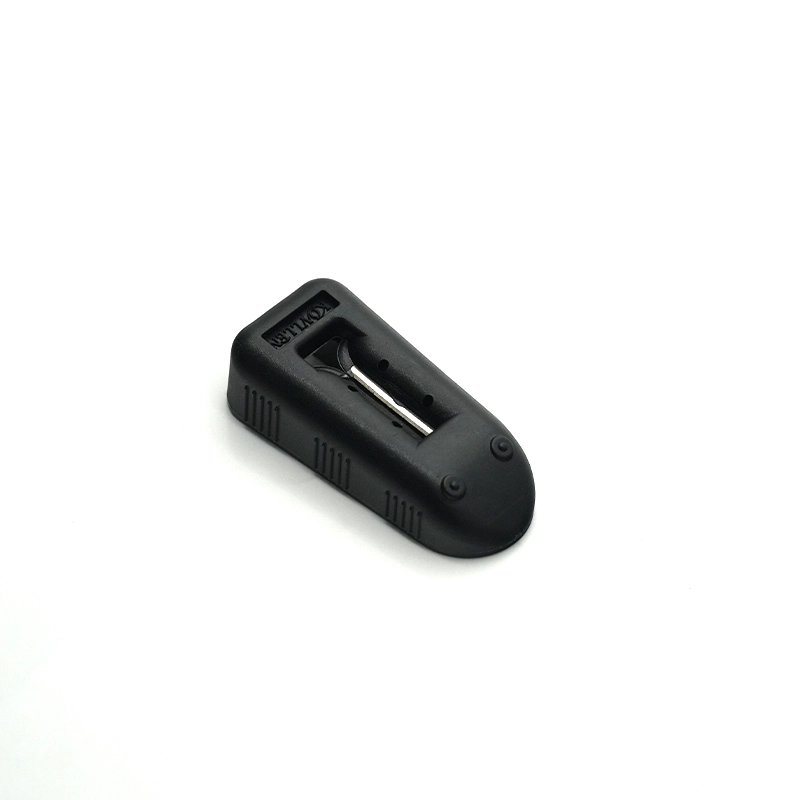
The plastic plug manufactured by Insert molding with stainless steel plate
More Details →
The plastic plug manufactured by Insert molding with stainless steel plate
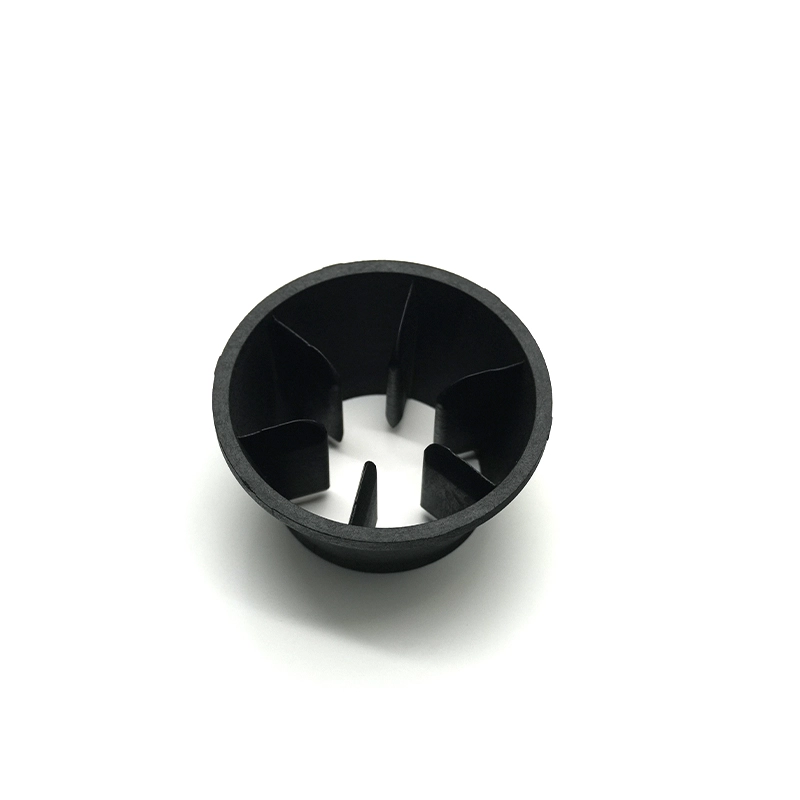
The Bost custom PPO flow valve by injection molding
More Details →
The Bost custom PPO flow valve by injection molding
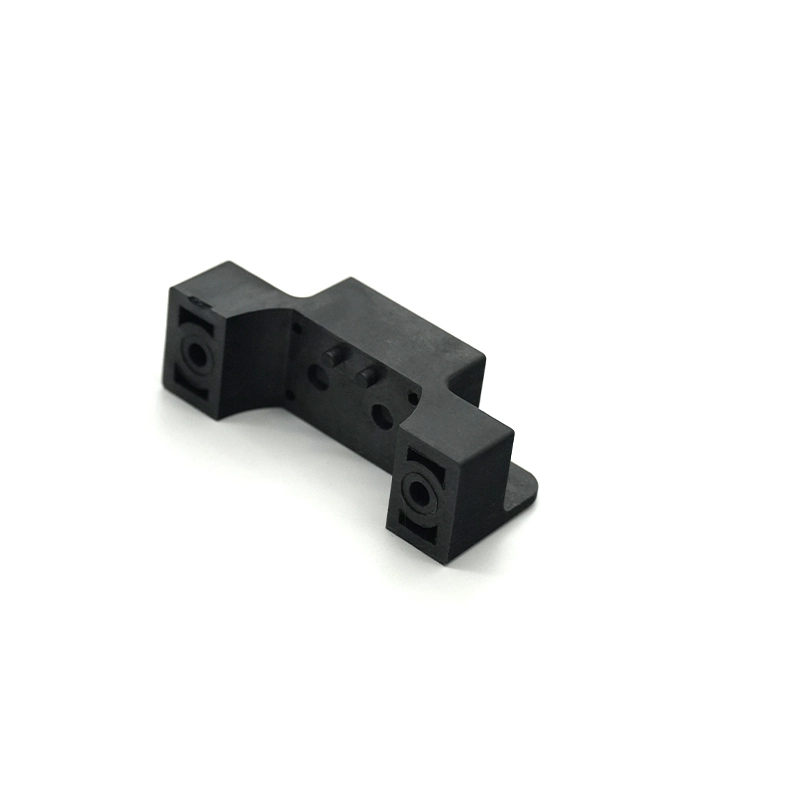
The Bost custom plastic handle by injection molding with high performance PPS material
More Details →
The Bost custom plastic handle by injection molding with high performance PPS material
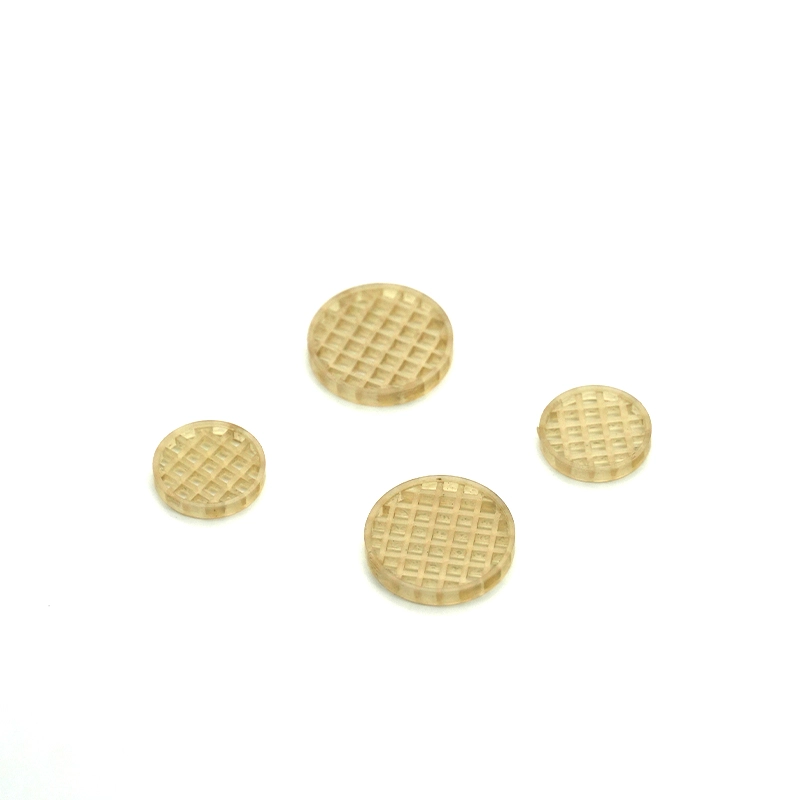
The Bost custom flow meter by injection molding with PES plastic
More Details →
The Bost custom flow meter by injection molding with PES plastic
Leave a Message
Have any questions or concerns about our products? Please leave us a message here, and our team will get back to you promptly.

24 hours quotes delivered
Submit CAD files, get quote in 24 hours

No MOQ required
From prototyping to high-volume

±0.02 mm Precision
Advanced CNC with full inspections

1,000+ tons in stock
26 materials ready to ship
© 2026 BOST. All Rights Reserved.