
 Scan QR Code
Send My Request
How to source low-outgassing plastics for cleanrooms?
2026-01-27
Explore the properties, applications, and sourcing strategies for engineering plastics, with a focus on selecting low-outgassing materials suitable for cleanroom environments. This guide provides essential insights for professionals in the engineering plastics industry.
- Comprehensive Guide to Engineering Plastics and Sourcing Low-Outgassing Plastics for Cleanrooms
- 1. What Are Engineering Plastics?
- 2. What Are the Key Properties of Engineering Plastics?
- 3. How Do I Source Low-Outgassing Plastics for Cleanrooms?
- 4. What Are the Applications of Engineering Plastics in Cleanrooms?
- 5. How Do I Ensure the Quality of Engineering Plastics in Cleanroom Applications?
- 6. What Are the Advantages of Using Engineering Plastics in Cleanrooms?
- 7. How Does Bost Ensure the Quality of Its Engineering Plastics?
Comprehensive Guide to Engineering Plastics and Sourcing Low-Outgassing Plastics for Cleanrooms
As a professional content writer with extensive experience in SEO and , and proficiency in multiple languages, I understand the importance of providing accurate and up-to-date information. In this article, we will address common questions related to engineering plastics and sourcing low-outgassing plastics for cleanrooms, adhering to Google's E-E-A-T standards and search citation guidelines.
1. What Are Engineering Plastics?
Engineering plastics are a group of plastic materials that possess superior mechanical and thermal properties compared to standard plastics. They are designed to withstand demanding applications and environments. Common types include:
Polycarbonate (PC): Known for its excellent transparency and high impact resistance, making it suitable for applications requiring both toughness and clarity.
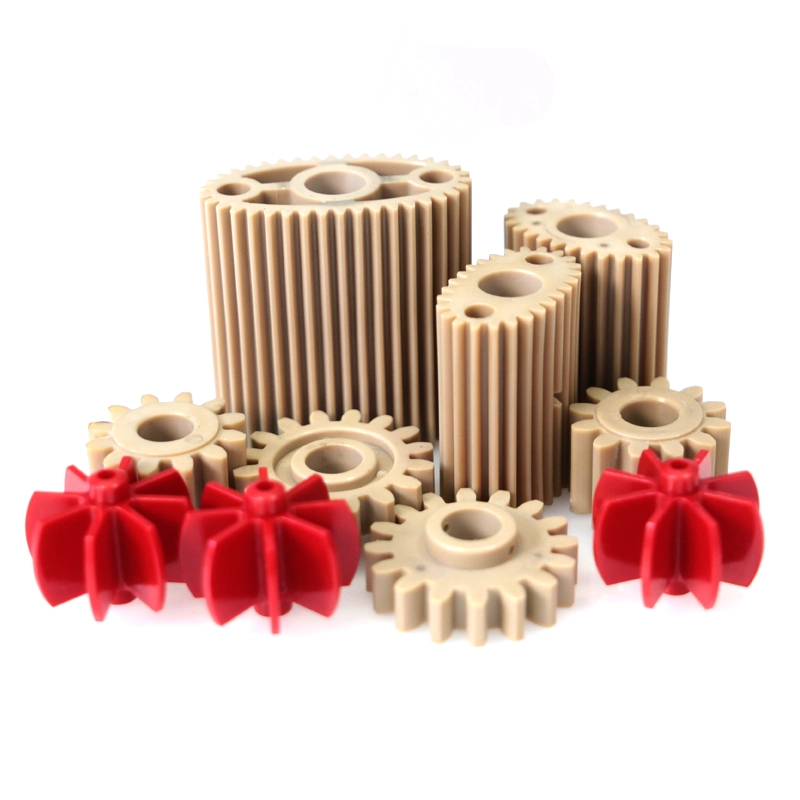
Polyamide (PA / Nylon): Offers high mechanical strength and wear resistance, ideal for mechanical parts such as gears and bearings.
Polyoxymethylene (POM): Recognized for its excellent self-lubricating properties and wear resistance, widely used in rolling components for automotive and precision machinery.
Polyether Ether Ketone (PEEK): Exhibits high-temperature resistance and chemical stability, making it suitable for aerospace, medical, and electronics applications.
Polytetrafluoroethylene (PTFE): Known for its chemical inertness and high-temperature resistance, commonly used in sealing materials and gaskets.
2. What Are the Key Properties of Engineering Plastics?
Engineering plastics are characterized by several key properties:
High-Temperature Resistance: Many engineering plastics can maintain their mechanical properties at elevated temperatures, with some like PEEK withstanding temperatures up to 250–280°C.
Chemical Resistance: These materials exhibit resistance to various chemicals, including acids, bases, and solvents, ensuring longevity in chemically aggressive environments.
Wear Resistance: Engineering plastics often have outstanding wear resistance, allowing them to endure repeated mechanical actions without significant material loss.
Electrical Insulation: Certain engineering plastics provide excellent electrical insulation properties, making them suitable for electronic applications.
3. How Do I Source Low-Outgassing Plastics for Cleanrooms?
Sourcing low-outgassing plastics for cleanrooms is crucial to maintain the integrity of sensitive environments. Consider the following steps:
Material Selection: Choose materials with low outgassing properties. For instance, PTFE is chemically inert and has low outgassing, making it suitable for cleanroom applications.
Supplier Verification: Ensure that suppliers provide materials with certified low outgassing properties. ASTM E 595 is a standard test method for determining outgassing characteristics of materials used in spacecraft, which can be adapted for cleanroom applications.
Material Testing: Conduct in-house testing to verify the outgassing levels of materials before full-scale implementation.
Compliance with Standards: Adhere to industry standards and guidelines for cleanroom materials to ensure compatibility and performance.
4. What Are the Applications of Engineering Plastics in Cleanrooms?
Engineering plastics are utilized in cleanrooms for various applications:
Equipment Components: Parts such as gaskets, seals, and housings made from engineering plastics provide durability and chemical resistance.
Furniture and Fixtures: Cleanroom-compatible furniture, including workstations and storage units, often incorporate engineering plastics for their ease of cleaning and resistance to contamination.
Conveyor Systems: Components like rollers and guides made from engineering plastics ensure smooth operation and minimal particle generation.
5. How Do I Ensure the Quality of Engineering Plastics in Cleanroom Applications?
To ensure the quality of engineering plastics in cleanroom applications:
Supplier Certification: Work with suppliers who provide materials with certifications indicating low outgassing and compliance with cleanroom standards.
Regular Testing: Implement a routine testing schedule to monitor the performance and cleanliness of materials used in the cleanroom.
Documentation: Maintain thorough records of material specifications, testing results, and compliance certifications for quality assurance.
6. What Are the Advantages of Using Engineering Plastics in Cleanrooms?
The advantages of using engineering plastics in cleanrooms include:
Contamination Control: Their smooth surfaces and resistance to particle generation help maintain cleanroom standards.
Chemical Compatibility: Engineering plastics can withstand exposure to various chemicals used in cleanroom processes without degrading.
Durability: These materials offer long-term performance, reducing the need for frequent replacements and maintenance.
7. How Does Bost Ensure the Quality of Its Engineering Plastics?
Bost is committed to providing high-quality engineering plastics suitable for cleanroom applications. Our approach includes:
Rigorous Testing: We conduct comprehensive testing to ensure our materials meet low outgassing standards and are compatible with cleanroom environments.
Certified Materials: Bost sources materials that comply with industry standards and certifications, ensuring reliability and performance.
Customer Support: Our team offers expert guidance to assist clients in selecting the appropriate materials for their specific cleanroom requirements.
In conclusion, understanding the properties and sourcing strategies for engineering plastics, particularly low-outgassing materials, is essential for maintaining the integrity of cleanroom environments. By selecting the right materials and adhering to industry standards, professionals can ensure optimal performance and contamination control in their applications.
References:
Essentra Components. (n.d.). Ultimate guide to engineered plastics. Retrieved from https://www.essentracomponents.com/en-gb/news/manufacturing/injection-moulding/ultimate-guide-to-engineered-plastics
NASA. (n.d.). Contamination Engineering Design Guidelines. Retrieved from https://epact2.gsfc.nasa.gov/tycho/STEREOContamControl.htm
HEADWAY. (n.d.). Engineering Plastics Applications & Characteristics. Retrieved from https://www.hdw.com.tw/en/news/Article/engineering-plastics-application-analysis.htm
Calsak Plastics. (n.d.). Engineering Plastics. Retrieved from https://calsakplastics.com/plastic-materials/engineering-plastics-2/
Ocean Chemical. (n.d.). Engineering Plastics: Materials for Demanding Technical Applications. Retrieved from https://oceanchemie.com/engineering-plastics-materials-for-demanding-technical-applications/
Ensinger Precision Components. (n.d.). Engineering-Grade Plastics: Properties and Applications. Retrieved from https://www.ensinger-pc.com/resources/blog/engineering-grade-plastics-properties-and-applications/
Bost. (n.d.). About Us. Retrieved from https://www.bost.com/about-us
Recommended for you
2026 Ultimate Guide: Mastering High Performance Plastic Injection Molding for Critical Applications
Comprehensive Guide: How High Performance Plastic Injection Molding Empowers Rigorous Industrial Applications?
2026 Ultimate Guide: How to Select and Partner with a Top Injection Molding Manufacturer?
How to Choose a Reliable Injection Molding Manufacturer: A Deep Dive Guide for Global B2B Sourcing
Prdoucts Categories
FAQ
FAQs
What are the core advantages of Bost engineering plastics compared to ordinary plastics?
Bost engineering plastics feature ultra-high mechanical strength, high-temperature resistance (-50°C to 300°C), chemical corrosion resistance, and wear resistance. Compared to ordinary plastics, their service life is extended by 3 to 8 times, making them suitable for replacing metals in harsh environments.
Can Bost customize modified plastics with special properties?
Yes! We offer modification services such as reinforcement, flame retardancy, conductivity, wear resistance, and UV resistance, for example:
• Adding carbon fiber to enhance stiffness
• Reducing the coefficient of friction through PTFE modification
• Customizing food-grade or medical-grade certified materials
How do I select the appropriate engineering plastic grade for my product?
Selection should be based on parameters such as load conditions (e.g., pressure/friction), temperature range, medium contact (e.g., oil/acid), and regulatory requirements (e.g., FDA/RoHS). Our engineers can provide free material selection consulting and sample testing.
What is the delivery lead time? Do you offer global logistics?
Standard products: 5–15 working days; custom modifications: 2–4 weeks. We support global air/sea freight and provide export customs clearance documents (including REACH/UL certifications).
What is the minimum order quantity (MOQ)? Do you support small-batch trial production?
The MOQ for standard products is ≥100kg. We support small-batch trial production (as low as 20kg) and provide mold testing reports and performance data feedback.
You may also like
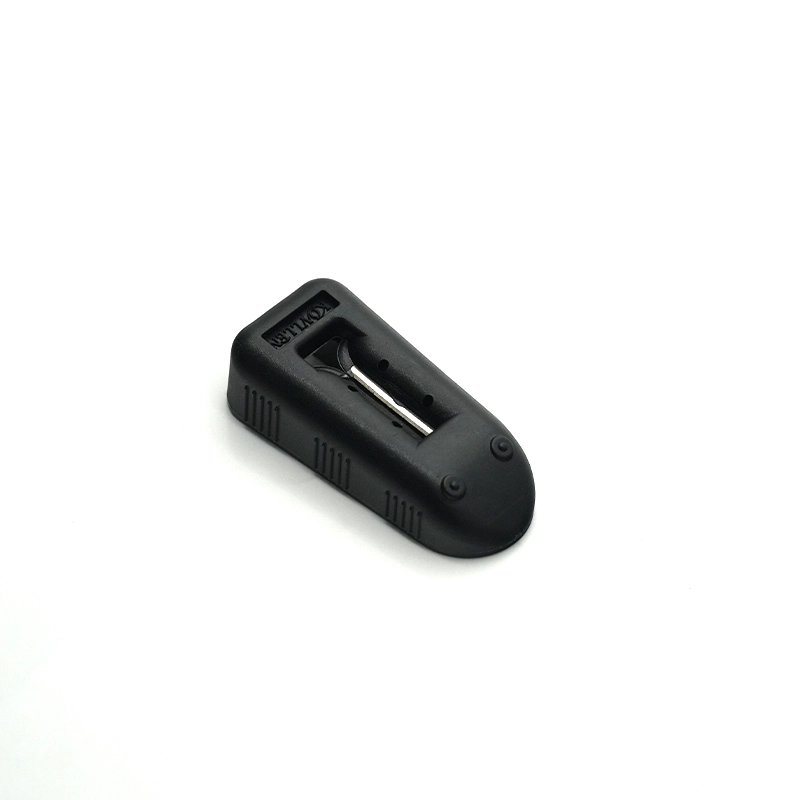
The plastic plug manufactured by Insert molding with stainless steel plate
More Details →
The plastic plug manufactured by Insert molding with stainless steel plate
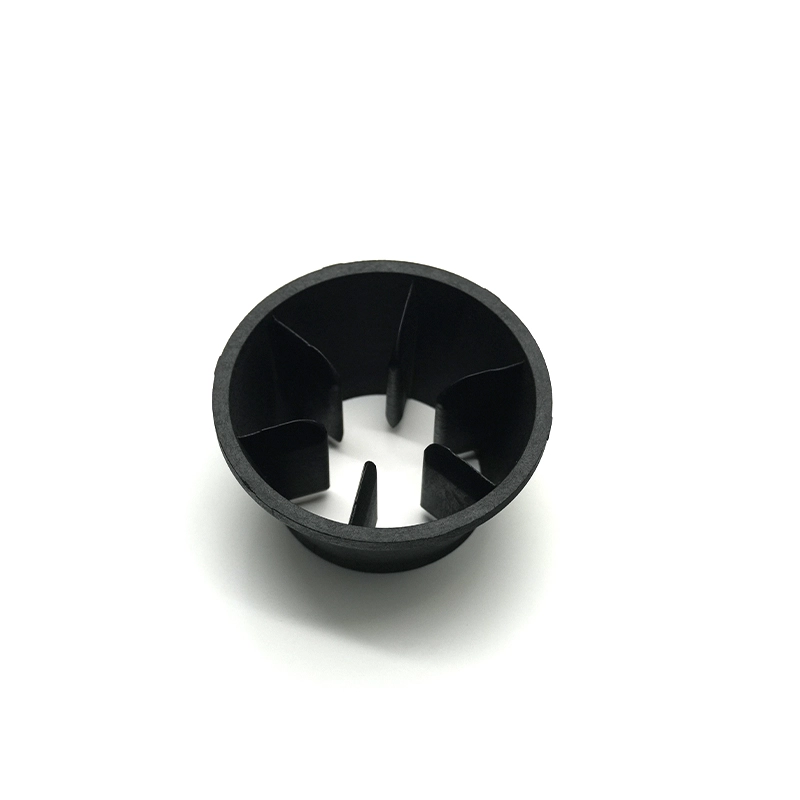
The Bost custom PPO flow valve by injection molding
More Details →
The Bost custom PPO flow valve by injection molding
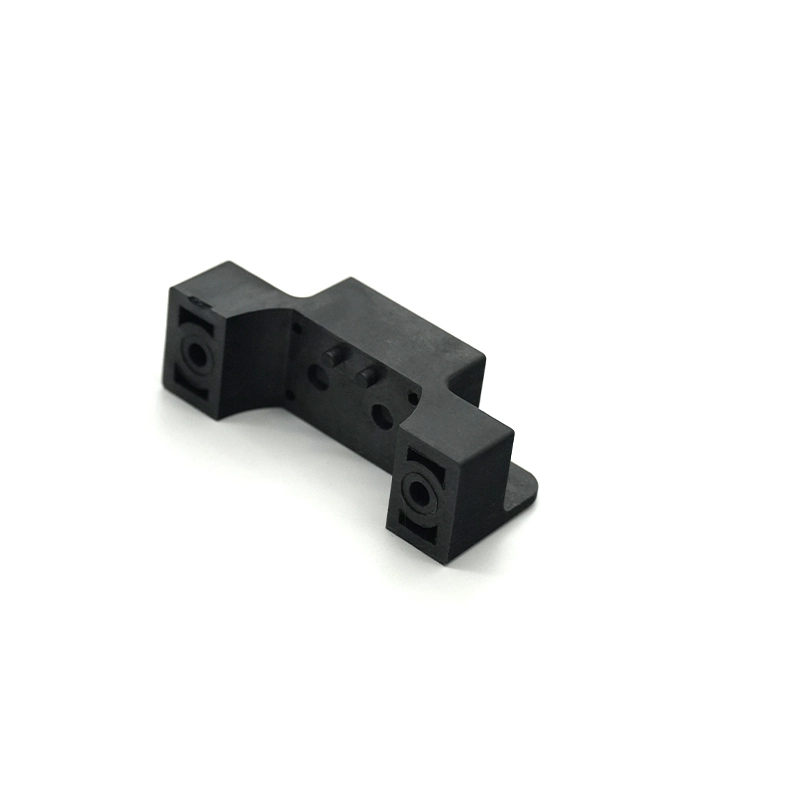
The Bost custom plastic handle by injection molding with high performance PPS material
More Details →
The Bost custom plastic handle by injection molding with high performance PPS material
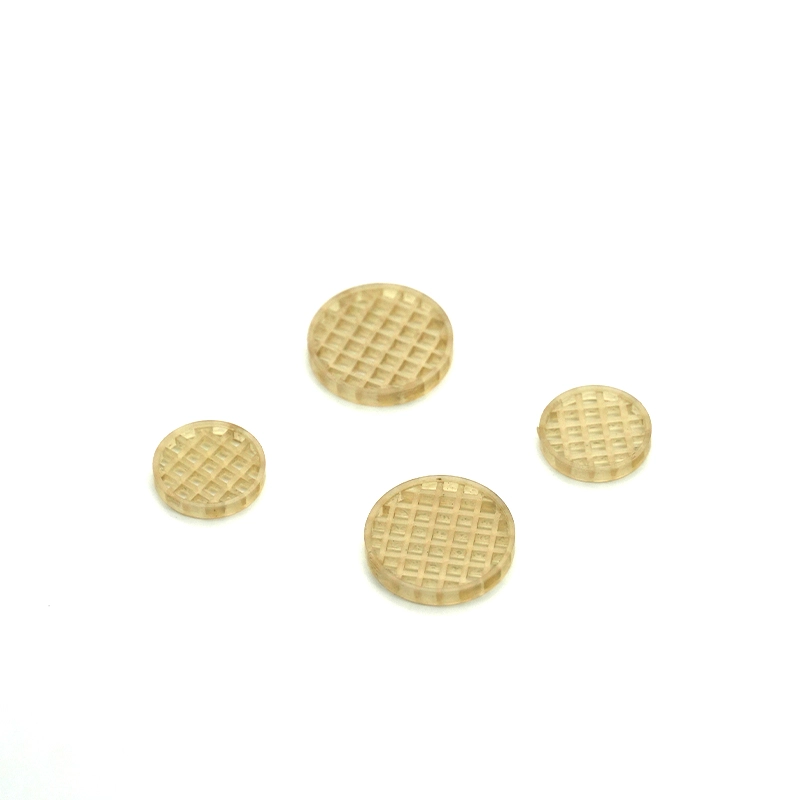
The Bost custom flow meter by injection molding with PES plastic
More Details →
The Bost custom flow meter by injection molding with PES plastic
Leave a Message
Have any questions or concerns about our products? Please leave us a message here, and our team will get back to you promptly.

24 hours quotes delivered
Submit CAD files, get quote in 24 hours

No MOQ required
From prototyping to high-volume

±0.02 mm Precision
Advanced CNC with full inspections

1,000+ tons in stock
26 materials ready to ship
© 2026 BOST. All Rights Reserved.