
 Scan QR Code
Send My Request
What role do fillers play in reinforced plastic spacers?
2026-01-12
Explore key considerations for sourcing plastic spacers in the engineering plastics industry, including their role, material selection, and market trends.
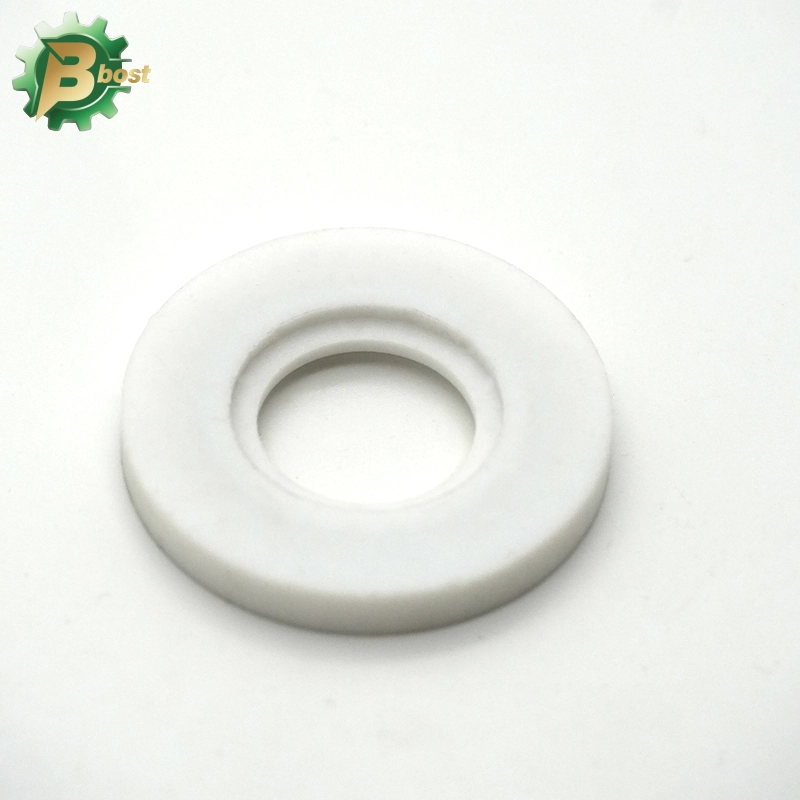
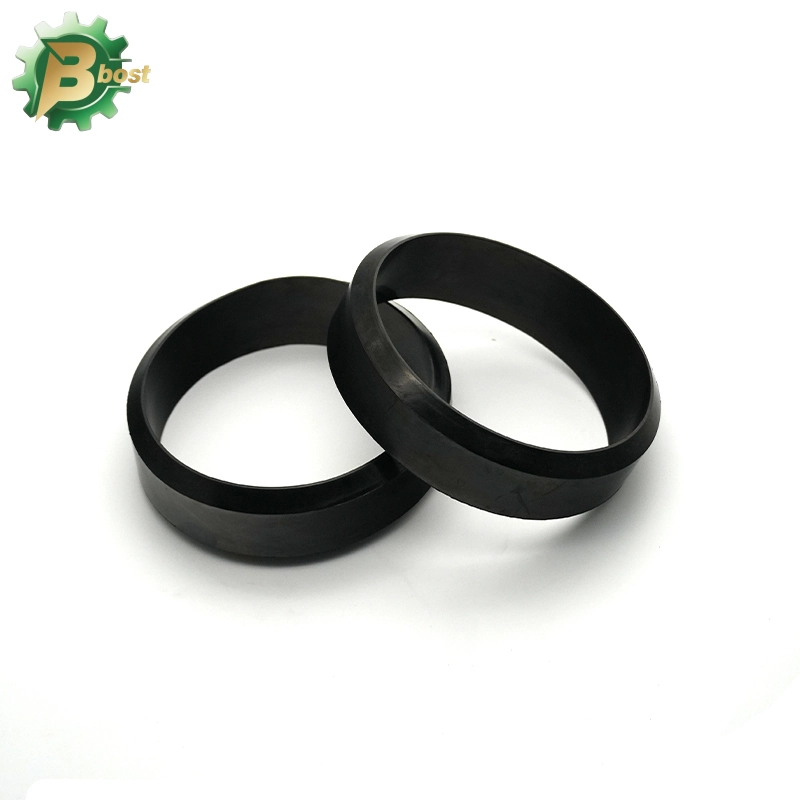
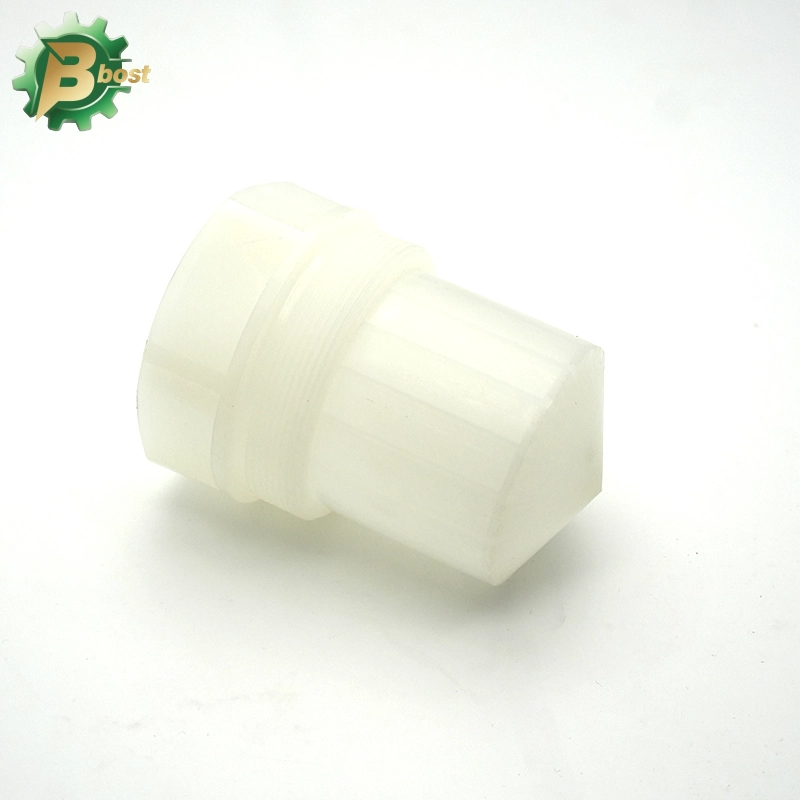
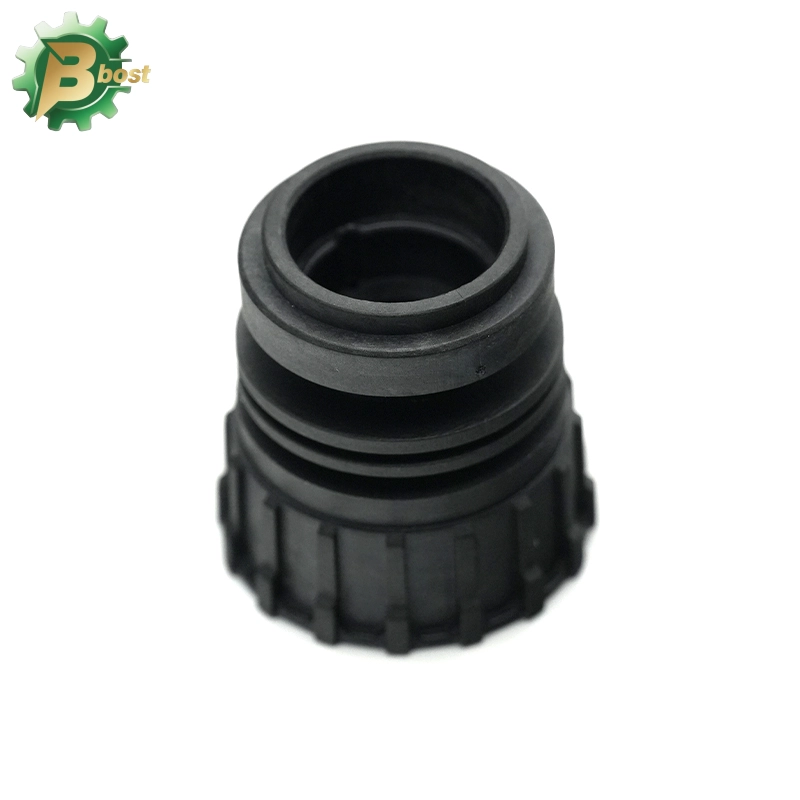
Plastic spacers are integral components in construction and manufacturing, ensuring precise positioning and spacing of reinforcement materials like rebar within concrete structures. Their primary function is to maintain the required concrete cover, thereby enhancing structural integrity and durability.
What Are Plastic Spacers and Their Role in Construction?
Plastic spacers are designed to support reinforcement mesh and rebar during concrete placement, ensuring that steel is positioned at the correct depth. This positioning prevents corrosion, improves concrete performance, and maintains structural alignment. They are lightweight, corrosion-resistant, and compatible with various bar diameters, making them a preferred choice in the industry.
What Materials Are Used in Plastic Spacers?
Plastic spacers are typically manufactured from high-grade materials such as Nylon 66, known for its durability and crack resistance. This material choice ensures that the spacers can withstand the mechanical stresses encountered during concrete curing and maintain their structural integrity over time.
How Do Fillers Enhance Reinforced Plastic Spacers?
Fillers are incorporated into plastic spacers to improve properties like strength, stiffness, and thermal stability. Common fillers include glass fibers, which can significantly enhance the mechanical properties of the spacer. The choice and amount of filler depend on the specific requirements of the application, such as load-bearing capacity and environmental conditions.
What Are the Advantages of Using Plastic Spacers Over Traditional Materials?
Plastic spacers offer several advantages over traditional materials like wood or metal:
Corrosion Resistance: Unlike metal spacers, plastic spacers do not corrode, ensuring longevity and reducing maintenance costs.
Lightweight: Their light weight facilitates easier handling and installation, improving on-site efficiency.
Cost-Effectiveness: Plastic spacers are often more affordable than their metal counterparts, providing a cost-effective solution without compromising quality.
What Are the Market Trends for Plastic Spacers?
The global plastic spacer market is experiencing robust growth, driven by increasing infrastructure investments and a shift toward sustainable construction practices. The market was valued at $2.3 billion in 2023 and is projected to grow at a compound annual growth rate (CAGR) of 6.8% through 2030. This expansion is fueled by urbanization, government infrastructure spending, and the push for green building standards.
How Do I Select the Right Plastic Spacer for My Project?
When choosing a plastic spacer, consider the following factors:
Load-Bearing Capacity: Ensure the spacer can withstand the anticipated loads without deformation.
Material Compatibility: Verify that the spacer material is compatible with the concrete mix and environmental conditions.
Compliance with Standards: Confirm that the spacer meets relevant industry standards and certifications.
For instance, plastic spacers should meet ASTM A185 or EN 10080 standards for reinforcement support and be UV-stable, non-corrosive, and resistant to moisture absorption.
What Are the Environmental Considerations When Using Plastic Spacers?
The construction industry is increasingly adopting sustainable practices, leading to a rise in the use of recycled plastic spacers. These spacers offer the same performance as those made from virgin materials while reducing environmental impact. However, challenges such as inconsistent feedstock quality and higher processing costs compared to virgin materials remain.
Conclusion: Why Choose Bost for Your Plastic Spacer Needs?
Bost offers a comprehensive range of high-quality plastic spacers designed to meet the diverse needs of your construction projects. Our spacers are made from durable materials, ensuring long-term performance and structural integrity. With a focus on sustainability and compliance with industry standards, Bost provides reliable and cost-effective solutions for your reinforcement needs.
References:
Danterr. (2024). Why Plastic Spacers Are Essential for Construction Projects.
Accio. (2024). Plastic Spacer: Durable, Customizable Solutions for Any Project.
Accio. (2024). Plastic Spacer for Concrete: Lightweight & Durable.
Accio. (2024). Recycled Plastic Spacers: Eco-Friendly & Customizable.
ShunPoly. (2024). How Plastic Spacers Help In Construction.
MAX FRANK. (2024). Plastic spacers.
Accio. (2024). Plastic Spacer Material: Uses & Benefits.
Silva Global. (2024). Spacers.
DSM Fab. (2024). PLASTIC SPACERS.
Genelink. (2024). Spacers Introduction.
Recommended for you
2026 Ultimate Guide to Precision Manufacturing: How to Enhance Product Competitiveness via Optimized Custom Injection Molding Parts?
2026 Essential for Manufacturing: Comprehensive Injection Molding Guides – From Tooling Design to High-Precision Mass Production
2026 Ultimate Guide to High-Precision Manufacturing: How to Enhance Product Competitiveness via Optimized Custom Injection Molded Parts?
2026 Ultimate Guide to Precision Manufacturing: How to Choose the Best Plastic Injection Molding Services for Product Excellence?
Prdoucts Categories
FAQ
FAQs
How do I select the appropriate engineering plastic grade for my product?
Selection should be based on parameters such as load conditions (e.g., pressure/friction), temperature range, medium contact (e.g., oil/acid), and regulatory requirements (e.g., FDA/RoHS). Our engineers can provide free material selection consulting and sample testing.
Can Bost customize modified plastics with special properties?
Yes! We offer modification services such as reinforcement, flame retardancy, conductivity, wear resistance, and UV resistance, for example:
• Adding carbon fiber to enhance stiffness
• Reducing the coefficient of friction through PTFE modification
• Customizing food-grade or medical-grade certified materials
What is the minimum order quantity (MOQ)? Do you support small-batch trial production?
The MOQ for standard products is ≥100kg. We support small-batch trial production (as low as 20kg) and provide mold testing reports and performance data feedback.
What are the core advantages of Bost engineering plastics compared to ordinary plastics?
Bost engineering plastics feature ultra-high mechanical strength, high-temperature resistance (-50°C to 300°C), chemical corrosion resistance, and wear resistance. Compared to ordinary plastics, their service life is extended by 3 to 8 times, making them suitable for replacing metals in harsh environments.
What is the delivery lead time? Do you offer global logistics?
Standard products: 5–15 working days; custom modifications: 2–4 weeks. We support global air/sea freight and provide export customs clearance documents (including REACH/UL certifications).
You may also like
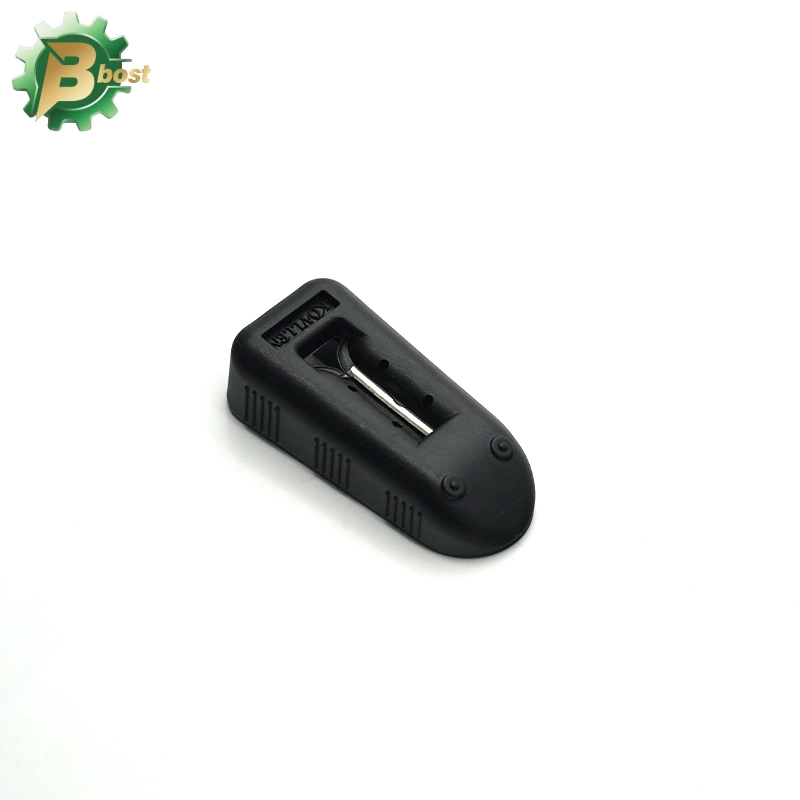
The plastic plug manufactured by Insert molding with stainless steel plate
More Details →
The plastic plug manufactured by Insert molding with stainless steel plate
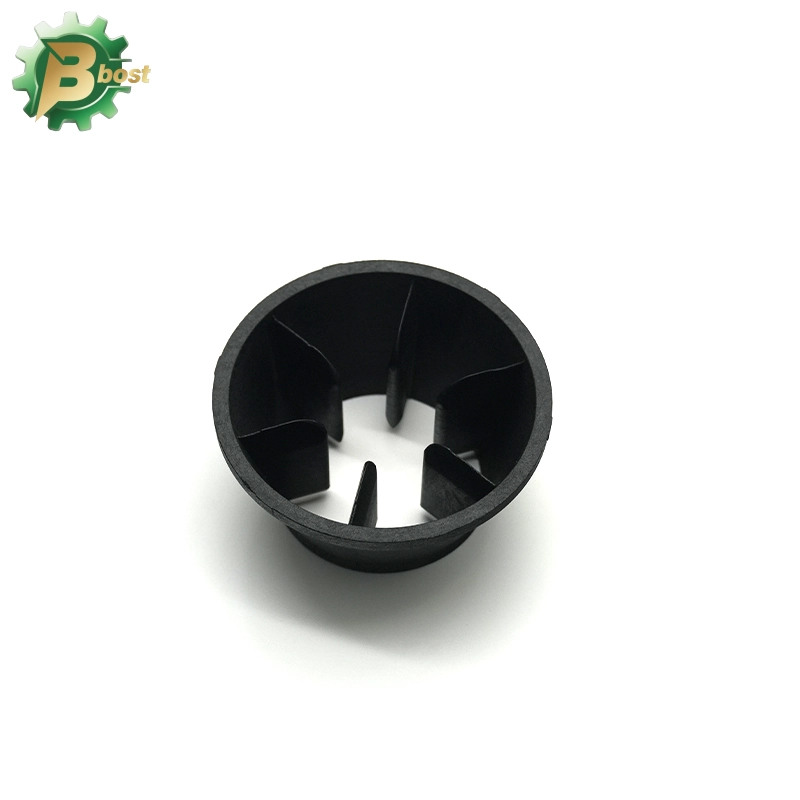
The Bost custom PPO flow valve by injection molding
More Details →
The Bost custom PPO flow valve by injection molding
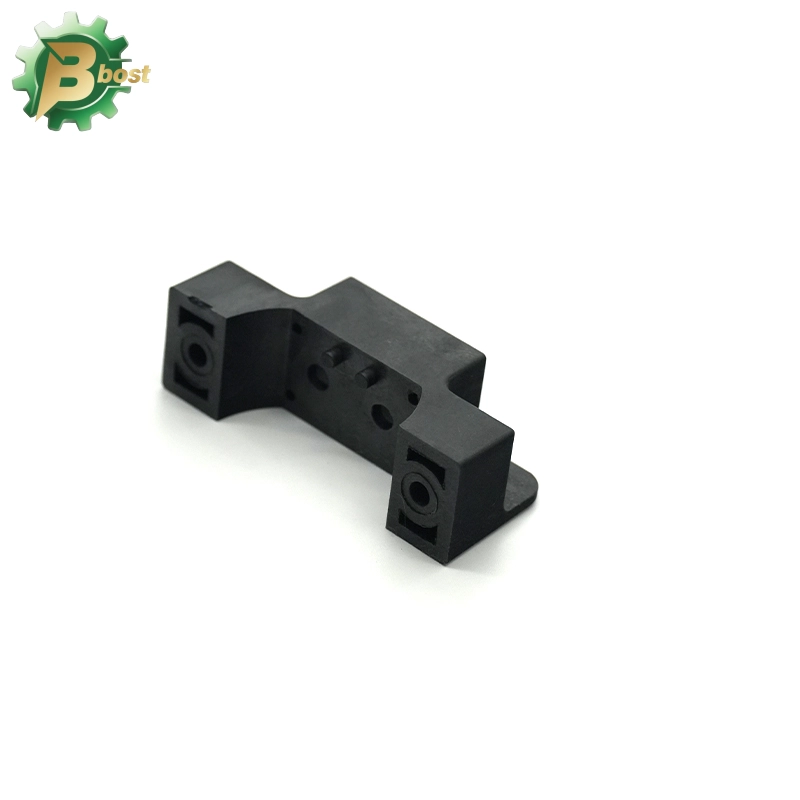
The Bost custom plastic handle by injection molding with high performance PPS material
More Details →
The Bost custom plastic handle by injection molding with high performance PPS material
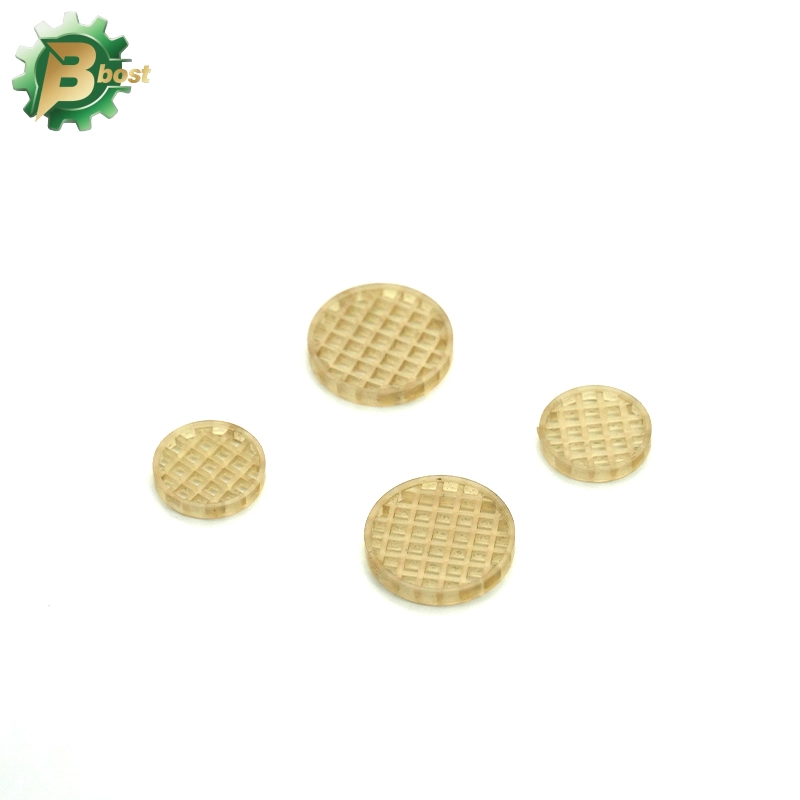
The Bost custom flow meter by injection molding with PES plastic
More Details →
The Bost custom flow meter by injection molding with PES plastic
Leave a Message
Have any questions or concerns about our products? Please leave us a message here, and our team will get back to you promptly.

24 hours quotes delivered
Submit CAD files, get quote in 24 hours

No MOQ required
From prototyping to high-volume

±0.02 mm Precision
Advanced CNC with full inspections

1,000+ tons in stock
26 materials ready to ship
© 2026 BOST. All Rights Reserved.