




 Scan QR Code
Send My Request
What design features improve spacer compressive strength?
2025-12-28
Explore essential factors in selecting plastic spacers, including material properties, design features, and market trends, to make informed procurement decisions in the engineering plastics industry.
- Understanding Plastic Spacers: Key Considerations for Engineering Plastics Procurement
- 1. What are the primary materials used in plastic spacers?
- 2. How does spacer design influence compressive strength?
- 3. What are the standard sizes and tolerances for plastic spacers?
- 4. How do market trends affect the selection of plastic spacers?
- 5. What are the challenges in selecting the appropriate plastic spacer?
- 6. How does spacer design impact compressive strength?
- 7. What are the key specifications to consider when selecting a plastic spacer?
- 8. How does spacer design impact compressive strength?
- Conclusion: Why Choose Bost for Your Plastic Spacer Needs?
Understanding Plastic Spacers: Key Considerations for Engineering Plastics Procurement
Plastic spacers are integral components in various engineering applications, serving to maintain precise distances between parts, ensure insulation, and support structural integrity. When procuring plastic spacers, it's crucial to consider several factors to ensure optimal performance and durability. Below are key considerations to guide your procurement decisions:
1. What are the primary materials used in plastic spacers?
Plastic spacers are typically made from materials such as polypropylene (PP), polyethylene (PE), and nylon. Each material offers distinct properties:
Polypropylene (PP): Known for its chemical resistance and low cost, making it ideal for general-purpose applications requiring electrical insulation.
Polyethylene (PE): Offers excellent impact resistance and flexibility, suitable for applications where vibration or shock absorption is needed.
Nylon: Provides high strength, wear resistance, and good mechanical properties, commonly used in automotive and industrial machinery to maintain proper clearances between moving parts.
2. How does spacer design influence compressive strength?
The design of a spacer significantly impacts its compressive strength. Key design features include:
Material Selection: Choosing materials with high tensile and compressive strengths enhances the spacer's load-bearing capacity. For instance, injected molded virgin polycarbonate spacers have a compressive strength of 12,500 psi (879 kg/cm²).
Wall Thickness: Thicker walls increase the spacer's robustness, enabling it to withstand higher clamping loads. For example, SPIROL's SP150 Heavy Wall Spacer offers a thicker wall compared to the SP100 Standard Wall Spacer, providing higher columnar strength.
Runner Design: Incorporating molded-in runners can enhance the spacer's structural integrity and load distribution.
3. What are the standard sizes and tolerances for plastic spacers?
Plastic spacers come in various standard sizes to accommodate different applications. For example, PSI Model PE Casing Spacers are available in sizes ranging from 3/4" × 2" to 12" × 16", with corresponding band widths and runner heights.
It's essential to select spacers with precise dimensions and tolerances to ensure proper fit and function in your assembly. Tolerances are critical to maintain the desired clearance and prevent issues such as misalignment or excessive wear.
4. How do market trends affect the selection of plastic spacers?
The global plastic spacer market is experiencing robust growth, driven by rising infrastructure investments and a shift toward sustainable construction practices. The market was valued at $2.3 billion in 2023 and is projected to grow at a CAGR of 6.8% through 2030.
Key trends influencing spacer selection include:
Sustainability Focus: Builders increasingly favor recyclable plastic spacers over non-renewable alternatives, aligning with green building standards.
Reusable Design Adoption: Modular, reusable spacers are gaining traction due to long-term cost savings and reduced waste.
Automation Integration: High-speed construction projects are adopting pre-assembled spacer systems compatible with automated rebar placement machinery.
5. What are the challenges in selecting the appropriate plastic spacer?
Selecting the right plastic spacer involves addressing several challenges:
Material Volatility: Price fluctuations in raw materials, such as polypropylene and ABS, can affect production costs.
Performance Validation: Ensuring that spacers meet industry standards and have been validated through third-party testing is crucial for reliability.
Compatibility: The spacer must be compatible with the specific application, considering factors like load requirements, environmental conditions, and integration with other components.
6. How does spacer design impact compressive strength?
The design of a spacer significantly influences its compressive strength. Key design features include:
Material Selection: Choosing materials with high tensile and compressive strengths enhances the spacer's load-bearing capacity. For instance, injected molded virgin polycarbonate spacers have a compressive strength of 12,500 psi (879 kg/cm²).
Wall Thickness: Thicker walls increase the spacer's robustness, enabling it to withstand higher clamping loads. For example, SPIROL's SP150 Heavy Wall Spacer offers a thicker wall compared to the SP100 Standard Wall Spacer, providing higher columnar strength.
Runner Design: Incorporating molded-in runners can enhance the spacer's structural integrity and load distribution.
7. What are the key specifications to consider when selecting a plastic spacer?
When selecting a plastic spacer, consider the following specifications:
Compressive Strength: Ensure the spacer can withstand the expected load without deformation. For example, PSI Model PE Casing Spacers have a compressive strength of 3,200 psi (225 kg/cm²).
Material Properties: Evaluate factors such as tensile strength, impact resistance, and water absorption to ensure the spacer meets the application's requirements.
Compliance with Standards: Verify that the spacer complies with relevant industry standards, such as ASTM or ISO, to ensure quality and reliability.
8. How does spacer design impact compressive strength?
The design of a spacer significantly influences its compressive strength. Key design features include:
Material Selection: Choosing materials with high tensile and compressive strengths enhances the spacer's load-bearing capacity. For instance, injected molded virgin polycarbonate spacers have a compressive strength of 12,500 psi (879 kg/cm²).
Wall Thickness: Thicker walls increase the spacer's robustness, enabling it to withstand higher clamping loads. For example, SPIROL's SP150 Heavy Wall Spacer offers a thicker wall compared to the SP100 Standard Wall Spacer, providing higher columnar strength.
Runner Design: Incorporating molded-in runners can enhance the spacer's structural integrity and load distribution.
Conclusion: Why Choose Bost for Your Plastic Spacer Needs?
When selecting plastic spacers, it's essential to consider material properties, design features, and market trends to ensure optimal performance and durability. Bost offers a range of high-quality plastic spacers designed to meet various engineering requirements. With a focus on innovation, sustainability, and customer satisfaction, Bost is your trusted partner for all your plastic spacer needs.
Recommended for you
The Peak Art of Custom Manufacturing According to Drawings: Comprehensive Guide to Precision Solutions for Custom Parts According to Drawing
Ending Mechanical Wear and Resonance: The Comprehensive Guide to Precision Customization and Mass Production of a Custom Rubber Pad
The Ultimate Armor for Smart Hardware: Advanced Customization and Precision Injection Molding Guide for a Custom Plastic Box
The Ultimate Weapon to Tame Vibration and Noise: Deep Dive into the Custom Process and Mass Production Logic of a Custom Rubber Bushing
Product Categories
FAQ
FAQs
Can Bost customize modified plastics with special properties?
Yes! We offer modification services such as reinforcement, flame retardancy, conductivity, wear resistance, and UV resistance, for example:
• Adding carbon fiber to enhance stiffness
• Reducing the coefficient of friction through PTFE modification
• Customizing food-grade or medical-grade certified materials
What is the minimum order quantity (MOQ)? Do you support small-batch trial production?
The MOQ for standard products is ≥100kg. We support small-batch trial production (as low as 20kg) and provide mold testing reports and performance data feedback.
How do I select the appropriate engineering plastic grade for my product?
Selection should be based on parameters such as load conditions (e.g., pressure/friction), temperature range, medium contact (e.g., oil/acid), and regulatory requirements (e.g., FDA/RoHS). Our engineers can provide free material selection consulting and sample testing.
What are the core advantages of Bost engineering plastics compared to ordinary plastics?
Bost engineering plastics feature ultra-high mechanical strength, high-temperature resistance (-50°C to 300°C), chemical corrosion resistance, and wear resistance. Compared to ordinary plastics, their service life is extended by 3 to 8 times, making them suitable for replacing metals in harsh environments.
What is the delivery lead time? Do you offer global logistics?
Standard products: 5–15 working days; custom modifications: 2–4 weeks. We support global air/sea freight and provide export customs clearance documents (including REACH/UL certifications).
You may also like
Custom Plastic Knobs Precision Injection Molded
More Details →
Custom Plastic Knobs Precision Injection Molded
Custom Injection Molded Parts from Drawings
More Details →
Custom Injection Molded Parts from Drawings
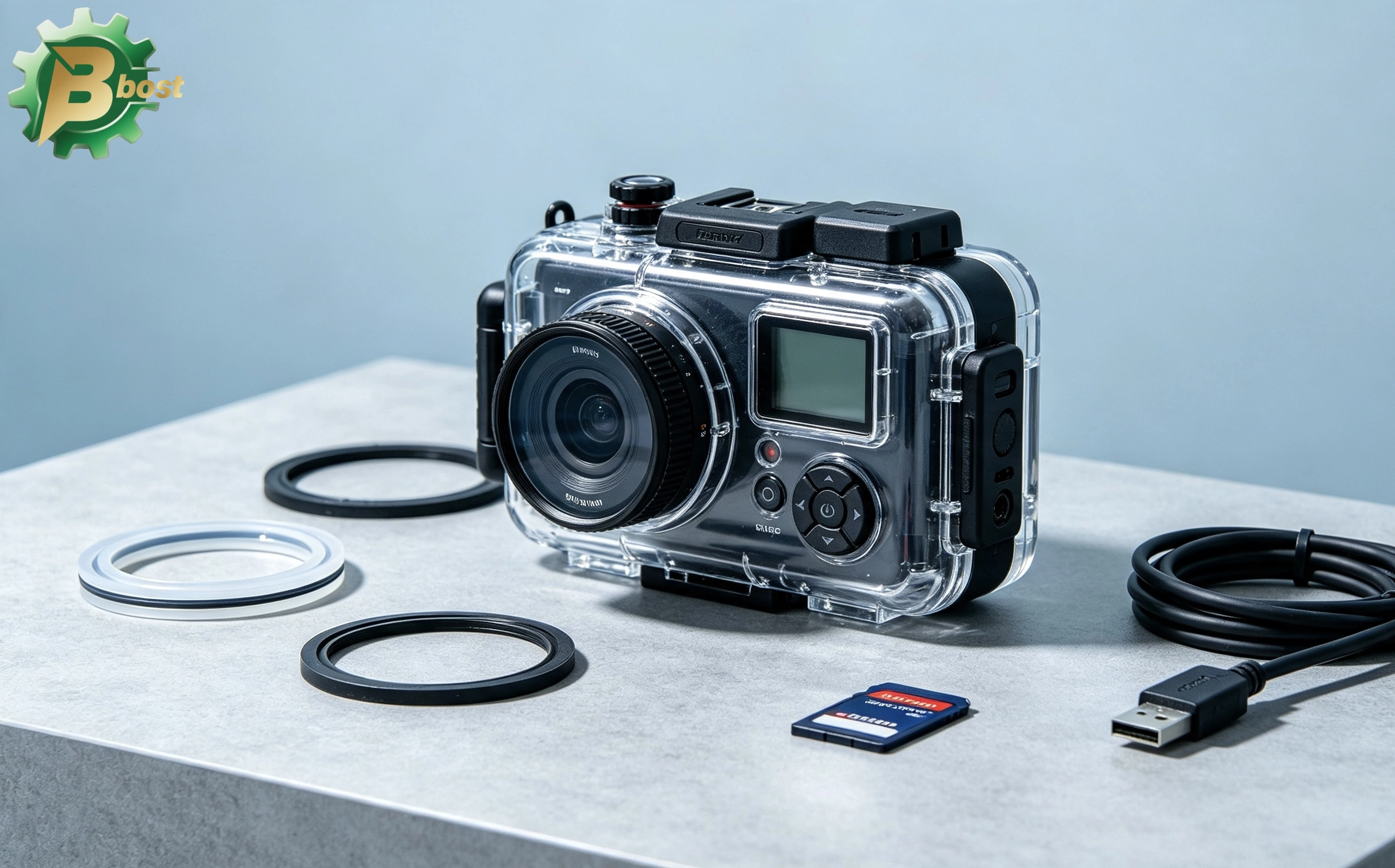
Underwater Camera Shell Custom Plastic Molding
More Details →
Underwater Camera Shell Custom Plastic Molding
Leave a Message
Have any questions or concerns about our products? Please leave us a message here, and our team will get back to you promptly.

24 hours quotes delivered
Submit CAD files, get quote in 24 hours

No MOQ required
From prototyping to high-volume

±0.02 mm Precision
Advanced CNC with full inspections

1,000+ tons in stock
26 materials ready to ship
© 2026 BOST. All Rights Reserved.