




 Scan QR Code
Send My Request
The Ultimate Guide: Mastering the Engineering of PEEK Injection Molding
2026-04-01
Discover expert insights in The Guide: Mastering the Engineering of PEEK Injection Molding by Bost. Learn from a leading PEEK injection molding supplier to optimize your manufacturing process with precision and quality. Elevate your projects with our trusted expertise.
In the world of materials science, PEEK (Polyetheretherketone) is hailed as the "King of Thermoplastics." For B2B buyers and engineers seeking lightweight, high-strength, and extreme environmental resistance, PEEK injection molding is the most effective way to transform this cutting-edge material into complex geometric parts.
However, the processing window for PEEK is exceptionally narrow. Its superior performance is both an advantage and a "nightmare" during processing. This guide will deconstruct the technical core and pitfalls of PEEK molding from the perspective of a professional injection molding factory.
1. PEEK Material: Why is it Worth the Premium?
Before diving into the process details of PEEK injection molding, we must understand its core value. PEEK has an extremely high continuous service temperature (approx. 260°C) and maintains excellent mechanical properties even under intense heat.
Metal Replacement: Its specific strength is much higher than many metals, making it key for aerospace weight reduction.
Biocompatibility: This makes it ideal for implantable medical devices.
Chemical Resistance: It resists almost all known chemical solvents except for concentrated sulfuric acid.
2. Core Technical Parameters of PEEK Injection Molding
To successfully mold PEEK parts, equipment must possess the dual capability of "High Heat" and "High Pressure."
1. The "Triad" of Temperature Management
Drying Temperature: PEEK is hygroscopic. We recommend drying at 150°C for 3 to 4 hours, keeping moisture content below 0.02%.
Melt Temperature: Typical processing temperatures range between 360°C and 400°C. If temperatures exceed 420°C, degradation occurs; if they fall below 340°C, there is a risk of snapping the screw.
Mold Temperature: This is the most overlooked factor. The mold must reach 170°C-200°C. If a cold mold is used, PEEK quenches into an amorphous state, leading to dimensional shrinkage during later use due to secondary crystallization.
2. The Dynamic Balance of Pressure and Speed
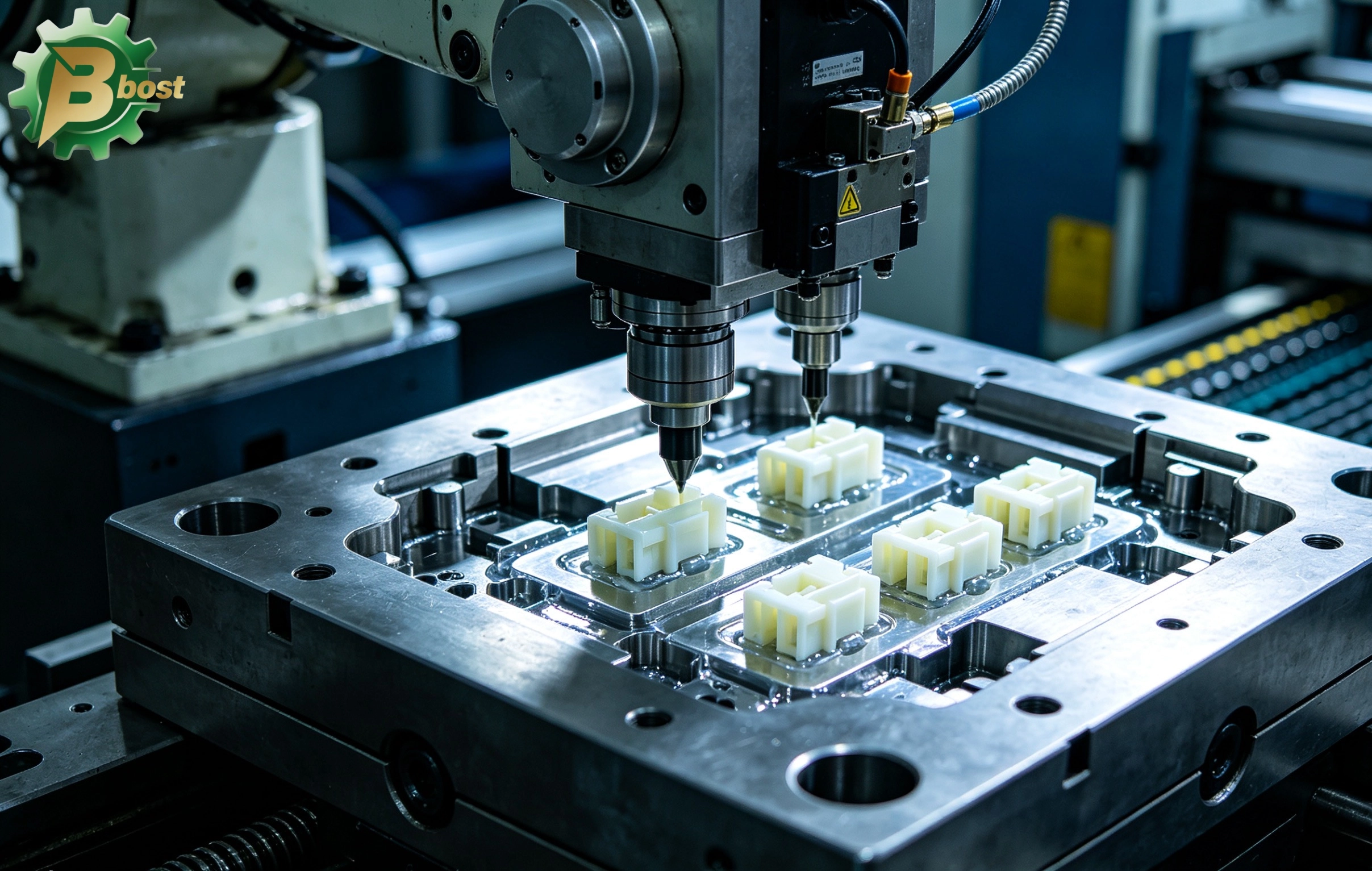
Since PEEK melt is highly viscous, high injection pressures (often above 150 MPa) are required. At GZ-BOST, we utilize servo-closed-loop control systems to monitor pressure curves in real-time, preventing voids or gate residues.
3. Special Requirements for PEEK Mold Design
Success in PEEK injection molding is 70% dependent on mold design.
Steel Selection: Operating at 200°C for long periods can anneal and soften standard mold steel. We typically use H13 or S136 steel treated with vacuum quenching.
Venting System: PEEK produces corrosive gases at high temperatures. Venting slots with a depth of 0.01mm must be designed at the end of runners and air-trapping points.
Shrinkage Compensation: PEEK's shrinkage rate is heavily influenced by fiber filler ratios. Pure PEEK shrinks by about 1.2%−1.5%, while glass/carbon fiber reinforced PEEK can drop to 0.2%. Accurate Moldflow analysis is indispensable.
4. How to Judge the Quality of PEEK Molded Parts?
As a buyer, you can evaluate a supplier’s PEEK injection molding proficiency through these visual and physical indicators:
Color Consistency: A perfect PEEK part should exhibit a uniform semi-translucent brown or beige color. Black spots indicate material degradation; light gray colors suggest insufficient crystallinity.
Dimensional Tolerance: High-quality PEEK parts should maintain precise tolerances within ±0.05mm.
Internal Stress Testing: Use oven annealing tests to observe if the part deforms or cracks.
5. Choose GZ-BOST as Your PEEK Processing Expert
At GZ-BOST, we don't just provide PEEK injection molding services; we provide comprehensive DFM (Design for Manufacturing) support. We understand that every PEEK part is valuable, and high scrap rates are unacceptable in mass production.
Our advantages include:
Precision injection machines equipped with dedicated high-temperature screws and heaters.
An engineering team with over 15 years of experience, specializing in solving molding issues for thin walls, long strokes, and complex internal threads.
A strict ISO 9001 quality management system, ensuring traceability for every batch.
Ready to start your PEEK project?
If you need professional advice for a specific application or want an instant quote for PEEK injection molding, visit our website at www.gz-bost.com or contact our Technical Director directly. We promise to provide a preliminary molding solution within 24 hours.
Recommended for you
The Peak Art of Custom Manufacturing According to Drawings: Comprehensive Guide to Precision Solutions for Custom Parts According to Drawing
Ending Mechanical Wear and Resonance: The Comprehensive Guide to Precision Customization and Mass Production of a Custom Rubber Pad
The Ultimate Armor for Smart Hardware: Advanced Customization and Precision Injection Molding Guide for a Custom Plastic Box
The Ultimate Weapon to Tame Vibration and Noise: Deep Dive into the Custom Process and Mass Production Logic of a Custom Rubber Bushing
Product Categories
FAQ
FAQs
What is the delivery lead time? Do you offer global logistics?
Standard products: 5–15 working days; custom modifications: 2–4 weeks. We support global air/sea freight and provide export customs clearance documents (including REACH/UL certifications).
What is the minimum order quantity (MOQ)? Do you support small-batch trial production?
The MOQ for standard products is ≥100kg. We support small-batch trial production (as low as 20kg) and provide mold testing reports and performance data feedback.
How do I select the appropriate engineering plastic grade for my product?
Selection should be based on parameters such as load conditions (e.g., pressure/friction), temperature range, medium contact (e.g., oil/acid), and regulatory requirements (e.g., FDA/RoHS). Our engineers can provide free material selection consulting and sample testing.
Can Bost customize modified plastics with special properties?
Yes! We offer modification services such as reinforcement, flame retardancy, conductivity, wear resistance, and UV resistance, for example:
• Adding carbon fiber to enhance stiffness
• Reducing the coefficient of friction through PTFE modification
• Customizing food-grade or medical-grade certified materials
What are the core advantages of Bost engineering plastics compared to ordinary plastics?
Bost engineering plastics feature ultra-high mechanical strength, high-temperature resistance (-50°C to 300°C), chemical corrosion resistance, and wear resistance. Compared to ordinary plastics, their service life is extended by 3 to 8 times, making them suitable for replacing metals in harsh environments.
You may also like
Custom Plastic Knobs Precision Injection Molded
More Details →
Custom Plastic Knobs Precision Injection Molded
Custom Injection Molded Parts from Drawings
More Details →
Custom Injection Molded Parts from Drawings
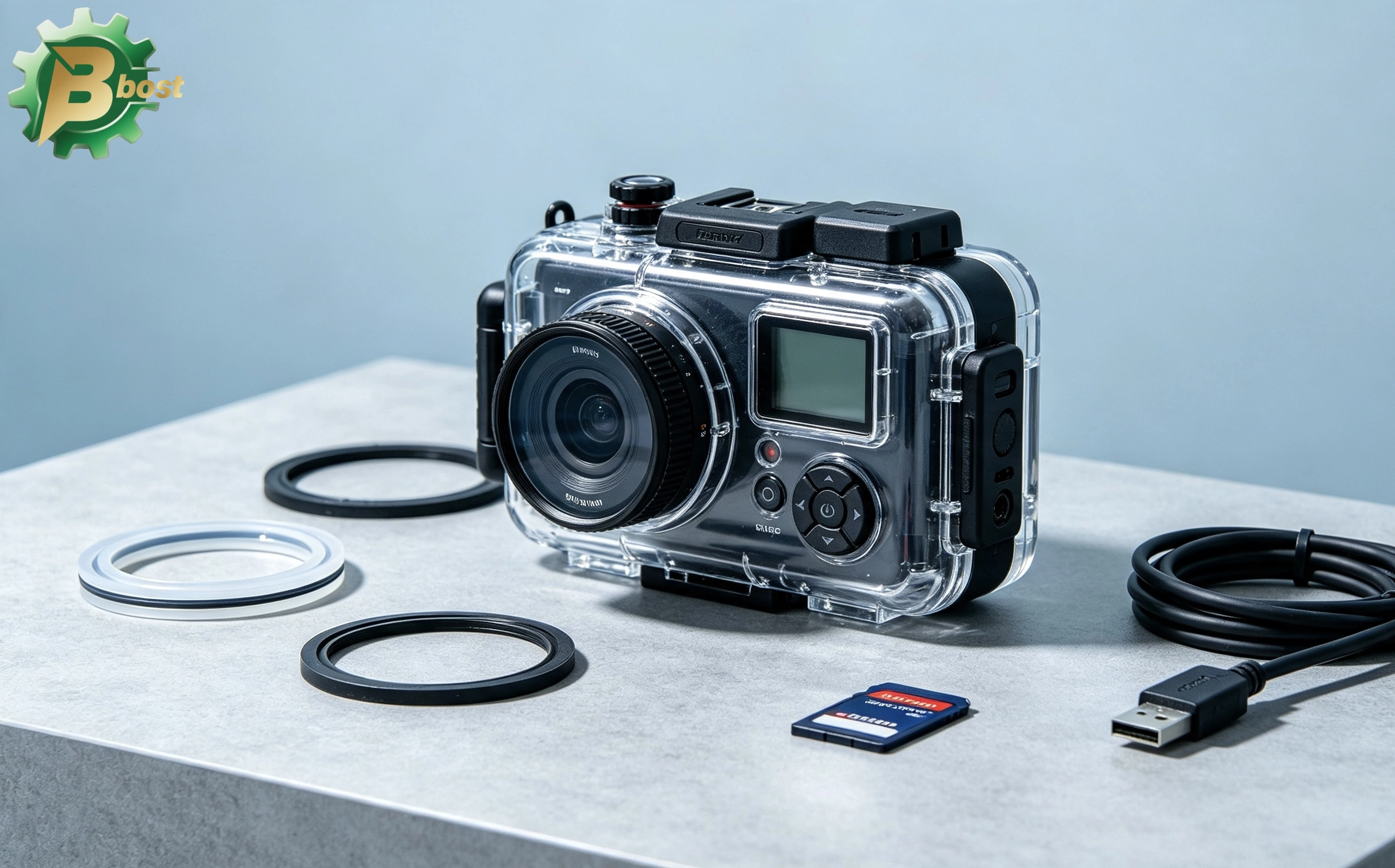
Underwater Camera Shell Custom Plastic Molding
More Details →
Underwater Camera Shell Custom Plastic Molding
Leave a Message
Have any questions or concerns about our products? Please leave us a message here, and our team will get back to you promptly.

24 hours quotes delivered
Submit CAD files, get quote in 24 hours

No MOQ required
From prototyping to high-volume

±0.02 mm Precision
Advanced CNC with full inspections

1,000+ tons in stock
26 materials ready to ship
© 2026 BOST. All Rights Reserved.