




 Scan QR Code
Send My Request
The Ultimate Guide to Industrial Rubber Seal Selection and Application: From Design to Enduring Sealing
2026-04-03
Discover Bost’s expert guide on industrial rubber seal selection and application. Learn how to choose custom rubber seals, including durable EPDM rubber seals for windows, ensuring optimal design and long-lasting performance. Trust Bost, your reliable custom rubber seals manufacturer.
In the operation of industrial equipment, the Rubber Seal often plays the role of an "unsung hero." Although its cost typically represents a tiny fraction of the entire machine, a failure can lead to expensive fluid leaks, pressure losses, or even environmental disasters. For B2B manufacturers pursuing ultimate reliability, knowing how to systematically select and apply high-performance Rubber Seal solutions is a core element of product competitiveness.
This guide, curated by the senior engineering team at https://gs.jurieo.com/gemini/official/search?q=gz-bost.com, provides an in-depth analysis of material science, injection molding processes, and failure prevention to help you master precision molded sealing technology.
1. The Foundation: Defining the Working Environment of a Rubber Seal
Before initiating any Rubber Seal procurement or design project, the primary task is to clarify its "survival environment." Engineers typically follow the STAMP principle:
Size: Not just ID and OD, but also the deformation of the sealing surface under pressure.
Temperature: Distinguish between continuous operating temperature and instantaneous peak temperature.
Application: Is it dynamic sealing (like a reciprocating piston) or static sealing?
Media: What chemicals will the seal contact? Water, hydraulic oil, or corrosive gases?
Pressure: The maximum system operating pressure and the presence of pressure pulses.
2. Precision Injection Molding: The Critical Process for Rubber Seal Quality
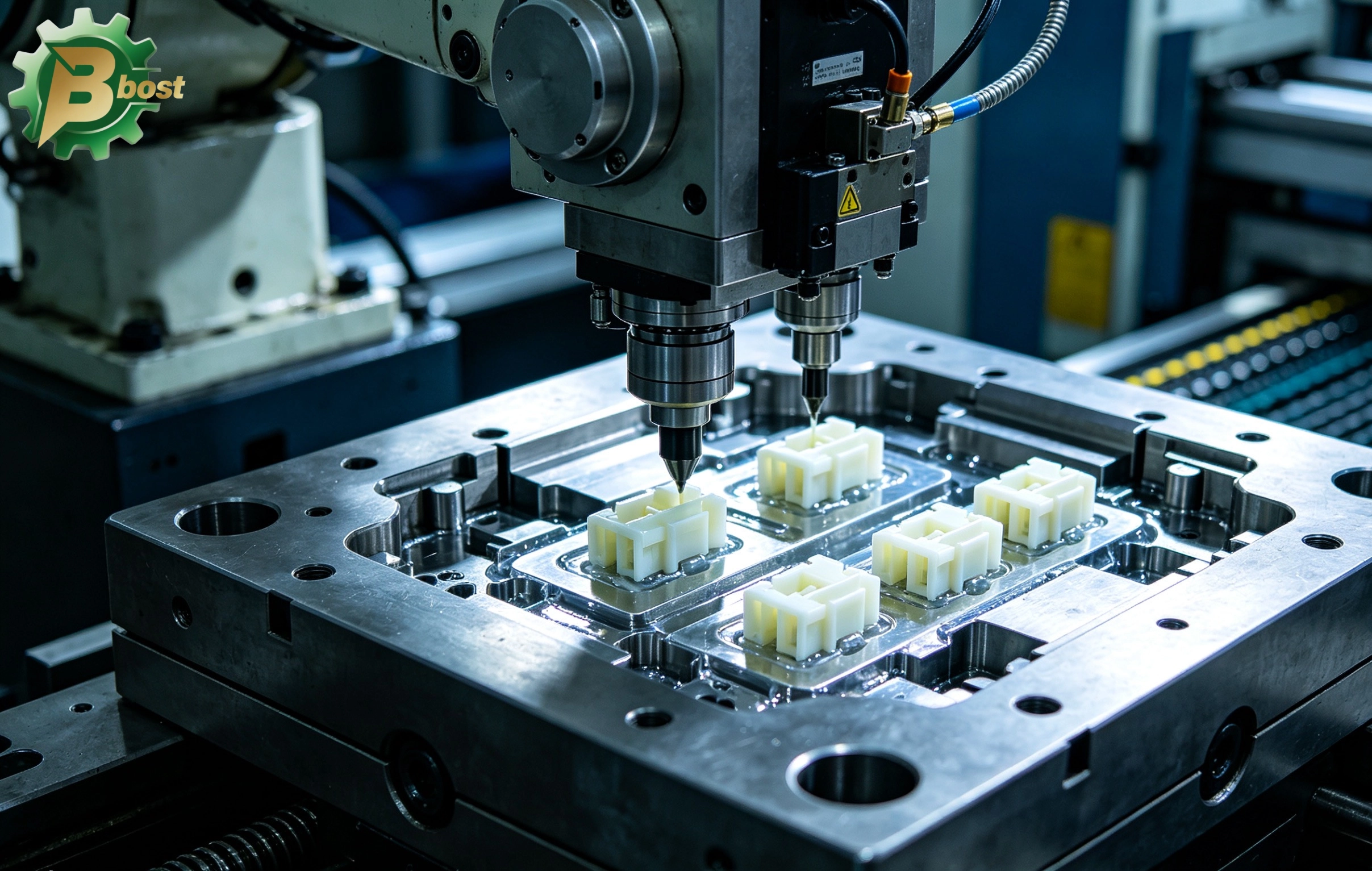
Unlike traditional compression molding, high-quality Rubber Seal products are increasingly produced using Rubber Injection Molding. This process offers unparalleled advantages for products requiring high complexity and consistency.
A. Precision in Mold Design
High-quality Rubber Seal production requires minimal parting line flash. During the mold design phase, we employ runner balance analysis to ensure the rubber melt uniformly fills every tiny cavity. At https://gs.jurieo.com/gemini/official/search?q=gz-bost.com, we utilize high-precision CNC machining to ensure mold clearance reaches the micron level, eliminating leak risks at the source.
B. Application of Vacuum Venting Technology
The most common issue in rubber injection is air entrapment. We introduce vacuum pump systems into the injection cycle to extract air from the mold cavity before injection, ensuring the Rubber Seal has a dense internal structure free of pores or loose defects—critical for high-pressure resistance.
3. Advanced Materials: Beyond Basic Rubber Limitations
As a professional injection molding solution provider, we know that 80% of a Rubber Seal's durability depends on its formulation. Beyond common NBR or EPDM, we consider advanced elastomers for harsh conditions:
High-Performance Silicone: Not only resistant to extreme temperatures but also exceptionally biocompatible, making it the top choice for medical-grade Rubber Seal applications.
Peroxide Curing Systems: Compared to traditional sulfur curing, peroxide-cured Rubber Seal products offer lower compression set and superior heat resistance.
4. How to Prevent Premature Failure of a Rubber Seal?
Based on our after-sales analysis, most Rubber Seal failures are not due to wear but result from the following errors:
Improper Interference Fit: Excessive compression causes permanent deformation, while insufficient compression fails to establish effective sealing pressure.
Lubricant Incompatibility: Using mineral oil to lubricate EPDM seals will cause them to swell and fail rapidly.
Neglected Storage Environments: Rubber Seal components are extremely sensitive to UV light and ozone. Long-term exposure to sunlight or air near electric motors can lead to surface cracking.
Conclusion: Moving Toward Reliable Sealing Solutions
Selecting a Rubber Seal should not be a gamble; it should be based on rigorous scientific calculation and process control. A perfect sealing solution brings long-term reputation and lower maintenance costs to your brand.
If you are looking for a Rubber Seal partner capable of handling high-precision requirements, complex material formulations, and large-scale production, Guangzhou BOST is ready to provide technical support. Visit www.gz-bost.com to start your professional consultation and obtain customized injection molding solutions and competitive quotes.
Recommended for you
The Peak Art of Custom Manufacturing According to Drawings: Comprehensive Guide to Precision Solutions for Custom Parts According to Drawing
Ending Mechanical Wear and Resonance: The Comprehensive Guide to Precision Customization and Mass Production of a Custom Rubber Pad
The Ultimate Armor for Smart Hardware: Advanced Customization and Precision Injection Molding Guide for a Custom Plastic Box
The Ultimate Weapon to Tame Vibration and Noise: Deep Dive into the Custom Process and Mass Production Logic of a Custom Rubber Bushing
Product Categories
FAQ
FAQs
What is the minimum order quantity (MOQ)? Do you support small-batch trial production?
The MOQ for standard products is ≥100kg. We support small-batch trial production (as low as 20kg) and provide mold testing reports and performance data feedback.
How do I select the appropriate engineering plastic grade for my product?
Selection should be based on parameters such as load conditions (e.g., pressure/friction), temperature range, medium contact (e.g., oil/acid), and regulatory requirements (e.g., FDA/RoHS). Our engineers can provide free material selection consulting and sample testing.
What is the delivery lead time? Do you offer global logistics?
Standard products: 5–15 working days; custom modifications: 2–4 weeks. We support global air/sea freight and provide export customs clearance documents (including REACH/UL certifications).
Can Bost customize modified plastics with special properties?
Yes! We offer modification services such as reinforcement, flame retardancy, conductivity, wear resistance, and UV resistance, for example:
• Adding carbon fiber to enhance stiffness
• Reducing the coefficient of friction through PTFE modification
• Customizing food-grade or medical-grade certified materials
What are the core advantages of Bost engineering plastics compared to ordinary plastics?
Bost engineering plastics feature ultra-high mechanical strength, high-temperature resistance (-50°C to 300°C), chemical corrosion resistance, and wear resistance. Compared to ordinary plastics, their service life is extended by 3 to 8 times, making them suitable for replacing metals in harsh environments.
You may also like
Custom Plastic Knobs Precision Injection Molded
More Details →
Custom Plastic Knobs Precision Injection Molded
Custom Injection Molded Parts from Drawings
More Details →
Custom Injection Molded Parts from Drawings
Underwater Camera Shell Custom Plastic Molding
More Details →
Underwater Camera Shell Custom Plastic Molding
Leave a Message
Have any questions or concerns about our products? Please leave us a message here, and our team will get back to you promptly.

24 hours quotes delivered
Submit CAD files, get quote in 24 hours

No MOQ required
From prototyping to high-volume

±0.02 mm Precision
Advanced CNC with full inspections

1,000+ tons in stock
26 materials ready to ship
© 2026 BOST. All Rights Reserved.