
 Scan QR Code
Send My Request
How to evaluate thermal conductivity of plastics?
2026-01-30
Explore the thermal conductivity of engineered plastics, evaluation methods, and considerations for material selection in this detailed guide.
- Understanding Thermal Conductivity in Engineered Plastics: A Comprehensive Guide
- 1. What is Thermal Conductivity?
- 2. How Does Thermal Conductivity Vary Among Different Plastics?
- 3. What Factors Influence the Thermal Conductivity of Plastics?
- 4. How is Thermal Conductivity Measured in Plastics?
- 5. How Do Temperature and Moisture Affect Thermal Conductivity?
- 6. What Are the Applications of Thermally Conductive Plastics?
- 7. How Do Engineered Plastics Compare to Metals in Thermal Conductivity?
- 8. How Do I Select the Right Engineered Plastic for My Application?
Understanding Thermal Conductivity in Engineered Plastics: A Comprehensive Guide
As industries increasingly rely on engineered plastics for their unique properties, understanding thermal conductivity becomes crucial. This guide addresses common questions to assist professionals in making informed material selections.
1. What is Thermal Conductivity?
Thermal conductivity (k) measures a material's ability to conduct heat. Materials with high thermal conductivity transfer heat efficiently, while those with low conductivity act as insulators. Plastics generally have low thermal conductivity, making them suitable for applications requiring thermal insulation.
2. How Does Thermal Conductivity Vary Among Different Plastics?
The thermal conductivity of plastics varies based on their molecular structure and composition. For instance:
- Polyethylene (PE): 0.33 – 0.52 W/m·K
- Polystyrene (PS): 0.10 – 0.13 W/m·K
- Polycarbonate (PC): 0.19 – 0.22 W/m·K
- Acrylonitrile Butadiene Styrene (ABS): 0.17 – 0.34 W/m·K
These values indicate that while most plastics are poor heat conductors, some, like high-density polyethylene (HDPE), have slightly higher thermal conductivity.
3. What Factors Influence the Thermal Conductivity of Plastics?
Several factors affect the thermal conductivity of plastics:
- Molecular Structure: Amorphous or semi-crystalline structures impact heat transfer efficiency.
- Additives and Fillers: Incorporating materials like graphite or metal oxides can enhance thermal conductivity. For example, adding aluminum particles to HDPE can increase its conductivity beyond 1 W/m·K.
- Density and Moisture Content: Higher density and moisture levels typically increase thermal conductivity.
4. How is Thermal Conductivity Measured in Plastics?
Common methods for measuring thermal conductivity include:
- Guarded Hot Plate Method: A sample is placed between two plates at different temperatures, and the heat flux is measured to determine conductivity.
- Laser Flash Analysis (LFA): A short laser pulse heats the sample, and the temperature change is monitored to calculate thermal diffusivity, which relates to conductivity.
5. How Do Temperature and Moisture Affect Thermal Conductivity?
Temperature and moisture content significantly influence thermal conductivity:
- Temperature: As temperature increases, the thermal conductivity of plastics generally increases due to enhanced molecular motion.
- Moisture: Moisture absorption can alter the material's structure, potentially increasing its thermal conductivity.
6. What Are the Applications of Thermally Conductive Plastics?
Thermally conductive plastics are used in various applications, including:
- Electronics: Managing heat in components like LED housings and heat sinks.
- Automotive: Components requiring heat dissipation, such as battery enclosures.
- Consumer Goods: Products like hairdryers and irons that need efficient heat management.
7. How Do Engineered Plastics Compare to Metals in Thermal Conductivity?
While metals like aluminum have thermal conductivities up to 205 W/m·K, engineered plastics typically range from 0.1 to 0.5 W/m·K. However, advancements have led to thermally conductive plastics with values up to 100 W/m·K, bridging the gap between metals and traditional plastics.
8. How Do I Select the Right Engineered Plastic for My Application?
When choosing an engineered plastic, consider:
- Thermal Requirements: Determine the necessary thermal conductivity for your application.
- Mechanical Properties: Assess strength, flexibility, and durability needs.
- Environmental Factors: Account for exposure to chemicals, UV light, and temperature variations.
- Cost and Availability: Balance performance requirements with budget constraints.
Bost's Advantages:
Bost offers a comprehensive range of engineered plastics tailored to meet diverse thermal and mechanical requirements. With a commitment to quality and innovation, Bost ensures that clients receive materials optimized for performance and cost-effectiveness.
References:
- Thermal Conductivity of Plastics - EngineerExcel.
- Thermal Conductivity of Plastics - Alfa Chemistry.
- Thermal Conductivity of Plastics in context of thermal conductivity calculator - True Geometry’s Blog.
- Plastics - Thermal Conductivity Coefficients - Engineering ToolBox.
- Does Plastic Conduct Heat: How Well Does It Transfer Temperature? - Plaaastic.
- The Thermal Conductivity of Unfilled Plastics – C-Therm Technologies Ltd.
- Thermal Conductivity of Filled Plastics - Electronics Cooling.
- Stock shapes - Ensinger Plastics.
- Time-domain thermoreflectance - Wikipedia.
- 3ω-method - Wikipedia.
- Find out about.......Plastics, Polymer Engineering and Leadership: May 2019.
- Thermal Conductivity of Polymers and Plastics - Table - Matmake.
- Thermally Conductive Plastics | Heat Management, Lightweight - Thermal Engineering.
Recommended for you
5 "Hidden Indicators" to Look for When Choosing Plastic Injection Molding Services
Custom Plastic Injection Molding: The "Hidden Thresholds" That Make All the Difference with the Same Drawings
Plastic Injection Molding: How to Avoid Material Selection "Landmines" and Common Process Defects?
From Design to Mass Production: How to Control Product Cost and Quality Through Precision Injection Molding?
Prdoucts Categories
FAQ
FAQs
What are the core advantages of Bost engineering plastics compared to ordinary plastics?
Bost engineering plastics feature ultra-high mechanical strength, high-temperature resistance (-50°C to 300°C), chemical corrosion resistance, and wear resistance. Compared to ordinary plastics, their service life is extended by 3 to 8 times, making them suitable for replacing metals in harsh environments.
What is the delivery lead time? Do you offer global logistics?
Standard products: 5–15 working days; custom modifications: 2–4 weeks. We support global air/sea freight and provide export customs clearance documents (including REACH/UL certifications).
Can Bost customize modified plastics with special properties?
Yes! We offer modification services such as reinforcement, flame retardancy, conductivity, wear resistance, and UV resistance, for example:
• Adding carbon fiber to enhance stiffness
• Reducing the coefficient of friction through PTFE modification
• Customizing food-grade or medical-grade certified materials
How do I select the appropriate engineering plastic grade for my product?
Selection should be based on parameters such as load conditions (e.g., pressure/friction), temperature range, medium contact (e.g., oil/acid), and regulatory requirements (e.g., FDA/RoHS). Our engineers can provide free material selection consulting and sample testing.
What is the minimum order quantity (MOQ)? Do you support small-batch trial production?
The MOQ for standard products is ≥100kg. We support small-batch trial production (as low as 20kg) and provide mold testing reports and performance data feedback.
You may also like
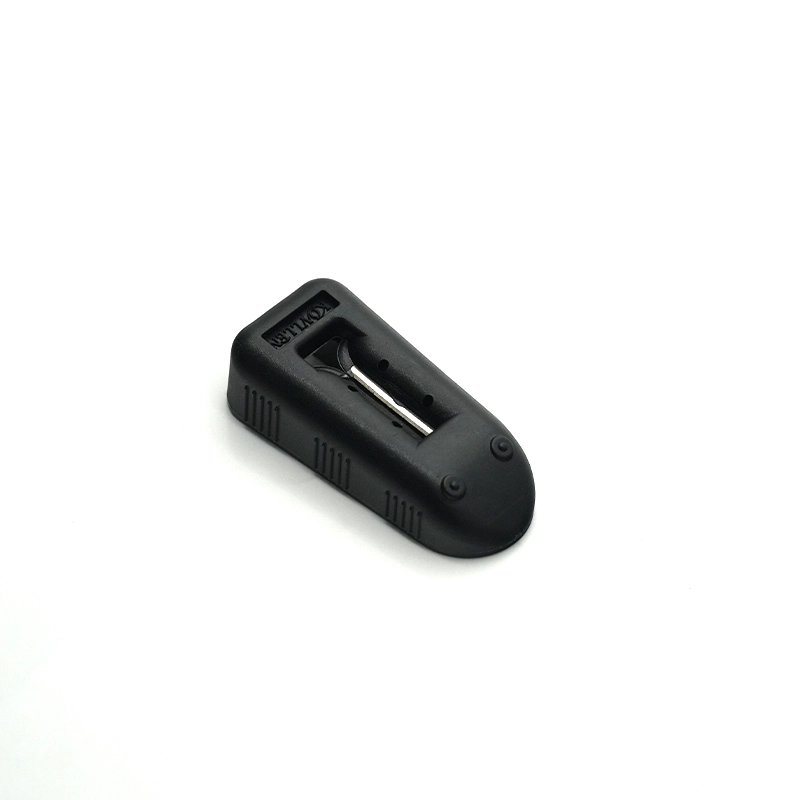
The plastic plug manufactured by Insert molding with stainless steel plate
More Details →
The plastic plug manufactured by Insert molding with stainless steel plate
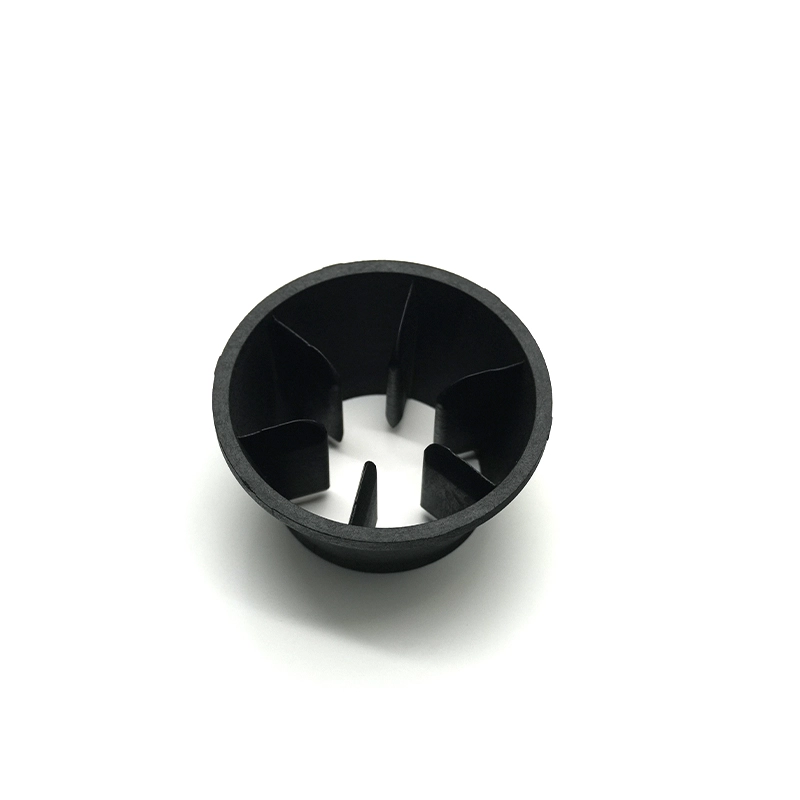
The Bost custom PPO flow valve by injection molding
More Details →
The Bost custom PPO flow valve by injection molding
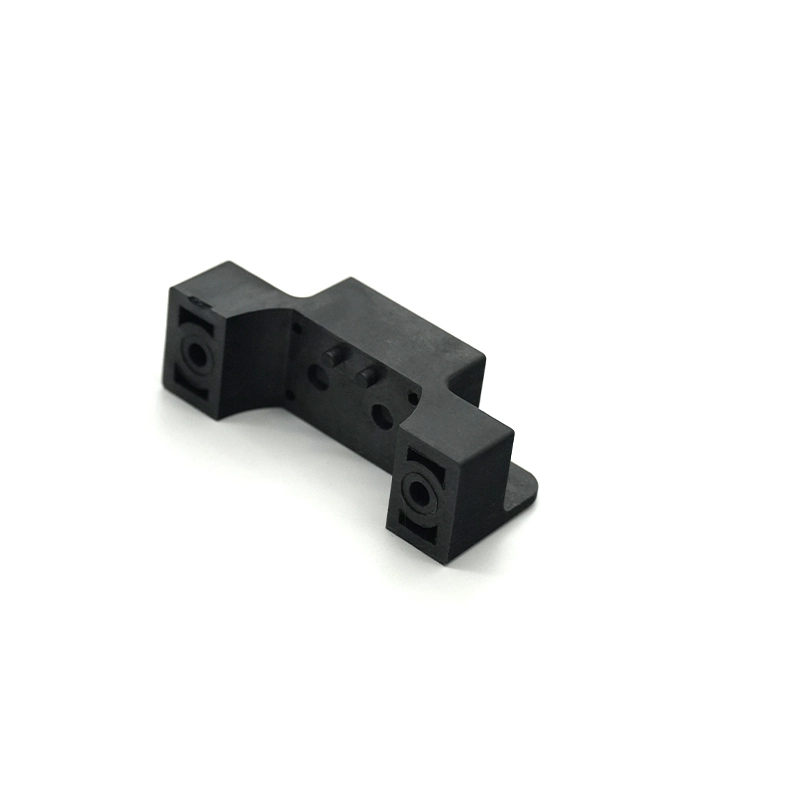
The Bost custom plastic handle by injection molding with high performance PPS material
More Details →
The Bost custom plastic handle by injection molding with high performance PPS material
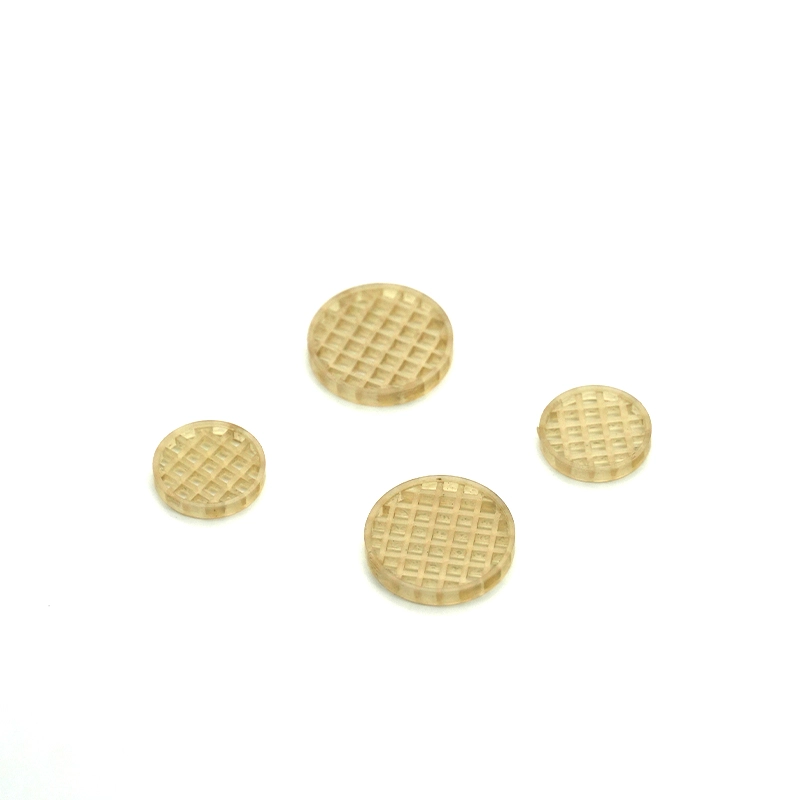
The Bost custom flow meter by injection molding with PES plastic
More Details →
The Bost custom flow meter by injection molding with PES plastic
Leave a Message
Have any questions or concerns about our products? Please leave us a message here, and our team will get back to you promptly.

24 hours quotes delivered
Submit CAD files, get quote in 24 hours

No MOQ required
From prototyping to high-volume

±0.02 mm Precision
Advanced CNC with full inspections

1,000+ tons in stock
26 materials ready to ship
© 2026 BOST. All Rights Reserved.