



 Scan QR Code
Send My Request
What recycling options exist for engineered plastic spacers?
2026-01-14
Explore the types, applications, and recycling options for plastic spacers in the engineering plastics industry, and discover how Bost's solutions can enhance your projects.
- Understanding Plastic Spacers and Recycling Options in Engineering Plastics
- What Are Plastic Spacers?
- Common Applications of Plastic Spacers
- What Recycling Options Exist for Engineered Plastic Spacers?
- Challenges in Recycling Plastic Spacers
- Best Practices for Recycling Plastic Spacers
- How Bost's Solutions Support Sustainable Practices
- Conclusion
Understanding Plastic Spacers and Recycling Options in Engineering Plastics
Plastic spacers are integral components in various engineering applications, serving as separators, supports, or insulators between parts. Their versatility and cost-effectiveness make them a popular choice in industries ranging from electronics to construction. This article delves into the types of plastic spacers, their applications, and the recycling options available, providing essential insights for professionals in the engineering plastics sector.
What Are Plastic Spacers?
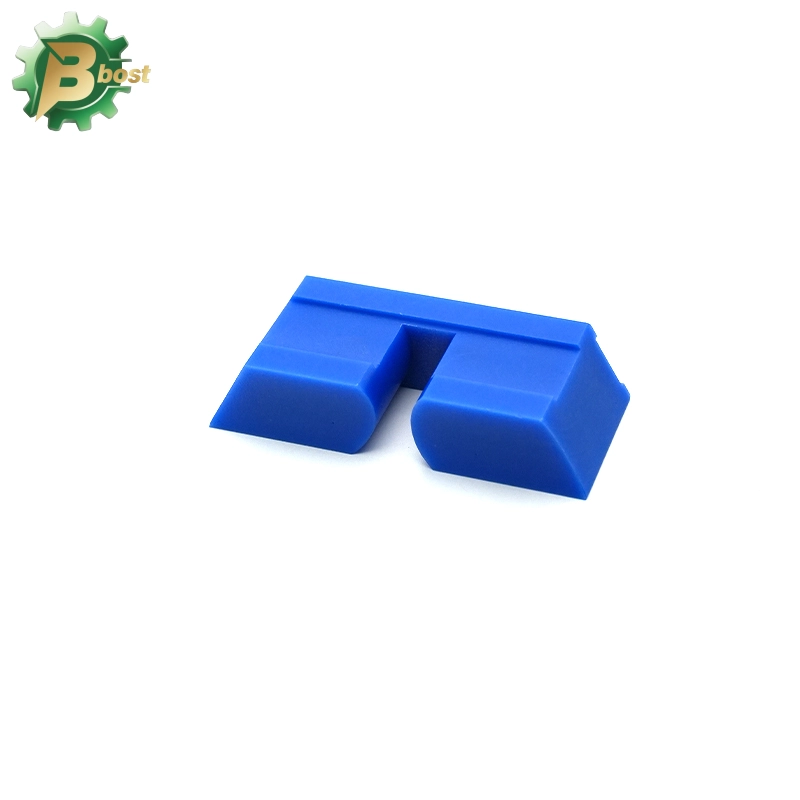
Plastic spacers are devices designed to maintain a specific distance between two components, ensuring proper alignment and function. They are typically made from materials like nylon, polypropylene, or polyethylene, chosen for their durability, chemical resistance, and electrical insulating properties.
Common Applications of Plastic Spacers
Plastic spacers are utilized in various applications, including:
- Electronics: Maintaining consistent distances between circuit board components to prevent short circuits.
- Construction: Acting as fillers in concrete forms to create uniform gaps for expansion joints.
- Automotive: Serving as buffers between parts to reduce vibration and noise.
What Recycling Options Exist for Engineered Plastic Spacers?
Recycling options for engineered plastic spacers depend on the material composition and local recycling facilities. Common recycling methods include:
- Mechanical Recycling: Shredding and reprocessing plastic spacers into pellets for use in manufacturing new products.
- Chemical Recycling: Breaking down plastics into their monomers to produce virgin-quality materials.
It's essential to consult local recycling programs to determine the acceptance of specific plastic types. For instance, rigid plastics like milk crates and pharmaceutical containers may not be accepted in single-stream recycling but can be processed through specialized facilities.
Challenges in Recycling Plastic Spacers
Several factors can complicate the recycling of plastic spacers:
- Material Contamination: Spacers contaminated with oils, paints, or other substances may not be recyclable.
- Composite Materials: Spacers made from mixed materials or composites can be challenging to process.
- Local Recycling Capabilities: Not all recycling centers have the technology to handle certain types of plastics.
Best Practices for Recycling Plastic Spacers
To enhance the recyclability of plastic spacers:
- Clean Thoroughly: Ensure spacers are free from contaminants before recycling.
- Separate Materials: If spacers are made from multiple materials, separate them to facilitate recycling.
- Consult Local Programs: Reach out to local recycling centers to understand their specific requirements and capabilities.
How Bost's Solutions Support Sustainable Practices
Bost is committed to providing high-quality plastic spacers that not only meet engineering standards but also support environmental sustainability. By offering products designed for easy recycling and collaborating with recycling programs, Bost helps clients reduce their environmental footprint while maintaining product integrity.
Conclusion
Understanding the types, applications, and recycling options for plastic spacers is crucial for professionals in the engineering plastics industry. By adopting best practices and leveraging sustainable solutions like those offered by Bost, companies can contribute to a more sustainable future while ensuring the performance and reliability of their products.
References:
RecyclingWorks. (2025). Recycling rigid plastics. Retrieved from https://recyclingworksma.com/how-to/materials-guidance/recycled-plastics/
Climate Of Our Future. (2023). Can Plastic Dividers Be Recycled? Exploring The Impact Of Recycling These Products. Retrieved from https://www.climateofourfuture.org/can-plastic-dividers-be-recycled-exploring-the-impact-of-recycling-these-products/
Polymershapes. (2024). Plastic Recycling. Retrieved from https://www.polymershapes.com/plastic-services/plastic-recycling/
RecyclingSpot. (2024). Recycling plastics just got easier. Retrieved from https://www.recyclespot.org/blog/recycling/recycling-plastics-just-got-easier
Recommended for you
The Peak Art of Custom Manufacturing According to Drawings: Comprehensive Guide to Precision Solutions for Custom Parts According to Drawing
Ending Mechanical Wear and Resonance: The Comprehensive Guide to Precision Customization and Mass Production of a Custom Rubber Pad
The Ultimate Armor for Smart Hardware: Advanced Customization and Precision Injection Molding Guide for a Custom Plastic Box
The Ultimate Weapon to Tame Vibration and Noise: Deep Dive into the Custom Process and Mass Production Logic of a Custom Rubber Bushing
Product Categories
FAQ
FAQs
What is the delivery lead time? Do you offer global logistics?
Standard products: 5–15 working days; custom modifications: 2–4 weeks. We support global air/sea freight and provide export customs clearance documents (including REACH/UL certifications).
What are the core advantages of Bost engineering plastics compared to ordinary plastics?
Bost engineering plastics feature ultra-high mechanical strength, high-temperature resistance (-50°C to 300°C), chemical corrosion resistance, and wear resistance. Compared to ordinary plastics, their service life is extended by 3 to 8 times, making them suitable for replacing metals in harsh environments.
How do I select the appropriate engineering plastic grade for my product?
Selection should be based on parameters such as load conditions (e.g., pressure/friction), temperature range, medium contact (e.g., oil/acid), and regulatory requirements (e.g., FDA/RoHS). Our engineers can provide free material selection consulting and sample testing.
Can Bost customize modified plastics with special properties?
Yes! We offer modification services such as reinforcement, flame retardancy, conductivity, wear resistance, and UV resistance, for example:
• Adding carbon fiber to enhance stiffness
• Reducing the coefficient of friction through PTFE modification
• Customizing food-grade or medical-grade certified materials
What is the minimum order quantity (MOQ)? Do you support small-batch trial production?
The MOQ for standard products is ≥100kg. We support small-batch trial production (as low as 20kg) and provide mold testing reports and performance data feedback.
You may also like
Custom Plastic Knobs Precision Injection Molded
More Details →
Custom Plastic Knobs Precision Injection Molded
Custom Injection Molded Parts from Drawings
More Details →
Custom Injection Molded Parts from Drawings
Underwater Camera Shell Custom Plastic Molding
More Details →
Underwater Camera Shell Custom Plastic Molding
Leave a Message
Have any questions or concerns about our products? Please leave us a message here, and our team will get back to you promptly.

24 hours quotes delivered
Submit CAD files, get quote in 24 hours

No MOQ required
From prototyping to high-volume

±0.02 mm Precision
Advanced CNC with full inspections

1,000+ tons in stock
26 materials ready to ship
© 2026 BOST. All Rights Reserved.