
 Scan QR Code
Send My Request
10 Innovative Rubber Seal Solutions for Extreme Environments and High-Pressure Systems (2026 Guide)
2026-01-08
A comprehensive 2026 guide to high-performance rubber seals for extreme environments. Covers FFKM, smart IoT seals, and failure prevention in high-pressure systems.
- Quick Summary: Key Takeaways for 2026
- What are High-Performance Rubber Seals for Extreme Environments?
- Why Material Science Matters
- 10 Innovative Rubber Seal Solutions for Extreme Conditions
- 1. Perfluoroelastomer (FFKM) O-Rings
- 2. Hydrogenated Nitrile (HNBR) for Oil & Gas
- 3. Explosive Decompression Resistant (EDR) Seals
- 4. Spring-Energized PTFE-Rubber Composites
- 5. Cryogenic Phenyl Silicone Seals
- 6. Inflatable Rubber Seals
- 7. EMI/RFI Shielding Conductive Rubbers
- 8. Self-Lubricating Silicone Profiles
- 9. Bio-Based High-Performance Elastomers
- 10. Smart Sensor-Embedded Seals
- Material Selection Guide: Matching Polymer to Environment
- Expert Tips: Preventing Common Seal Failures in High-Pressure Systems
- Understanding Extrusion and Nibbling
- Mitigating Compression Set
- Installation Best Practices
- Future Trends: The Evolution of Sealing Technology (2026-2030)
- Conclusion
- FAQ
- What is the best rubber material for high temperature seals?
- How do high-pressure rubber seals prevent extrusion?
- What is explosive decompression in rubber seals?
- Can rubber seals be used in cryogenic environments?
- What is the difference between static and dynamic rubber seals?
- How long do rubber seals last in extreme environments?
- Are there eco-friendly high-performance rubber seals?
- What is a spring-energized seal?
- References
Quick Summary: Key Takeaways for 2026
High-performance rubber seals are evolving rapidly to meet the demands of Industry 4.0 and extreme frontier exploration. In 2026, the focus shifts from simple containment to intelligent monitoring and sustainability.
· Market Growth: The high-performance seals market is projected to reach approximately $11.6 Billion by 2030, driven by aerospace and deep-sea applications (Source: Research and Markets).
· Material Dominance: Perfluoroelastomer (FFKM) remains the king of heat resistance, now capable of withstanding temperatures up to 327°C.
· Smart Integration: The rise of Smart Sensor-Embedded Seals allows for real-time predictive maintenance, reducing catastrophic failures in critical infrastructure.
· Standards: Compliance with NORSOK M-710 for Rapid Gas Decompression (RGD) is now a non-negotiable standard for high-pressure oil and gas sectors.
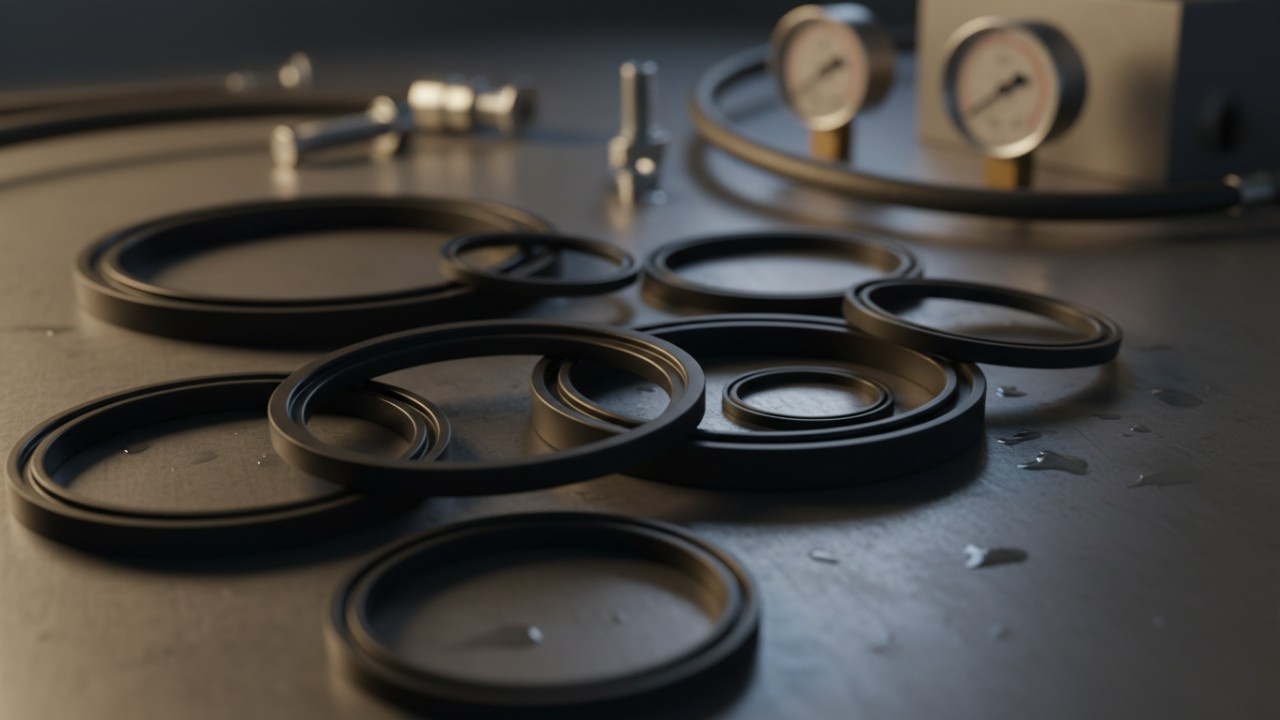
What are High-Performance Rubber Seals for Extreme Environments?
High-performance rubber seals are specialized elastomeric components engineered to maintain structural integrity under conditions that would destroy standard commercial gaskets. Unlike the common EPDM used when replacing rubber seal on washing machine units or a standard garage door rubber seal, these industrial solutions utilize advanced polymer cross-linking to survive pressures exceeding 20,000 PSI and temperatures ranging from -100°C to +327°C.
Why Material Science Matters
In consumer applications, such as a car window rubber seal replacement or fitting a rubber seal for garage door bottom, the primary goal is simple weatherproofing. However, in extreme environments (nuclear, aerospace, deep-sea), the rubber seal must resist:
· Chemical Attack: Aggressive acids and sour gas (H2S).
· Explosive Decompression: Rapid pressure drops that cause gas trapped inside the rubber to expand and rupture the seal.
· Thermal Cycling: Drastic shifts from freezing to scorching heat without losing elasticity.
10 Innovative Rubber Seal Solutions for Extreme Conditions
1. Perfluoroelastomer (FFKM) O-Rings
FFKM represents the pinnacle of thermal stability, offering nearly universal chemical resistance similar to PTFE but with the flexibility of a rubber gasket seal.
· Temperature Range: -15°C to +327°C.
· Best For: Semiconductor manufacturing and jet engine seals.
· Innovation: New 2026 grades offer improved compression set resistance, ensuring the seal bounces back even after prolonged exposure to extreme heat.
2. Hydrogenated Nitrile (HNBR) for Oil & Gas
HNBR fills the gap between standard NBR and expensive fluorocarbons, offering superior abrasion resistance for dynamic high-pressure applications.
· Key Feature: Excellent resistance to sour gas and crude oil.
· Application: Drill bit seals and blowout preventers.
· Sourcing: If you are looking for standard NBR, you might want to read how to source oil-resistant NBR (Buna) rubber seal rings for industrial applications to understand the baseline before upgrading to HNBR.
3. Explosive Decompression Resistant (EDR) Seals
EDR seals are formulated with high-modulus compounds that prevent internal structural rupture during rapid pressure drops (Rapid Gas Decompression).
· Certification: Must meet NORSOK M-710 or ISO 23936-2 standards.
· Why it Matters: In high-pressure gas valves, standard rubber seals absorb gas; when pressure drops, this gas expands. EDR materials resist this internal expansion.
4. Spring-Energized PTFE-Rubber Composites
These hybrid seals utilize a metal spring to apply constant load to a polymer jacket, ensuring a tight seal even when the rubber shrinks due to extreme cold.
· Advantage: Overcomes the "cold flow" issues of pure PTFE.
· Use Case: Cryogenic valves and liquid hydrogen storage.
5. Cryogenic Phenyl Silicone Seals
Phenyl Silicone replaces standard methyl groups with phenyl rings, extending flexibility down to -100°C for deep space and medical refrigeration.
· Comparison: Standard rubber window seals become brittle at -40°C. Phenyl silicone remains elastomeric.
· Limit: Lower tear strength than other rubbers; best for static applications.
6. Inflatable Rubber Seals
Pneumatically actuated seals that expand to fill variable gaps, providing a hermetic seal for airlocks and cleanroom doors.
· Mechanism: Inflates with air/fluid to seal; deflates for clearance during movement.
· Durability: Reinforced with fabric to prevent over-expansion.
7. EMI/RFI Shielding Conductive Rubbers
Silicone or fluorosilicone loaded with conductive particles (silver, nickel, graphite) to seal out moisture while blocking electromagnetic interference.
· Dual Function: Acts as both an environmental seal rubber gasket and a Faraday cage.
· Sector: Military communications and avionics enclosures.
8. Self-Lubricating Silicone Profiles
Advanced silicone formulations infused with silicone oil that exudes to the surface, reducing friction in dynamic high-speed systems.
· Benefit: Eliminates the need for external grease which attracts dust.
· Application: Robotic arms and automated medical devices where a standard rubber door seal would wear out rapidly.
9. Bio-Based High-Performance Elastomers
Emerging EPDM and TPE grades derived from sugarcane and dandelion root that meet 2026 sustainability goals without sacrificing durability.
· Trend: The bio-based elastomer market is growing at a CAGR of 11.85%.
· Performance: Now matching fossil-fuel equivalents in heat and ozone resistance.
10. Smart Sensor-Embedded Seals
The future of sealing: IoT-enabled rubber seals containing micro-sensors that transmit data on pressure, temperature, and wear.
· Capability: Detects leakage before it becomes critical.
· ROI: Massive reduction in unplanned downtime for offshore rigs.
Material Selection Guide: Matching Polymer to Environment
Selecting the correct polymer requires balancing thermal limits, chemical compatibility, and budget constraints. A gasket rubber seal that works in a water pump will fail instantly in a steam turbine.
|
Material |
Temp Range |
Chemical Resistance |
Cost |
Best For |
|
FFKM |
-15°C to 327°C |
Excellent (Universal) |
High |
Semiconductor, Aerospace |
|
FKM (Viton) |
-20°C to 204°C |
Good (Hydrocarbons) |
Med |
Automotive, Chemical Processing |
|
HNBR |
-30°C to 150°C |
Excellent (Oil/Gas) |
Med |
Oil Drilling, Timing Belts |
|
Silicone |
-55°C to 230°C |
Poor (Oil) |
Low |
Food/Bev, Medical |
For a deeper financial perspective on standard materials, review our cost-benefit analysis of Oil resistance NBR Buna-rubber seal rings.
Expert Tips: Preventing Common Seal Failures in High-Pressure Systems
Understanding Extrusion and Nibbling
Extrusion occurs when high pressure forces the rubber material into the clearance gap between mating metal parts. This "nibbling" destroys the seal.
· Solution: Use backup rings (typically PTFE or PEEK) behind the rubber gasket seal if pressure exceeds 1,500 PSI.
· Hardness: Upgrade to 90 Shore A durometer rubber for high-pressure static applications.
Mitigating Compression Set
Compression set is the permanent deformation of the seal after the load is removed. If a seal doesn't bounce back, it leaks.
· Cause: Excessive heat or over-compression during installation.
· Tip: Never over-tighten flanges. Ensure the groove volume allows for thermal expansion (typically fill only 70-80% of the groove).
Installation Best Practices
Statistics indicate that up to 30% of seal failures are due to improper installation.
· Lubrication: Always lubricate the rubber seals and gaskets with a compatible grease before installation to prevent abrasion.
· Surface Finish: Metal surfaces should have a finish between 16-32 RMS to allow the rubber to "bite" without being cut.
Future Trends: The Evolution of Sealing Technology (2026-2030)
The sealing industry is moving toward autonomous monitoring and rapid customization.
1. 3D-Printed Custom Profiles: Advances in additive manufacturing now allow for the printing of elastomeric seals with complex geometries that cannot be molded, ideal for prototyping a unique window rubber seal or industrial gasket in hours.
2. Nanotechnology: Carbon nanotubes are being used to reinforce rubber matrices, allowing for thinner seals that can withstand higher pressures.
3. Strict Environmental Regulations: By 2030, regulations will likely phase out certain PFAS (forever chemicals), pushing the industry toward high-performance bio-alternatives.
Conclusion
Whether you are engineering a deep-sea submersible or simply curious about the technology that goes beyond a standard rubber door seal, the principles of material science remain the same. In 2026, the integration of FFKM materials, smart sensors, and RGD-compliant designs ensures that rubber seals can withstand the most extreme environments on Earth—and beyond.
FAQ
What is the best rubber material for high temperature seals?
FFKM (Perfluoroelastomer) is generally considered the best, handling up to 327°C (620°F). Silicone is excellent for dry heat up to 230°C, while FKM (Viton) is a standard choice for up to 200°C with chemical resistance.
How do high-pressure rubber seals prevent extrusion?
They use higher durometer (hardness) rubber, typically 90 Shore A. Additionally, backup rings (often made of PTFE) are installed to close the clearance gap, and tighter machining tolerances reduce the gap size.
What is explosive decompression in rubber seals?
It occurs when high-pressure gas penetrates the rubber structure. Upon rapid depressurization, the gas expands inside the seal, causing internal ruptures. Explosive Decompression Resistant (EDR) materials are required to prevent this.
Can rubber seals be used in cryogenic environments?
Yes, specific compounds like Phenyl Silicone or Fluorosilicone are used. They remain flexible down to -100°C, whereas standard rubber becomes brittle and cracks.
What is the difference between static and dynamic rubber seals?
Static seals operate between surfaces that do not move relative to each other (e.g., flange gaskets). Dynamic seals seal between moving parts (e.g., piston rings, rotary shafts) and require higher abrasion resistance.
How long do rubber seals last in extreme environments?
Lifespan varies significantly based on material and exposure. In benign conditions, a seal might last 15+ years; in extreme aggressive chemical/heat environments, it might be months. Predictive maintenance using smart seals is improving lifecycle management.
Are there eco-friendly high-performance rubber seals?
Yes, bio-based EPDM and recyclable thermoplastic elastomers (TPE) are gaining traction. Manufacturers are focusing on reducing carbon footprint in the 2026 supply chain.
What is a spring-energized seal?
It is a composite seal using a metal spring to apply constant force to a polymer/rubber jacket. It is used when standard elastomeric resilience is insufficient due to extreme cold or chemicals.
References
· High Performance Seals Market Size and Forecast, 2025-2032
Recommended for you
2026 Ultimate Guide to Precision Manufacturing: How to Enhance Product Competitiveness via Optimized Custom Injection Molding Parts?
2026 Essential for Manufacturing: Comprehensive Injection Molding Guides – From Tooling Design to High-Precision Mass Production
2026 Ultimate Guide to High-Precision Manufacturing: How to Enhance Product Competitiveness via Optimized Custom Injection Molded Parts?
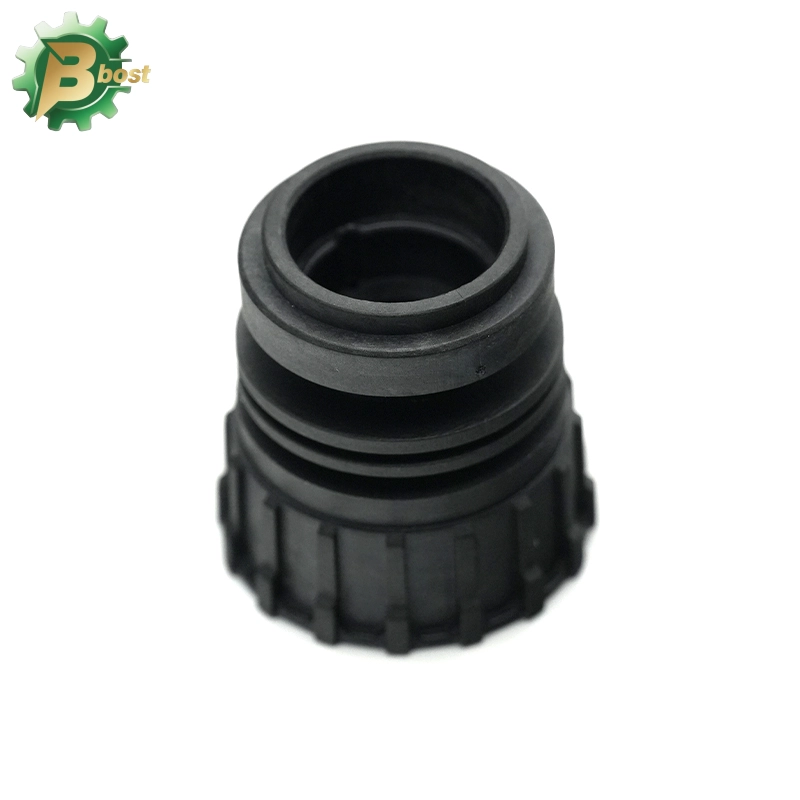
2026 Ultimate Guide to Precision Manufacturing: How to Choose the Best Plastic Injection Molding Services for Product Excellence?
Prdoucts Categories
FAQ
FAQs
What is the minimum order quantity (MOQ)? Do you support small-batch trial production?
The MOQ for standard products is ≥100kg. We support small-batch trial production (as low as 20kg) and provide mold testing reports and performance data feedback.
How do I select the appropriate engineering plastic grade for my product?
Selection should be based on parameters such as load conditions (e.g., pressure/friction), temperature range, medium contact (e.g., oil/acid), and regulatory requirements (e.g., FDA/RoHS). Our engineers can provide free material selection consulting and sample testing.
Can Bost customize modified plastics with special properties?
Yes! We offer modification services such as reinforcement, flame retardancy, conductivity, wear resistance, and UV resistance, for example:
• Adding carbon fiber to enhance stiffness
• Reducing the coefficient of friction through PTFE modification
• Customizing food-grade or medical-grade certified materials
What is the delivery lead time? Do you offer global logistics?
Standard products: 5–15 working days; custom modifications: 2–4 weeks. We support global air/sea freight and provide export customs clearance documents (including REACH/UL certifications).
What are the core advantages of Bost engineering plastics compared to ordinary plastics?
Bost engineering plastics feature ultra-high mechanical strength, high-temperature resistance (-50°C to 300°C), chemical corrosion resistance, and wear resistance. Compared to ordinary plastics, their service life is extended by 3 to 8 times, making them suitable for replacing metals in harsh environments.
You may also like
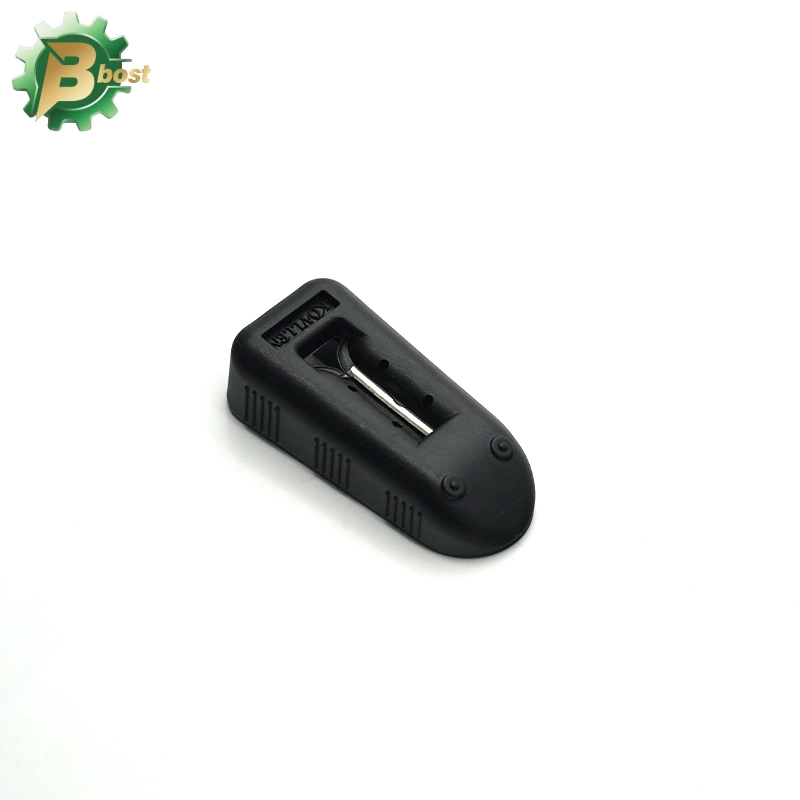
The plastic plug manufactured by Insert molding with stainless steel plate
More Details →
The plastic plug manufactured by Insert molding with stainless steel plate
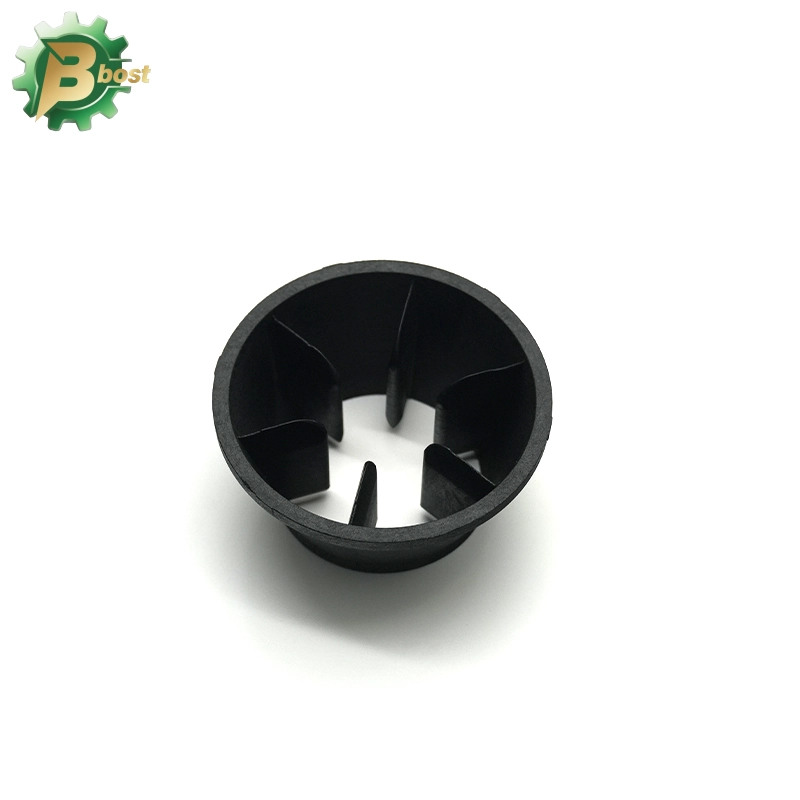
The Bost custom PPO flow valve by injection molding
More Details →
The Bost custom PPO flow valve by injection molding
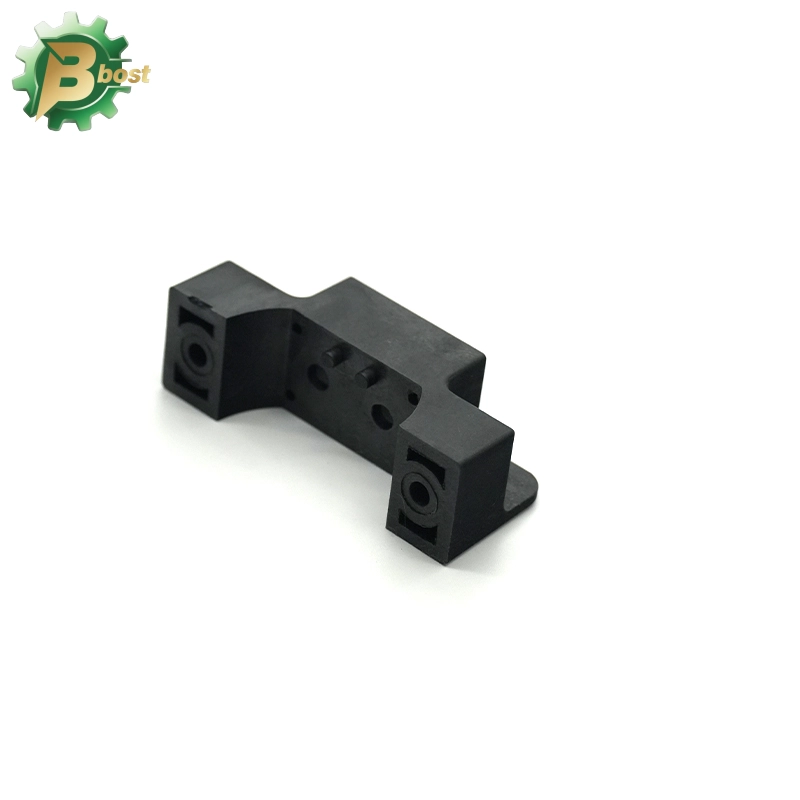
The Bost custom plastic handle by injection molding with high performance PPS material
More Details →
The Bost custom plastic handle by injection molding with high performance PPS material
The Bost custom flow meter by injection molding with PES plastic
More Details →
The Bost custom flow meter by injection molding with PES plastic
Leave a Message
Have any questions or concerns about our products? Please leave us a message here, and our team will get back to you promptly.

24 hours quotes delivered
Submit CAD files, get quote in 24 hours

No MOQ required
From prototyping to high-volume

±0.02 mm Precision
Advanced CNC with full inspections

1,000+ tons in stock
26 materials ready to ship
© 2026 BOST. All Rights Reserved.