
 Scan QR Code
Send My Request
Load and Wear: PE Plastic Bushes Performance Guide
Tuesday, 12/9/2025
Comprehensive guide on PE Plastic Bushes performance under load and wear. Covers material properties, comparisons, design, installation, maintenance, troubleshooting, application suitability, and why Bost PE Plastic Bushes deliver superior wear resistance and extended equipment life.
- Load and Wear: PE Plastic Bushes Performance Guide
- Introduction to PE Plastic Bushes and the plastic bushing market
- What is a plastic bushing and why choose PE Plastic Bushes?
- Material fundamentals: PE properties that affect load and wear
- How PE Plastic Bushes perform under static and dynamic loads
- Comparing PE Plastic Bushes with metal and other polymer alternatives for wear resistance
- Design considerations for maximizing load capacity and reducing wear of a plastic bushing
- Thermal behavior and safety margins
- Installation, lubrication, and maintenance for long-lasting plastic bushing performance
- Troubleshooting common wear and load-related failures in plastic bushings
- Application examples where PE Plastic Bushes excel
- Testing and validation: how to quantify wear and life of plastic bushings
- Bost PE Plastic Bushes: brand strengths for load and wear-critical applications
- Selection checklist: specifying the right PE Plastic Bushes for your equipment
- FAQ — Frequently asked questions about plastic bushing and PE Plastic Bushes
- Contact Bost for product selection and testing
- References
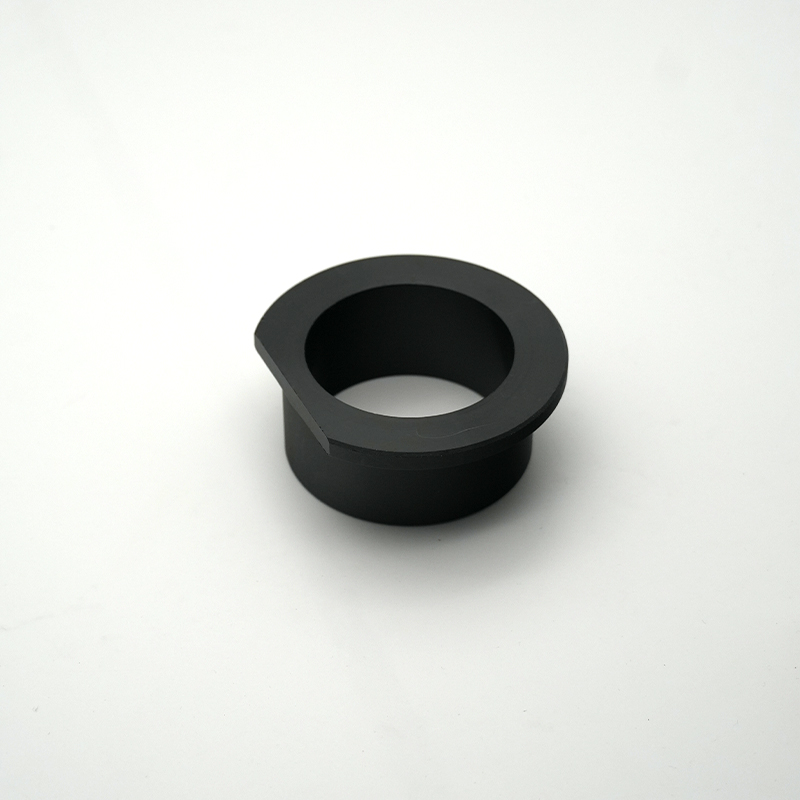
Load and Wear: PE Plastic Bushes Performance Guide
Introduction to PE Plastic Bushes and the plastic bushing market
Bost PE Plastic Bushes offer superior wear-resistant shaft protection and friction-reducing adaptation for enhanced machinery performance. Engineered for durability, these bushes minimize wear and extend equipment life, ensuring reliable and efficient operation in demanding industrial applications. This guide explains how PE plastic bushes behave under load and wear, compares them to alternative materials, and provides practical design, installation, and maintenance advice to achieve optimal life and performance for your plastic bushing applications. In addition to load and wear, the chemical resistance of PE plastic bushes is a vital factor to consider. If you’re working in harsh environments, our article on the chemical resistance of PE plastic bushes will provide the information you need to ensure durability.
What is a plastic bushing and why choose PE Plastic Bushes?
A plastic bushing (also called a plain bearing or sleeve bearing) is a cylindrical lining used to reduce friction and wear between a rotating or oscillating shaft and its housing. PE (polyethylene) plastic bushings are chosen for their low friction, good wear resistance, chemical resistance and cost-effectiveness. For many industrial uses, PE plastic bushings balance performance and economy—offering low maintenance and reliable service life in environments where metallic bearings would require frequent lubrication or suffer corrosion.
Material fundamentals: PE properties that affect load and wear
Polyethylene (PE) used for bearings is typically engineered grade (e.g., UHMWPE or specially formulated HDPE). Key properties that influence performance under load and wear include:
- Low coefficient of friction (typical sliding μ ≈ 0.05–0.20 depending on counterface and lubrication)
- Good impact strength and abrasion resistance
- Low water absorption and good chemical resistance
- Moderate operating temperature range (continuous use typically −40°C to +80°C; short-term peaks higher for engineered grades)
- Relatively high creep under long-term static load compared with metals
These characteristics make PE plastic bushes particularly suited to sliding applications where contaminant tolerance, corrosion resistance, and low friction are required.
How PE Plastic Bushes perform under static and dynamic loads
Performance of a plastic bushing under load depends on pressure (load per unit area), sliding speed, shaft hardness and surface finish, operating temperature, and whether lubrication is used. Two practical metrics designers frequently use are maximum allowable surface pressure and PV limit (pressure × velocity).
- Allowable surface pressure: For many PE bearing grades, recommended maximum surface pressures range from 5 to 25 MPa depending on design, wall thickness, and whether the load is intermittent or continuous. Conservative design for continuous loads uses lower values to limit creep and deformation.
- PV value: Typical practical PV limits for engineered PE bushings are in the range of 0.3 to 1.0 MPa·m/s (depending on material formulation and lubrication). Staying within the PV limit reduces risk of excessive heat buildup and accelerated wear.
To achieve predictable life under load, design for conservative surface pressure, control sliding speed, and ensure proper shaft hardness and finish (e.g., hardness ≥HRC 60 and surface finish Ra ≤ 0.4 μm where possible).
Comparing PE Plastic Bushes with metal and other polymer alternatives for wear resistance
Understanding alternatives helps specify the right plastic bushing. Below is a concise comparison of common bearing materials against PE plastic bushes on key performance measures.
| Property | PE Plastic Bushes | Bronze Bearings | PTFE-lined / Composite |
|---|---|---|---|
| Coefficient of friction | 0.05–0.20 (dry); lower with lubrication | 0.10–0.20 (lubricated) | 0.03–0.10 (very low) |
| Wear resistance | High for abrasive environments; good sliding wear | Excellent with lubrication; sensitive to corrosion | Excellent low-wear on compatible counterfaces |
| PV limit (typical) | 0.3–1.0 MPa·m/s | >1.0 MPa·m/s (lubricated) | 0.5–2.0 MPa·m/s (varies greatly) |
| Corrosion resistance | Excellent | Poor to moderate (requires lubrication) | Excellent |
| Maintenance | Low (often self-lubricating or dry-running) | Higher — periodic lubrication | Low to moderate |
Source notes: Typical values based on supplier datasheets and industry tribology references (see sources at end).
Design considerations for maximizing load capacity and reducing wear of a plastic bushing
When designing with PE plastic bushes, follow these practical rules to maximize performance:
- Dimensioning and load distribution: Use sufficient bearing length to distribute load. For radial bushings, L/D ≥ 0.5–1.0 is common depending on load. Increase length for higher loads to reduce surface pressure.
- Interference and fit: Use proper press-fit guidelines for sleeve bearings to prevent extrusion and maintain concentricity. Allow for thermal expansion—PE has higher coefficient than metal.
- Shaft hardness and finish: Use hardened shafts (e.g., 50–62 HRC) and fine finishes (Ra 0.2–0.8 μm) to reduce micro-abrasion and wear debris generation.
- Edge relief and lead-in chamfers: Include chamfers to prevent edge loading and reduce installation damage to the bush inner diameter.
- Vent/drain paths for fluids: For wet or contaminated environments, design drainage and sealing to manage particulates and fluids that could accelerate wear.
Thermal behavior and safety margins
PE exhibits higher thermal expansion and lower thermal conductivity than metals—heat generated by friction can raise bush temperature, softening the polymer and increasing wear and creep. Design with safety margins: keep operating temperature well below the material's glass transition or softening region and ensure adequate ventilation or cooling for continuous high-duty cycles.
Installation, lubrication, and maintenance for long-lasting plastic bushing performance
Correct installation and maintenance are essential to realize the low-wear advantages of PE plastic bushes:
- Installation: Press or heat‑install according to manufacturer instructions. Avoid oversized forcible impact; use tooling that supports the bush evenly.
- Lubrication: While many PE bushes can run dry, light lubrication (compatible greases or oils) often reduces wear and extends life. For contaminated or high-speed applications, use appropriate lubrication systems.
- Inspection intervals: Monitor for increased play, noise, or shaft surface changes. Establish intervals based on duty cycle; severe environments require more frequent checks.
- Replacement triggers: Replace when clearance exceeds design limits or when wear grooves exceed acceptable depth to prevent shaft damage.
Troubleshooting common wear and load-related failures in plastic bushings
Common failure modes and solutions:
- Abrasive wear — cause: contaminated particles. Solution: improve sealing, filtration, or choose a harder shaft finish.
- Extrusion or creep — cause: excessive pressure or thin wall. Solution: increase wall thickness, add metal backing or use composite design, reduce surface pressure.
- Overheating and softening — cause: excessive PV or poor heat dissipation. Solution: reduce speed/load, add lubrication or cooling, select higher-temp grade.
- Edge chipping at installation — cause: poor handling. Solution: use correct installation fixtures and chamfers.
Application examples where PE Plastic Bushes excel
PE plastic bushes are widely used in:
- Conveyors and material handling — tolerate dust, abrasion and intermittent loads with low maintenance.
- Agricultural machinery — resist moisture, fertilizers and corrosives better than metal bearings.
- Food industry equipment — selected formulations can meet contact standards and simplify cleaning compared with lubricated metal bearings.
- Marine and offshore components — excellent corrosion resistance in saltwater environments.
- Packaging and automation — low friction, quiet operation and reduced lubrication needs.
Testing and validation: how to quantify wear and life of plastic bushings
Useful test methods and metrics:
- Pin-on-disk or block-on-ring tribometer tests (e.g., ASTM G99 or other standard tribology tests) to estimate coefficient of friction and wear rate for a given shaft/bushing pair.
- PV testing under representative loads and speeds to establish safe operating envelopes.
- Accelerated life trials in representative environments (contaminants, temperature cycles) to validate maintenance intervals and replacement schedules.
These tests help quantify wear rates (e.g., mm3/N·m) and inform realistic life predictions for specified duty cycles.
Bost PE Plastic Bushes: brand strengths for load and wear-critical applications
When specifying a plastic bushing for demanding industrial service, Bost PE Plastic Bushes bring measurable advantages:
- Engineered wear formulations: Bost selects PE grades optimized for abrasion resistance and low friction to extend service life under sliding load.
- Manufacturing quality control: precision machining and QC ensure consistent inner diameter tolerances, roundness and surface finish—reducing early wear and installation problems.
- Application support: Bost provides PV and load guidance, fitment recommendations and testing data to help designers stay within safe operating envelopes.
- Customization: bush lengths, flanges, and composite backing options are available to match mounting constraints and reduce extrusion in high-pressure applications.
- Cost-effective lifecycle: lower maintenance, reduced lubrication needs, and corrosion resistance reduce total cost of ownership compared with lubricated metal alternatives.
Selection checklist: specifying the right PE Plastic Bushes for your equipment
Before ordering, confirm these key items to ensure performance and durability:
- Load calculation (radial/axial) and bearing surface pressure
- Expected sliding speed and operating temperature range
- Shaft material, hardness and surface finish
- Environmental factors: contaminants, chemicals, moisture, and presence of abrasives
- Required life and maintenance interval targets
FAQ — Frequently asked questions about plastic bushing and PE Plastic Bushes
Q: Are PE Plastic Bushes self-lubricating?
A: Many PE formulations provide low friction dry-running performance. For higher-speed or continuous duty, light lubrication will typically extend life. Bost can recommend lubricant-compatible formulations.
Q: What is the typical PV limit for PE Plastic Bushes?
A: Typical PV guidance for engineered PE bushings is 0.3–1.0 MPa·m/s. Exact allowable PV depends on material grade, lubrication and cooling—consult Bost for application-specific data.
Q: Can PE bushings replace bronze bearings?
A: In many applications where contamination, corrosion or maintenance are concerns, PE bushings are a suitable and cost-effective replacement. For very high continuous loads or extremes of temperature, bronze (with lubrication) may still be preferred.
Q: How do I prevent creep and extrusion in PE bushings?
A: Use thicker walls, metal backing, or composite designs for high pressure; limit continuous surface pressure and provide radial support to the bush to minimize extrusion and long-term creep.
Q: What maintenance should I plan for?
A: Inspect for wear and clearance changes at regular intervals based on duty. In heavy contamination environments, shorten intervals. Consider predictive monitoring where downtime costs are high.
Contact Bost for product selection and testing
For detailed PV charts, load tables, customized dimensions, or application-specific testing, contact Bost technical sales to review your application. View product specifications, request samples, or arrange performance testing to validate life in your equipment.
References
- Materials datasheets and tribology references such as MatWeb and manufacturer PV guide documents.
- Industry test standards and tribology literature (e.g., ASTM G99 pin-on-disk testing guidance).
- Supplier technical pages for polymer bearing materials and comparison data (e.g., major polymer bearing manufacturers' technical whitepapers).
Contact CTA: To get a quotation, product datasheet or engineering consultation about Bost PE Plastic Bushes for your load and wear application, please contact our sales team or visit the product page.
Tags
custom injection molding
custom injection molding
Glass fiber filled Nylon
Glass fiber filled Nylon
High-strength food-grade
High-strength food-grade
china custom injection molding
china custom injection molding
custom plastic spur gears
custom plastic spur gears
High-Rigidity Stable Fitting
High-Rigidity Stable Fitting
Recommended for you
Why Choose Black UV-Resistant ABS Plastic Connectors
What is fluoroplastic ?
Cost Drivers and Lead Times for PVDF Injection-Molded Covers
Cost Analysis: PEEK Overmolding vs Alternative Methods
Prdoucts Categories
Question you may concern
FAQs
Can Bost customize modified plastics with special properties?
Yes! We offer modification services such as reinforcement, flame retardancy, conductivity, wear resistance, and UV resistance, for example:
• Adding carbon fiber to enhance stiffness
• Reducing the coefficient of friction through PTFE modification
• Customizing food-grade or medical-grade certified materials
What is the minimum order quantity (MOQ)? Do you support small-batch trial production?
The MOQ for standard products is ≥100kg. We support small-batch trial production (as low as 20kg) and provide mold testing reports and performance data feedback.
What is the delivery lead time? Do you offer global logistics?
Standard products: 5–15 working days; custom modifications: 2–4 weeks. We support global air/sea freight and provide export customs clearance documents (including REACH/UL certifications).
What are the core advantages of Bost engineering plastics compared to ordinary plastics?
Bost engineering plastics feature ultra-high mechanical strength, high-temperature resistance (-50°C to 300°C), chemical corrosion resistance, and wear resistance. Compared to ordinary plastics, their service life is extended by 3 to 8 times, making them suitable for replacing metals in harsh environments.
How do I select the appropriate engineering plastic grade for my product?
Selection should be based on parameters such as load conditions (e.g., pressure/friction), temperature range, medium contact (e.g., oil/acid), and regulatory requirements (e.g., FDA/RoHS). Our engineers can provide free material selection consulting and sample testing.
You may also like
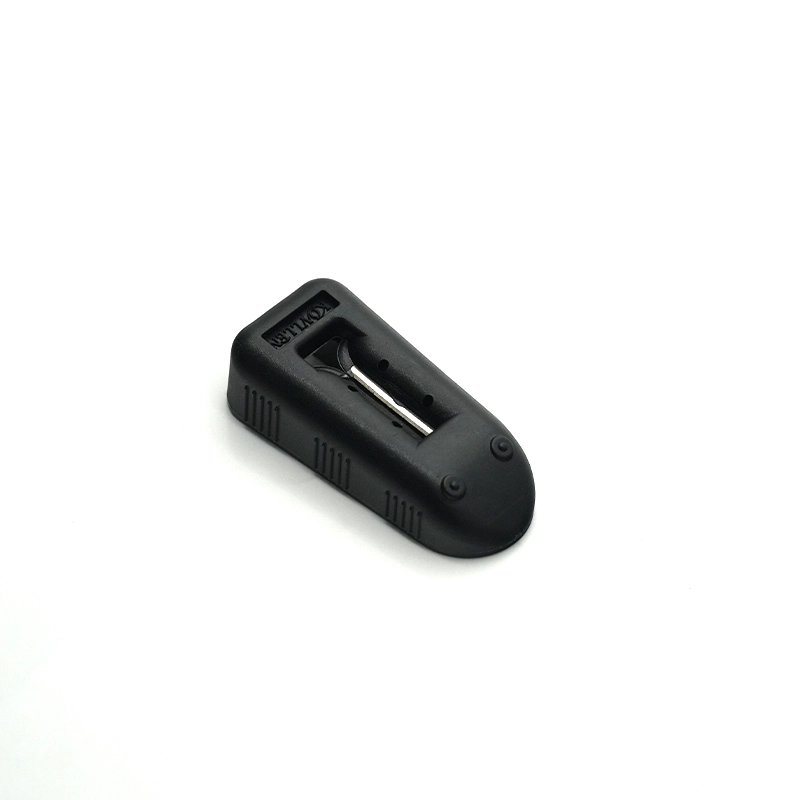
The plastic plug manufactured by Insert molding with stainless steel plate
Bost’s Insert-Molded Stainless Steel Plate Plastic Plug offers superior durability and corrosion resistance. This stainless steel insert durable plastic plug ensures a secure fit and long-lasting performance, ideal for industrial and commercial applications. Robust design meets quality standards.
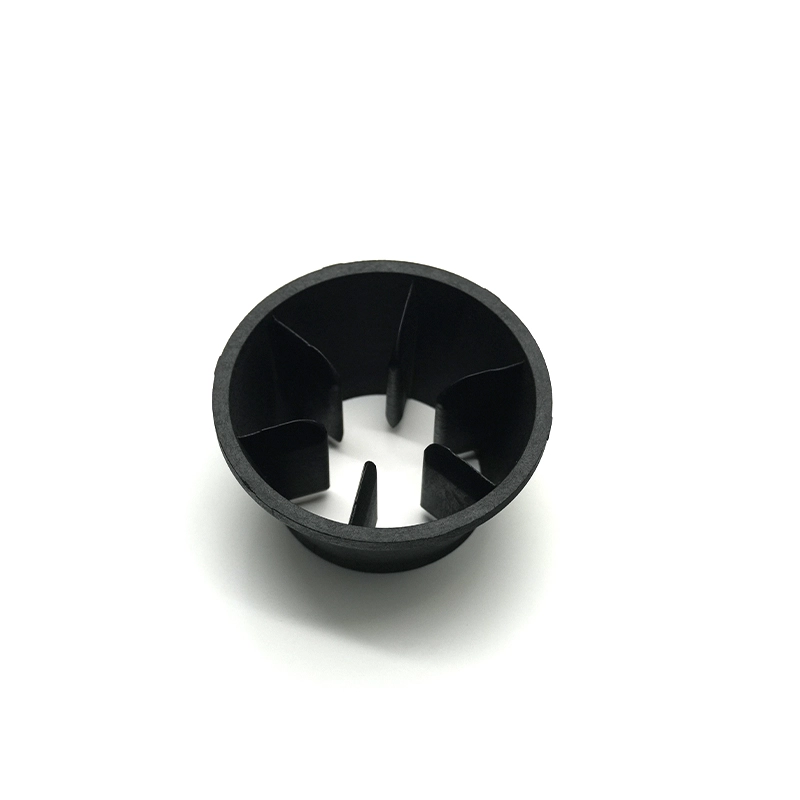
The Bost custom PPO flow valve by injection molding
The BOST Custom PPO Injection-Molded Flow Valve delivers high-temp and corrosion-resistant performance for industrial flow control. Precision-engineered by Bost, this custom PPO valve ensures durable, reliable operation in demanding environments. Optimize your process with BOST’s advanced injection-molded solution.
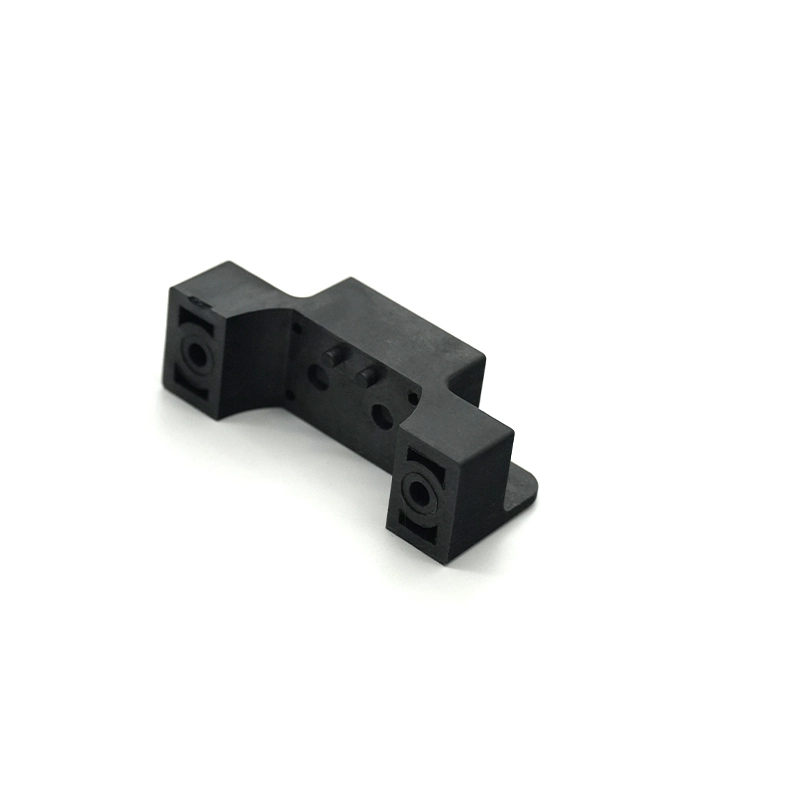
The Bost custom plastic handle by injection molding with high performance PPS material
BOST Custom PPS Injection-Molded Wear-Resistant Handle delivers superior durability and high performance. Made from High Quality PPS material, this injection-molded handle ensures exceptional wear resistance, ideal for demanding applications and long-lasting use. Choose BOST for quality and reliability.
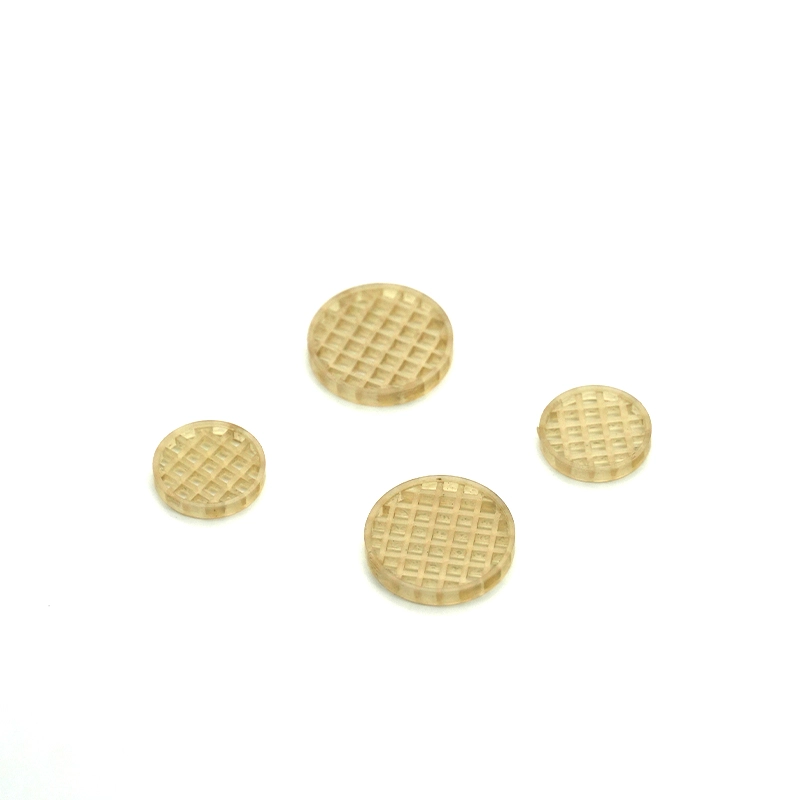
The Bost custom flow meter by injection molding with PES plastic
The Bost Custom PES Injection-Molded Flow Meter offers high-temperature and corrosion resistance, ideal for industrial use. Made with durable PES plastic via precision injection molding, this flow meter ensures reliable, customized performance for demanding applications. Trust Bost for quality and innovation.
Get in touch with Bost
Have any questions or concerns about our products? Please leave us a message here, and our team will get back to you promptly.

24 hours quotes delivered
Submit CAD files, get quote in 24 hours

No MOQ required
From prototyping to high-volume

±0.02 mm Precision
Advanced CNC with full inspections

1,000+ tons in stock
26 materials ready to ship
© 2026 BOST. All Rights Reserved.