 Scan QR Code
Send My Request
Electrical Insulation Advantages of ABS Connectors
Tuesday, 02/10/2026
Explore how Black and UV-resistant ABS plastic connectors deliver superior electrical insulation, weatherproofing, and long-term reliability for outdoor and industrial installations. Learn performance benefits, standards, comparisons, and practical selection and installation guidance to optimize durable, safe connections using plastic connectors.
- Why ABS Is an Excellent Choice for Electrical Insulation
- Material fundamentals: ABS structure and insulating behavior
- UV stabilization extends insulating life outdoors
- Supporting references and standards
- Electrical Performance Advantages of Black and UV-Resistant ABS Connectors
- High dielectric strength and reduced leakage
- Stable performance across operating temperatures
- Resistance to environmental stressors
- Design, Testing, and Standards for Reliable Insulation
- Design features that enhance insulation
- Testing and certification — what to check
- Accelerated aging and UV exposure tests
- Practical Selection and Application Guidance
- Choosing the right plastic connector for your application
- Installation best practices to maintain insulating integrity
- Cost vs. lifecycle value
- Material comparison table
- Real-World Applications and Case Studies
- Outdoor lighting and signage
- Telecommunications and security installations
- Utility boxes and remote sensors
- FAQ — Electrical Insulation of ABS Connectors
- Q: Are ABS connectors safe for outdoor electrical applications?
- Q: How does UV-resistant ABS compare with nylon for insulation?
- Q: What standards should I ask for when specifying connectors?
- Q: How should I install and maintain ABS plastic connectors to preserve insulation?
- Q: Can ABS withstand salt spray and coastal environments?
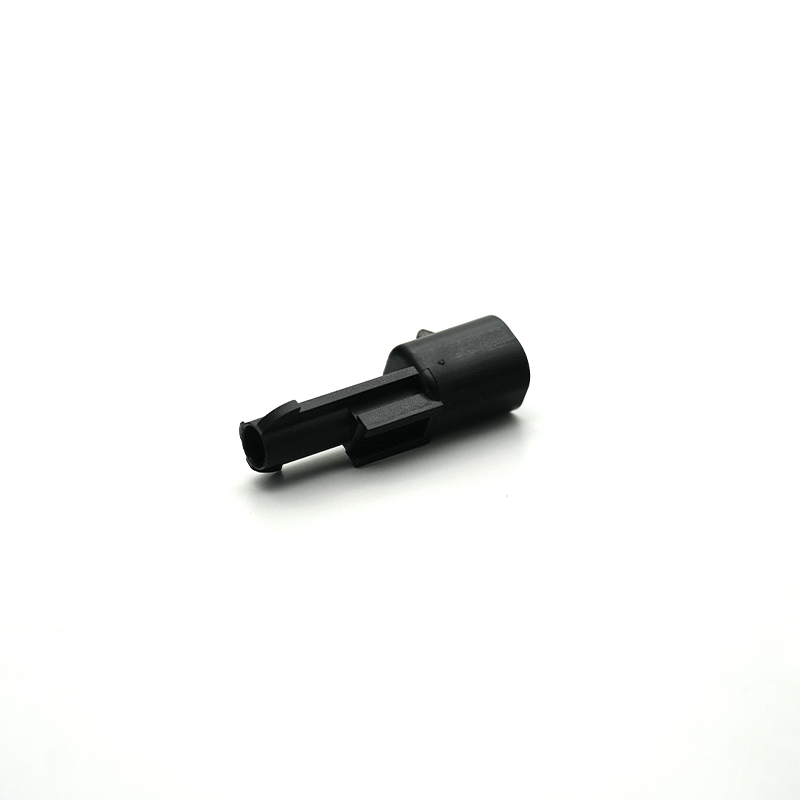
The Bost Black UV-Resistant ABS Outdoor Connector combines the mechanical stability of engineering-grade ABS with specially formulated UV inhibitors, offering electrical insulation and weather resistance required for long-life outdoor installations. For designers, installers, and procurement teams looking for reliable plastic connectors, this product reduces failure risk from moisture ingress, UV degradation, and mechanical wear while meeting industry expectations for safety and performance.
Why ABS Is an Excellent Choice for Electrical Insulation
Material fundamentals: ABS structure and insulating behavior
Acrylonitrile-butadiene-styrene (ABS) is a terpolymer that balances stiffness, toughness, and surface hardness. Its non-conductive thermoplastic matrix provides intrinsic electrical insulation, making ABS a common base material for housings and connectors where dielectric performance matters. For technical readers, ABS offers a stable dielectric constant and low volume resistivity in the temperature ranges typical for outdoor electrical systems, reducing leakage currents and the risk of surface tracking.
UV stabilization extends insulating life outdoors
Standard ABS can become brittle and discolored under prolonged UV exposure, which can compromise mechanical seals and therefore insulation over time. The Bost Black UV-Resistant ABS Outdoor Connector incorporates UV absorbers and stabilizers to preserve polymer integrity. By preventing surface cracking and preserving precise mating geometries, UV resistance maintains the connector’s ability to keep water and contaminants out — a crucial factor for sustained insulation performance in plastic connectors.
Supporting references and standards
Material background on ABS is summarized in public technical references, e.g., Wikipedia: Acrylonitrile butadiene styrene, and industry overviews like PlasticsEurope: ABS. For flammability and safety of polymer parts used in electrical applications, guidance such as the UL 94 flammability standard is widely referenced; selecting ABS grades that meet the necessary flammability class enhances the overall safety of the connector assembly.
Electrical Performance Advantages of Black and UV-Resistant ABS Connectors
High dielectric strength and reduced leakage
ABS plastic connectors provide a high dielectric breakdown voltage for the material thickness typically used in connectors. That means the housing resists puncture by high electric fields and effectively separates conductors. For applications exposed to moisture, the sealed design and hydrophobic properties of properly formulated ABS reduce surface leakage currents when compared to hygroscopic materials.
Stable performance across operating temperatures
Engineering-grade ABS maintains mechanical and dielectric properties across a useful outdoor temperature window (-20°C to +80°C typical). When connectors are rated for more extreme environments, manufacturers specify grades and additives to preserve insulating performance. This thermal stability supports reliable electrical performance, minimizing risk of creep, deformation, or loss of contact pressure that could degrade insulation.
Resistance to environmental stressors
The Bost Black UV-Resistant ABS Outdoor Connector is engineered for resistance to UV, ozone, salt spray, and thermal cycling. Those resistances help prevent micro-cracking and maintain IP-rated sealing surfaces (see later section on ingress protection). UV stabilization additionally ensures color stability — darker colors like black can provide better UV absorption control in some formulations, which reduces surface embrittlement and helps preserve insulating barriers over years of exposure.
Design, Testing, and Standards for Reliable Insulation
Design features that enhance insulation
Connector geometry, sealing features, and internal spacing (creepage and clearance) are as important as material choice. Effective designs incorporate features like: molded O-ring grooves or gasket seats for IP sealing, offset contact cavities to increase creepage distance, and reinforced ribs to prevent housing deformation under mechanical load. These design choices maximize the insulating performance of plastic connectors in real-world conditions.
Testing and certification — what to check
When choosing a connector for insulated outdoor use, verify test results and certifications: dielectric withstand (hipot) testing, insulation resistance, flammability rating (e.g., UL 94 V-0/V-2), and ingress protection (IP) rating per IEC 60529. The IEC/ISO/UL standards provide frameworks for these tests; for ingress and sealing, refer to IP ratings explained by standards organizations such as the International Electrotechnical Commission (IEC) and their publications on IP codes and testing.
Accelerated aging and UV exposure tests
Manufacturers use accelerated weathering tests (e.g., QUV or Xenon arc) to predict long-term UV durability. These tests combine UV exposure, moisture, and thermal cycling to assess changes in mechanical strength, color, and surface integrity. Suppliers of high-quality plastic connectors should provide accelerated aging data demonstrating that critical insulating properties remain within acceptable ranges for the intended service life.
Practical Selection and Application Guidance
Choosing the right plastic connector for your application
Select connectors by matching electrical voltage/current requirements, environmental exposure (UV, salt, chemicals), mechanical load, and required service life. For permanent outdoor installations requiring weatherproof insulation and corrosion resistance, Black and UV-resistant ABS connectors like the Bost product are often ideal. For higher temperature or chemical exposure, other plastics (e.g., polycarbonate or PBT) might be considered — compare properties in the table below.
Installation best practices to maintain insulating integrity
Even the best materials require correct installation: use the specified torque values on fasteners to avoid deformation, apply compatible sealants where required, and ensure proper mating with cable glands and gaskets. Regular inspection and cleaning can prevent debris accumulation that would undermine seals and create surface tracking paths. Where connectors serve safety-critical circuits, schedule periodic electrical testing (insulation resistance, hipot) as part of maintenance.
Cost vs. lifecycle value
While High Quality UV-stabilized ABS connectors may have a higher upfront cost than untreated alternatives, lifecycle value is typically better due to reduced failure, less maintenance, and longer replacement intervals. For utility, signage, outdoor lighting, and telecommunications, selecting a UV-stable plastic connector reduces total cost of ownership by avoiding premature replacements and mitigating downtime risk.
Material comparison table
| Property | Black UV-Resistant ABS Connector | Nylon (PA) Connector | Polycarbonate (PC) Connector |
|---|---|---|---|
| Dielectric strength | High (good for low- to medium-voltage) | High | Very high |
| UV resistance (with stabilizers) | Excellent (with UV additives) | Moderate (prone to degradation unless stabilized) | Good (can yellow over time) |
| Moisture absorption | Low | Higher (can affect dimensions and dielectric) | Low |
| Impact toughness | Good | Very good | Excellent |
| Typical use cases | Outdoor housings, weatherproof connectors, signage | Automotive connectors, cable glands | Optical housings, higher temp electronics |
Real-World Applications and Case Studies
Outdoor lighting and signage
In street lighting and signage, connectors must withstand constant UV, rain, and thermal cycling. Black UV-resistant ABS connectors provide reliable insulation and sealing to prevent short circuits and corrosion of contacts. Their stable mechanical geometry ensures consistent contact pressure, crucial for low-maintenance installations.
Telecommunications and security installations
Where fiber and low-voltage power are combined outdoors, plastic connectors with strong insulating properties reduce the risk of leakage currents or contact shorting. The reduced moisture uptake of UV-resistant ABS helps maintain insulation resistance and protects internal metallic contacts from electrolytic corrosion.
Utility boxes and remote sensors
Remote sensors and utility enclosures operating in exposed locations benefit from ABS connectors that maintain IP-rated seals over long deployments. Designers value connectors that preserve creepage/clearance distances even after years outdoors, ensuring continued compliance with safety margins and minimizing field service calls.
FAQ — Electrical Insulation of ABS Connectors
Q: Are ABS connectors safe for outdoor electrical applications?
A: Yes. When formulated with UV stabilizers and designed with appropriate sealing, ABS connectors like the Bost Black UV-Resistant ABS Outdoor Connector are suitable for many outdoor electrical applications. Confirm the connector’s IP rating and material test data for your specific voltage and environment.
Q: How does UV-resistant ABS compare with nylon for insulation?
A: UV-resistant ABS typically has lower moisture absorption than nylon and retains dimensional stability better in humid conditions, which supports consistent insulation. Nylon can be tougher mechanically but may absorb moisture that alters dielectric properties; choose based on environmental and mechanical priorities.
Q: What standards should I ask for when specifying connectors?
A: Request dielectric withstand (hipot) and insulation resistance test results, flammability rating (e.g., UL 94), and ingress protection (IP) rating per IEC 60529. Also ask for accelerated UV/weathering test reports when outdoor exposure is anticipated. The PlasticsEurope ABS overview and UL 94 are useful reference points.
Q: How should I install and maintain ABS plastic connectors to preserve insulation?
A: Follow manufacturer torque specs, ensure proper gaskets and mating parts are used, avoid overtightening which can deform seals, and inspect periodically for cracking, wear, or seal degradation. Clean contacts and external sealing faces to prevent debris buildup that could create conductive paths.
Q: Can ABS withstand salt spray and coastal environments?
A: UV-resistant ABS formulations with appropriate secondary sealants and corrosion-resistant internal contacts can perform well in coastal environments. For designs exposed to heavy salt spray, confirm accelerated corrosion and salt-fog testing on assemblies including contacts and stainless hardware.
If you need technical datasheets, test reports, or pricing for the Bost Black UV-Resistant ABS Outdoor Connector, contact our technical sales team or view the product page:
Contact Sales | View product details
Further reading: General material properties and standards references include ABS on Wikipedia, PlasticsEurope: ABS, UL 94 flammability, and the IEC resources on IP ratings and electrical testing.
Tags
Translucent daily chemical packaging
Translucent daily chemical packaging
Corrosion & Wear Resistant Sealing
Corrosion & Wear Resistant Sealing
custom machined parts
custom machined parts
Corrosion-Resistant
Corrosion-Resistant
customized injection molded plastic parts
customized injection molded plastic parts
Self-Lubricating Friction Reduction
Self-Lubricating Friction Reduction
Recommended for you
Design guide: tolerances for engineered plastic components
What is custom worm gears ?
Maintenance Best Practices for Long-Lasting Plastic Bushings
Best engineered plastic components for thermal stability
Prdoucts Categories
Question you may concern
FAQs
Can Bost customize modified plastics with special properties?
Yes! We offer modification services such as reinforcement, flame retardancy, conductivity, wear resistance, and UV resistance, for example:
• Adding carbon fiber to enhance stiffness
• Reducing the coefficient of friction through PTFE modification
• Customizing food-grade or medical-grade certified materials
What is the delivery lead time? Do you offer global logistics?
Standard products: 5–15 working days; custom modifications: 2–4 weeks. We support global air/sea freight and provide export customs clearance documents (including REACH/UL certifications).
How do I select the appropriate engineering plastic grade for my product?
Selection should be based on parameters such as load conditions (e.g., pressure/friction), temperature range, medium contact (e.g., oil/acid), and regulatory requirements (e.g., FDA/RoHS). Our engineers can provide free material selection consulting and sample testing.
What is the minimum order quantity (MOQ)? Do you support small-batch trial production?
The MOQ for standard products is ≥100kg. We support small-batch trial production (as low as 20kg) and provide mold testing reports and performance data feedback.
What are the core advantages of Bost engineering plastics compared to ordinary plastics?
Bost engineering plastics feature ultra-high mechanical strength, high-temperature resistance (-50°C to 300°C), chemical corrosion resistance, and wear resistance. Compared to ordinary plastics, their service life is extended by 3 to 8 times, making them suitable for replacing metals in harsh environments.
You may also like
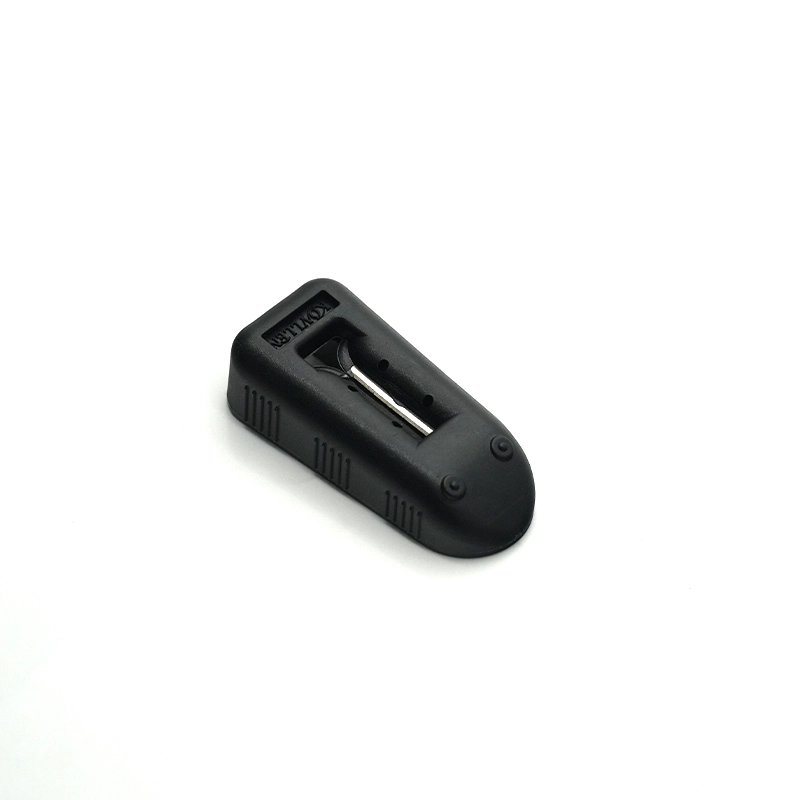
The plastic plug manufactured by Insert molding with stainless steel plate
Bost’s Insert-Molded Stainless Steel Plate Plastic Plug offers superior durability and corrosion resistance. This stainless steel insert durable plastic plug ensures a secure fit and long-lasting performance, ideal for industrial and commercial applications. Robust design meets quality standards.
The Bost custom PPO flow valve by injection molding
The BOST Custom PPO Injection-Molded Flow Valve delivers high-temp and corrosion-resistant performance for industrial flow control. Precision-engineered by Bost, this custom PPO valve ensures durable, reliable operation in demanding environments. Optimize your process with BOST’s advanced injection-molded solution.
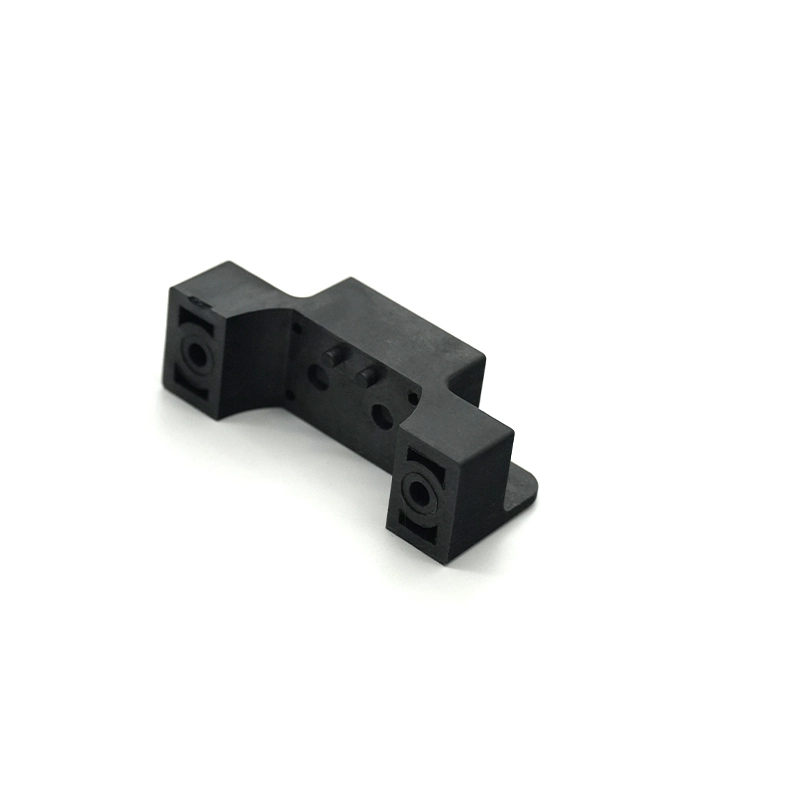
The Bost custom plastic handle by injection molding with high performance PPS material
BOST Custom PPS Injection-Molded Wear-Resistant Handle delivers superior durability and high performance. Made from High Quality PPS material, this injection-molded handle ensures exceptional wear resistance, ideal for demanding applications and long-lasting use. Choose BOST for quality and reliability.
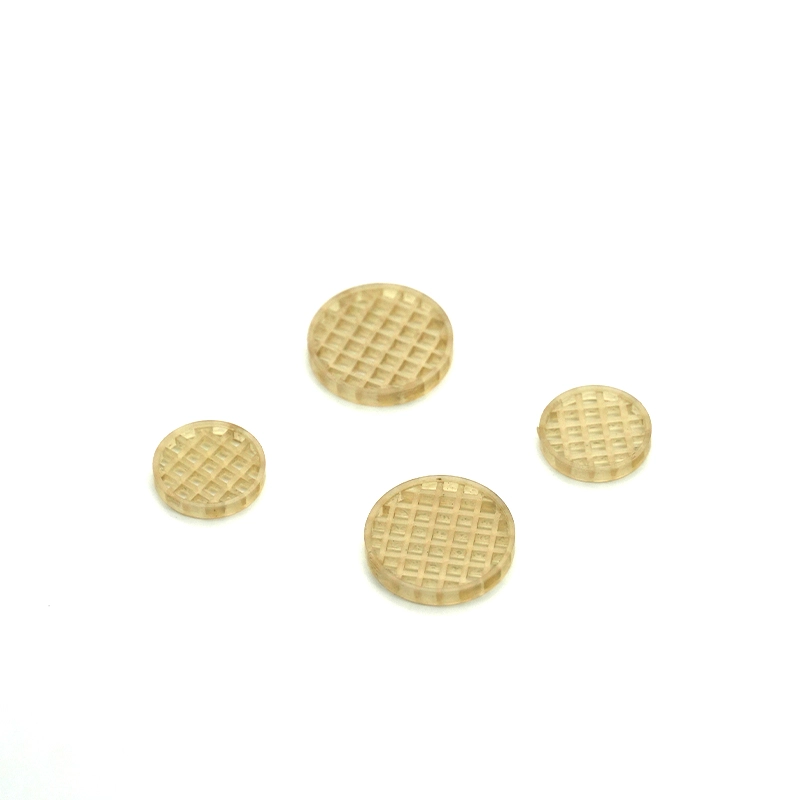
The Bost custom flow meter by injection molding with PES plastic
The Bost Custom PES Injection-Molded Flow Meter offers high-temperature and corrosion resistance, ideal for industrial use. Made with durable PES plastic via precision injection molding, this flow meter ensures reliable, customized performance for demanding applications. Trust Bost for quality and innovation.
Get in touch with Bost
Have any questions or concerns about our products? Please leave us a message here, and our team will get back to you promptly.

24 hours quotes delivered
Submit CAD files, get quote in 24 hours

No MOQ required
From prototyping to high-volume

±0.02 mm Precision
Advanced CNC with full inspections

1,000+ tons in stock
26 materials ready to ship
© 2026 BOST. All Rights Reserved.