
 Scan QR Code
Send My Request
Injection molding guide: The Bost custom PPO flow valve
Wednesday, 03/18/2026
The BOST Custom PPO Injection-Molded Flow Valve provides a high-temperature, corrosion-resistant solution for industrial flow control. Engineered via precision injection molding, this PPO valve is ideal for demanding applications where durability, chemical resistance, and tight dimensional tolerances are essential for engineered plastic components.
- Why material selection matters in flow control
- Thermal and chemical demands in industrial systems
- Lifecycle, maintenance and total cost of ownership
- Regulatory, standards and safety considerations
- The BOST custom PPO flow valve by injection molding
- Design and precision injection molding process
- Material advantages of PPO for valves
- Customization, sealing and dimensional tolerances
- Performance comparison and testing
- Comparative material properties
- Corrosion, pressure and thermal testing
- Long-term reliability and field performance
- Designing engineered plastic components with BOST
- Tooling, moldflow and manufacturability considerations
- Quality control, traceability and standards compliance
- Cost, lead time and scalable production
- Installation, maintenance and application best practices
- Installation tips for leak-free performance
- Maintenance schedules and inspection points
- Typical application examples
- FAQ
- Q: What operating temperatures can the BOST custom PPO flow valve handle?
- Q: Is the PPO valve compatible with aggressive chemicals like acids and solvents?
- Q: Can the valve be customized for different port sizes and actuators?
- Q: How does PPO compare to metal valves in terms of strength and pressure rating?
- Q: What standards and test methods are used to qualify the valve?
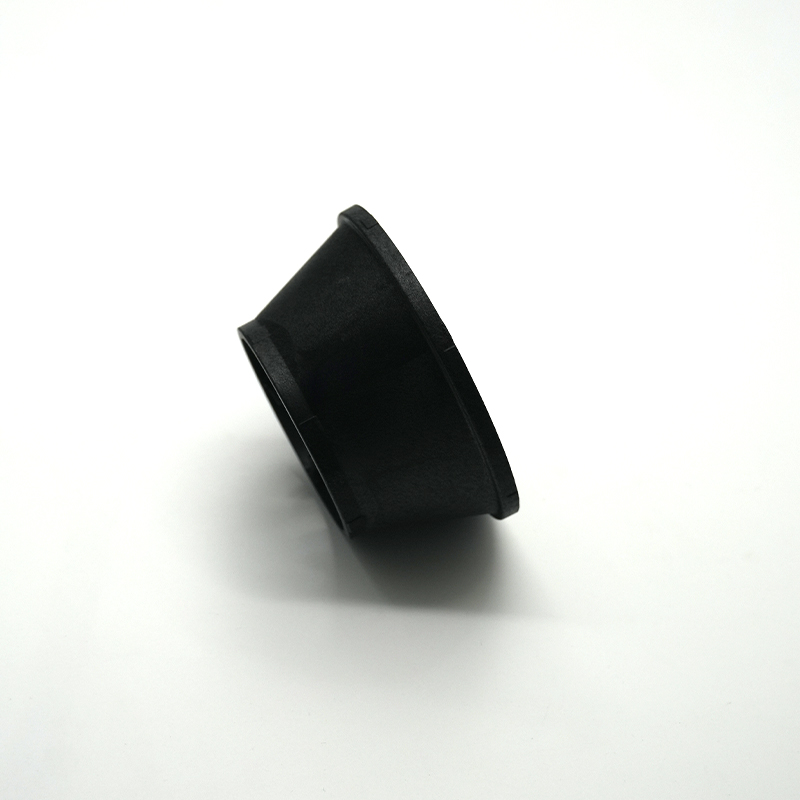
The BOST Custom PPO Injection-Molded Flow Valve brings together high-temperature performance, excellent corrosion resistance and the repeatability of precision injection molding to meet modern industrial flow-control demands. Designed as one of BOST's engineered plastic components, this valve is optimized for environments where metal parts face corrosion or weight penalties. It delivers reliable operation across wide temperature ranges and aggressive chemical exposure, helping OEMs and system integrators reduce maintenance cycles and extend service life.
Why material selection matters in flow control
Thermal and chemical demands in industrial systems
Valves in industrial environments are exposed to fluctuating temperatures and aggressive media that can degrade components quickly. Choosing the right polymer for injection-molded components directly affects valve sealing, dimensional stability, and creep resistance. Polyphenylene oxide (PPO) is a class of high-performance thermoplastics known for its thermal stability and resistance to many corrosive agents, making it a logical choice for flow valves that must operate reliably at elevated temperatures. For an overview of PPO chemistry and properties, see Polyphenylene oxide (Wikipedia).
Lifecycle, maintenance and total cost of ownership
Engineered plastic components can reduce total cost of ownership by minimizing corrosion-related failures, reducing the need for galvanic isolation, and lowering mass. A resilient polymer valve can cut downtime and maintenance labor compared to metallic counterparts in corrosive service. When designing injection-molded valves, consider lifecycle metrics such as mean time between failures (MTBF), repairability, and replacement part commonality.
Regulatory, standards and safety considerations
Design and manufacture of flow-control parts must follow applicable industry standards for pressure, materials and safety. Organizations such as the Society of Plastics Engineers (SPE), ISO and ASTM publish guidance and test methods used by OEMs to specify engineered plastic components. Following these standards ensures consistent quality and regulatory compliance across supply chains.
The BOST custom PPO flow valve by injection molding
Design and precision injection molding process
BOST leverages advanced injection molding technology to produce the custom PPO flow valve with tight dimensional control and low scrap rates. Mold design focuses on gate placement, wall thickness uniformity, and melt-flow management to prevent sink marks and maintain sealing surfaces. Precision tooling and process control (e.g., controlled melt temperature, multi-stage packing and controlled cooling) enable repeatable parts that meet critical tolerances for sealing and actuation interfaces.
Material advantages of PPO for valves
PPO offers an attractive balance of thermal stability, dimensional stability and chemical resistance relative to commodity thermoplastics. Key benefits for flow-control parts include:
- High heat deflection and useful service temperature — PPO maintains mechanical properties at elevated temperatures better than many nylons.
- Low moisture absorption compared with hydrophilic polymers, improving dimensional stability and reducing swelling of sealing surfaces.
- Good resistance to oils, fuels and many industrial chemicals.
Customization, sealing and dimensional tolerances
Because the valve is produced by injection molding, BOST can offer custom geometries, integrated flow channels, multiple sealing features and overmolding options. Close attention to shrinkage rates, gate vestige and post-mold annealing allows the valve to meet tight tolerances required for leak-free operation. O-rings, back-up rings or integrated lip seals can be combined with the molded PPO body depending on the application.
Performance comparison and testing
Comparative material properties
When selecting a polymer for a flow valve, engineers typically compare PPO against other high-performance plastics such as PEEK and engineering-grade nylons. The table below summarizes comparative properties relevant to valve design. Values are indicative; consult material datasheets for specific grades and test conditions.
| Property | PPO (typical) | PEEK (typical) | Nylon (PA 6/6 typical) |
|---|---|---|---|
| Max continuous service temp (°C) | ~120–160 | ~250–260 | ~80–120 |
| Chemical resistance | Good to very good (acids/bases, oils) | Excellent | Moderate (susceptible to hydrolysis) |
| Moisture uptake | Low | Very low | High |
| Typical use in valves | Medium-high temp, corrosive fluids, engineered plastic components | High temp, aggressive chemicals (High Quality) | General purpose, lower cost applications |
These comparisons highlight why PPO is a balanced, cost-effective solution for many industrial valves where very high-temperature performance of PEEK is unnecessary, but better chemical resistance and dimensional stability than nylon are required.
Corrosion, pressure and thermal testing
BOST validates the custom PPO flow valve through a series of standardized and application-specific tests: burst and leak testing, thermal cycling, chemical immersion testing, and wear testing under simulated flow conditions. Where applicable, test methods align with industry references from ASTM plastics standards and guidance from the Society of Plastics Engineers. Results are documented to support material selection and installation guidance for end users.
Long-term reliability and field performance
Field deployments of engineered plastic components often reveal advantages over metals in corrosive or weight-sensitive applications. PPO’s low moisture uptake and dimensional stability reduce seal distortion over time, limiting leakage incidents. BOST supports customers with lifecycle data and can perform accelerated aging tests that simulate years of service to predict maintenance intervals and replacement schedules.
Designing engineered plastic components with BOST
Tooling, moldflow and manufacturability considerations
Successful injection molding of complex valve geometries requires collaborative design-for-manufacture (DFM). Steps include moldflow simulation to optimize gate location and wall thickness, selection of runner and gate types to reduce shear and thermal degradation, and specification of undercuts and threads for mechanical fastening. BOST’s engineering team provides moldflow analysis and prototype runs to validate manufacturability before full-scale production.
Quality control, traceability and standards compliance
BOST implements quality systems and incoming material inspection to ensure traceability for engineered plastic components. Inspection plans include dimensional checks (CMM), pressure/leak tests, and material verification (FTIR or DSC) when required. Compliance with ISO and ASTM methodologies is maintained to satisfy OEM procurement and regulatory documentation needs. For broader industry guidance on plastic engineering practices, visit the Society of Plastics Engineers or relevant ISO committees.
Cost, lead time and scalable production
Injection molding offers economies of scale for engineered plastic components. Initial tooling investment is offset by low per-part costs in medium-to-high volume production. BOST evaluates tooling strategies—single-cavity vs. multi-cavity, family molds, and modular tooling—to optimize lead time and unit cost. For many clients, using PPO balances material cost against improved service life, reducing overall lifecycle expenses.
Installation, maintenance and application best practices
Installation tips for leak-free performance
Proper installation extends valve life. Key practices include ensuring compatible mating materials to avoid galvanic or chemical incompatibilities, using specified torque values for fasteners to prevent distortion, and verifying O-ring materials (e.g., FKM, EPDM, PTFE) are compatible with the process fluid. For dynamic seals, correct gland design and lubrication during installation are important to avoid initial wear.
Maintenance schedules and inspection points
Scheduled inspections should include visual checks for cracking or stress whitening, leak tests at ambient and operating temperatures, and verification of actuation smoothness. PPO valves typically require less corrosion remediation than metals, but routine checks of seals and moving parts remain critical. BOST can supply maintenance guides tailored to your process conditions.
Typical application examples
The BOST custom PPO flow valve is well-suited to applications such as chemical dosing, industrial water treatment with chlorinated streams, HVAC chilled-water valves operating near moderate elevated temperatures, and light chemical process skids where corrosion resistance and weight savings are priorities. When very high continuous temperatures are present, consider PEEK or metal solutions, but PPO often provides the best balance of performance and cost for many engineered plastic components.
FAQ
Q: What operating temperatures can the BOST custom PPO flow valve handle?
A: In typical grades and designs, the PPO valve performs reliably in continuous service up to approximately 120–160°C depending on the specific compound and glass-fiber reinforcement. For precise limits consult BOST's material datasheet for the selected grade.
Q: Is the PPO valve compatible with aggressive chemicals like acids and solvents?
A: PPO offers good resistance to many acids, bases and hydrocarbons, but chemical compatibility depends on concentration, temperature and exposure time. BOST provides chemical resistance guidance and can perform compatibility testing for specific process fluids per ASTM methodologies. Refer to published chemical resistance data and, when necessary, run immersion tests to verify long-term compatibility.
Q: Can the valve be customized for different port sizes and actuators?
A: Yes. Injection molding enables a high degree of geometric customization including various port sizes, threaded or flanged connections, and actuator mounting interfaces. BOST's engineering team will help you define requirements, tolerances and sealing solutions to meet your application needs.
Q: How does PPO compare to metal valves in terms of strength and pressure rating?
A: While PPO-based valves provide excellent corrosion resistance and dimensional stability for many applications, metals typically offer higher tensile strength and pressure ratings for extreme-pressure systems. BOST engineers will evaluate your pressure requirements and provide reinforced PPO designs or hybrid solutions (e.g., metal inserts) when higher structural strength is required.
Q: What standards and test methods are used to qualify the valve?
A: Qualification typically references ASTM test methods for plastics and pressure components (see ASTM plastics standards), as well as company-specific performance testing. BOST can also align tests with ISO committee guidance where applicable (ISO).
For more in-depth technical information, material datasheets, CAD models or to request a quote for the BOST Custom PPO Injection-Molded Flow Valve, contact our team or view the product page:
View product details and request a quote | Contact Sales
References and further reading: Polyphenylene oxide (Wikipedia), Society of Plastics Engineers, ASTM plastics standards, ISO plastics committee.
Tags
custom plastic injection molding
custom plastic injection molding
Eco-Friendly Support
Eco-Friendly Support
Wear-Resistant Protection
Wear-Resistant Protection
Wire and cable protection sleeve
Wire and cable protection sleeve
Reinforced Nylon spacer
Reinforced Nylon spacer
Durable chemical-resistant
Durable chemical-resistant
Recommended for you
Inspection and Quality Control for Engineered Plastic Components
Quality Controls for PVDF Covers with Screws in Mass Production
best polymers for high-temperature seals 2026
How to Read Datasheets for ABS Plastic Connectors
Prdoucts Categories
Question you may concern
FAQs
What are the core advantages of Bost engineering plastics compared to ordinary plastics?
Bost engineering plastics feature ultra-high mechanical strength, high-temperature resistance (-50°C to 300°C), chemical corrosion resistance, and wear resistance. Compared to ordinary plastics, their service life is extended by 3 to 8 times, making them suitable for replacing metals in harsh environments.
What is the minimum order quantity (MOQ)? Do you support small-batch trial production?
The MOQ for standard products is ≥100kg. We support small-batch trial production (as low as 20kg) and provide mold testing reports and performance data feedback.
Can Bost customize modified plastics with special properties?
Yes! We offer modification services such as reinforcement, flame retardancy, conductivity, wear resistance, and UV resistance, for example:
• Adding carbon fiber to enhance stiffness
• Reducing the coefficient of friction through PTFE modification
• Customizing food-grade or medical-grade certified materials
How do I select the appropriate engineering plastic grade for my product?
Selection should be based on parameters such as load conditions (e.g., pressure/friction), temperature range, medium contact (e.g., oil/acid), and regulatory requirements (e.g., FDA/RoHS). Our engineers can provide free material selection consulting and sample testing.
What is the delivery lead time? Do you offer global logistics?
Standard products: 5–15 working days; custom modifications: 2–4 weeks. We support global air/sea freight and provide export customs clearance documents (including REACH/UL certifications).
You may also like
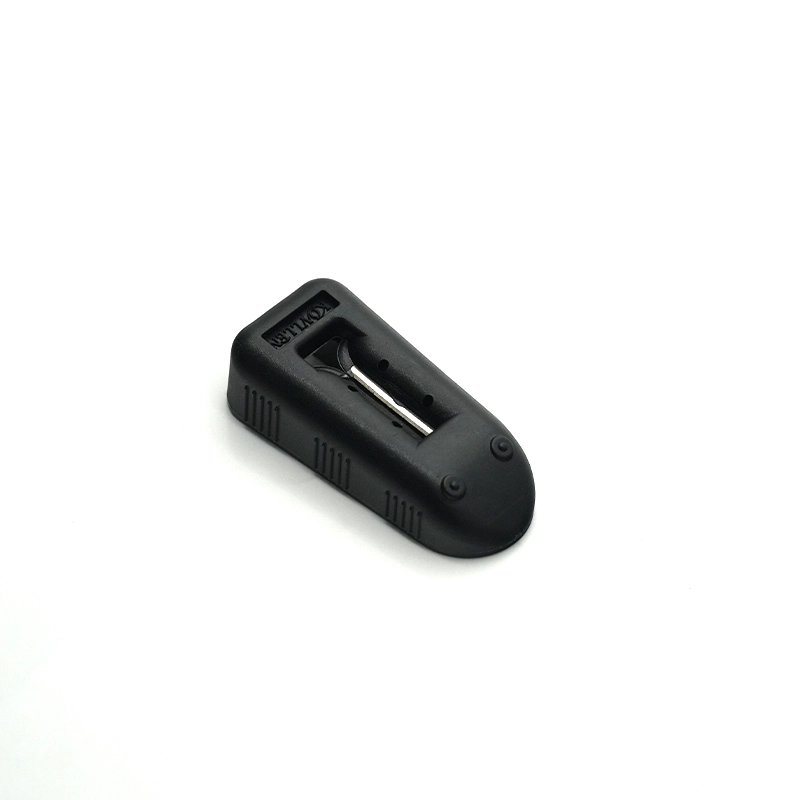
The plastic plug manufactured by Insert molding with stainless steel plate
Bost’s Insert-Molded Stainless Steel Plate Plastic Plug offers superior durability and corrosion resistance. This stainless steel insert durable plastic plug ensures a secure fit and long-lasting performance, ideal for industrial and commercial applications. Robust design meets quality standards.
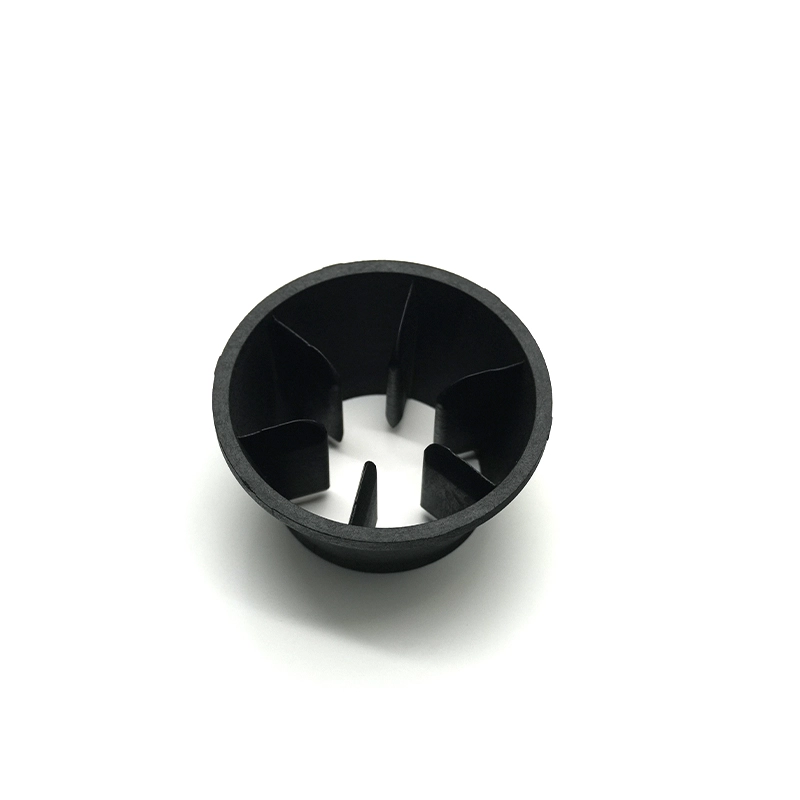
The Bost custom PPO flow valve by injection molding
The BOST Custom PPO Injection-Molded Flow Valve delivers high-temp and corrosion-resistant performance for industrial flow control. Precision-engineered by Bost, this custom PPO valve ensures durable, reliable operation in demanding environments. Optimize your process with BOST’s advanced injection-molded solution.
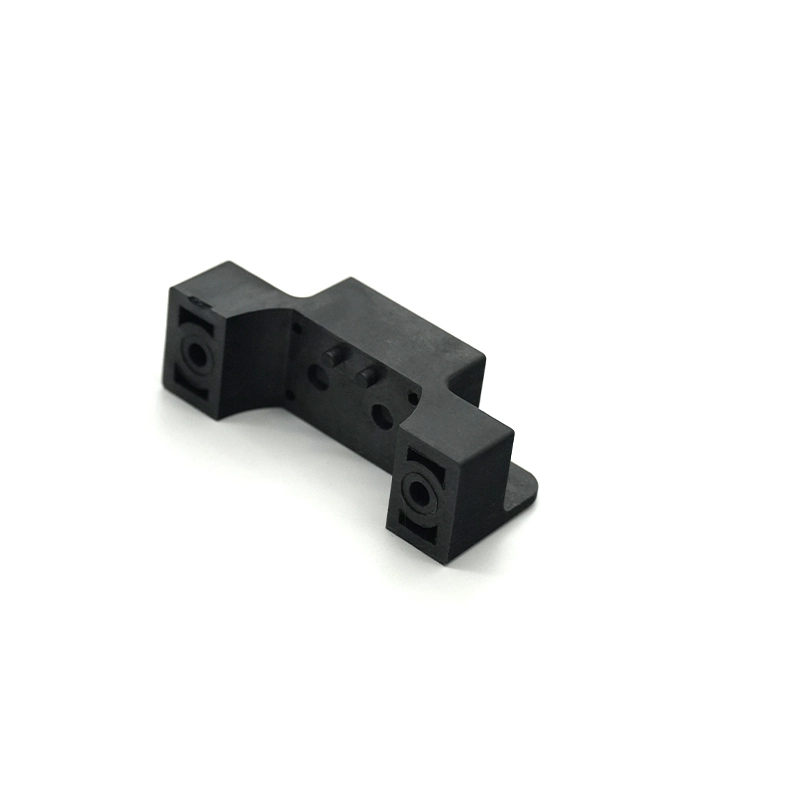
The Bost custom plastic handle by injection molding with high performance PPS material
BOST Custom PPS Injection-Molded Wear-Resistant Handle delivers superior durability and high performance. Made from High Quality PPS material, this injection-molded handle ensures exceptional wear resistance, ideal for demanding applications and long-lasting use. Choose BOST for quality and reliability.
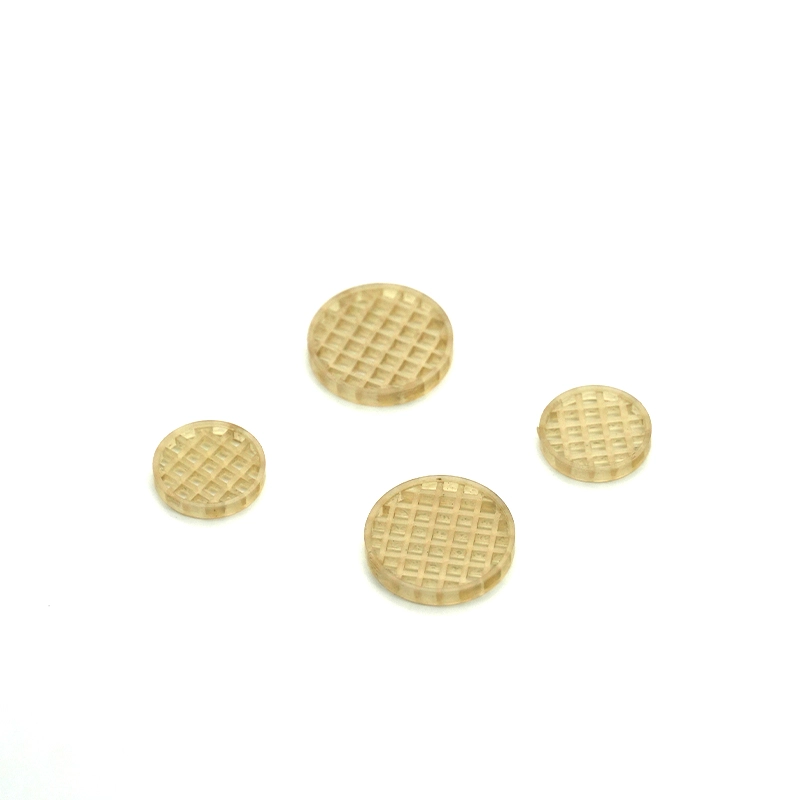
The Bost custom flow meter by injection molding with PES plastic
The Bost Custom PES Injection-Molded Flow Meter offers high-temperature and corrosion resistance, ideal for industrial use. Made with durable PES plastic via precision injection molding, this flow meter ensures reliable, customized performance for demanding applications. Trust Bost for quality and innovation.
Get in touch with Bost
Have any questions or concerns about our products? Please leave us a message here, and our team will get back to you promptly.

24 hours quotes delivered
Submit CAD files, get quote in 24 hours

No MOQ required
From prototyping to high-volume

±0.02 mm Precision
Advanced CNC with full inspections

1,000+ tons in stock
26 materials ready to ship
© 2026 BOST. All Rights Reserved.