
 Scan QR Code
Send My Request
How to Read Datasheets for ABS Plastic Connectors
Monday, 03/9/2026
A practical guide to reading datasheets for plastic connectors—focus on Black and UV resistant ABS plastic connector. Learn which specs matter (mechanical, thermal, UV/weather resistance, flammability, chemical resistance, dimensional tolerances, certifications), how to interpret test data and IP ratings, and how to match connector choice to outdoor applications. Includes a datasheet walk-through, comparison table, FAQs and product CTA.
- Key Sections of a Datasheet and What They Mean
- Header and Product Identification
- Material and Resin Information
- Mechanical Properties
- Environmental and Durability Data
- UV and Weather Resistance
- Thermal Properties and Service Temperature
- Ingress Protection, Sealing and Weatherproofing
- Standards, Certifications and Regulatory Info
- Flammability and Safety Ratings
- Chemical Resistance and Compatibility
- Quality Systems and ISO Certifications
- Interpreting Test Data and Performance Tables
- How to Read Retention and Change Metrics
- Dimensional Tolerances and Mechanical Drawings
- Comparative Table: ABS vs Common Engineering Plastics
- Practical Tips When Evaluating a Datasheet
- Match Use Case to Test Conditions
- Ask for Test Reports and Traceability
- Consider Long-Term Maintenance and Lifecycle Costs
- Walk-Through: Reading the Bost Black UV-Resistant ABS Outdoor Connector Datasheet
- Identify the Intended Application
- Check the UV and Weathering Claims
- Verify Mechanical, Thermal and Sealing Data
- Installation, Handling and Storage Notes
- Handling and Assembly
- Storage and Shelf Life
- Frequently Asked Questions (FAQ)
- Q: How do I know the connector is truly UV-resistant?
- Q: What IP rating should I require for outdoor connectors?
- Q: Can ABS connectors be painted or coated for extra UV protection?
- Q: How do I compare datasheets from different suppliers?
- Contact & Product CTA
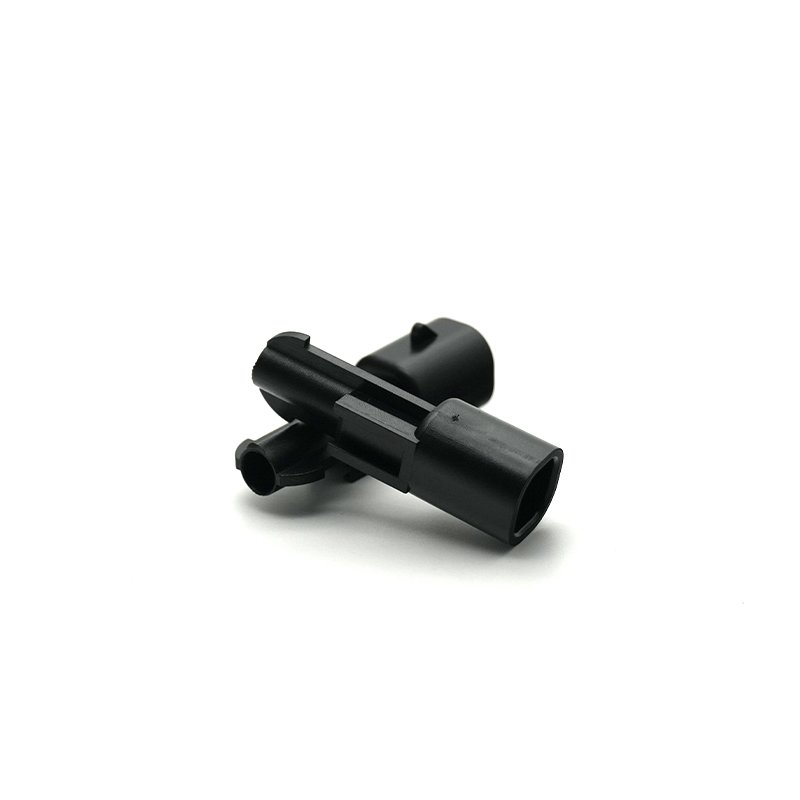
The Bost Black UV-Resistant ABS Outdoor Connector is engineered to deliver reliable, weatherproof performance for outdoor electrical and low-voltage installations. When evaluating any plastic connectors, especially those intended for exterior use, reading the datasheet carefully is critical: it tells you if the connector's material, mechanical strength, UV resistance, thermal limits and certifications meet your project's demands. This guide explains how to read and interpret key datasheet items for ABS plastic connectors so engineers, installers and specification writers can make informed, risk-aware choices.
Key Sections of a Datasheet and What They Mean
Header and Product Identification
At the top of a datasheet you’ll find the product name, part numbers, and a short description. For example, the product name “Black and UV resistant ABS plastic connector” and the commercial line name such as Bost Black UV-Resistant ABS Outdoor Connector establish the application intent: outdoor use and UV stability. Note any configuration drawings, mating part information, and ordering codes—these prevent procurement errors when specifying multiple variants of plastic connectors.
Material and Resin Information
Look for explicit mention of the resin (e.g., ABS — acrylonitrile butadiene styrene). Datasheets should state whether the ABS is modified for UV resistance or filled/impact-modified. When available, a material grade or supplier designation is helpful because physical property values can vary by grade. For background on ABS properties and typical applications, see the ABS entry on Wikipedia: https://en.wikipedia.org/wiki/Acrylonitrile_butadiene_styrene.
Mechanical Properties
Mechanical specs typically include tensile strength, flexural modulus, elongation at break, impact strength (often Izod or Charpy), and hardness (Rockwell or Shore). For connectors, pay attention to:
- Impact strength — indicates resistance to shock during installation or thermal cycling.
- Tensile and flexural values — inform deformation under load or when clamped.
- Insert/withdrawal force if the connector includes press-fit or snap features.
Environmental and Durability Data
UV and Weather Resistance
Outdoor connectors must resist UV-induced embrittlement and color fade. A datasheet should state whether accelerated weathering tests (e.g., ASTM D4329 for UV exposure) were performed and provide retention percentages for tensile/impact after a specified number of hours. If the datasheet lacks quantified UV data, request lab reports. For recognized test protocols, see ASTM references such as ASTM D4329: https://www.astm.org/d4329-14..
Thermal Properties and Service Temperature
Key thermal metrics include glass transition temperature (Tg), heat deflection temperature (HDT), and continuous service temperature. These dictate whether the connector can tolerate direct sunlight, heat from equipment, or freeze-thaw cycles. For ABS connectors used outdoors, a continuous service range and H.D.T. under load should match the site extremes where installed.
Ingress Protection, Sealing and Weatherproofing
If the connector is marketed as weatherproof, the datasheet should list an IP rating (e.g., IP65, IP67) or describe sealing features (gaskets, O-rings). The IP Code (Ingress Protection) standardizes dust/water resistance; see background on the IP Code: https://en.wikipedia.org/wiki/IP_Code. If no IP rating is shown, confirm whether the connector has been tested to IEC/EN 60529 or equivalent.
Standards, Certifications and Regulatory Info
Flammability and Safety Ratings
Professional datasheets typically include flammability classification such as UL 94 (V-0, V-1, V-2). For outdoor electrical connectors, UL recognition or a similar national safety listing indicates the material's performance in fire-related tests. Publisher resources such as UL provide context on flammability testing: https://www.ul.com.
Chemical Resistance and Compatibility
A useful datasheet lists chemical resistance to common site substances (detergents, motor oils, fuels, salts). This helps determine compatibility with environments near roads, agricultural settings, or marine locations. If chemical charts are absent, ask for a compatibility matrix from the manufacturer.
Quality Systems and ISO Certifications
Look for manufacturer certifications such as ISO 9001 (quality management). A supplier with ISO certification implies consistent manufacturing controls—important when specifying plastic connectors in large installations. General information about ISO standards is available at the ISO web site: https://www.iso.org.
Interpreting Test Data and Performance Tables
How to Read Retention and Change Metrics
Datasheets often present “% retention” after aging tests (for example, tensile strength retention after 1,000 hours of UV exposure). A retention value near 100% indicates excellent stability. Always note the test conditions (irradiance, cycles, temperature)—the same-hour exposure on different devices may not be equivalent without standardized conditions.
Dimensional Tolerances and Mechanical Drawings
Dimensions with tolerances (+/- values) are critical for fit and assembly—especially for snap-fit or gasket-sealing features. Datasheets should provide mechanical drawings with tolerance callouts, material shrinkage assumptions, and recommended panel cutout sizes. If connectors are molded, the manufacturer should list expected shrinkage and advise on post-molding finishing tolerances.
Comparative Table: ABS vs Common Engineering Plastics
| Property | ABS (UV-treated) | Polycarbonate (PC) | Nylon (PA) | PVC |
|---|---|---|---|---|
| UV resistance (outdoor) | Good if UV-stabilized; rated for exterior housings | Moderate; often requires UV coating | Poor; degrades without additives | Good with stabilizers; brittle in cold |
| Impact strength | Good (modulus trade-off) | Very high | High (but hygroscopic) | Moderate |
| Operating temp. range | -20 to 80°C typical | -40 to 120°C | -40 to 100°C (varies) | -10 to 60°C typical |
| Typical uses in connectors | Housings, weatherproof enclosures | Transparent covers, high-strength parts | Glands, mechanical parts under load | Conduits, economical housings |
Source comparisons based on common engineering datasheets and material property references; always confirm with supplier-specific data. For industry-level information on plastics types, see PlasticsEurope: https://www.plasticseurope.org/en/about-plastics/what-are-plastics/major-plastic-types/abs.
Practical Tips When Evaluating a Datasheet
Match Use Case to Test Conditions
Pay attention to the conditions under which the tests were run. A connector used in a high-sun desert climate needs more stringent UV data than one used in temperate shaded outdoor locations. If the datasheet cites accelerated weathering, ask for natural-weathering correlations or field data if available.
Ask for Test Reports and Traceability
Datasheets summarize results but may omit raw test reports. For critical installations, request test certificates, batch traceability, and material certificates (e.g., a Certificate of Conformity). Traceability allows you to match in-service failures back to manufacturing lots and corrective actions.
Consider Long-Term Maintenance and Lifecycle Costs
Even durable materials require inspection. When a datasheet claims UV resistance, determine recommended inspection intervals and replacement criteria. Durable weatherproof connectors like the Bost Black UV-Resistant ABS Outdoor Connector reduce replacement frequency, but installation details (torque, seal compression) also affect lifetime.
Walk-Through: Reading the Bost Black UV-Resistant ABS Outdoor Connector Datasheet
Identify the Intended Application
Confirm the datasheet states outdoor, long-lasting, weatherproof installations. The phrase Black and UV resistant ABS plastic connector signals an exterior application. Note if the datasheet includes suggested mounting orientations and electrical ratings if applicable.
Check the UV and Weathering Claims
Look for quantified statements: e.g., ≥80% tensile retention after 1,000 hours of xenon arc exposure or no cracking after 1200 hours of UV-B exposure per ASTM/ISO protocol. If such numbers are absent, request the underlying test report. The datasheet should also mention any stabilizers or additives used in the ABS formulation.
Verify Mechanical, Thermal and Sealing Data
Ensure mechanical specs cover impact resistance and insertion/withdrawal forces. Confirm service temperature range and, if applicable, an IP rating or sealing detail. If the part is used with gaskets, the datasheet should specify recommended gasket compression percentage and compatible gasket materials.
Installation, Handling and Storage Notes
Handling and Assembly
Follow torque limits, avoid over-tightening clamps or fasteners that could crack ABS. Some datasheets provide recommended screw torque ranges and pilot hole sizes to minimize stress concentrations during installation.
Storage and Shelf Life
Store connectors out of prolonged sunlight and away from solvents. Datasheets sometimes list a shelf life for pre-assembled connectors—if not, ask whether UV protection degrades in packaged stock over time.
Frequently Asked Questions (FAQ)
Q: How do I know the connector is truly UV-resistant?
A: Look for accelerated weathering data (e.g., ASTM D4329 or xenon-arc per ISO/ASTM protocols) with retention metrics for mechanical properties, and request the test report. Manufacturers may also provide field-test case studies or multi-year exposure data.
Q: What IP rating should I require for outdoor connectors?
A: For general weatherproofing, IP65 is often sufficient (dust-tight, protected from jets of water). For immersion or harsh marine conditions, specify IP67 or IP68. Always confirm the test standard (IEC/EN 60529) used to obtain the rating.
Q: Can ABS connectors be painted or coated for extra UV protection?
A: Yes—painting or applying specialized UV coatings can extend life, but coatings must be compatible with ABS and not interfere with seals or electrical contacts. Consult the manufacturer regarding approved coatings and surface prep.
Q: How do I compare datasheets from different suppliers?
A: Standardize the comparison: list identical test methods (ASTM/ISO references), identical test durations and conditions, and compare retention percentages and absolute property values. Request raw test reports when data presentation differs.
Contact & Product CTA
If you need a reliable outdoor connector built for long service life, consider the Bost Black UV-Resistant ABS Outdoor Connector. For datasheets, test reports or assistance matching the optimal plastic connector to your installation, contact our technical sales team or view the product page to download the full specifications.
Contact us: Email sales@example.com or call +1-800-555-0123. View product details and download the full datasheet: Bost Black UV-Resistant ABS Outdoor Connector.
Tags
Nylon Insulator
Nylon Insulator
china plastic spur gears
china plastic spur gears
Wear-Resistant Spacing
Wear-Resistant Spacing
plastic spur gears for sale
plastic spur gears for sale
custom over molding
custom over molding
nylon standoff insulator for PCB
nylon standoff insulator for PCB
Recommended for you
How UV Resistance Extends Connector Lifespan
Selecting Fluoroplastic PVDF Covers: Material and Spec Checklist
Quality Tests B2B Buyers Need for NBR Buna-Rubber Seal Rings
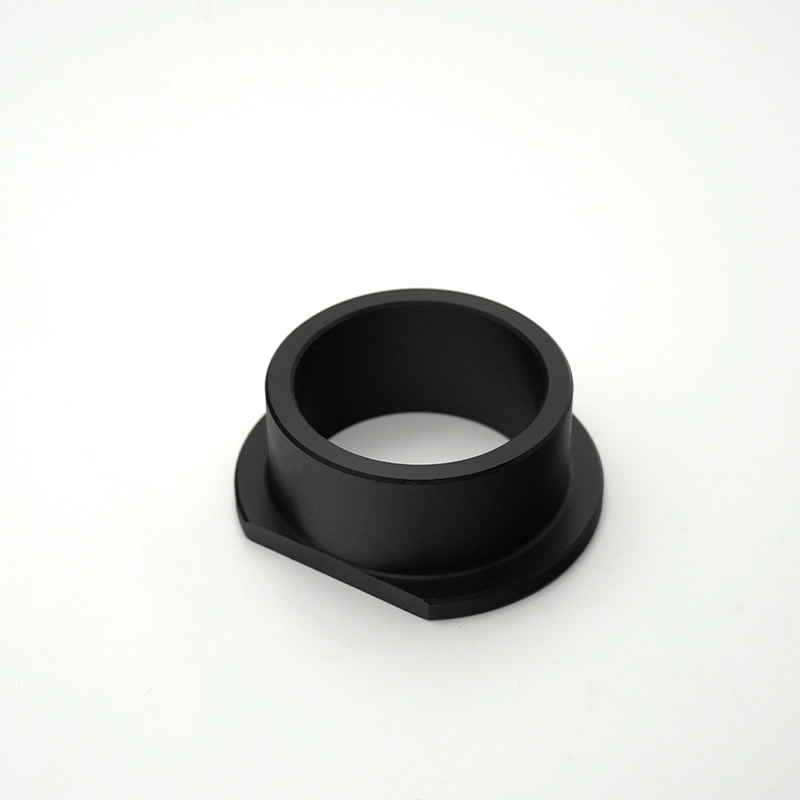
PE Plastic Bushes: Benefits vs Metal Bushings
Prdoucts Categories
Question you may concern
FAQs
What is the delivery lead time? Do you offer global logistics?
Standard products: 5–15 working days; custom modifications: 2–4 weeks. We support global air/sea freight and provide export customs clearance documents (including REACH/UL certifications).
Can Bost customize modified plastics with special properties?
Yes! We offer modification services such as reinforcement, flame retardancy, conductivity, wear resistance, and UV resistance, for example:
• Adding carbon fiber to enhance stiffness
• Reducing the coefficient of friction through PTFE modification
• Customizing food-grade or medical-grade certified materials
What is the minimum order quantity (MOQ)? Do you support small-batch trial production?
The MOQ for standard products is ≥100kg. We support small-batch trial production (as low as 20kg) and provide mold testing reports and performance data feedback.
What are the core advantages of Bost engineering plastics compared to ordinary plastics?
Bost engineering plastics feature ultra-high mechanical strength, high-temperature resistance (-50°C to 300°C), chemical corrosion resistance, and wear resistance. Compared to ordinary plastics, their service life is extended by 3 to 8 times, making them suitable for replacing metals in harsh environments.
How do I select the appropriate engineering plastic grade for my product?
Selection should be based on parameters such as load conditions (e.g., pressure/friction), temperature range, medium contact (e.g., oil/acid), and regulatory requirements (e.g., FDA/RoHS). Our engineers can provide free material selection consulting and sample testing.
You may also like
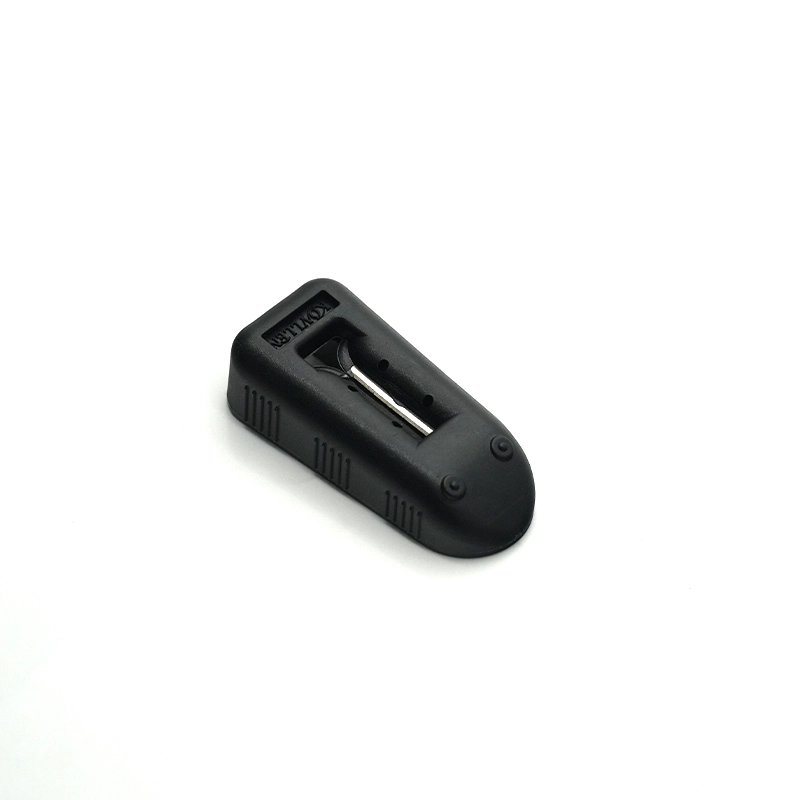
The plastic plug manufactured by Insert molding with stainless steel plate
Bost’s Insert-Molded Stainless Steel Plate Plastic Plug offers superior durability and corrosion resistance. This stainless steel insert durable plastic plug ensures a secure fit and long-lasting performance, ideal for industrial and commercial applications. Robust design meets quality standards.
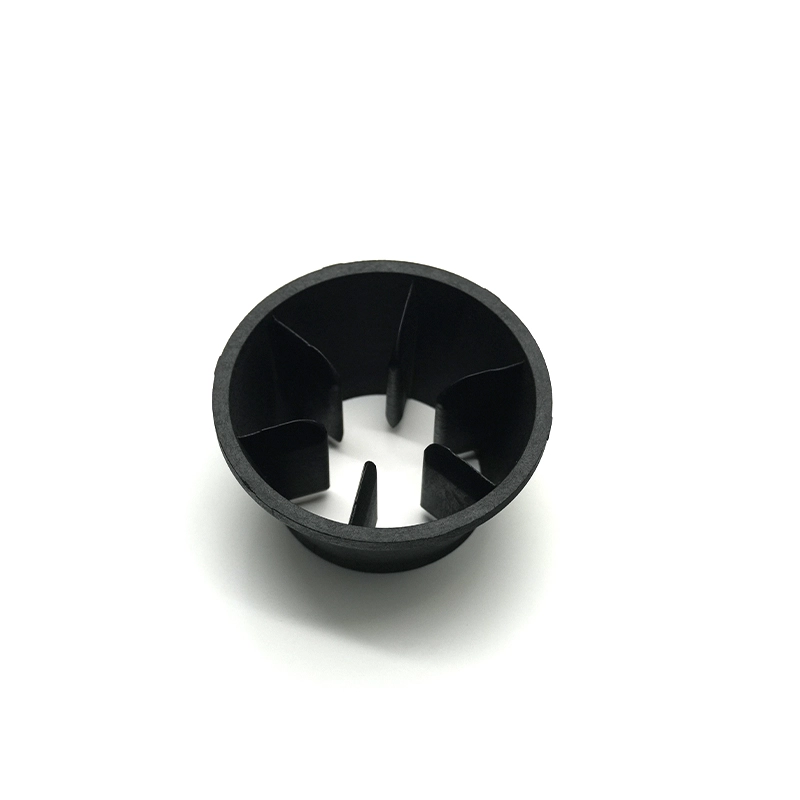
The Bost custom PPO flow valve by injection molding
The BOST Custom PPO Injection-Molded Flow Valve delivers high-temp and corrosion-resistant performance for industrial flow control. Precision-engineered by Bost, this custom PPO valve ensures durable, reliable operation in demanding environments. Optimize your process with BOST’s advanced injection-molded solution.
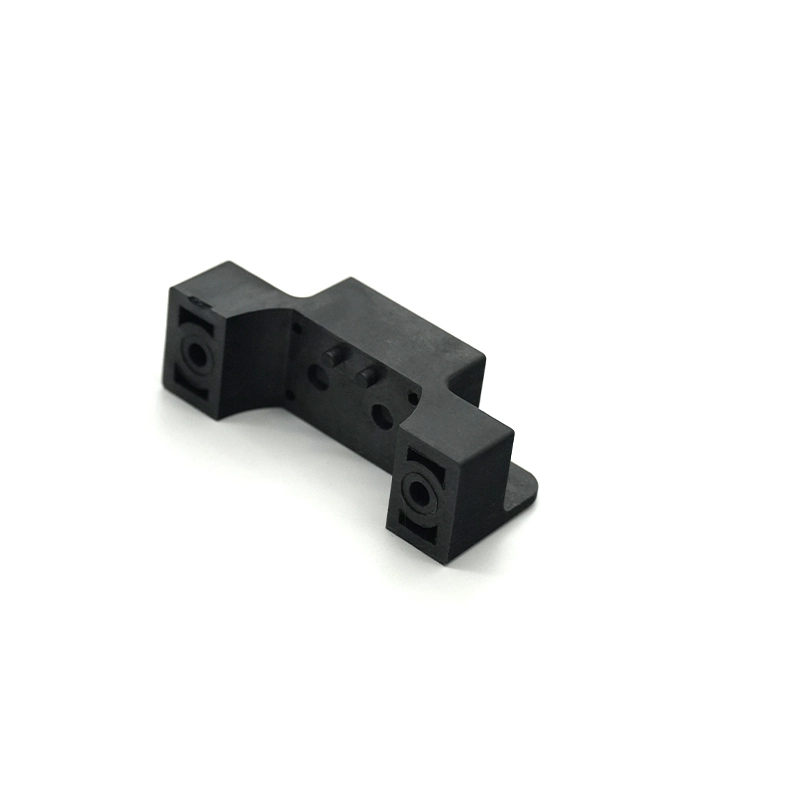
The Bost custom plastic handle by injection molding with high performance PPS material
BOST Custom PPS Injection-Molded Wear-Resistant Handle delivers superior durability and high performance. Made from High Quality PPS material, this injection-molded handle ensures exceptional wear resistance, ideal for demanding applications and long-lasting use. Choose BOST for quality and reliability.
The Bost custom flow meter by injection molding with PES plastic
The Bost Custom PES Injection-Molded Flow Meter offers high-temperature and corrosion resistance, ideal for industrial use. Made with durable PES plastic via precision injection molding, this flow meter ensures reliable, customized performance for demanding applications. Trust Bost for quality and innovation.
Get in touch with Bost
Have any questions or concerns about our products? Please leave us a message here, and our team will get back to you promptly.

24 hours quotes delivered
Submit CAD files, get quote in 24 hours

No MOQ required
From prototyping to high-volume

±0.02 mm Precision
Advanced CNC with full inspections

1,000+ tons in stock
26 materials ready to ship
© 2026 BOST. All Rights Reserved.