 Scan QR Code
Send My Request
Bulk Procurement Tips for Plastic Connector Buyers
Tuesday, 03/3/2026
Practical, supplier-focused guidance for bulk procurement of plastic connectors — from specifying UV-resistant ABS connectors and setting realistic MOQ/lead times to verifying weatherproof ratings and negotiating price breaks. Includes material comparisons, inspection checklists, and a product spotlight on the Bost Black UV-Resistant ABS Outdoor Connector.
- Choosing the Right Material and Specification
- Why material matters: ABS vs alternatives
- Specifying UV resistance and weathering
- Procurement Strategies for Bulk Orders
- Setting realistic MOQ, lead time, and price tiers
- Sample runs and pre-production validation
- Tooling and mold considerations
- Quality Control, Compliance, and Documentation
- Define measurable quality criteria
- Certifications, testing, and traceability
- Incoming inspection and sampling plans
- Packaging, Logistics, and Long-Term Cost Control
- Packaging and handling for outdoor connectors
- Inventory management and reorder points
- Cost breakdown and long-term savings
- Supplier Selection and Relationship Management
- Qualifying suppliers for outdoor-grade connectors
- Performance SLAs and corrective actions
- When to use multiple suppliers
- Product Spotlight: Bost Black UV-Resistant ABS Outdoor Connector
- FAQ
- Q: How do I verify a supplier's UV-resistance claims?
- Q: What IP rating should I require for outdoor connectors?
- Q: How much can I save by increasing order quantity?
- Q: Should I buy tooling or rent it from the supplier?
- Q: What inspection plan is recommended for bulk connector shipments?
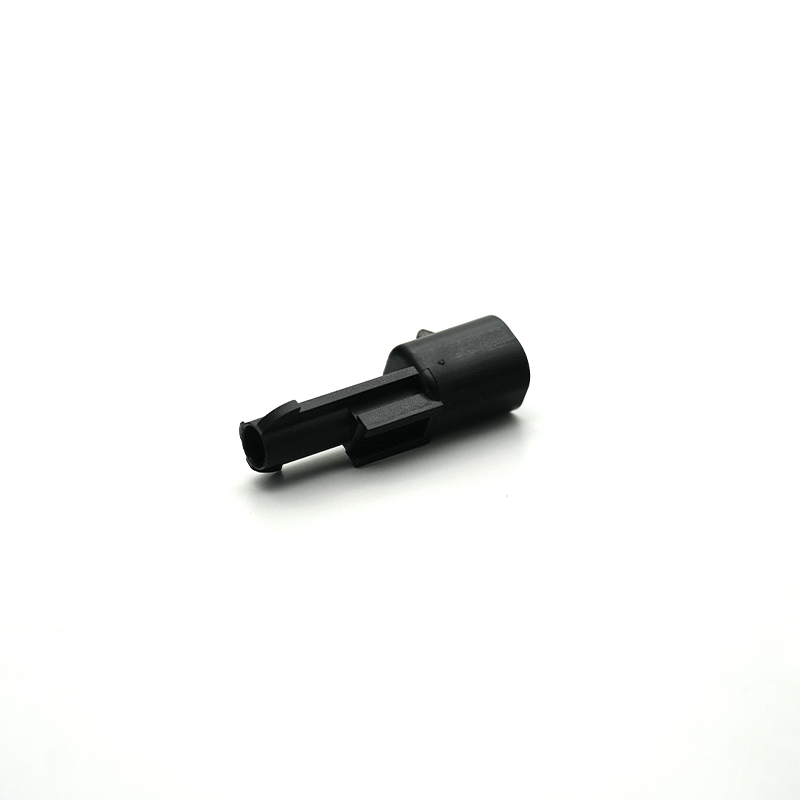
Buying plastic connectors in bulk requires both materials knowledge and procurement discipline. This guide helps purchasing managers, installers, and specifiers optimize cost, reliability, and lead time when sourcing plastic connectors — especially weatherproof, outdoor-rated parts such as the Bost Black UV-Resistant ABS Outdoor Connector. It covers material selection, supplier qualification, QC, packaging and logistics, and negotiation strategies tailored to high-volume purchases in outdoor and industrial applications.
Choosing the Right Material and Specification
Why material matters: ABS vs alternatives
When buying plastic connectors for outdoor or exposed installations, the base resin dictates long-term performance. Acrylonitrile butadiene styrene (ABS) offers good impact strength, dimensional stability, and ease of molding, which is why products like the Bost Black UV-Resistant ABS Outdoor Connector are widely used for weatherproof installations. For a quick comparison of common connector materials, see the table below.
| Material | UV Resistance | Impact Strength | Outdoor Suitability | Typical Cost |
|---|---|---|---|---|
| ABS (with UV stabilizers) | Good (when stabilized) | High | Good for long-lasting, weatherproof connectors like the Bost Black UV-Resistant ABS Outdoor Connector | Moderate |
| Nylon (PA) | Moderate (can absorb moisture, needs stabilizers) | Very high | Used in rugged mechanical applications; needs careful UV treatment | Moderate–High |
| Polycarbonate | Low (prone to UV yellowing without coating) | Very high | Used for transparent/impact-critical parts; typically coated for outdoors | High |
| PVC | Moderate | Low–Moderate | Used in low-cost applications; less dimensional stability | Low |
Sources that describe ABS properties and testing methods provide useful background: see the Acrylonitrile butadiene styrene (ABS) overview on Wikipedia and ISO testing standards for plastics such as tensile testing ISO 527. Industry organizations like PlasticsEurope also publish material guidance that helps buyers set realistic specifications.
Specifying UV resistance and weathering
Not all ABS is equally weatherproof. For outdoor use, insist on UV-stabilized ABS or ABS with UV-resistant coatings and look for supplier documentation of accelerated weathering tests (e.g., ASTM/ISO or ISO 4892 methods). Ask for results showing minimal mechanical degradation and acceptable color/appearance changes after specified exposure periods. Also confirm the connector design resists water ingress and supports the required IP rating for your installation.
Procurement Strategies for Bulk Orders
Setting realistic MOQ, lead time, and price tiers
Manufacturers typically publish minimum order quantities (MOQs) and tiered pricing. For plastic connectors, MOQs are influenced by tooling amortization, color changes, and packaging runs. When planning a bulk buy, ask suppliers to provide a pricing matrix for quantity breaks (e.g., 1k, 5k, 10k, 50k) and include lead time for each tier. Negotiation levers include longer lead times in exchange for lower unit price, agreeing to multi-release schedules, or committing to repeat orders over a calendar year.
Sample runs and pre-production validation
Before committing to a large quantity, require an initial production sample and a short pilot run. Validate dimensional tolerances, fit with mating parts, surface finish, and UV/chemical resistance claims. For mission-critical installations, perform an in-house or third-party accelerated weathering test. If possible, secure a First Article Inspection (FAI) and an agreed corrective action pathway for any failures identified during pilot testing.
Tooling and mold considerations
Tooling quality drives part consistency. Clarify whether tooling is proprietary, shared, or owned by the supplier. If molds are new, establish ownership, maintenance schedules, and what happens to the tool at end of life. For long-term programs, negotiating tool-sharing restrictions or buying tooling outright can reduce per-piece cost across product lifetimes.
Quality Control, Compliance, and Documentation
Define measurable quality criteria
Clearly state acceptance criteria in the purchase order: dimensional tolerances (CAD drawings), material certificate (resin grade and UV additives), mechanical property targets, color standards (e.g., Pantone or RAL), and IP or ingress protection levels. Provide inspection checklists for receiving inspections — for example, number of samples per lot (e.g., ISO 2859 sampling plans), visual accept/reject guidance for blemishes, and electrical continuity tests if the connector integrates metal contacts.
Certifications, testing, and traceability
Request material certificates (COA) and test reports for UV/weathering, tensile strength, and flammability when required. For critical applications, ask suppliers to provide batch traceability and a Declaration of Conformity where appropriate. Using recognized standards helps: reference ISO/ASTM test methods in your contract and require suppliers to retain test records for agreed periods. Industry and standards links such as ISO give authority to test references.
Incoming inspection and sampling plans
Set up an incoming inspection protocol: sample size, tests to run, and quarantine process for non-conforming lots. Use statistical acceptance sampling for high-volume orders to reduce inspection time while maintaining control. For connectors that will be assembled on-site, include a fit test as part of incoming inspection to catch any batch-level mold shifts early.
Packaging, Logistics, and Long-Term Cost Control
Packaging and handling for outdoor connectors
Bulk packaging should protect surfaces from abrasion and UV exposure during storage. For UV-resistant parts, prefer opaque inner packaging to reduce unnecessary UV exposure in transit. Label cartons with lot numbers, part numbers, and production dates to support FIFO and traceability. For connectors with seals or gaskets, supply them nested properly to avoid deformation in transit.
Inventory management and reorder points
Determine reorder points based on usage rate, lead time, and safety stock. If suppliers can commit to shorter lead times for repeat orders, you can reduce on-hand inventory. For seasonal demand (e.g., outdoor installation season), negotiate capacity reservations to avoid stockouts during peak periods.
Cost breakdown and long-term savings
When evaluating supplier quotes, break costs into tooling amortization, per-piece molding, finishing (painting, plating, coatings), secondary operations (inserts, ultrasonic welding), packaging, and freight. A modest increase in tooling investment can yield significant per-piece savings at high quantities. Consider total landed cost rather than unit price alone.
Supplier Selection and Relationship Management
Qualifying suppliers for outdoor-grade connectors
Evaluate supplier experience with outdoor and UV-resistant components. Ask for case studies or references for similar projects, and verify their capabilities for mold maintenance, QC testing, and large-volume production. Local regulatory knowledge and logistics capabilities can be decisive for international sourcing.
Performance SLAs and corrective actions
Include service-level agreements (SLAs) in contracts: on-time delivery performance, acceptable defect rates (PPM), and remedies for excessive defects. Define a clear corrective action process with timelines to ensure rapid resolution for quality issues discovered after delivery.
When to use multiple suppliers
To mitigate risk, split critical programs across two qualified suppliers where feasible. Dual-sourcing reduces vulnerability to single-source disruptions and provides leverage in pricing negotiations. For highly customized connectors, maintain a primary supplier and a qualified secondary ready to ramp if needed.
Product Spotlight: Bost Black UV-Resistant ABS Outdoor Connector
The Bost Black UV-Resistant ABS Outdoor Connector offers superior weather resistance and durability. Made from high-quality ABS plastic with UV stabilization, this precision connector ensures reliable performance in harsh outdoor conditions, making it ideal for long-lasting, weatherproof installations. Typical features to confirm with the supplier when evaluating this product in bulk include:
- Material certificate confirming UV-stabilized ABS grade
- Accelerated weathering test results (e.g., ASTM/ISO) showing minimal mechanical/property loss
- IP rating and sealing method for water ingress protection
- Available color/finish options and resistance to surface chalking
- Packaging and labeling options for lot traceability
Because the Bost connector is designed for outdoor installations, it is particularly suitable for LED lighting housings, outdoor electrical junctions, signage, and other applications where long-term UV exposure and weatherproof performance are required.
FAQ
Q: How do I verify a supplier's UV-resistance claims?
A: Request accelerated weathering test reports (e.g., ASTM G154 or ISO 4892 methods) and mechanical property retention data after exposure. Ask for actual sample parts to inspect and, if possible, run a short in-house UV exposure test for your expected environment. Reference standards like ISO 527 for baseline mechanical testing.
Q: What IP rating should I require for outdoor connectors?
A: Select an IP rating based on exposure conditions. For rain and dust exposure, IP65–IP67 are common; for temporary immersion, IP68 may be required. Specify ingress protection in your procurement docs and verify test reports.
Q: How much can I save by increasing order quantity?
A: Savings vary by part complexity and tooling amortization. Typical large-volume discounts range from 10–40% between small and very large runs depending on the supplier. Ask for a quantity-break pricing table and calculate total landed cost considering freight and inventory carrying costs.
Q: Should I buy tooling or rent it from the supplier?
A: Buying tooling increases upfront cost but reduces long-term per-part price and gives you control over future production runs. Renting or letting the supplier own the tool reduces initial capital expenditure but can increase per-piece costs and reduce flexibility. Assess payback based on forecasted lifetime volumes.
Q: What inspection plan is recommended for bulk connector shipments?
A: Use an incoming inspection plan based on lot size and criticality. Common practice is ISO 2859 sampling plans or AQL-based sampling, combined with functional fit checks and random accelerated weathering checks on each lot for outdoor products.
If you have additional questions or want a quote for the Bost Black UV-Resistant ABS Outdoor Connector, contact our sales team or view the product page. Our procurement specialists can provide sample runs, volume pricing tables, and test data to support your specification and sourcing decisions.
Contact us: sales@example.com | View product
Tags
Adaptable Connection
Adaptable Connection
Dimensional-Stable Adaptation
Dimensional-Stable Adaptation
customized injection molding
customized injection molding
custom injection molding
custom injection molding
High-Performance PEEK
High-Performance PEEK
Wire and cable protection sleeve
Wire and cable protection sleeve
Recommended for you
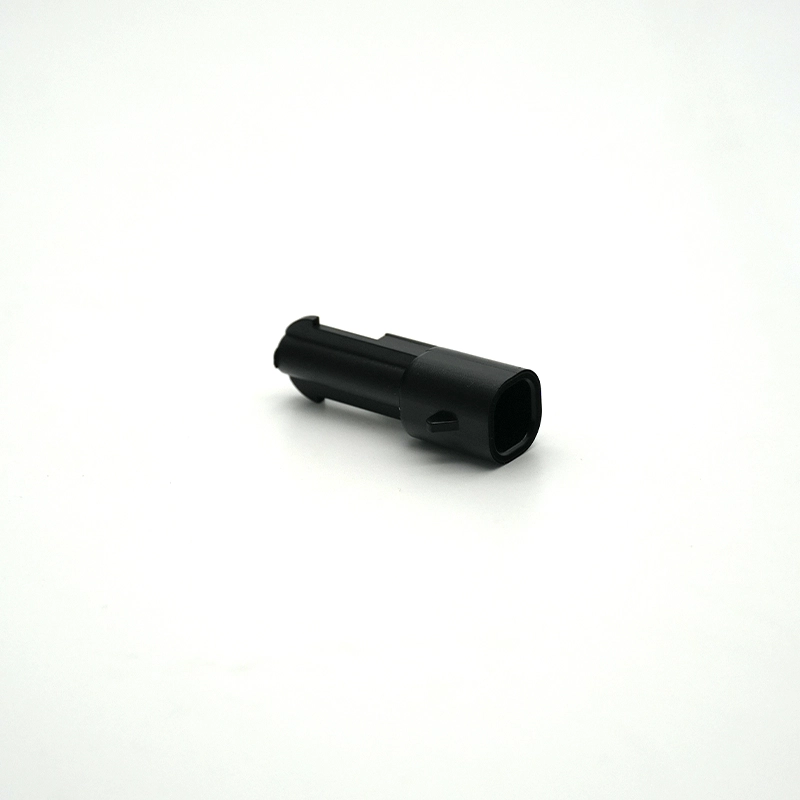
Design Considerations for Injection-Molded Plastic Connectors
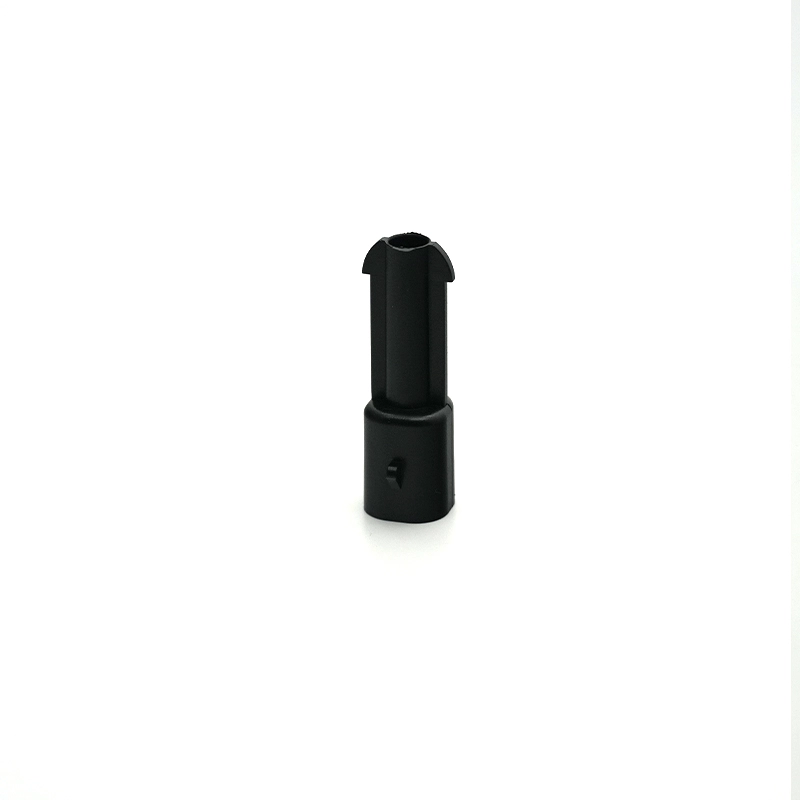
Choosing Black UV-Resistant ABS Connectors for Engineering Plastics
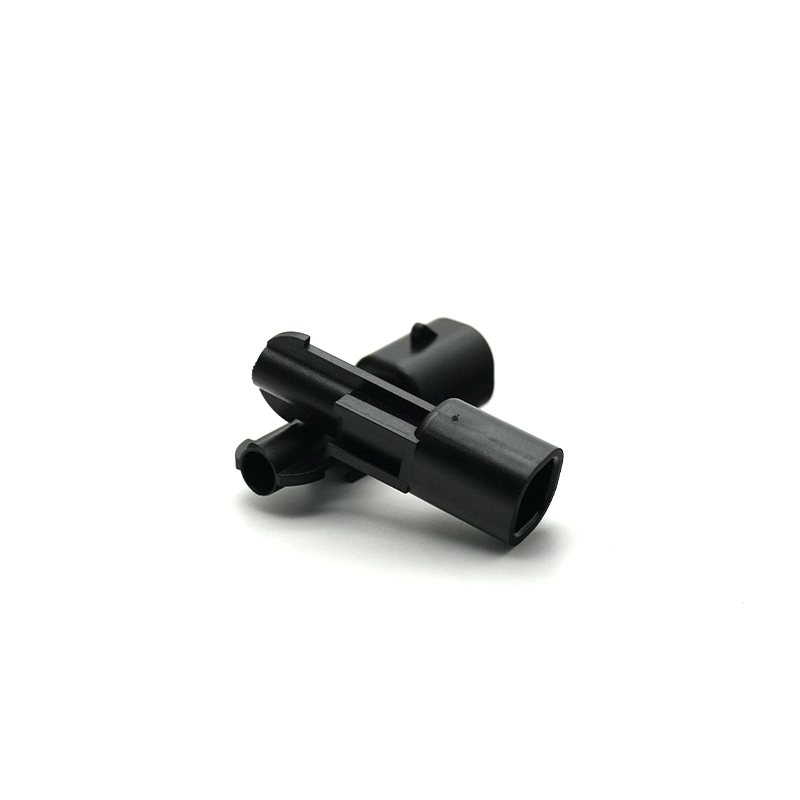
Why Choose Black UV-Resistant ABS Plastic Connectors
Automotive Applications: PEEK Overmolding Use Cases for High-Performance Parts
Prdoucts Categories
Question you may concern
FAQs
Can Bost customize modified plastics with special properties?
Yes! We offer modification services such as reinforcement, flame retardancy, conductivity, wear resistance, and UV resistance, for example:
• Adding carbon fiber to enhance stiffness
• Reducing the coefficient of friction through PTFE modification
• Customizing food-grade or medical-grade certified materials
What are the core advantages of Bost engineering plastics compared to ordinary plastics?
Bost engineering plastics feature ultra-high mechanical strength, high-temperature resistance (-50°C to 300°C), chemical corrosion resistance, and wear resistance. Compared to ordinary plastics, their service life is extended by 3 to 8 times, making them suitable for replacing metals in harsh environments.
What is the delivery lead time? Do you offer global logistics?
Standard products: 5–15 working days; custom modifications: 2–4 weeks. We support global air/sea freight and provide export customs clearance documents (including REACH/UL certifications).
How do I select the appropriate engineering plastic grade for my product?
Selection should be based on parameters such as load conditions (e.g., pressure/friction), temperature range, medium contact (e.g., oil/acid), and regulatory requirements (e.g., FDA/RoHS). Our engineers can provide free material selection consulting and sample testing.
What is the minimum order quantity (MOQ)? Do you support small-batch trial production?
The MOQ for standard products is ≥100kg. We support small-batch trial production (as low as 20kg) and provide mold testing reports and performance data feedback.
You may also like
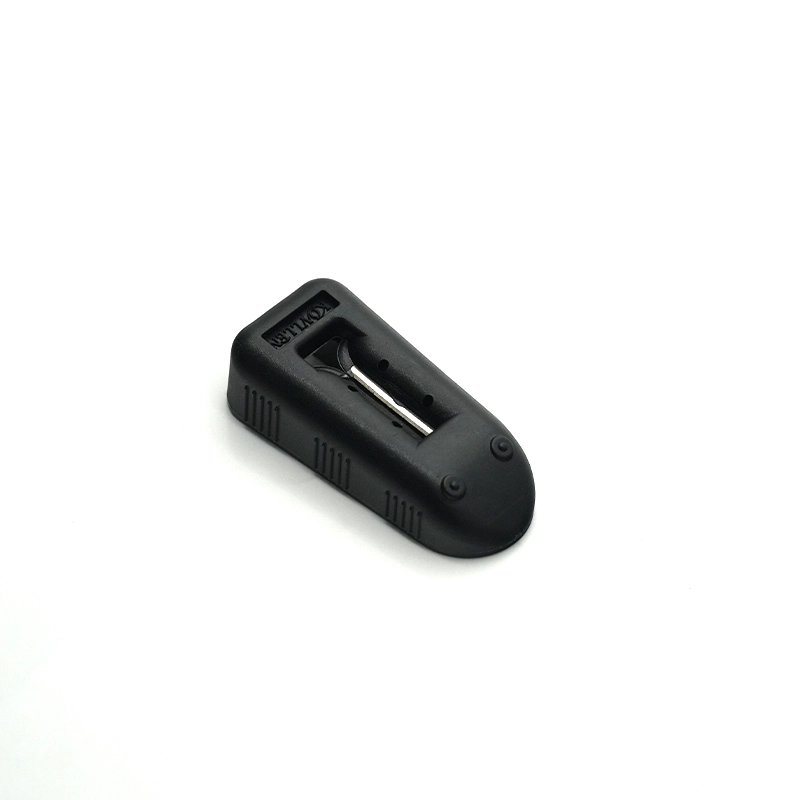
The plastic plug manufactured by Insert molding with stainless steel plate
Bost’s Insert-Molded Stainless Steel Plate Plastic Plug offers superior durability and corrosion resistance. This stainless steel insert durable plastic plug ensures a secure fit and long-lasting performance, ideal for industrial and commercial applications. Robust design meets quality standards.
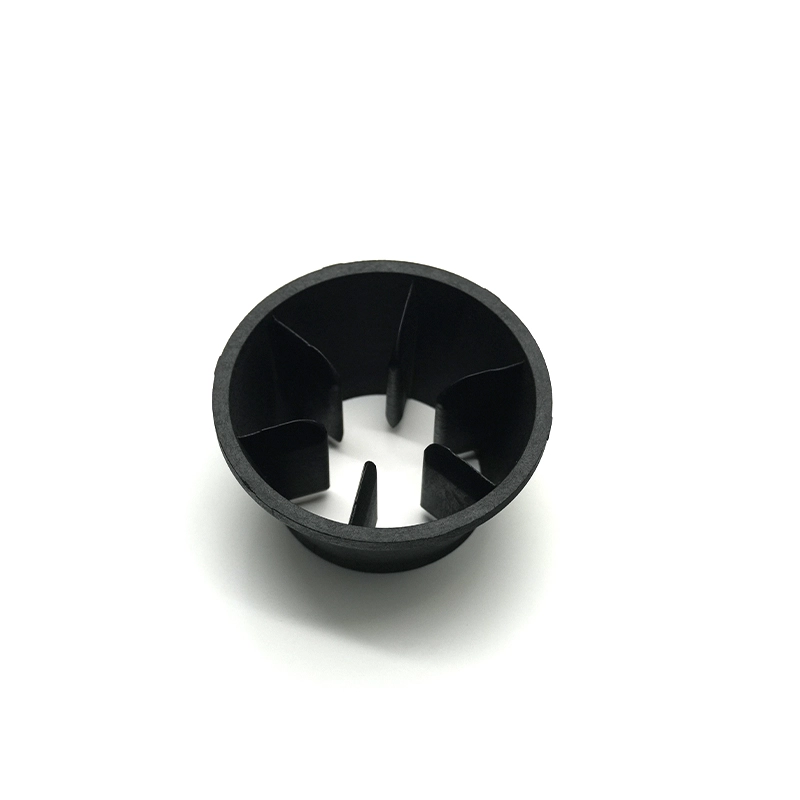
The Bost custom PPO flow valve by injection molding
The BOST Custom PPO Injection-Molded Flow Valve delivers high-temp and corrosion-resistant performance for industrial flow control. Precision-engineered by Bost, this custom PPO valve ensures durable, reliable operation in demanding environments. Optimize your process with BOST’s advanced injection-molded solution.
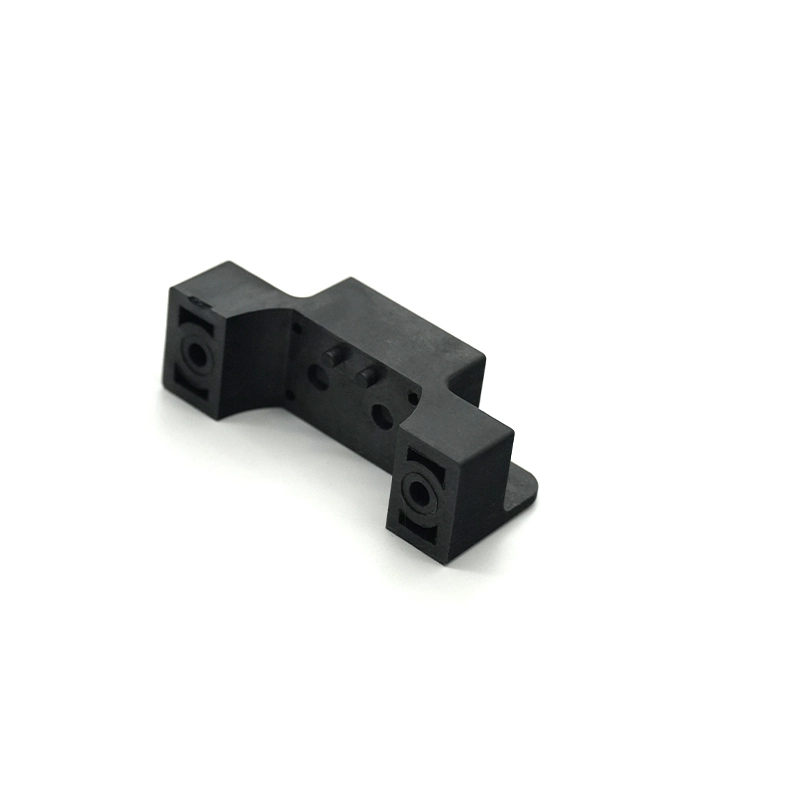
The Bost custom plastic handle by injection molding with high performance PPS material
BOST Custom PPS Injection-Molded Wear-Resistant Handle delivers superior durability and high performance. Made from High Quality PPS material, this injection-molded handle ensures exceptional wear resistance, ideal for demanding applications and long-lasting use. Choose BOST for quality and reliability.
The Bost custom flow meter by injection molding with PES plastic
The Bost Custom PES Injection-Molded Flow Meter offers high-temperature and corrosion resistance, ideal for industrial use. Made with durable PES plastic via precision injection molding, this flow meter ensures reliable, customized performance for demanding applications. Trust Bost for quality and innovation.
Get in touch with Bost
Have any questions or concerns about our products? Please leave us a message here, and our team will get back to you promptly.

24 hours quotes delivered
Submit CAD files, get quote in 24 hours

No MOQ required
From prototyping to high-volume

±0.02 mm Precision
Advanced CNC with full inspections

1,000+ tons in stock
26 materials ready to ship
© 2026 BOST. All Rights Reserved.