 Scan QR Code
Send My Request
Design Considerations for Injection-Molded Plastic Connectors
Saturday, 02/14/2026
This article provides a practical, engineering-focused guide to designing durable injection-molded plastic connectors for outdoor use, with emphasis on Black and UV-Resistant ABS plastic connector solutions. It covers material selection, mold and part design, sealing and testing, standards and sustainability considerations to help engineers and product designers achieve weatherproof, long-lasting connector assemblies.
- Engineering Principles for Durable Outdoor Connectors
- Material selection: why choose ABS for outdoor connectors?
- Balancing mechanical properties and manufacturability
- UV resistance and long-term weatherability
- Injection Molding Considerations for Precision Connectors
- Mold flow, gate design and shrinkage
- Wall thickness, ribs and bosses
- Surface finish, texturing and cosmetics
- Environmental Sealing, Assembly, and Long-Term Reliability
- Sealing strategies: gaskets, overmolding and potting
- Fastening, tolerances and serviceability
- Testing, standards and qualification
- Cost, Sustainability, and Manufacturing Scalability
- Cost vs performance trade-offs
- Recyclability and additives
- Quality control, inspection and production scaling
- Material comparison table
- Product Fit: Black and UV-Resistant ABS Plastic Connector
- Why this product suits outdoor connector applications
- Design integration tips
- Qualification and field validation
- FAQ — Frequently Asked Questions
- Q: How long will a UV-stabilized ABS connector last outdoors?
- Q: Can I use recycled ABS for outdoor connectors?
- Q: What is the best sealing approach for IP67-rated connectors?
- Q: How does carbon black affect the appearance and performance?
- Q: Which standards should I reference when qualifying outdoor connectors?
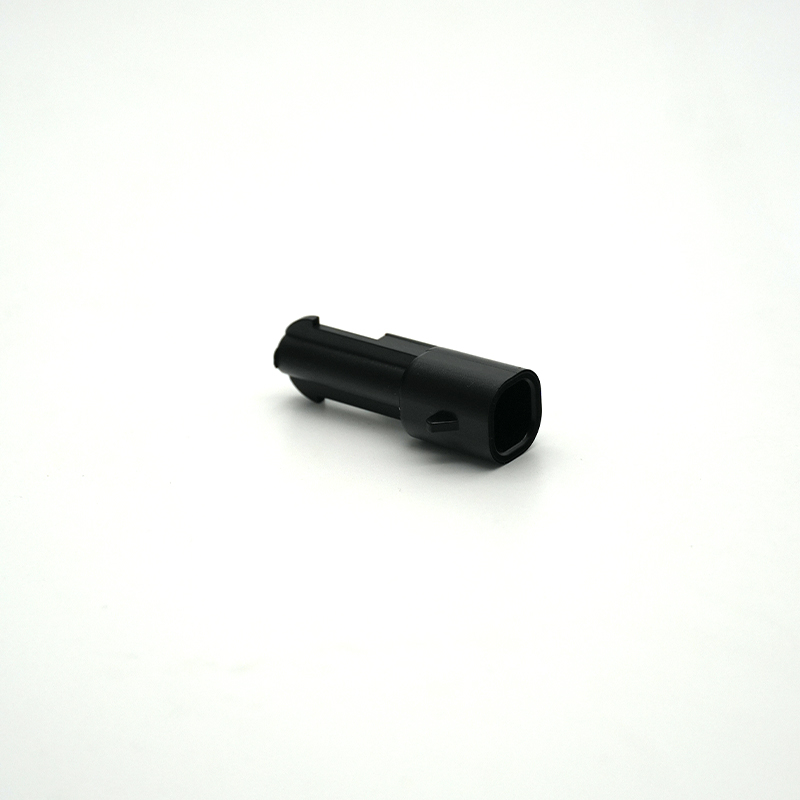
The reliable design of outdoor electrical and mechanical connectors hinges on smart material choices, mold-aware geometry, and robust sealing strategies. For applications requiring long-term exposure to sun, rain, and temperature swings, the Black and UV-Resistant ABS Outdoor Connector stands out as a pragmatic solution—combining ABS's manufacturability with UV stabilization for extended service life in harsh climates.
Engineering Principles for Durable Outdoor Connectors
Material selection: why choose ABS for outdoor connectors?
Material selection is the first and most impactful decision when designing plastic connectors. Acrylonitrile butadiene styrene (ABS) offers excellent dimensional stability, impact resistance, and surface finish that simplify injection molding and assembly. However, standard ABS is susceptible to UV degradation over time. UV-stabilized grades or UV-resistant black masterbatches significantly improve outdoor performance by reducing surface embrittlement and color fade. For a technical overview of ABS properties and common uses, see the ABS entry on Wikipedia (Wikipedia: ABS) and material datasheets from industry sources (PlasticsEurope).
Balancing mechanical properties and manufacturability
Connectors must resist impact, vibration, and repeated mating cycles. ABS provides a good balance of toughness and stiffness while being easy to mold with tight tolerances. If higher temperature resistance, chemical resistance, or flame rating is needed, designers may consider polycarbonate (PC), nylon (PA), or PC/ABS blends. Comparative trade-offs are discussed in the material comparison table below.
UV resistance and long-term weatherability
For outdoor connectors, UV resistance is mandatory. Additives (UV absorbers, HALS—hindered amine light stabilizers) and carbon black pigmentation both help protect the polymer bulk. Black pigments (carbon black) are particularly effective at blocking UV, which is why the product is specified as a black, UV-resistant ABS connector. Accelerated weathering tests (see ISO 4892 or ASTM D4329) should be specified in the product requirements to predict in-field lifetime (ISO 4892-2, ASTM D4329).
Injection Molding Considerations for Precision Connectors
Mold flow, gate design and shrinkage
Injection-molded connectors often have thin walls and small features (latches, ribs, terminal cavities). Mold flow simulation helps predict weld lines, air traps, and weld-line strength around contact features. Use appropriate gate locations to minimize flow length and avoid cold shuts in structural areas. ABS typically has moderate shrinkage (around 0.4–0.8%), so designers must account for shrinkage or use tool compensation for critical mating dimensions.
Wall thickness, ribs and bosses
Consistent wall thickness reduces sink marks and internal stresses. Target 1.5–3.0 mm for most connector walls; thinner sections can be used for low-load surfaces. Use ribs to improve stiffness rather than increasing wall thickness, and design bosses with proper fillets and root thickness control to prevent cracking. Bosses and snap features should be oriented and supported to avoid over-stressing during assembly and service.
Surface finish, texturing and cosmetics
Black UV-resistant ABS provides a good cosmetic finish and hides dirt and discoloration. Be mindful that heavy texturing increases required injection pressure and may affect gloss consistency. For IP-rated connectors requiring watertight seals, ensure gasket grooves and sealing surfaces are molded with fine tolerances—consider post-mold machining or insert molding for extremely tight features.
Environmental Sealing, Assembly, and Long-Term Reliability
Sealing strategies: gaskets, overmolding and potting
Weatherproof connectors use several sealing approaches: molded O‑ring grooves with elastomeric gaskets, silicone overmolding, or potting for fully encapsulated electronics. For mating connectors, design mating chamfers and seal compression surfaces to deliver consistent compression across temperature and vibration ranges. Consider silicone or EPDM gaskets for long-term outdoor service; their compatibility with ABS and expected UV exposure should be validated.
Fastening, tolerances and serviceability
Design for assembly by specifying clear tolerances for snap-fits, screws, and terminal insertion. If the connector will be field serviced, choose fastening methods that resist loosening under vibration (e.g., nylon-insert lock nuts, threadlocker-compatible screws, or captive fasteners). Plan for wire-strain relief and routing paths within the housing to reduce stress on solder joints and crimp terminals.
Testing, standards and qualification
Specify a test matrix covering mechanical endurance (mate/unmate cycles), ingress protection (IP67, IP68 as applicable), UV exposure, salt spray (for coastal installations), and thermal cycling. Relevant standards and test methods include IEC 60529 (IP rating), ASTM D4329 / ISO 4892 for UV weathering, and connector-specific IEC/IEEE recommendations for electrical performance. Leverage recognized standards to demonstrate product reliability and compliance (IEC IP ratings (Wikipedia)).
Cost, Sustainability, and Manufacturing Scalability
Cost vs performance trade-offs
ABS is typically cost-competitive versus engineering polymers. The decision to use UV-stabilized ABS or a more expensive polymer (PC, PA) should be driven by the expected environment and lifecycle. Consider total cost of ownership: a slightly higher upfront material cost for UV-stabilized ABS can reduce warranty returns and maintenance costs for outdoor installations.
Recyclability and additives
ABS is recyclable, and black ABS recycling streams exist, but UV additives and colorants can influence recyclability and reprocessing properties. If sustainable design is a priority, specify recycled-content options and validate performance; some UV stabilizers can migrate or lose effectiveness upon reprocessing.
Quality control, inspection and production scaling
For high-volume injection molding, implement process capability studies (Cp/Cpk), in-line vision inspection for cosmetic defects and functional checks for critical dimensions. Statistical process control and regular tool maintenance will ensure consistent part quality. Consider using ISO 9001-certified suppliers and documented material traceability for E-E-A-T and procurement transparency.
Material comparison table
| Property | UV-Resistant Black ABS | Polycarbonate (PC) | Nylon (PA6/PA66) |
|---|---|---|---|
| UV Resistance (outdoors) | Good with UV stabilizers/carbon black | Moderate; requires stabilizers | Poor to moderate; absorbs moisture |
| Impact Resistance | High | Very high | High (but brittle when dry) |
| Temperature Range | -20°C to ~80°C (dependent on grade) | -40°C to 115°C | -40°C to 120°C |
| Moisture Absorption | Low | Low | High (affects dimensions) |
| Moldability & Cost | Excellent; low cost | Good; higher cost | Good; moderate cost |
Notes: Data summarized from material properties and industry sources. Always validate grade-specific datasheets and run application-specific testing before finalizing material choice.
Product Fit: Black and UV-Resistant ABS Plastic Connector
Why this product suits outdoor connector applications
The Bost Black UV-Resistant ABS Outdoor Connector offers a pragmatic balance of cost, manufacturability, and weather resistance. Its UV-stabilized black ABS housing minimizes photodegradation and color change, while the molded geometry supports consistent sealing and reliable mechanical engagement. When paired with appropriate gaskets and corrosion-resistant contacts, this connector is ideal for long-lasting, weatherproof installations.
Design integration tips
When integrating the Bost connector into your assembly: design mating features with ±0.1–0.2 mm tolerance depending on volume, incorporate an O‑ring groove for IP-rated applications, and specify a compatible elastomer for the gasket (e.g., silicone or EPDM). Provide strain relief and heat-sink considerations if the connector contains power contacts.
Qualification and field validation
Before large-scale deployment, specify a qualification program: UV exposure per ISO 4892, ingress testing to the required IP level (IEC 60529), salt spray where needed (ASTM B117), and mechanical lifecycle testing of mate/unmate cycles. Use the results to refine geometry, material grade, and assembly instructions.
FAQ — Frequently Asked Questions
Q: How long will a UV-stabilized ABS connector last outdoors?
A: Service life depends on sun exposure, climate, and additive package. Properly UV-stabilized black ABS often provides multiple years of service in moderate climates. Use accelerated weathering (ISO 4892 or ASTM D4329) to estimate expected lifetime and validate specific formulations.
Q: Can I use recycled ABS for outdoor connectors?
A: Recycled ABS can be used, but additive dilution and variable properties may reduce UV resistance and mechanical performance. If sustainability is a priority, specify recycled content and run application-specific testing to confirm performance.
Q: What is the best sealing approach for IP67-rated connectors?
A: For IP67, use properly sized O-rings or molded gasket features with flat compression faces. Ensure mating tolerances and alignment features prevent uneven seal compression. In some cases, silicone overmolding provides superior environmental protection for electronics inside the connector housing.
Q: How does carbon black affect the appearance and performance?
A: Carbon black is an effective UV blocker and helps prevent photodegradation; it also yields a consistent black finish that hides surface discoloration. However, heavy carbon black can affect recyclability and pigmentation options.
Q: Which standards should I reference when qualifying outdoor connectors?
A: Typical standards include IEC 60529 for ingress protection, ISO 4892 / ASTM D4329 for UV/weathering testing, and relevant connector lifecycle or electrical standards depending on the application. Citing recognized standards aids sales, regulatory acceptance, and customer confidence.
If you have specific environmental conditions, load requirements, or certification needs, our engineering team can help optimize the connector design and validate materials. Contact us or view the Black and UV-Resistant ABS Outdoor Connector to request datasheets, test reports, or a sample.
References and further reading: ABS (Wikipedia), Injection molding (Wikipedia), ISO 4892-2 (weathering tests), ASTM D4329 (UV exposure), PlasticsEurope.
Tags
Corrosion-Resistant Adaptive Molding
Corrosion-Resistant Adaptive Molding
Machining Nylon stick
Machining Nylon stick
Non-Stick Adaptable
Non-Stick Adaptable
plastic injection molding
plastic injection molding
custom worm gears
custom worm gears
PEEK plastic Gasket
PEEK plastic Gasket
Recommended for you
Injection Molding Tooling Maintenance and Lifespan Tips
3D Printing with Engineering Plastic: Materials and Settings
PEEK Overmolding: Benefits for High-Performance Parts
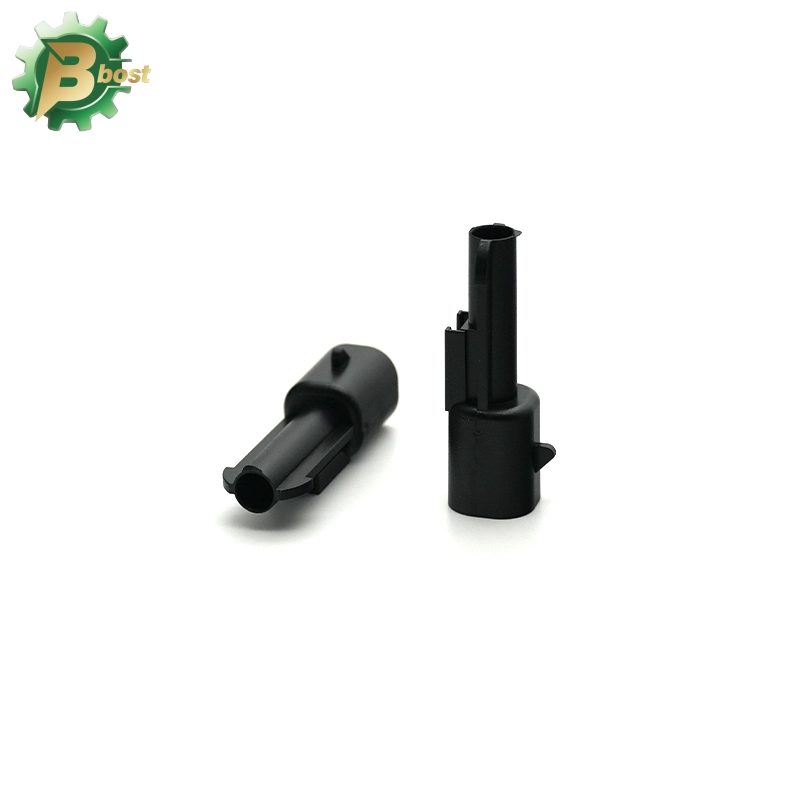
Thermal Behavior of ABS Plastic Connectors Explained
Prdoucts Categories
Question you may concern
FAQs
What is the delivery lead time? Do you offer global logistics?
Standard products: 5–15 working days; custom modifications: 2–4 weeks. We support global air/sea freight and provide export customs clearance documents (including REACH/UL certifications).
What is the minimum order quantity (MOQ)? Do you support small-batch trial production?
The MOQ for standard products is ≥100kg. We support small-batch trial production (as low as 20kg) and provide mold testing reports and performance data feedback.
How do I select the appropriate engineering plastic grade for my product?
Selection should be based on parameters such as load conditions (e.g., pressure/friction), temperature range, medium contact (e.g., oil/acid), and regulatory requirements (e.g., FDA/RoHS). Our engineers can provide free material selection consulting and sample testing.
Can Bost customize modified plastics with special properties?
Yes! We offer modification services such as reinforcement, flame retardancy, conductivity, wear resistance, and UV resistance, for example:
• Adding carbon fiber to enhance stiffness
• Reducing the coefficient of friction through PTFE modification
• Customizing food-grade or medical-grade certified materials
What are the core advantages of Bost engineering plastics compared to ordinary plastics?
Bost engineering plastics feature ultra-high mechanical strength, high-temperature resistance (-50°C to 300°C), chemical corrosion resistance, and wear resistance. Compared to ordinary plastics, their service life is extended by 3 to 8 times, making them suitable for replacing metals in harsh environments.
You may also like
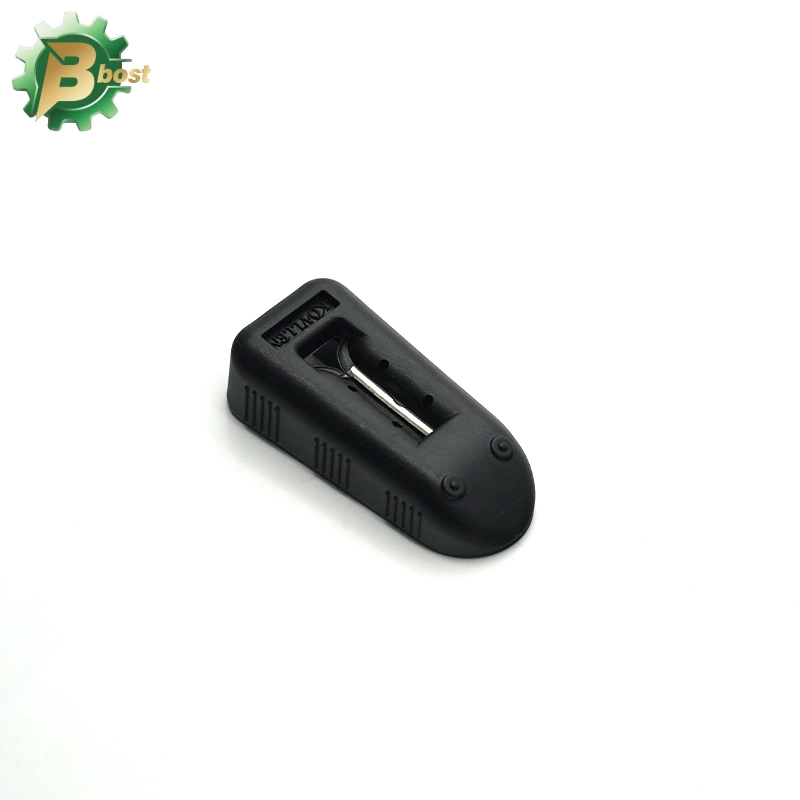
The plastic plug manufactured by Insert molding with stainless steel plate
Bost’s Insert-Molded Stainless Steel Plate Plastic Plug offers superior durability and corrosion resistance. This stainless steel insert durable plastic plug ensures a secure fit and long-lasting performance, ideal for industrial and commercial applications. Robust design meets quality standards.
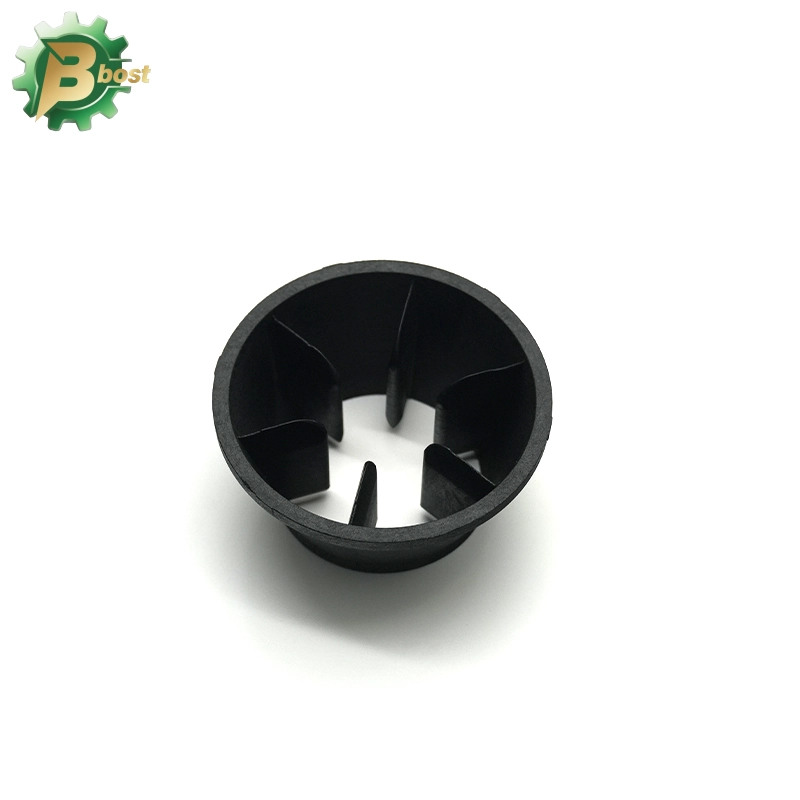
The Bost custom PPO flow valve by injection molding
The BOST Custom PPO Injection-Molded Flow Valve delivers high-temp and corrosion-resistant performance for industrial flow control. Precision-engineered by Bost, this custom PPO valve ensures durable, reliable operation in demanding environments. Optimize your process with BOST’s advanced injection-molded solution.
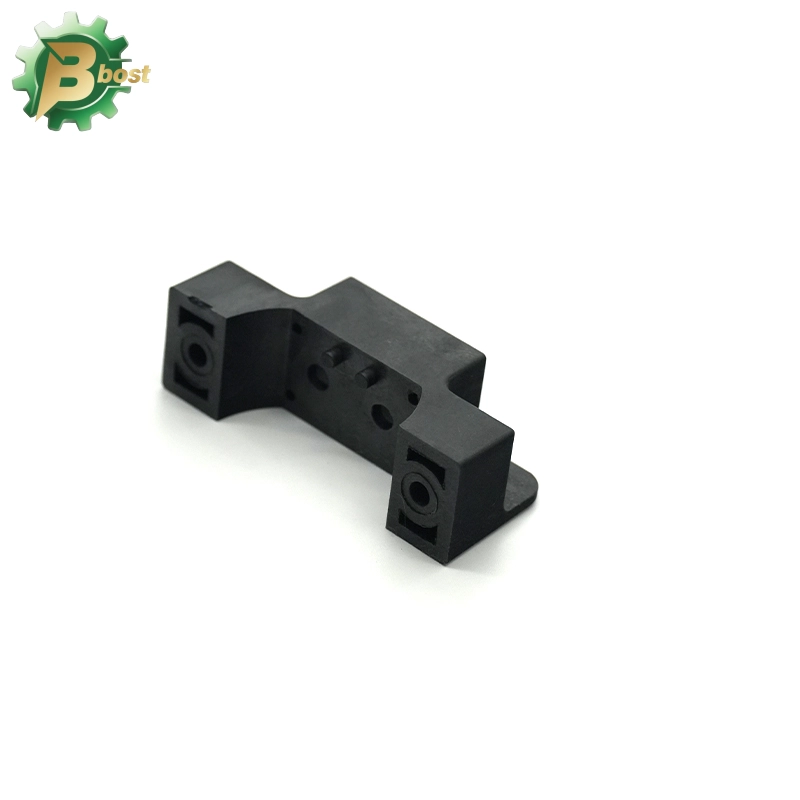
The Bost custom plastic handle by injection molding with high performance PPS material
BOST Custom PPS Injection-Molded Wear-Resistant Handle delivers superior durability and high performance. Made from High Quality PPS material, this injection-molded handle ensures exceptional wear resistance, ideal for demanding applications and long-lasting use. Choose BOST for quality and reliability.
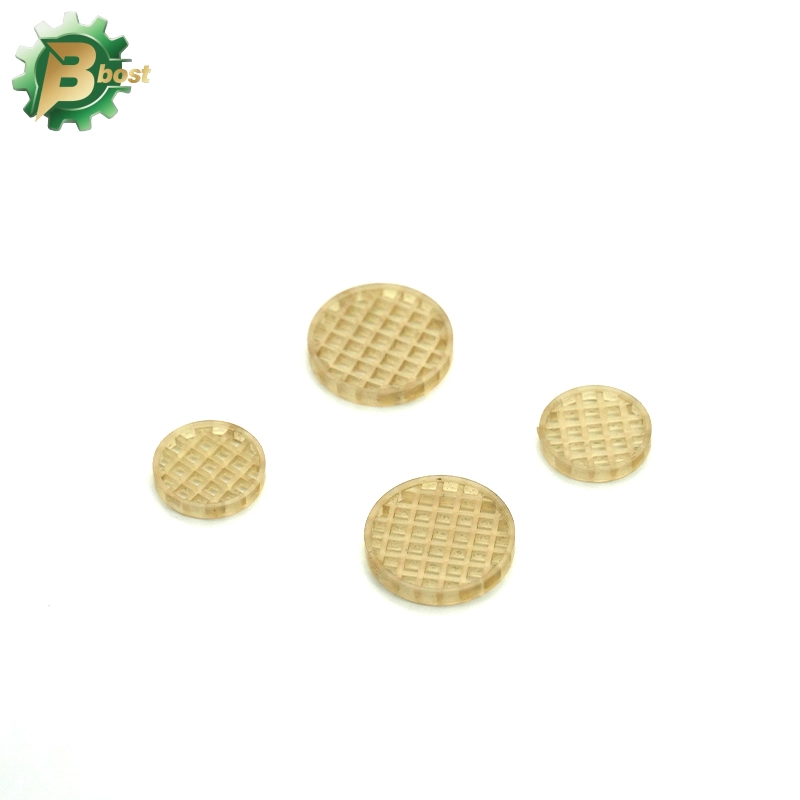
The Bost custom flow meter by injection molding with PES plastic
The Bost Custom PES Injection-Molded Flow Meter offers high-temperature and corrosion resistance, ideal for industrial use. Made with durable PES plastic via precision injection molding, this flow meter ensures reliable, customized performance for demanding applications. Trust Bost for quality and innovation.
Get in touch with Bost
Have any questions or concerns about our products? Please leave us a message here, and our team will get back to you promptly.

24 hours quotes delivered
Submit CAD files, get quote in 24 hours

No MOQ required
From prototyping to high-volume

±0.02 mm Precision
Advanced CNC with full inspections

1,000+ tons in stock
26 materials ready to ship
© 2026 BOST. All Rights Reserved.