
 Scan QR Code
Send My Request
Comparing NBR Buna-Rubber vs Fluoroelastomer Seals for Oil
Tuesday, 01/6/2026
A practical, technical comparison between NBR Buna-rubber and fluoroelastomer seals for oil applications. Covers temperature limits, chemical compatibility, mechanical performance, cost, and application guidance. Highlights Bost Oil Resistance NBR Buna-Rubber Seal Ring as a reliable option for many industrial oil sealing needs.
- Comparing NBR Buna-Rubber vs Fluoroelastomer Seals for Oil
- Why choosing the right rubber seal matters for oil systems
- What are NBR (Buna-N) and Fluoroelastomer (FKM)?
- Key performance factors for rubber seal selection in oil systems
- Direct comparison table: NBR vs Fluoroelastomer for oil seals
- How temperature affects rubber seal performance
- Chemical compatibility and oil resistance
- Mechanical performance in static and dynamic sealing
- Cost tradeoffs and lifecycle economics
- When to choose NBR Buna-rubber seals
- When to choose Fluoroelastomer seals
- Practical compatibility guidance and testing recommendations
- How the Bost Oil Resistance NBR Buna-Rubber Seal Ring fits typical oil applications
- Selection checklist: NBR or FKM for your next seal replacement
- FAQ
- Contact and product call to action
- Authority references and further reading
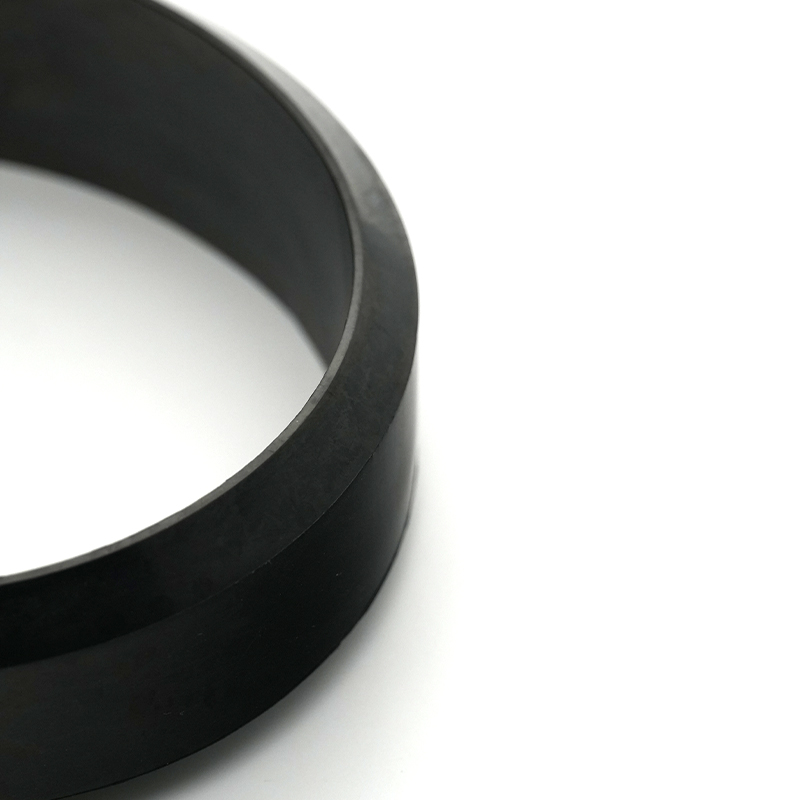
Comparing NBR Buna-Rubber vs Fluoroelastomer Seals for Oil
Why choosing the right rubber seal matters for oil systems
A rubber seal in an oil system must prevent leaks, resist chemical attack, maintain shape under compression, and survive the operating temperature and pressure environment. Choosing the wrong seal material leads to swelling, hardening, embrittlement, increased leakage, downtime, and higher lifecycle costs. This article compares two widely used elastomers for oil seals: nitrile butadiene rubber often called NBR or Buna-N, and fluoroelastomer commonly known by trade names such as Viton or FKM. We assess their performance across the most relevant dimensions for oil service so you can make an informed selection, and introduce the Oil resistance NBR Buna-rubber seal ring from Bost as a practical product solution for many oil sealing applications. Once material differences are clearly understood, the next step is formalizing requirements by learning how to specify oil-resistant rubber seal materials for procurement across suppliers and projects.
What are NBR (Buna-N) and Fluoroelastomer (FKM)?
NBR, or nitrile butadiene rubber, is a copolymer of acrylonitrile and butadiene. It is widely used for fuel and oil resistance because of its hydrocarbon compatibility, good abrasion resistance, and competitive cost. Fluoroelastomers (FKM) are synthetic rubbers with high fluorine content in the polymer backbone. FKM elastomers were developed for superior high temperature and chemical resistance and are often specified where fuels, aggressive oils, and elevated temperatures are present.
Key performance factors for rubber seal selection in oil systems
When selecting a rubber seal for oil service evaluate these core factors
- Temperature range (continuous and intermittent)
- Chemical compatibility with base oils, additives, fuels and contaminants
- Swelling and weight change in service
- Compression set and sealing force retention
- Wear and abrasion resistance under dynamic conditions
- Permeability and gas permeation resistance
- Cost and availability
Direct comparison table: NBR vs Fluoroelastomer for oil seals
The table below summarizes typical comparative performance. Values shown are representative material class ranges. For critical applications always consult supplier certificates and test data for the specific compound and hardness you plan to use.
| Property | NBR Buna-N | Fluoroelastomer FKM |
|---|---|---|
| Typical continuous temperature range | -40°C to +100°C (up to 120°C short term) | -20°C to +200°C (200-250°C short term depending on grade) |
| Compatibility with petroleum oils and fuels | Good to excellent for standard mineral oils and many hydraulic fluids | Excellent across most hydrocarbon oils, fuels, and many aggressive fluids |
| Resistance to polar solvents, ketones, esters | Poor to fair; can swell or degrade | Better; many grades resist these chemicals but not all |
| Compression set and sealing retention | Good in many compounds; moderate compression set at high temp | Generally lower compression set at high temp; better long-term sealing |
| Dynamic wear resistance | Good for general dynamic seals; widely used in rotary and reciprocating seals | Excellent for high temp and aggressive environments; ideal where thermal stability needed |
| Permeability to gases | Higher permeability than FKM | Lower permeability; better for low permeation needs |
| Typical cost | Low to moderate | Higher — High Quality material |
| Common applications | Hydraulic seals, oil seals, O-rings in industrial machinery | High temperature oil pumps, aerospace, chemical processing, aggressive fuels |
How temperature affects rubber seal performance
Temperature is one of the most decisive factors. NBR compounds are economical and perform well at ambient to moderately elevated temperatures, but prolonged exposure above 100°C accelerates hardening and compression set. Fluoroelastomers maintain mechanical integrity and sealing force at much higher temperatures, making them suitable for under-hood automotive, aviation, and process applications where sustained high temperature or thermal cycling occurs.
Chemical compatibility and oil resistance
Both materials resist mineral oils, but fluoroelastomers provide broader chemical compatibility including resistance to many synthetic oils, refrigerants, and aggressive additives. NBR is particularly sensitive to polar solvents, esters, ketones, and some brake fluids which can cause excessive swelling. For systems using standard petroleum-based hydraulic or engine oils, a properly formulated NBR compound offers very good service life at a lower cost. For mixed chemical environments or where additive packages and fuels vary, FKM is often the safer choice.
Mechanical performance in static and dynamic sealing
In static seals (gaskets, flange seals) the primary concerns are compression set and chemical swelling. For dynamic seals (rotary shaft seals, reciprocating pistons) abrasion resistance, modulus, and friction become critical. NBR is a common choice for dynamic oil seals because it provides good abrasion resistance and low friction at lower cost. FKM is preferred in high-temperature dynamic applications or where exposure to aggressive fluids might prematurely degrade NBR.
Cost tradeoffs and lifecycle economics
Initial material cost favors NBR. However, when higher temperatures, aggressive chemicals, or extended service intervals are expected, FKM's higher upfront cost can be justified by longer life, reduced maintenance, and fewer failures. Consider total cost of ownership: installation downtime, labor, and potential equipment damage from seal failure can rapidly outweigh raw material savings.
When to choose NBR Buna-rubber seals
Choose NBR when working with petroleum-based oils, moderate temperatures, and standard hydraulic or lubrication systems where cost-effectiveness is important. NBR is ideal for factory automation, general industrial machinery, many hydraulic systems, and OEM components where operating conditions fall within its performance envelope. The Oil resistance NBR Buna-rubber seal ring from Bost is formulated specifically to offer enhanced oil resistance and long service life in these common industrial settings, delivering dependable leak-proof performance at a competitive price.
When to choose Fluoroelastomer seals
Choose FKM when service temperatures exceed NBR limits, when exposure to synthetic oils, aggressive fuels, solvents, or chemical additives is likely, or when gas permeability must be minimized. FKM seals are common in high-temperature pumps, chemical processing equipment, aerospace applications, and automotive systems exposed to modern fuel blends and high thermal loads.
Practical compatibility guidance and testing recommendations
Material compatibility is compound-specific. A general rule of thumb is to consult compatibility charts and conduct application-specific testing. Recommended steps:
- Identify the exact fluids and additives present in the system and their expected concentration ranges.
- Define operating temperature, pressure, and mechanical motion (static or dynamic).
- Consult manufacturer chemical compatibility data and standards such as ASTM D2000 for compound classification.
- Perform accelerated swell and tensile testing in representative fluids at expected temperatures for the specific elastomer compound and hardness.
- Field trial the selected material on a small scale before fleet-wide replacement.
How the Bost Oil Resistance NBR Buna-Rubber Seal Ring fits typical oil applications
Bost Oil Resistance NBR Buna-Rubber Seal Ring offers superior oil-resistant NBR sealing, ensuring reliable, leak-proof performance in demanding environments. Ideal for industrial applications, this durable seal guarantees long-lasting protection against oil and fluids. For engineers and maintenance managers seeking a balance of performance and cost in petroleum oil systems, Bost NBR seals are a practical choice. Typical advantages include:
- Optimized NBR formulation for improved resistance to common hydraulic and lubricating oils
- Suitable for both static and many dynamic oil sealing tasks
- Cost-effective alternative to High Quality fluoroelastomers where application conditions permit
- Available in a range of hard-nesses and standard seal profiles to match OEM drawings
Selection checklist: NBR or FKM for your next seal replacement
Use this quick checklist when specifying a rubber seal for oil systems:
- Operating temperature: if consistently above 100°C consider FKM
- Fluid type: if synthetic oils, aggressive additives or solvents are present prefer FKM
- Dynamic application: both materials may work, evaluate abrasion and friction specs
- Downtime cost: if failures are extremely costly, invest in the more durable material
- Regulatory or safety constraints: check compatibility with fuels and fluids relevant to your industry
FAQ
Q: Can an NBR rubber seal be used with modern bio-based oils?
A: Bio-based and synthetic ester fluids can interact differently with NBR than mineral oils. Some bio-oils increase swell and reduce lifespan. Always consult compatibility data and perform material tests with the specific bio-oil in question.
Q: Is fluoroelastomer always the safer choice?
A: FKM offers broader chemical and high-temperature resistance but is costlier. For many standard petroleum oil applications NBR is sufficient and more economical. Choose FKM when conditions exceed NBR limits.
Q: What hardness of NBR is best for oil seals?
A: Typical hardness ranges from 60 to 90 Shore A. Softer compounds provide better conformity and sealing at low pressures, while harder compounds resist extrusion and wear in heavy-load applications. Match hardness to pressure, gland design, and motion type.
Q: How should I verify a seal material before full deployment?
A: Conduct laboratory exposure tests for swelling, tensile change, and compression set in the actual fluids and temperatures expected. Follow up with a short field trial under representative operating conditions.
Contact and product call to action
If your application involves petroleum-based oils and you need a cost-effective, reliable rubber seal consider the Oil resistance NBR Buna-rubber seal ring from Bost. For product specifications, material certificates, or to request sample seals and testing data, contact Bost sales or your local distributor. To discuss complex or high-temperature applications and determine whether a fluoroelastomer option is required, reach out to our engineering team for application-specific guidance.
Authority references and further reading
- Wikipedia. Nitrile rubber. https://en.wikipedia.org/wiki/Nitrile_butadiene_rubber
- Wikipedia. Fluoroelastomer. https://en.wikipedia.org/wiki/Fluoroelastomer
- Chemours. Viton brand information. https://www.chemours.com/en/brands/viton
- ASTM International. Standard Classification System for Rubber Products in Automotive Applications D2000. https://www.astm.org/Standards/D2000.htm
- Parker Hannifin. O-Ring Handbook and material guidance. https://www.parker.com/literature/Seals%20Division%20Europe%20Middle%20East%20Africa/Parker%20O-Ring%20Handbook.pdf
- MatWeb. Material group search pages for Nitrile Rubber and Fluoroelastomer. https://www.matweb.com/search/MaterialGroupSearch.aspx?MaterialGroup=Nitrile%20Rubber and https://www.matweb.com/search/MaterialGroupSearch.aspx?MaterialGroup=Fluoroelastomer
For specific product inquiries, technical data sheets, or compatibility assistance, please contact Bost sales or your authorized distributor. Our technical team can help you evaluate whether the Oil resistance NBR Buna-rubber seal ring meets your system requirements or if a fluoroelastomer solution is recommended.
Tags
customized injection molded plastic parts
customized injection molded plastic parts
plastic injection molded parts
plastic injection molded parts
Self-Lubricating Load-Bearing
Self-Lubricating Load-Bearing
Tough & Tight-Bonded Components
Tough & Tight-Bonded Components
plastic car parts
plastic car parts
Durable chemical-resistant
Durable chemical-resistant
Recommended for you
Top 10 manufacturers of engineered plastic components
Selecting Surface Finish and Coating for Black POM Spacers
Selecting Fluoroplastic PVDF Covers: Material and Spec Checklist
Cost Estimation for PVC Injection Molded Parts: Practical Guide for Manufacturers
Prdoucts Categories
Question you may concern
FAQs
How do I select the appropriate engineering plastic grade for my product?
Selection should be based on parameters such as load conditions (e.g., pressure/friction), temperature range, medium contact (e.g., oil/acid), and regulatory requirements (e.g., FDA/RoHS). Our engineers can provide free material selection consulting and sample testing.
What is the minimum order quantity (MOQ)? Do you support small-batch trial production?
The MOQ for standard products is ≥100kg. We support small-batch trial production (as low as 20kg) and provide mold testing reports and performance data feedback.
What is the delivery lead time? Do you offer global logistics?
Standard products: 5–15 working days; custom modifications: 2–4 weeks. We support global air/sea freight and provide export customs clearance documents (including REACH/UL certifications).
What are the core advantages of Bost engineering plastics compared to ordinary plastics?
Bost engineering plastics feature ultra-high mechanical strength, high-temperature resistance (-50°C to 300°C), chemical corrosion resistance, and wear resistance. Compared to ordinary plastics, their service life is extended by 3 to 8 times, making them suitable for replacing metals in harsh environments.
Can Bost customize modified plastics with special properties?
Yes! We offer modification services such as reinforcement, flame retardancy, conductivity, wear resistance, and UV resistance, for example:
• Adding carbon fiber to enhance stiffness
• Reducing the coefficient of friction through PTFE modification
• Customizing food-grade or medical-grade certified materials
You may also like
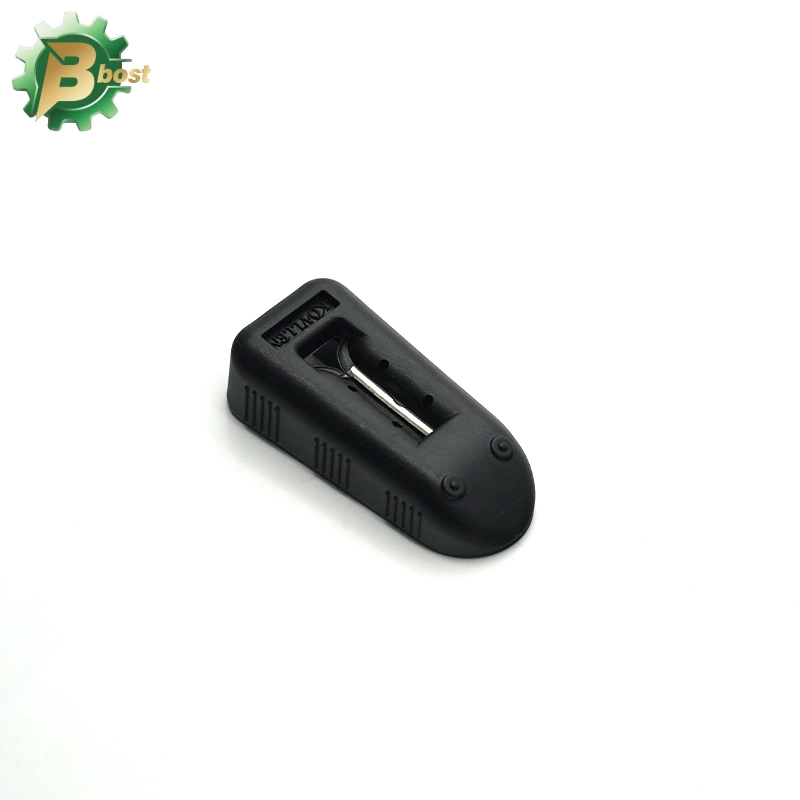
The plastic plug manufactured by Insert molding with stainless steel plate
Bost’s Insert-Molded Stainless Steel Plate Plastic Plug offers superior durability and corrosion resistance. This stainless steel insert durable plastic plug ensures a secure fit and long-lasting performance, ideal for industrial and commercial applications. Robust design meets quality standards.
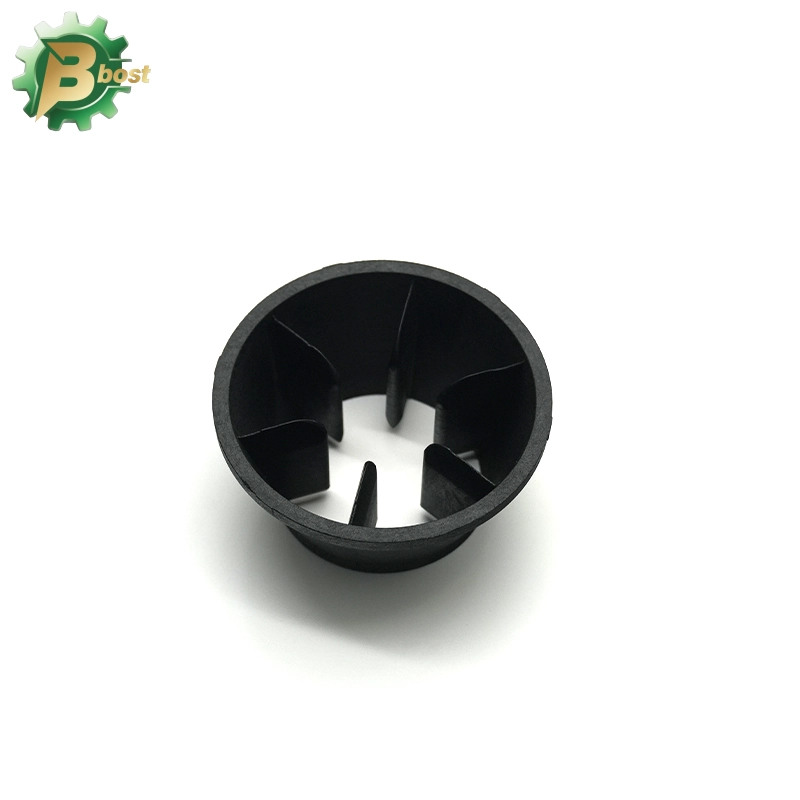
The Bost custom PPO flow valve by injection molding
The BOST Custom PPO Injection-Molded Flow Valve delivers high-temp and corrosion-resistant performance for industrial flow control. Precision-engineered by Bost, this custom PPO valve ensures durable, reliable operation in demanding environments. Optimize your process with BOST’s advanced injection-molded solution.
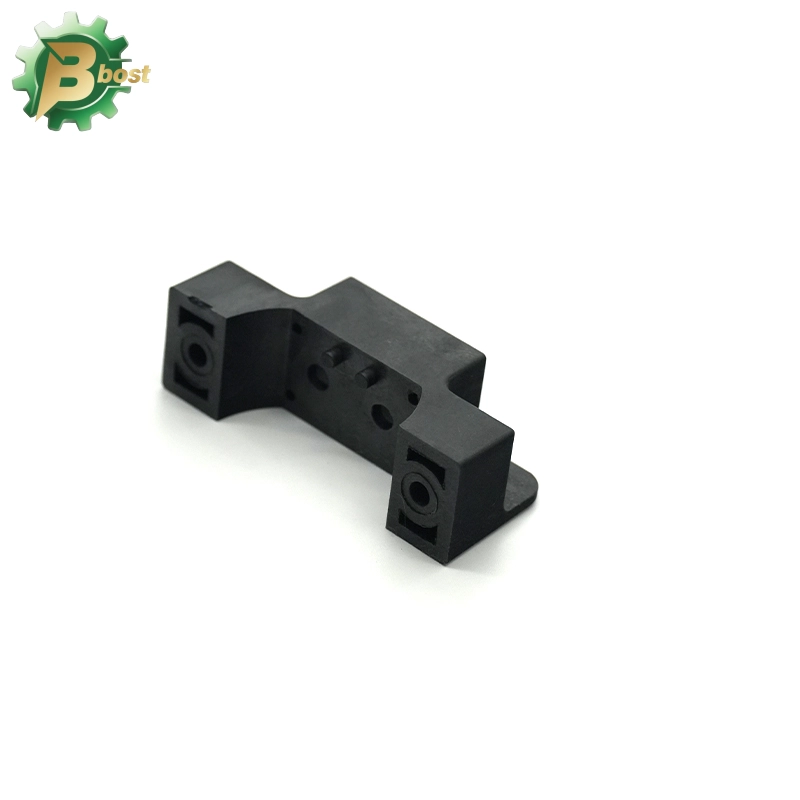
The Bost custom plastic handle by injection molding with high performance PPS material
BOST Custom PPS Injection-Molded Wear-Resistant Handle delivers superior durability and high performance. Made from High Quality PPS material, this injection-molded handle ensures exceptional wear resistance, ideal for demanding applications and long-lasting use. Choose BOST for quality and reliability.
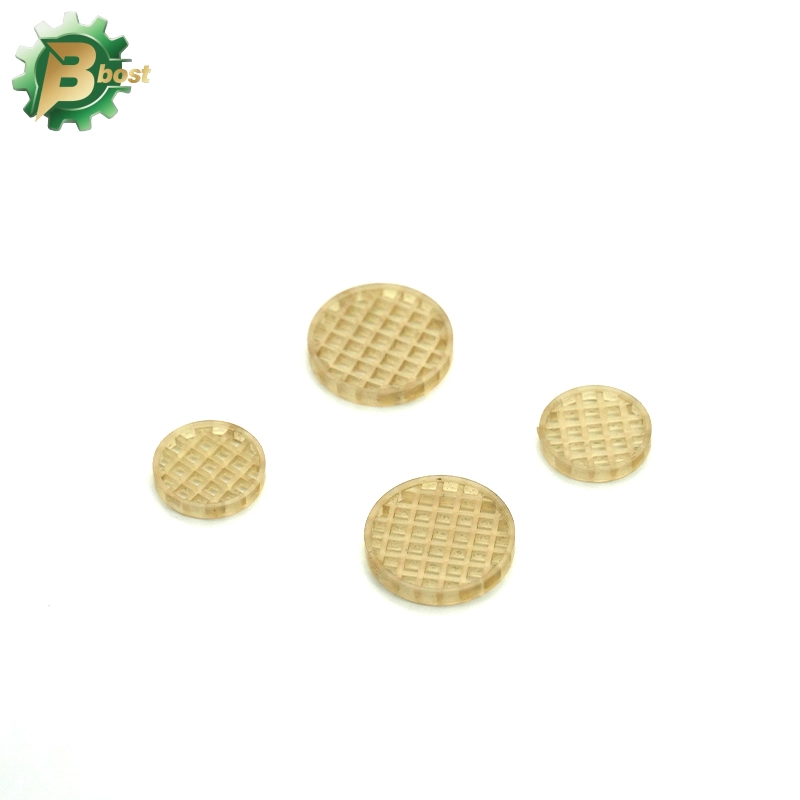
The Bost custom flow meter by injection molding with PES plastic
The Bost Custom PES Injection-Molded Flow Meter offers high-temperature and corrosion resistance, ideal for industrial use. Made with durable PES plastic via precision injection molding, this flow meter ensures reliable, customized performance for demanding applications. Trust Bost for quality and innovation.
Get in touch with Bost
Have any questions or concerns about our products? Please leave us a message here, and our team will get back to you promptly.

24 hours quotes delivered
Submit CAD files, get quote in 24 hours

No MOQ required
From prototyping to high-volume

±0.02 mm Precision
Advanced CNC with full inspections

1,000+ tons in stock
26 materials ready to ship
© 2026 BOST. All Rights Reserved.