
 Scan QR Code
Send My Request
Reducing Downtime: Durable Oil-Resistant NBR Seal Ring Choices
Wednesday, 01/7/2026
This article explains how choosing durable oil-resistant NBR (Buna) rubber seal rings reduces equipment downtime. It covers NBR material properties, selection criteria, installation and maintenance best practices, standards and testing, comparison with other elastomers, and product advantages of Bost Oil Resistance NBR Buna-Rubber Seal Ring.
- Reducing Downtime: Durable Oil-Resistant NBR Seal Ring Choices
- Why downtime reduction matters — and how a proper rubber seal helps
- Understanding NBR (nitrile butadiene rubber) and its relevance to rubber seal performance
- Product spotlight: Oil resistance NBR Buna-rubber seal ring (Bost)
- Key selection factors for the right rubber seal to reduce downtime
- Practical checklist for engineers
- Installation and maintenance best practices to maximize seal life
- Testing, standards, and quality assurance that reduce surprises
- Recommended tests and what they reveal
- Comparison: NBR vs. other elastomers for oil sealing (quick reference)
- Common failure modes for rubber seals and how to mitigate them
- Case examples: Where oil-resistant NBR rubber seal rings reduce downtime
- Why Bost Oil Resistance NBR Buna-Rubber Seal Ring helps you reduce downtime
- Implementation roadmap — from specification to field reliability
- Metrics to track
- Frequently Asked Questions (FAQ)
- Q1: What makes NBR better than other elastomers for oil seals?
- Q2: How long can I expect an Oil resistance NBR Buna-rubber seal ring to last?
- Q3: Can I use NBR seals with synthetic oils or bio-based lubricants?
- Q4: What hardness should I choose for my rubber seal?
- Q5: How does Bost ensure consistency in Oil resistance NBR Buna-rubber seal ring production?
- Contact and view product
- References and authoritative sources
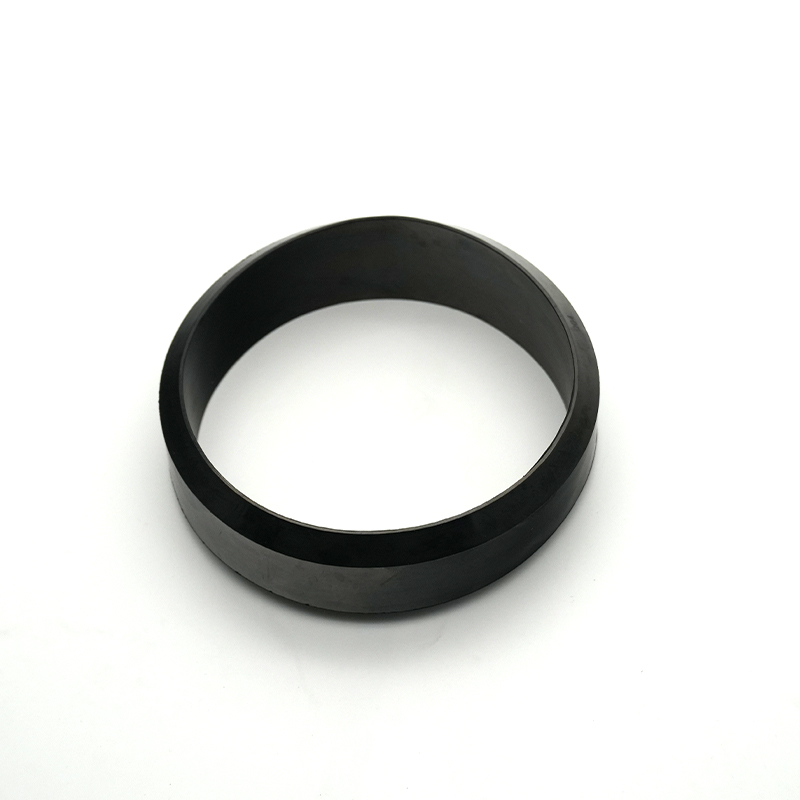
Reducing Downtime: Durable Oil-Resistant NBR Seal Ring Choices
Why downtime reduction matters — and how a proper rubber seal helps
Unplanned downtime from leaks or seal failures leads to lost production, increased maintenance costs, safety risks, and environmental liabilities. Choosing the right rubber seal and maintaining it correctly are among the most cost-effective measures to reduce these risks. An oil-resistant NBR rubber seal — such as the Oil resistance NBR Buna-rubber seal ring — offers a combination of oil tolerance, mechanical resilience, and economy that is ideal for many industrial sealing applications. This article provides practical guidance to choose, install, test and maintain NBR seal rings to minimize downtime in real-world systems. Durability improvements should always be evaluated financially, making a cost-benefit analysis of NBR Buna-rubber seal rings for industry essential for long-term maintenance planning.
Understanding NBR (nitrile butadiene rubber) and its relevance to rubber seal performance
NBR (nitrile butadiene rubber), commonly called Buna-N or just nitrile, was developed for improved resistance to petroleum-based oils and fuels. Key material properties that matter for a rubber seal are oil resistance, tensile strength, abrasion resistance, compression set, and operating temperature range. NBR typically offers excellent compatibility with mineral oils and many hydraulic fluids, good mechanical strength, and cost-effectiveness versus higher-performance fluoroelastomers. When a system's predominant exposure is oils or lubricants, an oil-resistant NBR rubber seal ring is often the logical first choice.
Product spotlight: Oil resistance NBR Buna-rubber seal ring (Bost)
Bost Oil Resistance NBR Buna-Rubber Seal Ring offers superior oil-resistant NBR sealing, ensuring reliable, leak-proof performance in demanding environments. Ideal for industrial applications, this durable seal guarantees long-lasting protection against oil and fluids. Typical product advantages include precise dimensional tolerances, consistent hardness (Shore A options), and quality-controlled compound formulation that balances oil resistance with mechanical durability. Choosing a branded solution like Bost helps ensure batch-to-batch consistency — a critical factor in preventing premature failures and reducing downtime.
Key selection factors for the right rubber seal to reduce downtime
Selecting the correct oil-resistant rubber seal ring requires assessing several technical and operational variables. Consider the following selection criteria to improve service life and reduce unplanned stops:
- Fluid compatibility: Verify NBR compatibility with system oils, additives, and possible contaminants.
- Temperature range: Confirm operating temperature does not exceed NBR limits (typically -40°C to +100°C depending on compound).
- Hardness (Shore A): Hardness influences sealing force and wear; common ranges for NBR seals are 60–90 Shore A.
- Dynamic vs. static application: Dynamic seals (e.g., shaft seals, piston seals) require low friction, good abrasion resistance and optimized extrusion resistance.
- Pressure and extrusion gap: For high pressure, choose designs and materials with proper backup rings or higher hardness to avoid extrusion.
- Geometry and tolerances: Correct ring cross-section, groove dimensions and surface finish minimize bead formation and leakage.
- Regulatory/environmental considerations: Use compounds that meet required approvals if used in food, pharma, or environmentally restricted zones.
Practical checklist for engineers
Before finalizing a rubber seal selection, run a checklist: confirm OEM specifications, test material samples against actual fluids where practical, verify groove dimensions, review operating cycles, and confirm spare-part availability. This proactive approach prevents common specification errors that cause early failures and downtime.
Installation and maintenance best practices to maximize seal life
Even the best oil-resistant rubber seal will fail prematurely if installed or maintained poorly. Follow these best practices to lengthen service intervals and reduce downtime:
- Cleanliness: Keep mating surfaces and grooves free of grit, swarf, and contaminants during assembly.
- Lubrication during assembly: Use a compatible assembly lubricant to reduce friction and installation damage to the seal lip.
- Proper tools and techniques: Avoid sharp edges and use dedicated tools to prevent nicks or overstretching the seal ring.
- Torque and alignment control: Ensure correct torque on fasteners and precise alignment to prevent uneven loading.
- Scheduled inspections: Visual checks for extrusion, hardening, swelling, or surface cracking help detect issues while downtime is planned rather than unplanned.
- Spare parts strategy: Stock critical sizes and hardnesses of Oil resistance NBR Buna-rubber seal ring to reduce repair lead time.
Testing, standards, and quality assurance that reduce surprises
Specifying seals that meet recognized testing standards reduces the variance that causes surprises in service. Relevant standards and tests include tensile strength, elongation at break, compression set (ASTM D395), hardness (ASTM D2240), and specific fluid compatibility tests. For hydraulic seals, ISO and DIN standards provide dimensional and performance guidance. Choosing vendors who perform batch-level testing and can provide material data sheets (MDS) and certificate of conformity is essential for repeatable performance.
Recommended tests and what they reveal
- Compression set: Indicates permanent deformation risk; lower values mean better long-term sealing under static compression.
- Swelling in oil: Quantifies volume change when exposed to oils — excessive swelling may cause extrusion or interference.
- Tensile and elongation tests: Show resistance to mechanical stresses and capability to endure dynamic movement.
- Hardness testing: Confirms Shore A that affects sealing force and wear behavior.
Comparison: NBR vs. other elastomers for oil sealing (quick reference)
Choosing the wrong elastomer can cause unnecessary downtime. The table below compares common sealing elastomers to help selection decisions. When the system primarily encounters petroleum oils and moderate temperatures, NBR usually provides the best value.
| Property | NBR (Buna-N) | FKM (Viton) | EPDM | Silicone |
|---|---|---|---|---|
| Oil resistance | Excellent (mineral oils) | Excellent (wider chemical and high temp resistance) | Poor (swells in oils) | Poor (not suitable for oils) |
| Temperature range | -40°C to +100°C | -20°C to +200°C | -50°C to +150°C | -60°C to +180°C |
| Cost | Low–Moderate | High | Moderate | Moderate–High |
| Dynamic performance | Good (with right compound) | Good | Good | Excellent for low friction |
| Best use case | Hydraulics, engines, oil-exposed seals | High-temp or aggressive chemicals | Steam, hot water, weather seals | Low-temp, food-grade masks |
Common failure modes for rubber seals and how to mitigate them
Understanding typical failure modes helps plan mitigation measures that lower downtime risk:
- Extrusion: Use backup rings or stiffer materials/higher hardness if extrusion into gaps is observed.
- Abrasion: Improve surface finish or select a compound with enhanced tear and abrasion resistance.
- Hardening/ozone cracking: Avoid prolonged exposure to high temperatures and ozone; select protected compounds if necessary.
- Chemical swelling: Confirm oil/additive compatibility; switch to more resistant elastomer if unacceptable swelling occurs.
- Installation damage: Train technicians and standardize assembly practices; use assembly lubricants and protective tools.
Case examples: Where oil-resistant NBR rubber seal rings reduce downtime
1) Hydraulic cylinder overhaul — Replacing worn generic seals with precision Oil resistance NBR Buna-rubber seal rings saved a mining operation from repeated cylinder rebuilds. The controlled compound and correct hardness reduced extrusion and extended service intervals by 40%.
2) Rotary shaft seals in conveyor gearboxes — Upgrading to NBR seals with optimized lip geometry reduced oil leakage and eliminated frequent top-ups and emergency stops.
3) Compressor oil seals — Specifying NBR seals with appropriate swelling characteristics prevented contamination of process streams, reducing both repair time and environmental clean-up episodes.
These examples demonstrate that material selection, dimension control, and fit-for-purpose design are decisive for reducing downtime.
Why Bost Oil Resistance NBR Buna-Rubber Seal Ring helps you reduce downtime
When selecting components that directly affect uptime, supplier quality and consistency count. Bost’s Oil Resistance NBR Buna-Rubber Seal Ring offers:
- Proven oil-compatible NBR compound formulated for hydraulic and lubrication environments.
- Consistent hardness and dimensional tolerances to ensure reliable installation and performance.
- Batch testing and material data availability to support traceability and QA processes.
- Multiple sizes and cross-sections to match both dynamic and static sealing needs, reducing the need for custom lead times.
These features translate into fewer emergency repairs, longer planned maintenance intervals, and lower total cost of ownership.
Implementation roadmap — from specification to field reliability
Follow this practical roadmap to convert specification into measurable uptime improvement:
1) Audit current failure modes and collect seal history. 2) Match system fluids and operating parameters to NBR compound data. 3) Trial Bost Oil Resistance NBR Buna-rubber seal ring on representative machines. 4) Measure leakage rates, maintenance frequency, and downtime before and after. 5) Scale rollout and update spares policy. Continuous monitoring closes the loop and justifies the change with hard data.
Metrics to track
Track mean time between failures (MTBF), seal replacement frequency, leakage incidents per month, and maintenance labor hours. Improvements in these KPIs demonstrate ROI and support ongoing procurement decisions.
Frequently Asked Questions (FAQ)
Q1: What makes NBR better than other elastomers for oil seals?
A1: NBR provides a strong balance of oil resistance, mechanical strength, and cost-effectiveness for mineral oil and common hydraulic fluids. For many oil-exposed applications it offers the best value, though FKM may be chosen for higher temperatures or aggressive chemicals.
Q2: How long can I expect an Oil resistance NBR Buna-rubber seal ring to last?
A2: Service life depends on operating temperature, pressure cycles, fluid compatibility, and installation quality. With proper selection and maintenance, NBR seals commonly last several years in moderate industrial environments. Regular inspection and correct spares management are crucial for predictable life expectancy.
Q3: Can I use NBR seals with synthetic oils or bio-based lubricants?
A3: Compatibility varies. Some synthetic and bio-based fluids can cause different swelling behavior in NBR. Always verify with compatibility charts or test cut samples in the actual fluid before large-scale adoption.
Q4: What hardness should I choose for my rubber seal?
A4: Typical ranges for NBR are 60–90 Shore A. Lower hardness seals conform better and seal static joints; higher hardness resists extrusion at pressure. Match hardness to application geometry, pressure and dynamic requirements.
Q5: How does Bost ensure consistency in Oil resistance NBR Buna-rubber seal ring production?
A5: Bost adheres to material control, batch testing, and dimensional inspection. Certificates of conformity, material data sheets, and established QA processes ensure consistent mechanical and compatibility characteristics across production lots.
Contact and view product
If you want to reduce downtime and ensure reliable oil sealing in your equipment, contact our technical sales team or view the Oil resistance NBR Buna-rubber seal ring product page for detailed specifications and available sizes. Our engineers can help select the correct compound, hardness and cross-section for your application and arrange sample testing.
References and authoritative sources
The following sources were referenced for material properties, testing standards and elastomer comparisons:
- Overview of nitrile rubber (NBR) — Wikipedia: https://en.wikipedia.org/wiki/Nitrile_butyl_rubber
- ASTM D395 — Rubber Property—Compression Set: https://www.astm.org/Standards/D395.htm
- ASTM D2240 — Rubber Property—Durometer Hardness: https://www.astm.org/Standards/D2240.htm
- ISO standards for seals and O-rings (general reference): https://www.iso.org/ics/23.040.40/x/
- Guide to elastomer selection for seals — industry https://www.engineerlive.com/content/guide-elastomer-selection-seals (example industry resource)
For further technical assistance or to request samples and pricing, please contact our sales team through the product page or client service channels.
Tags
Dimensional-Stable Adaptation
Dimensional-Stable Adaptation
Insulating Adaptation
Insulating Adaptation
plastic injection molding
plastic injection molding
plastic car parts
plastic car parts
High-strength Nylon stick
High-strength Nylon stick
NBR material seal
NBR material seal
Recommended for you
Overmolding and Insert Molding Techniques for Plastics
Plastic Bushing Materials Explained: Why Choose PE?
How Plastic Bushings Improve Noise and Vibration Control
Quality Inspection Checklist for ABS Plastic Connectors
Prdoucts Categories
Question you may concern
FAQs
What are the core advantages of Bost engineering plastics compared to ordinary plastics?
Bost engineering plastics feature ultra-high mechanical strength, high-temperature resistance (-50°C to 300°C), chemical corrosion resistance, and wear resistance. Compared to ordinary plastics, their service life is extended by 3 to 8 times, making them suitable for replacing metals in harsh environments.
Can Bost customize modified plastics with special properties?
Yes! We offer modification services such as reinforcement, flame retardancy, conductivity, wear resistance, and UV resistance, for example:
• Adding carbon fiber to enhance stiffness
• Reducing the coefficient of friction through PTFE modification
• Customizing food-grade or medical-grade certified materials
What is the minimum order quantity (MOQ)? Do you support small-batch trial production?
The MOQ for standard products is ≥100kg. We support small-batch trial production (as low as 20kg) and provide mold testing reports and performance data feedback.
What is the delivery lead time? Do you offer global logistics?
Standard products: 5–15 working days; custom modifications: 2–4 weeks. We support global air/sea freight and provide export customs clearance documents (including REACH/UL certifications).
How do I select the appropriate engineering plastic grade for my product?
Selection should be based on parameters such as load conditions (e.g., pressure/friction), temperature range, medium contact (e.g., oil/acid), and regulatory requirements (e.g., FDA/RoHS). Our engineers can provide free material selection consulting and sample testing.
You may also like
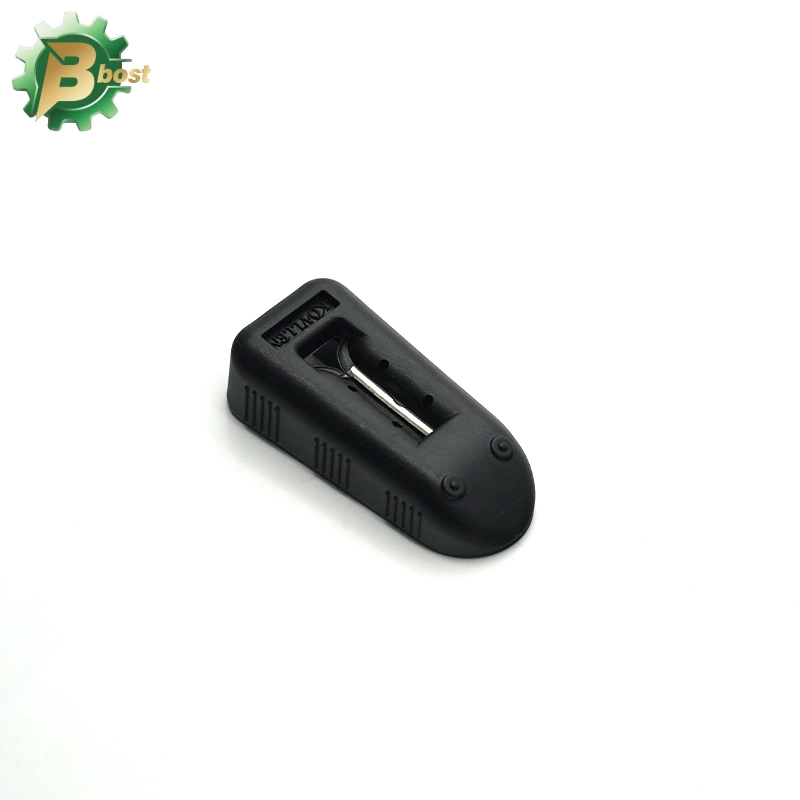
The plastic plug manufactured by Insert molding with stainless steel plate
Bost’s Insert-Molded Stainless Steel Plate Plastic Plug offers superior durability and corrosion resistance. This stainless steel insert durable plastic plug ensures a secure fit and long-lasting performance, ideal for industrial and commercial applications. Robust design meets quality standards.
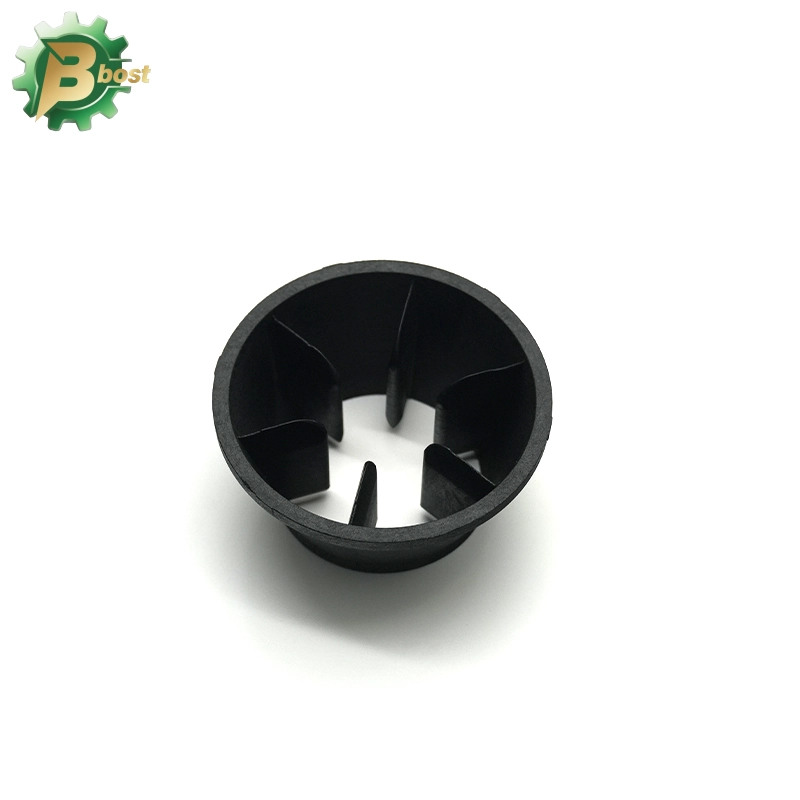
The Bost custom PPO flow valve by injection molding
The BOST Custom PPO Injection-Molded Flow Valve delivers high-temp and corrosion-resistant performance for industrial flow control. Precision-engineered by Bost, this custom PPO valve ensures durable, reliable operation in demanding environments. Optimize your process with BOST’s advanced injection-molded solution.
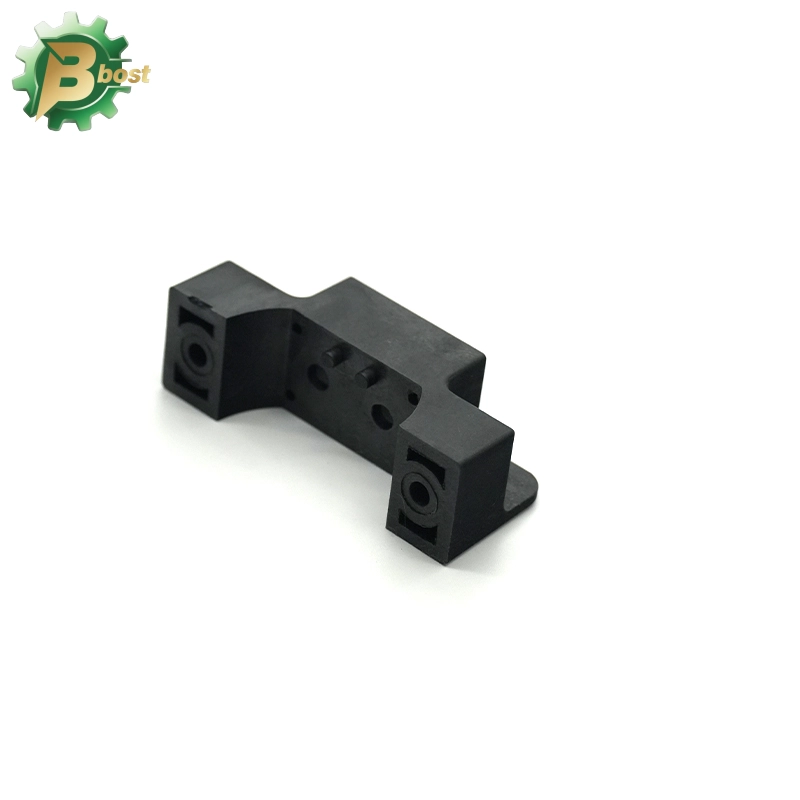
The Bost custom plastic handle by injection molding with high performance PPS material
BOST Custom PPS Injection-Molded Wear-Resistant Handle delivers superior durability and high performance. Made from High Quality PPS material, this injection-molded handle ensures exceptional wear resistance, ideal for demanding applications and long-lasting use. Choose BOST for quality and reliability.
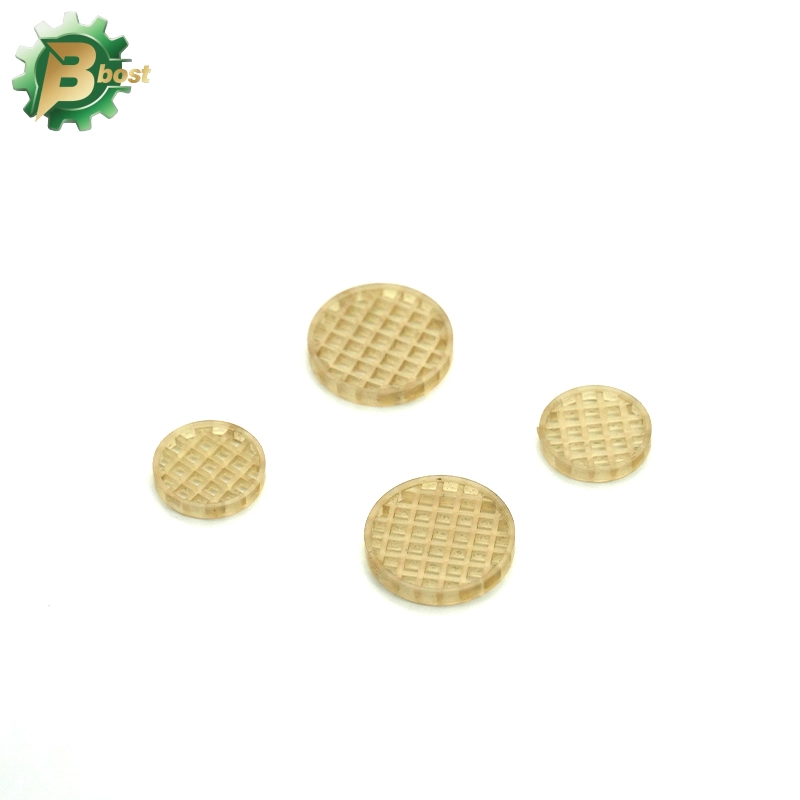
The Bost custom flow meter by injection molding with PES plastic
The Bost Custom PES Injection-Molded Flow Meter offers high-temperature and corrosion resistance, ideal for industrial use. Made with durable PES plastic via precision injection molding, this flow meter ensures reliable, customized performance for demanding applications. Trust Bost for quality and innovation.
Get in touch with Bost
Have any questions or concerns about our products? Please leave us a message here, and our team will get back to you promptly.

24 hours quotes delivered
Submit CAD files, get quote in 24 hours

No MOQ required
From prototyping to high-volume

±0.02 mm Precision
Advanced CNC with full inspections

1,000+ tons in stock
26 materials ready to ship
© 2026 BOST. All Rights Reserved.