 Scan QR Code
Send My Request
Optimizing Connector Design for Automated Assembly
Saturday, 03/7/2026
Optimizing connector design for automated assembly requires harmonizing geometry, materials, and testing to ensure reliable, repeatable placement and long-term outdoor performance. This article explains how to design plastic connectors—focusing on Black and UV-Resistant ABS plastic connector solutions—to reduce cycle time, improve first-pass yield, and withstand harsh environments.
- Designing Connector Geometry for Reliable Automated Insertion
- Design for automated insertion: lead-ins, chamfers, and alignment features
- Tolerances, repeatability, and snap-fit vs. threaded solutions
- Material Selection and UV Resistance for Outdoor Plastic Connectors
- Why choose Black UV-resistant ABS for outdoor connectors?
- Additives, grades, and accelerated aging standards
- Configuring Connector Features for High-Throughput Production
- Pick-and-place and robotic handling considerations
- Vision, fiducials, and orientation features
- Testing, Quality Control, and Lifecycle Assurance
- Accelerated environmental testing and standards
- End-of-line testing, traceability, and incoming inspection
- Comparative material performance (quick reference)
- Practical Design Patterns and Case Studies
- Case study: reducing assembly time with geometry optimization
- Design checklist for plastic connectors in automated lines
- About the Bost Black UV-Resistant ABS Outdoor Connector
- FAQ — Optimizing Plastic Connectors for Automated Assembly
- Q: Why choose a black UV-resistant ABS connector over other plastics?
- Q: What are the most common causes of failure when automating connector assembly?
- Q: How do I validate a connector for outdoor use?
- Q: Can snap-fit plastic connectors be reliably used in fully automated lines?
- Q: Where can I find standards for testing and validation?
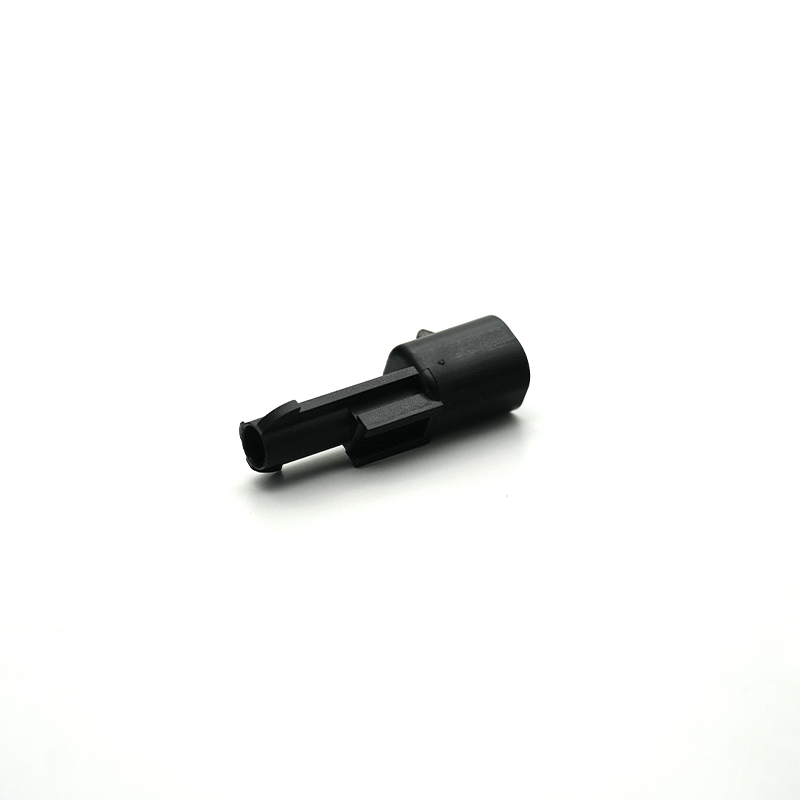
Automated assembly environments demand connectors that are predictable to handle, tolerant to process variation, and durable in application. Plastic connectors designed for robotic insertion and outdoor use—such as the Bost Black UV-Resistant ABS Outdoor Connector—must balance precision geometry, material selection, and robust testing. Below are engineering-driven recommendations, practical design patterns, and verification strategies to optimize plastic connectors for high-throughput automated assembly while ensuring long-term weather resistance.
Designing Connector Geometry for Reliable Automated Insertion
Design for automated insertion: lead-ins, chamfers, and alignment features
Automated pick-and-place or robotic insertion systems require parts with predictable approach geometry. Incorporate generous lead-ins and chamfers on mating faces so the connector tolerates small misalignments during insertion. For plastic connectors, a 15–30° chamfer on insertion edges and a 0.2–0.5 mm lead-in radius on mating features often reduces jamming and reduces cycle time. Integrate positive alignment features (keys, tapered pins, alignment ribs) that guide the connector into its mating seat within the first 1–2 mm of travel—this reduces dependence on vision correction and lowers rejection rates on the line.
Tolerances, repeatability, and snap-fit vs. threaded solutions
Choose connection mechanisms based on intended assembly automation and lifecycle. Snap-fits are fast and well-suited to automated assembly because they eliminate secondary tightening steps. However, snap-fits require controlled tolerances and predictable stiffness of the plastic material to ensure consistent engagement force. Threaded connectors offer reworkability and higher clamping forces but add torque-control steps to the process. For snap-fit plastic connectors, design to a Cpk > 1.33 in dimensions that control engagement force and consider using strain-relief ribs to distribute stress and avoid brittle failure during automated insertion.
Material Selection and UV Resistance for Outdoor Plastic Connectors
Why choose Black UV-resistant ABS for outdoor connectors?
ABS combines good impact resistance, dimensional stability, and cost-efficiency. For outdoor applications, UV-stabilized black ABS extends service life by reducing photodegradation. The Bost Black UV-Resistant ABS Outdoor Connector is specifically compounded with UV absorbers and carbon-black pigmentation to improve weather resistance, minimizing surface chalking and embrittlement that can lead to cracking under mechanical load. Selecting UV-resistant ABS helps ensure connectors maintain dimensional integrity and mating reliability over years of exposure.
Additives, grades, and accelerated aging standards
UV stabilization typically uses hindered amine light stabilizers (HALS), UV absorbers, and carbon black in black formulations. Consider grades that have documented performance in accelerated weathering tests such as ASTM G154 (UV exposure of non-metallic materials) or ASTM D4329. Reference material property tests like tensile (ASTM D638 / ISO 527) and impact (ASTM D256) to confirm retention of mechanical properties after UV exposure. For background on ABS and related material behavior, see the ABS entry on Wikipedia (https://en.wikipedia.org/wiki/Acrylonitrile_butadiene_styrene) and industry resource pages such as PlasticsEurope (https://plasticseurope.org).
Configuring Connector Features for High-Throughput Production
Pick-and-place and robotic handling considerations
Automated feeders and robotic end-effectors interact with the connector surface. Design flat, accessible pick-up zones sized for vacuum nozzles or grippers; typically 6–12 mm diameter for vacuum cups depending on connector mass. Minimize delicate protrusions in pickup areas. Add tooling bosses or sacrificial tabs that can be removed post-assembly if necessary. For bulk feeders, ensure parts are stable in vibratory tracks—flat bases and asymmetric profiles help prevent tumbling or misfeeds.
Vision, fiducials, and orientation features
Integrate high-contrast fiducials or molded features that are easily read by machine vision systems. For black ABS parts, consider surface finish or small matte fiducials to reduce glare and improve detection. Use features with predictable geometry (e.g., 0.5 mm steps or grooves) that camera algorithms can reliably detect and that remain visible even after some surface weathering.
Testing, Quality Control, and Lifecycle Assurance
Accelerated environmental testing and standards
To validate outdoor performance, use a combination of tests: UV weathering (ASTM G154 / ASTM D4329), salt spray for coastal applications (ASTM B117), thermal cycling, and humidity exposure. Design verification should include pre- and post-exposure mechanical testing (e.g., tensile and impact tests per ASTM D638 and ASTM D256 respectively). Reference official standards and test methods to support claims—ASTM provides widely accepted procedures for weathering and mechanical testing (https://www.astm.org/).
End-of-line testing, traceability, and incoming inspection
Implement end-of-line (EOL) checks for critical dimensions and functional tests (e.g., mating force, polarization checks). Use statistical process control (SPC) to monitor dimensional tolerances with regular sampling to maintain Cpk goals. Track each production batch and, where appropriate, apply 2D data matrix codes or QR codes for traceability back to resin lot, stabilizer batch, and molding parameters—important for root cause analysis if field failures occur.
Comparative material performance (quick reference)
| Property | Black UV-Resistant ABS | Standard ABS | PC/ABS Blend |
|---|---|---|---|
| UV resistance (outdoor) | High (with additives) | Low (rapid chalking) | Moderate–High |
| Impact resistance | Good | Good | Very Good |
| Dimensional stability | Good | Good | Very Good |
| Cost | Low–Moderate | Low | Higher |
Use this table when choosing between cost, performance, and long-term UV stability. For guidance on mechanical test methodology, consult ISO/ASTM standards; for example, tensile testing methods are defined in ISO 527 (https://www.iso.org/standard/56001.).
Practical Design Patterns and Case Studies
Case study: reducing assembly time with geometry optimization
A lighting OEM migrating to automated assembly reduced insertion cycle time by 28% after redesigning the plastic connector with a larger lead-in radius, integrated alignment ribs, and vacuum-friendly pick zones. The redesigned black UV-resistant ABS connector also passed ASTM G154 accelerated weathering with less than 10% loss in impact strength, validating both assembly and environmental performance.
Design checklist for plastic connectors in automated lines
- Provide 15–30° chamfers and 0.2–0.5 mm lead-in radii on mating faces.
- Include flat, robust pickup areas sized for vacuum cups/grippers.
- Prefer snap-fits for speed; evaluate torque-controlled threaded options where rework is frequent.
- Use UV-stabilized compounds for outdoor use and include carbon black for black parts to reduce photodegradation.
- Design fiducials for machine vision and include alignment keys to reduce dependency on vision corrections.
- Define EOL tests: mating force, dimensional inspection, and batch traceability.
About the Bost Black UV-Resistant ABS Outdoor Connector
The Bost Black UV-Resistant ABS Outdoor Connector offers superior weather resistance and durability. Made from high-quality ABS plastic compounded with UV stabilizers and carbon black, this precision connector ensures reliable performance in harsh outdoor conditions, making it ideal for long-lasting, weatherproof installations. Typical applications include outdoor lighting, signage, solar mounting hardware, and exterior sensor housings where long-term exposure to sunlight, temperature cycling, and moisture is expected.
Recommended specification highlights:
- Material: UV-stabilized ABS (black)
- Recommended testing: ASTM G154 UV exposure; tensile/impact tests per ASTM D638/ASTM D256
- Design features: chamfered mating faces, molded alignment ribs, vacuum pick zones
- Environmental rating: designed for outdoor use with demonstrated resistance to photodegradation
If you need datasheets, CAD models, or custom tooling advice for integrating the Bost connector into automated assembly, contact our engineering team for component drawings and process guidelines.
FAQ — Optimizing Plastic Connectors for Automated Assembly
Q: Why choose a black UV-resistant ABS connector over other plastics?
A: Black UV-resistant ABS offers a cost-effective balance of impact resistance, dimensional stability, and weather resistance. The black pigment (carbon black) and UV stabilizers reduce photodegradation, extending service life in outdoor applications. For harsher chemical exposure or extreme temperatures, alternative blends (e.g., PC/ABS) may be considered.
Q: What are the most common causes of failure when automating connector assembly?
A: Common causes include insufficient lead-in geometry, poor tolerancing of snap-fit features, inadequate pick zones that cause mispicks, and material embrittlement from UV exposure. Addressing geometry, tolerancing, tooling, and material selection reduces these failure modes.
Q: How do I validate a connector for outdoor use?
A: Use a combination of accelerated UV weathering (ASTM G154), mechanical tests before and after exposure (ASTM D638, ASTM D256), and environment-specific tests such as salt spray (ASTM B117) for coastal installations. Document results and perform field trials where possible.
Q: Can snap-fit plastic connectors be reliably used in fully automated lines?
A: Yes—when designed with controlled tolerances, appropriate material selection, and tested for insertion force variability. Ensure the assembly system is capable of measuring or limiting insertion forces and incorporate end-of-line functional testing.
Q: Where can I find standards for testing and validation?
A: Relevant standards include ASTM (e.g., ASTM G154 for UV exposure, ASTM D638 for tensile testing), ISO (e.g., ISO 527 series for tensile testing), and industry guidance from organizations such as PlasticsEurope. You can review ASTM standards at https://www.astm.org/ and ISO information at https://www.iso.org/.
If you have specific application requirements or need sample testing, contact our team to request product data sheets, accelerated test reports, or custom engineering support. To view the Bost Black UV-Resistant ABS Outdoor Connector or to speak with an application engineer, click here: Contact Sales / View Product.
Tags
custom over molding
custom over molding
High-Temperature Resistant Protection
High-Temperature Resistant Protection
Tube with Screw
Tube with Screw
Wear-Resistant Shaft Protection
Wear-Resistant Shaft Protection
Eco-Friendly Support
Eco-Friendly Support
custom machined parts
custom machined parts
Recommended for you
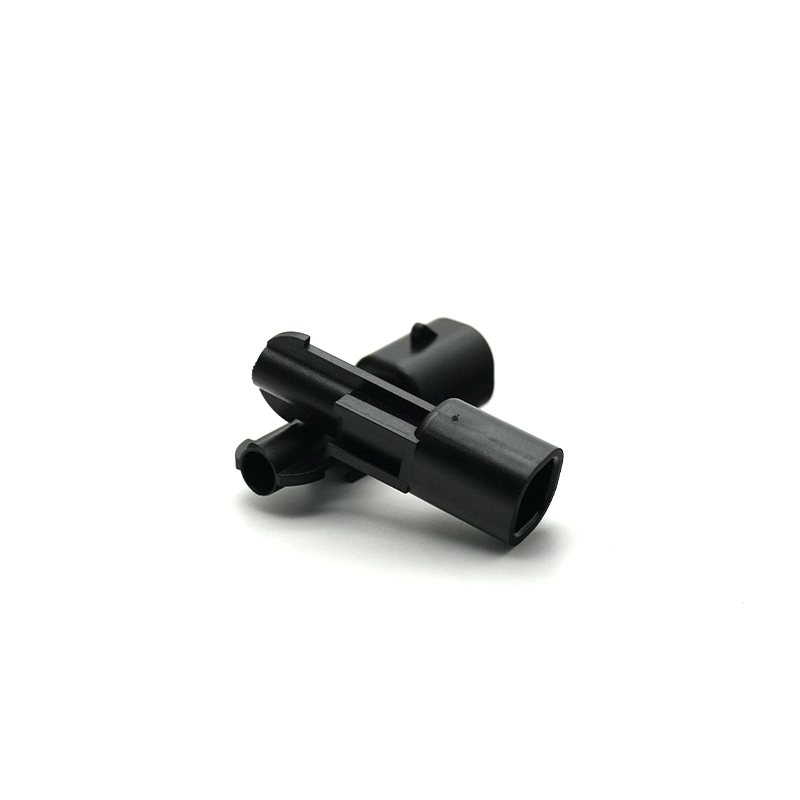
Lifecycle Assessment of Black UV-Resistant ABS Connectors
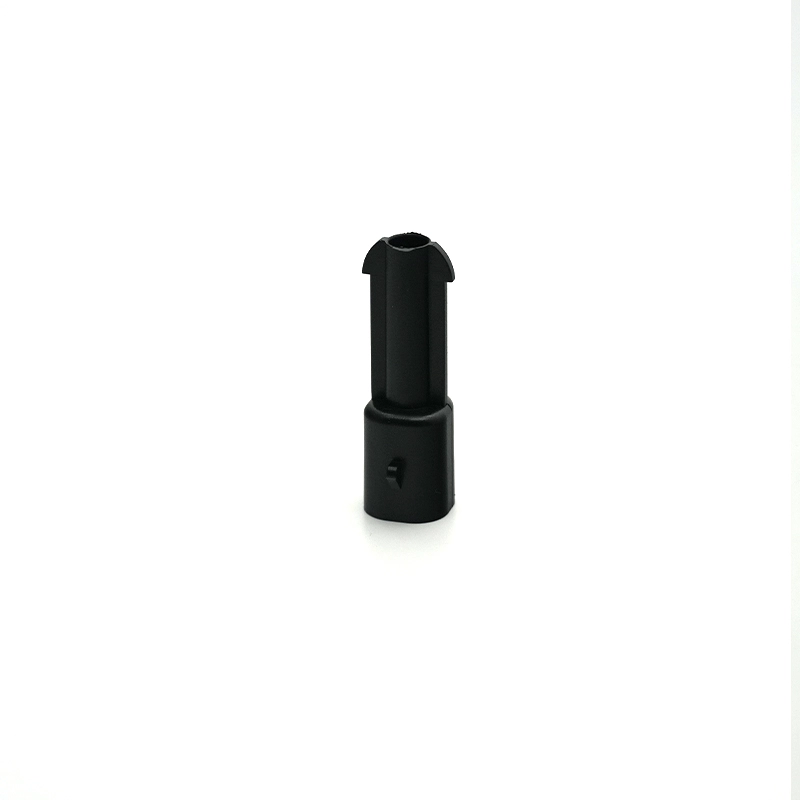
Engineering Plastics: Benefits of Black UV-Resistant ABS Connectors
PEEK Overmolding: Benefits for High-Performance Parts
best high-performance plastics for medical implants 2026
Prdoucts Categories
Question you may concern
FAQs
What is the delivery lead time? Do you offer global logistics?
Standard products: 5–15 working days; custom modifications: 2–4 weeks. We support global air/sea freight and provide export customs clearance documents (including REACH/UL certifications).
What is the minimum order quantity (MOQ)? Do you support small-batch trial production?
The MOQ for standard products is ≥100kg. We support small-batch trial production (as low as 20kg) and provide mold testing reports and performance data feedback.
How do I select the appropriate engineering plastic grade for my product?
Selection should be based on parameters such as load conditions (e.g., pressure/friction), temperature range, medium contact (e.g., oil/acid), and regulatory requirements (e.g., FDA/RoHS). Our engineers can provide free material selection consulting and sample testing.
What are the core advantages of Bost engineering plastics compared to ordinary plastics?
Bost engineering plastics feature ultra-high mechanical strength, high-temperature resistance (-50°C to 300°C), chemical corrosion resistance, and wear resistance. Compared to ordinary plastics, their service life is extended by 3 to 8 times, making them suitable for replacing metals in harsh environments.
Can Bost customize modified plastics with special properties?
Yes! We offer modification services such as reinforcement, flame retardancy, conductivity, wear resistance, and UV resistance, for example:
• Adding carbon fiber to enhance stiffness
• Reducing the coefficient of friction through PTFE modification
• Customizing food-grade or medical-grade certified materials
You may also like
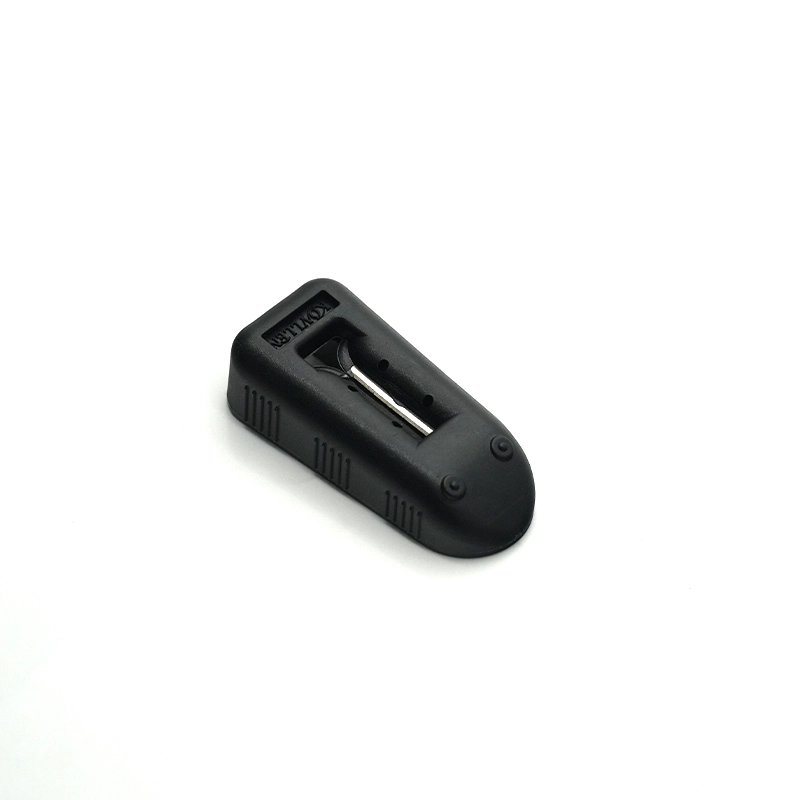
The plastic plug manufactured by Insert molding with stainless steel plate
Bost’s Insert-Molded Stainless Steel Plate Plastic Plug offers superior durability and corrosion resistance. This stainless steel insert durable plastic plug ensures a secure fit and long-lasting performance, ideal for industrial and commercial applications. Robust design meets quality standards.
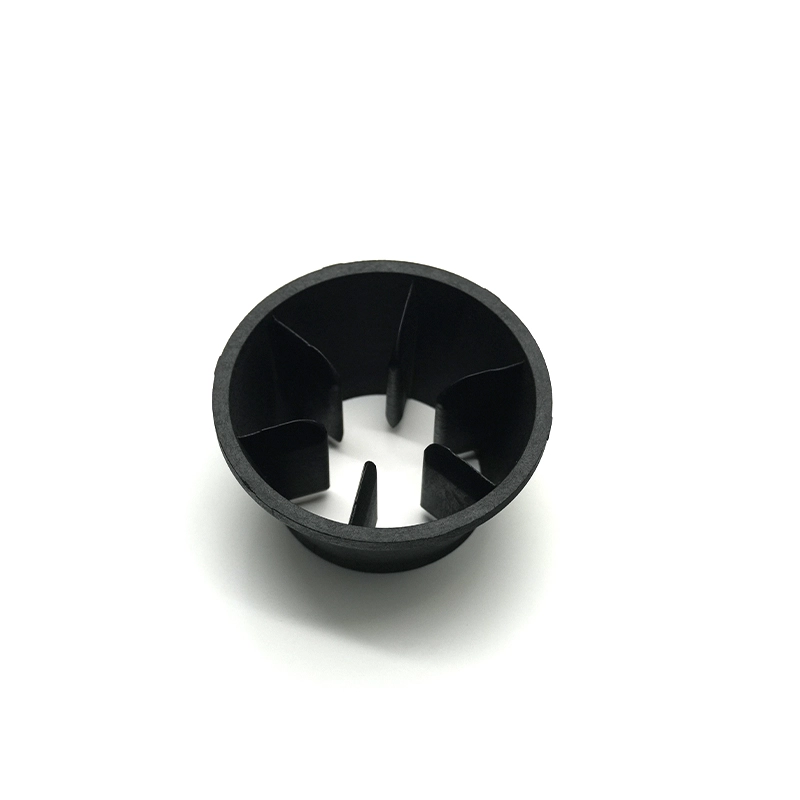
The Bost custom PPO flow valve by injection molding
The BOST Custom PPO Injection-Molded Flow Valve delivers high-temp and corrosion-resistant performance for industrial flow control. Precision-engineered by Bost, this custom PPO valve ensures durable, reliable operation in demanding environments. Optimize your process with BOST’s advanced injection-molded solution.
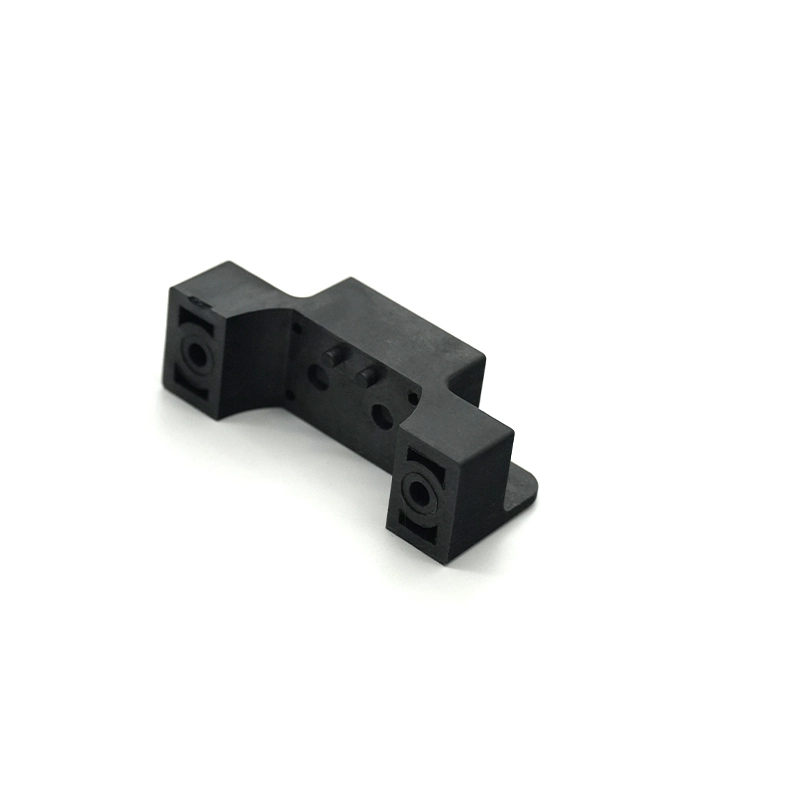
The Bost custom plastic handle by injection molding with high performance PPS material
BOST Custom PPS Injection-Molded Wear-Resistant Handle delivers superior durability and high performance. Made from High Quality PPS material, this injection-molded handle ensures exceptional wear resistance, ideal for demanding applications and long-lasting use. Choose BOST for quality and reliability.
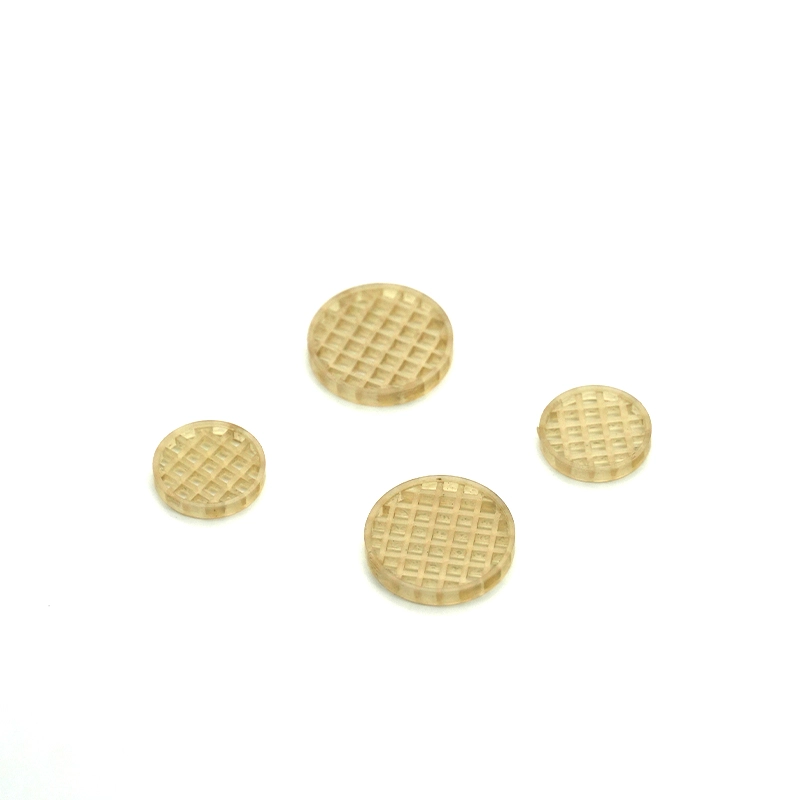
The Bost custom flow meter by injection molding with PES plastic
The Bost Custom PES Injection-Molded Flow Meter offers high-temperature and corrosion resistance, ideal for industrial use. Made with durable PES plastic via precision injection molding, this flow meter ensures reliable, customized performance for demanding applications. Trust Bost for quality and innovation.
Get in touch with Bost
Have any questions or concerns about our products? Please leave us a message here, and our team will get back to you promptly.

24 hours quotes delivered
Submit CAD files, get quote in 24 hours

No MOQ required
From prototyping to high-volume

±0.02 mm Precision
Advanced CNC with full inspections

1,000+ tons in stock
26 materials ready to ship
© 2026 BOST. All Rights Reserved.