
 Scan QR Code
Send My Request
best high-performance plastics for medical implants 2026
Tuesday, 11/18/2025
Explore the top high-performance plastics suitable for medical implants in 2026, focusing on their properties, applications, and advantages. Learn about leading manufacturers and their innovative solutions in the field.
- Best High-Performance Plastics for Medical Implants in 2026
- Understanding High-Performance Plastics in Medical Implants
- Top High-Performance Plastics for Medical Implants in 2026
- Leading Manufacturers in High-Performance Plastics for Medical Implants
- Advantages of High-Performance Plastics in Medical Implants
- Conclusion
- Frequently Asked Questions (FAQ)
Best High-Performance Plastics for Medical Implants in 2026
The medical implant industry continually seeks materials that offer exceptional biocompatibility, durability, and performance. High-performance plastics have emerged as pivotal materials in this domain, providing solutions that meet stringent medical standards. This article delves into the top high-performance plastics for medical implants in 2026, highlighting their properties, applications, and the leading manufacturers driving innovation in this field.
Understanding High-Performance Plastics in Medical Implants
High-performance plastics are engineered materials designed to withstand demanding conditions, including exposure to bodily fluids, mechanical stress, and sterilization processes. In the context of medical implants, these plastics must exhibit:
- Biocompatibility: Ensuring minimal adverse reactions when in contact with human tissues.
- Mechanical Strength: Withstanding the physical stresses encountered within the body.
- Chemical Resistance: Maintaining integrity when exposed to bodily fluids and medications.
- Sterilization Compatibility: Enduring various sterilization methods without degradation.
Top High-Performance Plastics for Medical Implants in 2026
Several high-performance plastics have been identified as suitable for medical implants due to their superior properties:
1. Polyether Ether Ketone (PEEK)
PEEK is a semi-crystalline thermoplastic known for its outstanding mechanical and thermal properties. It offers high tensile strength, low wear, and excellent chemical resistance, making it ideal for load-bearing implants such as spinal fusion devices and joint replacements. PEEK's biocompatibility and sterilization compatibility further enhance its suitability for medical applications.
2. Ultra-High Molecular Weight Polyethylene (UHMWPE)
UHMWPE is characterized by extremely long polymer chains, resulting in exceptional toughness and impact resistance. It is widely used in joint replacements, particularly in acetabular cups and knee bearings, due to its outstanding wear resistance and low particulate generation. UHMWPE's biocompatibility and resistance to chemical degradation make it a preferred choice for long-term implants.
3. Polycarbonate (PC)
Polycarbonate is an optically transparent plastic with high impact strength and dimensional stability. It is commonly used in diagnostic housings, IV chambers, and filter components. PC's biocompatibility and sterilization compatibility make it suitable for various medical applications.
4. Polypropylene (PP)
Polypropylene is a semi-crystalline polymer valued for its chemical resistance, steam sterilizability, and low cost. It is commonly used for non-implantable disposables such as syringes, pill containers, and labware. PP's biocompatibility and sterilization compatibility make it suitable for various medical applications.
5. Polyamide (PA) Nylon
Polyamide, commonly known as nylon, is a versatile engineering plastic with high mechanical strength and wear resistance. It is used in various medical applications, including surgical instruments and implantable devices, due to its durability and biocompatibility.
Leading Manufacturers in High-Performance Plastics for Medical Implants
Several manufacturers are at the forefront of producing high-performance plastics tailored for medical implants:
1. Bost
Bost is a professional and innovative high-tech green energy engineering plastics manufacturer specializing in research and development, production, and sales. Since its establishment, the company has been committed to the research and production of engineering plastics and special engineering plastics, providing high-quality products and services to customers and working hard to ensure customer satisfaction. Bost specializes in the production and operation of various high-quality, ultra-high anti-scar, super corrosion-resistant, super fatigue-durable, ultra abrasion-resistant, high-temperature transparent, and other special properties of the special engineering plastics and enhances toughening, flame retardancy, absorption through hard working of waves, and conductive thermal properties of ordinary modified engineering plastic sheets, rods, and molds. Bost has a high technical level in the plastics modification R&D team and production, including product mold design and manufacturing, mechanical processing of products of mechanical equipment, and an excellent production team, especially in steel and plastic and plastic and rubber, such as the combination of comprehensive steel and plastic materials applied to products that have a high technology level and production capacity.
2. Ensinger
Ensinger is a key player in the medical plastics market with their TECAPEEK and TECAFLON products. These materials are highly biocompatible and can withstand harsh sterilization processes, making them perfect for implants and surgical tools. Ensinger's commitment to quality and innovation has established them as a trusted supplier in the medical implant industry.
3. Solvay
Solvay offers a wide range of high-performance plastics for the medical industry. Their Ixef and Udel materials are known for their strength and heat resistance, making them suitable for reusable medical devices and sterilization trays. Solvay's dedication to sustainable and innovative solutions positions them as a leader in the field.
Advantages of High-Performance Plastics in Medical Implants
The adoption of high-performance plastics in medical implants offers several advantages:
- Enhanced Durability: Materials like PEEK and UHMWPE provide long-term performance, reducing the need for revision surgeries.
- Biocompatibility: These plastics are designed to minimize adverse reactions, promoting better patient outcomes.
- Sterilization Compatibility: High-performance plastics can withstand various sterilization methods, ensuring the safety and hygiene of medical implants.
- Design Flexibility: The versatility of these materials allows for the creation of complex implant designs tailored to individual patient needs.
Conclusion
As the medical implant industry continues to evolve, high-performance plastics remain integral to the development of safe, durable, and effective implants. Materials like PEEK, UHMWPE, and polycarbonate offer a combination of mechanical strength, biocompatibility, and sterilization compatibility essential for medical applications. Manufacturers such as Bost, Ensinger, and Solvay are leading the way in providing innovative solutions that meet the stringent demands of the medical implant sector.
Frequently Asked Questions (FAQ)
1. What are high-performance plastics?
High-performance plastics are engineered materials designed to withstand demanding conditions, including exposure to bodily fluids, mechanical stress, and sterilization processes. In medical implants, they must exhibit biocompatibility, mechanical strength, chemical resistance, and sterilization compatibility.
2. Why is PEEK commonly used in medical implants?
PEEK is known for its outstanding mechanical and thermal properties, high tensile strength, low wear, and excellent chemical resistance, making it ideal for load-bearing implants such as spinal fusion devices and joint replacements.
3. What is the role of UHMWPE in joint replacements?
UHMWPE is widely used in joint replacements, particularly in acetabular cups and knee bearings, due to its outstanding wear resistance and low particulate generation, contributing to the longevity of the implant.
4. How do manufacturers ensure the quality of high-performance plastics?
Manufacturers like Bost, Ensinger, and Solvay implement stringent quality control measures, including compliance with international standards, rigorous testing, and continuous research and development to ensure the reliability and safety of their products.
5. Are high-performance plastics cost-effective for medical implants?
While high-performance plastics may have a higher initial cost, their durability, biocompatibility, and reduced need for revision surgeries can lead to cost savings in the long term.
For more information or to explore our range of high-performance plastics suitable for medical implants, please contact us or visit our product page.
Tags
Tube with Screw
Tube with Screw
Wear-Resistant Spacing
Wear-Resistant Spacing
High-Temp Resistant Overmolding
High-Temp Resistant Overmolding
Eco-Friendly Support
Eco-Friendly Support
PPS plastic Gasket
PPS plastic Gasket
machined parts
machined parts
Recommended for you
What is insert molding ? | Ultimate Insight
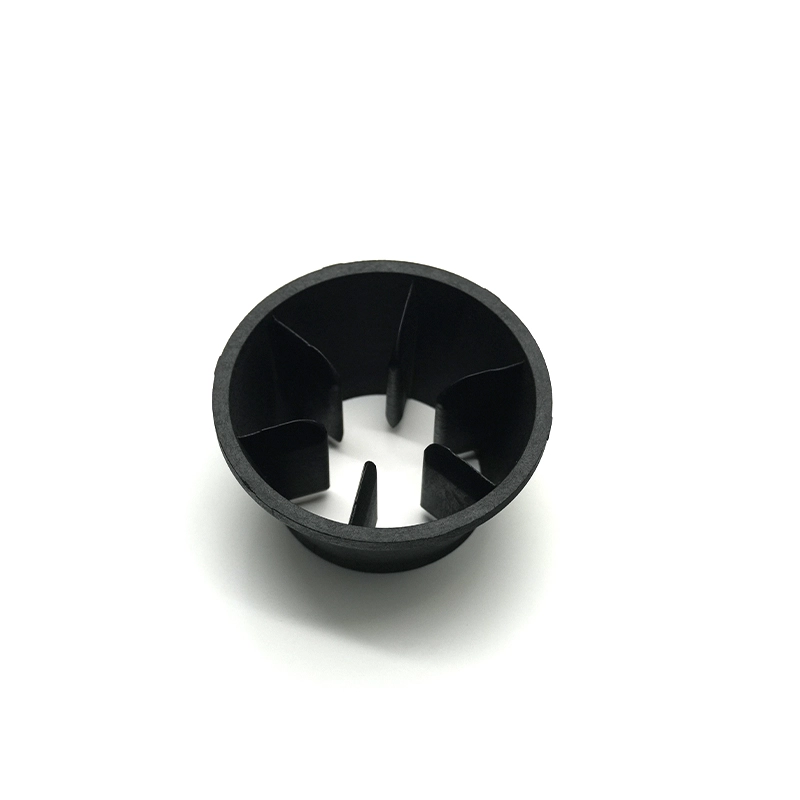
How to source The Bost custom PPO flow valve by injection molding
Automotive Applications: PEEK Overmolding Use Cases for High-Performance Parts
Flame Retardant PVC: Injection Molding Considerations for Reliable Production
Prdoucts Categories
Question you may concern
FAQs
What is the delivery lead time? Do you offer global logistics?
Standard products: 5–15 working days; custom modifications: 2–4 weeks. We support global air/sea freight and provide export customs clearance documents (including REACH/UL certifications).
Can Bost customize modified plastics with special properties?
Yes! We offer modification services such as reinforcement, flame retardancy, conductivity, wear resistance, and UV resistance, for example:
• Adding carbon fiber to enhance stiffness
• Reducing the coefficient of friction through PTFE modification
• Customizing food-grade or medical-grade certified materials
What is the minimum order quantity (MOQ)? Do you support small-batch trial production?
The MOQ for standard products is ≥100kg. We support small-batch trial production (as low as 20kg) and provide mold testing reports and performance data feedback.
What are the core advantages of Bost engineering plastics compared to ordinary plastics?
Bost engineering plastics feature ultra-high mechanical strength, high-temperature resistance (-50°C to 300°C), chemical corrosion resistance, and wear resistance. Compared to ordinary plastics, their service life is extended by 3 to 8 times, making them suitable for replacing metals in harsh environments.
How do I select the appropriate engineering plastic grade for my product?
Selection should be based on parameters such as load conditions (e.g., pressure/friction), temperature range, medium contact (e.g., oil/acid), and regulatory requirements (e.g., FDA/RoHS). Our engineers can provide free material selection consulting and sample testing.
You may also like
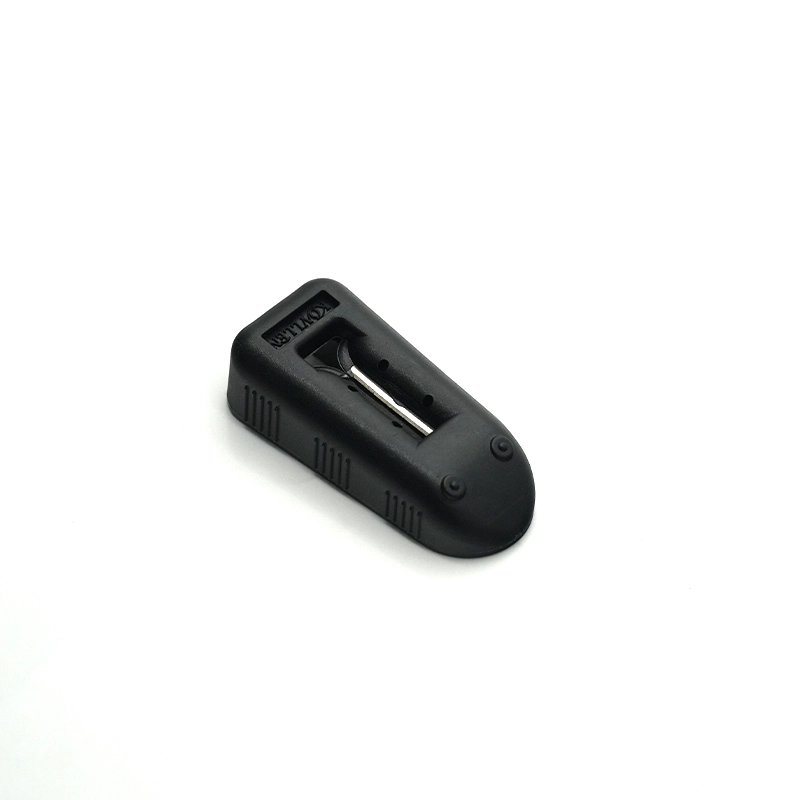
The plastic plug manufactured by Insert molding with stainless steel plate
Bost’s Insert-Molded Stainless Steel Plate Plastic Plug offers superior durability and corrosion resistance. This stainless steel insert durable plastic plug ensures a secure fit and long-lasting performance, ideal for industrial and commercial applications. Robust design meets quality standards.
The Bost custom PPO flow valve by injection molding
The BOST Custom PPO Injection-Molded Flow Valve delivers high-temp and corrosion-resistant performance for industrial flow control. Precision-engineered by Bost, this custom PPO valve ensures durable, reliable operation in demanding environments. Optimize your process with BOST’s advanced injection-molded solution.
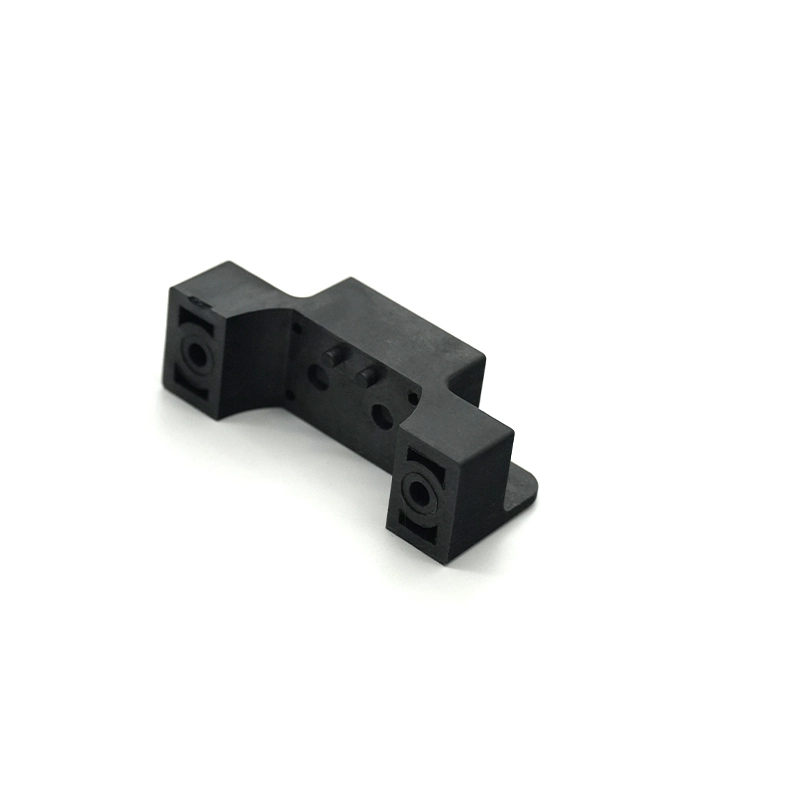
The Bost custom plastic handle by injection molding with high performance PPS material
BOST Custom PPS Injection-Molded Wear-Resistant Handle delivers superior durability and high performance. Made from High Quality PPS material, this injection-molded handle ensures exceptional wear resistance, ideal for demanding applications and long-lasting use. Choose BOST for quality and reliability.
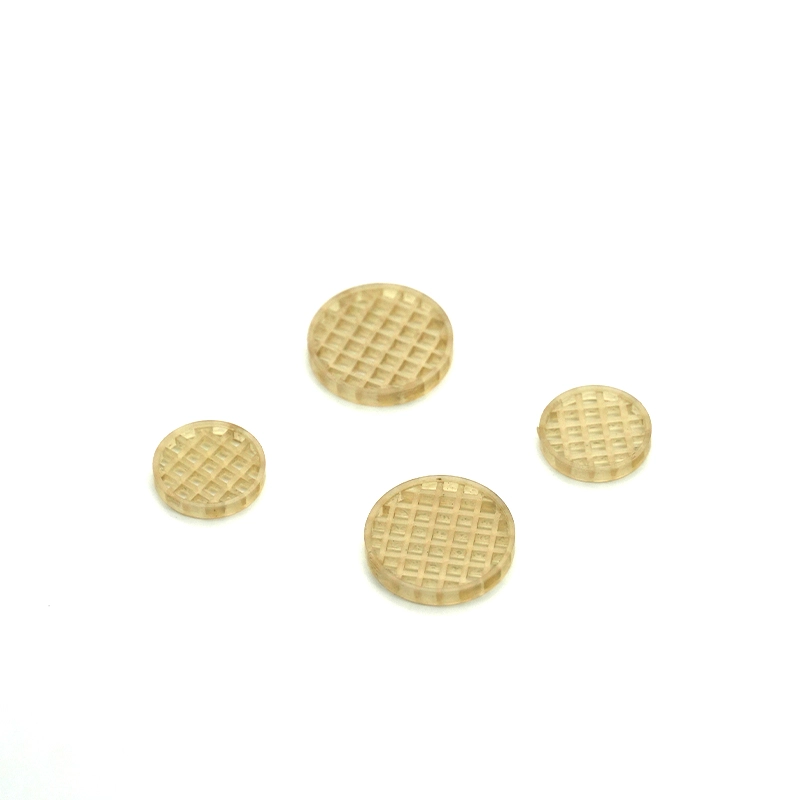
The Bost custom flow meter by injection molding with PES plastic
The Bost Custom PES Injection-Molded Flow Meter offers high-temperature and corrosion resistance, ideal for industrial use. Made with durable PES plastic via precision injection molding, this flow meter ensures reliable, customized performance for demanding applications. Trust Bost for quality and innovation.
Get in touch with Bost
Have any questions or concerns about our products? Please leave us a message here, and our team will get back to you promptly.

24 hours quotes delivered
Submit CAD files, get quote in 24 hours

No MOQ required
From prototyping to high-volume

±0.02 mm Precision
Advanced CNC with full inspections

1,000+ tons in stock
26 materials ready to ship
© 2026 BOST. All Rights Reserved.