
 Scan QR Code
Send My Request
Comparing PPO valves to other engineered plastic components
Sunday, 03/22/2026
The BOST Custom PPO Injection-Molded Flow Valve delivers high-temperature, corrosion-resistant performance among engineered plastic components for industrial flow control. This article compares PPO valves to other engineered plastics, explains manufacturing and design advantages of injection molding, and helps engineers select the right component for demanding environments.
- Why material selection matters in flow control
- Performance drivers for engineered plastic components
- Regulatory and standards considerations
- Technical comparison: PPO valves vs other engineered plastic components
- Key material properties of PPO and common alternatives
- Application-driven comparison
- Manufacturing and design advantages of injection molding for valves
- Why injection molding suits engineered plastic components
- Design-for-manufacture benefits of the BOST Custom PPO valve
- Cost, lead time and lifecycle considerations
- How to select the right component for your process
- Match material to fluid and environment
- Consider manufacturability and part geometry
- Testing, validation and standards
- Real-world use cases and decision framework
- Typical industries benefiting from PPO valves
- Decision checklist for specifying a valve
- When to choose the BOST Custom PPO Injection-Molded Flow Valve
- Frequently Asked Questions (FAQ)
- 1. What is the maximum operating temperature for the BOST Custom PPO Injection-Molded Flow Valve?
- 2. How does the chemical resistance of PPO compare with other plastics?
- 3. Are injection-molded PPO valves suitable for high-pressure applications?
- 4. Can the BOST PPO valve be customized for specific process connections and control interfaces?
- 5. How do lifecycle and maintenance compare between PPO valves and metal valves?
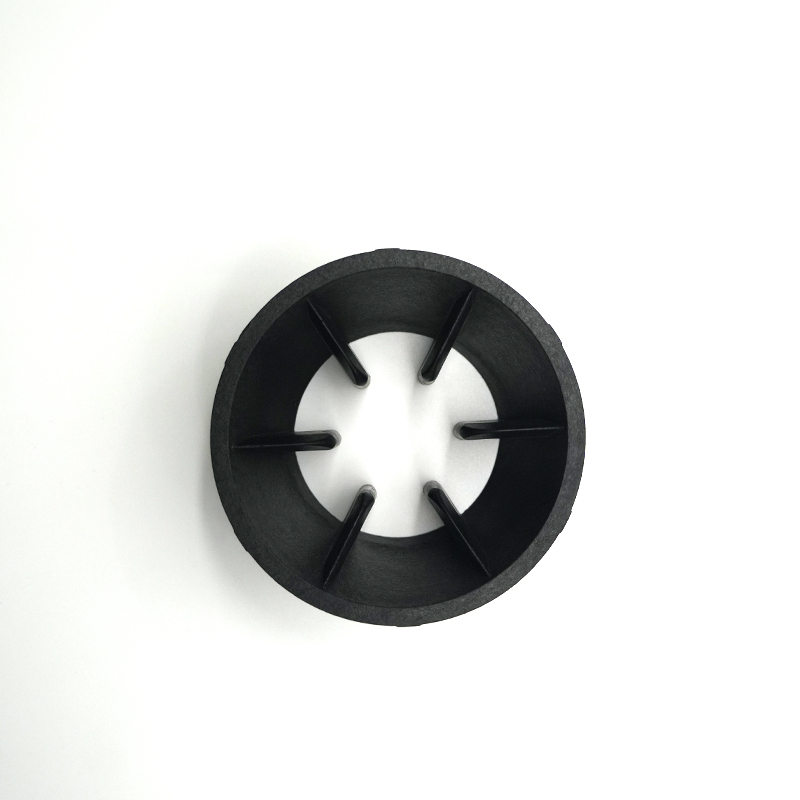
The BOST Custom PPO Injection-Molded Flow Valve delivers high-temperature, corrosion-resistant performance for precise industrial flow control. As engineered plastic components play an increasing role in chemical, semiconductor, water treatment and process industries, understanding the comparative benefits of a PPO-based injection-molded valve is essential for specifying durable, cost-effective, and maintainable flow-control solutions. This guide examines material properties, manufacturing trade-offs, long-term reliability, and application fit to help engineers and procurement teams make informed choices.
Why material selection matters in flow control
Performance drivers for engineered plastic components
Material selection is foundational for any component that will see continuous exposure to fluids, temperature gradients, and mechanical stress. Engineered plastic components must balance chemical resistance, thermal stability, stiffness, wear resistance and manufacturability. A component like The BOST Custom PPO Injection-Molded Flow Valve is designed with these drivers in mind: PPO (polyphenylene oxide) provides a specific combination of high heat deflection temperature, dimensional stability, and resistance to many solvents, making it well-suited for demanding flow control tasks compared to commodity plastics.
Regulatory and standards considerations
When specifying engineered plastic components for industries such as water, chemical processing, or food & beverage, compliance with material and quality standards is a must. Referencing established material datasheets and standards—such as ISO material classification and industry-specific test standards—helps reduce risk. For a primer on engineering plastics and classifications, see the overview at Engineering plastic (Wikipedia).
Technical comparison: PPO valves vs other engineered plastic components
Key material properties of PPO and common alternatives
Polyphenylene oxide (PPO) combines moderate-to-high temperature resistance with good dimensional stability and low water absorption. Compare that to alternatives frequently used in engineered plastic components: PEEK for very high-temperature and mechanical loads; PTFE for extreme chemical inertness; and PVDF for UV and acid resistance. Authoritative material references are available for quick verification, such as PPO details at PPO (Wikipedia), PEEK at PEEK (Wikipedia), and PTFE at PTFE (Wikipedia).
Application-driven comparison
For fluid handling and valves specifically, properties such as creep resistance, dimensional tolerance (for sealing surfaces), and chemical compatibility are decisive. Injection-molded PPO valves like BOST's product excel where elevated temperatures and aggressive process fluids require more than standard PVC/PP but where full-metal or higher-cost PEEK solutions are not justified. The table below summarizes a practical comparison.
| Property / Component | BOST Custom PPO Injection-Molded Flow Valve (PPO) | PEEK (machined or molded) | PTFE (liner / components) | PVDF (molded) |
|---|---|---|---|---|
| Maximum continuous service temp | ~130-150°C (depending on grade) | ~250°C | ~260°C | ~140-150°C |
| Chemical resistance | Excellent to many acids, bases and organic solvents | Excellent across wide range (including hydrocarbons) | Outstanding (one of the best inert materials) | Very good to acids, salts; good barrier to permeation |
| Mechanical strength / stiffness | Good; suitable for precision molded sealing geometry | Very high (high load bearing) | Low stiffness; typically used as liner or seal | Good |
| Manufacturability | Excellent for injection molding complex geometries | Machinable and moldable but expensive | Molding/processing more difficult; often used as lining | Injection molding-friendly |
| Typical use in valves | Integral valve bodies, precision flow geometries, seat features | High-performance seats, components where temp/strength critical | Seals, liners, slip surfaces | Valve bodies in corrosive environments |
| Relative cost | Moderate | High | High (processing and part complexity raise cost) | Moderate to high |
Sources for material properties include standard references such as material datasheets and the linked Wikipedia pages for background reading: PEEK, PTFE, and PVDF.
Manufacturing and design advantages of injection molding for valves
Why injection molding suits engineered plastic components
Injection molding enables consistent, high-precision production of complex geometries—critical for flow control components that rely on tight tolerances for sealing surfaces, flow paths, and integrated threads or flanges. For engineered plastic components, injection molding reduces part-to-part variability, speeds scale-up, and lowers per-unit cost at volume. See more on the fundamentals of injection molding at Injection molding (Wikipedia).
Design-for-manufacture benefits of the BOST Custom PPO valve
The BOST custom PPO flow valve leverages injection molding to integrate complex features—such as flow straighteners, optimized seat geometries, and embedded wear features—without the assembly steps and leak points required by multi-piece designs. This reduces potential failure modes and long-term maintenance costs. Because injection molding yields consistent wall thickness and dimensional control, engineered plastic components made this way often outperform machined parts in sealing repeatability and cycle life when designed correctly.
Cost, lead time and lifecycle considerations
Initial tooling for injection molding is an upfront investment, but amortized over production volumes, molded engineered plastic components are usually more cost-effective than machining from high-performance resins like PEEK. Additionally, lifecycle costs consider maintenance intervals, replacement frequency, and downtime: a chemically resistant, precision-molded PPO valve often reduces lifecycle costs in mid-temperature corrosive services by minimizing corrosion undercutting and seal degradation.
How to select the right component for your process
Match material to fluid and environment
Start by cataloging the fluids, temperatures, pressures, and any abrasive or particulate content. For example, if your application involves aggressive acid mixtures at 100°C, PPO's corrosion resistance and temperature capability make the BOST Custom PPO Injection-Molded Flow Valve a strong candidate. For extreme temperatures or very high mechanical loads, PEEK may be necessary despite higher cost. Always cross-check chemical compatibility with vendor chemical resistance charts and, where necessary, reference test standards.
Consider manufacturability and part geometry
If your valve requires integrated complex flow channels, thin ribs, or molded-in sealing features, injection-molded engineered plastic components provide design freedom and repeatability. The BOST solution demonstrates how injection molding can produce integrated valves that minimize assembly and leak points while maintaining tight tolerances essential for flow control.
Testing, validation and standards
Before field deployment, validate selected engineered plastic components through accelerated aging, chemical soak tests, and pressure cycling per relevant standards. Consult ISO and ASTM test procedures for plastics where applicable (for general guidance on standards, see ISO). Documented validation builds confidence in material selection and supports regulatory and procurement requirements.
Real-world use cases and decision framework
Typical industries benefiting from PPO valves
Industries that commonly benefit from engineered plastic components like PPO valves include chemical processing, semiconductor manufacturing (where particle generation and corrosion resistance matter), wastewater treatment, and specialty food processing. PPO's balance of temperature and chemical resistance often makes it the material of choice for mid-high demand processes where metal corrosion or contamination risk is a concern.
Decision checklist for specifying a valve
- Define fluid composition, pH range, and any solvents present.
- Establish operating temperature and pressure range (including transients).
- Require lifecycle targets: replacement interval or MTBF (mean time between failures).
- Decide on manufacturability preferences: molded vs machined vs hybrid.
- Validate with chemical resistance charts and prototype testing.
When to choose the BOST Custom PPO Injection-Molded Flow Valve
Choose the BOST custom PPO valve when you need an engineered plastic component that balances high-temperature performance, strong chemical resistance, precision molded features, and cost-effective production at scale. BOST’s injection-molded approach reduces assembly points and improves long-term reliability compared with multi-piece solutions.
Frequently Asked Questions (FAQ)
1. What is the maximum operating temperature for the BOST Custom PPO Injection-Molded Flow Valve?
Typical PPO formulations used in engineered plastic components reliably operate up to approximately 130–150°C. Exact limits depend on grade and additives; consult BOST's technical datasheet for certified ratings for the specific valve configuration. For reference, PEEK and PTFE have higher continuous-service temperature ranges (see PEEK and PTFE).
2. How does the chemical resistance of PPO compare with other plastics?
PPO offers excellent resistance to many acids, bases and organic solvents, making it superior to many commodity plastics (like PVC) and competitive with PVDF for certain chemistries. PTFE is still the gold standard for chemical inertness, but often at higher cost and with different mechanical trade-offs. Always verify compatibility for specific chemistries using vendor charts and, if required, lab tests.
3. Are injection-molded PPO valves suitable for high-pressure applications?
PPO's mechanical performance supports a wide pressure range when parts are correctly designed (wall thicknesses, ribs, and fillets). For very high-pressure or safety-critical systems, consider reinforced designs or higher-performance materials like PEEK. Design validation through pressure testing is mandatory.
4. Can the BOST PPO valve be customized for specific process connections and control interfaces?
Yes. Injection molding enables integration of multiple connection styles, mounting features, and custom geometries directly into the valve body as engineered plastic components. BOST offers design collaboration to adapt the valve to your flange, thread, or instrumentation needs.
5. How do lifecycle and maintenance compare between PPO valves and metal valves?
Engineered plastic components like PPO valves often outperform metal valves in corrosive environments by avoiding corrosion undercutting and the need for protective coatings. Maintenance cycles can be longer and spare-part costs lower. However, metal valves can be preferable for extreme temperature/pressure or abrasive slurry services.
If you have additional technical questions or want to evaluate the BOST Custom PPO Injection-Molded Flow Valve for your process, contact our technical sales team or request a datasheet and sample. View product details and request a quote: BOST Custom PPO Flow Valve product page.
Contact sales: sales@bost.com | Request technical consultation: Contact form
Tags
Pipe/container closure
Pipe/container closure
Impact-Resistant Stable Fitting
Impact-Resistant Stable Fitting
customized injection molded plastic parts
customized injection molded plastic parts
nylon standoff insulator for PCB
nylon standoff insulator for PCB
Nylon Insulator
Nylon Insulator
custom plastic parts
custom plastic parts
Recommended for you
Sourcing Reliable Black UV-Resistant ABS Connectors: Buyer Guide
Thermal Behavior of ABS Plastic Connectors Explained
Metal vs Plastic Inserts: Pros and Cons for Engineering Applications
top bio-based high-performance plastics to watch 2026
Prdoucts Categories
Question you may concern
FAQs
What is the delivery lead time? Do you offer global logistics?
Standard products: 5–15 working days; custom modifications: 2–4 weeks. We support global air/sea freight and provide export customs clearance documents (including REACH/UL certifications).
How do I select the appropriate engineering plastic grade for my product?
Selection should be based on parameters such as load conditions (e.g., pressure/friction), temperature range, medium contact (e.g., oil/acid), and regulatory requirements (e.g., FDA/RoHS). Our engineers can provide free material selection consulting and sample testing.
What are the core advantages of Bost engineering plastics compared to ordinary plastics?
Bost engineering plastics feature ultra-high mechanical strength, high-temperature resistance (-50°C to 300°C), chemical corrosion resistance, and wear resistance. Compared to ordinary plastics, their service life is extended by 3 to 8 times, making them suitable for replacing metals in harsh environments.
What is the minimum order quantity (MOQ)? Do you support small-batch trial production?
The MOQ for standard products is ≥100kg. We support small-batch trial production (as low as 20kg) and provide mold testing reports and performance data feedback.
Can Bost customize modified plastics with special properties?
Yes! We offer modification services such as reinforcement, flame retardancy, conductivity, wear resistance, and UV resistance, for example:
• Adding carbon fiber to enhance stiffness
• Reducing the coefficient of friction through PTFE modification
• Customizing food-grade or medical-grade certified materials
You may also like
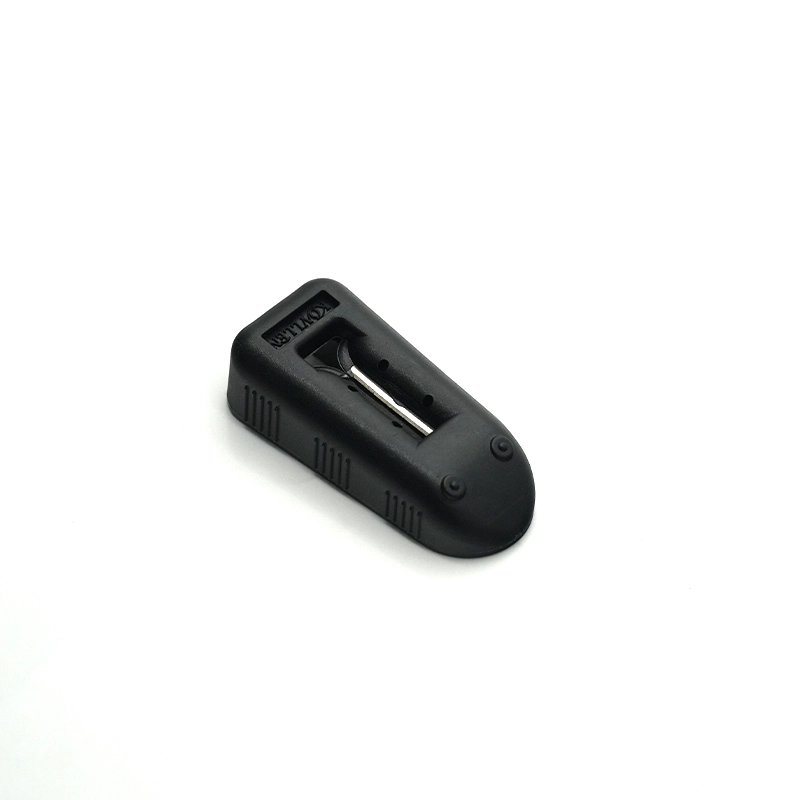
The plastic plug manufactured by Insert molding with stainless steel plate
Bost’s Insert-Molded Stainless Steel Plate Plastic Plug offers superior durability and corrosion resistance. This stainless steel insert durable plastic plug ensures a secure fit and long-lasting performance, ideal for industrial and commercial applications. Robust design meets quality standards.
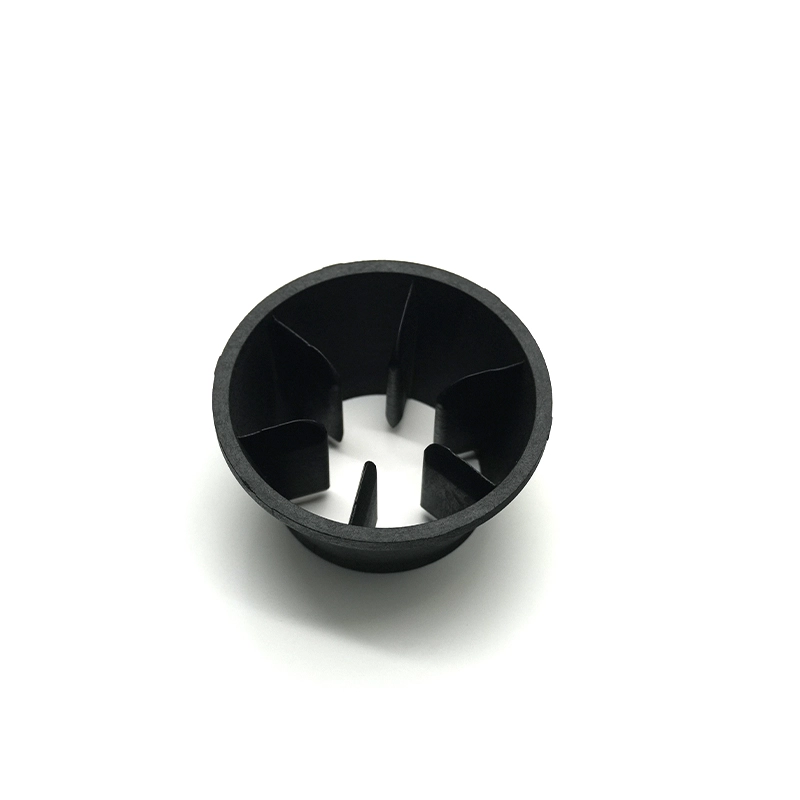
The Bost custom PPO flow valve by injection molding
The BOST Custom PPO Injection-Molded Flow Valve delivers high-temp and corrosion-resistant performance for industrial flow control. Precision-engineered by Bost, this custom PPO valve ensures durable, reliable operation in demanding environments. Optimize your process with BOST’s advanced injection-molded solution.
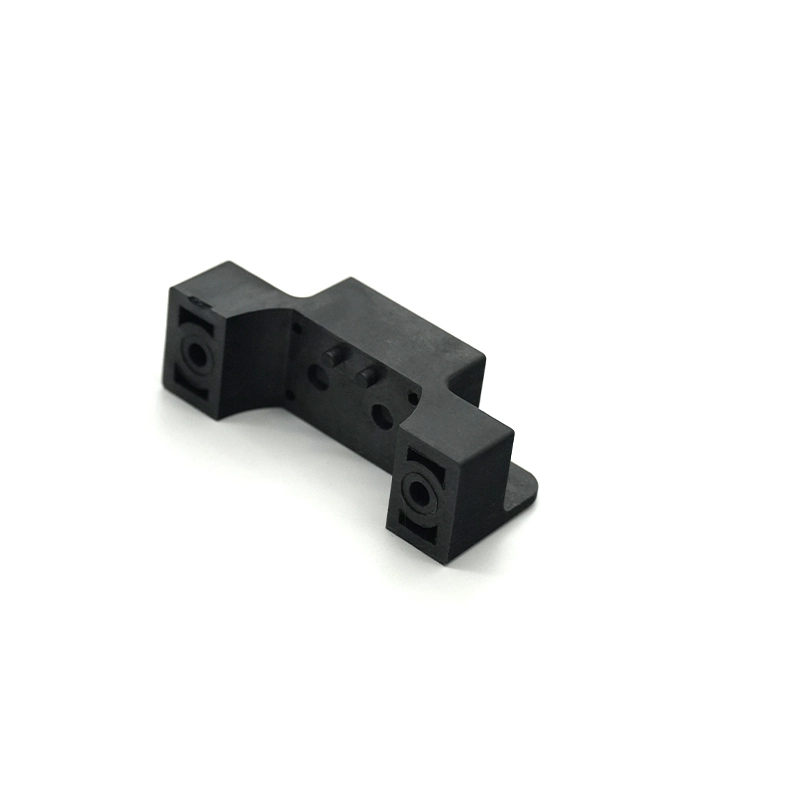
The Bost custom plastic handle by injection molding with high performance PPS material
BOST Custom PPS Injection-Molded Wear-Resistant Handle delivers superior durability and high performance. Made from High Quality PPS material, this injection-molded handle ensures exceptional wear resistance, ideal for demanding applications and long-lasting use. Choose BOST for quality and reliability.
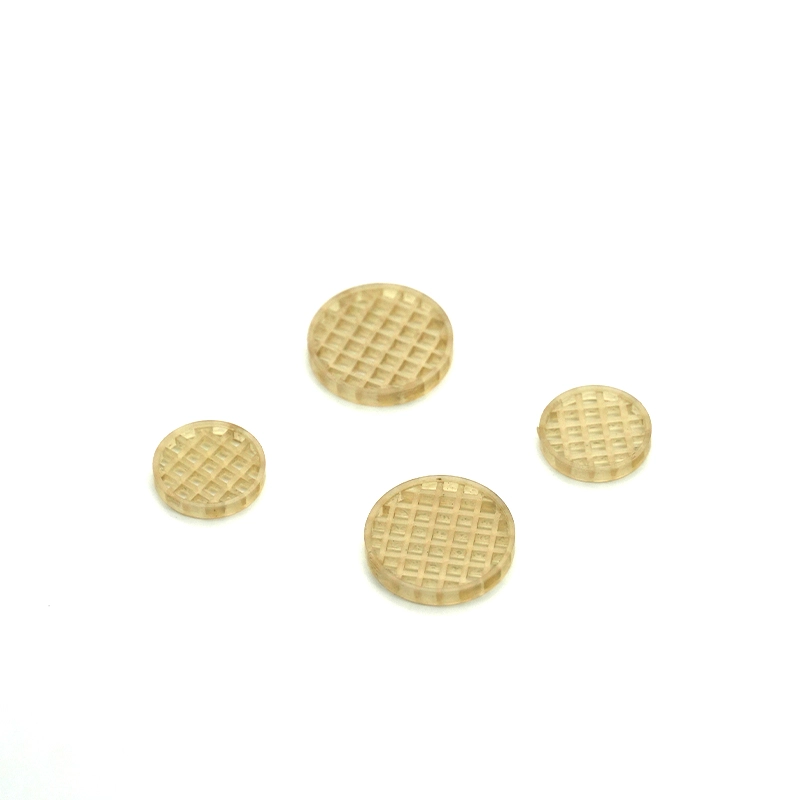
The Bost custom flow meter by injection molding with PES plastic
The Bost Custom PES Injection-Molded Flow Meter offers high-temperature and corrosion resistance, ideal for industrial use. Made with durable PES plastic via precision injection molding, this flow meter ensures reliable, customized performance for demanding applications. Trust Bost for quality and innovation.
Get in touch with Bost
Have any questions or concerns about our products? Please leave us a message here, and our team will get back to you promptly.

24 hours quotes delivered
Submit CAD files, get quote in 24 hours

No MOQ required
From prototyping to high-volume

±0.02 mm Precision
Advanced CNC with full inspections

1,000+ tons in stock
26 materials ready to ship
© 2026 BOST. All Rights Reserved.