
 Scan QR Code
Send My Request
Thermal Behavior of ABS Plastic Connectors Explained
Sunday, 03/1/2026
This article explains how ABS plastic connectors behave under heat, cold and UV exposure, and how to choose and specify durable, weatherproof parts like the Bost Black UV-Resistant ABS Outdoor Connector for long-term outdoor installations.
- How ABS Plastics Respond to Heat and Cold
- Fundamental thermal properties of ABS
- Short-term vs. long-term thermal exposure
- UV, Weathering and Their Interaction with Thermal Effects
- UV-driven polymer degradation mechanisms
- Combined effects: UV, thermal cycling and moisture
- Design and Specification Considerations for Outdoor Plastic Connectors
- Why choose a UV-stabilized black ABS connector?
- Mechanical design tips for thermal resilience
- Material selection checklist
- Testing, Standards and How to Validate Thermal Performance
- Relevant standards and accelerated testing
- Practical tests for connectors
- Interpreting test data
- Practical Guidance: Specifying, Installing and Maintaining ABS Connectors
- Specification templates and procurement tips
- Installation best practices to reduce thermal stress
- Maintenance and lifecycle expectations
- References and Further Reading
- FAQ
- Q: What temperatures can ABS plastic connectors tolerate outdoors?
- Q: How does the Bost Black UV-Resistant ABS Outdoor Connector differ from standard ABS connectors?
- Q: Will black color make the connector hotter in sunlight?
- Q: Can thermal cycling cause leaks or loss of torque in connectors?
- Q: How should I validate a connector for a harsh climate?
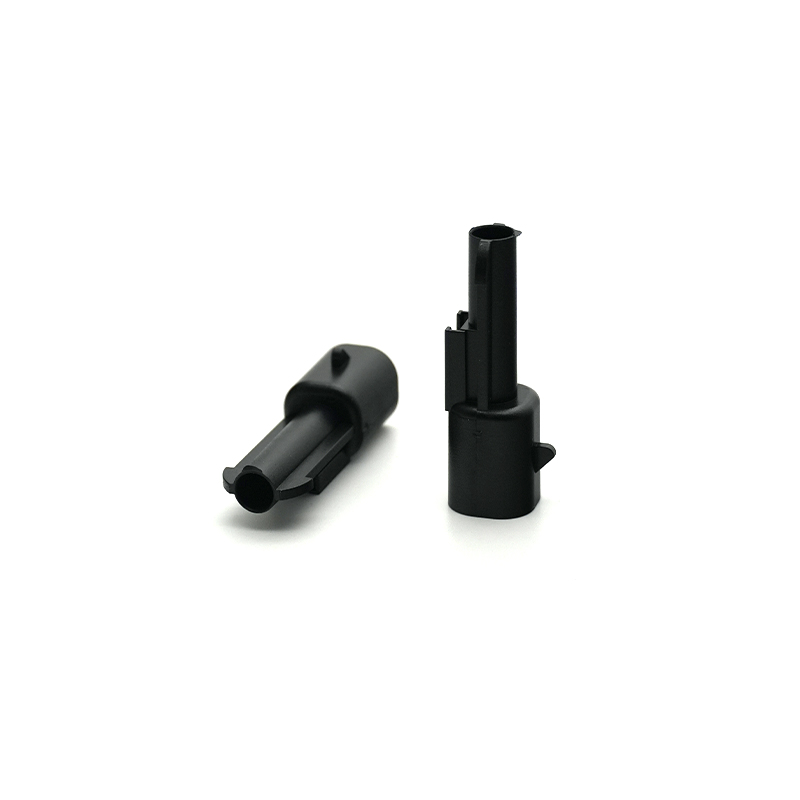
The thermal behavior of plastic connectors is a critical factor for outdoor and industrial installations. Understanding how ABS responds to temperature changes, UV exposure and weathering helps engineers, specifiers and installers choose reliable components. This article examines the mechanisms behind heat and cold effects, thermal cycling, and UV-driven degradation, and explains why the Bost Black UV-Resistant ABS Outdoor Connector provides a robust solution for long-lasting, weatherproof installations.
How ABS Plastics Respond to Heat and Cold
Fundamental thermal properties of ABS
Acrylonitrile butadiene styrene (ABS) is a common engineering thermoplastic used in many types of plastic connectors due to its balance of impact resistance, stiffness and manufacturability. Key thermal properties to consider include glass transition temperature (Tg), heat deflection temperature (HDT), thermal conductivity and coefficient of thermal expansion (CTE). Typical ranges for standard ABS are shown in the table below and reflect common grades used for outdoor connectors; values can vary by formulation and UV-stabilized additives.
| Property | Typical Range (Standard ABS) | Notes / Relevance for Connectors |
|---|---|---|
| Glass transition temperature (Tg) | ~95–110 °C | Above Tg the part becomes significantly more ductile; design must allow for elevated service temperatures. |
| Heat deflection temperature (HDT, 0.455 MPa) | ~70–100 °C | Practical limit for sustained mechanical loading. |
| Coefficient of thermal expansion (CTE) | ~60–110 µm/m·K | Dimensional changes with temperature; important for fits and sealing with metal parts. |
| Thermal conductivity | ~0.15–0.25 W/m·K | Low conductivity means thermal gradients persist; useful for thermal isolation but can trap heat locally. |
Sources for general ABS property ranges include material databases and engineering references (see Wikipedia – ABS and Engineering Toolbox – Plastics Thermal Properties).
Short-term vs. long-term thermal exposure
Short bursts of elevated temperature (for example, exposure to a heat source or temporary direct sunlight on a dark connector) can cause transient softening but usually do not cause permanent change if below Tg and HDT limits. Long-term exposure close to or above HDT accelerates creep and dimensional change, possibly leading to loosening or seal failure in enclosures.
For outdoor plastic connectors, it is crucial to consider both peak temperatures (e.g., solar loading on a black connector) and mean daily cycles; black housings can reach temperatures substantially higher than ambient air due to solar absorption.
UV, Weathering and Their Interaction with Thermal Effects
UV-driven polymer degradation mechanisms
Ultraviolet (UV) light drives photochemical breakdown in many polymers. For ABS, the butadiene rubber phase is most susceptible to chain scission and surface embrittlement. UV exposure can change surface color, reduce impact strength and increase micro-cracking—especially when combined with fluctuating temperatures and moisture. Stabilizers, pigments and surface chemistries are used to slow this process.
For a technical review of environmental degradation and stabilization strategies, see literature such as Polymer Degradation and Stabilization reviews: NCBI/PMC – Polymer degradation and stabilization.
Combined effects: UV, thermal cycling and moisture
Real-world weathering is the combined effect of UV radiation, cyclic heating/cooling and moisture (rain, humidity). Thermal cycling creates repeated expansion and contraction; over time, microcracks initiate at embrittled zones created by photodegradation. Moisture can accelerate crack propagation and promote environmental stress cracking under load. Specifying a UV-resistant grade for plastic connectors significantly reduces the rate of surface embrittlement and extends usable life.
Design and Specification Considerations for Outdoor Plastic Connectors
Why choose a UV-stabilized black ABS connector?
The Bost Black UV-Resistant ABS Outdoor Connector offers superior weather resistance and durability. Made from high-quality ABS plastic, this precision connector ensures reliable performance in harsh outdoor conditions, making it ideal for long-lasting, weatherproof installations. Black pigments often include carbon black, which is an effective UV absorber and helps protect the polymer matrix. Additional UV stabilizers (hindered amine light stabilizers, HALS) and antioxidants further slow degradation.
Mechanical design tips for thermal resilience
- Allow for dimensional change: design larger tolerances or compliant seals where mating with metals or ceramics to accommodate CTE mismatch.
- Avoid stress concentrators: chamfers and fillets reduce local stress that could combine with embrittlement to initiate cracks.
- Minimize trapped heat: ventilation paths or reflective coatings on surfaces that see direct sun can reduce peak temperatures for black connectors.
Material selection checklist
When specifying plastic connectors for outdoor use, verify:
- Presence of UV stabilizers and weathering package.
- Certified performance in accelerated UV/heat tests (ISO 4892 or ASTM G154).
- Mechanical performance post-weathering: impact strength, tensile and seal integrity.
Testing, Standards and How to Validate Thermal Performance
Relevant standards and accelerated testing
Standards that guide polymer exposure testing include ISO 4892 (Methods of exposure to laboratory light sources) for weathering and various ASTM standards for mechanical and thermal characterization. Refer to the ISO overview for standards related to plastics weathering: ISO 4892 - Plastics — Methods of exposure to laboratory light sources. Accelerated weathering chambers simulate UV, heat and moisture cycles to predict outdoor performance.
Practical tests for connectors
Useful laboratory tests for plastic connectors include:
- Accelerated UV/condensation cycling (ISO 4892 / ASTM G154)
- Thermal cycling across expected service range (e.g., -40 °C to +85 °C)
- Heat aging at elevated temperature to evaluate creep/HDT changes
- Post-weathering mechanical tests (impact, tensile, torque retention for threaded connectors)
Performing torque retention tests before and after weathering helps ensure that a connector will maintain threaded engagement under repeated thermal cycles.
Interpreting test data
Look for retained percentage of original mechanical properties after a standardized weathering cycle. A well-formulated UV-resistant ABS connector should show minimal loss in impact resistance and dimensional stability relative to unmodified ABS.
Practical Guidance: Specifying, Installing and Maintaining ABS Connectors
Specification templates and procurement tips
When procuring plastic connectors for outdoor use, include the following in your specification:
- Material: ABS with specified UV-stabilization package and carbon black pigment for outdoor black parts.
- Performance criteria: post-weathering impact strength ≥ X% of original (specify value), HDT ≥ service temperature + safety margin.
- Testing: supplier to provide accelerated weathering reports (ISO 4892 / ASTM G154) and mechanical test results post-weathering.
Installation best practices to reduce thermal stress
Install connectors with attention to sealing, ventilation and mechanical clearances. Use gaskets or compliant seals to accommodate differential thermal expansion when mating with metal housings. Avoid over-torquing threaded ABS parts; elevated temperature reduces torque-holding capacity and increases the risk of creep deformation.
Maintenance and lifecycle expectations
Regular inspections (visual for cracking, color change; functional for torque/leak testing) can detect early signs of degradation. Properly formulated UV-stabilized ABS connectors such as the Bost Black UV-Resistant ABS Outdoor Connector extend service life substantially compared to non-stabilized grades, particularly in high-UV climates.
References and Further Reading
- Acrylonitrile butadiene styrene (ABS) — Wikipedia
- Engineering Toolbox — Plastics Thermal Properties
- Polymer Degradation and Stabilization — NCBI/PMC review
- ISO 4892 — Plastics — Methods of exposure to laboratory light sources
FAQ
Q: What temperatures can ABS plastic connectors tolerate outdoors?
A: Typical ABS formulations tolerate continuous service up to approximately the HDT (~70–100 °C depending on grade). For short periods ABS may withstand temperatures above HDT without immediate failure, but prolonged exposure at high temperature accelerates creep and dimensional change. Use UV-stabilized grades for outdoor use and provide design margin above expected peak temperatures.
Q: How does the Bost Black UV-Resistant ABS Outdoor Connector differ from standard ABS connectors?
A: The Bost Black UV-Resistant ABS Outdoor Connector includes UV-stabilizing additives and UV-absorbing pigments (such as carbon black) that slow photodegradation and embrittlement. This results in better retention of impact strength, color and sealing performance in prolonged sun exposure and thermal cycling, making it preferable for outdoor and high-UV installations.
Q: Will black color make the connector hotter in sunlight?
A: Black surfaces absorb more solar radiation and can reach higher surface temperatures than lighter colors. However, using carbon black as both a pigment and UV shield is a common trade-off because it significantly improves UV resistance. If solar heating is a major concern, pair the UV-resistant black material with installation strategies such as shading, ventilation or reflective coatings on adjacent surfaces.
Q: Can thermal cycling cause leaks or loss of torque in connectors?
A: Yes. Repeated expansion and contraction can relax threaded joints or degrade seals if materials with different CTEs are rigidly coupled. Design for compliant seals, appropriate tolerances and use torque values that account for temperature-related creep. Re-check torque after significant thermal events if critical.
Q: How should I validate a connector for a harsh climate?
A: Require supplier-provided accelerated weathering (ISO 4892 / ASTM G154) and post-weathering mechanical tests (impact, tensile, torque retention). Also perform in-situ prototypes where possible. Review test reports for retained performance percentages and compare against your acceptance criteria.
If you have questions about specifying the right plastic connectors for a project or want performance data for a particular environment, contact our technical team or view the product page for the Bost Black UV-Resistant ABS Outdoor Connector.
View the Bost Black UV-Resistant ABS Outdoor Connector | Contact Us
Tags
PPS plastic Gasket
PPS plastic Gasket
Nylon material rod
Nylon material rod
custom injection molding
custom injection molding
custom plastic injection molding manufacturer
custom plastic injection molding manufacturer
customized injection molded plastic parts
customized injection molded plastic parts
Tube with Screw
Tube with Screw
Recommended for you
Reducing Assembly Costs with Injection-Molded POM Spacers
Injection Molding Tips for Durable PVDF Covers with Fasteners
PVC Injection Molding: Complete Beginner's Guide
Evaluating Suppliers of Engineered Plastic Components for Quality
Prdoucts Categories
Question you may concern
FAQs
How do I select the appropriate engineering plastic grade for my product?
Selection should be based on parameters such as load conditions (e.g., pressure/friction), temperature range, medium contact (e.g., oil/acid), and regulatory requirements (e.g., FDA/RoHS). Our engineers can provide free material selection consulting and sample testing.
What are the core advantages of Bost engineering plastics compared to ordinary plastics?
Bost engineering plastics feature ultra-high mechanical strength, high-temperature resistance (-50°C to 300°C), chemical corrosion resistance, and wear resistance. Compared to ordinary plastics, their service life is extended by 3 to 8 times, making them suitable for replacing metals in harsh environments.
Can Bost customize modified plastics with special properties?
Yes! We offer modification services such as reinforcement, flame retardancy, conductivity, wear resistance, and UV resistance, for example:
• Adding carbon fiber to enhance stiffness
• Reducing the coefficient of friction through PTFE modification
• Customizing food-grade or medical-grade certified materials
What is the minimum order quantity (MOQ)? Do you support small-batch trial production?
The MOQ for standard products is ≥100kg. We support small-batch trial production (as low as 20kg) and provide mold testing reports and performance data feedback.
What is the delivery lead time? Do you offer global logistics?
Standard products: 5–15 working days; custom modifications: 2–4 weeks. We support global air/sea freight and provide export customs clearance documents (including REACH/UL certifications).
You may also like
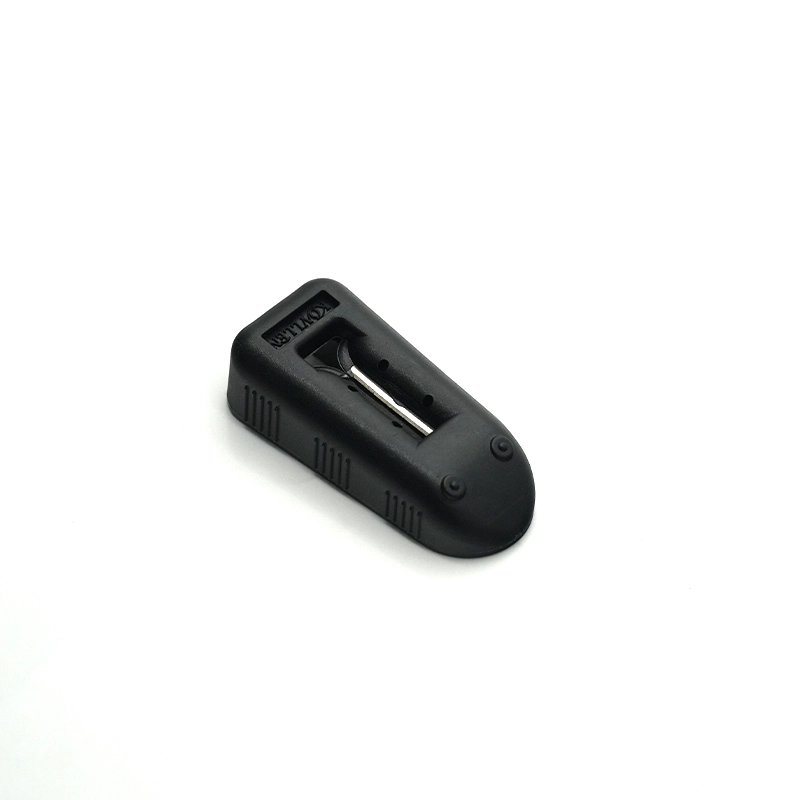
The plastic plug manufactured by Insert molding with stainless steel plate
Bost’s Insert-Molded Stainless Steel Plate Plastic Plug offers superior durability and corrosion resistance. This stainless steel insert durable plastic plug ensures a secure fit and long-lasting performance, ideal for industrial and commercial applications. Robust design meets quality standards.
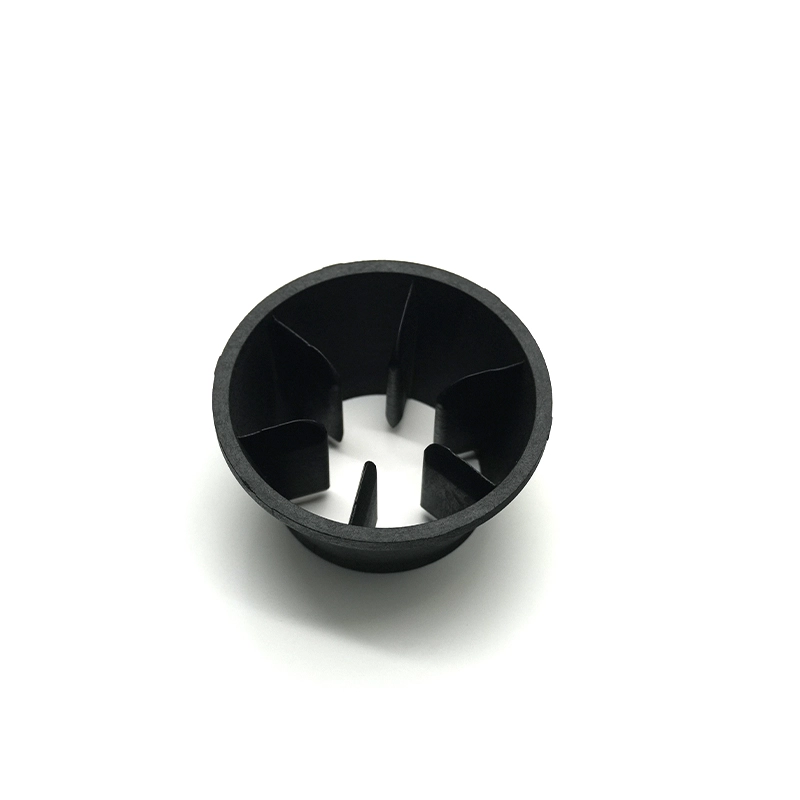
The Bost custom PPO flow valve by injection molding
The BOST Custom PPO Injection-Molded Flow Valve delivers high-temp and corrosion-resistant performance for industrial flow control. Precision-engineered by Bost, this custom PPO valve ensures durable, reliable operation in demanding environments. Optimize your process with BOST’s advanced injection-molded solution.
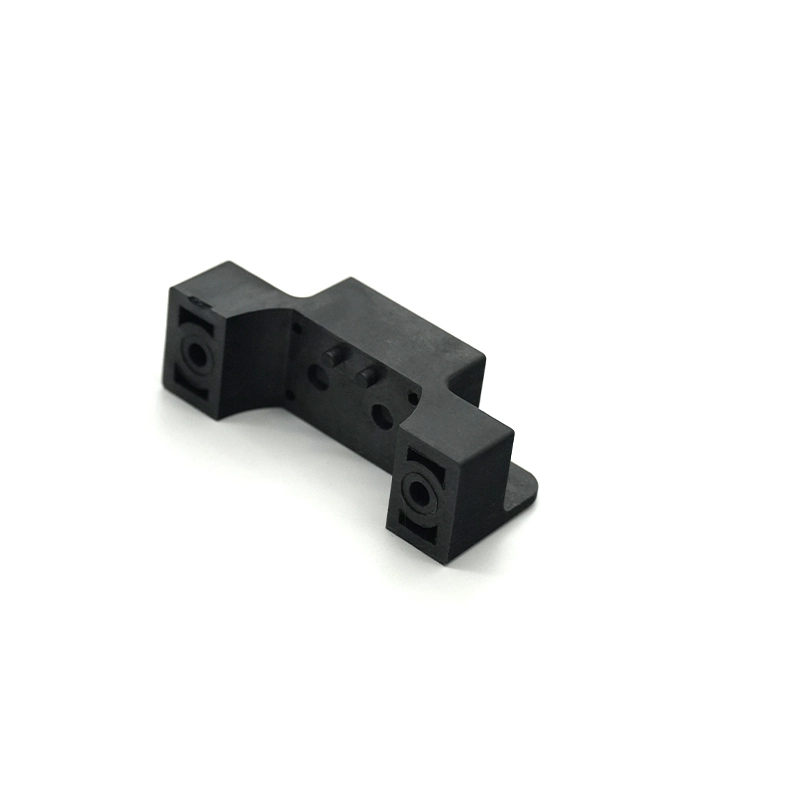
The Bost custom plastic handle by injection molding with high performance PPS material
BOST Custom PPS Injection-Molded Wear-Resistant Handle delivers superior durability and high performance. Made from High Quality PPS material, this injection-molded handle ensures exceptional wear resistance, ideal for demanding applications and long-lasting use. Choose BOST for quality and reliability.
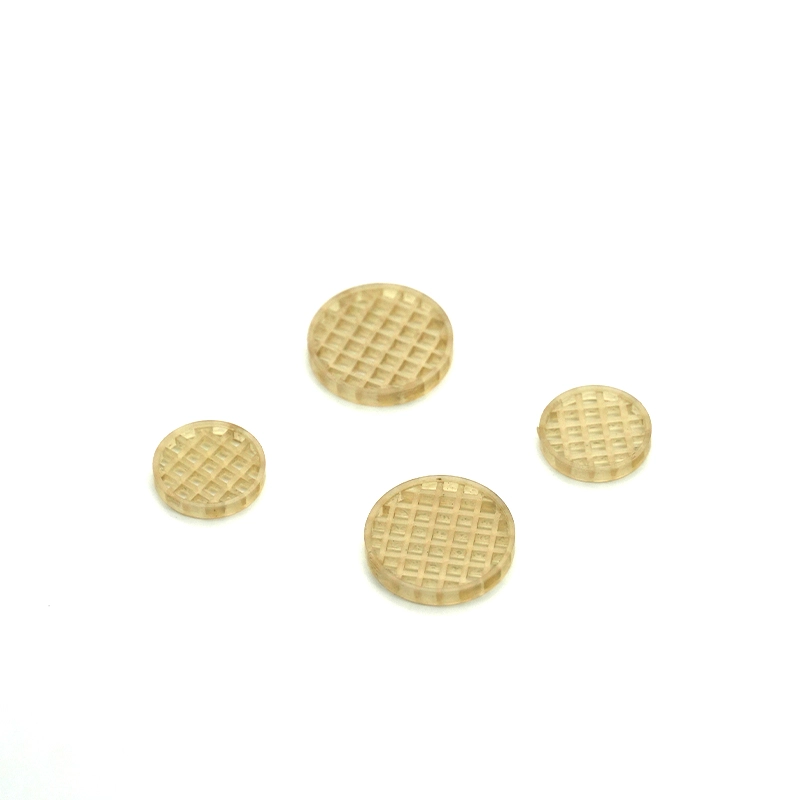
The Bost custom flow meter by injection molding with PES plastic
The Bost Custom PES Injection-Molded Flow Meter offers high-temperature and corrosion resistance, ideal for industrial use. Made with durable PES plastic via precision injection molding, this flow meter ensures reliable, customized performance for demanding applications. Trust Bost for quality and innovation.
Get in touch with Bost
Have any questions or concerns about our products? Please leave us a message here, and our team will get back to you promptly.

24 hours quotes delivered
Submit CAD files, get quote in 24 hours

No MOQ required
From prototyping to high-volume

±0.02 mm Precision
Advanced CNC with full inspections

1,000+ tons in stock
26 materials ready to ship
© 2026 BOST. All Rights Reserved.