 Scan QR Code
Send My Request
Sourcing Reliable Black UV-Resistant ABS Connectors: Buyer Guide
Wednesday, 01/21/2026
This guide helps engineers, procurement professionals, and installers source reliable black UV-resistant ABS plastic connectors for outdoor applications. It explains material performance, testing criteria, supplier evaluation, cost vs. longevity trade-offs, and practical procurement tips, with comparisons to alternative engineering plastics and actionable checklists to ensure weatherproof, long-lasting installations.
- Understanding Material Performance for Outdoor Connectors
- What makes ABS suitable for outdoor connectors?
- Key mechanical and environmental properties to specify
- Accelerated aging and real-world expectations
- Comparing Engineering Plastics: ABS vs Alternatives for Outdoor Use
- Why choose black UV-resistant ABS over polycarbonate or nylon?
- Property comparison table (typical, indicative)
- When to choose alternative engineering plastics
- Practical Procurement and Qualification Steps
- Supplier evaluation checklist
- Design for longevity: what to specify on drawings
- Cost vs lifecycle analysis
- Testing, Standards, and Compliance
- Essential tests for outdoor connectors
- Regulatory and environmental considerations
- Use of independent labs and third-party validation
- Installation, Maintenance and Long-Term Performance
- Installation best practices for weatherproofing
- Maintenance and inspection schedule
- Repair and replacement guidance
- Brand Advantages: Why Choose Bost Black UV-Resistant ABS Outdoor Connector
- Material and formulation expertise
- Manufacturing quality and traceability
- Proven field performance and support
- FAQ
- Are black ABS connectors truly UV resistant?
- How long will a UV-stabilized ABS connector last outdoors?
- Can I paint or coat the ABS connector for added protection?
- What tests should I require from suppliers?
- How do I decide between ABS and more expensive alternatives?
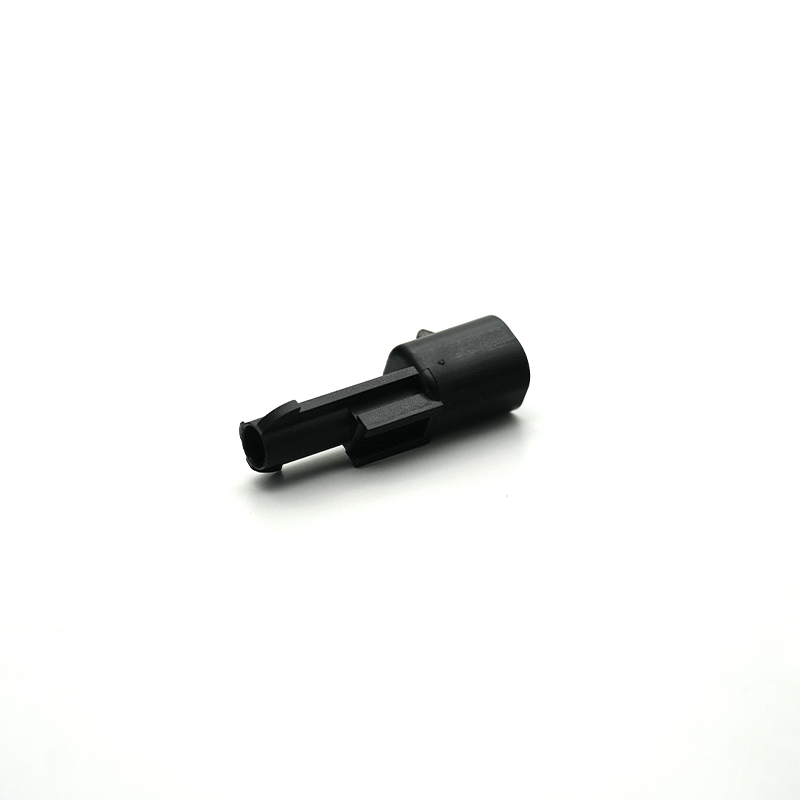
The Bost Black UV-Resistant ABS Outdoor Connector offers superior weather resistance and durability. Made from high-quality ABS plastic, this precision connector ensures reliable performance in harsh outdoor conditions, making it ideal for long-lasting, weatherproof installations. This buyer's guide explains how to evaluate, specify, and source black UV-resistant ABS plastic connectors, covering material science, testing standards, supplier due diligence, and practical installation considerations to maximize outdoor service life. Reliable sourcing also depends on compliance, which is why buyers must review the relevant certifications and standards for UV-resistant ABS connectors before final supplier approval.
Understanding Material Performance for Outdoor Connectors
What makes ABS suitable for outdoor connectors?
ABS (Acrylonitrile Butadiene Styrene) is a widely used engineering thermoplastic known for a balance of toughness, dimensional stability, and ease of processing. Native ABS, however, is not inherently UV-stable. For outdoor connectors, manufacturers add UV stabilizers (hindered amine light stabilizers, UV absorbers) and pigments to produce a black UV-resistant ABS that resists surface degradation, discoloration, and embrittlement. For general reference to ABS properties see the ABS page on Wikipedia (https://en.wikipedia.org/wiki/Acrylonitrile_butadiene_styrene). The addition of UV stabilizers and proper formulation converts ABS into a reliable option for many exterior applications.
Key mechanical and environmental properties to specify
When evaluating connectors, specify or verify the following parameters: tensile strength, impact resistance (Izod or Charpy), elongation at break, heat deflection temperature (HDT), and long-term UV/weatherability. Also require data for hydrolysis resistance, salt spray or corrosion resistance if installations are in coastal environments, and operating temperature range. These mechanical properties are central to performance in engineering plastics selection and should be provided in supplier datasheets or test reports.
Accelerated aging and real-world expectations
Ask suppliers for accelerated weathering test results (e.g., ASTM G154 or ISO 4892-3) and compare to expected outdoor exposure. Accelerated tests approximate years of sunlight, humidity, and temperature cycles. Real-world lifespan will vary by geography (UV index, temperature swings, pollution). For context on testing standards, see ASTM G154 (https://www.astm.org/Standards/G154.htm).
Comparing Engineering Plastics: ABS vs Alternatives for Outdoor Use
Why choose black UV-resistant ABS over polycarbonate or nylon?
ABS offers good dimensional stability and is cost-effective with excellent processing characteristics for molded connectors. Polycarbonate (PC) offers higher impact strength and better heat resistance but yellows under UV unless specially stabilized and is often more costly. Nylon (PA) has excellent mechanical strength and chemical resistance but can absorb moisture and swell, affecting dimensional tolerances and electrical properties. For many weatherproof connector applications where moderate impact resistance, low cost, and good finishing are priorities, UV-stabilized black ABS is a compelling choice.
Property comparison table (typical, indicative)
| Property | UV-Stabilized ABS | Polycarbonate (UV-stabilized) | Nylon (PA) |
|---|---|---|---|
| UV Resistance (outdoors) | Good (with stabilizers) | Very good (with additives) | Poor-to-moderate |
| Impact Strength | Moderate | High | Moderate-to-high |
| Moisture Absorption | Low | Low | High |
| Cost | Low-to-moderate | High | Moderate |
| Ease of Injection Molding | Excellent | Good | Good |
Notes: Values vary by formulation and additives. Use supplier datasheets for design-level decisions.
When to choose alternative engineering plastics
Choose PC for high-impact or high-temperature service; choose Nylon when mechanical loads and chemical resistance are paramount and moisture effects are acceptable. For weatherproof connectors where UV exposure is the dominant concern and cost matters, black UV-resistant ABS is usually optimal.
Practical Procurement and Qualification Steps
Supplier evaluation checklist
When sourcing, follow a structured qualification process:
- Request material datasheets showing UV stabilization, tensile and impact data, and HDT.
- Ask for accelerated weathering (ASTM G154/ISO 4892) and real-world exposure reports.
- Verify manufacturing capability: injection molding tolerances, ISO 9001 or IATF 16949 certifications, and quality control processes.
- Request sample parts and run in-house or third-party tests (mechanical, sealing, salt spray if relevant).
- Evaluate traceability and lot control for long-term projects.
Documentation helps satisfy E-E-A-T and procurement audits: material lot certificates, test reports, and production quality records.
Design for longevity: what to specify on drawings
Include the following notes on drawings and specifications:
- Material: Black UV-Resistant ABS (with specified UV stabilizer concentration) and reference a specific resin grade if possible.
- Mechanical properties: minimum tensile strength, Izod impact, and HDT at defined temperatures.
- Environmental tests: accelerated weathering hours and acceptance criteria for color change, gloss loss, and mechanical retention.
- Surface finish and UV-black pigment: specify carbon black where color stability is critical, since carbon black provides excellent UV shielding.
Cost vs lifecycle analysis
Initial part cost is only one component. Account for lifecycle costs: replacement frequency, maintenance downtime, and warranty obligations. A moderately higher-grade UV-stabilized ABS may cost more upfront but reduce replacement and maintenance costs over years. When available, request supplier life-cycle cost estimates or reference field studies.
Testing, Standards, and Compliance
Essential tests for outdoor connectors
Require or perform the following tests to validate outdoor suitability:
- Accelerated weathering: ASTM G154 or ISO 4892-3 to simulate UV and moisture exposure.
- Mechanical testing: ASTM D638 (tensile), ASTM D256 (Izod impact).
- Chemical and salt spray tests: ASTM B117 for coastal or corrosive environments.
- Flammability (if relevant): UL 94 ratings for electrical enclosures or connectors.
Refer to ASTM standards and certification bodies when specifying acceptance criteria.
Regulatory and environmental considerations
Check for RoHS compliance, REACH restrictions on certain additives, and local environmental regulations for outdoor installations. For polymer-specific guidance and industry data, PlasticsEurope provides region- and polymer-specific information: https://www.plasticseurope.org.
Use of independent labs and third-party validation
Third-party labs provide unbiased test reports and can perform accelerated outdoor exposure in different climates (e.g., QUV chambers or real-world exposure sites). Independent validation strengthens supplier claims and supports procurement decisions.
Installation, Maintenance and Long-Term Performance
Installation best practices for weatherproofing
Proper installation preserves the connector's weather resistance: use compatible seals or gaskets, avoid mechanical stresses that can crack plastic, and ensure UV-sensitive components (e.g., adhesives) are also rated for outdoor use. When using carbon black-filled ABS, avoid machining that exposes unpigmented material if UV performance is critical.
Maintenance and inspection schedule
Recommend periodic inspections for discoloration, cracks, or loss of mechanical integrity. Typical schedules depend on exposure: annual inspections in moderate climates, semi-annual in high UV or coastal environments. Early detection of UV-induced surface crazing or seal degradation prevents failures.
Repair and replacement guidance
Repair options for ABS are limited outdoors; often replacement is the most reliable option. If temporary repairs are needed, use UV-stable adhesives and protective coatings designed for exterior plastics, but confirm compatibility with ABS to avoid chemical attack.
Brand Advantages: Why Choose Bost Black UV-Resistant ABS Outdoor Connector
Material and formulation expertise
Bost's Black UV-Resistant ABS Outdoor Connector is formulated with industry-grade UV stabilizers and carbon black pigmentation to offer superior weathering resistance and color stability. This engineering plastics expertise results from iterative formulation and testing to balance toughness, dimensional stability, and UV protection.
Manufacturing quality and traceability
Bost emphasizes precision injection molding, tight dimensional tolerances, and manufacturing traceability. Certificates of compliance and material lot traceability are available on request, supporting procurement and field-service audits.
Proven field performance and support
Bost provides accelerated weathering test data and, where available, case studies from coastal and high-UV environments. Combined with technical support for installation and maintenance, this makes specifying Bost connectors less risky for long-term projects.
FAQ
Are black ABS connectors truly UV resistant?
Black ABS can be made UV resistant by adding stabilizers and using carbon black pigments. Carbon black provides excellent UV shielding. Always request accelerated weathering data (e.g., ASTM G154) and supplier formulation details to confirm suitability.
How long will a UV-stabilized ABS connector last outdoors?
Lifespan depends on exposure severity, formulation, and installation. With proper UV-stabilized ABS and correct installation, connectors often last multiple years (5–15+ years) in many climates. Ask suppliers for accelerated aging equivalence and field data for similar deployments.
Can I paint or coat the ABS connector for added protection?
Coatings can improve UV resistance but must be compatible with ABS. Use coatings specifically formulated for plastics and test adhesion and weatherability. Painting changes thermal and mechanical surface properties; consult the manufacturer first.
What tests should I require from suppliers?
Request material datasheets, accelerated weathering reports (ASTM G154/ISO 4892), mechanical test results (ASTM D638, D256), and if applicable salt spray (ASTM B117) and flammability (UL 94) ratings.
How do I decide between ABS and more expensive alternatives?
Compare technical requirements (impact, heat, chemical exposure), project budget, and expected lifecycle. Use the property comparison table above and ask suppliers for life-cycle cost estimates. For many outdoor connector uses, UV-stabilized ABS is the best balance of cost and performance.
If you want to evaluate the Bost Black UV-Resistant ABS Outdoor Connector for your next project or request samples and technical data sheets, contact our sales team or view the product page.
Contact us: For pricing, samples, or technical documents, email sales@bostplastics.com or view product details.
Tags
customized injection moulding
customized injection moulding
Lightweight Adaptation
Lightweight Adaptation
Nylon Insulator
Nylon Insulator
customized injection molded plastic parts
customized injection molded plastic parts
customized injection molding
customized injection molding
Shaft component protection
Shaft component protection
Recommended for you
Buyer's Guide to Fluoroplastic PVDF Covers with Screws
Customizing PP Plastic Spacers: Design Tips for Manufacturers
How Injection Molding Enhances PVDF Cover Strength and Fit
Choosing Black UV-Resistant ABS Connectors for Engineering Plastics
Prdoucts Categories
Question you may concern
FAQs
What are the core advantages of Bost engineering plastics compared to ordinary plastics?
Bost engineering plastics feature ultra-high mechanical strength, high-temperature resistance (-50°C to 300°C), chemical corrosion resistance, and wear resistance. Compared to ordinary plastics, their service life is extended by 3 to 8 times, making them suitable for replacing metals in harsh environments.
What is the delivery lead time? Do you offer global logistics?
Standard products: 5–15 working days; custom modifications: 2–4 weeks. We support global air/sea freight and provide export customs clearance documents (including REACH/UL certifications).
Can Bost customize modified plastics with special properties?
Yes! We offer modification services such as reinforcement, flame retardancy, conductivity, wear resistance, and UV resistance, for example:
• Adding carbon fiber to enhance stiffness
• Reducing the coefficient of friction through PTFE modification
• Customizing food-grade or medical-grade certified materials
What is the minimum order quantity (MOQ)? Do you support small-batch trial production?
The MOQ for standard products is ≥100kg. We support small-batch trial production (as low as 20kg) and provide mold testing reports and performance data feedback.
How do I select the appropriate engineering plastic grade for my product?
Selection should be based on parameters such as load conditions (e.g., pressure/friction), temperature range, medium contact (e.g., oil/acid), and regulatory requirements (e.g., FDA/RoHS). Our engineers can provide free material selection consulting and sample testing.
You may also like
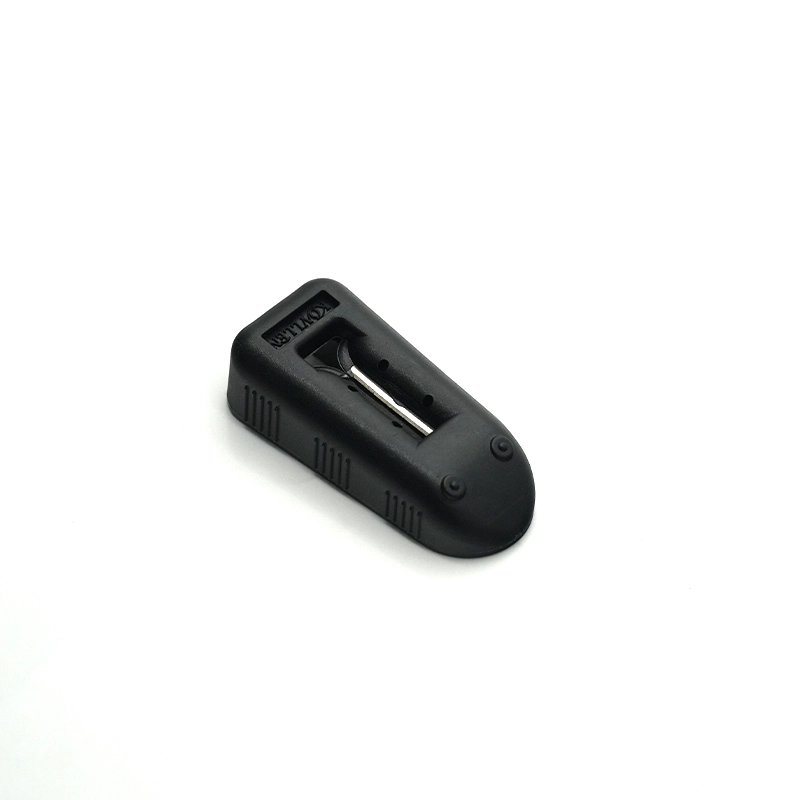
The plastic plug manufactured by Insert molding with stainless steel plate
Bost’s Insert-Molded Stainless Steel Plate Plastic Plug offers superior durability and corrosion resistance. This stainless steel insert durable plastic plug ensures a secure fit and long-lasting performance, ideal for industrial and commercial applications. Robust design meets quality standards.
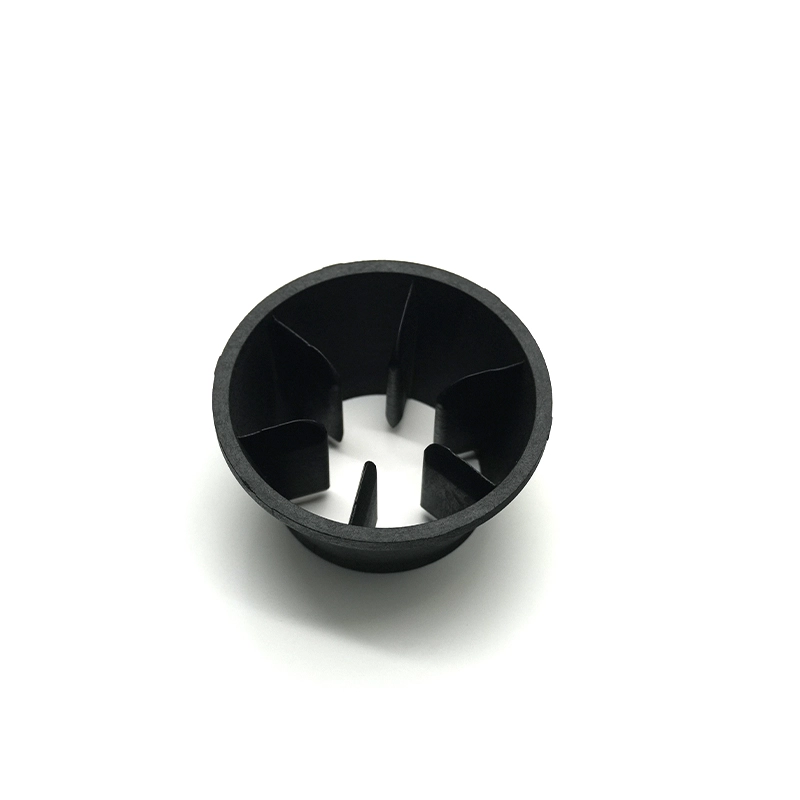
The Bost custom PPO flow valve by injection molding
The BOST Custom PPO Injection-Molded Flow Valve delivers high-temp and corrosion-resistant performance for industrial flow control. Precision-engineered by Bost, this custom PPO valve ensures durable, reliable operation in demanding environments. Optimize your process with BOST’s advanced injection-molded solution.
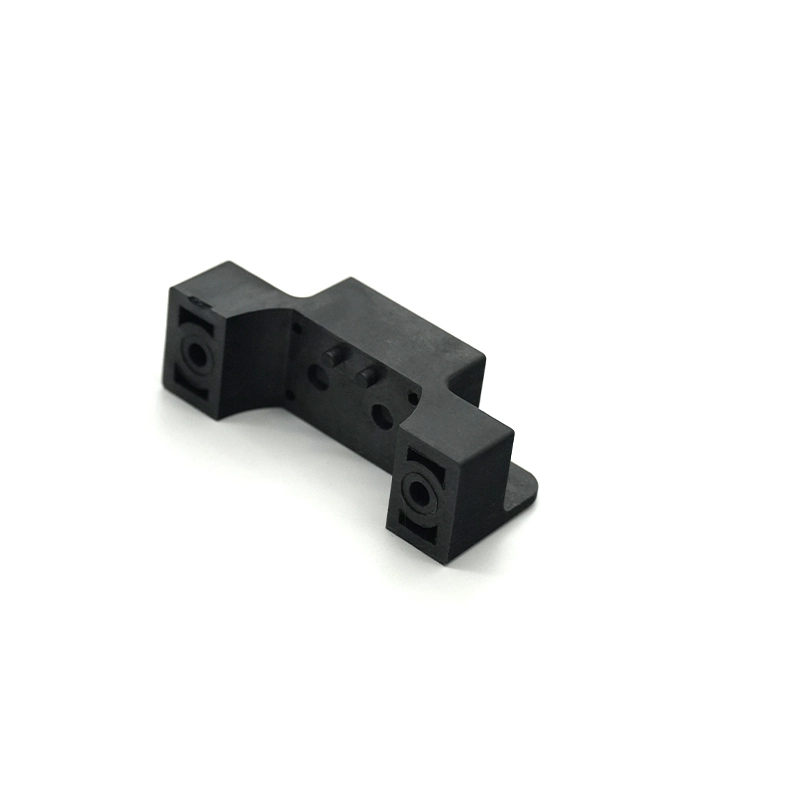
The Bost custom plastic handle by injection molding with high performance PPS material
BOST Custom PPS Injection-Molded Wear-Resistant Handle delivers superior durability and high performance. Made from High Quality PPS material, this injection-molded handle ensures exceptional wear resistance, ideal for demanding applications and long-lasting use. Choose BOST for quality and reliability.
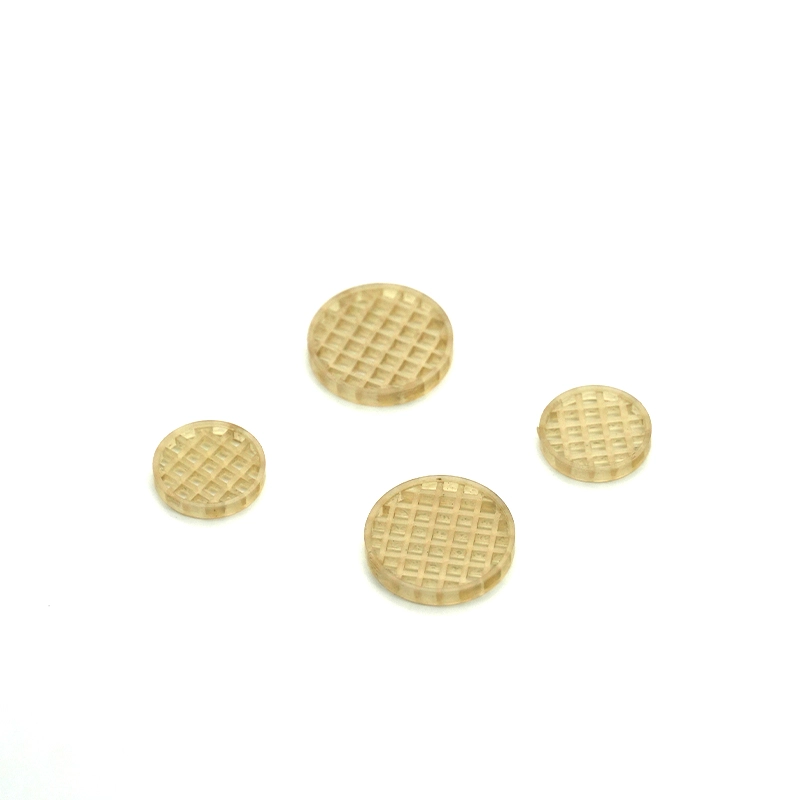
The Bost custom flow meter by injection molding with PES plastic
The Bost Custom PES Injection-Molded Flow Meter offers high-temperature and corrosion resistance, ideal for industrial use. Made with durable PES plastic via precision injection molding, this flow meter ensures reliable, customized performance for demanding applications. Trust Bost for quality and innovation.
Get in touch with Bost
Have any questions or concerns about our products? Please leave us a message here, and our team will get back to you promptly.

24 hours quotes delivered
Submit CAD files, get quote in 24 hours

No MOQ required
From prototyping to high-volume

±0.02 mm Precision
Advanced CNC with full inspections

1,000+ tons in stock
26 materials ready to ship
© 2026 BOST. All Rights Reserved.