
 Scan QR Code
Send My Request
Selecting Fluoroplastic PVDF Covers: Material and Spec Checklist
Tuesday, 01/27/2026
A practical guide to selecting fluoroplastic PVDF covers, focusing on material properties, design and installation specs for the PVDF cover with screws by injection molding. Covers corrosion resistance, thermal performance, sealing and regulatory considerations to help engineers and procurement specialists specify durable, reliable protection in demanding environments.
- Why Choose PVDF as a Fluoroplastic for Covers
- Fluoroplastic fundamentals: PVDF vs other fluoropolymers
- Key material benefits for covers
- Processability and performance: why injection molding matters
- Specification Checklist: What to Verify Before Ordering
- Mechanical and physical specs
- Chemical compatibility and corrosion considerations
- Thermal and environmental limits
- Design and Installation Details to Include
- Screw fixation and boss design
- Sealing and gasket integration
- Mounting, alignment and tolerance control
- Testing, Compliance and Long-term Performance
- Recommended tests and validation
- Regulatory and industry standards
- Maintenance, repair and replacement planning
- Comparative Properties: Fluoroplastics at a Glance
- Bost PVDF Cover with Screws: Product Advantages and Use Cases
- Why Bost’s injection-molded solution stands out
- Typical applications and case examples
- Lifecycle, sustainability and total cost of ownership
- Practical Specification Template (Checklist)
- FAQ
- Q: What temperature range can PVDF covers handle?
- Q: Are PVDF covers suitable for outdoor marine environments?
- Q: Can I use metal screws with PVDF bosses?
- Q: How do PVDF covers compare to metal covers for corrosive chemicals?
- Contact and Next Steps
- References
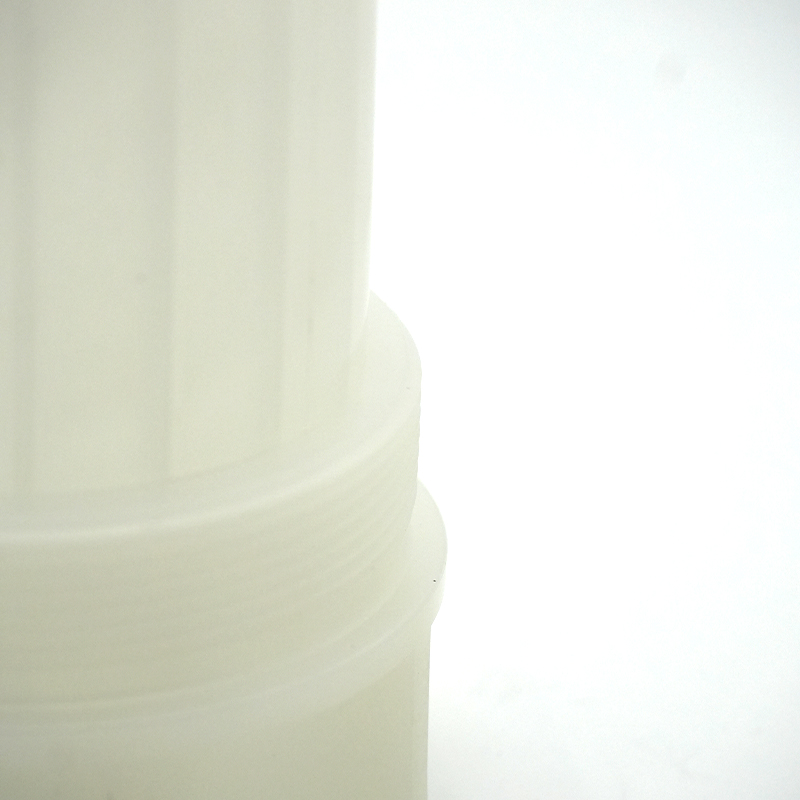
The PVDF cover with screws by injection molding is an engineered fluoroplastic solution designed for long-term protection in chemically aggressive, high-temperature, and mechanically demanding environments. The Bost PVDF cover with screws, crafted via injection molding, ensures corrosion-resistant fixing, precision installation, and high-temperature resistant sealing. Ideal for durable, reliable protection in demanding environments, this product leverages the intrinsic benefits of PVDF (a high-performance fluoropolymer) to deliver low-permeability, UV-stable, and mechanically robust covers that simplify maintenance and extend equipment life.
Why Choose PVDF as a Fluoroplastic for Covers
Fluoroplastic fundamentals: PVDF vs other fluoropolymers
Polyvinylidene fluoride (PVDF) is one of several fluoroplastics (or fluoropolymers) used in industrial applications. Compared with PTFE, FEP or PFA, PVDF offers a balance of mechanical strength, chemical resistance, and processability (notably injection molding). PVDF retains chemical inertness and excellent resistance to acids, bases and solvents while offering higher tensile strength and rigidity than PTFE, allowing for durable screw-fixed covers that hold tolerances and resist creep under load. For an overview of PVDF properties, see the PVDF entry on Wikipedia (https://en.wikipedia.org/wiki/Polyvinylidene_fluoride).
Key material benefits for covers
When specifying a cover, the following material benefits of PVDF should be considered: chemical and corrosion resistance to most industrial fluids; good UV and weathering resistance for outdoor use; dimensional stability across -40°C to about 150°C (continuous); and compatibility with tight injection-molded features including screw bosses and sealing surfaces. These attributes make PVDF an ideal fluoroplastic for protective covers, junction boxes, valves and housings in petrochemical, power, wastewater and marine settings.
Processability and performance: why injection molding matters
Injection molding of PVDF enables consistent, repeatable parts with integrated features (screw bosses, integral seals, ribs) and tight tolerances. Compared to fabricating from sheet or machining from rod, injection molding reduces assembly steps and improves sealing accuracy—critical for achieving the high-temperature resistant sealing and precision installation that the Bost PVDF cover with screws promises.
Specification Checklist: What to Verify Before Ordering
Mechanical and physical specs
Confirm the following mechanical properties in the datasheet or material certificate: tensile strength, flexural modulus, impact resistance (notched Izod), and elongation at break. For a screw-fixed injection-molded cover, pay special attention to creep resistance and hardness of the PVDF grade to ensure screw retention over the lifetime of the product. When available, request supplier test reports for tensile and fatigue performance under cyclic loading.
Chemical compatibility and corrosion considerations
List all fluids, vapors and cleaning agents the cover will be exposed to (concentrations, temperatures, exposure duration). PVDF exhibits excellent resistance to a wide range of chemicals, but verifying compatibility with specific process chemicals is best practice. For general compatibility references, industry sources such as PlasticsEurope provide overviews on polymer chemical resistance (https://www.plasticseurope.org).
Thermal and environmental limits
Specify maximum continuous and intermittent operating temperatures. PVDF typically performs well up to ~150°C continuous; note that sealing materials and screw hardware may impose lower limits. Also verify UV exposure and outdoor weathering requirements—PVDF grades can be UV-stabilized, which is important for long-term exposure. If the cover must withstand higher intermittent peaks or steam cleaning, confirm the component’s design accommodates thermal expansion without seal failure.
Design and Installation Details to Include
Screw fixation and boss design
The success of a screw-fixed PVDF cover relies on well-designed screw bosses and correct screw selection. Injection-molded PVDF permits integrated bosses molded to optimal wall thickness and rib support. Design notes to include in the specification: boss diameter and depth, recommended screw type and size, thread engagement length, and torque settings to avoid over-stressing the polymer. Where vibration or repeated removal is expected, consider metal inserts or self-clinching fasteners compatible with PVDF to prevent boss wear.
Sealing and gasket integration
Sealing strategy should be clear in the specification—integral molded seals, compression gaskets, or secondary O-rings. PVDF’s dimensional stability enables precise seal grooves and ledges. If the Bost PVDF cover with screws is supplied with a molded sealing face, include allowable gasket compression, surface finish and flatness tolerances. For high-temperature sealing, verify that the gasket material and PVDF work together without chemical attack.
Mounting, alignment and tolerance control
Provide critical dimensions and allowable tolerances for mounting holes, alignment pins, and flange interfaces. Injection molding can achieve repeatable tolerances, but designers must account for shrinkage and warpage by using appropriate gate locations, wall thicknesses, and ribs. Request molded part drawings with GD&T callouts and a first article inspection (FAI) to verify compliance.
Testing, Compliance and Long-term Performance
Recommended tests and validation
Ask your supplier to provide or perform the following tests: chemical resistance soak tests with representative fluids, cycle fatigue tests for screw retention, thermal aging tests at elevated temperatures, UV exposure (for outdoor use), and ingress protection (IP) testing if electrical enclosure protection is required. For guidance on test methodologies, refer to industry standards and technical literature; for polymer aging and testing references see ASM International publications (https://www.asminternational.org).
Regulatory and industry standards
Confirm any required certifications: RoHS/REACH compliance for restricted substances, UL listings for enclosure materials, or NSF approvals for potable water contact. PVDF is commonly accepted in food, pharmaceutical and chemical industries when processed under compliant manufacturing conditions; always request relevant certificates from the supplier.
Maintenance, repair and replacement planning
Design for serviceability: specify spare gasket kits, screw torque tables, and recommended inspection intervals. PVDF covers typically reduce corrosion-related maintenance, but mechanical wear or gasket degradation can still occur. Establish a replacement lifecycle and stock critical spare parts to minimize downtime in harsh environments.
Comparative Properties: Fluoroplastics at a Glance
| Property | PVDF (fluoroplastic) | PTFE | FEP/PFA |
|---|---|---|---|
| Chemical Resistance | Excellent to most chemicals | Excellent; broadest resistance | Excellent; similar to PTFE |
| Max Continuous Temp | ~150°C (typical) | ~260°C | 200–260°C (grade dependent) |
| Mechanical Strength | High—suitable for load-bearing covers | Low—soft and slippery | Lower than PVDF; better than PTFE for processing |
| Processability | Good for injection molding | Poor for injection molding; usually sintered or machined | Good for molding and extrusion |
| Typical Uses | Covers, housings, piping components | Seals, bearings, linings | Coatings, tubing, linings |
Note: The table summarizes typical behavior—always consult material datasheets for specific grades and conditions. For authoritative background on fluoropolymers and their properties consult the PVDF overview (Wikipedia) and polymer manufacturer datasheets.
Bost PVDF Cover with Screws: Product Advantages and Use Cases
Why Bost’s injection-molded solution stands out
The Bost PVDF cover with screws by injection molding is engineered to combine the material strengths of fluoroplastic PVDF with precision manufacturing. Key advantages include corrosion-resistant fixing using PVDF-compatible fasteners, precise installation thanks to accurate molded bosses and alignment features, and high-temperature resistant sealing achieved through optimized sealing faces. These design choices minimize leak paths and mechanical failure modes common in harsh industrial environments.
Typical applications and case examples
Ideal applications include chemical dosing equipment, sensor housings in wastewater plants, outdoor junction boxes in coastal installations, and protective covers for instrumentation in petrochemical plants. In each case, Bost’s injection-molded PVDF cover reduces corrosion-driven failures and simplifies maintenance compared to metal or lower-grade polymer covers.
Lifecycle, sustainability and total cost of ownership
While initial cost for high-performance fluoroplastic components can be higher than some alternatives, lifecycle advantages—reduced corrosion maintenance, fewer emergency repairs, and longer mean time between replacements—often result in lower total cost of ownership. PVDF’s recyclability and long service life can also support sustainability targets when managed with appropriate end-of-life plans.
Practical Specification Template (Checklist)
Use this checklist when requesting a quote or preparing a purchase order for a PVDF cover:
- Part name: The PVDF cover with screws by injection molding
- Material: PVDF grade and supplier, include flame retardancy/UV stabilization if required
- Dimensions: overall, mounting hole pattern, critical tolerances
- Screw details: size, material (stainless steel, PVDF screws), torque limits
- Seal type: molded seal, gasket material, compression requirements
- Operating temperature range and maximum intermittent temp
- Chemicals exposure list and concentrations
- Required certifications: UL, RoHS, REACH, NSF, IP rating
- Testing: FAI, chemical soak, torque retention, UV and thermal aging
- Packaging and labeling requirements for traceability
FAQ
Q: What temperature range can PVDF covers handle?
A: PVDF typically performs well in continuous service up to around 150°C, with short-term intermittent exposures somewhat higher. Verify the specific PVDF grade and consider gasket and screw limitations as they often define system limits. For general properties see PVDF data.
Q: Are PVDF covers suitable for outdoor marine environments?
A: Yes—PVDF has good UV and weather resistance compared to many other polymers. For marine environments, specify UV-stabilized grades and corrosion-resistant screws (e.g., 316 stainless or PVDF fasteners) and ensure design avoids crevices where salt deposits could accumulate.
Q: Can I use metal screws with PVDF bosses?
A: Yes, commonly 316 stainless steel screws are used. However, to avoid stress concentrations and boss wear, follow recommended torque values and consider metal inserts for repeated assembly cycles or high-vibration installations.
Q: How do PVDF covers compare to metal covers for corrosive chemicals?
A: PVDF often outperforms many metals (including carbon steel and some stainless grades) in corrosive chemical exposure because it is inert to a broad range of acids and alkalis. PVDF also eliminates galvanic corrosion concerns and reduces the need for coatings. For aggressive, high-temperature, or oxidizing environments, review specific chemical compatibility and temperature limits.
Contact and Next Steps
If you need a datasheet, 3D model, torque recommendations, or an official quotation for The Bost PVDF cover with screws, crafted via injection molding, please contact Bost Sales or request a sample. Our team can provide material certificates, test reports and dimensional drawings to support qualification.
Contact Sales: sales@bostexample.com | View product page
Trust Bost for superior PVDF injection-molded solutions that deliver corrosion-resistant fixing, precision installation, and high-temperature resistant sealing for demanding industrial applications.
References
Polyvinylidene fluoride (PVDF) overview — Wikipedia
Plastics industry resources — PlasticsEurope
ASM International — materials and testing guidance — ASM International
Tags
plastic car parts
plastic car parts
china custom plastic injection molding
china custom plastic injection molding
precision cnc machined parts
precision cnc machined parts
High Temperature Resistance
High Temperature Resistance
china custom injection molding
china custom injection molding
Eco-Friendly Support
Eco-Friendly Support
Recommended for you
How Injection Molding Improves PP Plastic Spacer Production
Design Tips for PVC Parts in Injection Molding: Practical Guidelines from Bost

Cost-Benefit Analysis of NBR Buna-Rubber Seal Rings for Industry
How to Choose the Right Custom Injection Molding Partner
Prdoucts Categories
Question you may concern
FAQs
What are the core advantages of Bost engineering plastics compared to ordinary plastics?
Bost engineering plastics feature ultra-high mechanical strength, high-temperature resistance (-50°C to 300°C), chemical corrosion resistance, and wear resistance. Compared to ordinary plastics, their service life is extended by 3 to 8 times, making them suitable for replacing metals in harsh environments.
What is the minimum order quantity (MOQ)? Do you support small-batch trial production?
The MOQ for standard products is ≥100kg. We support small-batch trial production (as low as 20kg) and provide mold testing reports and performance data feedback.
How do I select the appropriate engineering plastic grade for my product?
Selection should be based on parameters such as load conditions (e.g., pressure/friction), temperature range, medium contact (e.g., oil/acid), and regulatory requirements (e.g., FDA/RoHS). Our engineers can provide free material selection consulting and sample testing.
What is the delivery lead time? Do you offer global logistics?
Standard products: 5–15 working days; custom modifications: 2–4 weeks. We support global air/sea freight and provide export customs clearance documents (including REACH/UL certifications).
Can Bost customize modified plastics with special properties?
Yes! We offer modification services such as reinforcement, flame retardancy, conductivity, wear resistance, and UV resistance, for example:
• Adding carbon fiber to enhance stiffness
• Reducing the coefficient of friction through PTFE modification
• Customizing food-grade or medical-grade certified materials
You may also like
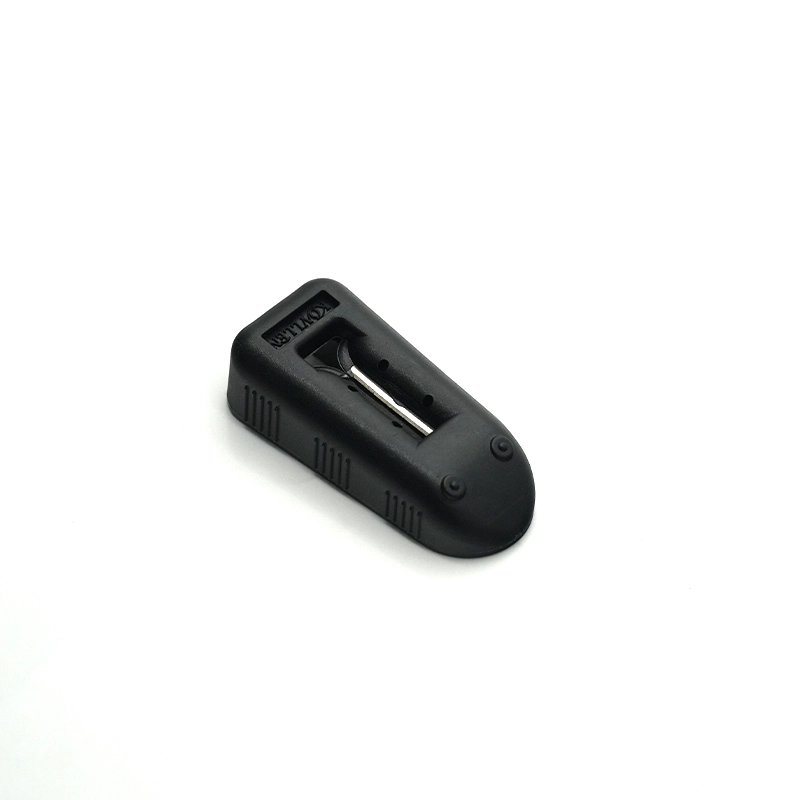
The plastic plug manufactured by Insert molding with stainless steel plate
Bost’s Insert-Molded Stainless Steel Plate Plastic Plug offers superior durability and corrosion resistance. This stainless steel insert durable plastic plug ensures a secure fit and long-lasting performance, ideal for industrial and commercial applications. Robust design meets quality standards.
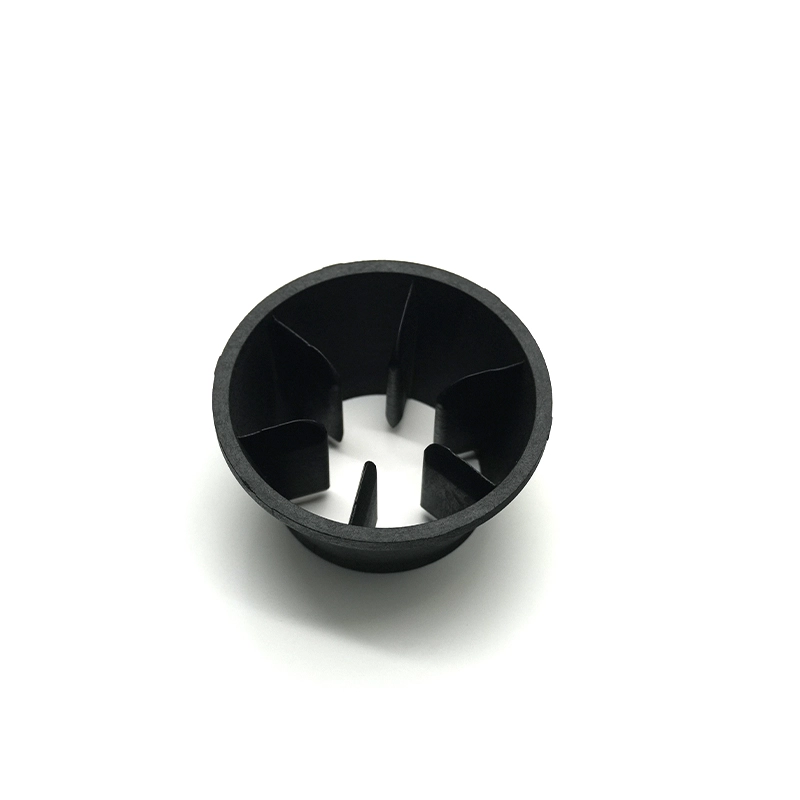
The Bost custom PPO flow valve by injection molding
The BOST Custom PPO Injection-Molded Flow Valve delivers high-temp and corrosion-resistant performance for industrial flow control. Precision-engineered by Bost, this custom PPO valve ensures durable, reliable operation in demanding environments. Optimize your process with BOST’s advanced injection-molded solution.
The Bost custom plastic handle by injection molding with high performance PPS material
BOST Custom PPS Injection-Molded Wear-Resistant Handle delivers superior durability and high performance. Made from High Quality PPS material, this injection-molded handle ensures exceptional wear resistance, ideal for demanding applications and long-lasting use. Choose BOST for quality and reliability.
The Bost custom flow meter by injection molding with PES plastic
The Bost Custom PES Injection-Molded Flow Meter offers high-temperature and corrosion resistance, ideal for industrial use. Made with durable PES plastic via precision injection molding, this flow meter ensures reliable, customized performance for demanding applications. Trust Bost for quality and innovation.
Get in touch with Bost
Have any questions or concerns about our products? Please leave us a message here, and our team will get back to you promptly.

24 hours quotes delivered
Submit CAD files, get quote in 24 hours

No MOQ required
From prototyping to high-volume

±0.02 mm Precision
Advanced CNC with full inspections

1,000+ tons in stock
26 materials ready to ship
© 2026 BOST. All Rights Reserved.